
Can Cockroaches Live in Your Ear?
Cockroaches can crawl into your ear while you sleep, but they can’t actually live there long-term. Your ear canal isn’t a sustainable home, so the roach usually dies or must be removed. You’ll likely notice pain, pressure, scratching sounds, or changes in hearing. Medical help is often needed to safely get it out and prevent infection or eardrum damage. Next, you’ll see what really happens, how doctors remove them, and how to stop this nightmare scenario.
Key Takeaways
- Cockroaches can crawl into human ears, but the ear canal cannot support them as a long-term living environment.
- They usually stay only briefly, though rare cases involve egg-laying that still does not become a permanent infestation.
- A roach in the ear can cause pain, buzzing, crawling sensations, muffled hearing, dizziness, and sometimes eardrum damage.
- Medical removal is strongly recommended to prevent tissue damage, infection, or complications from incomplete extraction.
- Good home hygiene, roach control, and protecting the sleeping area greatly reduce the chances of a cockroach entering your ear.
Can Cockroaches Really Live in Your Ear?
Strangely enough, cockroaches can and do get into people’s ears, but they don’t truly “live” there. They invade, get stuck, and sometimes survive long enough to move around or even lay eggs, but your ear canal isn’t a sustainable home.
In reported cases, you see how limited their stay really is. A 24‑year‑old man in China had a mother cockroach crawl into his ear, lay eggs, and hatch more than 10 nymphs, all removed by an ENT specialist using lidocaine and tweezers. A woman in Florida had a roach lodged in her ear for nine days, requiring repeated extractions and flushing to clear the remnants. These incidents also highlight the role of household hygiene in preventing cockroaches from getting close enough to invade the ear in the first place.
Hospitals in South Africa, Iran, Taiwan, China, and the U.S. have documented similar incidents. These cases show roaches can survive briefly and even reproduce in your ear, but only until medical removal ends their short, unintended occupation.
Signs There’s a Bug in Your Ear (And When to Worry)

Even though cockroaches don’t truly settle in your ear, they can still get in, and knowing what that feels like matters. You might notice strange auditory sensations first: intermittent buzzing, clicking, scratching, or rustling that seems to come from deep inside your ear. Sometimes it’s a loud vibrating or humming sound that you could mistake for tinnitus, or a popping noise if the canal’s affected.
You’ll likely feel discomfort, too. That can range from sharp or dull pain to a constant sense of pressure, fullness, or itchiness. A live insect may cause crawling, tickling, or twitching sensations, plus odd tingling that feels like something moving where it clearly shouldn’t.
Other warning signs include redness or swelling around the ear, drainage of blood, pus, or foul-smelling fluid, and muffled hearing on one side. Dizziness or balance changes can also signal a bug irritating your eardrum or blocking sound. If these symptoms persist or worsen, it’s important to see a doctor to rule out infection or other complications.
What Happens If a Cockroach Gets in Your Ear?
Once a cockroach gets into your ear, it doesn’t just sit still—it moves, scratches, and struggles, triggering an immediate cascade of symptoms. You feel sharp, sometimes severe pain as its legs scrape the ear canal. The movement causes intense itching, pressure, and a disturbing fluttering or rustling sound that makes you hyperaware of every twitch. Your ear quickly feels blocked and full, as if something’s wedged deep inside.
Over minutes to hours, the insect can damage delicate tissue. Its spines and mouthparts may scratch or even rupture your eardrum, leading to bleeding, muffled hearing, or sudden hearing loss. Cockroaches can release irritating substances that inflame the canal and eardrum, and if it dies inside, its body starts to break down, raising the risk of infection. If the insect or its fragments are not completely removed, there’s a higher chance of a painful ear infection that may need medical treatment.
You might picture:
- Legs scraping the narrow canal
- Wings fluttering against the eardrum
- A dead roach lodged in darkness
Safe Ways to Remove a Cockroach From Your Ear
Although a cockroach in your ear feels like an emergency, removing it safely depends on staying calm and resisting the urge to poke or dig. Don’t insert cotton swabs, tweezers, or fingers, and don’t rub or hit your ear or head—those actions push the insect deeper and may injure your eardrum. Help children stay calm by reassuring them and gently controlling their movements. Prompt removal also lowers the risk of infection or irritation inside the ear canal.
First, tilt the affected ear downward and gently shake your head. For a child, cup their head with both hands, tip it to the side, and shake lightly. You can straighten the ear canal by gently pulling the outer ear backward.
If the insect doesn’t fall out, you can pour a small amount of warm mineral, vegetable, or baby oil into the ear to suffocate it, then wait 5–10 minutes. Flush only after it’s dead. If you’re unsure, in pain, or unsuccessful after one or two tries, seek medical care immediately.
Real Ear Cockroach Cases and What They Show
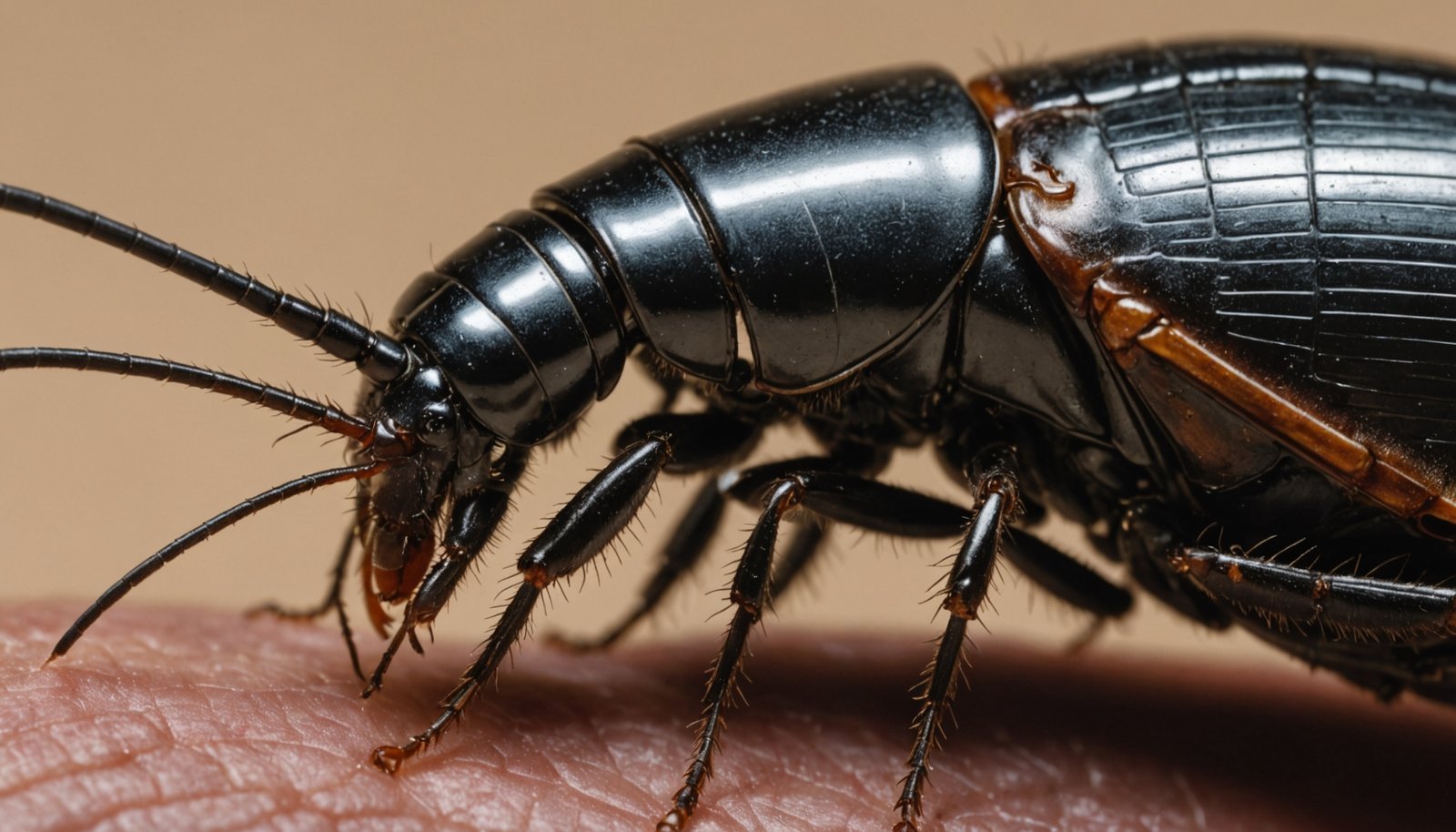
Real-life stories about cockroaches in ears show how common these incidents are—and how easily they can go wrong without proper care. When you read about Katie Holley in Florida, you see how a roach can slip in while you sleep, resist DIY tweezers, and even leave hidden parts behind after an ER visit. Nine days later, she still had pain and hearing trouble because fragments remained. Doctors strongly advise seeing a physician even after an insect seems to come out, because leftover parts can lead to infection or other complications.
You also see a 10‑year‑old boy who woke up with sharp ear pain and needed careful extraction on video, using multiple tools. His case underlines how vulnerable sleeping children are.
Research backs these stories up. In one South African hospital, doctors removed 23 insects from ears in two years, including 10 German cockroaches. Other studies find cockroaches among the top ear foreign bodies, though rates vary by region.
- A dark bedroom
- A sudden, stabbing earache
- A tiny insect thrashing against your eardrum
How to Prevent Cockroaches From Crawling Into Your Ears
You can greatly cut your risk of ear-invading roaches by keeping food and crumbs far from where you relax and sleep. When you reduce indoor roach numbers and limit what attracts them, you make your home a lot less interesting to these pests. You’ll also want to protect your actual sleeping area, turning your bed and bedroom into a zone that’s as roach-proof as possible.
Keep Food Away
One of the most effective ways to keep cockroaches out of your ears at night is to remove anything that attracts them near where you sleep. Roaches come looking for food, water, and crumbs, so you need to cut off their supply. Don’t snack in bed, and never leave plates, wrappers, or glasses on your nightstand.
Store all food in sealed containers and keep it out of bedrooms. Wipe nearby surfaces daily to remove crumbs and sticky spots. Empty trash bins near sleeping areas every evening, and don’t leave pet food or water dishes out overnight.
- A bedside table free of crumbs, stains, and half-finished drinks
- A tightly closed food container instead of an open snack bag
- A dry, empty pet bowl beside a neatly made bed
Reduce Indoor Roaches
Although cockroaches can slip through tiny gaps and thrive in clutter, you can make your home far less inviting to them—and much less likely for one to end up near your ears. Start by sealing entry points: repair window and door screens, caulk gaps around frames, and install fine‑mesh screens on vents and other openings.
Next, maintain strict cleanliness. Vacuum often, wipe counters and floors to remove crumbs and spills, empty trash before it smells, and declutter to eliminate roach hiding spots.
Then, use repellents strategically. Apply perimeter sprays along baseboards and entryways, or use natural options like essential oils in problem areas. If roaches persist, reduce overall populations with integrated pest management and call a professional for inspection and treatment.
Protect Your Sleeping Area
Even in a clean home, a few simple changes to how and where you sleep can sharply cut the odds of a cockroach ever getting near your ears. Keep your sleeping area dry, crumb‑free, and vacuumed, and wash bedding weekly in hot water. Fix door and window screens, and seal cracks near your bed so roaches can’t use them as highways.
Sleep elevated on a bed frame with legs, pulled slightly from the wall. Tuck in sheets so they don’t drape onto the floor, and consider traps or diatomaceous earth around the bed’s base.
In high‑risk places, add physical barriers and gear:
- A gauzy bed canopy enclosing your mattress.
- Bed legs standing in shallow soapy dishes.
- Soft earplugs and a thin hood or cap.
Frequently Asked Questions
Can Cockroaches Lay Eggs or Start Breeding Inside Your Ear Canal?
No, cockroaches won’t successfully lay eggs or establish breeding colonies in your ear canal. They might get stuck, cause intense pain, and even carry nymphs in, but conditions prevent long-term survival, hatching, or sustained infestation.
Can an Ear Cockroach Infestation Cause Permanent Hearing Loss or Brain Infection?
Yes, you can suffer permanent hearing loss from ear damage or infection, but you won’t get a brain infection. You should seek urgent medical removal to prevent trauma, inflammation, secondary infection, and long‑term auditory problems.
How Common Are Cockroaches-In-Ear Cases Compared to Other Insect Ear Intrusions?
They’re the most common insect in ear canals; you’re more likely to get a cockroach than any other bug. Studies show cockroaches make up about half of insect ear cases, outranking beetles, flies, moths, mites, and ticks.
Are Certain People or Age Groups More Likely to Get Cockroaches in Their Ears?
You’re not at higher risk due to age; adults in crowded, cockroach‑infested homes or lower hospital floors face it most. You’re vulnerable when you sleep in humid, unsanitary, roach‑dense environments, regardless of health or background.
Will Sleeping With Earbuds or Earplugs Stop Cockroaches From Entering Your Ears?
Yes, sleeping with snug earbuds or earplugs can greatly reduce a cockroach’s chance of entering your ears, but it’s not perfect; you should still control roaches at home and keep sleeping areas clean and sealed.
Conclusion
You don’t need to panic about cockroaches living in your ears, but you shouldn’t ignore the risk either. If a bug ever crawls in, stay calm, tilt your head, and seek medical help instead of poking around. Knowing the signs, using safe removal methods, and keeping your home clean and sealed dramatically lowers your chances. With a few smart habits, you’ll sleep easier—without worrying what might crawl in while you’re not looking.
