
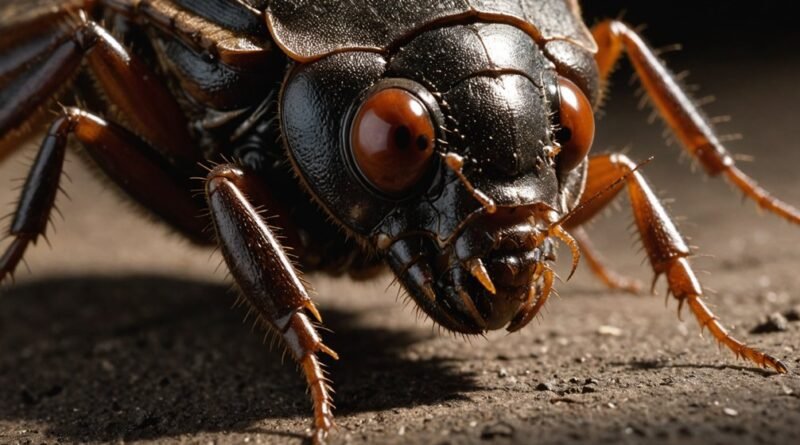
Can Cockroaches Live in Your Nose?
Cockroaches can survive in your nose, but it’s extremely rare. In unusual cases, a roach crawls into the nostril at night and causes tingling, crawling, burning, headache, and trouble breathing. It may stay alive for days in the warm, moist nasal passages and can trigger infection or allergies if it dies there. Doctors usually remove it quickly with an endoscope, and you can learn exactly what to watch for and how to prevent this.
Key Takeaways
- Cockroaches can enter and temporarily live in the nose, but such cases are extremely rare.
- Typical sensations include crawling, tingling, scraping, one-sided blockage, burning, and sometimes severe headache or breathing difficulty.
- A cockroach can survive for days in nasal passages due to its breathing spiracles and low energy needs.
- Dead roaches in the nose can trigger infection, allergic reactions, and worsen asthma or rhinitis, requiring prompt medical removal.
- If you suspect a roach in your nose, breathe through your mouth and seek urgent ENT or emergency medical care.
Can Cockroaches Really Live in Your Nose?
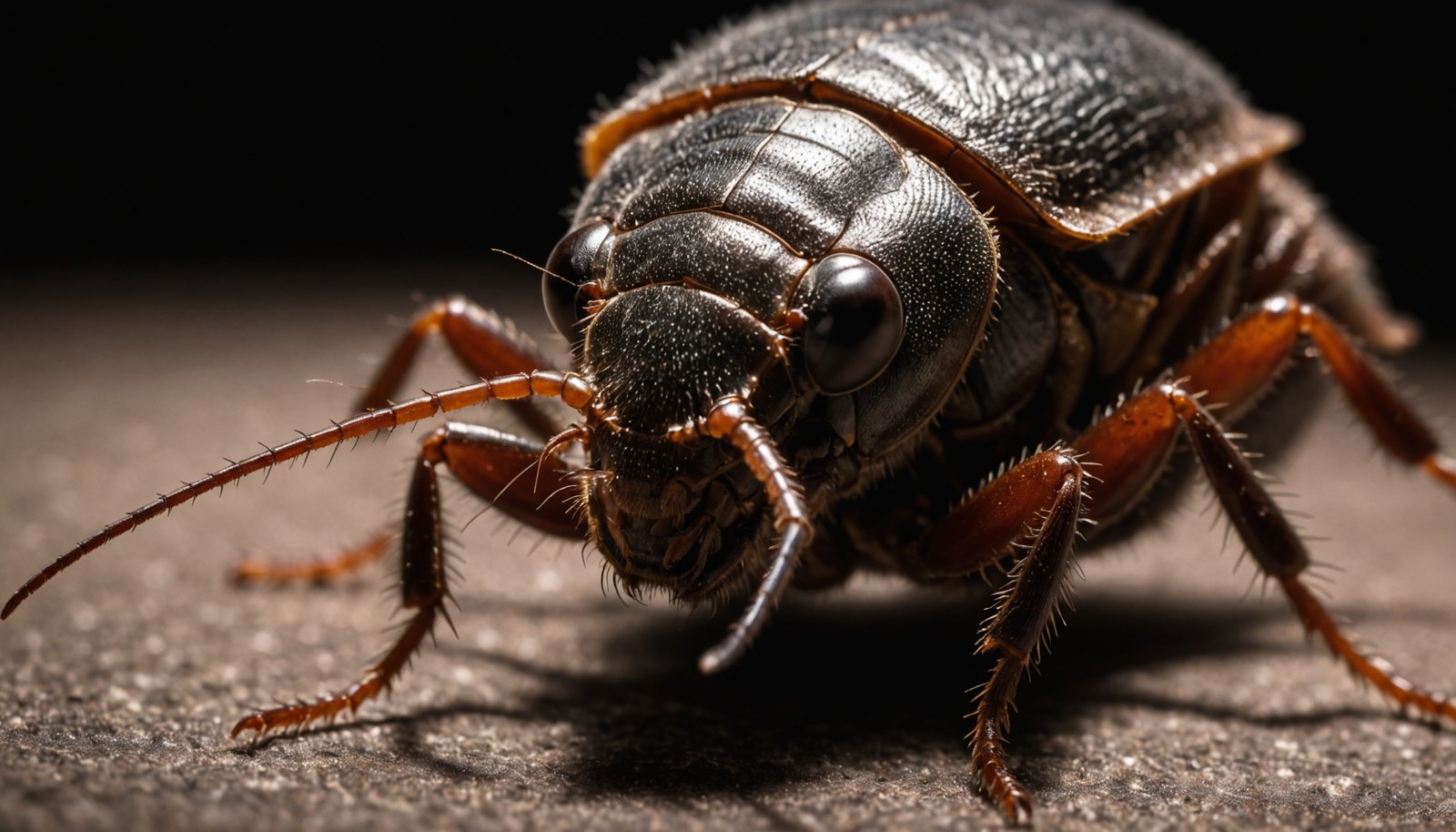
So can cockroaches really live in your nose, or are those horror stories just exaggerations? They’re not pure fiction, but they’re extremely rare. In Chennai, a 42‑year‑old woman felt a cockroach crawl up her nose as she fell asleep. She later sensed tingling, movement, and burning that spread toward her eyes, along with a severe headache and trouble breathing. Doctors found a live roach lodged high in her nasal cavity and removed it with an endoscope. Because cases like this could lead to serious infection risk, doctors stress getting prompt medical help for any strange crawling or burning sensations in the nose.
That case sounds terrifying, but physicians describe nasal cockroaches as unusual. Emergency doctors with decades of experience may never see one, and insects choose ears far more often because they’re warm, humid shelters. Cockroaches almost never invade human openings at all. Even when one reaches the roof of your nose, a thin bone still separates it from your brain. No documented case shows a cockroach getting from the nose into the brain.
What to Do If a Bug Is in Your Nose?
If you feel or see a bug in your nose, you need to act calmly and follow a few specific first aid steps right away. You’ll learn how to position your head, breathe, and gently try to expel the insect without pushing it deeper. You’ll also see clear signs that mean you must stop home efforts and get urgent medical care. Because the nose normally contains mucus and cilia that trap and move particles, a bug may stick in place instead of going deeper, but it can still irritate the nasal lining and should be removed carefully.
Immediate First Aid Steps
One of the most important things you can do when a bug gets into your nose is to stay calm and follow a clear sequence of first aid steps. First, stop breathing through your nose and switch to slow, steady mouth breathing. This prevents the insect from moving deeper and lowers choking risk. If you cannot remove the bug on your first attempt, seek medical care promptly to prevent complications or infection.
Next, if you’re an older child or adult, try the positive pressure method: close the clear nostril with a finger and blow gently but firmly through the blocked side once or twice.
For young children, a trained adult may use the “parent’s kiss”: seal your mouth over theirs, close the clear nostril, and give a brief puff of air.
Use fingers or tweezers only for objects clearly protruding. Never poke, probe, or inhale sharply.
When To See Doctors
Although many nasal bug encounters resolve at home, you should seek medical care right away if you develop trouble breathing, wheezing, chest tightness, or swelling of your face, lips, tongue, or throat, as these can signal a serious allergic reaction. Call emergency services if you feel faint, confused, or can’t speak in full sentences. Some insects can carry bacteria that increase your risk of an infection if they break the skin or remain trapped in the nasal passages.
You also need urgent evaluation if you notice yellow, green, or bloody nasal discharge, intense sinus pain, or spreading redness or swelling across your face. Fever over 100°F (37.7°C), chills, or red streaks from the area can indicate infection.
See a doctor promptly if symptoms persist or worsen despite home care.
- Symptoms lasting over 10 days or worsening
- No improvement after 48–72 hours of treatment
- Children, elderly, or immunocompromised with any concerning sign
What It Feels Like When a Bug Is in Your Nose
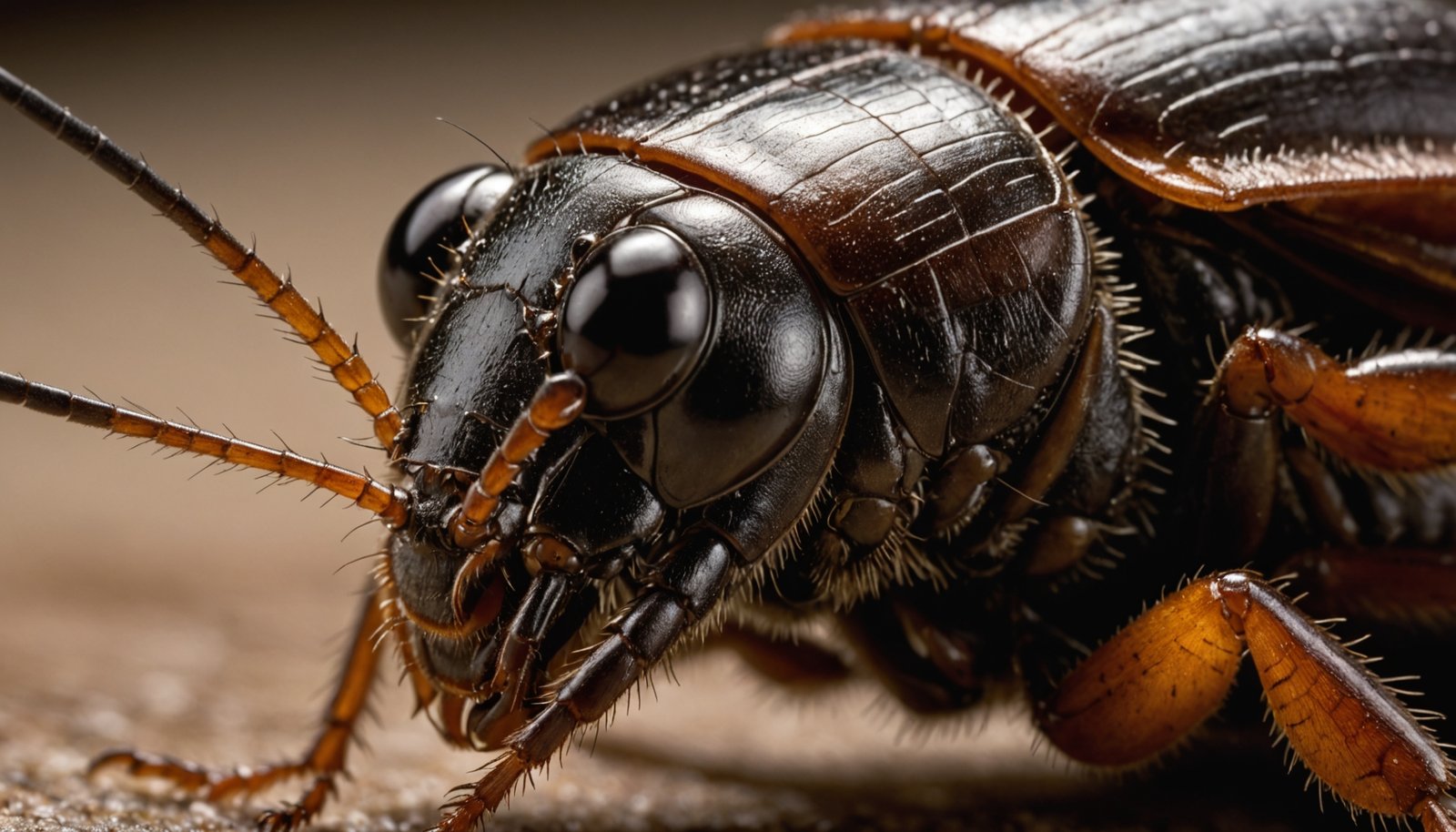
Long before you realize what’s happening, a live bug in your nose can trigger a sharp, uncanny awareness that something is moving where nothing should move. You might first notice a faint tickle deep inside a nostril, like a stray hair you can’t reach. As the insect shifts, the sensation can jump from mild irritation to a crawling, scraping feeling that makes you gasp and freeze. Because similar sensations can also come from infections like nasal vestibulitis, it’s important to pay attention if pain, swelling, or crusting develop along with the crawling feeling.
Your nose may suddenly feel blocked on one side, yet blowing doesn’t clear it. You can sense pressure, fluttering, or tiny taps against delicate tissue. Your eyes may water, and you might sneeze repeatedly as your body tries to expel the intruder.
| Sensation / Reaction | How You Might Notice It |
|---|---|
| Crawling or fluttering | Sudden internal “movement” feeling |
| Sharp tickle or scraping | Persistent urge to rub or blow nose |
| One-sided blockage | Air feels uneven when you inhale |
| Panic or disgust | Strong urge to remove it immediately |
How Cockroaches Get Into Your Nose at Night
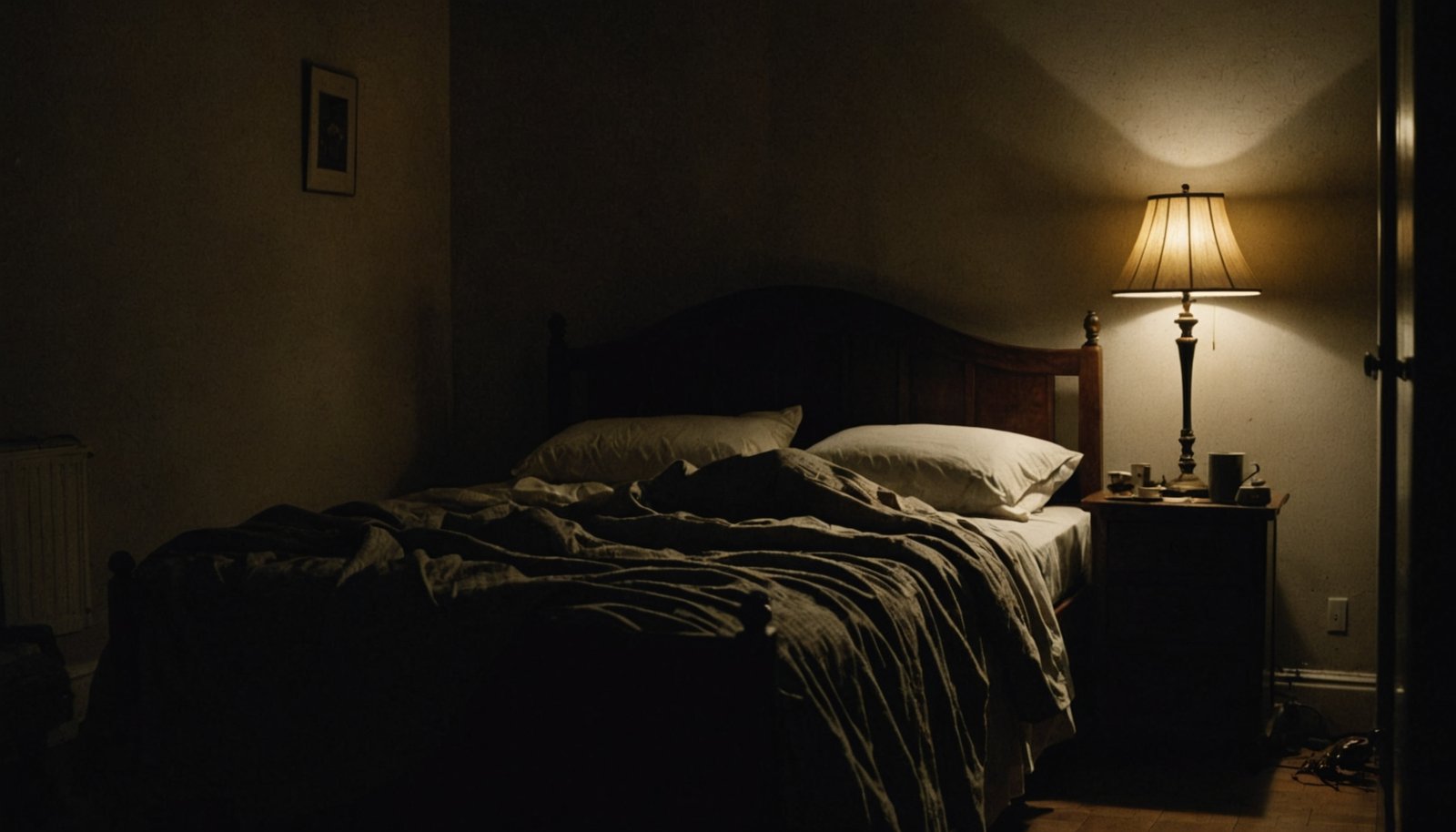
That unsettling crawling you feel doesn’t start by accident—cockroaches typically reach your nose while you’re asleep, when you’re breathing steadily and not guarding your face. At night, they’re most active, roaming warm, humid rooms, especially if food or water’s nearby. If your bed sits close to the floor or infested areas, a roach can easily reach your pillow.
That unsettling crawling often begins in your sleep, when roaches quietly explore warm, humid bedrooms and unguarded faces
You breathe without thinking, and that steady airflow can draw a small insect toward your nostrils. If you sleep with your mouth or nose open, you’re giving it a wider entrance. Once at your nose, it’s attracted to the moist, dark passage and crawls inside.
Here’s how that nighttime invasion usually unfolds:
- Cockroach leaves hiding spots, drawn toward your warm sleeping area.
- Your unconscious breathing pulls it close to your nose.
- It crawls into the nostril, then upward toward deeper nasal passages.
Can a Cockroach Reach Your Brain Through Your Nose?
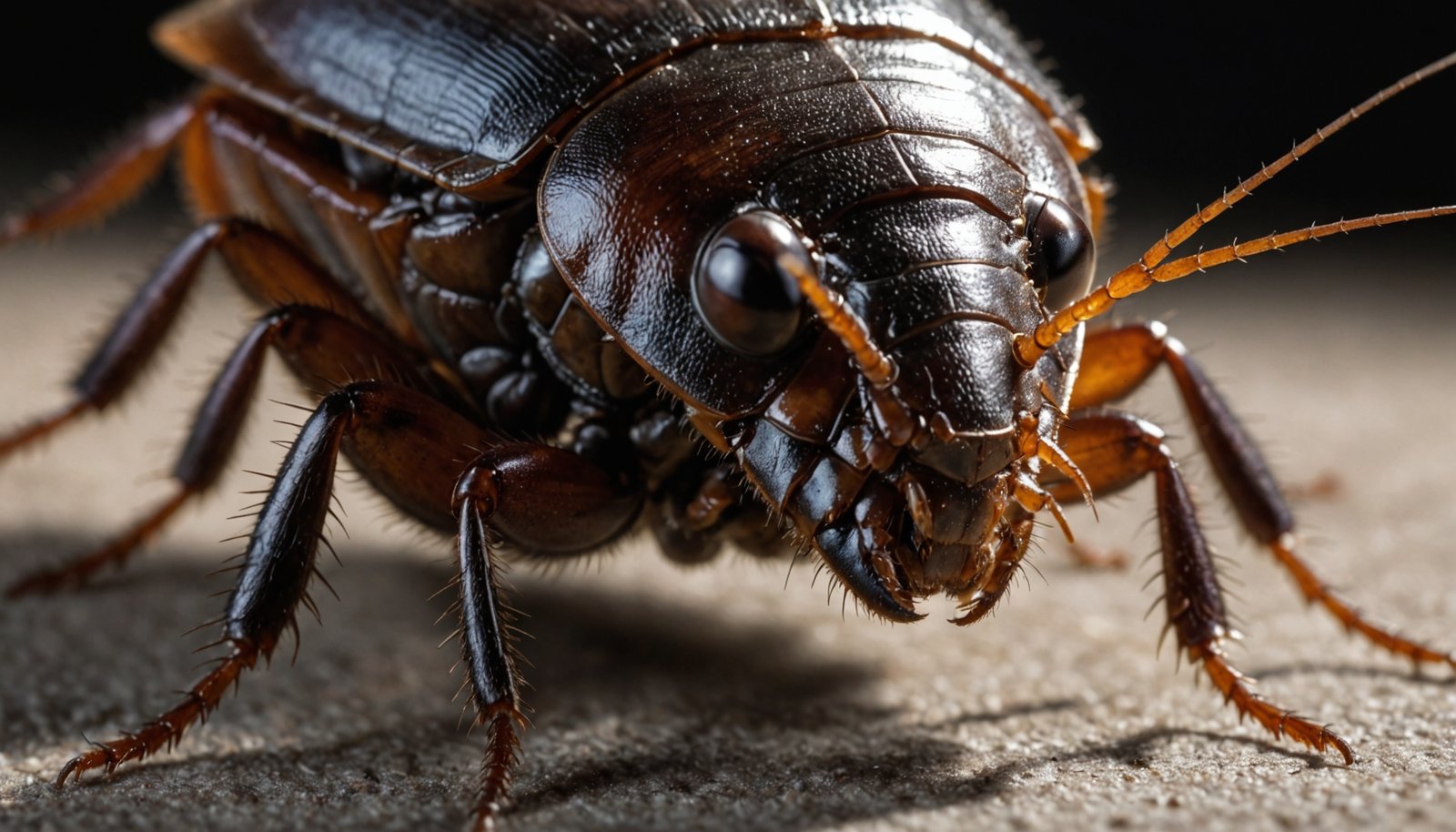
You’ve probably heard horror stories about a cockroach crawling up your nose and straight into your brain, but your nasal anatomy doesn’t make that easy. In this section, you’ll see how far a roach can realistically travel inside your skull and what actually stopped it in the real case where it reached the skull base between the nose and brain. You’ll also sort out the real medical risks—like infection and pain—from the exaggerated myths about bugs eating your brain.
Nasal Anatomy And Barriers
Although the idea of a cockroach crawling from your nose into your brain sounds like a horror story, your nasal anatomy makes this virtually impossible. Your nasal cavity splits into two chambers, lined with ciliated cells and mucus that trap and sweep out debris. Turbinates curl along the walls, increasing surface area so air — and anything in it — hits sticky, defensive mucus.
Here’s what really stands between your nose and your brain:
- Mucus and immune defenses – Goblet cells produce thick mucus with lysozyme, lactoferrin, and IgA, which trap and attack invaders, while phlegm can encapsulate larger objects.
- Ciliary clearance – Cilia beat 10–20 times per second, moving the mucus layer several millimeters per minute.
- Hard structural barriers – The cribriform plate, meninges, and tight junctions block passage to your brain.
How Far Roaches Can Go
Even when a cockroach makes an impressive and horrifying journey into the nose, it still can’t actually crawl into your brain. A solid bone plate separates your nasal cavity from your brain, and medical experts describe true brain entry as “highly unlikely.” Still, roaches can get alarmingly close.
One woman in Chennai woke to a tingling, crawling sensation. The roach had burrowed into the roof of her nose, between her eyes, almost at the skull base. Doctors needed 45 minutes with an endoscope, suction, and forceps to pull it out alive.
| Case | How Far It Traveled | Key Detail |
|---|---|---|
| Woman, India | Nasal roof near skull base | Between the eyes |
| Man, China | From nose to bronchus | Wrapped in phlegm |
| Other reports | Upper nasal cavity | Clung to tissues |
Real Risks Versus Myths
Roaches can crawl disturbingly far into your nose, but they still can’t march straight into your brain. A solid bone plate separates your nasal passages from your brain, and in real cases, cockroaches stopped at the skull base without crossing that barrier. So the horror-story brain invasion is a myth.
Still, you shouldn’t ignore a roach in your nose or airway. Real risks come from where it actually lodges and how long it stays alive—or dead—inside you.
- Local damage and pain – Crawling, headaches, burning eyes, breathing trouble, sore throat.
- Infection risk – If the insect dies in place, bacteria and inflammation can trigger serious complications.
- Allergic reactions – Cockroach allergens can worsen rhinitis or asthma.
Health Risks of a Cockroach in Your Nose
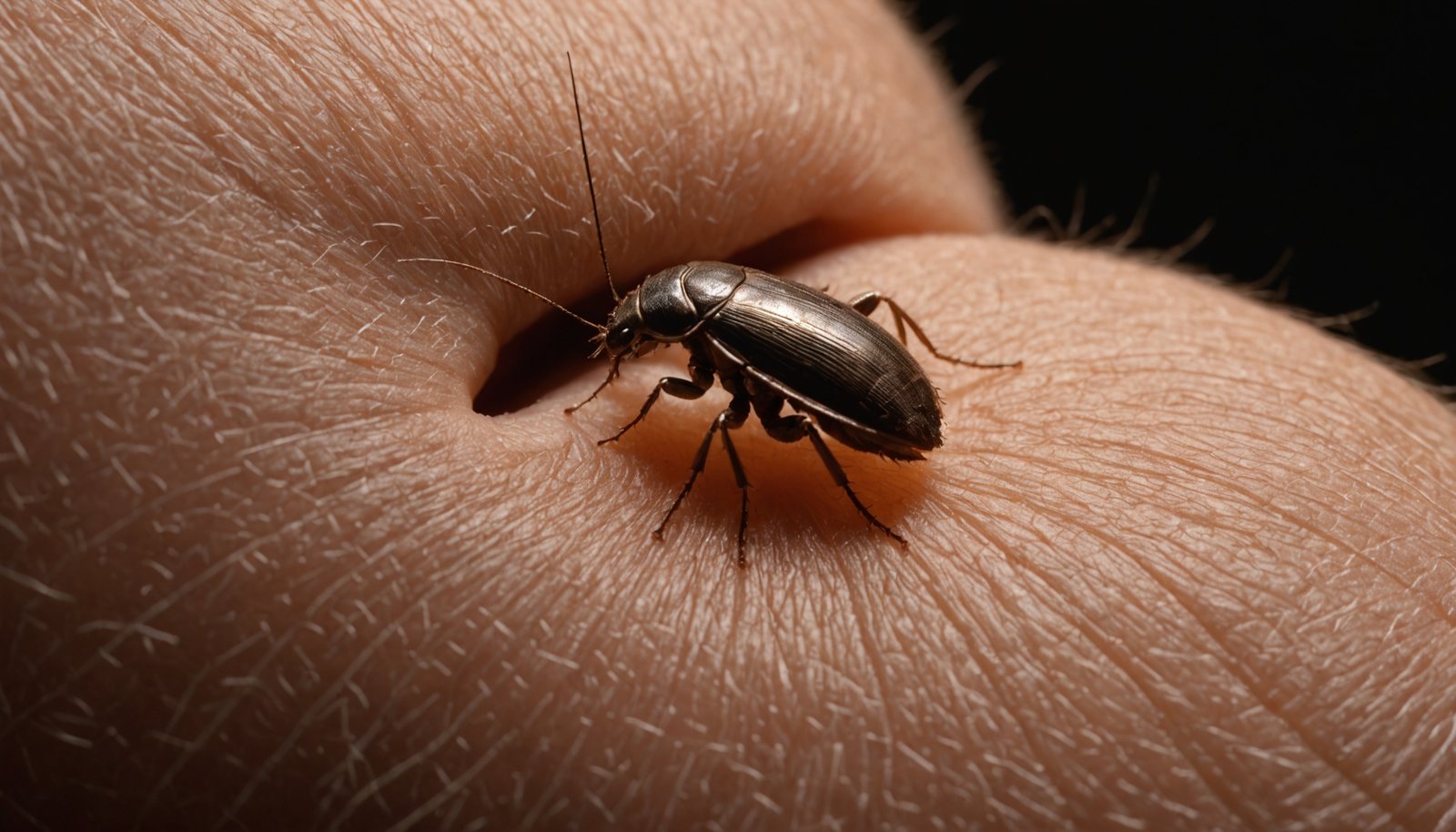
While it might sound like an urban horror story, having a cockroach in your nose poses very real and serious health risks. If it lodges near the skull base between your nose and brain, it can introduce bacteria and, if it dies there, its decomposing body can trigger severe infection, permanent damage, or even be life‑threatening. Even before that, your immune system can overreact to cockroach saliva, feces, and body parts, turning your nose into an inflamed, chronically infected space rather than a brief irritation.
You might develop intense congestion, sneezing, runny nose, postnasal drip, and headaches. Cockroach allergens can also provoke wheezing, chest tightness, and asthma attacks, with measurable drops in lung function. Yellow sputum, a stale or foul odor, and persistent cough or sinus symptoms often signal deeper involvement of your airways. Because a cockroach is a foreign body, you need prompt medical removal to prevent escalating complications.
How Long Can a Cockroach Survive in Your Nose or Airways?
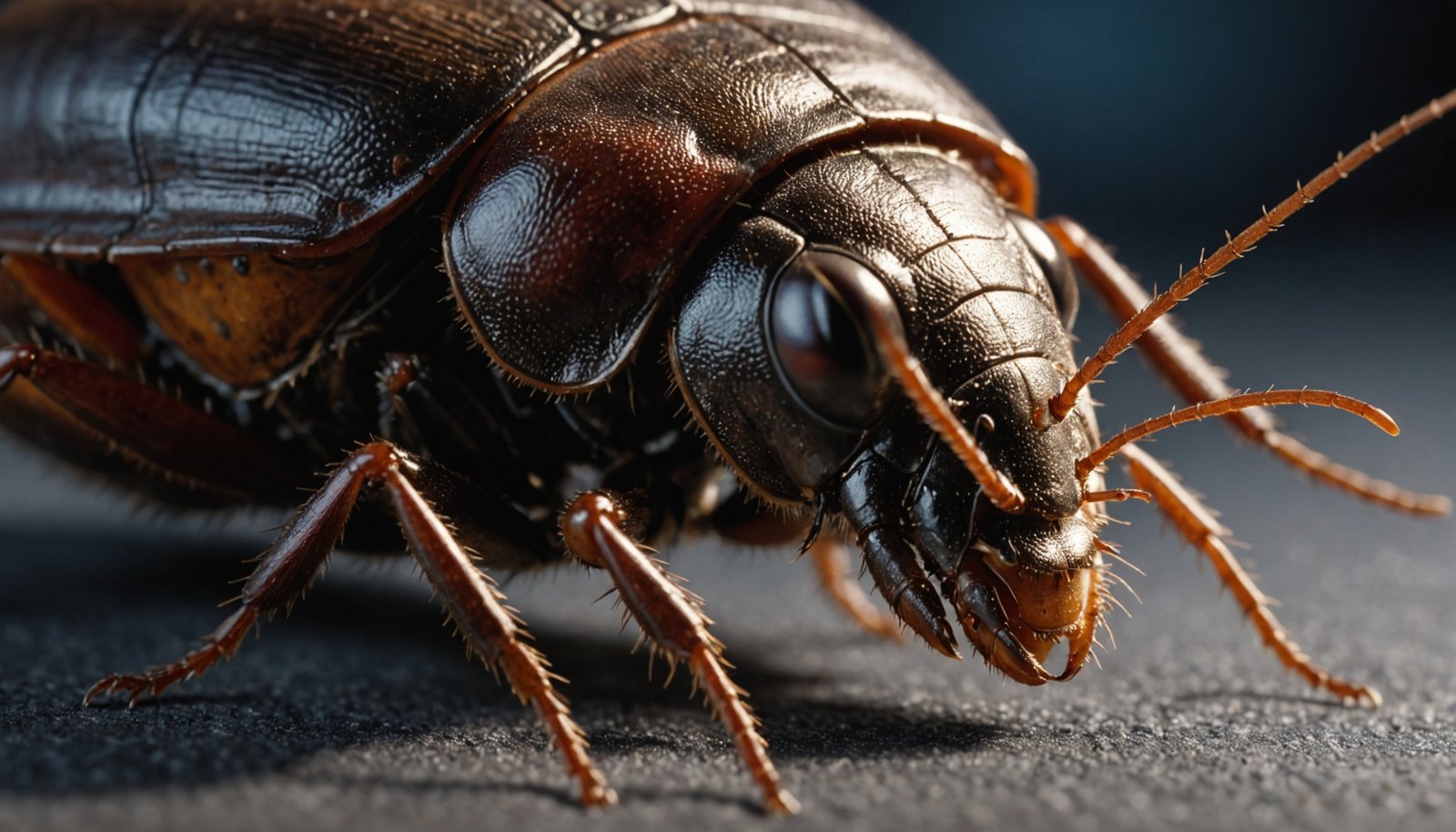
A cockroach trapped in your nose or airways can stay alive for days, not just minutes or hours. It doesn’t need its head to breathe; it uses spiracles—tiny holes along its body—to pull in air. Because it’s cold‑blooded and burns little energy, it can tolerate cramped, low‑oxygen spaces like your nasal passages or bronchial tubes.
Your airways actually help it survive briefly. Mucus and moisture slow dehydration, and phlegm can even wrap around the insect, protecting it for a while. In a real reported case, a cockroach stayed alive in a man’s nose and bronchus for about three days.
Airway mucus and moisture can cocoon a cockroach, delaying dehydration and keeping it alive for days
Several factors influence how long it lasts:
- Moisture: Your airway secretions delay drying out.
- Temperature: Cooler body areas help it conserve energy.
- Immune response: Mucus, infection, and irritation eventually overwhelm it.
How Doctors Remove Cockroaches From Your Nose and Throat

When you reach the hospital, an ENT specialist first has to find exactly where the cockroach is hiding in your nose or throat using tiny cameras and lights on a flexible scope. Once they’ve located it on the screen, they use precise tools—like graspers or suction—threaded through the scope to trap and pull it out safely. You’ll usually be awake but numbed, so you can breathe on your own while they work quickly and carefully.
How Doctors Find Them
Doctors don’t rely on guesswork to find and remove a cockroach from your nose or throat; they use precise tools and step‑by‑step evaluation. First, they take a detailed history—when your symptoms began, where you were, and what you feel moving or blocking your airway. Then they examine your nose, throat, and chest, looking for signs like foul breath, yellow sputum, or persistent coughing.
- Nasal endoscopy: A thin camera lets an ENT specialist see deep inside your nasal passages, even up to the skull base, to visually confirm the insect’s exact location.
- CT scans: If exams are unclear, imaging shows shadows and three‑dimensional detail in your nasal cavity or lungs.
- Specialist review: ENT or pulmonary experts interpret all findings before planning removal.
Safe Removal Methods
Once an ENT specialist confirms a cockroach is in your nose or throat, the focus shifts to getting it out quickly and safely. They first spray a decongestant to shrink swelling, then numb your nose (and sometimes throat) with anesthetic; injections are rare but possible. If you take blood thinners, you might pause them if your doctor advises.
Next, the ENT gently guides a thin endoscope with a light and camera into your nostril, sometimes toward your voice box. They watch a live video feed, usually locating the insect within minutes.
| Your Fear | What You Feel | What Actually Happens |
|---|---|---|
| Suffocating | Pressure | Airway stays open |
| Extreme pain | Burning | Mostly numb sensation |
| Surgery scars | Disfigurement | No incisions |
| Insect moving | Panic | It’s quickly immobilized |
| Long recovery | Weakness | You’re usually done in minutes |
Real Cases: Cockroaches in the Nose and Airways
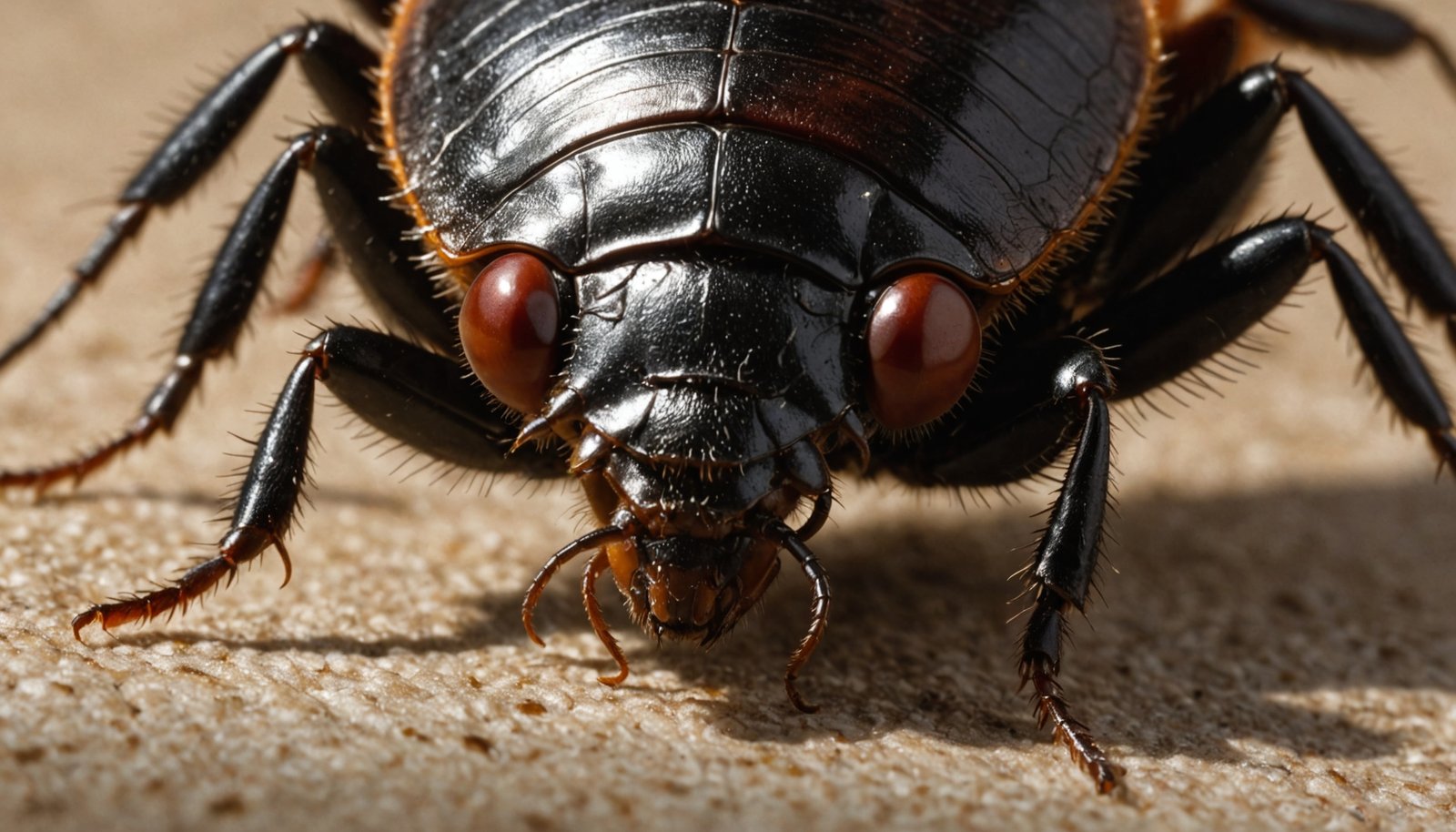
Real-world cases of cockroaches in the nose are rare but unsettlingly real, and one of the most striking comes from Chennai in 2017. A 42‑year‑old woman, Selvi, woke at midnight with a crawling, tingling sensation deep in her nose. As the insect moved, she felt burning, stinging pain behind her eyes, tearing, headaches, and growing trouble breathing. Several clinics missed the cause before doctors at Stanley Medical College Hospital performed a detailed nasal endoscopy.
A living cockroach nestled beneath her skull base, causing searing pain and terrifying, unexplained symptoms
They eventually spotted a 1‑inch live cockroach lodged at the skull base—between your eyes, just under your brain. Removal took 45 minutes with an endoscope, suction machines, and forceps; the roach stayed alive until extraction, and her symptoms eased within hours. Doctors stressed how rare this is, even compared with roaches in ears or larvae in noses.
- Persistent crawling or tingling
- Burning eyes and severe headaches
- Unexplained nasal pain and breathing trouble
How to Keep Cockroaches Away While You Sleep

Even though the idea of a roach crawling into your nose at night is terrifying, you can dramatically lower the risk by making your sleeping area hostile to them. Start with strict sanitation: eliminate crumbs from floors, nightstands, and bedding, vacuum rugs and carpets often, change sheets regularly, and wipe spills immediately. Fix any leaks in nearby bathrooms so roaches can’t rely on easy water.
Next, cut clutter. Remove piles of clothes and papers, clear under your bed and nightstands, and keep surfaces bare so roaches lose hiding spots. Seal entry points by caulking cracks, gaps around windows, doors, vents, and plumbing, and install proper weatherstripping and vent screens. Tuck sheets tightly and skip bed skirts to make access harder.
Control moisture with a dehumidifier, dry floors after cleaning, and keep wet items out of the bedroom. Finally, use essential-oil sprays, bay leaves, diatomaceous earth, and silicone-wrapped bedposts as additional deterrents.
Frequently Asked Questions
Can Cockroaches Lay Eggs or Start Breeding Inside Your Nose or Sinuses?
They can’t lay eggs or start breeding in your nose or sinuses. You might rarely get a single roach stuck there, but doctors can remove it. Your nasal environment’s too hostile for a colony.
Are Some People More Likely to Attract Cockroaches Into Their Nose Than Others?
No, you’re not personally more attractive to roaches. You face higher risk only if you sleep in heavily infested, dirty environments, especially on the floor without barriers, regardless of your genetics, scent, or other traits.
Can Having Allergies or Sinus Issues Increase the Risk of Insects Entering the Nose?
No, your allergies or sinus issues don’t increase insects’ chances of entering your nose. Insects wander in randomly, usually while you sleep. Your symptoms might mimic crawling or tingling, but that’s allergy irritation, not bugs.
Can Psychological Effects Like Anxiety or Nightmares Persist After Such an Incident?
Yes, they can persist. You might keep scanning rooms, reliving images, or having nightmares. You may develop roach‑focused anxiety, OCD‑like cleaning, insomnia, or depression. Therapy and exposure work can gradually reduce these lingering reactions.
Is It Safe to Sleep With Nasal Plugs or Masks to Prevent Cockroach Entry?
Yes, it’s generally safe if you breathe comfortably. You should choose well‑ventilated nasal plugs or a loose, breathable mask, avoid deep insertion, test them while awake, and stop using them if you feel short of breath.
Conclusion
You now know cockroaches *can* get into your nose, but they can’t crawl into your brain or live there for long. If you ever suspect a bug’s in your nose or airways, don’t panic—get medical help quickly so doctors can remove it safely. Use basic prevention at home and while you sleep to lower your risk. By staying alert and keeping your space clean, you’ll sleep easier and breathe easier.
