
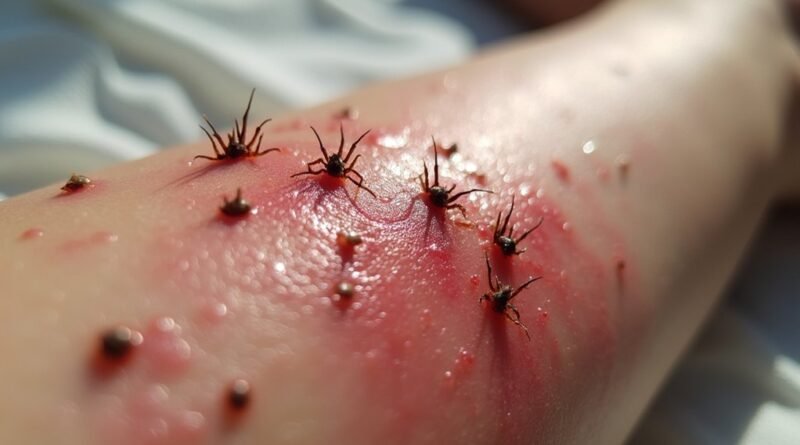
Cockroach Bite Marks: What They Look Like and How to Treat Them
Cockroach bites are rare, but you’ll recognize them as bright red, raised bumps measuring up to 4 mm wide. They’re larger and more swollen than bed bug bites and appear most often on your hands, feet, face, and eyelids. To treat one, wash the area with warm soap and water, apply rubbing alcohol, and use a cold compress to reduce swelling. There’s plenty more to know about identifying, treating, and preventing these bites.
Key Takeaways
- Cockroach bites appear as bright red, raised bumps measuring 1–4 mm wide, resembling mosquito welts but larger than bed bug bites.
- Common bite locations include hands, fingers, feet, eyelids, and around the mouth, with exposed skin being the primary target.
- Symptoms include redness, swelling, itching, and mild to moderate pain, with possible allergic reactions like hives and rashes.
- Wash the bite with warm soapy water, apply rubbing alcohol, and use a cold compress to reduce swelling and pain.
- Monitor for infection signs, including red streaks, worsening swelling, pus, fever, or throbbing pain, and seek medical attention if needed.
What Does a Cockroach Bite Actually Look Like?
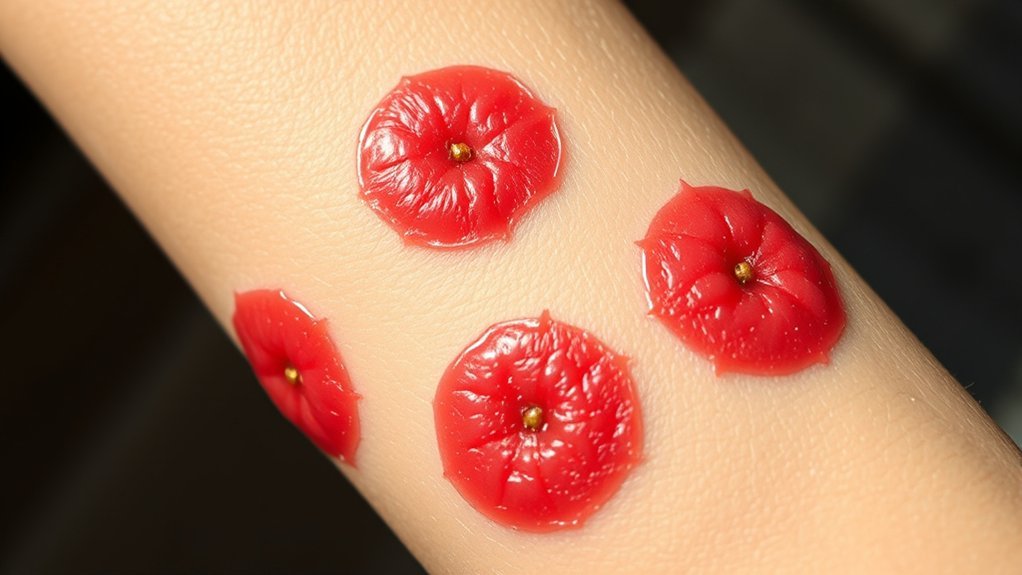
Cockroach bites leave a bright red, raised bump on the skin, measuring roughly 1–4 mm wide — slightly larger than a bed bug bite but similar in appearance to a mosquito welt. The bite appears as a reddish-pink, slightly swollen mound with noticeable inflammation and no distinct puncture mark.
Unlike bed bug bites, you won’t see neat lines or clusters. Cockroach bites typically occur one at a time, appearing more randomly across the skin. You’ll most often find them on your hands, fingers, feet, eyelids, and around your mouth — areas where food residue or dead skin tends to accumulate.
The bite site usually itches and swells for several days. If you scratch it, you risk breaking the skin, which can lead to infection. In serious cases, the bite may fill with pus and develop into a lesion. If you are having difficulty identifying the bite, keep in mind that cockroach bites are generally larger than other similar-looking bug bites.
What Does a Cockroach Bite Feel Like?
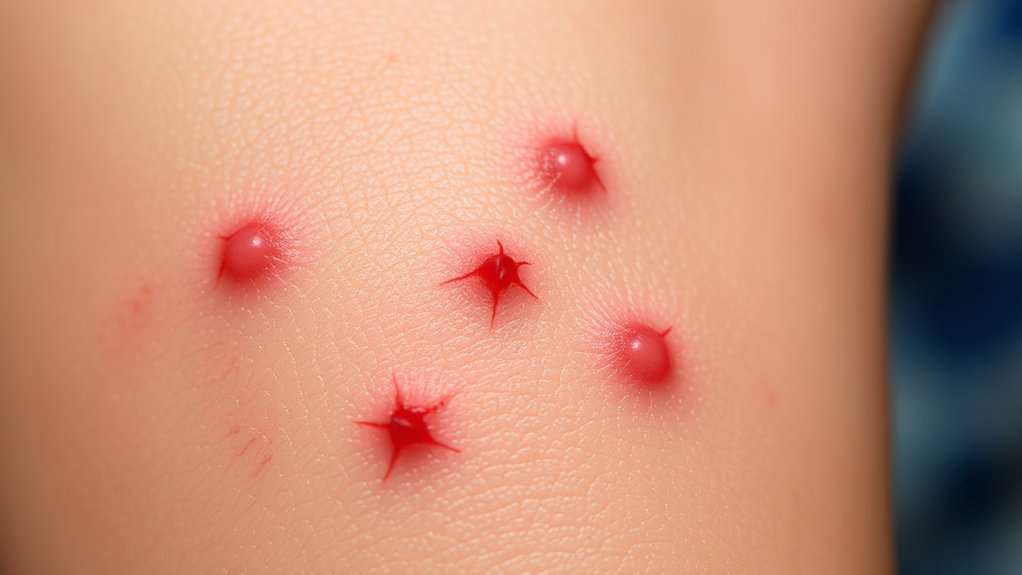
When a cockroach bites you, you may not feel it right away — German cockroaches, in particular, don’t always cause immediate pain. The sensation typically develops shortly after, ranging from mild discomfort to excruciating pain depending on your body’s tolerance and where you’re bitten. Sensitive areas like your fingertips, toes, and face tend to hurt more.
Expect a combination of these symptoms following a bite:
- Redness and swelling — a raised, red bump larger than a typical mosquito bite
- Itching and irritation — though it’s more painful than itchy, scratching worsens the irritation
- Mild to moderate pain — it fades faster when you treat it promptly
- Allergic reactions — saliva proteins can trigger hives, rashes, or increased swelling lasting several days
In severe cases, difficulty breathing may occur. If your symptoms escalate beyond typical swelling and discomfort, seek medical attention immediately. Cockroaches are also known to carry bacteria, so cleaning the bite with soap and water and applying an antiseptic ointment can help reduce the risk of infection.
How Does a Cockroach Bite Compare to Other Bug Bites?
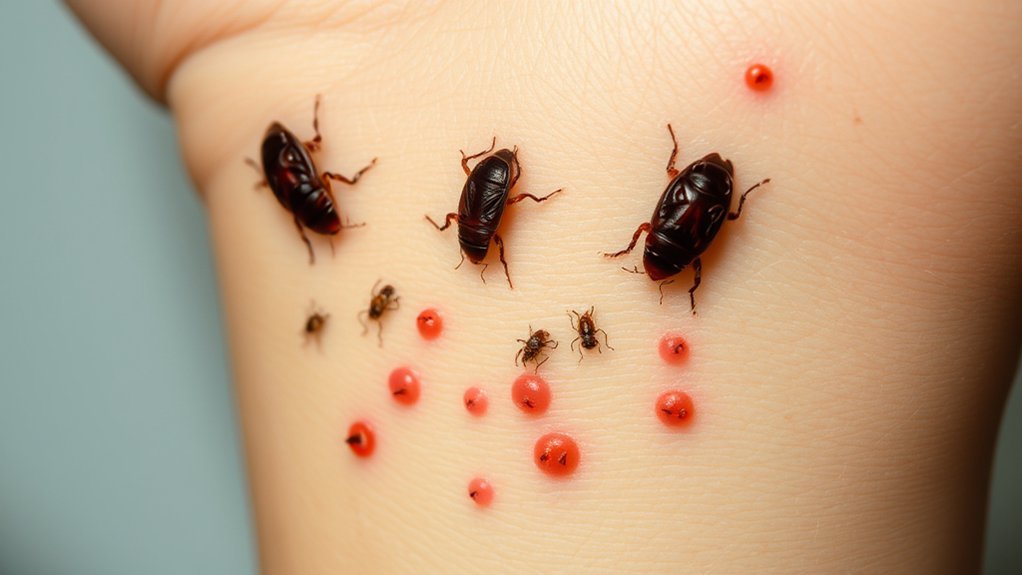
Now that you know what a cockroach bite feels like, it helps to see how it stacks up against other common bug bites — particularly bed bugs, since the two get confused most often.
Cockroach bites appear larger and more swollen than bed bug bites, which show up as small, red welts resembling mosquito bites. Bed bug bites also tend to cluster or form linear patterns along a feeding path, while cockroach bites appear more randomly across the body.
The sensations differ too. Cockroach bites produce more pain than itching, whereas bed bug bites are notorious for intense itching. Timing is another distinction — cockroach bites develop almost immediately, while bed bug bites can take hours or even days to appear.
One more key difference: bed bugs actively seek human blood during sleep, but cockroaches rarely bite living humans at all, typically doing so only during severe infestations when food is scarce. Cockroaches also pose a broader health concern beyond bites, as their droppings and shed skin are known to trigger allergies and asthma.
Where on Your Body Do Cockroaches Typically Bite?
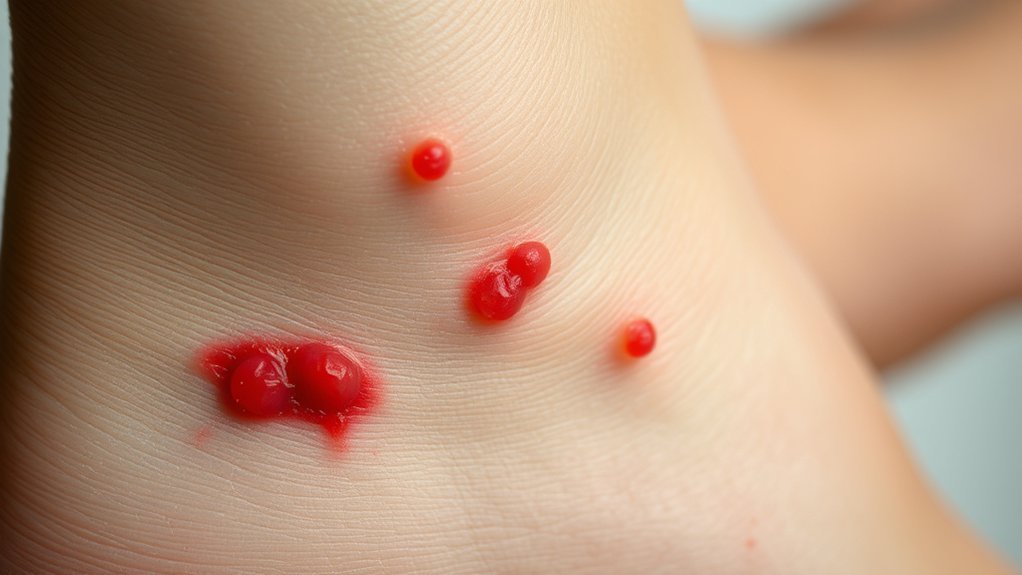
Although cockroaches will bite almost any exposed skin, they tend to target specific areas depending on your age and sleeping position.
Although cockroaches will bite almost any exposed skin, they tend to target specific areas depending on your age and sleeping position.
For children, facial areas take the most hits. Cockroaches zero in on mouths and cheeks where food residue lingers after meals. Adults face a broader range of vulnerable spots during sleep:
- Face and mouth — food particles left after eating draw concentrated feeding activity
- Hands and feet — heavily exposed during sleep and frequently targeted in severe infestations
- Fingernails and eyelashes — cockroaches actively gnaw nails and chew eyelashes during nighttime feeding
- Any exposed skin — nocturnal habits mean your unprotected skin during rest becomes the primary target
In extreme infestations, you’re not just risking one bite. Historical ship cases documented cockroaches attacking multiple body parts simultaneously, causing widespread skin and nail damage. Wearing gloves to bed became a genuine protective measure for sailors. Cockroaches are also drawn to wounds and perspiration, making already irritated or sweaty skin particularly vulnerable to repeated feeding activity.
How to Treat a Cockroach Bite at Home
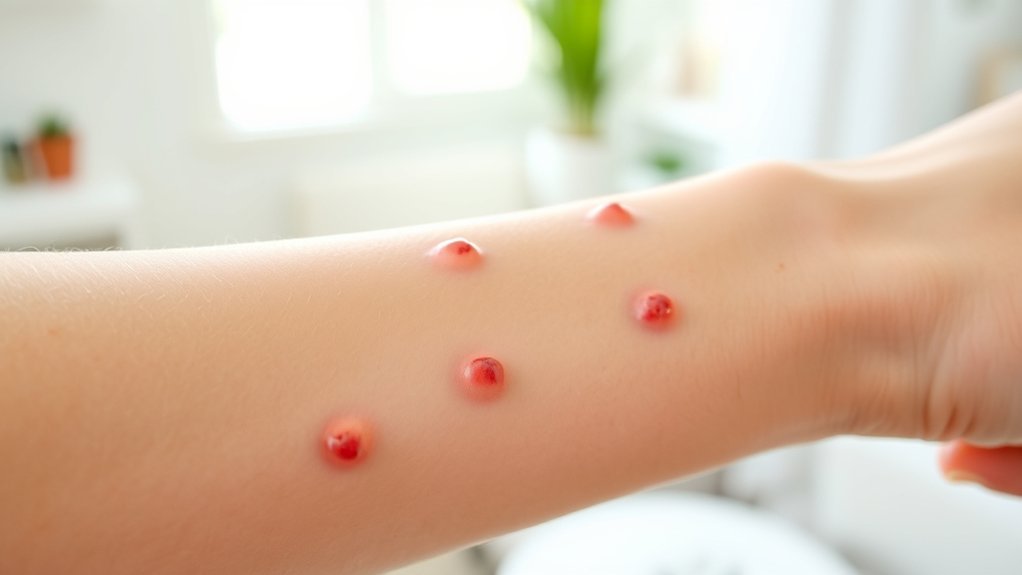
If a cockroach bites you, start by washing the area thoroughly with warm soap and water, then pat it dry and apply rubbing alcohol with a cotton swab to kill any remaining bacteria. You can ease swelling and itching by applying a cold compress for 10-15 minutes, followed by hydrocortisone cream or calamine lotion as needed. Antihistamines can also help relieve swelling and itching caused by the bite. Watch the bite closely for signs of infection, including increasing redness, swelling, or pus, and seek medical attention if symptoms worsen or don’t improve with home care.
Immediate Bite Care Steps
Treating a cockroach bite at home starts with washing the affected area thoroughly with warm soap and water, then patting it dry with a clean towel. After cleaning, apply an antiseptic solution like hydrogen peroxide to disinfect the site and prevent infection. Here’s what to do next:
- Apply a cold compress wrapped in cloth for 10–15 minutes to reduce swelling and pain
- Use calamine lotion or aloe vera gel to soothe itching
- Take over-the-counter antihistamines to manage swelling and discomfort
- Avoid scratching the bite to prevent secondary infection
Hydrocortisone cream also helps reduce redness and irritation. Most bites heal with consistent home care, but seek emergency help immediately if you experience severe allergic reactions.
Monitoring for Infection Signs
Once you’ve treated the bite, watch the area closely over the following days for signs that an infection is developing. Expanding redness, warmth, pus, or worsening pain all signal trouble. Systemic symptoms like fever, chills, or swollen lymph nodes mean bacteria may have spread beyond the bite site.
| Local Infection Signs | Systemic Warning Signs |
|---|---|
| Expanding redness or warmth | Fever and chills |
| Pus or discharge | Swollen lymph nodes |
| Worsening pain | General weakness or malaise |
| Increasing swelling | Loss of appetite |
Seek immediate medical attention if you notice red streaks extending from the bite toward your neck, armpits, or groin—this indicates lymphangitis, which progresses rapidly. Don’t wait beyond 48–72 hours if symptoms worsen despite home treatment.
How Can You Tell If a Cockroach Bite Is Getting Infected?
Knowing whether a cockroach bite is getting infected can help you act before the situation worsens. Watch for these key indicators:
Spotting signs of an infected cockroach bite early gives you the power to act before things get worse.
- Redness that spreads beyond the original bite or forms red streaks
- Swelling that worsens instead of improving over time
- Pus or discharge forming at the site
- Fever developing alongside local symptoms
Beyond these warning signs, pay attention to how the bite feels and looks as days pass. An uninfected bite typically causes mild redness within a 1–4 mm area and some itching. Once infected, that mild discomfort shifts to throbbing pain, and the skin may break open or develop yellow crusting.
If you notice no improvement after 48 hours, or if allergic swelling begins, don’t wait — seek medical help immediately. Early recognition of these changes keeps a minor bite from becoming a serious health concern.
How Do You Prevent Cockroaches From Biting You While You Sleep?
To keep cockroaches from biting you at night, elevate your bed with risers or a tall frame and tuck your sheets so they don’t touch the floor. You’ll also want to eliminate food sources by sealing snacks in airtight containers, vacuuming regularly, and taking out the trash before bed. For a longer-term solution, seal cracks around baseboards, pipes, and outlets, and consider using diatomaceous earth or baited traps to reduce the overall infestation in your home.
Nighttime Bite Prevention Tips
Preventing cockroaches from biting you while you sleep starts with eliminating what attracts them in the first place. Keep your bedroom free of food particles, dirty dishes, and crumbs before bedtime. Wash your skin thoroughly to remove grease or food residue that could draw them near.
Strengthen your defenses with these practical steps:
- Seal cracks, install door sweeps, and apply weather stripping to block entry points
- Apply bay leaf spray or lemon juice to surfaces and access routes weekly
- Vacuum bedding and change linens frequently to eliminate hidden residues
- Reduce bedroom clutter to minimize hiding spots
If a bite occurs, clean and dry the area promptly. Stay calm, monitor for infestation signs, and maintain consistent nightly hygiene habits to keep cockroaches away.
Eliminating Cockroach Infestations
While nightly habits help reduce the risk of bites, eliminating a cockroach infestation entirely requires tackling the root causes inside your home. Start with deep cleaning — vacuum under beds, behind furniture, and along baseboards to remove food traces. Seal gaps around doors, outlets, vents, and plumbing entries using caulk or foam insulation.
Control moisture by repairing leaks, running dehumidifiers, and improving airflow with ceiling fans or cracked windows. Store all food in airtight containers, take out trash before bed, and never eat in your bedroom.
For added protection, apply essential oil sprays along baseboards, spread food-grade diatomaceous earth in high-activity zones, and use UV light traps to disrupt cockroach activity. Together, these steps deny cockroaches the food, water, and shelter they need to survive.
Frequently Asked Questions
Can Cockroaches Transmit Diseases Directly Through Their Bites?
No, cockroaches can’t transmit diseases directly through their bites. Unlike mosquitoes or ticks, they don’t transfer pathogens via saliva. However, you should still clean bite wounds to prevent secondary bacterial infections from developing.
How Long Does a Cockroach Bite Typically Take to Fully Heal?
Your cockroach bite’ll typically heal within one to two weeks. Redness and swelling fade in a few days, but scratching or infection can extend recovery. See a doctor if symptoms worsen or don’t improve.
Are Children or Babies More Vulnerable to Cockroach Bites Than Adults?
Yes, your children and babies are more vulnerable to cockroach bites than you are. Their thinner skin, smaller bodies, immature immune systems, and heightened allergic responses make them considerably more susceptible to severe reactions and complications.
Do Cockroaches Bite Pets as Well as Humans?
Yes, cockroaches can bite your pets too. They’ll bite dogs and cats when they feel threatened, transmitting pathogens like salmonella and tapeworms. Watch for redness, swelling, or your pet persistently licking certain areas.
Should You See a Doctor Immediately After Receiving a Cockroach Bite?
You don’t need to see a doctor immediately after a cockroach bite unless you’re experiencing infection signs like pus, worsening redness, anaphylaxis, intense pain, fever, or labored breathing.
Conclusion
Cockroach bites aren’t something you’ll encounter often, but knowing what to look for can help you act quickly when they happen. You’ve learned how to identify, treat, and prevent them before they become a bigger problem. Keep your home clean, seal up entry points, and you’ll greatly reduce your risk. If a bite shows signs of infection, don’t hesitate to see a doctor right away.
