
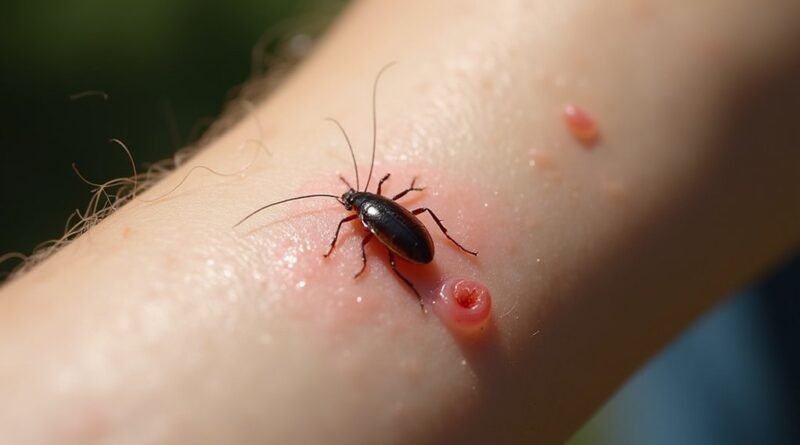
Cockroach Bite: What It Looks Like, Symptoms, and What to Do
You can spot a cockroach bite by its bright red, raised bump that’s noticeably larger than a mosquito bite and appears almost instantly after contact. It’ll likely cause sharp pain, itching, and mild swelling. Clean the area with soap and water, apply antiseptic, and use hydrocortisone cream or a cold compress for relief. Cockroach bites are rare, but there’s plenty more to know about identifying, treating, and preventing them.
Key Takeaways
- Cockroach bites appear as bright red, raised bumps (1–4 mm wide), commonly found on eyelids, fingers, hands, and face.
- Symptoms include brief sharp pain, redness, swelling, and itchiness caused by cockroach saliva triggering skin irritation.
- Cockroach bites are extremely rare, as their mouthparts struggle to pierce skin; bed bugs or fleas are more likely culprits.
- Treat bites by washing with soap and warm water, applying antiseptic, using hydrocortisone cream, and taking oral antihistamines.
- Seek immediate medical help if you experience red streaks, pus, fever, difficulty breathing, or no improvement after 48 hours.
What Does a Cockroach Bite Actually Look Like?
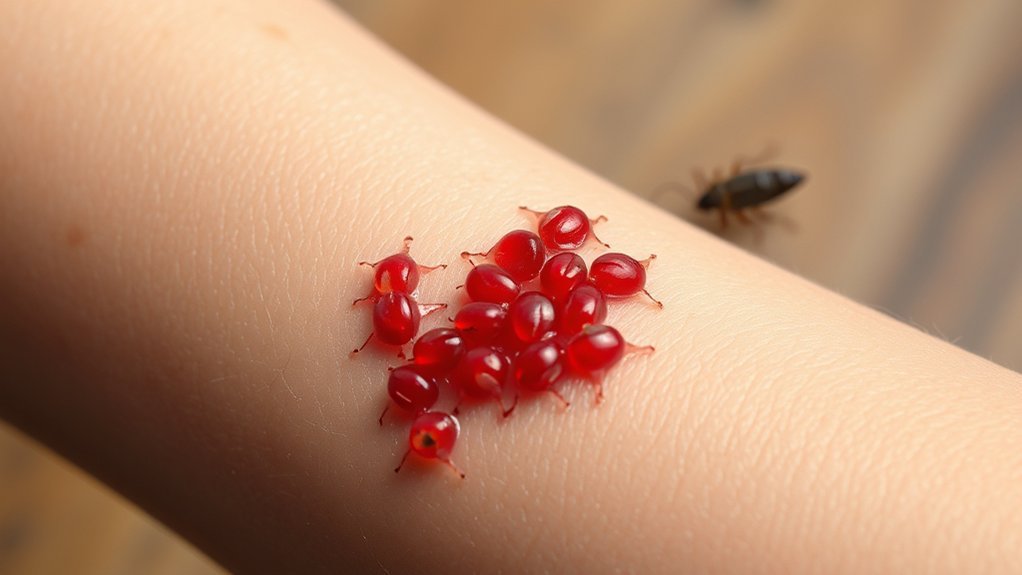
Cockroach bites produce bright red, raised bumps ranging from 1 to 4 millimeters wide, making them noticeably larger and more swollen than typical mosquito bites. Unlike bed bug bites, which appear in clusters or lines, cockroach bites show up as single, isolated bumps scattered randomly across your skin. The bright red coloration makes them stand out distinctly, and swelling develops almost immediately after the bite occurs.
You’ll most commonly find these bites on your eyelids, fingers, hands, face, and other exposed areas where food residue tends to accumulate. Moisture-rich areas like your hands and feet are frequently targeted as well.
If you scratch the bite or it becomes infected, the appearance worsens considerably, with increased swelling and visible pus developing. Individuals with stronger allergic responses may experience more pronounced rashes and swelling beyond the immediate bite site. In some cases, cockroach bites can trigger hives or skin rashes in people who have heightened sensitivity to the bacteria cockroaches carry.
Itching, Swelling, and Other Symptoms to Expect
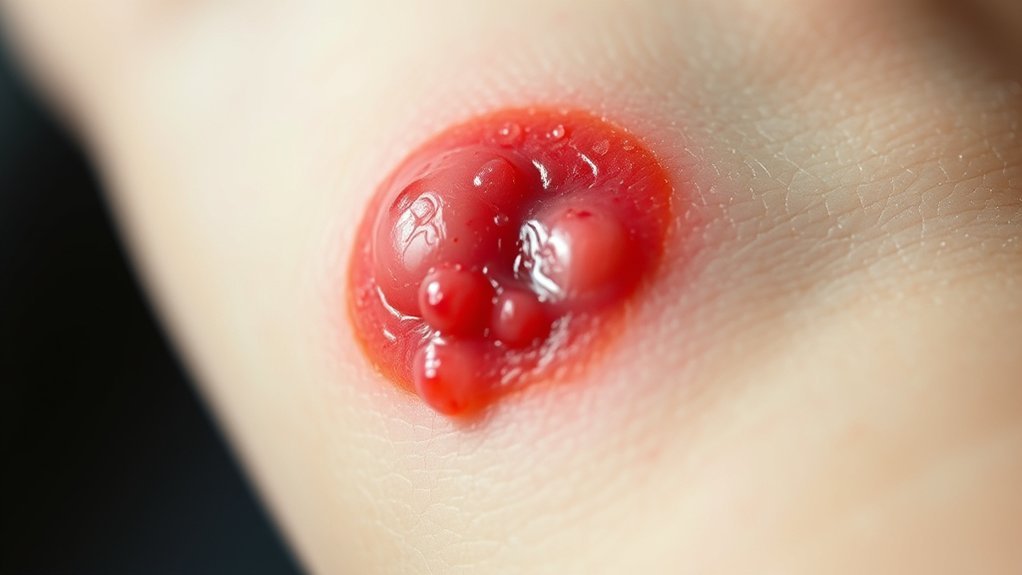
Beyond how a cockroach bite looks, you’ll want to know what it actually feels like. Most bites cause brief, sharp pain followed by mild irritation that lingers longer than the initial sting. The area typically becomes red, slightly swollen, and itchy — similar to other insect bites.
Cockroach saliva triggers the irritation, and if you’re sensitive to its proteins, the itchiness intensifies. Avoid scratching, as it worsens symptoms and risks secondary infection. Antihistamines relieve itching effectively, while ice packs reduce swelling quickly. Hydrocortisone cream helps with persistent swelling, and aloe vera gel soothes ongoing irritation.
Watch for severe reactions. Allergic responses can escalate beyond typical itching and swelling, potentially triggering a skin rash, asthma attacks, or in rare cases, anaphylactic shock — marked by difficulty breathing and low blood pressure. Cockroach saliva, feces, and body parts are all known to trigger allergic reactions in sensitive individuals. If your symptoms worsen rather than improve, seek medical attention immediately.
Is This a Cockroach Bite or Something Else?
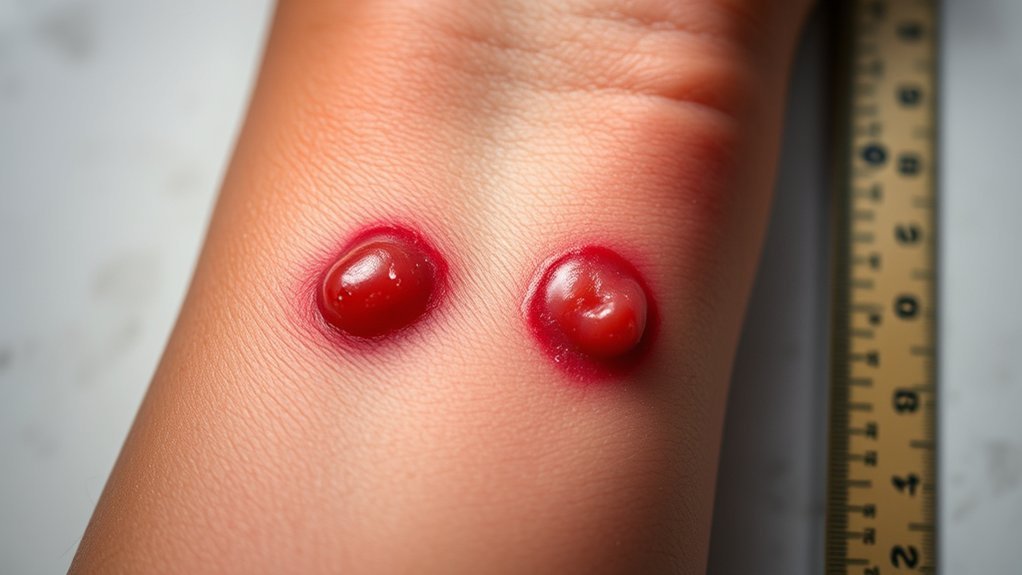
Telling a cockroach bite apart from other insect bites isn’t always straightforward, but key differences can help you identify what bit you.
Cockroach bites appear as large, red, swollen marks that hurt more than they itch and show up immediately after contact. Bed bug bites, by contrast, form small welts in clusters or lines and cause intense itching. Mosquito bites are smaller, initially painless, then very itchy, and appear on generally exposed skin rather than specific areas like eyelids or fingers.
Spider bites carry more serious risks. Brown recluse bites develop a bullseye pattern and blisters, while black widow bites cause stabbing pain. Cockroach bites won’t produce necrosis or severe systemic symptoms. Tick bites often involve an attached tick and risk diseases like Lyme. Finally, cockroach allergens cause generalized rashes and respiratory symptoms without a specific puncture mark, distinguishing them from a direct cockroach bite. Cockroaches are also known to spread bacteria such as Salmonella and E. coli, making any bite site a potential contamination concern beyond the bite itself.
How Likely Is It That a Cockroach Actually Bit You?
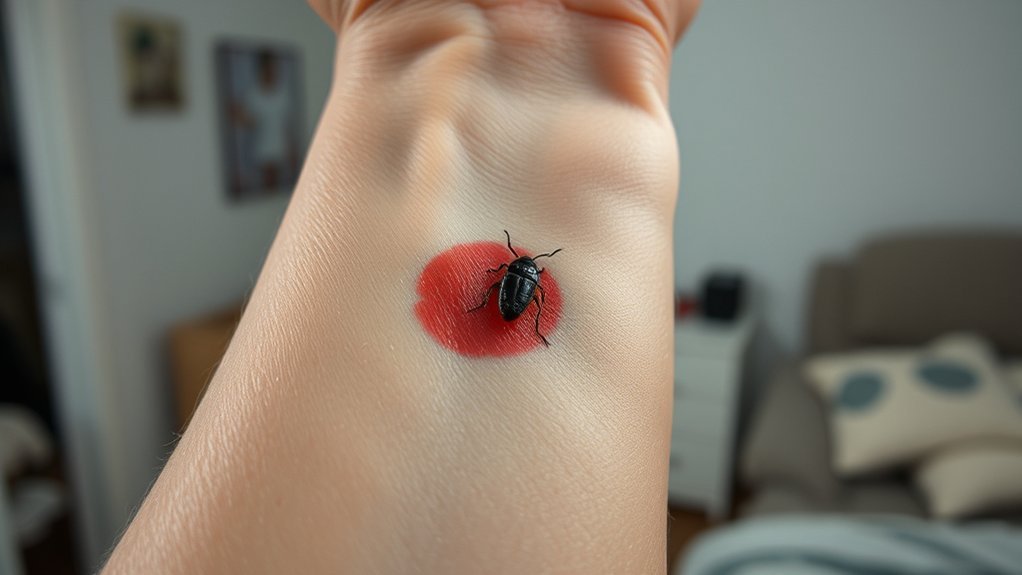
If you woke up with a mysterious mark on your skin, a cockroach bite is probably the last thing that actually caused it. Cockroach bites are extremely rare, and experts confirm there’s almost no reason a cockroach would bite a living human. Their mouthparts struggle to pierce intact skin, and they strongly prefer food scraps and decaying matter over human flesh.
The more likely culprits are bed bugs, fleas, or mosquitoes. You could also be reacting to cockroach allergens from shed skins or droppings, which can cause skin irritation that mimics a bite.
Documented cockroach bites have occurred only in extreme situations — severe infestations with little food, overcrowded ships, or hospital cases involving open wounds. In a typical home, your risk is practically zero. Maintaining basic hygiene and controlling infestations eliminates even that near-zero chance entirely. When bites do occur, they tend to target soft skin areas like fingernails and eyelashes rather than other parts of the body.
Why Would a Cockroach Bite You?
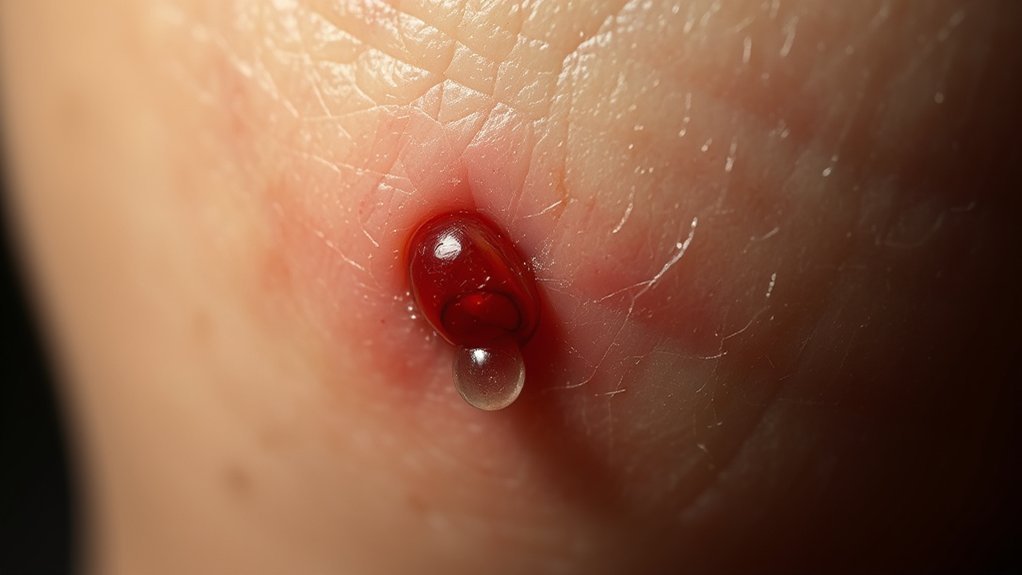
Cockroaches rarely bite humans, but when they do, food scarcity is usually the driving force. When large infestations deplete available resources, cockroaches grow bolder and may treat you as a food source. You’re most at risk when you have food residue on your skin or if you’re sleeping in a heavily infested area.
Males also fight over territories with resources, competing for areas with food and water that attract females and improve their chances of reproductive success.
Rare Circumstances for Biting
Although cockroaches rarely bite humans, they’ll do so under specific circumstances. If you’re sleeping, you’re more vulnerable since cockroaches avoid active people but will crawl over you at night. Children face higher risk simply due to their accessibility during sleep.
Extreme infestations also increase your risk. When populations grow too large, cockroaches exhaust normal food sources and begin exploring unusual ones, including your skin. Timely pest control typically prevents this situation.
Your environment matters too. Historical biting incidents occurred frequently on overcrowded ships, where sailors actually wore gloves to protect their fingers. Open wounds also attract cockroaches since damaged skin mimics their preferred food sources. Finally, food residue on your face, hands, or fingernails can draw cockroaches toward you while you sleep.
Food Scarcity Drives Behavior
When food becomes scarce, cockroaches don’t stick to their usual diet. They’re opportunistic foragers, meaning they’ll consume almost anything available — including you. Protein scarcity drives this behavior, since most environments offer far more carbohydrates than protein. When cockroaches can’t meet their nutritional needs, they’ll seek alternative sources aggressively.
Here’s what that looks like in practice:
- A cockroach infestation in a food-depleted kitchen creeps toward sleeping humans, targeting dead skin cells, eyelashes, and fingernails
- A starving cockroach abandons its usual caution and approaches a resting body rather than retreating
- Cockroaches in protein-scarce conditions forage longer distances and show stronger commitment to any protein-rich source they find
Understanding this behavior helps you recognize why bites, though rare, happen more frequently during severe infestations.
Treating a Cockroach Bite at Home
If a cockroach bites you, treating it promptly at home can reduce your risk of infection and relieve discomfort. First, move away from the area where the bite occurred, then wash the site thoroughly with unscented soap and warm water. Pat it dry with a clean towel.
Next, apply an antiseptic like hydrogen peroxide, followed by hydrocortisone cream to reduce redness and swelling. For ongoing itching, use calamine lotion or an anti-itch cream containing hydrocortisone.
Apply an antiseptic like hydrogen peroxide, then hydrocortisone cream to ease redness, swelling, and persistent itching.
A cold compress or ice pack wrapped in cloth, applied for 10–15 minutes every few hours, helps manage swelling and pain. If the bite is on a limb, elevate it to further reduce swelling.
For additional relief, take an oral antihistamine like cetirizine or loratadine. Natural remedies like aloe vera gel, baking soda paste, or oatmeal soaks also soothe symptoms. Avoid scratching to prevent further irritation or infection.
Signs the Bite Is Getting Infected
If your cockroach bite isn’t healing as expected, you’ll want to watch for key warning signs of infection, including increasing redness, swelling, warmth, and pus or discharge at the site. You should also stay alert to systemic symptoms like fever, spreading red streaks, swollen lymph nodes, or worsening pain, as these signals suggest the infection may be advancing beyond the skin. If you notice any of these signs, don’t delay seeking medical attention, since an untreated infected bite can escalate quickly.
Infection Warning Signs
Although most cockroach bites heal on their own, you’ll want to watch for signs that indicate an infection is developing. Redness that spreads beyond the original bite site, deepens in color, or produces red streaks radiating outward signals trouble. Swelling that worsens after 24 hours and develops a hardened texture also warrants concern.
Watch closely for these warning signs:
- Pus discharge — yellow or white fluid oozing from the bite, sometimes crusting into a scab-like covering with a foul odor
- Intensifying pain — a shift from mild itching to sharp, throbbing discomfort that radiates to surrounding skin
- Fever and warmth — the bite site feels abnormally hot, and you develop chills or a low-grade fever
Seek medical attention if you notice any of these symptoms.
When To Seek Help
Most cockroach bites clear up within a few days, but you’ll need to act fast when certain symptoms appear. Watch for increasing redness, worsening swelling, or pus forming around the bite site. If pain intensifies despite home care, or you notice a red or dark line extending from the bite, see a doctor immediately—that’s a sign of lymphangitis.
Seek emergency help if you experience trouble breathing, chest tightness, facial swelling, dizziness, or hives spreading across your body. These indicate a severe allergic reaction requiring immediate treatment.
Also watch for fever, chills, swollen lymph nodes, or spreading discoloration, as these signal systemic infection. If the bite hasn’t improved after 48 hours of cleaning and compresses, don’t wait—get professional medical attention.
When to See a Doctor About a Cockroach Bite
Knowing when to seek medical attention for a cockroach bite can make the difference between a minor irritation and a serious health complication. Watch for these warning signs that require immediate professional care:
Timing is everything—knowing when to seek medical care for a cockroach bite could prevent a minor issue from becoming serious.
- Spreading infection: Red streaks extending outward from the bite, expanding swelling, or pus draining from the wound signal cellulitis or deeper infection.
- Systemic symptoms: Fever, chills, swollen lymph nodes, or flu-like symptoms appearing days after the bite suggest your body’s fighting something beyond skin-deep.
- Anaphylaxis indicators: Throat tightening, difficulty breathing, racing heartbeat, facial swelling, or sudden dizziness demand emergency care immediately.
Don’t wait if your child shows any infection symptoms, as children’s immune systems can’t always contain spreading infections effectively. Similarly, if you notice muscle cramps, vomiting, or worsening pain several days post-bite, see a doctor promptly. Early intervention prevents minor bites from escalating into dangerous complications.
Frequently Asked Questions
Can Cockroaches Transmit Diseases Through Their Bites?
Cockroaches don’t typically transmit diseases through their bites. However, if they’re carrying pathogens on their legs or mouths, they could infect your open bite wound, risking secondary bacterial infection.
Which Cockroach Species Is Most Likely to Bite Humans?
You’re most likely to be bitten by the American Cockroach (*Periplaneta americana*), as its larger size enables stronger bites. The Australian Cockroach’s also highly likely to bite you, especially during extreme infestations with limited food.
How Long Does a Cockroach Bite Typically Take to Heal?
Your cockroach bite will typically heal within one week with proper care. Keep it clean, disinfect it regularly, and don’t scratch it. You’ll notice visible improvement within the first few days of consistent treatment.
Can a Cockroach Bite Trigger an Asthma Attack?
Yes, a cockroach bite can trigger an asthma attack. If you’re already sensitized to cockroach allergens, your exposure during a bite can cause your bronchial tubes to narrow, swell, and produce excess mucus.
What Complications Can Arise From an Untreated Cockroach Bite?
If you leave a cockroach bite untreated, you’re risking secondary infections, severe allergic reactions, and disease transmission. Bacteria can cause pus, swelling, and prolonged healing, while pathogens like Salmonella may trigger intestinal illnesses.
Conclusion
Cockroach bites are rare, but they can happen, and now you know what to watch for. If you’ve spotted a red, swollen bump and you’re experiencing itching or irritation, don’t panic—treat it like any minor insect bite. Keep it clean, avoid scratching, and monitor it for signs of infection. If things aren’t improving or you’re noticing spreading redness and pain, it’s time to see a doctor.
