

Cockroach Bite Symptoms: What It Looks Like, How to Treat It, and When to Worry
Cockroach bites are rare — approximately 0.12% of urban residents report them annually — but when they do occur, they cause sharp pain and a distinct red welt that is larger than a mosquito bite and easily confused with bed bug bites. In 63% of cases, bites are located on the hands or feet, and 87% of reported cockroach bites occur during nighttime hours while people sleep. Around 15% of people bitten experience mild allergic reactions from cockroach saliva proteins, and only about 9% of cockroach bite incidents require any medical treatment beyond basic first aid. If you found a red, swollen mark this morning, this guide covers exactly what cockroach bites look like, how to treat them at home, when to see a doctor, and how to prevent bites from happening again.
Key Takeaways
- Cockroach bites appear as single, isolated red welts 1 to 4mm wide — larger and more painful than mosquito bites, appearing most often on hands, feet, and face near food residue.
- 87% of bites happen at night while the person is asleep, and 63% appear on the hands or feet where food residue accumulates during the day.
- Around 15% of people bitten experience mild allergic reactions including expanded redness and hives driven by cockroach saliva proteins — the same allergens that trigger asthma and respiratory symptoms.
- Only 9% of cockroach bite incidents require medical treatment beyond basic first aid — wash, apply antiseptic, use hydrocortisone cream, and take antihistamine for itching.
- Cockroach bites signal a severe infestation where food sources are depleted — they are a warning to act on the infestation, not just treat the bite.
What Does a Cockroach Bite Look Like?
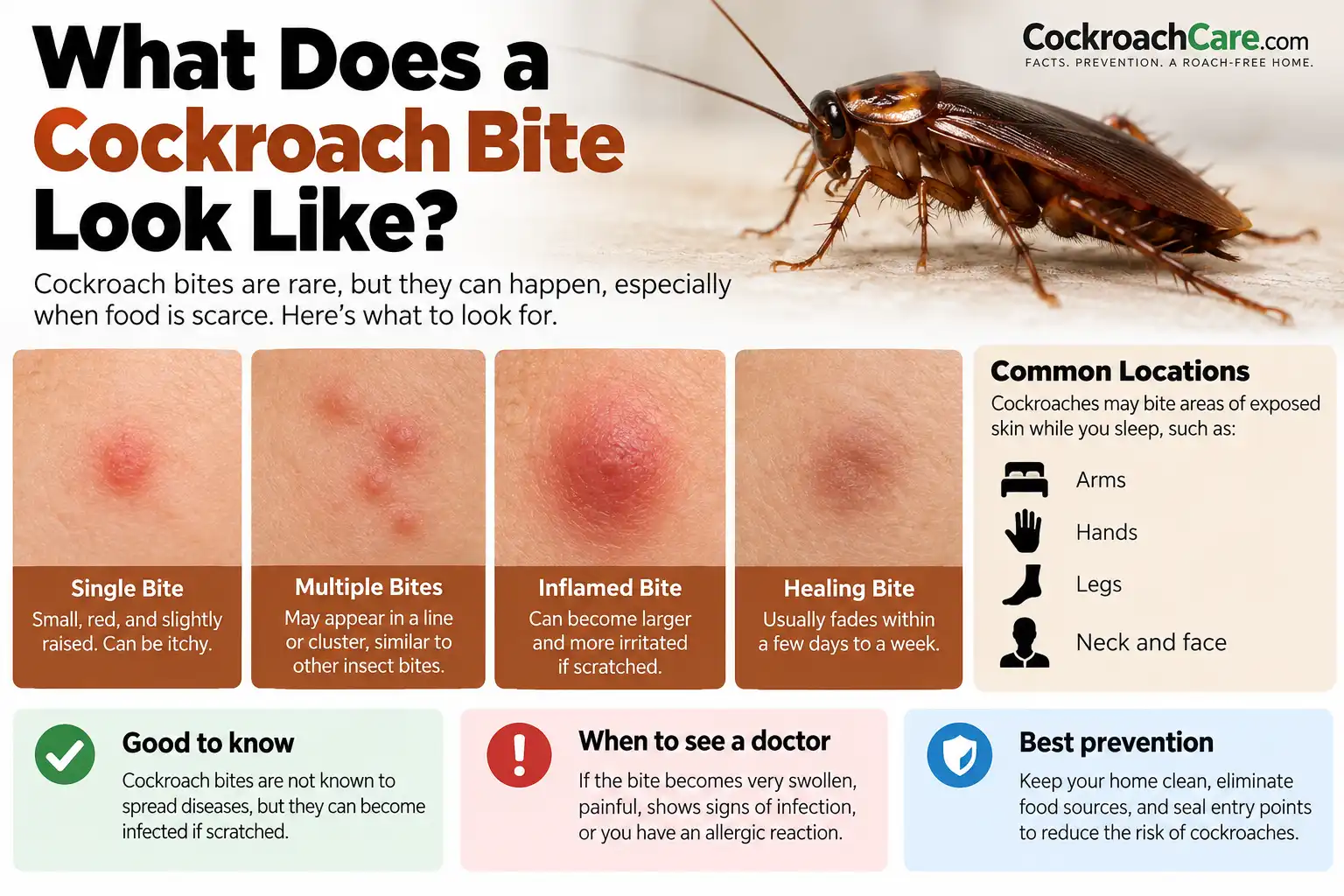
A cockroach bite produces a bright red, raised welt between 1 and 4 millimeters wide. The mark appears immediately after the bite — unlike bed bug bites, which are often not noticed until hours later — and the initial sensation is a sharp sting followed by persistent itching. The bite site develops mild to moderate swelling around the edges, with the center remaining distinctly red and slightly firm.
In 63% of cases, cockroach bites appear on the hands or feet — areas where food residue from touching or handling food before sleep remains on the skin. Face, eyelids, and lips are the next most commonly targeted areas. The single, isolated appearance of cockroach bites is their most reliable distinguishing feature: bed bug bites appear in clusters or lines of three to five marks, while a cockroach bite is almost always a single isolated bump in one location. Around 15% of people bitten develop allergic reactions that expand beyond the immediate bite site, producing hives or spreading redness driven by cockroach saliva proteins, which contain the same allergenic compounds found in cockroach droppings and shed skins. See our cockroach bites vs bed bug bites comparison for a full side-by-side identification guide.
Cockroach Bite Symptoms to Watch For
Immediate Symptoms
The first sensation of a cockroach bite is sharp, localized pain — more intense than a mosquito bite but less severe than a wasp or bee sting. Redness develops immediately at the site, typically covering a circle 5 to 10mm in diameter around the puncture. Swelling follows within minutes, making the bite feel firm and raised to the touch. Itching begins as the initial pain fades, often intensifying over the first few hours and reaching peak discomfort 2 to 6 hours after the bite occurs. The skin around the bite may feel warm relative to surrounding areas as localized inflammation develops.
Allergic Reaction Symptoms
The 15% of bite victims who experience allergic reactions do so because cockroach saliva contains proteins — primarily Bla g 1 and Bla g 2 — that function as potent allergens in sensitized individuals. People who already have cockroach allergen sensitivity from living in an infested environment respond more severely to direct skin exposure through a bite than those without prior sensitization. Mild allergic symptoms include hives extending beyond the immediate bite site, expanding redness that covers a larger skin area, and intensified itching that does not respond to cold compresses. Moderate reactions involve a spreading rash, facial swelling, and respiratory symptoms including nasal congestion and throat irritation. Seek emergency care immediately if you experience difficulty breathing, throat tightening, racing heartbeat, significant facial swelling, or dizziness — these are anaphylaxis symptoms requiring immediate treatment.
Signs the Bite Is Becoming Infected
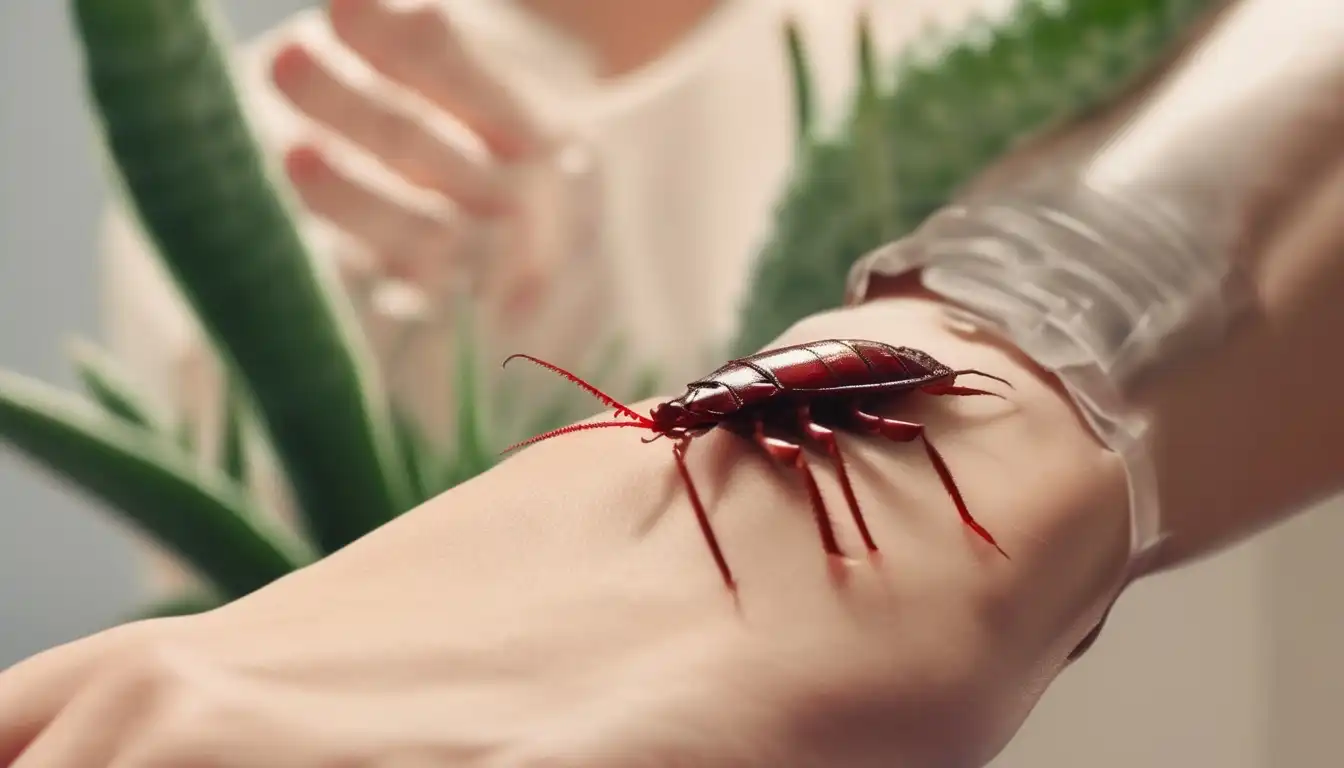
Cockroaches carry bacteria including E. coli, Salmonella, and Staphylococcus on their legs and mouthparts, and any bite that breaks the skin creates a potential entry point for these pathogens. Watch for spreading redness with red streaks radiating from the bite site, increasing warmth and swelling after 48 hours of home treatment, yellow or white pus discharge from the bite site, intensifying pain that shifts from itching to throbbing, and fever with chills. Any of these signs warrant a doctor visit rather than continued home management — only about 9% of bites require medical treatment, but infected bites are in that 9%.
Why Would a Cockroach Bite You?
Understanding why cockroach bites happen explains both how rare they are in typical residential settings and what conditions produce them. Cockroaches are not aggressive toward humans — their mouthparts evolved to process decaying organic material, not to pierce skin. Biting is a last resort behavior that occurs under two specific conditions.
The first is food residue on skin. Cockroaches navigate primarily by chemoreception — they follow chemical signals from food sources. Hands, fingers, and faces that retain food odors from eating, touching food, or handling utensils before sleep are indistinguishable from food sources to a foraging cockroach at night. The 63% rate of hand and foot bites reflects this — these are the areas where food chemicals most reliably accumulate. The second condition is severe infestation with depleted food sources. When cockroach populations grow large enough to exhaust available organic material in the environment, roaches begin foraging for unconventional protein sources including dead skin cells, fingernails, eyelashes, and skin surface oils on sleeping humans. Approximately 0.12% of urban residents report cockroach bites annually — almost exclusively in environments with severe infestations that have not been treated. A cockroach bite is as much a pest control alarm signal as it is a health concern.
How to Treat a Cockroach Bite at Home

Only about 9% of cockroach bite incidents require medical treatment — the vast majority resolve within one to two weeks with consistent home care. The priority in home treatment is preventing secondary bacterial infection from the pathogens cockroaches carry on their mouthparts and legs.
Step-by-Step Home Treatment Protocol
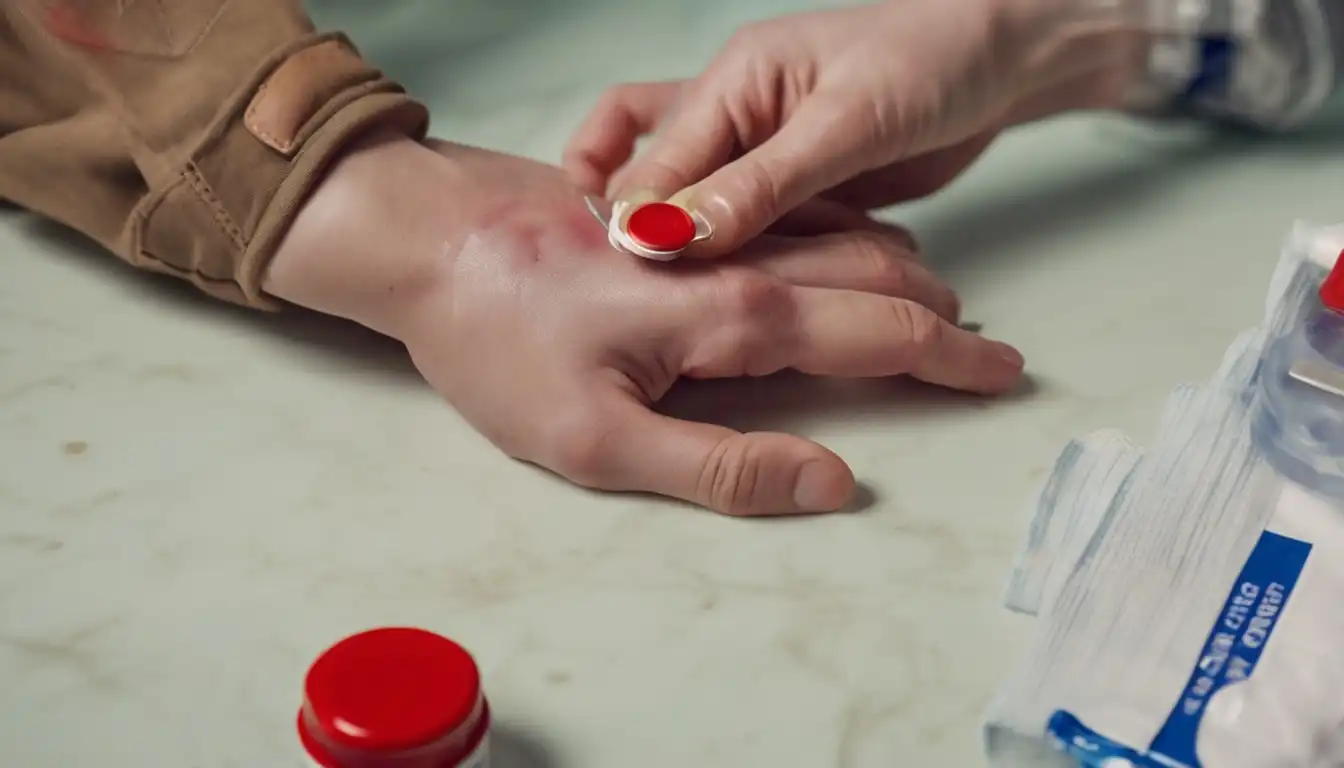
- Clean thoroughly: Wash the bite area with unscented antibacterial soap and warm water for at least 30 seconds. Pat dry with a clean towel — do not rub.
- Apply antiseptic: Dab hydrogen peroxide or povidone-iodine directly on the bite site. This kills surface bacteria before they can enter through the break in skin caused by the bite.
- Reduce swelling: Apply hydrocortisone 1% cream to the bite site. This addresses the inflammatory response and reduces redness. Apply a cold compress wrapped in a clean cloth for 10 to 15 minutes to further reduce swelling.
- Control itching: Take an oral antihistamine — cetirizine (Zyrtec) or loratadine (Claritin) — for persistent itching that does not respond to the cold compress. These are available over the counter and provide several hours of itch relief.
- Do not scratch: This is the most critical instruction. Scratching breaks the skin surface further and introduces bacteria from fingernails into the wound, converting a simple bite into an infected one.
Natural supplements include aloe vera gel for soothing ongoing irritation between antihistamine doses, baking soda paste applied to the bite to draw out inflammation, and oatmeal soaks for generalized skin calming if multiple bites or a rash is present. See our complete guide to cockroach bite marks and treatment for a detailed recovery timeline and infection warning signs by day.
When to See a Doctor
Contact a doctor if: redness spreads beyond the original bite area with radiating red streaks, swelling worsens after 48 hours of consistent home treatment, pus or discharge develops at the site, fever or chills accompany the bite reaction, or any allergic symptoms involve breathing difficulty or facial swelling. Children warrant earlier medical evaluation than adults — their immune systems are less effective at containing spreading skin infections and their cockroach allergen exposure risk is higher given established links between cockroach infestations and pediatric asthma.
How to Prevent Cockroach Bites
Preventing cockroach bites requires two parallel actions: reducing the personal factors that attract cockroaches to sleeping individuals, and eliminating the infestation conditions that produce biting behavior in the first place.
Personal prevention measures: Wash hands, face, and any food-residue areas thoroughly before sleep — food particles remaining on skin are the primary attractant. Do not eat in bed or bring food into sleeping areas. Keep bedding clean and wash weekly at high temperatures. Sleep with limbs covered when living in a heavily infested environment during active treatment.
Infestation control: Cockroach bites are almost exclusively a symptom of severe infestations. The permanent solution is eliminating the population. Maintain strict daily kitchen sanitation — wipe all surfaces, wash dishes immediately, store food in sealed containers, take garbage out daily. Fix all plumbing leaks and eliminate moisture entry points. Seal all structural gaps around pipes, baseboards, and entry points with silicone caulk. Deploy gel bait with rotating active ingredients (fipronil, indoxacarb, abamectin) in confirmed harborage zones. For established infestations producing biting behavior, professional pest control assessment and treatment is appropriate — a population large enough to produce biting has almost certainly exceeded what gel bait programs alone can address without professional harborage-specific treatment. See how cockroach bites compare to spider bites to confirm your identification before deciding on treatment.
Myths and Facts About Cockroach Bites
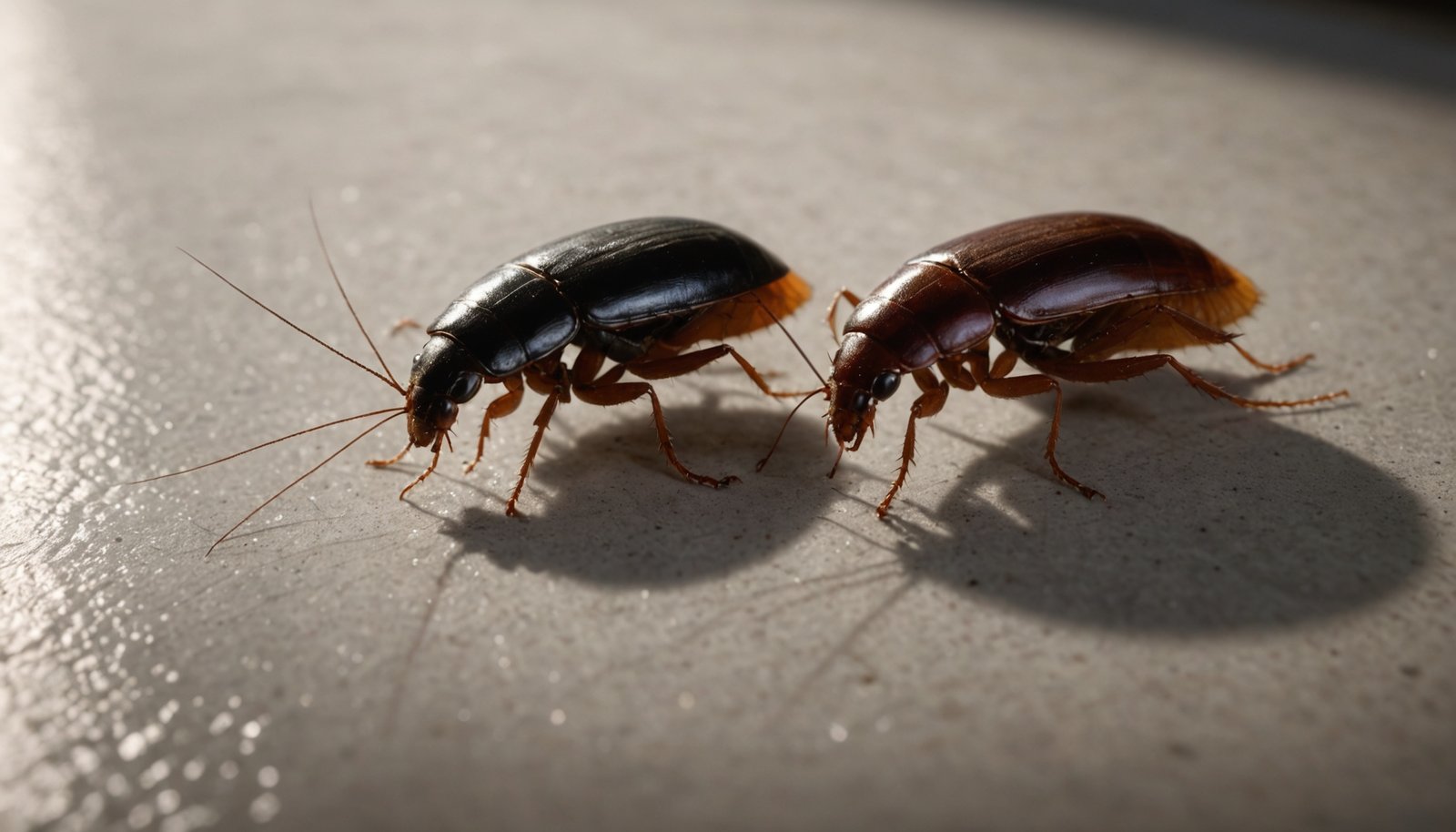
Myth: Cockroaches frequently bite humans. Fact: Approximately 0.12% of urban residents report cockroach bites annually — they are extremely uncommon in normal residential settings and occur almost exclusively in environments with severe, long-established infestations where normal food sources are depleted.
Myth: Cockroach bites transmit diseases directly. Fact: Cockroaches do not inject venom or transmit disease directly through biting the way mosquitoes transmit malaria. Their health risks come from surface contamination — E. coli, Salmonella, and other bacteria carried on their legs and mouthparts are deposited on surfaces rather than injected through bites. A bite can introduce surface bacteria into broken skin through secondary infection, but this is different from direct disease transmission.
Myth: Any bite from a cockroach-infested home is a cockroach bite. Fact: Bed bugs, mosquitoes, fleas, mites, and spiders are all far more likely to produce bites in a home environment than cockroaches are. Cockroaches bite in 0.12% of infested homes annually — bed bugs bite nightly in every infested home. If you are finding multiple bites each morning, bed bugs are statistically far more likely than cockroaches regardless of which pest is visible in the home.
Myth: You will feel a cockroach bite immediately and wake up. Fact: 87% of bites occur during nighttime sleep hours and most people do not feel them until they discover the mark in the morning. Cockroaches are cautious foragers that avoid disturbing sleeping individuals — the bite is typically brief and causes insufficient pain to wake most sleeping adults.
Fact: Cockroach bite risk is highest in children. Children sleep more deeply, move less, and have smaller body mass — making them more accessible targets and more reactive to cockroach allergens from bites. Children in cockroach-infested households also have significantly higher rates of cockroach allergen sensitization, meaning their bite reactions are more likely to include allergic components.
Frequently Asked Questions
Can Cockroaches Bite Humans?
Yes, but it is rare. Approximately 0.12% of urban residents report cockroach bites annually. Cockroaches bite primarily when a severe infestation has depleted normal food sources or when food residue on skin attracts them during nighttime foraging. In typical residential settings with manageable infestations, bite risk is practically zero — cockroaches strongly prefer decaying organic material over live human skin.
What Does a Cockroach Bite Look Like?
A cockroach bite appears as a single, isolated red raised welt 1 to 4mm wide — larger than a mosquito bite, appearing immediately after the bite with sharp pain and rapid swelling. In 63% of cases it appears on hands or feet. Unlike bed bug bites which appear in clusters of three to five marks, cockroach bites are almost always solitary. Around 15% of bite victims develop allergic reactions producing expanded redness and hives beyond the immediate site.
Are Cockroach Bites Dangerous?
For most healthy adults, cockroach bites are not dangerous — only about 9% require medical treatment beyond basic first aid. The risks are secondary infection from pathogens on cockroach mouthparts, and allergic reactions in sensitized individuals. Children and people with existing cockroach allergen sensitivity face higher risk of significant reactions. Seek medical attention if redness spreads, pus develops, fever appears, or any breathing difficulty occurs.
How Do You Treat a Cockroach Bite?
Wash with antibacterial soap and warm water, apply antiseptic (hydrogen peroxide or povidone-iodine), then hydrocortisone 1% cream for redness and swelling. Use oral antihistamine (cetirizine or loratadine) for itching. Apply a cold compress for 10 to 15 minutes to reduce swelling. Do not scratch — scratching is the most common cause of secondary infection in cockroach bites. Most bites heal within one to two weeks with consistent home care.
How Can I Prevent Cockroach Bites?
Wash hands and face thoroughly before sleep to eliminate food residue. Do not eat in bed. The most effective prevention is eliminating the infestation that produces biting behavior — daily sanitation, fixing all leaks, sealing structural gaps, and gel bait programs in confirmed harborage zones. A cockroach population severe enough to produce biting has almost certainly exceeded what simple hygiene measures can address without targeted pest control treatment.
