
American Cockroach Life Cycle: Stages, Timeline and Growth Rate
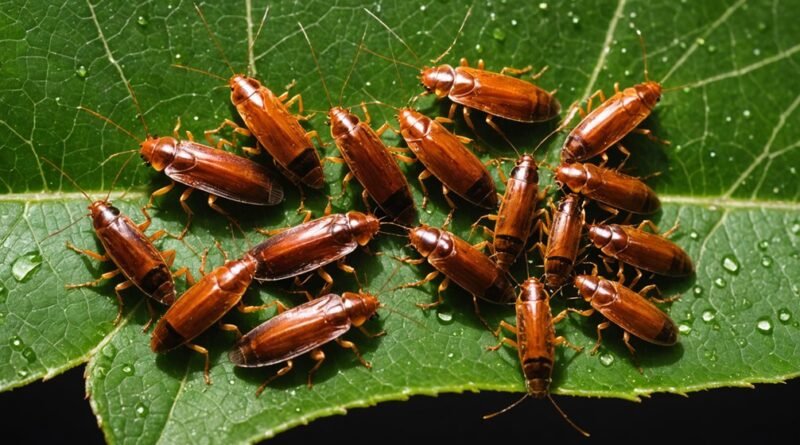
You’ll see American cockroaches move from egg to adult in as little as six months under warm, humid conditions. Females drop dark capsule-like oothecae that hatch in about 1–2 months. Nymphs look like small, wingless adults and molt 6–14 times over 6–24+ months, depending on temperature, humidity, and food. Adults live about a year and can produce over 100 offspring. When you understand these stages and growth rates, you can time control efforts far more effectively.
Key Takeaways
- American cockroaches develop from egg (ootheca) to nymph to adult, with a long, multi‑molt nymph stage.
- Each ootheca contains about 15 embryos, incubating roughly 24–38 days before nymphs emerge.
- Nymphs undergo 6–14 molts over 6 months to more than 2 years, depending mainly on temperature, humidity, and food availability.
- At room temperature, nymphs typically mature in about 164 days; warmer, humid conditions significantly accelerate growth and reproduction.
- Adults live around one year, with females producing several oothecae and up to about 150 offspring over their lifetime.
American Cockroach Life Cycle Overview
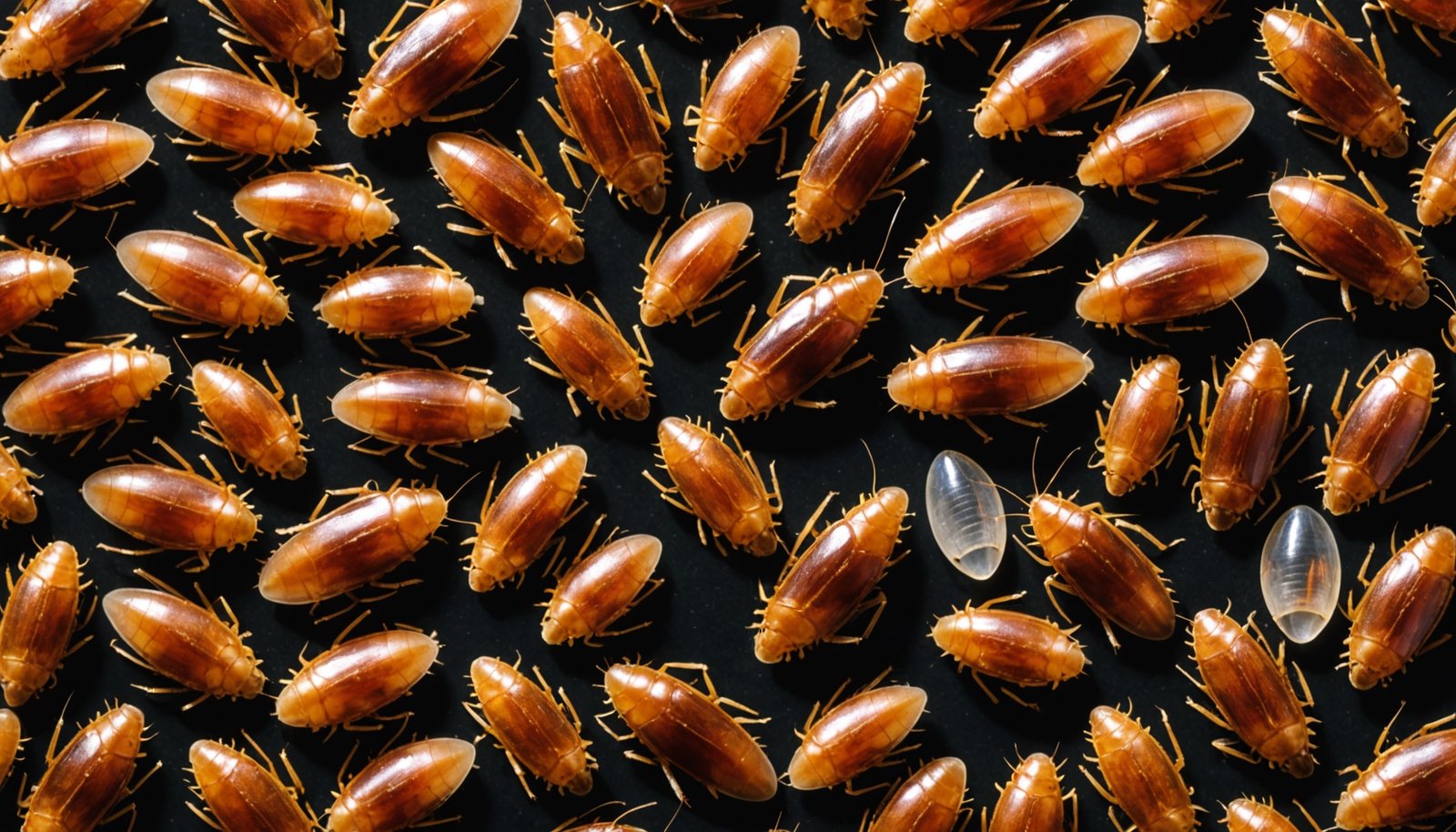
As American cockroaches progress from tiny hatchlings to full-grown adults, they pass through a long, flexible nymph stage marked by gradual growth and repeated molts. You’ll see nymphs start out only about 1/8 inch long and grayish or white, then darken to reddish-brown as they molt. Their growth patterns are slow and variable, with 6 to 14 molts stretching the nymph period from roughly six months to over two years. Baby cockroaches are wingless and cannot fly.
Nymph behavior closely mirrors adults: they actively forage for food and water and hide in concealed, moist sites. Lacking wings, they look smaller, rounder, and more compact, with wing pads appearing only in later instars. Environmental impacts like temperature, humidity, and crowding strongly influence how fast they mature and how many molts they need. These conditions shape key survival strategies, allowing nymphs to remain hidden, resilient, and well established long before they emerge as winged adults.
Egg Stage: Oothecae and Hatching Time
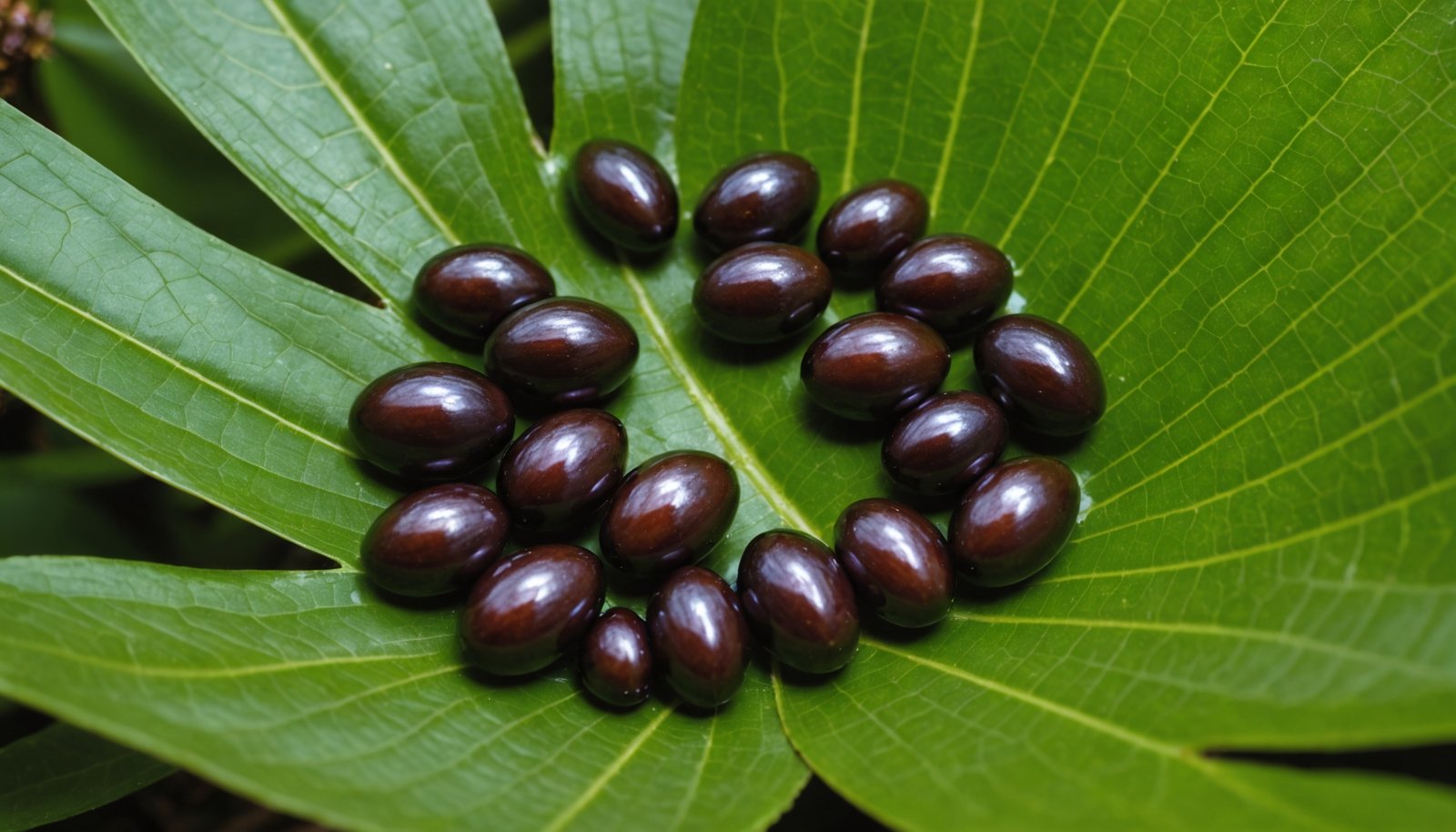
When you understand how American cockroach egg cases (oothecae) are built and where females place them, you can better predict where infestations start. You’ll see that each small, dark, capsule‑shaped case protects multiple embryos and is carefully glued into hidden, warm spots near food and moisture. From there, you can track how temperature and humidity affect incubation time and when those eggs hatch into active nymphs. In each ootheca, there are typically about 15 embryos, and the female may produce many such cases over her lifetime.
Ootheca Structure And Placement
Though it looks simple at a glance, the American cockroach’s ootheca is a precisely engineered egg case: an oval, semi‑cylindrical, dark brown “purse” about 8 mm long, formed from protein secretions of the colleterial (sexual accessory) glands and hardened around 12–16 fertilized eggs. When you examine ootheca morphology, you’ll see two valves with convex outer and concave inner surfaces, sealed along a suture line that bears a zipper‑like crest of bilobulated dental elements and transverse crevices that protect the internal cavity and loci. This ootheca structure is not static, because the flexible external corion can accommodate the gradual increase in nymph mass during morphogenesis.
| Detail | What it means for the eggs | How it should make you feel |
|---|---|---|
| Hardened purse case | Shields every embryo | Uneasy about hidden growth |
| Zipper‑like crest | Locks the valves | Awed by tiny precision |
| Dark coloration | Camouflages the clutch | Alert to what you can’t see |
Through specialized placement mechanisms, the female extrudes this case from flexible plates near sternite 7, then carries it attached to her abdomen, often producing two per week at peak fertility.
Egg Incubation And Hatching
From that hardened “purse” of an ootheca, the American cockroach’s egg stage quietly advances on a tight schedule shaped by time and temperature. After mating, a female forms an ootheca within 1–2 days, then carries it for hours to several days. She finally deposits it in a hidden crevice, often gluing it with saliva to stabilize the capsule.
Inside, about 14–16 embryos develop during a gestation averaging 44 days. Once deposited, incubation generally runs 24–38 days, but can stretch from 28 up to 81 days. The eggs start out pale and gradually darken as the capsule hardens.] Warmer conditions around 86°F speed development, while cooler, drier environments slow it and reduce egg viability. This environmental impact directly controls how quickly nymphs cut free from the casing and enter your space.
Nymph Emergence in the Roach Life Cycle
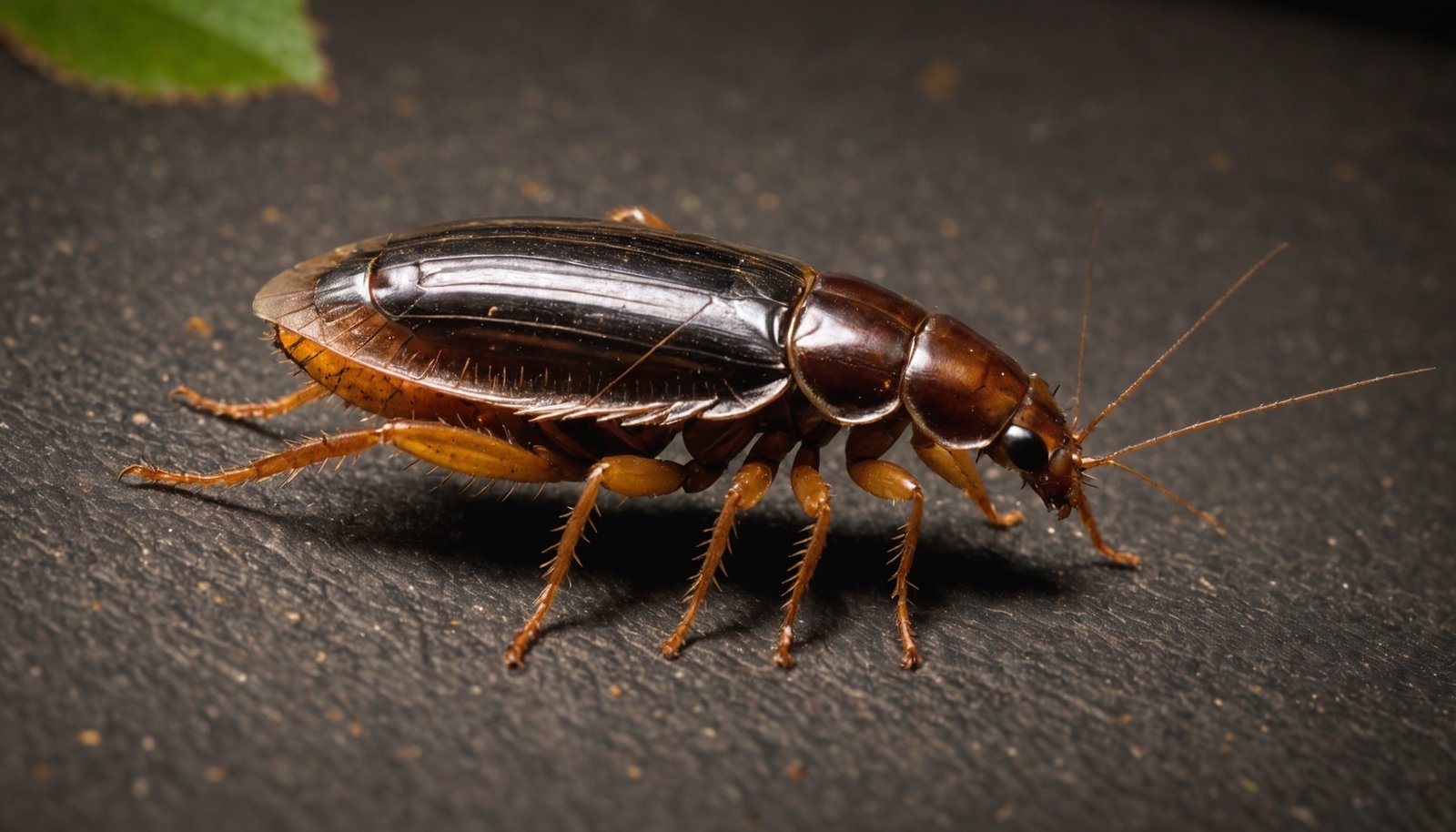
Although they start life hidden inside protective egg cases, American cockroach nymphs emerge as fully mobile, wingless young after an incubation period that typically ranges from about 29 to 58 days, depending on temperature and humidity. At typical room temperatures, you’ll see hatching around 50–55 days, but warmer conditions speed things up. Right after emergence, nymph coloration appears white or cream, then quickly shifts to grayish-brown as the soft exoskeleton hardens within hours. These juveniles are cockroach nymphs that will go through multiple molts as they grow toward adulthood.
You’ll notice that nymph behavior immediately mirrors that of adults: they move quickly, seek shelter, and begin feeding, allowing them to contaminate food and surfaces as soon as they hatch.
- Nymphs measure about 1/4 inch and look like miniature, wingless adults.
- Higher temperatures shorten the time from egg to nymph.
- Nymph coloration gradually darkens toward reddish-brown with early molts.
- Their instant mobility makes early infestations easy to overlook.
Nymph Development and Molting Stages
As you follow an American cockroach past the hatching stage, you’ll see the early nymphs start as tiny, pale, wingless insects that gradually darken and round out in shape. You can track their growth through a series of molts, each one shedding the old exoskeleton and bringing the nymph closer in size and appearance to the adult form. You’ll also notice that temperature, humidity, crowding, and genetics all influence how quickly they pass through these stages and how many times they molt.
Early Nymph Characteristics
Newly hatched American cockroach nymphs emerge from the egg case at only about 1/8 inch long, soft-bodied, and white before quickly darkening to a grayish-brown. You’ll notice nymph coloration changes as they progress from pale grayish-brown to darker tones, eventually trending reddish-brown. Their rounded bodies and lack of wings make them look stubby compared to adults, yet nymph feeding habits already mirror adult scavenging.
- You’ll see early nymphs stay close to hidden, humid crevices near food crumbs and organic debris.
- They actively search for food soon after hatching, fueling growth.
- As they develop, they gradually resemble smaller, wingless adults with faint yellow thoracic edging.
- Growth remains slow under poor conditions, prolonging the nymphal stage.
Molting Process Overview
During the nymph stage, American cockroaches grow through a series of molts, shedding their rigid exoskeleton 6–14 times before reaching adulthood. You’ll see each molt mark an instar, a distinct growth phase where the old shell splits and a larger nymph emerges. Molting triggers come from internal hormones that respond to growth pressure against the current shell.
Right after molting, the nymph appears white or cream-colored, with a soft body that quickly darkens and hardens. This illustrates key exoskeleton function: it protects the insect, but must be replaced as the body expands. Nymphs start around 1/4 inch, grayish‑brown, then shift to reddish‑brown in mid‑stages. In the final molts, wings develop and a fully formed, reproductive adult appears.
Factors Affecting Development
Although American cockroach nymphs follow the same basic pattern of molting through multiple instars, the speed and exact path of their development depend heavily on their surroundings. You’ll see major Development Variability as conditions shift, even when the overall life cycle looks similar.
- Environmental Influence – Warm, humid indoor conditions accelerate nymph growth, reduce the number of molts, and shorten timelines dramatically compared with fluctuating outdoor environments.
- Nutritional Impact – Abundant, accessible food lets nymphs molt sooner, grow faster, and reach adulthood quickly; scarcity stretches the nymph stage.
- Population Dynamics – Group-housed nymphs follow more consistent molt counts than solitary ones, which show wider instar ranges.
- Species and Individual Differences – American cockroaches may need 10–13 molts and 65–400 days, while other species complete fewer molts and mature sooner.
Time to Adulthood: How Long Roaches Take to Mature
If you’re dealing with American cockroaches, you’re facing a pest that takes its time to grow up. From egg to adult, you’re often looking at many months, sometimes close to two years, because Nymph growth is slow and tied to several key Lifespan factors. Eggs incubate for about 24–38 days before hatching, but after that, the real delay comes from their high Molting frequency. Nymphs typically shed their exoskeleton 10–13 times, sometimes up to 14, before reaching adulthood.
This long process shows strong Development variability. Temperature effects matter: warm, stable conditions speed things up, while cold environments drag the timeline out. Resource impact is huge as well; abundant food and moisture let nymphs molt steadily, but scarcity stretches the nymph stage from about 6 months to well over a year. Under harsh conditions, Nymph growth can stall entirely or end in death before adulthood.
Adult Roaches: Lifespan, Behavior, and Breeding
Once American cockroaches reach adulthood, they shift from slow-growing nymphs to long-lived, highly mobile breeders that can sustain an infestation for years. You’re now dealing with insects that run 2–3 mph, hide expertly, and focus on reproduction. Their Adult Behavior centers on nocturnal foraging, quick escapes from light, and using Roach Adaptations like long antennae to navigate cramped, damp spaces.
- Lifespan Factors – Adults typically live around a year, but females may exceed 400 days, sometimes 700+, especially under favorable Environmental Influences like steady warmth and moisture.
- Breeding Habits – Females mature immediately, produce about eight oothecae, and average 150 offspring, placing egg cases in concealed, humid crevices.
- Mating Strategies – Long-lived females outlast males, extending Population Dynamics by continuing to produce egg cases over many months.
- Survival Techniques – Fast crawling, sewer and wall-void harborages, and nocturnal routines help adults avoid predators and control efforts.
American Cockroach Life Cycle at Different Temperatures
As temperatures rise or fall within a building, they quietly reshape the entire life cycle of American cockroaches—how fast eggs hatch, how quickly nymphs mature, how long adults live, and how many young they produce. You can see Temperature Impact clearly in the egg stage: incubation ranges from about 29 to 58 days, with an ideal 74°–83°F window. Around 76.9°F, eggs may take 50–55 days to hatch, but near 85.8°F they need only about 32.7 days, with roughly 2.8 days shaved off per degree.
Nymphal Growth Rate also tracks temperature. At room temperature (around 76.9°F), nymphs need about 164 days to mature, but they develop fastest near 84°F. Warmer conditions can cut the nymphal stage from hundreds of days down toward the lower end of the 160–971 day range.
Adults prefer 70–90°F, especially around 84°F, where they live long enough and reproduce steadily without extreme heat or cold cutting survival short.
What Speeds Up or Slows the American Cockroach Life Cycle
Although temperature sets the basic pace of American cockroach development, several other factors either hit the gas or pump the brakes on their life cycle. You can think of these conditions as either tightening or loosening the timeline from egg to adult by altering growth rates, survival, and timing.
1. Humidity effects & water availability****
Damp zones near plumbing or leaks keep egg cases viable and speed molting, while dry areas cause developmental delays or nymph loss.
2. Food sources & nutrition****
Reliable, protein‑rich scraps let nymphs molt sooner and reach sexual maturity faster; scarce food stretches stages and slows reproduction.
3. Shelter and nesting areas
Tight, protected cracks stabilize humidity, protect oothecae, and let hidden colonies develop efficiently.
4. Population dynamics & social behaviors
Grouped nymphs share a stable microclimate and molt in sync, but overcrowding can stress adults, slowing maturation and reducing output.
Why the Roach Life Cycle Fuels Home Infestations
Because each stage of an American cockroach’s life is built to survive indoors, their life cycle naturally drives long‑lasting infestations in homes. A single female can drop oothecae every few days, each packed with more than a dozen embryos. Those egg cases hide in cracks, stay protected for weeks, then release nymphs that already thrive in the same places adults use.
You’re not just dealing with one generation. Nymphs take 6–14 months and many molts to mature, while adults keep producing eggs for up to a year. That overlap means you can see constant activity, even if you kill visible adults. Damp basements, bathrooms, and wall voids offer warmth, shelter, and steady moisture, so every stage survives together.
Because their entire life cycle fits your home so well, effective infestation prevention depends on habitat modification, breeding control, and strict moisture management—not just killing the roaches you see.
Best Times to Break the Roach Life Cycle and Prevent Pests
If you time your efforts to match each stage of the American cockroach’s life cycle, you can disrupt their population before it explodes. You’ll rely on preventive measures, focused intervention strategies, and steady pest monitoring to spot activity early and act fast.
1. Egg case window (days 3–7 post‑mating)
Use strict sanitation practices around kitchens, basements, and drains to remove oothecae before hatching. Vacuum cracks, discard clutter, and seal gaps for early lifecycle disruption.
Target oothecae early: deep clean, vacuum crevices, remove clutter, and seal cracks to block hatching
2. Early nymph targeting (first 24–38 days)
After oothecae hatch, place baits near dark, moist harborage points. Nymph targeting here stops future breeders.
3. Molting phase control (months long)
Maintain environmental controls: reduce moisture, food, and hiding spots. Poor conditions slow molting and increase mortality.
4. Adult management during reproductive peak****
Adults can produce an ootheca every four days. Combine residual insecticides, traps, and continued sanitation to cut egg production and collapse the infestation over one annual cycle.
Frequently Asked Questions
Can American Cockroaches Carry Diseases That Affect Humans or Pets?
Yes, they can. You face risks from disease transmission like salmonellosis, E. coli, and parasitic worms. Their allergens trigger asthma and rashes, and they threaten pet safety by spreading pinworms and other pathogens in shared environments.
What Are Common Signs of Each Life Stage in a Home Infestation?
You’ll spot egg identification as reddish-brown capsules in crevices, nymph behavior as tiny, fast, wingless roaches and shed skins, adult movement as large roaches in dark areas, plus strong odor, droppings, and other infestation signs.
How Do American Cockroaches Differ From German Cockroaches in Life Cycle?
You see American cockroaches develop slower, with fewer eggs and longer nymph stages, while Germans cycle fast with many eggs. This life cycle comparison means Germans explode in number indoors, matching their indoor habitat preferences better than Americans.
Do Pesticides Affect Eggs, Nymphs, and Adults Equally, or Differently?
They’re affected differently. You’ll see lowest pesticide effectiveness on eggs, higher on nymphs, and variable results on adults. Life stage susceptibility peaks in molting nymphs, while protected eggs and experienced adults often survive standard treatments.
Can Natural Predators or Biological Controls Disrupt the Cockroach Life Cycle?
Yes, they can. You use natural predators and biological controls to disrupt eggs, nymphs, and adults, altering cockroach behavior, increasing mortality, and reducing reproduction, making pest management more sustainable and less reliant on chemical insecticides.
Conclusion
Understanding the American cockroach life cycle lets you target these pests when they’re most vulnerable. When you know how quickly eggs hatch, how fast nymphs grow, and how temperature speeds everything up, you can act before a few roaches become an infestation. Focus on breaking the cycle early—eliminate moisture and food, seal entry points, and use targeted treatments. If you stay proactive and consistent, you’ll keep roach populations from exploding indoors.
