
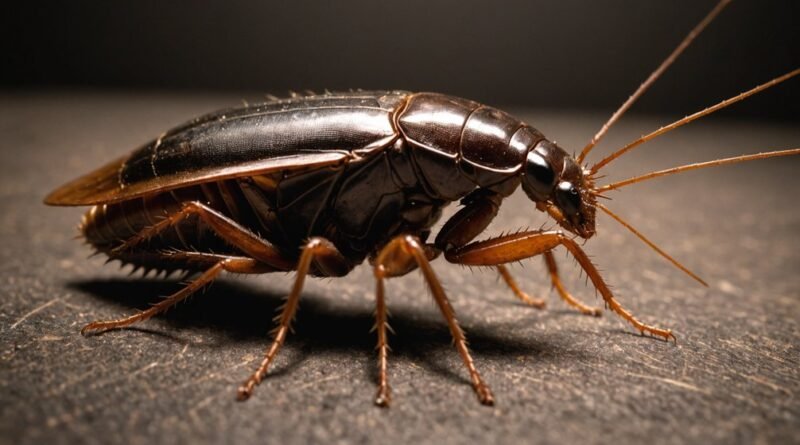
Can Cockroaches Bite? How Often It Happens and What It Looks Like
Cockroaches can bite, but it’s rare and usually means there’s a heavy infestation. They’re nocturnal, so you’re most likely to get bitten at night while you sleep, especially if food or crumbs are on your skin. Bites often show up on hands, feet, or the face as small, bright red, mosquito-like bumps that itch or feel like a sharp pinch. If you’re worried about how to identify, treat, and prevent these bites, you’re in the right place.
Key Takeaways
- Cockroaches can bite humans, but it is very rare and usually indicates a severe infestation.
- Bites most often occur at night while people are asleep, especially where food residue is on the skin.
- Common bite sites include hands, feet, and the face, particularly around the mouth and other exposed skin.
- Cockroach bites look like small, bright red, slightly raised bumps (1–4 mm), similar to mosquito or bed bug welts.
- Symptoms are usually mild—redness, itching, and slight swelling—and typically fade within 24 hours unless infection or an allergic reaction develops.
How Often Do Cockroaches Bite Humans?
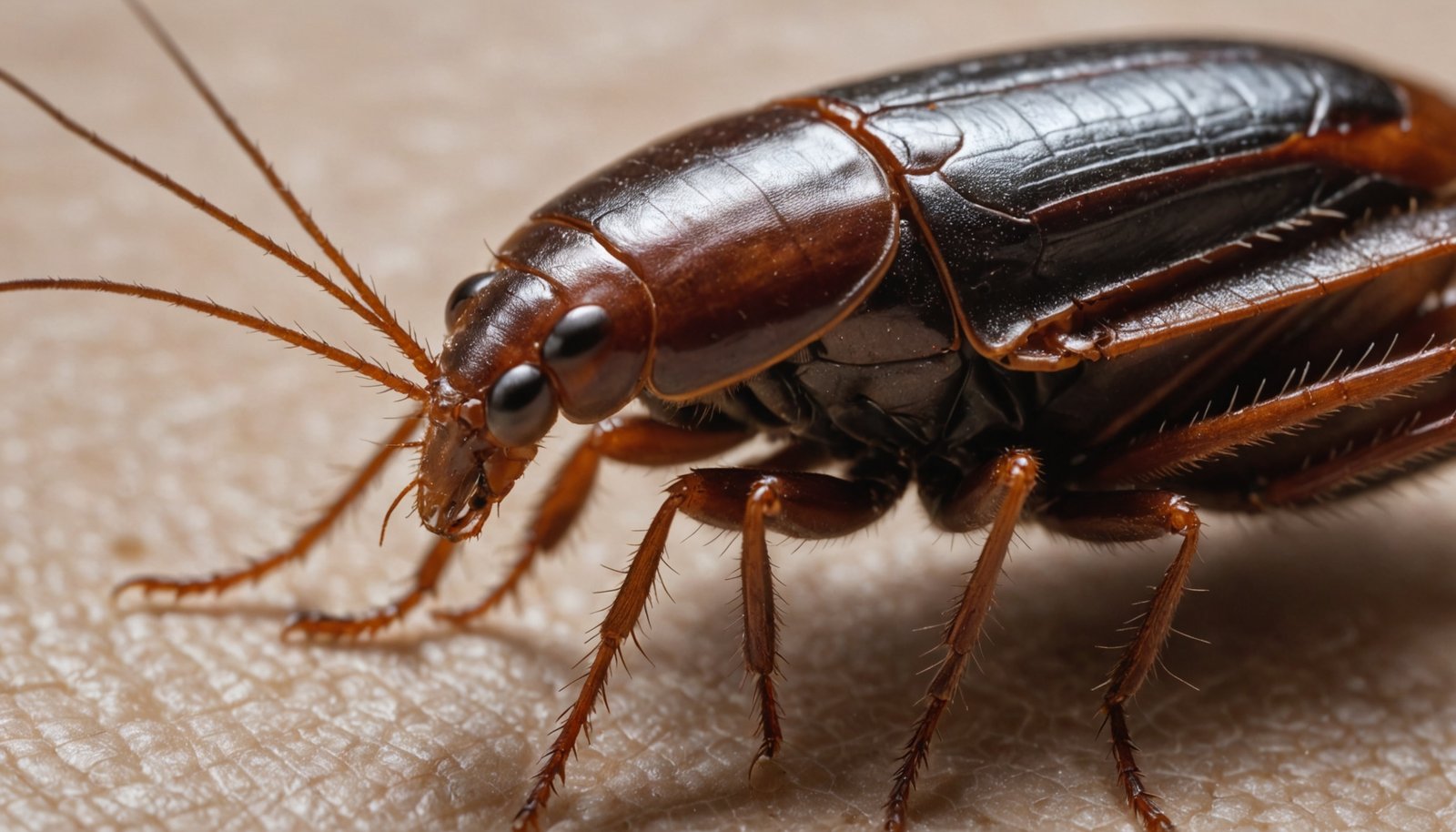
Surprisingly, cockroaches almost never bite humans, and when they do, it’s usually a sign of an extreme infestation rather than normal behavior. If you’re wondering about bites frequency, you’ll find roaches rank very low compared to bees, spiders, or blood-feeding pests like fleas and bed bugs. Normal cockroach behavior is to search for exposed food, crumbs, and garbage, not people. Bites may cause irritation, lesions, and swelling in the affected area, and in some cases minor wound infections have been reported.
You’ll almost never be targeted unless a huge, unchecked population has exhausted ordinary food sources. Then, a few roaches may nibble at softer areas like fingernails, hands, feet, or even eyelashes while you’re still, but this remains rare. Historical reports from ships with massive infestations describe sailors wearing gloves to stop American cockroaches from gnawing their fingers, yet such cases are exceptional. In typical homes, even ones with noticeable roaches, effective sanitation and basic pest control usually keep populations far below the level where bites occur.
Why Cockroaches Bite People at Night
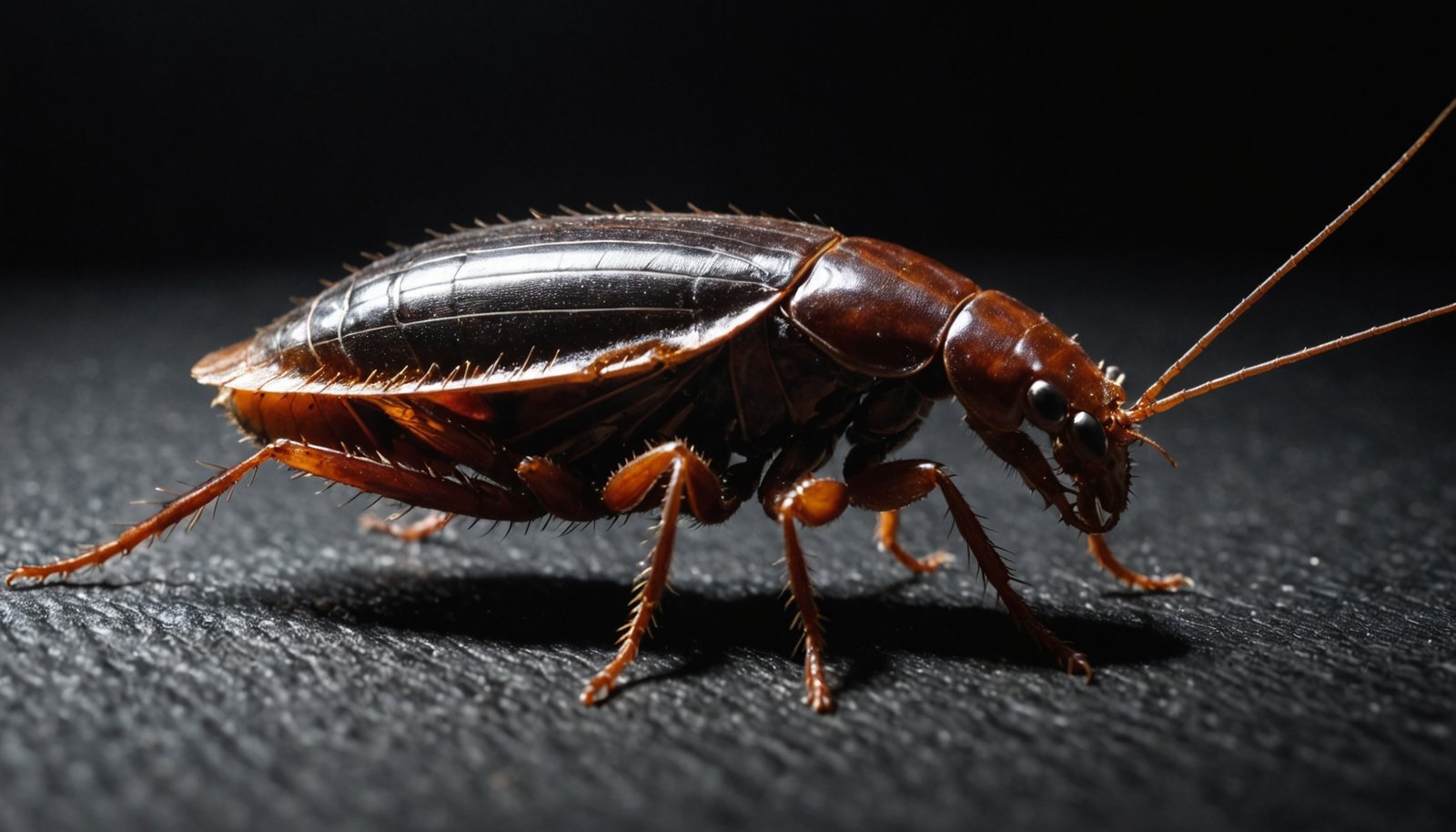
Even though cockroach bites are rare and usually linked to extreme infestations, they almost always happen at night, when you’re asleep and least aware of what’s crawling around. This timing reflects basic cockroach behavior: they’re nocturnal insects that leave their daytime hiding spots to hunt for food while you’re in bed. Your still, warm body becomes just another surface they can explore during nocturnal feeding. Because cockroaches spread allergens, bites and close contact can also worsen asthma symptoms in sensitive people, especially children.
Roaches don’t usually seek you out as prey. Instead, they follow traces of organic material. They’re attracted to crumbs, grease, and food residue on your face, hands, and around your mouth, plus dead skin, eyelashes, fingernails, and even hair. When normal food runs low in a severe infestation, they may nibble more aggressively on these materials.
| Time | Roach Activity | Why Bites Happen |
|---|---|---|
| Early night | Emerging from hiding | Start foraging |
| Midnight | Peak movement | More contact with sleepers |
| Late night | Crawling on beds and bodies | Safe access to food traces |
| Pre-dawn | Final foraging before hiding | Opportunistic skin gnawing |
Who’s Most at Risk for Cockroach Bites?
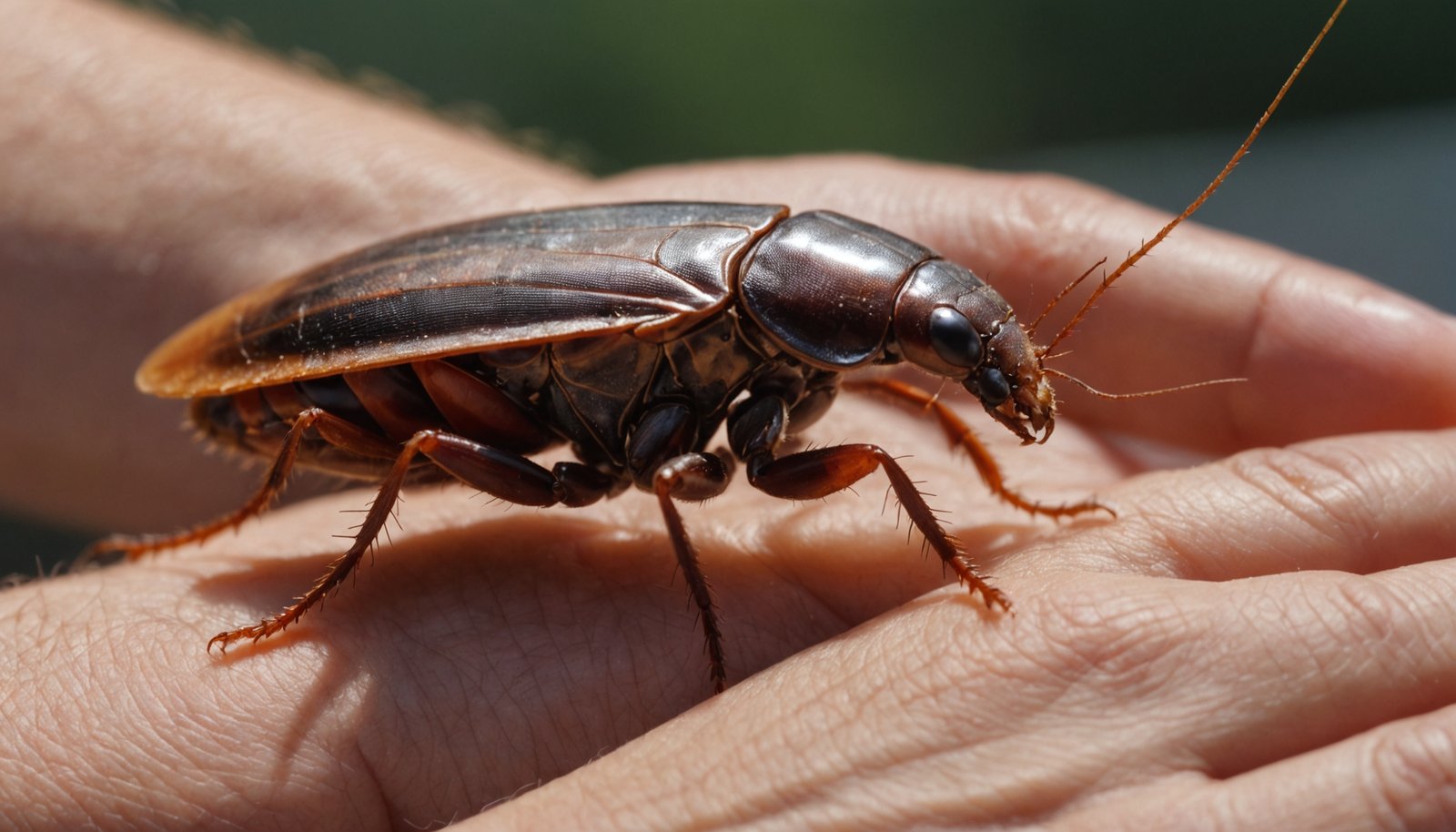
You’re not equally likely to be bitten by cockroaches—your living conditions and age matter a lot. If you live in overcrowded, low-income housing or a heavily infested building, your risk climbs sharply, especially at night. Children and elderly adults are particularly vulnerable, with bites and allergen exposure causing everything from crusted skin lesions to severe asthma symptoms. Cockroaches in these environments can also spread disease-causing microbes as they move between bathrooms and kitchens.
High-Risk Living Conditions
Although cockroach bites can happen in many settings, they’re far more likely in crowded, poorly maintained environments where sanitation breaks down and food is scarce. When you live in overcrowded environments with ongoing sanitation issues, cockroaches multiply quickly and outstrip normal food sources. Poor food storage, overflowing trash, and accumulated debris draw them into kitchens, bathrooms, and sleeping areas. Their droppings, body parts, and cockroach allergens can also build up in these conditions, increasing asthma and allergy risks, especially for children.
As infestations grow, roaches compete fiercely for limited resources. When conventional food runs low, they’re more likely to investigate sleeping people, especially exposed skin on the face and hands. Nighttime activity gives them easy access while you’re immobile. High-density housing with leaking pipes, cracked walls, and inadequate waste systems lets German cockroaches thrive, increasing the odds that desperate insects will resort to biting.
Vulnerable Age Groups
Certain people are far more likely to be bitten or react severely when cockroaches move in. Infant vulnerability is high: soft skin, food residue, and sweat attract nocturnal bites to the face, hands, and feet. Even infants can show early skin reactivity, and repeated allergen exposure may contribute to asthma later.
Young children, especially asthmatics, face added danger. Roach allergens can trigger severe wheezing, rashes, and eye or nail-bed bites while they sleep. [Protecting children’s sleeping areas and maintaining strict cleanliness can significantly reduce the risk of repeated cockroach bites and infestations.]
Asthmatics of any age risk intense swelling, hives, and breathing difficulties from saliva and airborne droppings. Allergic individuals can develop widespread rashes, infections from scratching, or even anaphylaxis.
Elderly risks include frequent bites on callused hands and feet, delayed healing, and higher odds of serious infection.
Where on the Body Cockroaches Usually Bite
When cockroaches bite, they usually go for your hands, feet, face, eyelashes, and fingernails. These spots tend to be exposed while you sleep, have softer skin, or carry food residue and keratin that roaches find appealing. Understanding why these areas attract them helps you know what to protect and how to reduce your risk.
Most Common Bite Areas
Where do cockroaches head first when they decide to bite? They usually go for your hands and feet, especially while you’re asleep. Your hands often carry traces of food, and your bare feet stay exposed at night, so both become easy targets. Bites on these spots typically look similar—small, itchy red marks.
Roaches also focus on your eyelashes and fingernails. They’ve been recorded nibbling at eyelashes during nocturnal activity when your face is still and unprotected. Fingernails rank among the most common sites because roaches can scrape at the keratin, leaving single red bumps around the nail edges.
Your face, especially the area around your mouth, is another frequent bite zone. Any exposed, food-marked skin becomes vulnerable.
Why These Spots Attract
Knowing the most common bite areas is only half the story—you also need to understand why roaches go for those exact spots. They’re opportunistic scavengers, so they follow food cues on your body, especially when infestations are severe and other food runs out.
Their nocturnal behavior matters too. While you sleep, you’re still, unprotected, and often uncovered in warm, humid bedding—ideal for quiet, hidden approaches.
Key reasons these spots attract roaches:
- Skin residue: Fingernails, hands, and feet collect crumbs, grease, and skin flakes.
- Facial traces: Eyelashes and the mouth area hold food particles and dried saliva.
- Open access: Bare skin offers easy feeding surfaces.
- Desperation: In extreme scarcity, they may even gnaw nails or fragile skin.
What Cockroach Bites Look and Feel Like
Although cockroach bites can resemble other insect bites, they have a few distinct traits in how they look and feel. Typical bite characteristics include a small, bright red bump about 1–4 mm wide, slightly raised like a mosquito or bed bug welt but often a bit larger. You’ll usually see a single mark instead of clusters or straight lines, and it often shows up overnight on exposed skin such as your face, hands, neck, or arms.
You might notice a sharp pinching sensation when the bite occurs, but many people don’t feel it at all. Afterward, redness, mild swelling, and itchy reactions are common, along with localized irritation. The itch can persist and tempt you to scratch, which may turn the spot into a tiny scab. Most bites stay mildly uncomfortable and fade within about 24 hours, unless you have an allergic response or the area becomes infected.
Preventing Cockroach Bites and When to See a Doctor
Understanding what cockroach bites look and feel like helps you spot them quickly, but your main goal is to stop them from happening in the first place and recognize when they need medical attention. Effective bite prevention starts with cutting off roaches’ food, water, and shelter. Wipe counters, sweep floors, and avoid eating in bed. Store food in airtight containers, clear trash daily, and fix leaks or standing water. Seal cracks, gaps, and pipe openings so roaches can’t get inside.
If you still notice roaches, use traps and baits, and call professional pest control for heavy infestations.
For bites, wash the area with soap and water, then use antiseptic and a cold compress. Consider doctor consultation if you notice:
- Increasing redness, warmth, or pus
- Spreading rash or hives
- Trouble breathing, dizziness, or swelling of lips/face
- Pain, fever, or bites that don’t improve in a few days
Frequently Asked Questions
Can Cockroach Bites Transmit Diseases Directly, Like Mosquito or Tick Bites Do?
No, cockroach bites don’t transmit diseases directly like mosquito or tick bites. You mainly face disease transmission from contaminated surfaces and food. You should focus on sanitation, pest control, and bite prevention to reduce health risks.
Are Certain Cockroach Species More Likely to Bite Humans Than Others?
Yes, certain species bite more. You’ll see higher bite frequency from American cockroaches and Periplaneta australasiae; German cockroaches bite in heavy infestations. Brown-banded roaches rarely bite, reflecting differences in species behavior and preferred habitats.
Can Cockroach Bites Cause Long-Term Scars or Permanent Skin Discoloration?
You typically won’t develop long‑term scars or permanent discoloration from cockroach bites. If you clean bites promptly, avoid scratching, use basic skin care, and practice bite prevention, any marks usually fade completely over time.
How Can I Tell a Cockroach Bite From a Bed Bug or Flea Bite?
You use bite identification by insect comparison: bed bugs leave 5–7 mm lines or clusters on exposed upper body, fleas cause tiny haloed bumps on ankles/waist, while cockroach reactions’re diffuse rashes with respiratory symptoms, not patterned bites.
Do Cockroach Bites Trigger or Worsen Asthma or Other Allergy Symptoms?
Yes, they can. If you’ve got cockroach allergies, a bite’s saliva and nearby droppings can act as strong asthma triggers, worsening wheezing, coughing, itchy skin, and eye or nasal symptoms, especially in sensitive children.
Conclusion
Knowing cockroaches can bite might feel unsettling, but it empowers you to protect yourself. If you spot signs of roaches or wake up with unexplained bites, don’t ignore them. Clean thoroughly, seal food, eliminate clutter, and fix moisture problems. Consider professional pest control if the problem persists. See a doctor if bites look infected, swell severely, or you have trouble breathing. By acting quickly, you’ll reduce your risk and sleep more comfortably.
