
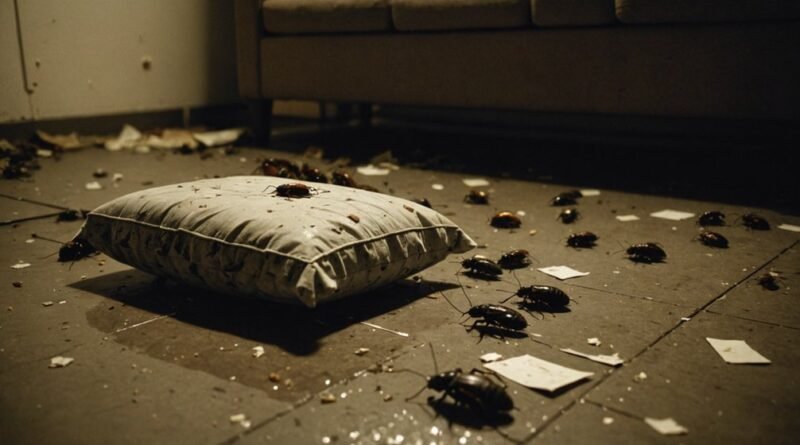
Can You Break Your Lease Because of Cockroaches?
You can break your lease because of cockroaches only if the infestation is severe enough to make your home legally “uninhabitable” and your landlord doesn’t fix it after proper written notice. You must document the problem, keep paying rent, notify your landlord quickly (ideally by certified mail), and give them time to respond. If they still don’t act, you may have grounds to terminate your lease, seek rent reduction, or pursue other legal remedies, which this guide explains further.
Key Takeaways
- You generally can’t break a lease for minor roach issues, but a severe, ongoing infestation that violates health codes may justify early termination.
- To claim uninhabitability, you must promptly notify the landlord in writing, keep paying rent, and give reasonable time for professional extermination.
- Courts often view large, recurring roach infestations as a breach of the landlord’s implied warranty of habitability and local housing standards.
- Thorough documentation—photos, dates, written complaints, pest reports, and any health impacts—is critical to support rent reduction, repair-and-deduct, or lease termination.
- Before moving out, consult a tenant attorney or local housing agency to confirm your rights and proper legal steps for safely ending the lease.
When Can Roaches Let You Break a Lease?
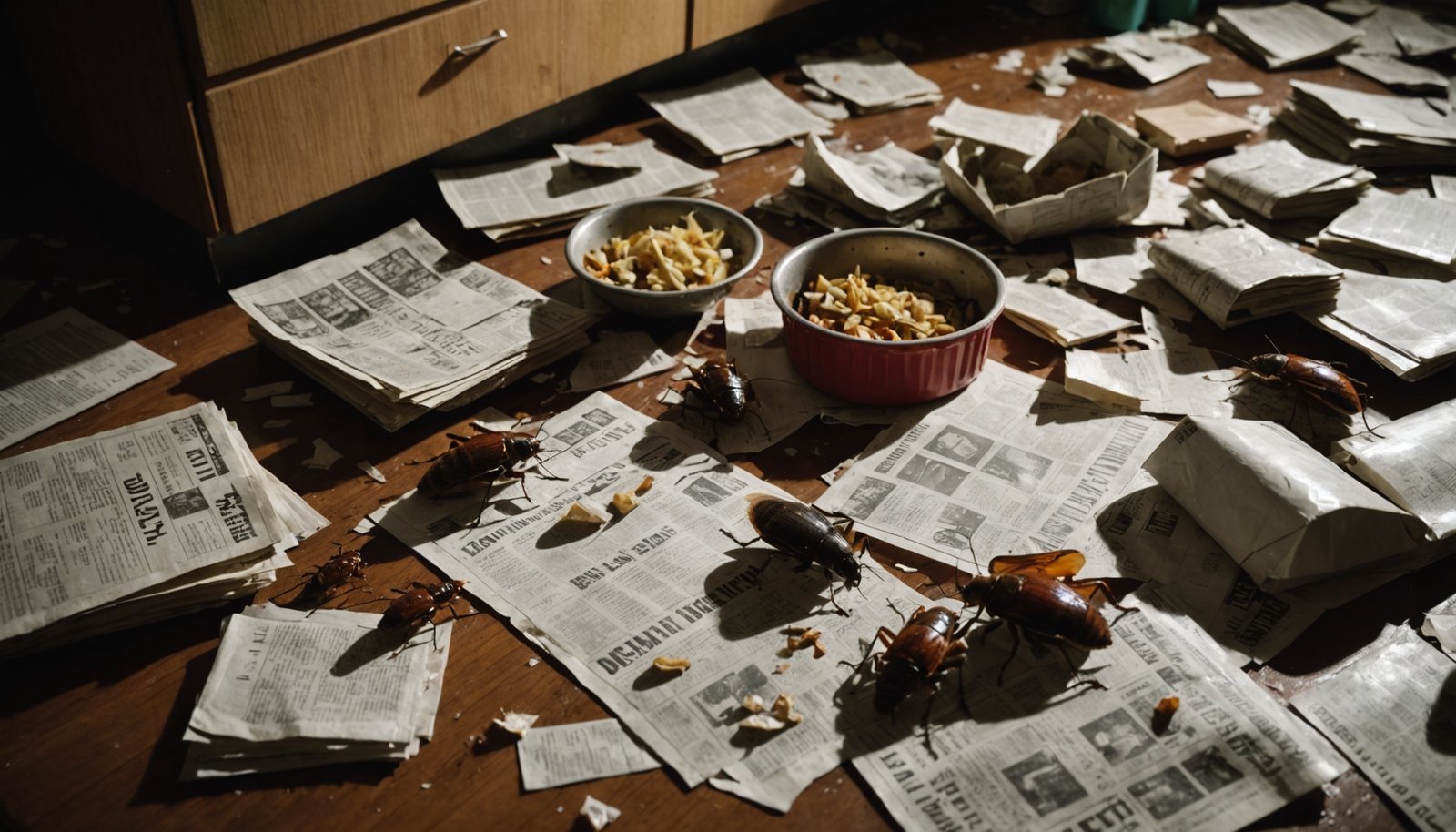
Although roaches are unsettling and unsanitary, the law usually doesn’t let you walk away from a lease just because you’ve seen a few. You can typically break a lease only when an infestation becomes severe enough that a reasonable person would see the unit as unlivable, and local habitability standards back you up. Single episodes that proper pest control can handle rarely meet that bar.
To protect your tenant rights, you must first give your landlord written notice—ideally by regular and certified mail—at the address listed in your lease. Keep your rent current, describe the problem clearly, and give the landlord the legally required time (often 7–30 days) to fix it. In some cases, you may be able to use a repair and deduct approach by hiring an exterminator yourself after proper notice and then subtracting that cost from your rent, if your local laws allow it.
If the roach problem persists despite documented landlord efforts, especially alongside other issues like mold or water damage, you may have grounds to argue a serious habitability breach. Always confirm standards with a local tenant attorney.
When Roaches Make Your Rental Legally ‘Uninhabitable
When roaches invade your home, the law doesn’t just see them as gross—they can make your rental legally “uninhabitable.” You’ll need to understand how courts define uninhabitable conditions and when a roach problem crosses that line. This includes looking at the health risks roaches pose, like allergies and asthma, and how those risks affect your right to a safe, livable space.
Defining Legal Uninhabitability
Even if you feel disgusted or unsafe, cockroaches only make a rental legally “uninhabitable” once they cross a specific legal threshold tied to health and safety. Most states recognize an “implied warranty of habitability,” which means your landlord must provide a place that’s safe and fit to live in, regardless of “as‑is” language. When vermin infestations violate health codes, your landlord has to arrange effective pest control to restore livability. Each state has its own specific landlord‑tenant rules that define what counts as a serious pest problem and how quickly a landlord must fix it.
Uninhabitability usually involves serious hazards: widespread roaches, sewage issues, major structural defects, or loss of essential utilities. Minor problems don’t qualify. To pursue remedies like rent reduction or lease termination, you must document conditions with photos, videos, and written notices, then follow your state’s specific procedures and timelines before walking away.
Health Risks And Habitability
Because cockroaches threaten health as well as comfort, they can push a rental over the legal line from “gross” to genuinely “uninhabitable.” These pests don’t just scuttle across your floors—they spread dozens of bacteria and human pathogens onto food and surfaces, trigger asthma attacks and allergies (especially in children), and leave allergenic droppings and body parts in dust, fabrics, and vents. Their presence in a home can indicate serious health concerns due to the bacteria, parasites, and allergen proteins they spread.
Courts look closely at these health implications. Roaches can carry Salmonella, staph, strep, and germs linked to diarrhea, dysentery, cholera, and typhoid fever. Their allergens are among the most common indoor triggers of asthma, and they’re found in most U.S. homes, especially in cities. When an infestation is severe, ongoing, and not fixed through reasonable, safe pest control, many judges see the unit as legally uninhabitable.
Who’s Responsible for Roaches in a Rental?
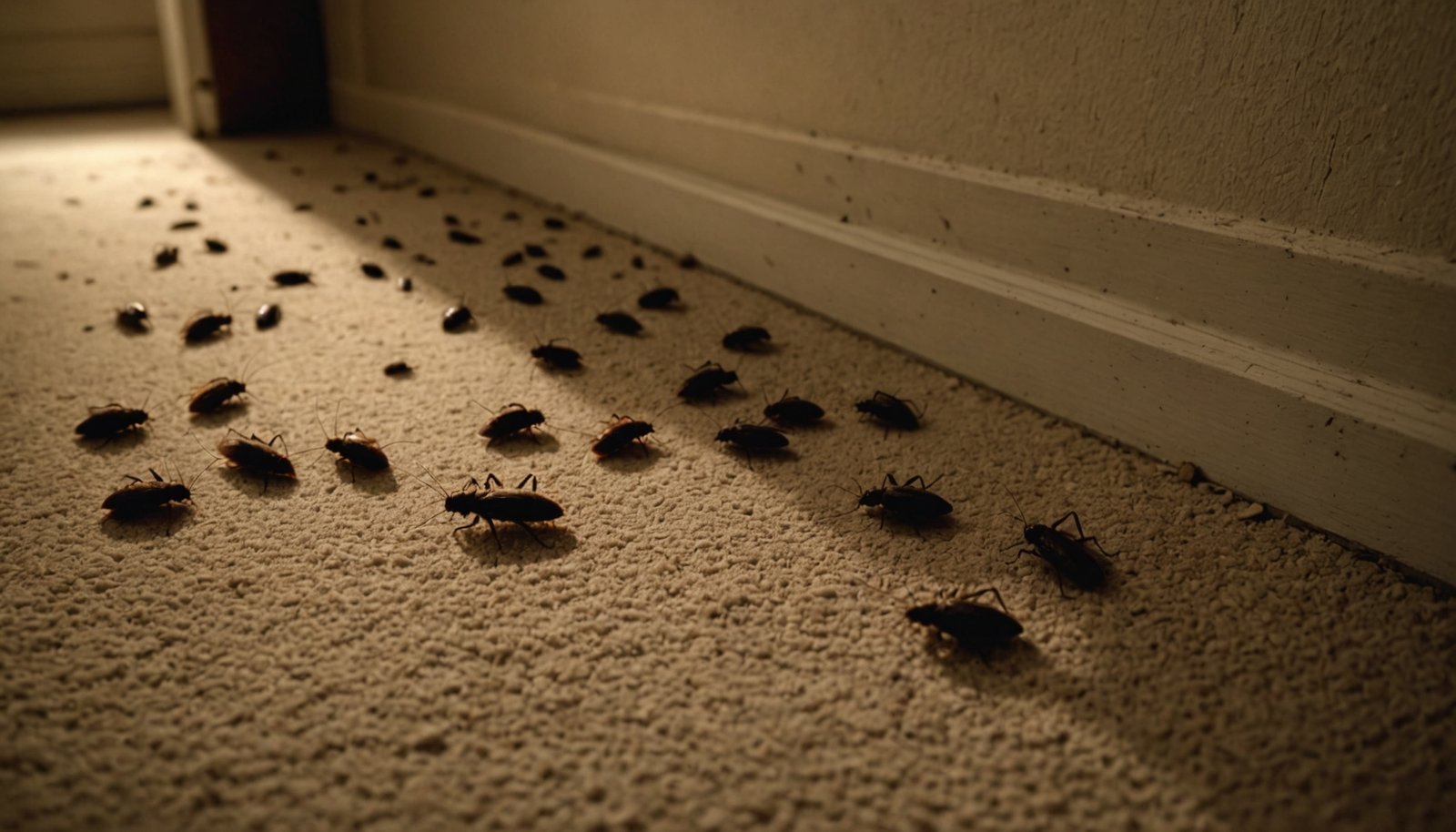
When roaches take over your rental, you need to know whether it’s your landlord’s legal problem or yours. Your landlord usually has to keep the place structurally sound and pest‑free, while you must keep the unit clean and follow pest-prevention rules in your lease. In many places, local housing laws require landlords to provide a habitable home, which includes addressing serious pest infestations that aren’t caused by tenant negligence. Understanding where that line is drawn will determine who pays for extermination and whether you can break your lease.
Landlord Legal Obligations
Although cockroaches can show up in almost any home, the law generally puts the primary responsibility for preventing and resolving infestations on landlords. Under the implied warranty of habitability, landlord responsibilities include keeping your unit safe, sanitary, and reasonably free of pests from move‑in through the entire tenancy. When they don’t, your tenant rights may allow rent deductions or other legal remedies.
Landlords must handle structural defects, moisture problems, and communal-area conditions that attract roaches. Picture it like this:
- Cracked foundations and gaps around pipes sealed and professionally treated.
- Leaking roofs, wet walls, and damp basements repaired before extermination.
- Overflowing, lidless dumpster areas cleaned and made vermin‑proof.
- Hallways and shared laundry rooms inspected after any unit reports roaches.
Tenant Pest Responsibilities
Landlords carry the main legal duty to keep rentals habitable, but you still have clear responsibilities that affect who pays for roach control. If roaches trace back to tenant negligence—overflowing bins, food left out, or ignored spills—you’ll likely cover treatment costs. Your cleanliness obligations and hygiene standards matter just as much as the landlord’s legal duties.
You’re also responsible for basic pest prevention. Check second‑hand furniture and belongings before bringing them inside, and keep pets clean to avoid flea or roach issues. Fast infestation reporting is critical; delays can shift liability onto you.
| Situation | Your Action | Likely Outcome |
|---|---|---|
| Early roach sighting | Report immediately | Shared solution |
| Ongoing mess | Ignore tenant education | You pay |
| Second‑hand sofa | Don’t inspect | Costly infestation |
First Steps: How to Document a Roach Problem
Before you can argue that roaches make your place unlivable, you need clear, organized proof of the problem. Start with basic pest identification: note that they’re cockroaches and, if possible, the species. Then use simple documentation methods you can maintain over time.
Document roach problems early: identify the pest, then consistently track sightings, damage, and conditions over time
- Capture each sighting. Write down the date, time, room, and where exactly you saw roaches, droppings, or egg cases. Add photos that clearly show bugs, stains, or nesting spots, plus any visible entry points.
- Record what you’ve tried. List every cleaning effort, bait, trap, fogger, or spray, including dates and results.
- Notify your landlord in writing. Send a brief written report within 24–48 hours of discovery and keep copies and delivery confirmations.
- Track building-wide issues. Note exterminator visits to other units, neighbor complaints, and management notices about complex-wide treatments to show a persistent, property-level infestation.
Legal Steps to Deal With a Roach Infestation
Once you’ve documented the problem, you need to follow clear legal steps so your roach complaints carry real weight. Send written notice by certified mail describing the infestation, health impacts, and dates. Attach photos, pest control reports, and prior messages, and keep copies. Clearly request professional extermination and a fix, giving your landlord 7–14 days to respond and show real progress, not just promises.
If roaches persist after that window, send a second written notice repeating your request and timeline. Explain that the unit’s becoming uninhabitable and that you’re exploring lease negotiation or termination if conditions don’t improve.
Use this table to track your legal steps:
| Step | What You Do | Why It Matters |
|---|---|---|
| First Notice | Certified letter with details and request | Starts the legal clock |
| Follow-Up Notice | Document ongoing infestation | Shows persistence and landlord inaction |
| Legal Consultation | Talk to tenant attorney or legal aid | Confirms rights and next options |
Rent Reduction, Withholding, and Other Legal Remedies
After you’ve sent those formal notices and given your landlord a fair chance to fix the problem, the next step is deciding how to use your financial leverage. Your tenant rights and local housing codes often let you seek rent reduction or other legal remedies when roaches make your place effectively uninhabitable.
You may:
- Picture yourself hiring a licensed pest control company, then neatly attaching the paid invoice to next month’s rent check and deducting that amount under a “repair and deduct” or Right to Repair law.
- Imagine a judge walking through photos and videos of roach infestations, then ordering a rent reduction or abatement because the implied warranty of habitability was breached.
- See your detailed timeline—emails, texts, inspection reports—supporting your decision to withhold part of the rent until extermination and sealing of cracks are completed.
- Envision a courtroom award reimbursing medical bills, damaged belongings, and temporary relocation costs tied to your landlord’s failure to provide proper pest control.
End Your Lease Over Roaches Safely (Without Getting Sued)
Even when roaches make your place feel unbearable, walking away from a lease without a plan can backfire and leave you facing collection agencies or a lawsuit. To pursue lawful lease termination, you’ve got to build a clear record that your unit became truly uninhabitable and your landlord refused to fix it.
Start with written notice describing the infestation, how long it’s lasted, and what pest management you’re requesting. Give a reasonable deadline (often 30 days) and keep copies, plus photos, videos, and witness statements.
Put everything in writing: detail the roaches, timeline, requested treatment, deadline, and save all photos and witness statements
If your landlord doesn’t act, consider repair-and-deduct: hire a licensed exterminator, pay, then deduct the cost from rent, strictly following state law and your lease. In multi-unit buildings, stress that the problem appears building‑wide, which requires coordinated treatment.
Before you move out, talk with a local tenant attorney. They can assess habitability laws in your state and help you terminate safely, minimizing lawsuit risk.
Frequently Asked Questions
Can I Sue for Health Problems Caused by My Landlord’s Roach Infestation?
You can sue if you prove the roach infestation caused your health problems. Document symptoms, get medical records, photograph evidence, track complaints, and show your landlord ignored tenant rights and proper pest control. Talk to a tenant-focused attorney.
What if My Roommate’s Behavior Is Attracting Roaches—Who Pays for Treatment?
You likely pay if evidence shows your roommate’s behavior caused the infestation; that’s roommate responsibility. Review your lease’s pest control clause, document conditions, then demand your roommate share treatment costs or reimburse you, and notify your landlord in writing.
Do Cockroach Problems Affect My Renter’s Insurance Coverage or Claims?
They usually don’t, because renter’s insurance excludes infestations and pest control. You’re only sometimes covered if roaches damage belongings via a covered peril. Check your policy, document loss, and assert your renter’s rights if negligence’s involved.
How Do Roach Infestations Impact Security Deposit Refunds at Move‑Out?
Roach infestations affect your security deposit only if you caused them beyond normal wear and tear. Document pre‑existing roaches, demand prompt pest control, keep receipts and photos, and challenge unsupported deductions or inspection failures in small claims court.
Can I Report My Landlord for Roaches to the Health Department Anonymously?
Yes, you usually can file an anonymous reporting complaint with your local health department. You’ll describe conditions, roach locations, and landlord responsibilities violations; staff may still contact you if you optionally provide follow‑up details.
Conclusion
Roaches don’t automatically let you walk away from a lease, but you’re not stuck living with an infestation either. If the problem’s serious, documented, and your landlord won’t act, the law may be on your side. Follow your local rules, keep records, and use remedies like repair requests, rent reduction, or—when it’s truly uninhabitable—ending the lease. When in doubt, talk to a tenant lawyer so you can protect your health without risking a lawsuit.
