
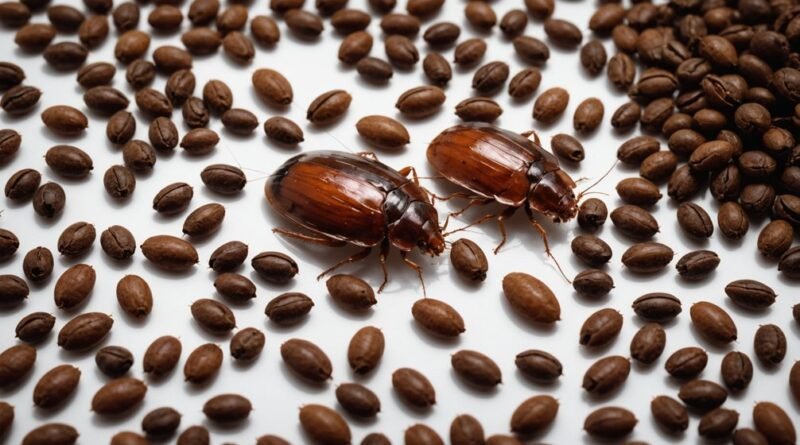
Cockroach Droppings vs Mouse Droppings: How to Tell the Difference
You can tell cockroach droppings from mouse droppings by size, shape, texture, and location. Mouse droppings are rod-shaped, 1/8–1/4 inch long, smooth, and pointed at the ends, often found in lines along walls or near food. Roach droppings are much smaller (pepper-like specks or tiny cylinders with blunt ends), dry, and scattered near humid, tight areas like cabinets and behind appliances. Once you spot the difference, you can better judge the infestation and what to do next.
Key Takeaways
- Mouse droppings are larger rod-shaped pellets (6–10 mm) with pointed ends; cockroach droppings are smaller (1–3 mm) with blunt, rounded ends.
- Mouse pellets appear smooth, uniform, and often in lines; roach droppings look like coffee grounds or black pepper and are more scattered or clustered.
- Fresh mouse droppings are moist, shiny, and dark but fade to dull gray-brown; roach droppings stay dark brown-black and dry with a granular texture.
- Mouse droppings commonly line walls, attics, and food areas; roach droppings concentrate in humid, tight spaces like cupboards and behind appliances.
- Large numbers of uniform pellets suggest a mouse infestation; dense pepper-like specks or ridged cylinders indicate a growing cockroach problem and health risks.
Mouse Vs Roach Droppings: Quick ID Guide
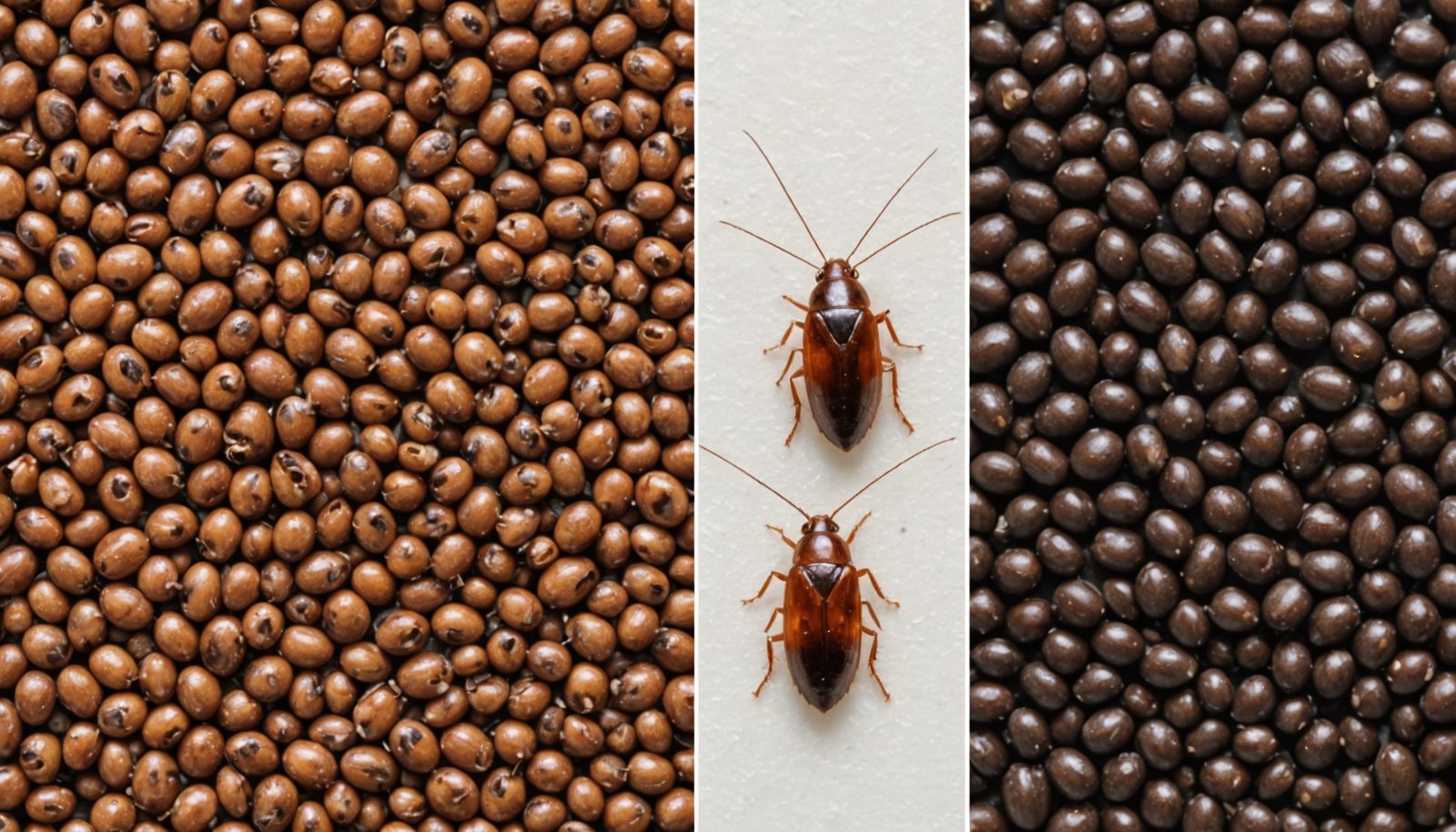
When you find tiny dark pellets around your home, telling mouse droppings from roach droppings comes down to a few key details: shape, size, texture, color changes, and where they’re located. For fast dropping identification, look at shape first. Mouse droppings are rod-shaped with pointed or tapered ends and stay fairly uniform. Roach droppings have blunt ends and vary more; larger roaches leave rice-like cylinders, while small species leave irregular specks.
Next, compare size and texture. Mouse pellets run about 1/8–1/4 inch, smooth, and go from moist and shiny to brittle and dull gray-brown as they age. Roach droppings range from pepper-like specks to larger, ridged pellets, but they stay dry and granular and remain dark brown to black. Because both types of droppings can carry health risks, any discovery should be followed by careful cleanup and closer monitoring for other signs of pests.
Finally, read pest behavior in the placement. Mice leave linear trails along walls; roaches cluster around humid, hidden areas like cabinets and behind appliances.
What To Do Right After You Find Droppings
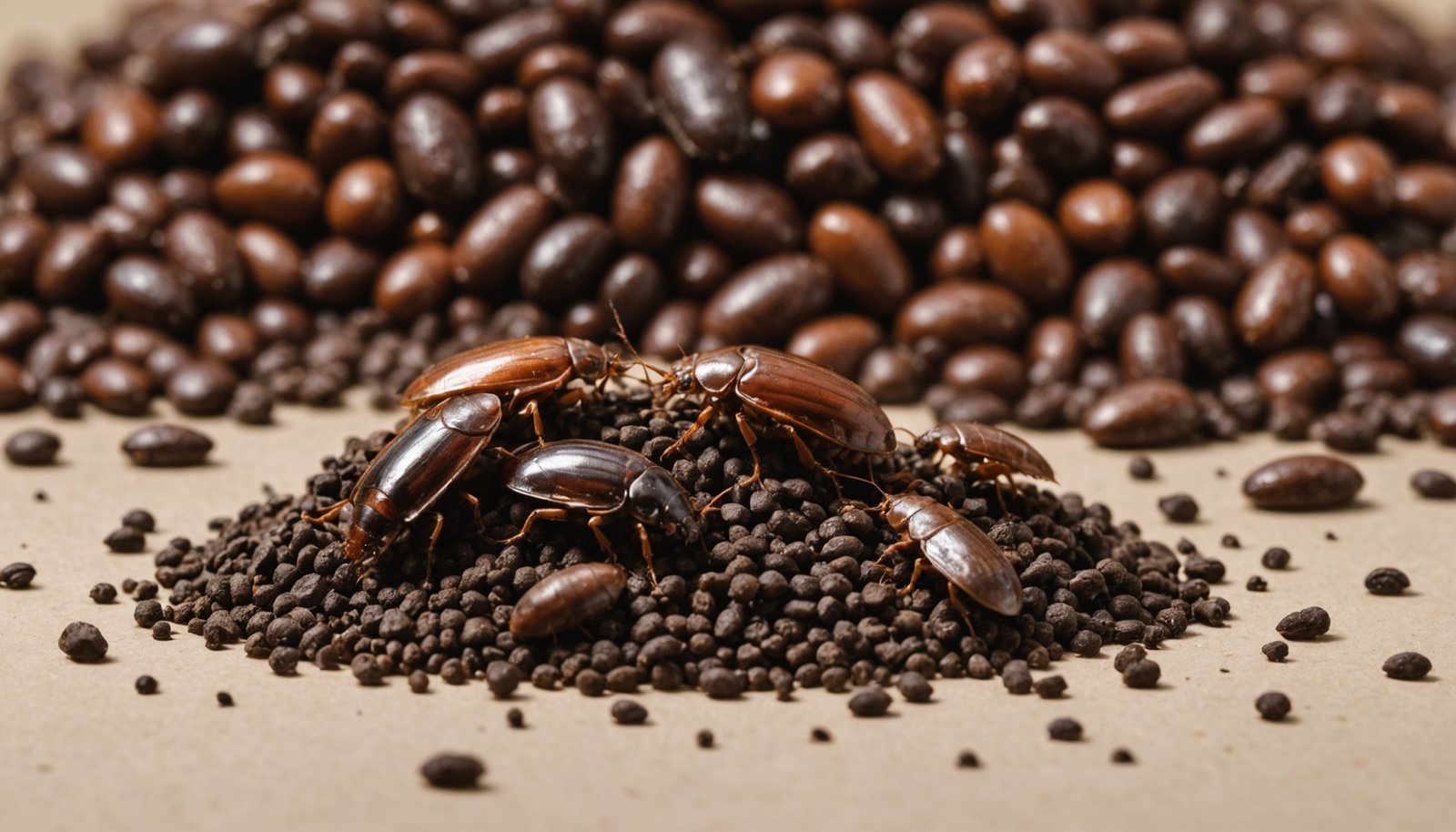
Now that you’ve figured out whether you’re looking at mouse or roach droppings, you need to treat them as a health risk and act carefully, not quickly. Your droppings identification is done; now your focus should be smart cleaning precautions. Early confirmation allows you to take quick action to prevent further issues and reduce the risk of infestation.
First, ventilate the area. Open windows and doors to create cross ventilation and let the space air out before you start. Put on rubber or plastic gloves and a face mask, and avoid any skin contact with contaminants. For heavy infestations, use full protective gear.
Mix a fresh disinfectant: either a 1:10 or 1:9 bleach-to-water solution, or an EPA‑registered product per the label. Spray droppings until saturated and let them soak for 5 minutes. Don’t sweep or vacuum. Use paper towels to pick them up, then seal waste in a plastic bag (double‑bagging is best).
Finally, disinfect surrounding surfaces, then wash your hands thoroughly.
Shape: Mouse Pellets Vs Roach Droppings
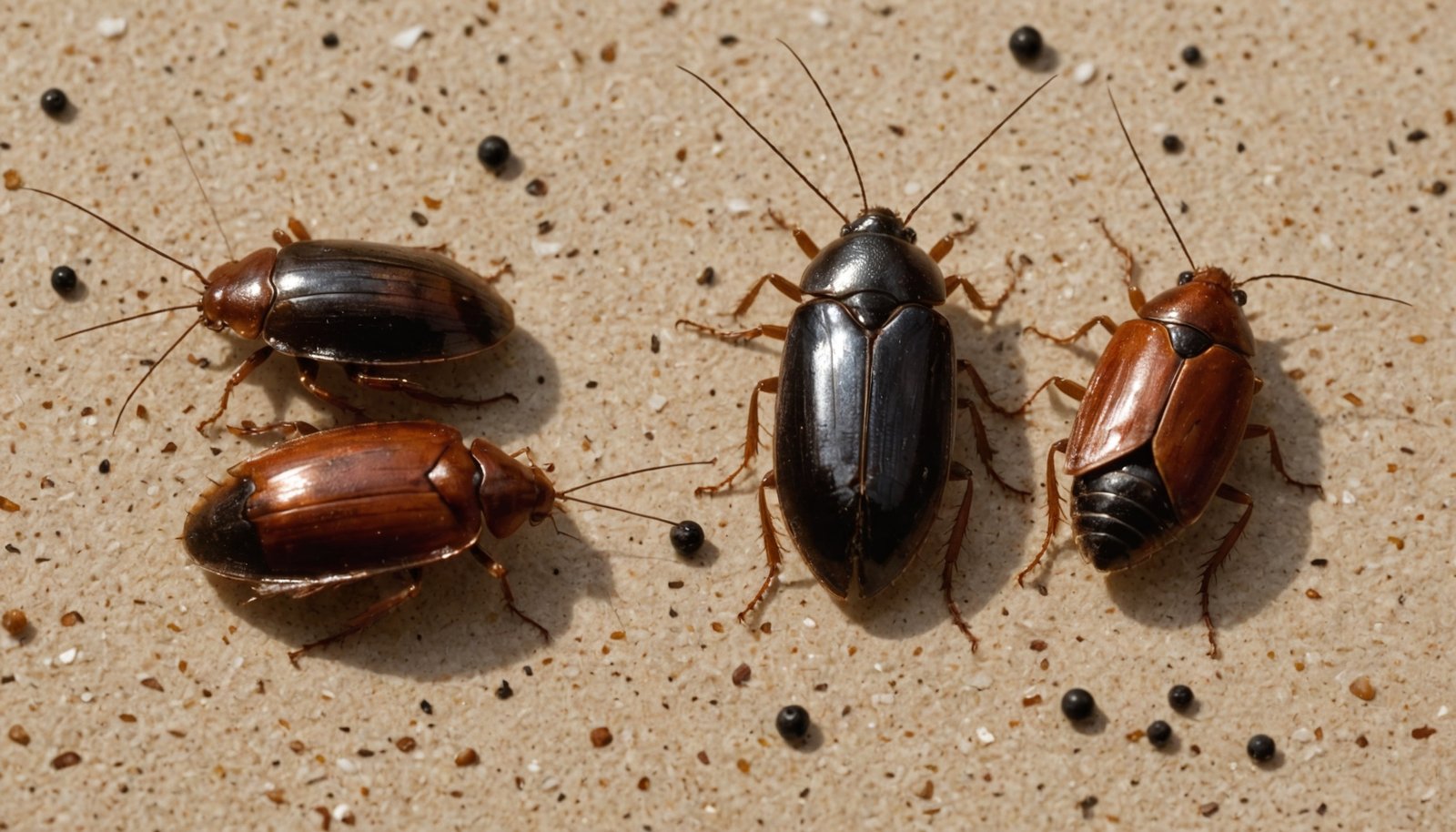
Shape gives you the fastest visual clue to tell mouse pellets from roach droppings. For quick pest identification, look closely at the dropping characteristics, especially the outline and ends. Mouse pellets are rod‑shaped, smooth, and elongated, like dark grains of rice. Both ends look tapered or pinched, forming distinct points. The pellets stay fairly uniform in shape from piece to piece. These pellets are often found in clusters or lines along walls or near food sources, which can further distinguish them from scattered roach feces.
Roach droppings look different. They’re cylindrical with blunt, rounded ends and never show sharp tips in any species. Many have fine lengthwise ridges, so they don’t appear smooth like mouse pellets. Smaller roach species leave specks that resemble ground pepper or coffee grounds, often irregular and scattered. Larger roaches leave thicker cylinders that are still blunt and may appear slightly curved or smeared. Roach feces can also look granular or have a dull, sometimes oily surface, adding another visual cue when you’re comparing shapes.
Size And Amount: How Much Each Pest Leaves
When you compare cockroach droppings to mouse pellets, the first difference you’ll notice is sheer size. From there, you need to think about how many pieces appear in a day and how quickly they seem to build up. By looking at the size range, how fast piles form, and how big those piles get, you can judge which pest you’re facing and how severe the infestation is. Because mouse droppings are larger and usually appear in smaller numbers per day than roach specks, a big scattered field of tiny dark dots is more likely a cockroach problem than a mouse issue.
Typical Dropping Size Range
Size offers one of the quickest ways to tell cockroach droppings from mouse droppings at a glance. As you use dropping identification techniques, focus first on length. German cockroach droppings are the tiniest, usually 1–2 mm, often looking like ground black pepper or coffee grounds that may smear into stains. Oriental and American cockroach droppings run slightly larger, about 2–3 mm, cylindrical and rice-like, though still quite small. Because roach infestations often involve many insects clustered around food and water, you’ll typically find numerous tiny droppings concentrated in corners, cabinets, and behind appliances.
Mouse droppings, by contrast, are much bigger. They typically measure 6–10 mm (about 1/8–1/4 inch) and form solid, pellet-shaped pieces with pointed ends. When you use size comparison methods, mouse droppings are up to twice the size of roach pellets and far more substantial.
Daily Dropping Quantities
While length helps you sort roach vs. mouse droppings at a glance, the sheer volume each pest leaves in a day tells you even more about what you’re dealing with. In a droppings comparison, a single mouse usually produces 50–100 pellets every 24 hours. You’ll see this daily output clustered near food, along runways, and around nests, with nighttime activity creating the biggest surge.
Cockroaches work on a smaller scale per insect. Adult German roach males average about 9.6 droppings daily, non‑gravid females about 9.1, and gravid females drop to roughly 2.7. Species, sex, and feeding levels all shift those numbers. So even though one roach leaves far less than one mouse, a dense roach infestation quickly multiplies the total daily output.
What Pile Size Indicates
One quick way to separate cockroach from mouse activity is to step back and look at the size and shape of the piles, not just the individual droppings. With German cockroaches, you’ll see tiny, pepper‑like granules about 1mm long, forming small, smudgy clusters. These small piles can still mean high infestation severity because each speck represents a single dropping.
American cockroach droppings are much larger, so even a few pieces create a noticeable pile. Ridged, blunt cylinders hint at roaches, not rodents. Mouse pellets, 3–6mm long, form neat, uniform piles or trails that grow quickly with activity.
Accurate pile interpretation helps you decide if you’re facing roaches, mice, or both—and how urgently you need professional treatment.
Color And Texture: Fresh Vs Old Mouse And Roach Poop
When you’re trying to tell how recent droppings are, color and texture give you faster answers than size alone. You’ll see fresh mouse and roach poop look and feel very different from older pellets, especially in shine, moisture, and how easily they crumble. Next, you’ll compare what fresh droppings look like versus aged ones so you can tell if you’re dealing with an active infestation or old activity.
Fresh Droppings Appearance
Because fresh mouse and cockroach droppings can look similar at a glance, it’s essential to focus on specific details of color and texture to tell them apart and judge how recent they are. For accurate fresh droppings identification, start with a visual characteristics comparison. Fresh mouse pellets are dark brown to black, shiny, and look like tiny grains of rice with pointed ends. They’re smooth, moist, and larger—about 1/8 to 1/4 inch long.
Fresh cockroach droppings are also very dark, but they’re dull instead of glossy. They look like coarse coffee grounds or black pepper: tiny, speck‑like, and usually under 1 millimeter. Roach feces feel dry and granular right away, often with faint ridges and more irregular shapes.
Aged Droppings Changes
As droppings dry out, mouse and cockroach poop age in noticeably different ways, and those changes help you tell them apart. Mouse pellets start shiny and dark, then lose gloss, fade to brown, and eventually turn dull gray. They shift from soft and moist to hard, then brittle. That predictable hardening is one of the clearest aging characteristics and makes dropping identification easier.
Roach droppings behave differently. They’re dry and granular from the start and stay that way. The color remains dark brown or black without a shiny phase or real fading. Larger roach pellets and the pepper-like specks from small species both keep that dark, crumbly look, so you see far fewer age clues than you do with mice.
Where Mouse Vs Roach Droppings Usually Show Up
Although mouse and roach droppings can look similar at a glance, they don’t always show up in exactly the same places, and their patterns tell you a lot about what’s infesting your home. You’ll usually notice mouse signs first in kitchen hotspots, bedrooms, and along baseboard trails, especially near entry points like gaps in foundations or around doors. Mouse droppings also show up with attic activity, around wiring and insulation in nesting areas, and anywhere there’s garage presence or cluttered zones, such as basements and storage rooms.
Roach droppings often appear in tighter, more hidden spots. You’ll see them in cupboards and around food, creating a pantry overlap with mice, but also behind appliances and in cracks where roaches squeeze and hide.
To narrow it down, check these locations carefully:
- Along walls and baseboards
- Inside kitchen cabinets
- Behind stoves and fridges
- Garages, basements, and attics
What Droppings Reveal About Infestation Type And Severity
Droppings act like a diagnostic report, revealing not just which pest you’re dealing with but how bad the infestation really is. As infestation indicators, rod-shaped mouse pellets with pointed ends confirm rodents, while blunt-ended, ridged cylinders or pepper-like specks point to cockroaches. German roach specks around 1–2mm usually mean an early indoor problem; larger 2–3mm American roach cylinders or 1-inch droppings signal a mature, large-species outbreak.
You can also read severity and activity. Dozens of 3–6mm mouse pellets suggest a moderate to severe rodent issue, especially when you see uniform trails. Dense clusters of varied-size roach specks show rapid reproduction. Fresh, shiny mouse droppings indicate recent contamination; aging pellets fade to gray-brown. Roach droppings stay dark, while smears and streaks mark heavy movement and bacterial spread.
Always factor in health implications: both droppings types demand immediate cleanup and likely professional treatment.
Frequently Asked Questions
Can Mouse or Roach Droppings Make My Family Sick, and How Serious Is It?
Yes, both can make your family sick, and it’s serious. Mouse droppings carry viruses and deadly diseases; roach droppings worsen asthma and allergies. You face major health risks and contamination concerns, so protect kids, elderly, and clean safely.
Do I Need Professional Pest Control, or Can I Handle Droppings Cleanup Myself?
You can handle minor droppings yourself using strict cleaning techniques and health precautions, but you’ll need pros if droppings are widespread, recurring, or near food/HVAC—professionals guarantee full infestation control and safer long‑term protection.
Are There Safe Cleaning Products for Removing Droppings if I Have Kids or Pets?
Yes, you’ve got safe options. Use diluted bleach or EPA-approved disinfectants, avoid ammonia mixes, and keep kids and pets out till dry. Consider safe alternatives like eco friendly cleaners labeled disinfectant-safe for surfaces and households.
How Can I Prevent Future Droppings After I’Ve Cleaned and Identified the Pest?
You prevent future droppings by combining strict sanitation practices with targeted pest proofing strategies: seal entry points, declutter, store food airtight, fix leaks, empty trash daily, and schedule professional follow-ups with recommended deterrents if activity returns.
Can I Use Droppings to Tell How Long Pests Have Been in My Home?
You can roughly estimate how long pests have been present by doing droppings analysis. Use shine, moisture, and brittleness to gauge age and build an infestation timeline, then pair that with trap data and fresh activity.
Conclusion
Now you can quickly tell cockroach droppings from mouse droppings by shape, size, color, and where you find them. Use what you see to judge how fresh the mess is and how bad the infestation might be. Don’t wait—clean up safely, seal food, and track new droppings so you can confirm what pest you’re dealing with. Then you’re ready to choose the right traps, baits, or pro help.
