
Cockroaches in Walls: How to Detect and Eliminate a Hidden Infestation
If you suspect cockroaches in your walls, look for pepper-like droppings, greasy smears, shed skins, and egg cases near baseboards, outlets, and pipes. Use a flashlight and sticky traps to confirm activity. Then target wall voids with gel baits, boric acid, and insecticidal dust, and seal cracks and gaps so roaches can’t return. Control moisture, clean thoroughly, and monitor traps weekly. From here, you’ll see exactly how to track, treat, and prevent a hidden wall infestation.
Key Takeaways
- Look for droppings, greasy smears, shed skins, egg cases, and musty odors along baseboards, corners, and near plumbing to spot wall infestations.
- Inspect wall voids, outlets, pipe gaps, and under sinks using a flashlight, mirror, and sticky traps to pinpoint where roaches are hiding.
- Treat walls by applying gel baits, boric acid, and insecticidal dust into cracks, crevices, and gaps, avoiding sprays that can contaminate baits.
- Prevent future infestations by sealing entry points, controlling moisture, deep cleaning kitchens and bathrooms, and storing all food in sealed containers.
- Call a professional exterminator if roaches persist, spread to multiple rooms, or produce strong odors and heavy droppings despite repeated DIY treatments.
Spot the First Signs of Roaches in Your Walls
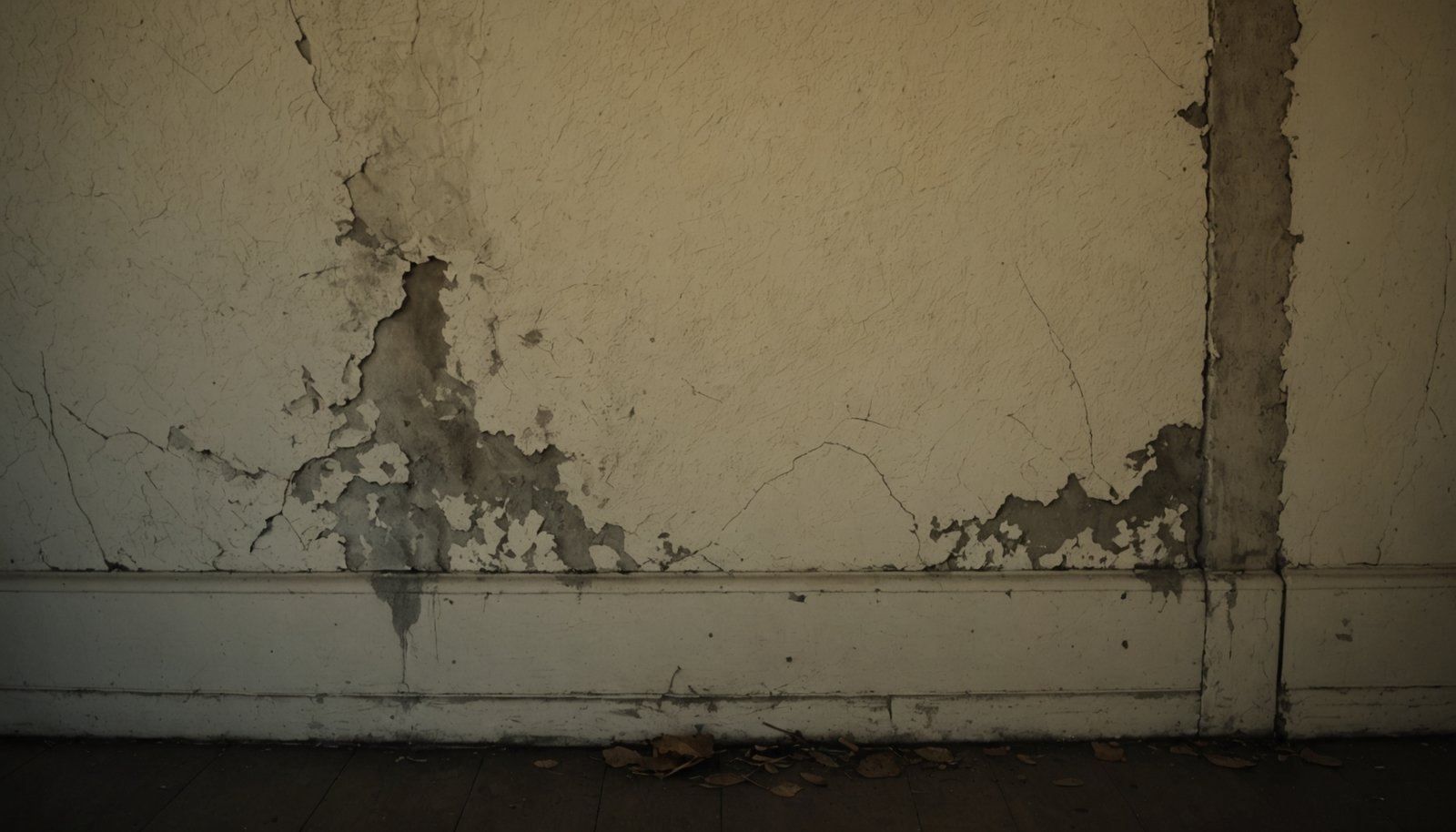
How can you tell if roaches are hiding just out of sight inside your walls? Start with careful dropping identification. Look for tiny black specks that resemble pepper or coffee grounds, especially clustered along baseboards, behind appliances, and under sinks. Heavy, concentrated patches usually mean there’s a nest nearby, not just a few stray scouts.
Next, check for dark, greasy smear marks on walls and surfaces in humid areas like kitchens and bathrooms. These irregular streaks form where roaches repeatedly travel, hinting at consistent movement to and from wall voids. If these signs are widespread or recurring despite cleaning, it’s often a cue that professional intervention is needed to fully eliminate the hidden colony.
Don’t ignore physical remains. Shed skins—thin, papery shells—reveal exoskeleton significance: they show nymphs are actively growing, so the population’s expanding. Multiple shed exoskeletons in cabinets, drawers, or around plumbing point to ongoing activity. Combine droppings, smear marks, shed skins, and egg cases, and you’re likely dealing with an established infestation hiding within your walls.
How to Inspect Walls for Hidden Roaches
Even when roaches stay hidden inside walls, a systematic inspection lets you uncover where they’re living and traveling. Start your Wall Inspection at floor-level corners, foundation cracks, and holes in walls. Study gaps around pipes, radiators, fireplaces, and exposed bathroom pipes. Use a flashlight and small mirror to probe any visible wall void. Place cockroach sticky traps near these gaps and cracks so you can monitor activity over several days and confirm where roaches are entering and exiting.
Pay attention to Roach Behavior around electrical and fixtures. Check outlets, light switches, baseboard heaters, and circuit breaker boxes. Look behind pictures, mirrors, clocks, and inside overhead light fixtures and ceiling fan housings.
Scan wall surfaces for pepper-like droppings, dark greasy smears, shed skins, egg cases, and any chew marks on nearby materials. Follow any oily or musty odor to its strongest point.
Focus on kitchen and bathroom walls: under sinks, behind dishwashers, inside cabinets, vanities, and around hinges and damp spots. In basements and attics, inspect high on walls, crawling with knee pads and lightly banging surfaces to expose hiding roaches.
How to Get Roaches Out of Your Walls (Step by Step)
To push roaches out of your walls and keep them out, you’ll first need to pinpoint the exact wall hotspots they’re using. Next, you’ll apply highly targeted treatments that flush them from cracks and crevices and kill them as they emerge. Finally, you’ll seal their entry pathways so they can’t retreat into, or return to, those wall voids. Since roaches often hide in walls near kitchens, bathrooms, or damp basements, focus your search and treatments on areas with moisture, food sources, and nearby plumbing or utility lines.
Locate Wall Hotspots
Before you can drive roaches out of your walls, you need to pinpoint the exact hotspots where they’re hiding and moving. Start with focused wall inspections in kitchens and bathrooms: scan along baseboards, behind appliances, under sinks, and around pipe penetrations. Use a flashlight and a small mirror to probe cracks, outlet areas, and suspected hidden nests inside wall voids. A musty, oily odor along certain wall sections can also tip you off to a large, hidden roach population inside.
Look for pepper-like droppings, smear marks along wall-floor edges, egg casings, and shed skins. Place sticky traps tight against walls, near fecal spots, and beside gaps where pipes and wires enter. Check traps daily to see which walls show the most activity. Mark these sections; patterns of captures and visible signs reveal your primary wall hotspots.
Apply Targeted Treatments
Once you’ve mapped out where roaches are moving inside your walls, you can hit those zones with precise, low-residue treatments that work around the clock. Focus on integrated methods so you knock down active roaches and keep new ones from maturing. Since cockroaches rely heavily on warm shelter, combine your wall treatments with sealing gaps and insulating entry points so they’re less likely to move back indoors when outdoor conditions worsen.]
- Use gel bait applications in pea- to peanut-size dots in wall voids, crevices, and behind cabinets; recheck every 1–2 weeks.
- Choose pro-grade baits (Combat, Maxforce, Avert, Siege) that blend neurotoxins and IGRs to poison nests through sputum, feces, and carcasses.
- Keep bait clean and dry; don’t spray over it or you’ll repel feeding roaches.
- Rely on boric acid usage in ultra-thin films along wall edges, behind appliances, and inside cracks.
- Boost boric acid with a light sugar mix and refresh dusts every few weeks.
Seal Entry Pathways
Even the best baits won’t win if new roaches keep slipping in through cracks and gaps, so your next move is to shut down their entry routes and escape hatches inside the walls. Start outside: use masonry caulk or hydraulic cement on foundation cracks, then expanding foam and mesh screens around utility lines. Add door sweeps and fresh weather stripping anywhere you see light.
Inside, use targeted sealing techniques. Pack steel wool or copper mesh into gaps around pipes, vents, and wiring, then cover with caulk or foam. Seal wall‑floor joints at baseboards and any holes in cabinet backs. Upgrade loose pet doors and torn window screens. Finally, inspect attics, crawl spaces, and basements, reinforcing vents with hardware cloth and appropriate insulation materials.
Where Roaches Hide Inside Your Walls (and How to Treat Those Spots)
Although roaches might seem to appear from nowhere, they’re usually hiding in predictable, hard‑to‑see spots inside your walls and around them. Your goal is to find key hiding spots by focusing on moisture sources, food attractants, and structural gaps, then match what you see with the right treatment options, prevention tips, and inspection techniques.
- Check cracks in baseboards, floor/wall seams, crown molding, and trim; inject gel baits and dusts into deeper gaps.
- Inspect under sinks, behind toilets, and around leaky pipes; dry these zones and place bait stations or dust in pipe openings.
- Open cabinets and pantry corners; vacuum crumbs, store food tightly, then bait dark corners and hinges.
- Remove outlet covers near kitchens/bathrooms; puff insecticidal dust lightly into wall voids and around wiring gaps.
- Look at ceilings, behind pictures, and in utility rooms; seal small cracks, treat around HVAC lines, and reduce humidity.
How to Keep Roaches From Getting Back Into Your Walls
After you’ve driven roaches out of your walls, you need to change the conditions that let them sneak back in. Your best preventative measures start with sealing entry points: caulk cracks around baseboards, pipes, and utility lines, and add weatherstripping to doors and windows. Schedule quick inspections every month to catch new gaps before roaches use them as highways.
Next, remove what attracts them. Store food in sealed containers, wipe spills immediately, and clean under and behind appliances so crumbs don’t collect. Don’t leave pet food out overnight.
Moisture control and clutter reduction round out your maintenance tips. Fix leaks fast, ventilate bathrooms and kitchens, and dry wet areas promptly. Pull furniture slightly off walls, purge cardboard near walls, and keep storage organized.
| Area | Action | Frequency |
|---|---|---|
| Kitchen | Deep clean zones | Weekly |
| Plumbing | Check for leaks | Monthly |
| Baseboards | Inspect and caulk | Quarterly |
When to Call a Pro for Roaches in Your Walls
You can handle some roach problems yourself, but certain warning signs in your walls mean it’s time to call a professional. When roaches keep returning, spread beyond one area, or leave strong odors and heavy droppings, you’ll need an expert to fully assess the infestation. A licensed exterminator can find hidden nests, choose the safest effective treatments, and put prevention plans in place so the problem doesn’t return.
Warning Signs Requiring Professionals
When roaches move from occasional nuisance to a persistent, multi-room problem, it’s time to bring in a professional. Certain infestation indicators tell you DIY tactics aren’t enough and you need professional intervention before the colony spreads deeper into your walls and structural voids.
Watch for:
- Frequent daytime sightings, especially in multiple rooms, showing overcrowded nests nearby.
- Droppings, egg cases, and smear marks that reappear even after thorough cleaning.
- Musty, oily odors or rustling and clicking behind walls that persist night after night.
- Activity showing up in kitchens, bathrooms, basements, and customer or lounge areas at once.
- Home remedies, sprays, or foggers that seem to scatter roaches instead of reducing them.
What Exterminators Provide
Although DIY sprays and traps can knock down a few visible bugs, only a professional exterminator can track roaches back into your walls and eliminate the source. A pro starts with a free inspection, identifying species, tracing droppings and egg cases, and pinpointing entry points through plumbing, cracks, or sewage lines.
Then they design a customized treatment plan using targeted extermination techniques: perimeter fumigation, interior applications in wall voids, and exterior barrier sprays that block re‑entry. Their pest control expertise comes from extensive training and thousands of treated homes, so they know where roaches hide and how to cut off food, water, and shelter.
Finally, they seal gaps, place monitors, schedule follow‑ups, and guarantee service if roaches return.
Frequently Asked Questions
Can Roaches in Walls Cause Health Problems or Trigger Allergies and Asthma?
Yes, roaches in walls can cause health problems. You inhale cockroach allergens from droppings and shed skins; they’re potent asthma triggers that worsen bronchospasm, allergies, and respiratory inflammation, especially in children, elderly, and immunocompromised people.
Do Roaches in Walls Attract Other Pests Like Spiders or Rodents?
Yes, roaches in walls do attract other pests like spiders and rodents. You create pest attraction when roach droppings, moisture, and shared food sources—crumbs, garbage, pet food—signal an easy, unsanitary buffet for multiple invaders.
Can I Safely Use DIY Foggers or Bombs for Roaches Inside Walls?
No, you shouldn’t rely on DIY foggers for roaches in walls—they’re unsafe and barely reach hidden colonies. Even with strict safety precautions, gel baits and targeted treatments win every effectiveness comparison and avoid heavy, lingering surface residues.
How Long Does It Usually Take to Fully Eliminate Wall Infestations?
You’ll usually need 3–8 weeks to fully eliminate wall infestations, depending on severity. Your extermination timeline varies with treatment methods—professional baits, dusts, and growth regulators plus follow‑ups to kill newly hatched roaches before breeding.
Are There Landlord or Tenant Responsibilities for Treating Roaches in Shared Walls?
Yes. Your landlord duties include hiring licensed exterminators, fixing cracks, vents, and shared trash issues, and paying for treatment. Your tenant obligations include promptly reporting roaches, documenting them, preparing your unit for service, and keeping it clean.
Conclusion
Now you know how to spot roaches in your walls, confirm an infestation, and push them back out—then keep them out for good. Act fast when you see early signs, treat the key hiding spots, and seal every crack and gap you can find. Combine sanitation, DIY treatments, and monitoring to stay ahead of them. And if activity continues or feels overwhelming, don’t wait to call a professional for backup.
