
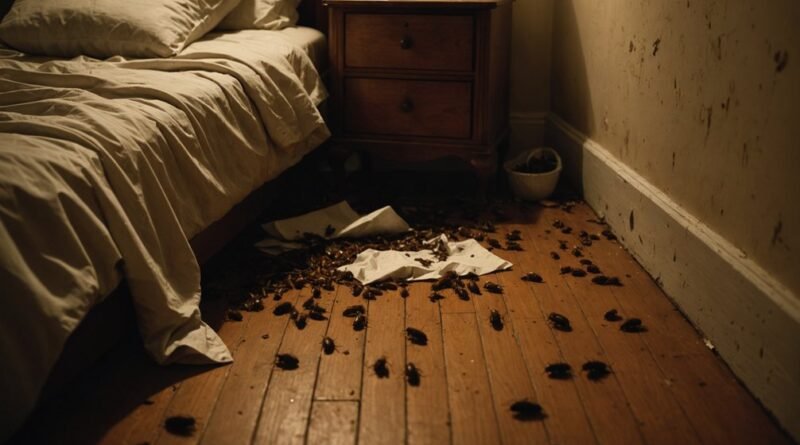
Cockroaches in the Bedroom: Causes, Signs and How to Get Rid of Them
To get rid of cockroaches in the bedroom, place gel baits along baseboards and under the bed, dust boric acid into cracks and wall voids, eliminate all food and moisture sources, seal every entry point, and maintain treatment for at least three to four weeks to catch newly hatched nymphs.
Cockroaches in the bedroom feel more personal than anywhere else in the home. You sleep there, breathe there, and spend a third of your life in that space. When roaches move in, they bring droppings, shed skins, and allergens that contaminate your bedding and air every single night. Getting them out requires more than a quick spray. You need a plan that removes what attracts cockroaches in the first place, targets their hiding spots, and keeps them from coming back.
Key Takeaways
Before getting into the full guide, here is a quick overview of what this article covers:
- Roaches enter bedrooms chasing warmth, moisture, food crumbs, and sheltered hiding spots in furniture and walls.
- The clearest signs are pepper-like droppings, brown smear marks along baseboards, egg casings tucked in cracks, shed skins near closets, and a stale musty odor.
- Gel baits, boric acid dust, diatomaceous earth, and strict sanitation are the most effective removal methods when used together.
- Crevices around pipes, gaps under doors, and shared walls in apartments are the most common entry points to seal.
- Daytime sightings, persistent activity after DIY treatments, and widespread droppings are signs to call a professional exterminator.
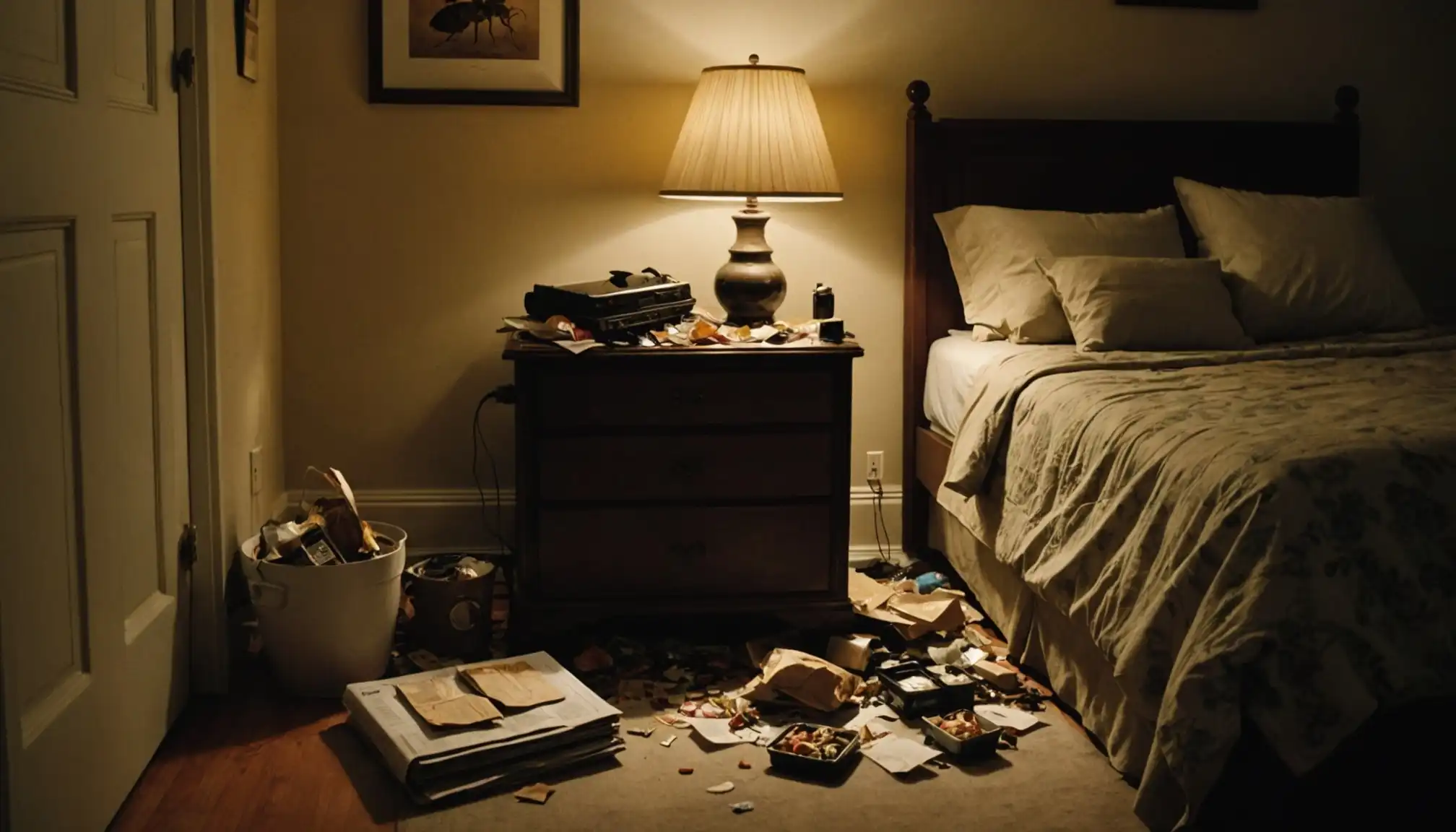
Signs You Have Cockroaches in Your Bedroom
Most people do not see a cockroach until the infestation is already well established. Roaches are nocturnal, so the evidence they leave behind matters more than catching one in the open. Knowing what to look for in the right places gives you an early advantage. A full early signs of a cockroach infestation checklist covers what to look for across the entire home, not just the bedroom.
The most common sign is droppings. These look like tiny black specks, similar to pepper or coffee grounds, and they cluster along baseboards, under furniture, in drawer corners, and behind nightstands. Understanding exactly what cockroach droppings look like helps you distinguish them from dirt, mouse droppings, or other debris. Fresh droppings are dark and slightly moist. Older ones dry out and crumble. The quantity of droppings tells you roughly how large the population is and how long they have been active.
Physical Evidence to Look For Room by Room
Beyond droppings, there are several other signs that confirm an active roach infestation in a bedroom:
- Brown smear marks along walls, baseboards, and the underside of furniture, left by roach body oils and feces as they squeeze through gaps.
- Egg casings, called oothecae, which are elongated and dark brown, often found in cracks, under the bed frame, behind furniture, or tucked near cardboard and paper storage. A visual guide to cockroach egg sacks and oothecae helps with identification and shows where each species tends to deposit them.
- Shed skins in closets, under rugs, along walls, and near electrical outlets. These translucent casings confirm the population is actively growing through its nymph stages.
- Musty, oily odor on bedding, clothing, or in closets. The smell intensifies with larger populations and is particularly noticeable in confined spaces like wardrobes.
- Daytime sightings of live roaches in open areas, which signals a heavy infestation where competition for hiding spots is forcing them out during daylight hours.
If you are seeing multiple signs at once, especially both droppings and shed skins, the infestation has likely been building for several weeks. An inspection of cockroaches inside walls connected to the bedroom is worth doing before starting treatment, since wall voids are a primary nesting site that surface-level treatment alone will not reach.

Where Cockroaches Hide in the Bedroom
Understanding where roaches nest and travel is just as important as knowing how to kill them. Placing treatments in the wrong spots wastes time and gives the colony room to grow undisturbed. A broader look at where cockroaches hide in the house gives useful context for understanding why they gravitate toward the same types of spots in every room.
If you woke up and found a cockroach directly on your bed or pillow, read our guide on what finding a cockroach on your bed while sleeping actually means.
Roaches in bedrooms gravitate toward warm, dark, enclosed spaces that keep them close to food and moisture. The most common hiding spots include:
- Under and inside the bed frame, especially in hollow metal or wooden joints
- Behind and underneath dressers, nightstands, and wardrobes
- Inside closets, particularly in corners, on shelving edges, and behind stored items
- Along baseboards and inside wall voids, especially near pipes or electrical conduits
- Inside or behind electronics like alarm clocks, gaming consoles, and chargers, which generate warmth
- Underneath rugs and carpet edges near walls
Common Entry Points Into the Bedroom
Roaches rarely originate in the bedroom. They migrate from kitchens, bathrooms, basements, and in apartments, from neighboring units. The routes they take are predictable once you know what to look for.
- Gaps around plumbing pipes that pass through bedroom walls
- Cracks in baseboards and along door frames
- Gaps under doors, particularly if there is no door sweep
- Shared walls in apartments, where pipe chases and wall voids connect units
- Utility conduits carrying cables or wiring through walls
German cockroaches in particular spread quickly through multi-unit buildings this way. They are small enough to slip through gaps that look sealed to the naked eye. Understanding the species of cockroach you are dealing with shapes how you approach both treatment and sealing, since different species prefer different environments and nesting depths. The nocturnal habits and hiding spots of cockroaches also explain why you rarely see them moving during the day even when the infestation is large.
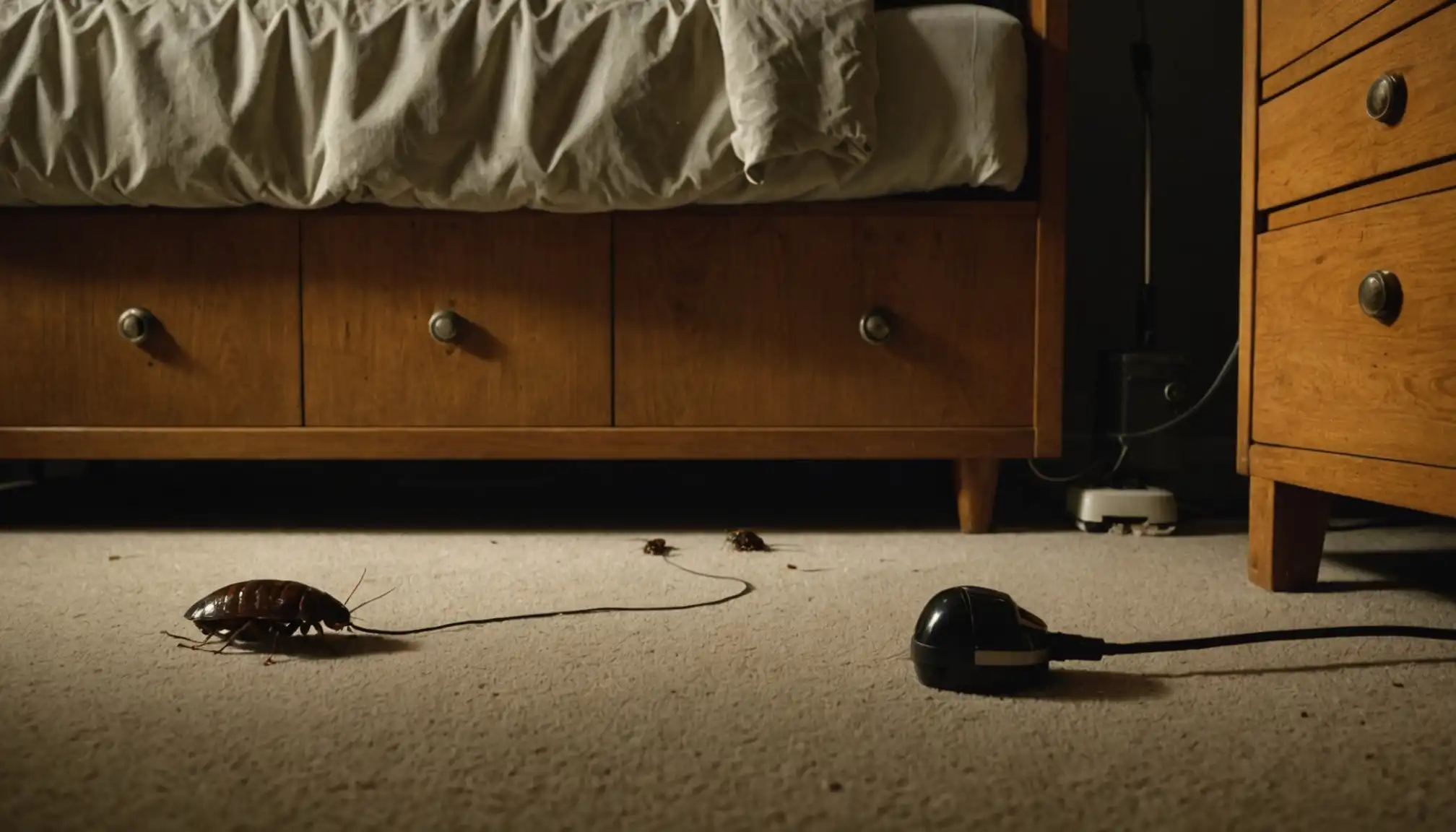
Why Roaches Infest Bedrooms
Cockroaches end up in bedrooms for the same reasons they go anywhere else: they need warmth, moisture, food, and shelter. Bedrooms provide all four more consistently than most people realize.
Body heat from sleeping, warmth from electronics, and the general indoor temperature of a lived-in room keep conditions ideal for roaches year-round. Moisture from attached bathrooms, condensation on windows, damp towels left on furniture, and leaky radiators or A/C units give them daily water access. Food crumbs from bedtime snacks work their way into mattress seams, upholstery folds, and under furniture where cleaning rarely reaches, turning these spots into long-term feeding sites.
Clutter and Poor Sanitation Create Breeding Conditions
Clutter is one of the most underestimated contributors to bedroom infestations. Piles of clothing, extra rugs, boxes of stored items, and upholstered furniture all trap debris and create the dark, enclosed spaces roaches need to molt, breed, and hide undisturbed. Research has consistently shown that homes with poor sanitation are several times more likely to develop active cockroach infestations than those with regular cleaning routines. Understanding how fast cockroaches reproduce puts this into perspective, a small population left undisturbed in a cluttered bedroom can expand into hundreds within weeks.
Food-stained laundry is a particular problem. The organic residue on worn clothing is enough to attract and sustain roaches, especially when piled on the floor or stuffed into corners for extended periods. Combining clutter reduction with active treatment is essential because baits and dusts placed in a cluttered room often get buried, moved, or avoided entirely.
Apartment Buildings and Structural Disrepair
In multi-unit housing, individual hygiene only goes so far. Roaches spread between units through shared plumbing chases, wall voids, and electrical conduits, meaning a neighboring infestation can drive roaches into your bedroom regardless of how clean you keep it. Water damage, cracked walls, and moisture inside sheetrock create ideal breeding zones inside building structures that individual tenants cannot access or treat. The full scope of cockroach infestations in multi-unit apartments and rentals explains how these pathways work and what residents can realistically do about them.
If you live in an apartment and cockroaches keep returning despite treatment, building-wide pest control is almost certainly required. Coordinating with your landlord or property management is the most practical step, and understanding how cockroaches spread from bathrooms through shared plumbing helps you identify the route they are using to reach the bedroom.
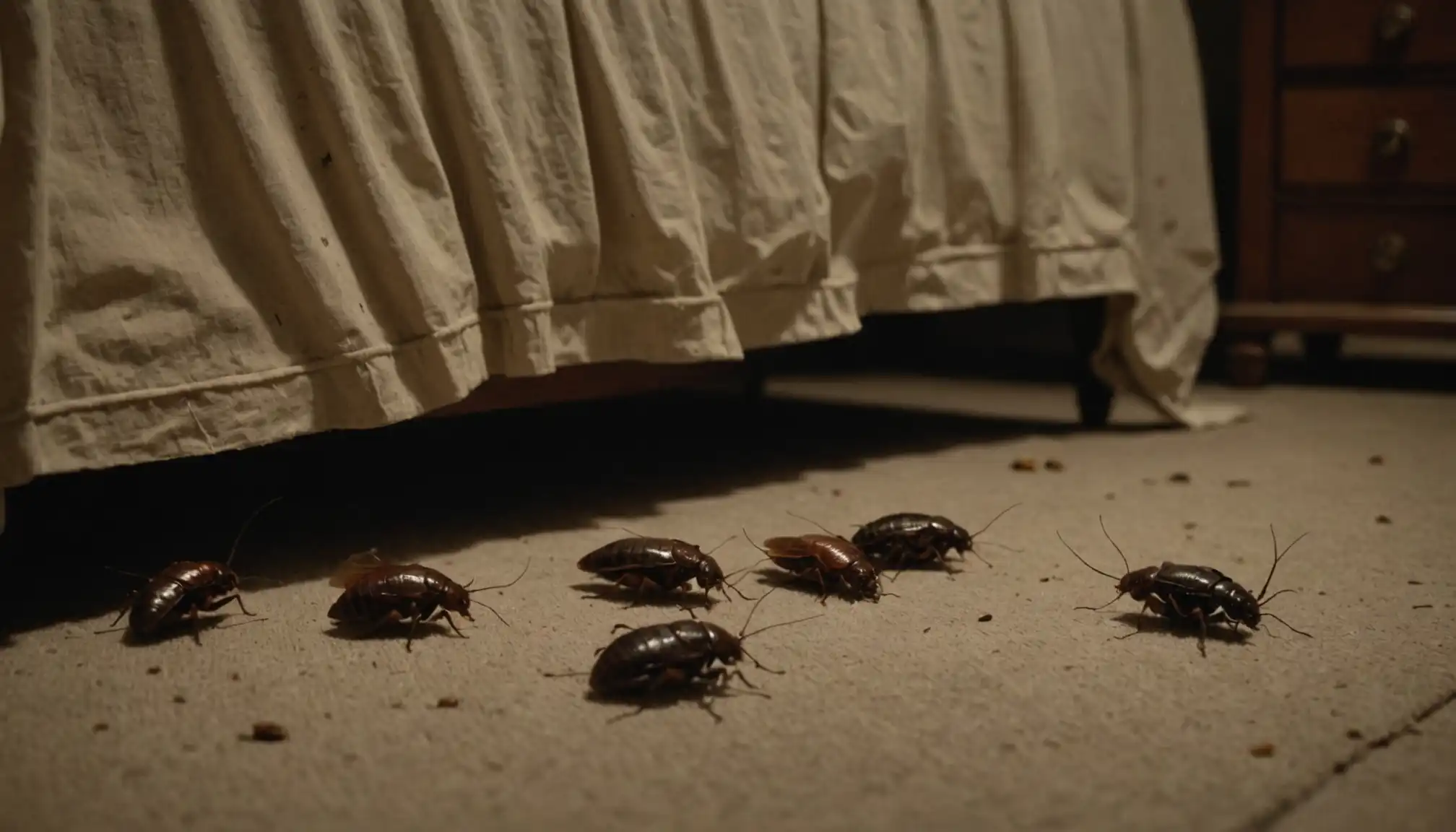
Health Risks of Cockroach Exposure in the Bedroom
A bedroom infestation is not just an unpleasant nuisance. The health implications of sleeping in a space contaminated by roach allergens, droppings, and bacteria are well documented and serious, particularly for children and anyone with respiratory conditions. A broader look at how dangerous cockroaches are to health covers the full range of risks beyond just the bedroom environment.
Cockroach body parts, saliva, and feces all contain proteins that act as potent allergens. Bedroom floors consistently show some of the highest cockroach allergen loads in infested homes, and bed dust often contains detectable allergen levels even when no live roaches have been seen on the mattress. Every time you move in bed, you disturb particles that you then inhale for hours.
Who Faces the Highest Risk
The health effects are not equal across all people. Certain groups face significantly higher risks from bedroom cockroach exposure:
- Children, particularly those under five, face over three times the risk of asthma hospitalization when exposed to high bedroom allergen levels. The relationship between cockroaches and asthma in children is well established, and sensitized children develop sneezing, itchy eyes, rashes, and recurring respiratory issues tied directly to roach exposure.
- People with asthma experience more frequent and severe attacks in cockroach-contaminated sleeping environments. Cockroach allergy symptoms and exposure triggers are a medical priority in these cases, not just a comfort issue.
- Elderly individuals and immunocompromised people face elevated risk from the bacteria roaches spread. Understanding whether cockroaches carry salmonella and other diseases clarifies how they deposit pathogens on surfaces, bedding, and any food left accessible.
- Infants who spend extended time on bedroom floors face prolonged direct contact with allergen-heavy surfaces that adults rarely notice.
How to Get Rid of Bedroom Roaches Fast
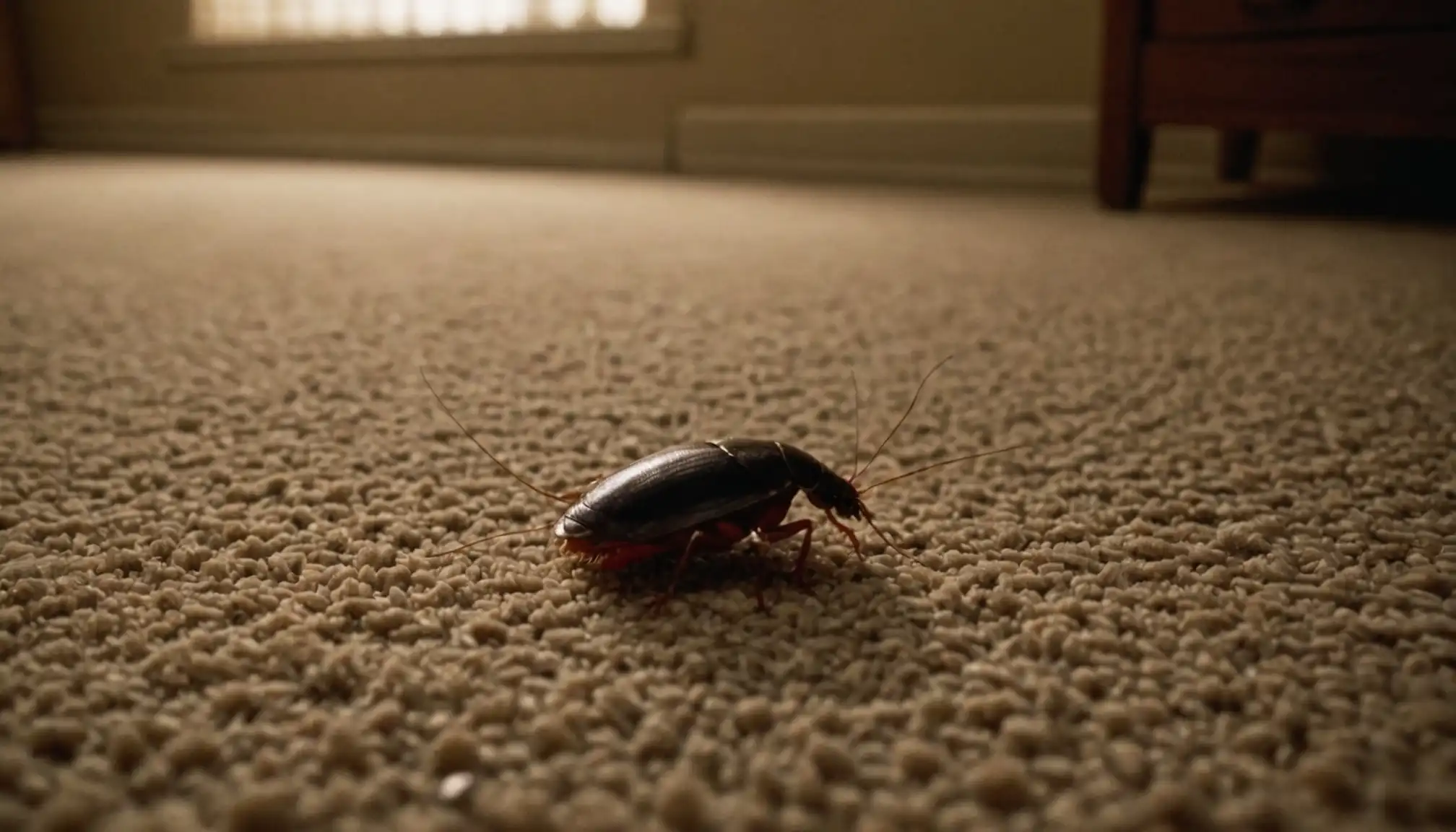
Speed matters with bedroom infestations because cockroaches reproduce rapidly. A small population can grow into a significant infestation within weeks under warm, sheltered conditions. The approach below works by hitting multiple stages of the infestation simultaneously rather than addressing one element at a time. For a broader overview of all available options, the guide to cockroach treatment and control covering both DIY and professional solutions lays out the full toolkit before you decide which route to take.
Start with gel bait application before anything else. Products like Advion, Maxforce, Combat, and Avert work by attracting roaches with a slow-acting poison they consume and carry back to the colony, which spreads the effect beyond what you can physically reach. A comparison of the best baits, gels, and traps for cockroach control helps you choose the most effective product for the species and infestation level you are dealing with. Place pea-sized dots along baseboards, under the bed, inside closets, behind nightstands, along wall-floor junctions, and near any pipe entry points. Refresh bait every one to two weeks and do not apply sprays near bait placements, as the repellent effect in sprays causes roaches to avoid bait stations entirely.
Boric Acid and Diatomaceous Earth for Longer-Lasting Control
Once gel baits are in place, add a second layer of treatment using boric acid dust or diatomaceous earth in areas where roaches travel but are unlikely to be disturbed. Both work by damaging the insect’s exoskeleton or digestive system on contact, providing residual control that continues working between bait replacements.
- Apply thin layers of boric acid into wall voids, behind furniture, along the interior of closet baseboards, and in cracks around pipes. Thick dustings are counterproductive because roaches avoid heavy powder buildup.
- Use diatomaceous earth along baseboards, under dressers, and beneath the bed frame where foot traffic will not disturb it. Keep it dry, as moisture deactivates its effectiveness.
- Keep both products away from bedding, pillows, and any surface with direct human contact. Use a hand duster for precise, low-volume application in wall voids and crevices.
Sanitation Steps That Make Treatment Work
No treatment produces lasting results in a bedroom that still offers food, moisture, and shelter. Sanitation is not supplementary. It is what allows baits and dusts to work at full effectiveness by removing the competition for the bait and eliminating the conditions that sustain the colony.
- Vacuum along all baseboards, under furniture, and inside closets to remove droppings, shed skins, and egg casings. Dispose of the vacuum bag immediately outdoors.
- Wipe down all surfaces, including nightstands, shelving, and dresser tops, with a cleaning solution that removes food residue and grease traces.
- Remove all food, drinks, and snacks from the bedroom permanently. Even sealed snack wrappers left on nightstands attract roaches.
- Wash bedding and curtains on a high-heat cycle to eliminate allergens and any eggs deposited in fabric folds.
- Remove clutter from floors, especially clothing piles, cardboard boxes, and stored items that provide roach harborage.
Natural Remedies That Actually Work in Bedrooms
For people who want to avoid chemical treatments near sleeping areas, several natural options provide meaningful control when used consistently. These work best as part of a broader treatment plan rather than as a standalone solution for established infestations. The best DIY cockroach treatments guide covers both chemical and natural options with honest assessments of what each method realistically achieves.
Diatomaceous earth is one of the most effective natural options available. It is non-toxic to humans and pets when used as directed and works mechanically rather than chemically, making it safe for bedroom use around baseboards and under furniture. Baking soda mixed with sugar acts as a simple bait, with the sugar attracting roaches and the baking soda disrupting their digestive system. Results are slower than commercial gel baits, but it adds coverage in areas where you want to avoid stronger products. Essential oil sprays using peppermint or eucalyptus can deter roaches from specific surfaces when applied regularly, though they do not eliminate an existing population on their own.
Sealing Entry Points to Stop Reinfestation
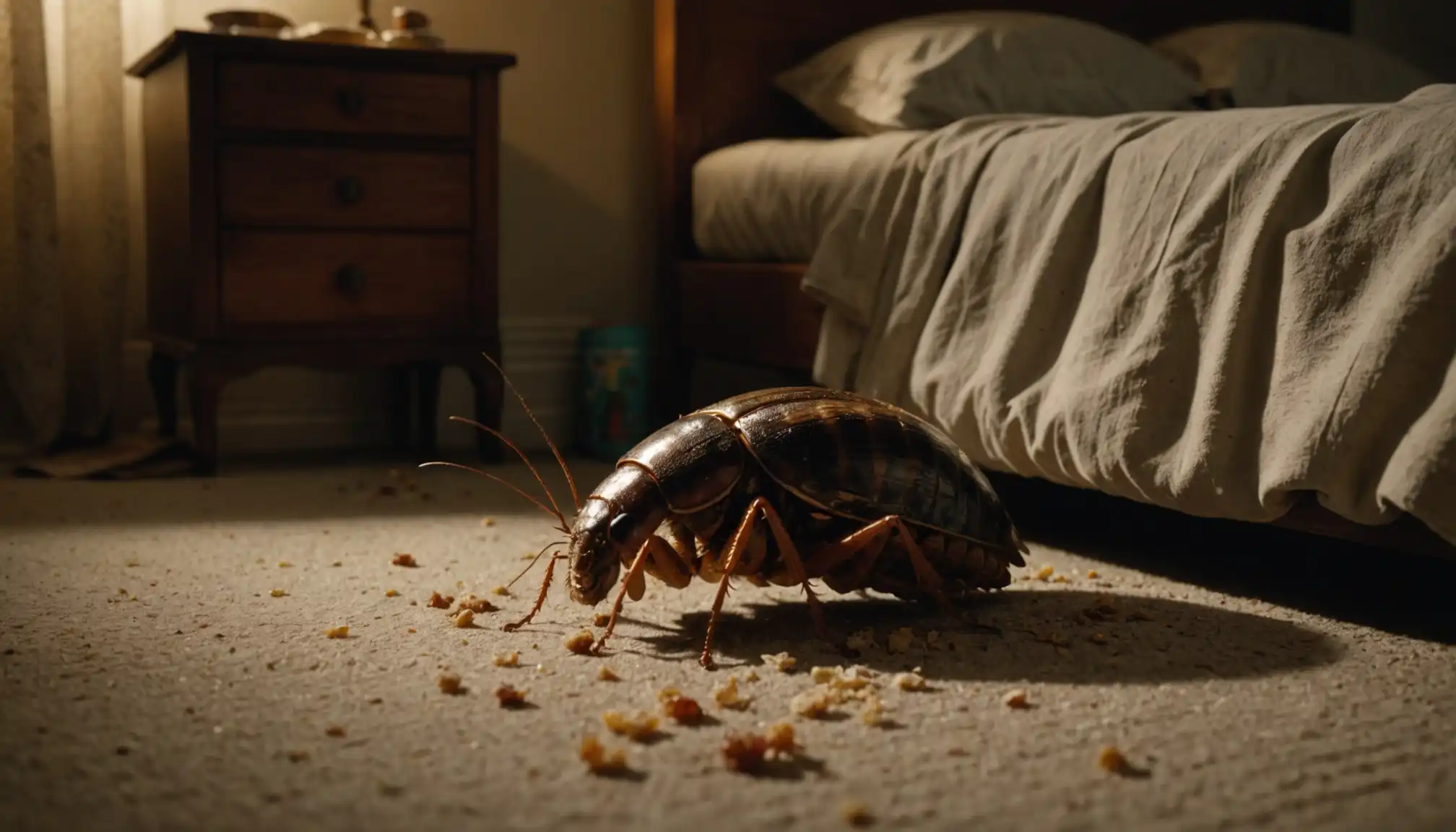
Eliminating the roaches currently in the bedroom means nothing if new ones keep entering. Sealing entry points is one of the most overlooked steps in bedroom roach control because the gaps involved are often small and easy to miss during a standard inspection. Running through a DIY cockroach inspection checklist before sealing helps you find every gap systematically rather than missing the routes roaches use most.
Work through the bedroom systematically with a tube of caulk, steel wool, and copper mesh:
- Seal all cracks along baseboards, around door frames, and where walls meet the floor.
- Pack steel wool or copper mesh around any pipe penetrations through walls before caulking over them. Roaches can chew through foam alone.
- Add a door sweep to the bedroom door and any connecting bathroom door to eliminate the gap at the bottom.
- Check and replace torn window screens. Even small tears create an entry route, especially in ground-floor and basement-level bedrooms.
- Seal gaps around electrical outlets and light switch plates on exterior walls, which often connect directly to wall voids used by roaches as travel routes.
Long-Term Prevention After Treatment
Once the infestation is under control, maintaining a cockroach-free bedroom requires keeping the three things roaches need most, which are food, water, and shelter, consistently unavailable. Prevention is simpler to maintain than active treatment, but it requires building habits that become automatic. A dedicated guide to how to stop cockroaches from coming back goes deeper on long-term exclusion strategies that hold up over months and years.
Food control is the highest priority. No food or drinks in the bedroom is the single most effective prevention rule. Even a nightly glass of water left on the nightstand provides the moisture access roaches need. Store all snacks and pet food in sealed containers outside the bedroom. Wash dishes promptly rather than leaving them in a bedroom sink or on surfaces overnight.
Moisture and Clutter Control for Ongoing Prevention
Moisture sources need regular attention even after the initial infestation is resolved. Fix any dripping pipes near bedroom walls, address condensation on windows with improved ventilation or a dehumidifier, and keep attached bathroom doors closed at night to reduce humidity transfer into the sleeping area. Staying on top of preventing cockroaches in bathrooms and connected areas directly reduces the pressure on the bedroom by cutting off their most common migration route. Dry sinks and bathroom surfaces before going to bed.
Clutter reduction is equally important as a long-term habit. Replace cardboard storage boxes with sealed plastic bins, keep floors clear of clothing piles, and vacuum along baseboards weekly to remove any developing egg casings or shed skins before a new population can establish itself. Sticky traps placed under the bed and inside closets serve as an ongoing monitoring tool, telling you whether roach activity is present before it becomes a visible problem. Knowing exactly what a cockroach nest looks like and how to find it makes it easier to catch a new colony establishing itself before it grows.
When to Call a Professional for Bedroom Roaches
DIY methods work well for early or moderate infestations when applied consistently over several weeks. There are specific situations, however, where professional pest control is the more effective and time-efficient choice. Understanding DIY vs professional cockroach extermination helps you decide which approach fits your situation before investing more time in treatments that may not be sufficient.
Contact a professional exterminator if you notice any of the following:
- Daytime roach activity in open areas of the bedroom, which indicates an overcrowded colony that has run out of hiding space.
- Roaches in multiple rooms simultaneously, particularly if they are appearing in both the bedroom and kitchen or bathroom at the same time.
- No improvement after three to four weeks of consistent gel bait, boric acid, and sanitation treatments.
- Widespread droppings and egg casings found in multiple spots throughout the room, indicating a well-established breeding population.
- Strong musty odor on bedding or clothing that does not clear even after washing, pointing to large numbers nesting in wall voids or furniture.
Professional treatments include insect growth regulators that disrupt nymph development across the entire colony, targeted application into wall voids that DIY products cannot easily reach, and follow-up inspections to confirm elimination. Knowing what professional cockroach extermination methods actually involve helps you ask the right questions when getting quotes. Before calling, it also helps to understand how much professional cockroach extermination costs so you can compare options and set realistic expectations. For apartment buildings, professional treatment coordinated across multiple units is almost always necessary to achieve lasting results.
Frequently Asked Questions
What attracts cockroaches to bedrooms specifically?
Cockroaches are drawn to bedrooms by the same things that attract them anywhere: warmth, moisture, food, and dark sheltered spaces. Body heat from sleeping, electronics like chargers and gaming consoles, crumbs from bedtime snacking, damp towels, and humidity from nearby bathrooms all make a typical bedroom highly attractive. Clutter adds hiding spots that make the environment even more hospitable.
Are cockroach sprays safe to use in bedrooms?
Most contact sprays are safe when the room is vacated during application and ventilated thoroughly afterward. However, sprays near gel bait stations are counterproductive because the repellent chemicals cause roaches to avoid the bait. For bedroom use, gel baits and boric acid dust are generally preferred over sprays because they work without requiring direct contact and do not leave residue on bedding surfaces.
How do I identify cockroach droppings in the bedroom?
Cockroach droppings look like tiny black or dark brown specks, similar in size and appearance to coarse black pepper or coffee grounds. German cockroach droppings are particularly small and tend to accumulate in concentrated clusters. Larger species like American cockroaches leave larger, cylindrical droppings with ridged edges. Look along baseboards, in drawer corners, behind furniture, and under the bed for the heaviest concentrations.
Where should I place cockroach traps in the bedroom?
Sticky traps and gel bait stations work best placed along the routes roaches actually travel, which are almost always flush against walls and baseboards rather than in open floor space. Place them under the bed near the frame, inside closet corners, behind the nightstand, along the wall behind the dresser, and near any pipe entry points. Roaches follow walls instinctively, so traps placed in the center of a room rarely catch anything.
Can cockroaches live inside bedroom furniture?
Yes, and hollow furniture is one of the most common nesting sites in bedrooms. Bed frames with hollow metal or wooden tubes, the interior joints of dressers, and the underside of upholstered furniture all provide warm, dark, enclosed spaces that roaches use for harborage and egg-laying. Our dedicated guide to cockroaches in furniture covers exactly where to check and how to treat it. If you are finding droppings on or around furniture but not seeing roaches during the day, the interior of that furniture is worth inspecting closely.
How long does it take to get rid of bedroom cockroaches?
With consistent treatment using gel baits, boric acid, sealing, and sanitation, most bedroom infestations show significant reduction within two to three weeks. Full elimination typically takes four to six weeks to account for hatching egg cases that are not directly killed by most treatments. Continuing treatment beyond the point where you stop seeing roaches is important because newly hatched nymphs become active several weeks after the visible adults are gone. A full picture of baby cockroaches, what they look like, where they hide, and how to get rid of them helps you identify and target this stage before it restarts the cycle.
Do cockroaches actually bite people while they sleep?
Cockroach bites on sleeping humans are rare but documented. They are more likely to occur during very heavy infestations where food competition is high, and they tend to target soft skin near the face, hands, and fingernails. A detailed look at whether cockroaches can bite covers how often this actually happens and what the signs look like. The more realistic health risk during sleep is allergen inhalation from droppings and shed skins disturbed by movement in bed rather than direct biting.
When should I stop DIY treatment and call a professional?
Call a professional exterminator if roaches appear during daylight hours in open bedroom spaces, if the infestation has spread beyond one room, if you find egg casings and droppings throughout the room rather than in isolated spots, or if four weeks of consistent DIY treatment has not produced a clear reduction in sightings. You can also check cockroach exterminator costs by city to understand what professional treatment will run before committing. Professional treatments reach wall voids, colony harborages, and multi-unit pathways that surface-level consumer products cannot effectively address.
Conclusion
A cockroach in the bedroom is never just a one-off sighting, it is a sign that warmth, moisture, food, or clutter somewhere in the room is sustaining a hidden colony. Combining gel baits, boric acid, thorough sanitation, and sealed entry points gives you the best chance of resolving it yourself, but stay consistent for at least three to four weeks so newly hatched nymphs do not restart the cycle. If daytime sightings or widespread droppings persist past that window, it is time to bring in a professional who can reach the wall voids and shared pathways DIY treatment cannot.
