
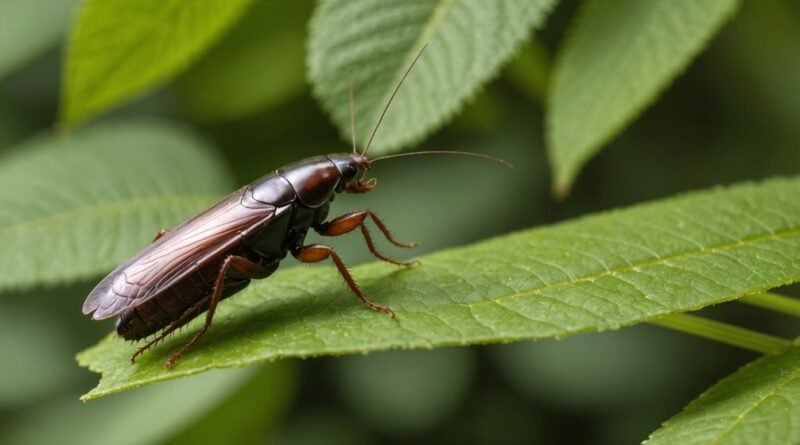
Do Cockroaches Fly? Which Species Can and When They Do
Some cockroaches do fly, but most prefer to run. You’ll mainly see flight on warm, humid nights above about 85°F, especially in late spring and summer. American, smokybrown, Australian, and Pennsylvania wood roaches are the most common strong fliers, often gliding or circling lights. Smaller species like German, oriental, and female brown-banded roaches rarely fly and mostly sprint or just glide briefly. Next, you’ll see which species in your home are most likely to take off.
Key Takeaways
- Some cockroaches can fly or glide, but many species rarely or never fly despite having wings.
- Warm, humid conditions (above ~85°F and >60% humidity), especially on summer nights, strongly trigger cockroach flight.
- American, smokybrown, Pennsylvania wood, and Australian cockroaches are common flying species; they may glide or fly when disturbed or attracted to lights.
- German, Oriental, female brown-banded, Surinam, and some wood roaches mostly run and only glide briefly or not at all.
- Indoors, sudden disturbances, overcrowding, food/water sources, and pre-storm pressure changes can increase the likelihood of cockroaches taking flight.
When Do Cockroaches Fly Instead of Just Running?
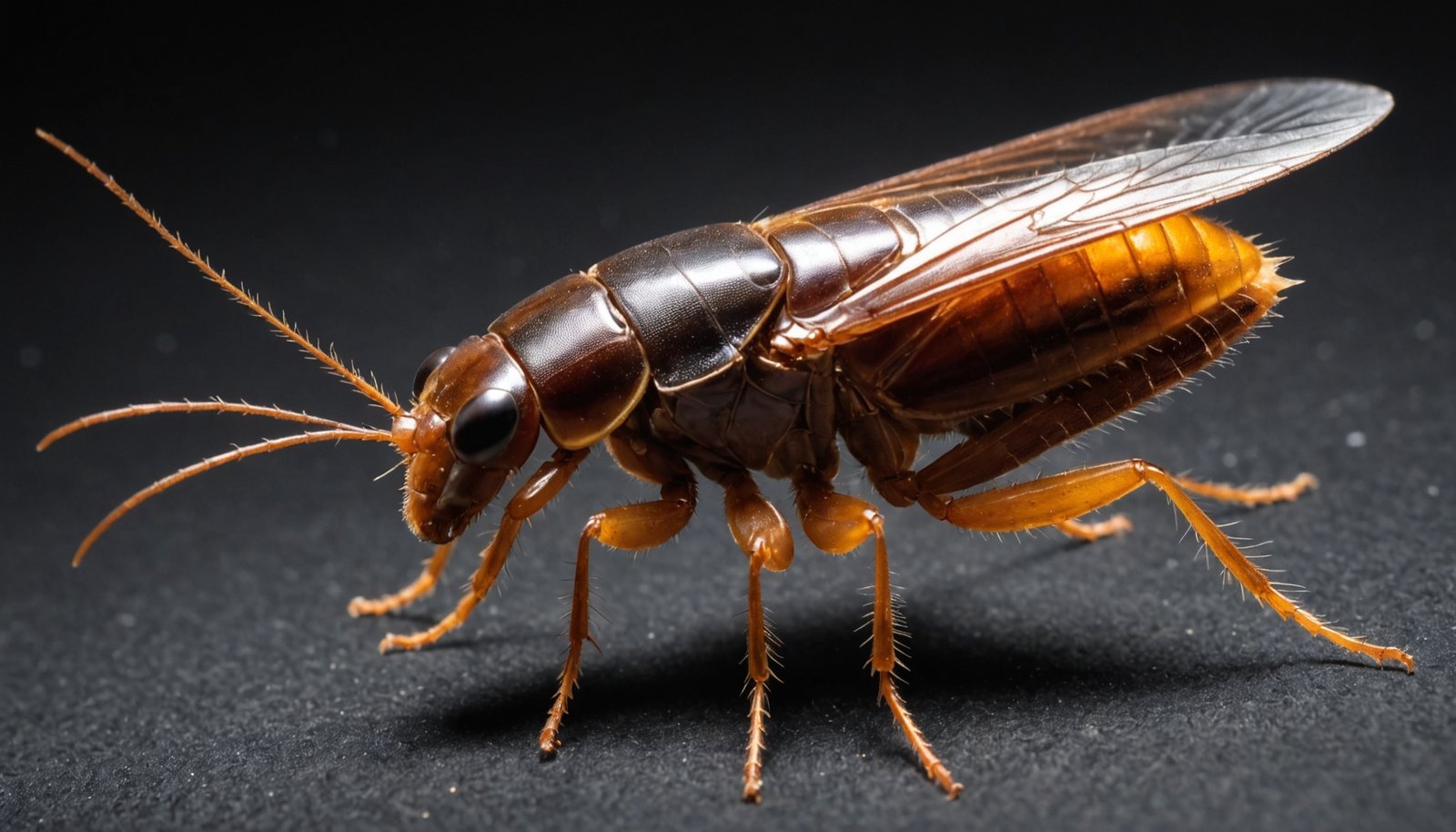
Although most cockroaches prefer to sprint for cover, they switch to flying when the air turns hot, humid, and still—typically on warm nights in late spring and summer, during mating season, or when they’re startled and need to escape quickly. You’ll see this most when temperatures rise above about 85°F, because their flight muscles only work well in that range. Warm, moist air acts as one of the key flight triggers, especially for species that thrive in humid zones. Flying cockroaches can also spread allergens and bacteria to higher or hard‑to‑reach surfaces as they move through a home.
These environmental factors don’t just flip a “flight” switch; they also speed up metabolism and reproduction, so more adults are active and airborne. Heat-driven flights help roaches cool off by moving to slightly cooler spots while they forage or search for mates. When the air gets extremely hot and starts drying them out, they’re even more likely to launch and relocate to more comfortable microclimates.
What Makes Cockroaches Start Flying, Especially Indoors?
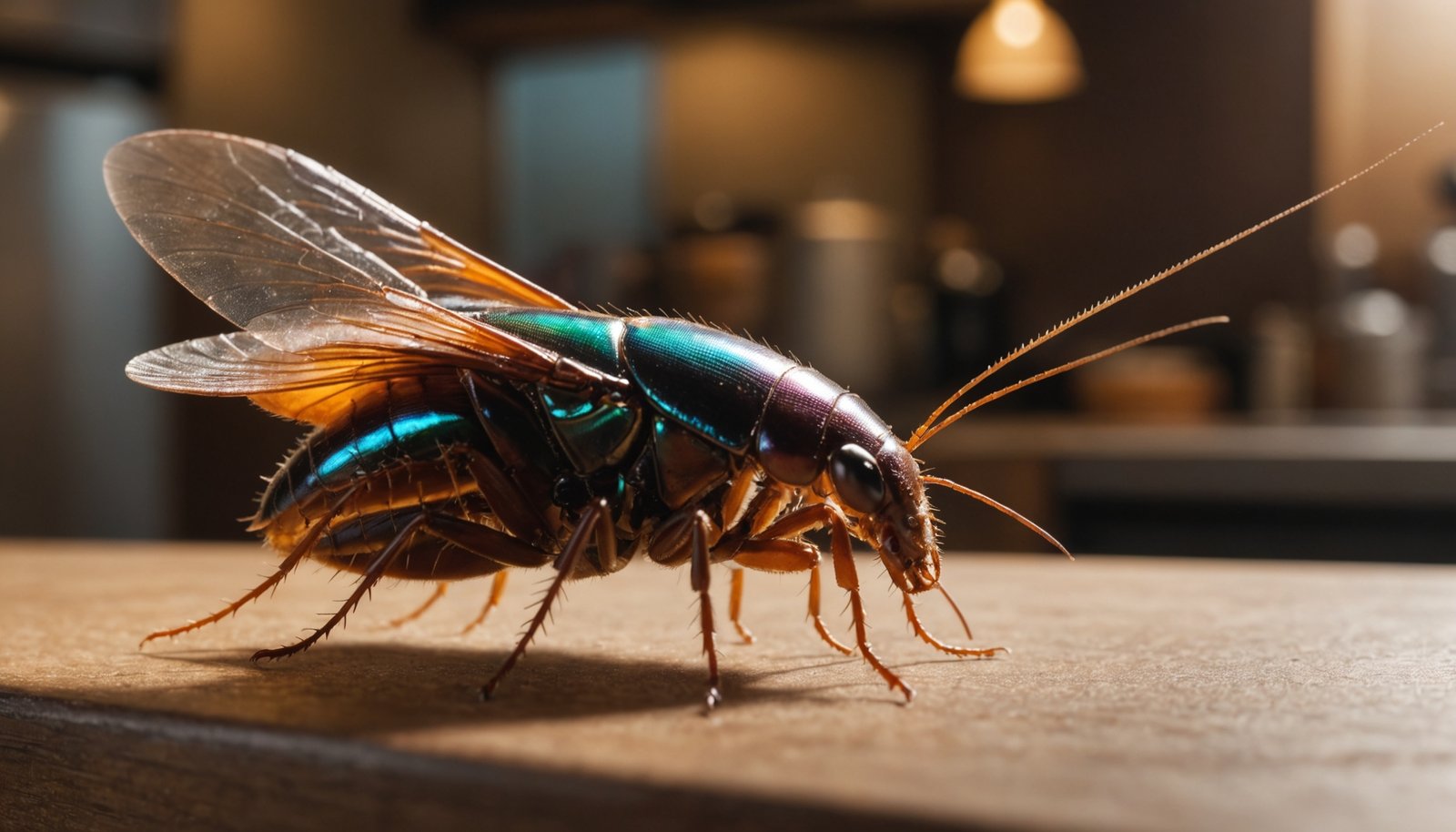
When roaches do take to the air, they’re not doing it at random—they’re reacting to very specific triggers in their surroundings, especially inside homes. You’ll notice more flight when conditions line up just right: hot, humid nights, pressure changes before storms, and warm, still air that lets their wings work efficiently. These flight triggers become even stronger when you combine them with stress, overcrowding, or sudden disturbances. In warm regions like Texas, mild winters and consistently high humidity mean these ideal flying conditions happen more often and for longer stretches of the year.
Common indoor attractants also push roaches to glide or launch from higher spots to new hiding places. You often see them fly when you flip on lights, move clutter, or clean.
Roaches often launch into short flights when lights flip on, clutter shifts, or cleaning disrupts their hiding spots
- Environment: Temperatures above 85°F and humidity over 60% energize flight muscles.
- Disturbance: Sudden movement, sprays, or vacuuming send roaches into escape flights.
- Resources: Food crumbs, standing water, and warm, moist rooms draw flying roaches.
- Survival: Overheating, predators, or nest crowding force short flights to safer areas.
Common Flying Cockroach Species You’re Likely to See in the U.S
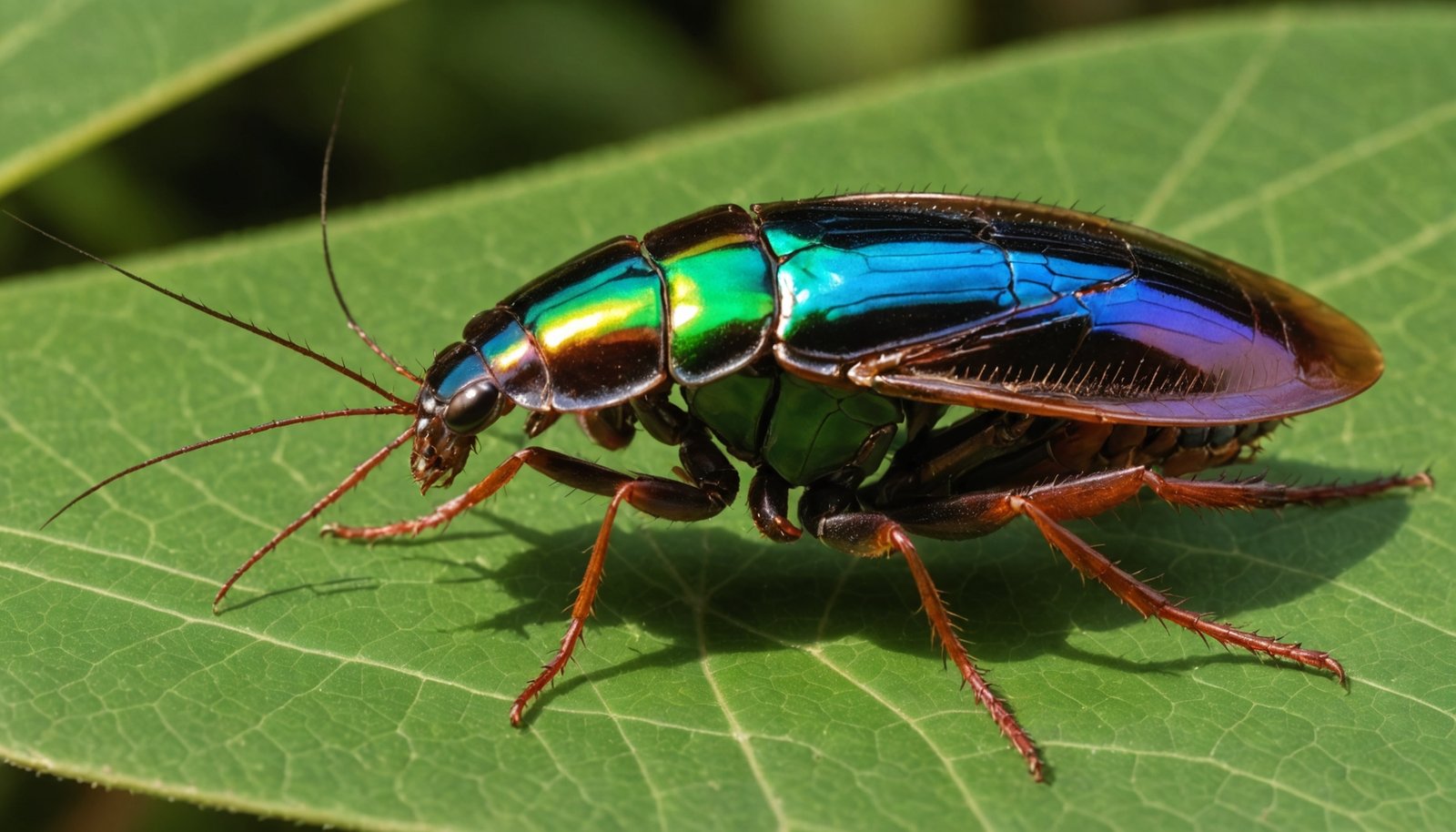
Several cockroach species in the U.S. are either capable fliers or at least skilled gliders, and knowing which ones you’re seeing helps you respond effectively. Species identification starts with color, size, and wing shape, then you watch their flight behavior.
American cockroaches are large, reddish‑brown, with a yellowish edge on the pronotum. They glide from high spots and fly mainly when it’s above 85°F. Smokybrown cockroaches are uniform mahogany brown; they’re strong nocturnal fliers, often circling lights on hot, humid nights, especially in the South.
Brown‑banded cockroaches are smaller, with clear banding. Only adult males fly, usually short, darting bursts when disturbed indoors. Pennsylvania wood cockroach males are light brown with pale wing corners; they’re powerful fliers that swarm to lights in late spring. Because only the males typically enter homes from nearby wooded areas, long‑term indoor infestations from these Pennsylvania wood cockroaches are less likely.] Australian cockroaches, larger and reddish‑brown, sometimes appear in greenhouses or Southern states and can fly readily when disturbed or drawn to lights.
Winged Cockroach Species That Almost Never Fly
Not every cockroach with full‑sized wings actually takes to the air, and that matters when you’re trying to judge what you’re up against. Some species carry impressive-looking wings, but their flight behavior is limited to clumsy glides—or no lift‑off at all—because their wing anatomy, muscles, and instincts just aren’t built for true flight. In New Jersey homes, German cockroaches are by far the most common species encountered indoors, so understanding their limited flight and rapid reproduction is especially important for control.
- Oriental cockroach – Males have wings covering about three‑quarters of the abdomen, yet they don’t fly. You’ll see them running in dark, moist spots near drains and leaky pipes instead of taking off.
- German cockroach – Wings are fully developed, but this indoor pest only manages short, awkward glides when disturbed, relying on speedy legs and rapid breeding instead.
- Brownbanded cockroach females – Their shortened wings expose the abdomen tip and prevent real flight, keeping them grounded.
- Surinam and Pennsylvania wood roaches – Outdoors, they may glide rarely, but they remain mostly walkers, not fliers.
How to Quickly Tell Flying vs. Non-Flying Cockroaches Apart
Although all cockroaches look similar at a glance, you can quickly sort likely fliers from non‑fliers by checking a few details: wing length, color patterns, size, behavior, and where you found them. First, look at wing length: if the wings extend to or past the abdomen tip (American, smokybrown, male Pennsylvania wood roach), the insect can usually glide or fly. Short or vestigial wings that don’t cover the abdomen (Oriental, female brown‑banded, female wood roach) signal poor or no flight. Flying species can spread throughout homes more easily because they can enter through open doors or windows and move between rooms quickly.
Next, check color markings and size. Brown‑banded and German roaches are small; only male brown‑banded flies well. Smokybrown and American are larger and better fliers.
| Species | Quick ID cue (color/size) | Flight tendency |
|---|---|---|
| American | Large, reddish‑brown, yellow pronotum | Glides in warmth |
| Smokybrown | Uniform mahogany | Strong flier |
| Brown‑banded (male) | Small, pale bands | Flies/jumps |
| German | Small, two dark pronotal lines | Rare glider |
| Oriental | Dark, glossy, stocky | Flightless |
Frequently Asked Questions
Are Flying Cockroaches More Dangerous or Unsanitary Than Non-Flying Ones?
They aren’t inherently more dangerous. You’ll face similar hygiene concerns from both. Flight mainly increases flying risks like entering lights, cracks, and new rooms, spreading existing pathogens farther, not making them biologically dirtier than crawling cockroaches.
Can Cockroaches Fly Onto Beds or Couches While People Are Sleeping?
Yes, they can. During nighttime activity, certain species glide or fly from walls or ceilings onto beds and couches, especially in warm, humid conditions. Understanding cockroach behavior helps you reduce risks by sealing entry points and minimizing indoor lights.
Do Cockroaches Fly Directly at Humans, or Is It Accidental Gliding?
They don’t intentionally fly at you; you’re usually just in their path. Cockroach behavior involves panic escapes and clumsy gliding. Their flight patterns follow light and air currents, not deliberate targeting of humans.
How Can I Prevent Flying Cockroaches From Coming in Through Windows and Doors?
You prevent flying cockroaches by installing tight window screens and door sweeps, sealing gaps with silicone, dimming or relocating exterior lights, using yellow “bug lights,” reducing moisture, trimming vegetation, and keeping entry areas clean, dry, and pest control–ready.
Are There Seasons or Times of Year When Flying Cockroaches Are Worst?
They’re worst in late spring through hot, humid summer nights, when temperature, high humidity, and breeding patterns peak. You’ll notice maximum seasonal activity after sunset, especially in coastal or subtropical areas, then declining as cooler weather returns.
Conclusion
Now that you know which cockroaches can fly, when they do it, and which ones rarely leave the ground, you’re better prepared to recognize what you’re dealing with. When you spot a roach, you can quickly decide if it’s likely to take off or just scurry away. Use what you’ve learned to identify the species fast, react calmly, and choose the right steps to keep these unwanted fliers out of your home.
