
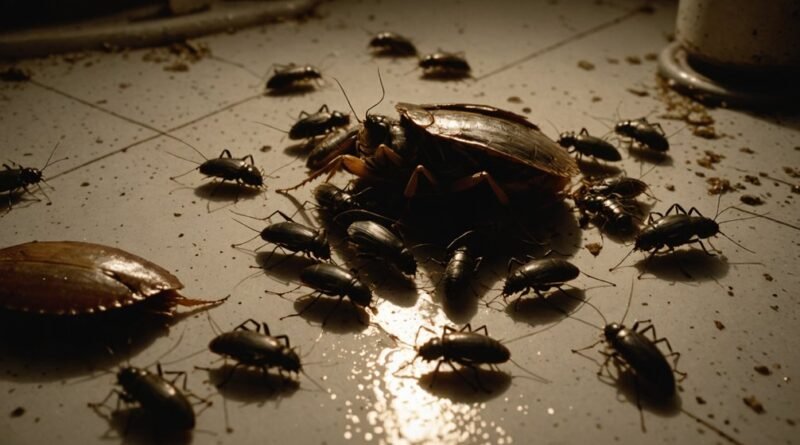
How to Document a Cockroach Infestation for Legal Purposes
To document a cockroach infestation for legal purposes, you’ll need clear, dated proof. Take sharp photos and videos of roaches, droppings, and nests with timestamps. Keep a written log of every sighting, including dates, times, locations, and your health symptoms. Save all written communication with your landlord and request inspections or pest control reports. Organize everything in labeled folders so you can show a clear timeline if you pursue rent relief or legal action, and there’s more you can do.
Key Takeaways
- Take clear, dated photos and videos of roaches, droppings, nests, and affected areas, ensuring timestamps or metadata show when and where they were captured.
- Keep a written log of every incident, recording dates, times, locations, conditions, health effects, and any self-help pest-control actions taken.
- Notify your landlord in writing immediately, save all emails, texts, letters, and summarize any phone or in‑person conversations in dated notes.
- Request inspections from housing or health authorities, obtain written inspection reports, and save any professional pest-control or medical documentation related to the infestation.
- Organize all evidence chronologically—move‑in, first sightings, reports to landlord, inspections, treatments—to support habitability claims, rent abatements, or other legal remedies.
Understand Your Rights When Documenting a Roach Infestation

When you’re dealing with a cockroach infestation, you’re not just fighting pests—you’re asserting your legal right to a safe, habitable home. Your landlord obligations include providing a property that’s free from serious health hazards like roaches and arranging prompt professional pest control once you report the problem. If the infestation existed when you moved in, or stems from disrepair, the responsibility is squarely on the landlord.
Your tenant responsibilities focus on reporting and cooperation, not fixing the issue yourself. You must promptly inform your landlord, ideally in writing, so they’re officially on notice. The law usually gives them a reasonable period, often about 14 days, to act—less if it’s an emergency risk. Because cockroach infestations can trigger asthma and allergies, this duty to act promptly is especially critical for children and anyone with respiratory problems.
If they ignore you, that failure can amount to negligence. At that point, you may gain rights to withhold rent, seek reimbursement for necessary pest treatment, claim compensation, or even treat the home as uninhabitable.
Get Your Documentation Tools and System Ready

Now that you know what the law expects from you and your landlord, you need a system that proves what’s really happening in your home. Start by assembling essential documentation tools: a notebook for daily logs, a ruler or measuring tape for scale, and a flashlight for hard‑to‑see areas. Keep a dedicated folder for official inspection contacts, pest control invoices, and any habitability or compliance checklists. Consistently saving these records helps demonstrate that you and any professionals you hire are following pest control regulations and best practices.
Next, set up your digital organization. Create a cloud folder structured by date and topic, and back it up on an external drive. Use a spreadsheet to track infestation details, landlord communications, and important timelines. Reserve one email account for all landlord correspondence and enable read receipts when possible. Save texts and emails as PDFs with metadata intact, and file them in sequential folders. Finally, use calendar reminders for notice deadlines, inspections, and follow‑ups so nothing slips through the cracks.
Capture Clear Photo and Video Proof of Your Roach Infestation
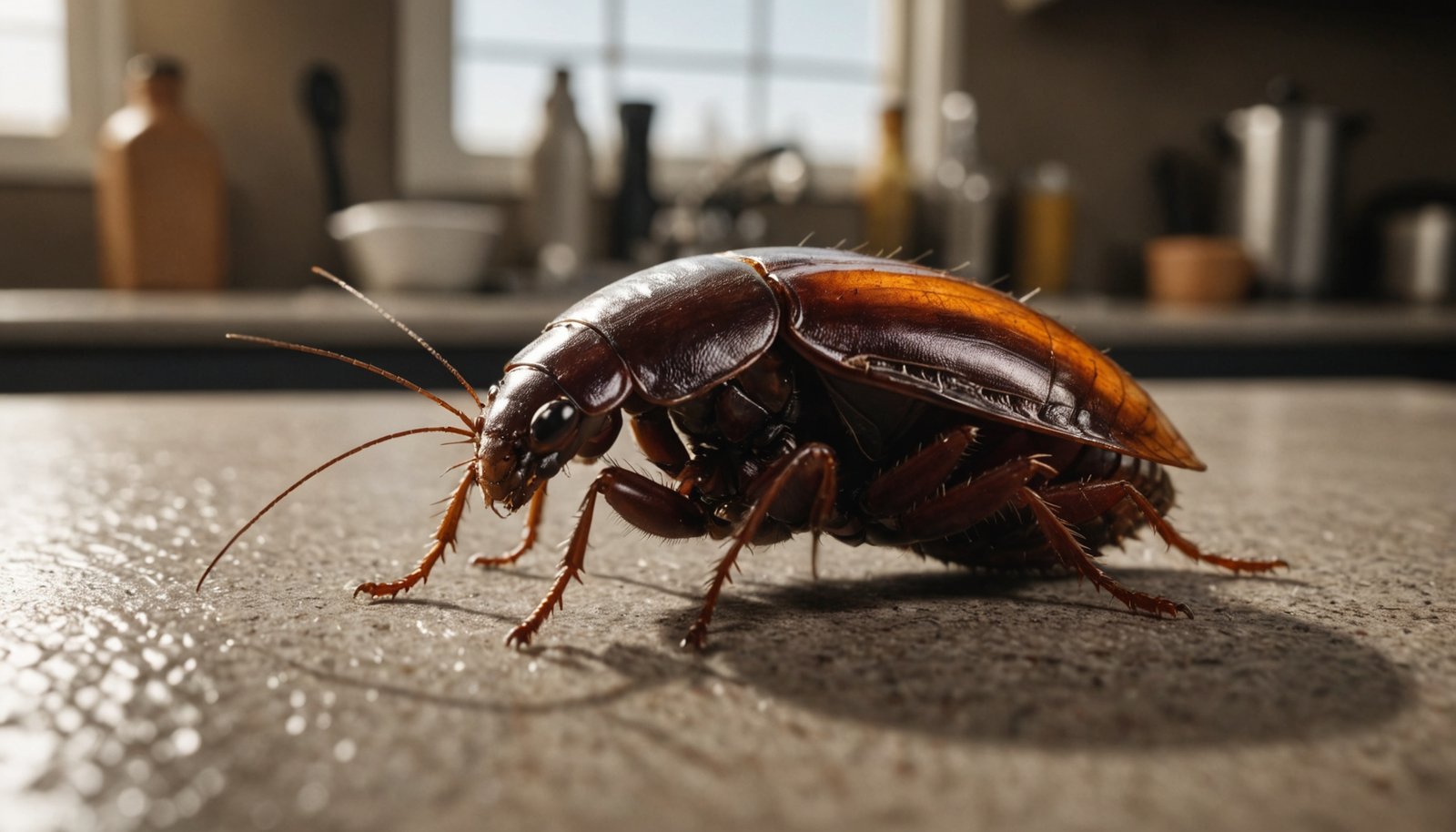
Although your written logs and saved messages are critical, clear photos and videos often carry the most weight in proving a roach infestation. Use deliberate photo composition: turn on all available lights, steady your hands, and fill the frame with what supports your claim. Capture roaches, their droppings (like coffee grounds or black pepper), egg cases, nests, and any damaged food packaging from multiple angles and close up. When you notice signs that the infestation is affecting your health, also photograph or scan medical records and keep them with your other documentation to support potential claims for medical expenses.
Record video when you see movement. Use basic video stabilization by bracing your elbows or resting your phone on a solid surface. Slowly pan the area to show context and infestation scope in different rooms. Enable timestamps in your camera settings if possible.
Keep these goals in mind:
- Show clear, identifiable roaches and related evidence
- Demonstrate how widespread the infestation is
- Make each image obviously tied to a specific location
- Create visuals that a judge or investigator can quickly understand
Log Every Roach Infestation Incident With Dates and Details
You also need a written record that tracks every roach incident as it happens. When you log each sighting with dates, times, locations, numbers of roaches, and what was going on in the space, you create a clear pattern that’s hard to dispute. By consistently adding contextual notes—like recent cleaning, food sources, or weather—you strengthen your evidence and show you’re monitoring the problem carefully. This detailed log can help demonstrate that the infestation is affecting the habitability of your home, which is important if you later need to take legal action.
Maintain a Detailed Log
A simple notebook or spreadsheet becomes one of your strongest tools when you maintain a detailed log of every roach incident. You’re building evidence, not just taking notes, so capture roach behavior and possible infestation triggers with precision. Record the exact date, time, and precise location for each sighting, then count the roaches, droppings, or egg cases. Note environmental conditions, such as nighttime activity or weather, and timestamp entries immediately. Consistent, detailed records make it easier to demonstrate that you notified your landlord and gave them an opportunity to address the pest issues.
Pair written entries with date-stamped photos or short videos and label each file so it matches a log entry. Over time, you’ll see frequency and escalation patterns:
- Daily and weekly sighting totals
- Recurring problem locations
- Increases from single to multiple roaches
- Growing damage or contamination over time
Include Contextual Incident Notes
When you log each roach incident, don’t just mark “sighting” and move on—capture the context around it. Note the exact time, room, and what you were doing (cooking, eating, sleeping). Describe infestation patterns: number of roaches, daytime or nighttime, and whether you saw droppings, egg cases, or damaged food.
Add how it affects you: asthma flare, contaminated groceries, or lost sleep to show health impacts. Connect each entry to your tenant responsibilities and any pest control steps you took that day.
Flag possible legal implications: repeated sightings after notices, violations of housing codes, or ignored repair requests. Maintain evidence integrity by tying photos, videos, and professional reports to specific entries and summarizing your communication strategies with the landlord.
Save All Notices and Communication With Your Landlord
Even before filing formal complaints, start treating every interaction with your landlord like potential evidence by saving all notices and communication. This paper trail supports your lease agreements, helps you enforce tenant rights, and shows you acted reasonably and promptly.
Use written channels whenever possible. Email creates a searchable record; texts or WhatsApp work for quick updates; letters are best for formal notices. After phone calls or in‑person talks, send a brief recap email with the date, time, and what you discussed.
Keep copies of:
- All emails, texts, and messaging app screenshots
- Every letter you send or receive, plus proof of delivery
- Notes summarizing calls and face‑to‑face conversations
- Any notices listing dates, reasons, or required actions
Store everything for your entire tenancy and at least six years afterward. This complete communication history can become essential evidence in disputes, negotiations, or court.
Document Any Health Issues and Property Damage From Roaches
Your communication record backs up what you say; your health and damage records show what the roaches are actually doing to you and your home. Start a health log that connects dates, Infestation signs, and symptoms. Note sneezing, coughing, wheezing, chest tightness, rashes, and sleep disruption—especially in children or elderly tenants—because these Allergy triggers are key Health impacts. Save medical records, test results, prescriptions, ER discharges, and doctor notes that link worsening asthma or allergies to roach exposure.
At the same time, document Property concerns. Photograph feces staining, shed skins, chewed food packages, and contaminated counters. Capture timestamped close‑ups and wide shots to show spread and severity. Keep receipts and estimates for cleaning, damaged food, fabrics, or repairs.
These combined records support your Tenant rights, clarify Legal implications, and help you argue for safer Treatment options and long‑term Roach prevention, not just temporary spraying.
Use Housing and Health Inspectors as Independent Witnesses
Instead of fighting the infestation alone, bring in housing or health inspectors who can act as neutral, official witnesses to what’s happening in your home. Their inspector credibility often carries more weight than a tenant’s photos because they follow standardized inspection procedures and HUD-style infestation standards. During daytime surface assessments, they’ll look for live or dead roaches, shed skins, droppings, and egg cases in multiple rooms or units to determine if the problem’s extensive or severe.
When you contact your local housing or health department, clearly describe what you’ve seen and ask for a written inspection report. During the visit, take notes on what the inspector observes and where.
- Record each location the inspector checks and what they find
- Ask whether conditions meet “extensive” or “severe” infestation criteria
- Request copies of all photos, notes, and formal reports
- Save emails, letters, and call logs related to the inspection
Use Your Roach Infestation Documentation in Legal and Rent Claims
You don’t collect photos, logs, and reports just for your files—you use them to strengthen your position in court and in rent disputes. When you organize this evidence, you’re able to clearly show a judge or mediator how severe the infestation is and how your landlord responded. With solid documentation, you can support claims for rent reduction, rent withholding, or reimbursement for costs tied to the roach problem.
Leveraging Evidence In Court
Although documenting roaches might feel like busywork at first, that evidence becomes powerful leverage if a dispute over rent, repairs, or your security deposit ends up in court. Judges look at your evidence types and their legal implications: photos, logs, emails, inspection reports, and receipts all help prove a pre‑existing, serious infestation and a landlord’s failure to act.
Use your records to build a clear timeline: move‑in, first sightings, notices to your landlord, attempted treatments, and any move‑out.
- Show infestation existed before you left, not caused by you
- Prove you notified the landlord and gave reasonable time to fix it
- Undercut claims the unit was “pest‑free” when you moved in
- Support fraud or habitability arguments when masking is evident
Supporting Rent Relief Claims
Those same records that strengthen your case in court also help you argue for lower rent, reimbursement, or other financial relief while you’re still living with an infestation. Your photos, videos, and sighting log show how severe and long‑lasting the problem is, while dated communication records prove you notified the landlord and gave a reasonable chance to fix it.
Certified written notices and emails that reference tenant rights and local habitability standards support requests for temporary rent reduction, refund of unusable days, or reimbursement for ruined food and belongings. Professional pest control reports, invoices, and medical notes further verify health and safety issues. When you negotiate, or if you withhold rent under state law, your organized documentation backs every dollar you claim.
Frequently Asked Questions
How Long Should I Keep Infestation Records After Moving Out or Resolving the Issue?
You should keep infestation records for the full statute of limitations in your area, often 2–6 years. You protect yourself by matching record retention to that legal infestation timeline and any lease or deposit disputes.
Can Smart Home Devices or Security Cameras Help Document Roach Activity Legally?
Yes, smart home devices and security cameras can help you document roach activity, but you shouldn’t rely on them alone. Use video evidence plus photos, logs, and expert reports, and follow your state’s consent and privacy laws.
How Do I Protect My Privacy While Sharing Infestation Evidence With Third Parties?
You protect privacy by using redacted photos, secure portals, encrypted email, and password‑protected files for evidence sharing. You verify recipients, limit details to frequency data, watermark copies, and follow local digital security and tenant‑privacy rules.
Should Roommates or Visitors Provide Written Statements About Seeing Roaches?
Yes, you should get written statements. Ask for detailed roommate testimonies and visitor accounts noting dates, locations, and severity. Have them sign, and if possible notarize, to strengthen your habitability claim and show the landlord had notice.
How Do I Document Emotional Distress or Anxiety Caused by a Severe Infestation?
You document emotional distress by keeping a dated journal of symptoms, noting specific anxiety triggers and sleep issues, saving therapist or doctor records, tracking medication changes, and collecting corroborating messages or statements from roommates, friends, or coworkers.
Conclusion
You don’t have to live with roaches or feel powerless. When you carefully document every sighting, conversation, and cost, you turn a stressful situation into solid evidence. Keep your records organized, back everything up, and loop in inspectors and medical providers when needed. If your landlord doesn’t act, you’ll be ready to file complaints, seek repairs, or pursue rent relief—with proof that’s clear, thorough, and hard to ignore.
