

How to Report a Landlord for Cockroach Infestation
You report a landlord for a cockroach infestation by first documenting it with photos, videos, and a dated log. Then notify your landlord in writing, as your lease specifies, and request prompt extermination by a licensed pest control company. If they ignore you, escalate with your documentation to local housing or health authorities and file a formal complaint. You can also explore legal options like rent remedies, health department actions, and other protections that may apply.
Key Takeaways
- Thoroughly document the infestation with dated photos, videos, and a written log of roach sightings and conditions.
- Notify your landlord in writing promptly, following lease-specified methods, and attach evidence of the cockroach problem.
- Clearly request professional extermination by a licensed pest control company and set a reasonable deadline for response.
- If the landlord ignores or delays, escalate with a formal written notice and file complaints with local housing or health authorities.
- Preserve all records of communications, inspections, and health impacts to support possible legal actions such as rent reduction or housing court claims.
Document Your Cockroach Infestation as Legal Evidence
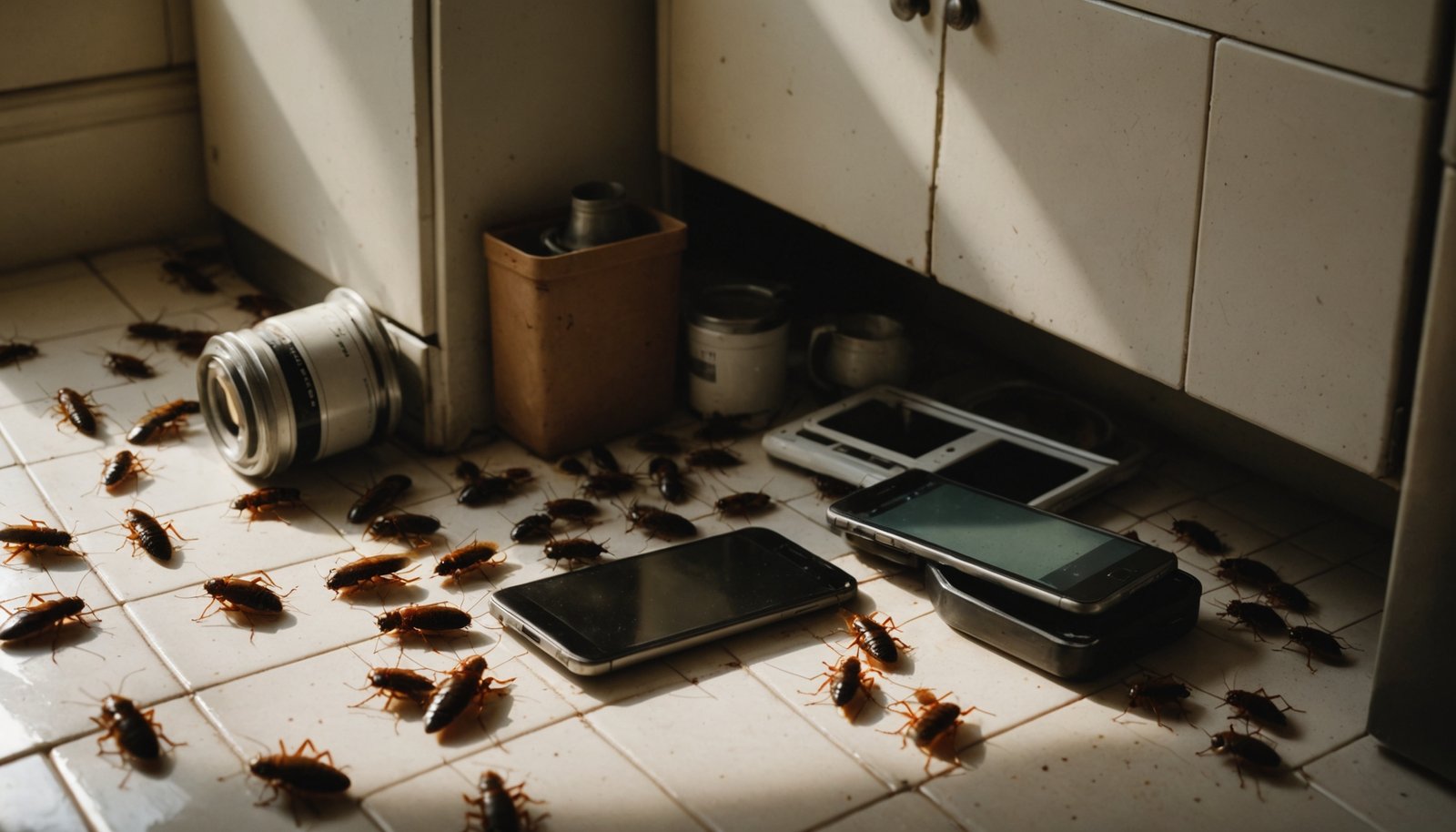
Before you can hold a landlord accountable for a cockroach problem, you need to document the infestation in a way that stands up as legal evidence. Start by collecting clear photographic evidence of live roaches, droppings that look like coffee grounds or black pepper, egg cases, and any damage. Include photos of conditions that encourage pests, like dirty dishes, uncovered trash, or moisture. Use video to capture roach movement and multiple sightings in different rooms. Courts and housing agencies often rely heavily on organized documentation when deciding whether a landlord violated habitability laws.
Next, build an infestation timeline. Record every sighting with date, time, exact location, number of roaches, and their size or behavior. Note patterns, such as increased nocturnal activity or spread to adjacent areas. Maintain a daily or weekly log summarizing severity and contributing factors like food or water sources.
Finally, turn your notes into a detailed written report describing how long the problem’s persisted and how it’s affecting your home’s habitability.
Report the Cockroach Infestation to Your Landlord in Writing

Once you’ve gathered solid evidence, put your landlord on formal notice in writing as quickly as possible. Send a written notice within 24–48 hours of first seeing cockroaches. Use the communication method your lease specifies—email, maintenance portal, or certified mail. Certified mail gives you proof of the date and receipt.
In your message, list clear infestation details: exact locations (kitchen cabinets, bathroom, outlets), how many roaches you’ve seen, and when you first noticed them. Note any patterns (nighttime activity, near plumbing) and visible entry points like gaps or cracks. Attach photos or videos to support your description. Mention that pests can pose health risks and affect the habitability of the unit to emphasize the urgency of professional treatment.
State plainly that you’re requesting prompt, professional extermination by a licensed, insured pest control service. Copy the property manager if there is one. Save copies of everything you send, along with delivery receipts and any responses. If there’s no response, follow up again in writing to strengthen your record.
Your Rights and Landlord Duties for Cockroach Infestations
You’re not just asking for a favour when you report cockroaches—you’ve got clear legal rights to a habitable, pest-free home and your landlord has firm duties to meet that standard. Understanding these habitability obligations helps you know when your landlord must investigate, treat the infestation, and fix any underlying defects. In many cases, landlords are legally responsible for arranging and paying for pest control where the infestation is linked to the property’s condition or was present before you moved in. You’re also protected from retaliation for asserting these rights, so you can complain or escalate the issue without fearing lawful eviction or unfair treatment.
Core Tenant Infestation Rights
Even if a landlord brushes off your complaints or blames you for the problem, the law still gives you clear rights and puts firm duties on them when cockroaches invade your home. Core tenant rights include a safe, sanitary home and proper pest control when infestations threaten your health. Laws in many areas specifically require landlords to promptly address reported cockroach problems to keep rentals habitable and safe.
You’re entitled to a cockroach‑free living space, prompt investigation when you report an issue, and timely treatment by qualified professionals. Put every complaint in writing to create a record and insist on updates about inspection findings and treatment plans. Document photos, emails, and texts to prove conditions are unlivable if needed. If your landlord ignores you, you can escalate to authorities, seek legal remedies, or even end your lease, with protection from retaliation.
Landlord Habitability Obligations
When cockroaches invade your rental, habitability laws don’t leave your landlord any wiggle room: they have a legal duty to keep your home safe, sanitary, and free from serious infestations. Under the implied warranty of habitability, your unit must be pest-free at move‑in and maintained that way. A cockroach infestation is a recognized health hazard, not a minor annoyance. Tenants have the right to report these issues and seek help from the Housing Code Office if their landlord fails to act.
Once you give written notice, your landlord must promptly investigate, access your unit as allowed under lease agreements, and hire licensed pest control if an infestation’s confirmed. They must also fix structural defects, seal entry points, address moisture problems, and provide vermin‑proof trash facilities in multi‑unit buildings. Ignoring these duties can breach habitability and expose your landlord to legal consequences.
Protection From Retaliation
Although reporting a cockroach infestation can feel risky, Rhode Island law gives you strong protection against landlord retaliation. State tenant protections make it illegal for your landlord to evict, raise rent, or cut services because you complained in good faith about roaches or called inspectors. Sudden termination notices after your complaint can support retaliation claims, especially if the landlord uses fake excuses like water-bill issues.
Use careful documentation to protect yourself: dates, emails, texts, photos, videos, and ignored work orders all help prove your complaint was real and their response was punitive.
| Fear You Feel | Protection You Have |
|---|---|
| “I’ll be evicted” | Court can block retaliatory termination |
| “They’ll ignore me” | Judges can order extermination |
| “I’ll get sick” | You can seek medical-cost damages |
| “I’m trapped here” | You can argue constructive eviction in court |
If Your Landlord Ignores Your Cockroach Complaints
If your landlord keeps brushing off your cockroach complaints, you need to shift from casual requests to a clear paper trail and formal action. Your tenant rights include a livable home and proper pest control, so start acting like you may need to prove a case.
First, document everything. Photograph and video roaches, droppings, and nests. Note unsanitary conditions in common areas that worsen the infestation. Keep a log of dates, times, and how often you see roaches or get bites.
Next, send written notice. Describe the infestation, attach photos, and reference your lease or the implied warranty of habitability. Give a reasonable deadline that matches your state’s standards.
Use this checklist to stay organized:
- Photos and videos of roaches and damage
- Written infestation log with dates and locations
- Copies of all emails, texts, and letters
- Proof of delivery for written notices
- Notes on any landlord or pest control visits
Report Your Landlord to Housing and Health Authorities
If your landlord still won’t address the cockroach problem, you should involve local housing and health authorities. You’ll need to know when to call them, how to file a solid complaint, and what enforcement powers they have to force your landlord to act. The next sections walk you step-by-step through this process so you can use the system to protect your health and home.
When To Involve Authorities
Once you’ve documented a cockroach infestation and given your landlord a fair chance to act, there comes a point when you should involve housing or health authorities. Your tenant rights don’t end with sending a notice. If your landlord ignores written pest control requests, delays inspections, or refuses to hire a licensed, insured exterminator, it’s time to escalate.
You should also act when the infestation clearly threatens health, spreads to adjacent units, or keeps getting worse despite reasonable cooperation on your part.
Use your evidence—photos, logs, and communication records—to decide if it’s time to report:
- No response after written notice
- Partial or sham treatments
- Worsening or spreading infestation
- Retaliation or harassment
- Building-wide, recurring roach problems
How To File Complaints
When it’s clear your landlord won’t fix a serious cockroach problem, you shift from asking for help to formally reporting a health and housing violation. Start by organizing your documentation: dated photos of roaches, droppings, egg cases, and any damage, plus your written notices and responses. Keep a log of every sighting and communication.
Next, check your city’s website for the health or housing department’s complaint portal or hotline. File a complaint describing the infestation, your notice dates, and unanswered requests for licensed pest control. Upload or attach your evidence and lease.
As part of your tenant responsibilities, show you’ve kept the unit reasonably clean to avoid blame. Save confirmation numbers, inspection notices, and all follow-up correspondence for future use.
What Enforcement Powers Exist
Although it can feel intimidating to escalate a cockroach problem, housing and health authorities have real power to force your landlord’s hand. Once you report, enforcement agencies can inspect, document violations, and order immediate pest control. Under the implied warranty of habitability, they can treat your unit as unfit, suspend your rent obligation, and require escrow until conditions improve.
You’re not just complaining—you’re triggering formal enforcement tools that back up your rights:
- Health departments can certify your unit unfit and halt rent collection.
- Housing authorities can force licensed pest control treatments.
- Code enforcement can order repairs and moisture fixes.
- Agencies can levy fines and penalties for non-compliance.
- Courts can award damages, fees, and let you end the lease.
Legal Options When Cockroaches Make Your Home Unlivable
If cockroaches have made your home effectively unlivable, you don’t have to just endure it—you can use several legal tools to force action or protect yourself. Severe infestations trigger tenant remedies because of serious health implications, including asthma, allergies, and contamination risks. Your landlord must keep the unit habitable and address major infestations promptly.
You should document everything, then use formal channels:
| Legal Option | How It Helps You |
|---|---|
| Written notice to remedy | Creates a record and deadline for repairs. |
| Rent reduction/withholding | Pressures the landlord after proper procedures. |
| Health department complaint | Independent inspection and official report. |
| Housing court or tribunal claim | Orders repairs, rent rebates, or damages. |
| Constructive eviction (breaking lease) | Lets you leave without penalty if unlivable. |
You can also sue for costs of extermination, medical bills, or damaged property, and you’re generally protected from retaliatory eviction for asserting these rights.
Frequently Asked Questions
Can I Break My Lease Early if I’M Severely Afraid of Insects?
You might break your lease early, but it’s not automatic. Document pest related anxiety (doctor/therapist notes), notify your landlord in writing, request repairs, then pursue negotiated lease termination or legal remedies under your state’s habitability laws.
Do Cockroach Infestations Affect My Renter’s or Contents Insurance Coverage?
They usually don’t, since insurers treat roaches as maintenance, not covered peril. You must check exclusions, your renter’s liability limits, any pest control options or endorsements, and document damage to argue for limited remediation or replacement coverage.
How Do Cockroach Infestations Impact Child Custody or Social Services Inspections?
Cockroach infestations trigger social services inspections because they threaten child health through allergens, disease, and unsafe conditions. You risk neglect findings, custody modifications, and other legal implications if you don’t document issues and actively pursue treatment and safer housing.
Can I Be Evicted for Refusing Entry to Certain Pest Control Contractors?
You can be evicted if your refusal blocks essential pest control, but tenant rights let you set reasonable conditions. Document concerns, propose alternative contractors or supervision, and allow access where structural defects or legal duties require inspection and treatment.
What Should I Do if Neighbors’ Units Cause Recurring Cockroach Reinfestations?
You document every reinfestation, notify your landlord in writing, and request building-wide pest control. You practice neighbor communication, share evidence, coordinate cleaning, and, if the landlord ignores multi-unit problems, contact housing authorities or consider repair-and-deduct options.
Conclusion
You don’t have to live with a cockroach infestation or a neglectful landlord. When you document the problem, report it in writing, and understand your rights, you put pressure on your landlord to act. If they still ignore you, you’re ready to call inspectors, file complaints, or pursue legal remedies. Take each step confidently and keep records. By standing up for yourself, you protect your health, your home, and your peace of mind.
