

Landlord Legal Obligations for Pest Control: What Tenants Need to Know
Your landlord generally must keep your rental habitable and pest‑free, especially in multi‑unit buildings or serious infestations like bed bugs. You’re expected to keep things clean, store food properly, and report problems quickly in writing. Document pests with photos, dates, and health impacts. If your landlord ignores infestations, you may use remedies like rent withholding, repair‑and‑deduct, complaints, or even lease termination. You’ll also see when you might have to pay and how landlords must prove it.
Key Takeaways
- Landlords must keep rental units and common areas habitable and reasonably pest-free, often using licensed professionals and Integrated Pest Management methods.
- Tenants must maintain basic cleanliness, store food properly, and report pests in writing, but landlords remain legally responsible for serious infestations.
- In many states, including Colorado, substantial pest infestations can violate habitability laws and may render a unit legally uninhabitable.
- Tenants should document pest problems with photos, videos, and dated written complaints to protect their rights and show they cooperated with inspections and treatments.
- If landlords ignore infestations, tenants may have remedies such as rent withholding, repair-and-deduct, code enforcement complaints, court action, or lease termination.
When Landlords vs. Tenants Are Responsible for Pest Control
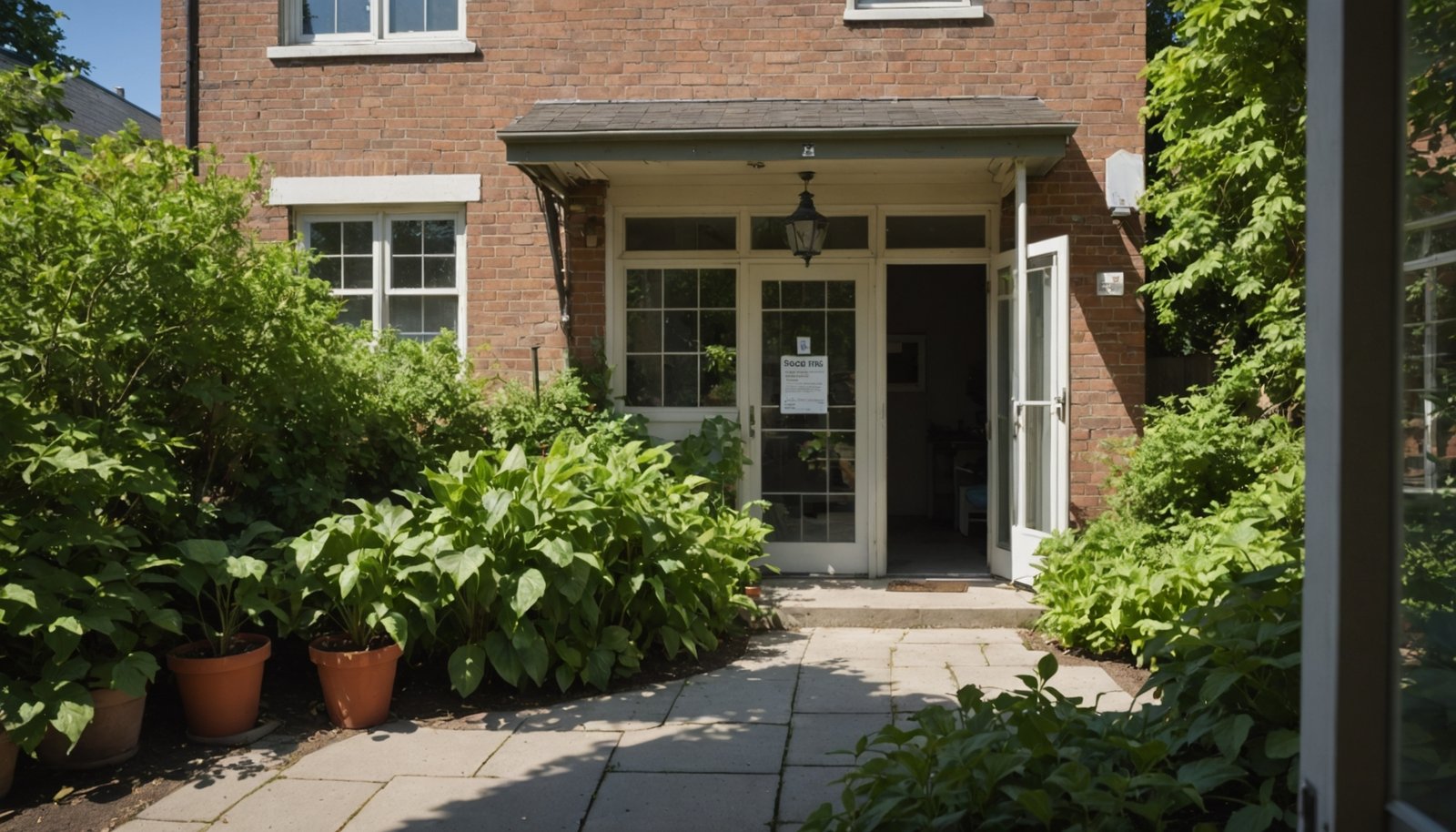
In New York City, landlords are generally responsible for keeping apartments and common areas free of pests, but tenants still share some duties that affect who pays for treatment and how quickly problems must be fixed. By law, your landlord must use safe Integrated Pest Management, hire licensed professionals, seal entry points, fix leaks, and handle routine inspections and treatments. Those core pest prevention strategies aren’t your financial responsibility. [In multi-unit buildings, landlords must also manage shared trash areas and structural conditions that can attract pests, keeping the entire property in habitable condition.]
You’re typically responsible for everyday cleanliness that prevents infestations, like proper food storage and timely trash disposal, especially if your lease spells this out. If a problem appears, tenant communication tips matter: report pests to your landlord in writing, keep dated records, and respond promptly to inspection or treatment notices so professionals can access your unit.
When landlords ignore reports, you can escalate to 311 or HPD, but you still shouldn’t attempt DIY pesticide use in place of professional treatment.
How Pest Infestations Affect Legal ‘Habitability’ in Rentals
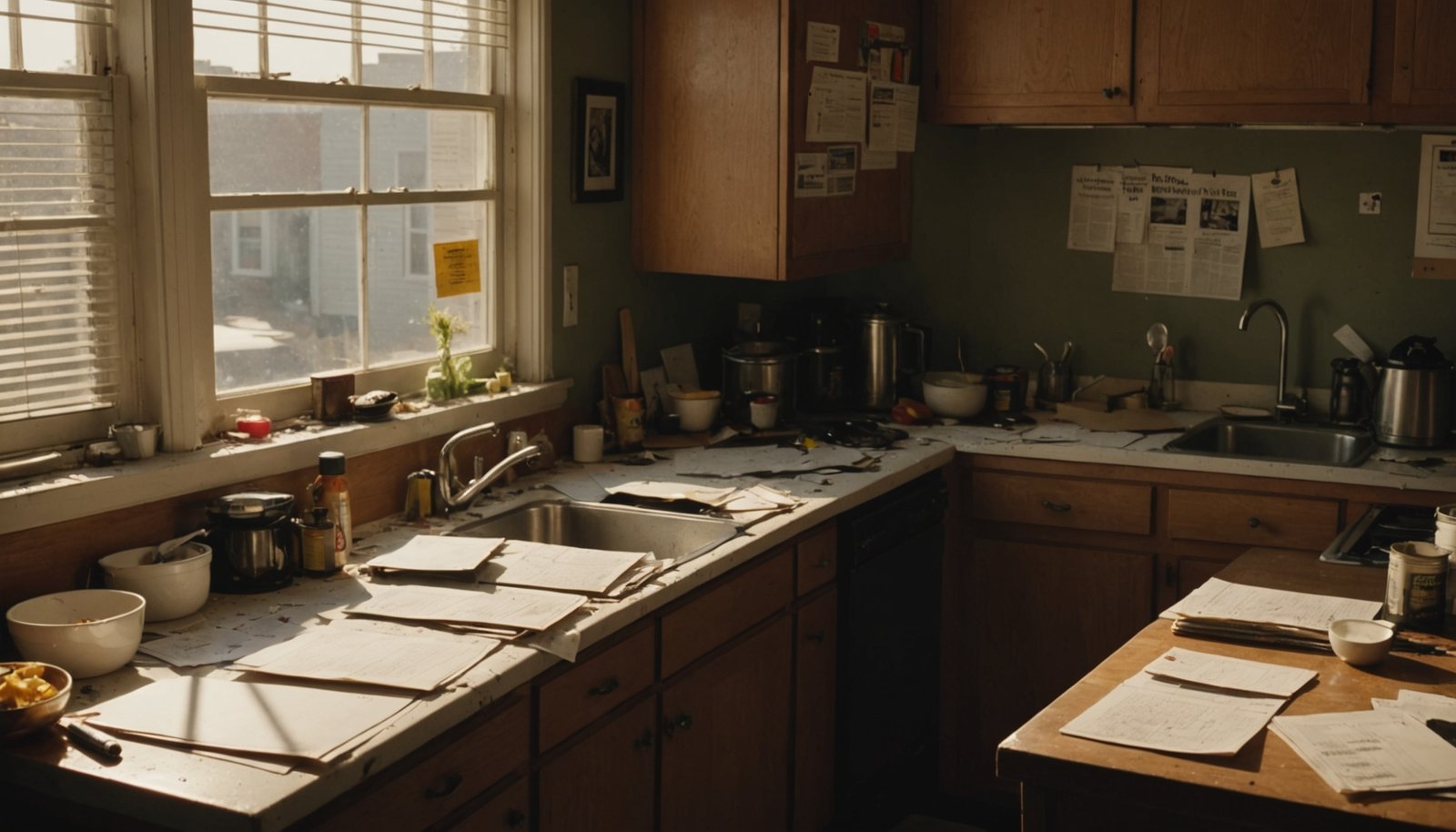
Although pests might seem like a simple maintenance issue, Colorado law treats serious infestations as a direct threat to a rental’s basic “habitability.” Under the state’s implied warranty of habitability, your landlord has a legal duty to keep your unit—and common areas—fit for human occupancy, which includes staying free from rats, bed bugs, cockroaches, and other vermin that can harm health or safety. Bed bug infestations, in particular, can cause intense itching, sleep disruption, and psychological distress, which Colorado law recognizes as a serious habitability concern.
When rats invade your kitchen, cockroaches spread through cabinets, or termites and rodents enter through cracks and holes your landlord should’ve maintained, the property’s considered legally uninhabitable. Bed bug infestations are specifically covered by Colorado’s Bed Bugs in Residential Premises Act, triggering strict inspection and treatment duties.
Habitability laws don’t just punish neglect; they also encourage effective pest prevention strategies in multi‑unit buildings, where one untreated unit can spread problems. If your landlord ignores clear infestations, you gain powerful legal recourse options, including claims for damages, rent-related remedies, and, in severe cases, ending the lease.
How Tenants Should Report and Document Pest Problems
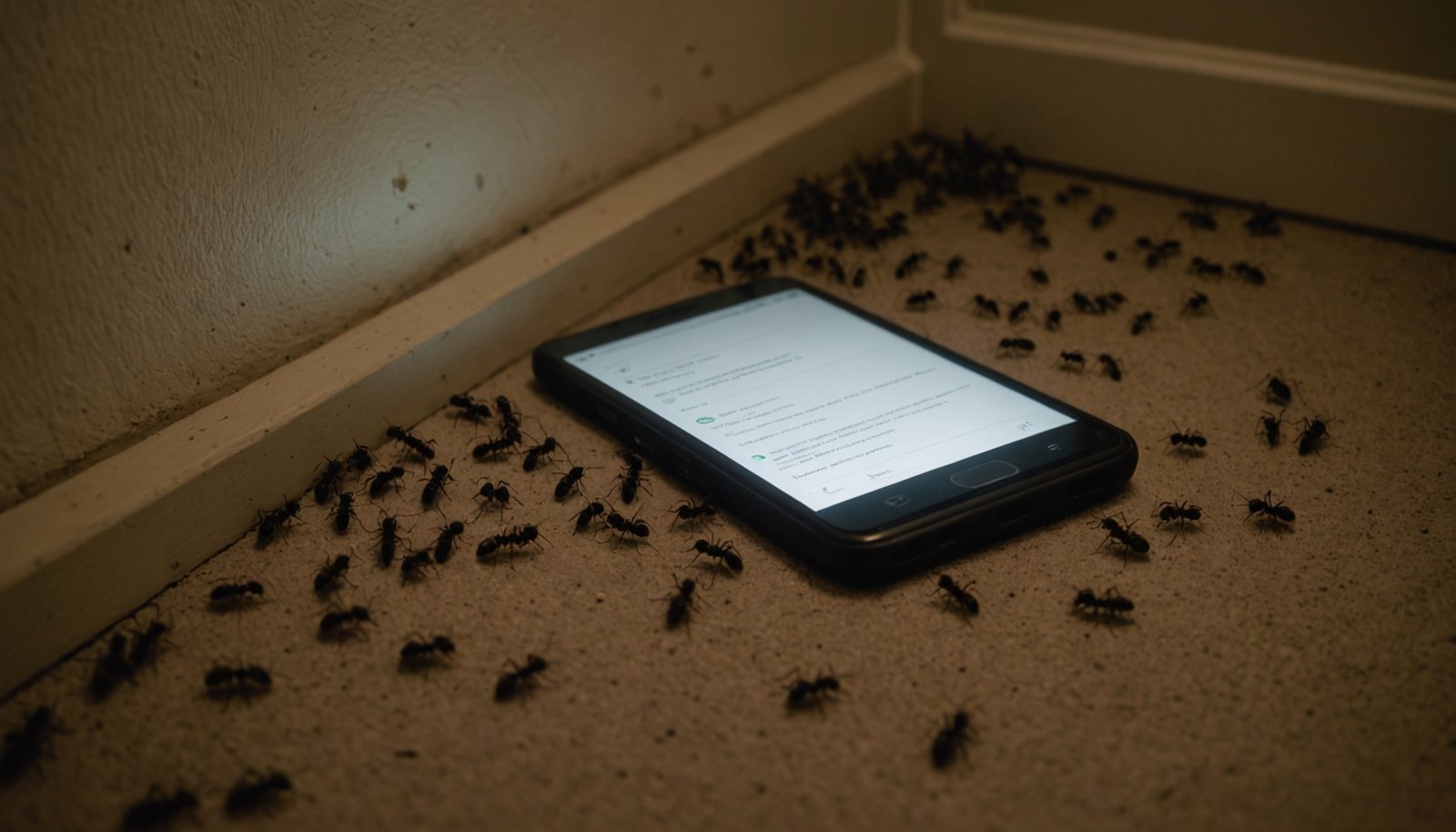
Anyone dealing with pests in a rental needs to think like an investigator: you’re not just killing bugs, you’re building a clear record. Start pest documentation by taking clear photos and short videos of cockroaches, mice, bed bugs, droppings, nests, and any damage. Keep dated notes of when and where you see pests, any bites, and health impacts. A simple timeline of sightings shows the severity and progression of the infestation. This record can also support your legal rights if the property is deemed unfit or if the landlord fails to act.
Follow strict reporting procedures. Notify your landlord immediately in writing—email or certified mail is best. Describe the pests, locations, and frequency, and attach your photos and notes. Clearly and respectfully request inspection and treatment.
Keep copies of every complaint, response, inspection notice, and treatment record, organized by date. Document agreed access dates and completed visits. This organized record shows you reported promptly, cooperated with entry, and fulfilled your obligations—crucial if responsibility for pest control costs or compliance is later disputed.
Tenant Remedies When Landlords Ignore Serious Infestations
Careful reporting and documentation only matter if a landlord actually responds; when they don’t, you still have tools. Your tenant rights include powerful pest remedies, but you must follow state procedures precisely. Many states let you withhold rent or use “repair-and-deduct” to pay for pest control, yet you usually must give written notice and a cure period—often 14–30 days (30 by default under California Civil Code § 1942; “reasonable time” in New York). In HUD-subsidized housing, pest infestations are treated as habitability violations that can trigger required inspections and enforcement.
| Remedy Type | What It Can Do | Key Caution |
|---|---|---|
| Rent withholding | Pressure landlord to treat infestation | Must meet strict legal requirements |
| Repair-and-deduct | Lets you hire pest services directly | Deduction limits may apply |
| Court action | Court orders fast treatment, damages | Requires evidence and legal support |
| Code enforcement | Forces remediation via inspections, fines | Process can take time |
| Lease termination | Lets you leave an uninhabitable unit | Must prove serious, unresolved infestation |
Always consult a tenant attorney before withholding rent or breaking your lease.
When Tenants Must Pay for Pest Control (and How Landlords Prove It)
When a pest problem clearly traces back to how you live in the property rather than how the property’s built or maintained, the law can push the bill onto you—and landlords know they must prove that. You’ll usually pay when tenant negligence causes or worsens an infestation: dirty dishes piled up, rubbish left indoors, food sitting out, or overflowing bins that defeat basic pest prevention. If guests bring in bed bugs, or you damage walls, doors, or screens and create entry points, you can be charged for treatment. In the UK, landlords generally remain responsible where pests arise from structural issues or defects that make the home unfit or unsafe to live in.
Your lease matters. Clauses making you responsible for everyday pest control or “non‑structural” pests let landlords recover costs, especially in states like Ohio or New York where negligence and delayed reporting shift liability.
To prove it, landlords rely on dated inspection reports, move‑in inventories, repair records, photos of poor housekeeping, and written tenancy agreements showing they’ve met their own structural and maintenance duties first.
Frequently Asked Questions
Can Landlords Charge Separate Monthly “Pest Control Fees” in Addition to Rent?
They can sometimes charge separate monthly pest control fees, but you’ve gotta check your lease and state law. Landlord responsibilities for habitability usually require providing pest-free housing, limiting when they can shift ongoing treatment costs to you.
Do Short-Term Rentals and Month-To-Month Leases Have Different Pest Control Rules?
They don’t really have different pest control rules; short term responsibilities focus on pre-move-in inspections, while month-to-month emphasizes timely repairs and remedies. Your lease agreements define specifics, but property type and habitability laws ultimately control.
How Do Pest Control Obligations Change in Roommate or Shared-Housing Situations?
Your pest control obligations expand because roommate responsibilities and shared space agreements matter. You must share cleaning duties, document pre-existing issues, cooperate with treatments, and expect cost-sharing or liability if your roommate’s negligence or your guests introduce pests into common areas.
Are Landlords Required to Disclose Previous or Recurring Pest Infestations Before Leasing?
They’re usually not required to disclose previous or recurring pest infestations, but some states treat serious, ongoing problems as material defects. You should check local pest infestation disclosure rules, your lease, and enforce your tenant rights if issues arise.
What Special Pest Control Rules Apply in Student Housing or Government-Subsidized Rentals?
You face stricter student housing regulations and pest control standards: professional IPM-only treatments, routine inspections, sanitation and reporting duties, quick flea prevention for pets, and possible citations. In subsidized rentals, codes demand pest‑free units and independent housing authority enforcement.
Conclusion
Staying on top of pest issues protects your health, safety, and rights. When you know who’s responsible, how habitability laws work, and how to document and report problems, you’re in a much stronger position. If your landlord ignores serious infestations, you’ve got legal remedies—and they must prove it if they claim you’re at fault. Use these tools to push for a safe, pest‑free home and hold your landlord accountable.
