
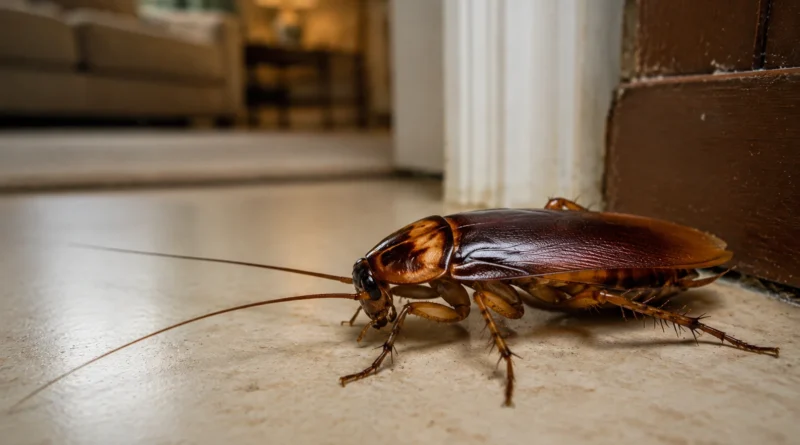
Types of Cockroaches in Homes: A Complete Identification Guide
Not all cockroaches are the same. The species hiding in your kitchen cabinets behaves very differently from the one lurking in your basement, and using the wrong treatment on the wrong species can make an infestation far worse before it gets better.
There are roughly 4,500 cockroach species worldwide, but only a handful regularly invade homes in the United States. Knowing which one you are dealing with is the first step toward getting rid of it for good. This guide covers the five most common types found inside homes, how to tell them apart, and where each one prefers to hide.
Before you treat, get the identification right. Our cockroach identification guide walks you through the key visual markers for every major species.
Not sure what you are dealing with?Use our species identification guide to confirm the cockroach type in your home before taking action.
Why Identifying the Species Matters
Cockroaches are not a single problem with a single solution. Each species has different hiding preferences, breeding speeds, and behavioral patterns. A German cockroach infestation requires a completely different treatment approach than an American cockroach problem.
Misidentification is one of the main reasons homeowners struggle to eliminate roaches. Gel baits that work on German cockroaches, for example, are largely ineffective against outdoor-originating species that wander inside only occasionally.
Getting the species right saves time, money, and frustration. For a broader overview of what you may be dealing with, see our breakdown of house cockroach types found across the US.
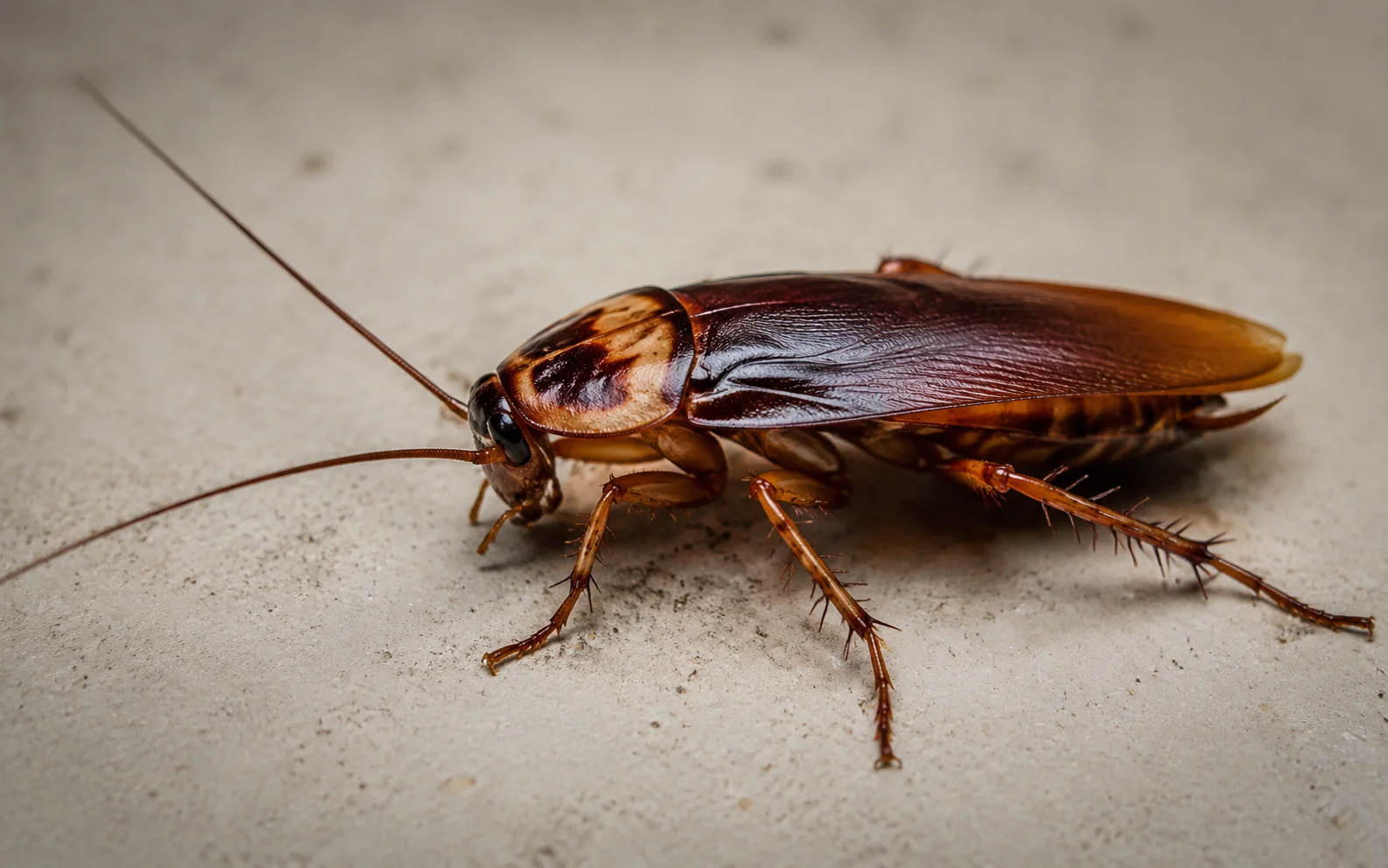
The 5 Most Common Types of Cockroaches Found in Homes
1. German Cockroach (Blattella germanica)
The German cockroach is the most widespread indoor roach species in the United States and across much of the world. If you have a cockroach problem, there is a very high chance this is the species responsible.
- AppearanceLight tan to brown with two dark parallel stripes running from the back of the head to the wings. Adults reach about 1/2 to 5/8 of an inch.
- LocationAlmost exclusively indoors. Thrives in warm, humid spaces near food and moisture: kitchen cabinets, behind refrigerators, under sinks, inside dishwashers.
- Key RiskReproduces faster than any other common house species. A single female can produce hundreds of offspring in her lifetime, making infestations grow rapidly.
According to the EPA’s integrated pest management guidance, this species is the leading cause of cockroach-related indoor allergens in the US.
2. American Cockroach (Periplaneta americana)
Despite its name, the American cockroach is not native to North America. It is the largest cockroach species commonly found in homes, and its size alone causes alarm.
- AppearanceReddish-brown with a pale yellow figure-eight pattern on the back of its head. Adults range from 1.5 to 2 inches long and have fully developed wings, though they rarely fly.
- LocationBasements, crawl spaces, drains, sewers, and utility pipes. Enters homes through drains, gaps around pipes, or openings at ground level.
- BehaviorMainly an outdoor insect that moves inside during heat waves or heavy rains. Seeing one or two occasionally does not always mean there is an established indoor infestation.
3. Oriental Cockroach (Blatta orientalis)
The Oriental cockroach is sometimes called the “water bug” because of its strong preference for damp, cool environments. It is slower and less agile than other species, which makes it easier to spot.
- AppearanceDark brown to nearly black with a shiny surface. Adults are about 1 inch long. Males have shorter wings covering roughly three-quarters of the body; females are almost wingless.
- LocationBasements, drains, floor drains, crawl spaces, and high-moisture areas. Rarely climbs walls or surfaces, staying mostly at ground level.
- Key RiskTends to feed on decaying organic matter and sewage, making it a significant contamination risk when it crosses food preparation surfaces.
The University of Maryland Extension notes that this species produces a strong musty odor that becomes noticeable during heavy infestations.
4. Brown-Banded Cockroach (Supella longipalpa)
The brown-banded cockroach is often overlooked because it prefers warmer, drier locations than most other species. It does not stay in kitchens or bathrooms like the German cockroach, which makes it harder to find.
- AppearanceLight brown with two prominent pale bands across the wings and abdomen. Adults reach only about 1/2 inch. Males have full wings; females have shorter wings and cannot fly.
- LocationHigher, drier locations throughout the home: inside electronics, behind picture frames, inside closets and furniture, along the upper portions of walls. Found in bedrooms and living rooms, not just kitchens.
- Watch OutTreatments applied only in the kitchen or bathroom will have little effect. It is easily confused with a light brown cockroach species, so check the banding pattern carefully.
5. Smokybrown Cockroach (Periplaneta fuliginosa)
The smokybrown cockroach is primarily found in the southeastern United States. It is a strong flier and is attracted to light, which is how it most often ends up inside homes.
- AppearanceUniformly dark brown to mahogany with no markings or patterns. Adults are about 1 to 1.5 inches long with wings that extend beyond the body.
- LocationAttics, rooflines, tree holes, woodpiles, and gutters. Indoors it moves to upper areas including attics, wall voids, and near windows or light sources.
- Entry PointsTypically enters through gaps around rooflines, attic vents, and uncapped chimneys rather than through drains like the American or Oriental cockroach.
Quick Species Comparison
| Species | Size | Color | Preferred Location | Flight |
|---|---|---|---|---|
| German | ~1/2 in | Tan, two dark stripes | Kitchen, bathroom | Rarely |
| American | 1.5–2 in | Reddish-brown | Basement, drains | Occasionally |
| Oriental | ~1 in | Dark brown / black | Damp basements | No |
| Brown-Banded | ~1/2 in | Light brown, banded | Throughout home | Males only |
| Smokybrown | 1–1.5 in | Dark mahogany | Attics, outdoors | Yes |
Health Risks Across All Species
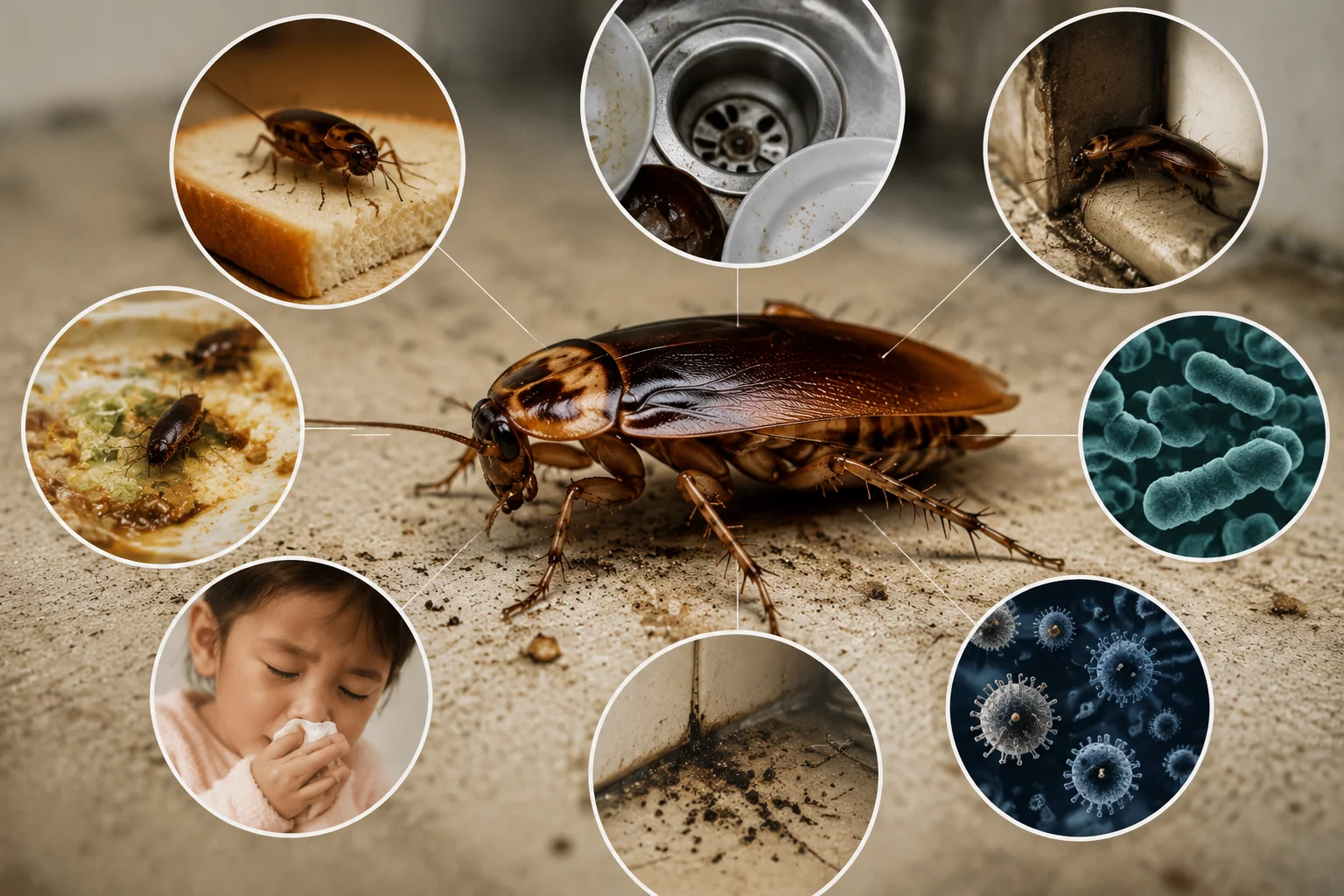
Every cockroach species found in homes poses a health risk. They carry bacteria on their bodies and legs, contaminate food and surfaces, and shed skin and produce droppings that trigger allergies and asthma attacks.
Children and people with respiratory conditions are particularly vulnerable. Cockroach allergens are among the most documented indoor asthma triggers, especially in urban environments. Read more about which species pose the greatest danger in our article on health risks from cockroach species.
Each species also has a different cockroach lifespan, which directly affects how quickly an infestation grows and how long any treatment needs to continue.
When to Act
Seeing a single cockroach during the day is a warning sign. Most species are nocturnal, so daytime sightings often mean the population has grown large enough to push individuals out of hiding.
Whether you tackle the problem yourself or bring in a professional depends on the species, the severity, and how accessible the hiding areas are. Our guide to cockroach removal breaks down when each approach makes sense and what to expect from both options.
Frequently Asked Questions
1. What are the most common types of cockroaches in homes?
The five most common cockroach species found in homes are German, American, Oriental, Brown-Banded, and Smokybrown cockroaches. Each species has different habits and hiding spots, making identification important for effective control.
2. How can I identify which cockroach species is in my home?
Identification is based on size, color, markings, and location. For example, German cockroaches are small, tan with two dark stripes, and prefer kitchens, while American cockroaches are larger, reddish-brown, and often found in basements or drains.
3. Are cockroaches dangerous to health?
Yes. All common cockroach species carry bacteria, contaminate food and surfaces, and their droppings can trigger allergies and asthma, especially in children and people with respiratory conditions.
4. When should I take action against cockroaches?
Daytime sightings indicate a growing infestation since most cockroaches are nocturnal. Quick action is recommended, either DIY or professional treatment, depending on species and severity.
{
“@context”: “https://schema.org”,
“@type”: “FAQPage”,
“mainEntity”: [
{
“@type”: “Question”,
“name”: “What are the most common types of cockroaches in homes?”,
“acceptedAnswer”: {
“@type”: “Answer”,
“text”: “The five most common cockroach species found in homes are German, American, Oriental, Brown-Banded, and Smokybrown cockroaches. Each species has different habits and hiding spots, making identification important for effective control.”
}
},
{
“@type”: “Question”,
“name”: “How can I identify which cockroach species is in my home?”,
“acceptedAnswer”: {
“@type”: “Answer”,
“text”: “Identification is based on size, color, markings, and location. For example, German cockroaches are small, tan with two dark stripes, and prefer kitchens, while American cockroaches are larger, reddish-brown, and often found in basements or drains.”
}
},
{
“@type”: “Question”,
“name”: “Are cockroaches dangerous to health?”,
“acceptedAnswer”: {
“@type”: “Answer”,
“text”: “Yes. All common cockroach species carry bacteria, contaminate food and surfaces, and their droppings can trigger allergies and asthma, especially in children and people with respiratory conditions.”
}
},
{
“@type”: “Question”,
“name”: “When should I take action against cockroaches?”,
“acceptedAnswer”: {
“@type”: “Answer”,
“text”: “Daytime sightings indicate a growing infestation since most cockroaches are nocturnal. Quick action is recommended, either DIY or professional treatment, depending on species and severity.”
}
}
]
}
