
What Do Cockroaches Smell Like? How to Detect an Infestation by Odor
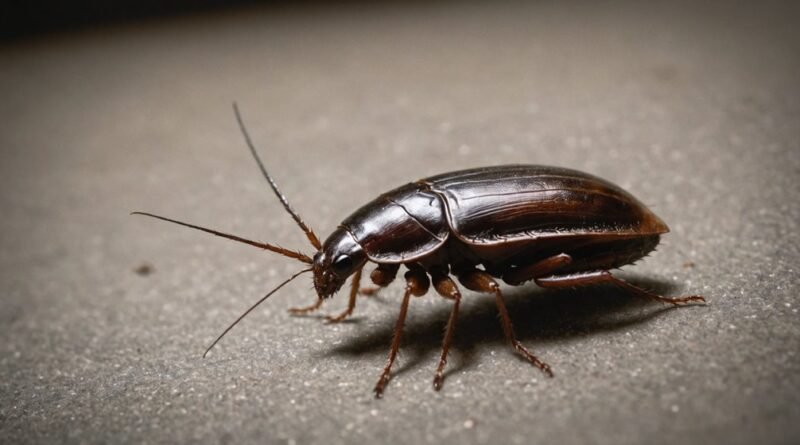
Cockroaches usually smell oily, musty, and slightly sweet—like damp, greasy cardboard or stale coffee grounds. You’ll notice it most in warm, tight spots: under sinks, behind fridges, in pantries, bathrooms, and basements. As an infestation grows, the odor gets thicker, sharper, and harder to air out, often lingering even after you clean. If you can trace that musty, greasy scent from room to room, you’re likely close to finding where they’re really hiding next.
Key Takeaways
- Cockroaches smell oily, musty, and slightly sweet, often compared to damp, greasy, or moldy odors like wet cardboard or a dank basement.
- Stronger, persistent roach odor usually means a larger, long-established infestation with many live insects, droppings, and decomposing bodies.
- German roaches smell sharp, pungent, and greasy; American roaches more earthy and basement-like; Oriental roaches damp and mildew-like.
- Noticeable roach odor in multiple rooms or near kitchens, bathrooms, or laundry areas often pinpoints active nesting and high allergen levels.
- If musty, greasy smells linger after cleaning and ventilation, check hidden spots like wall voids, under sinks, and behind appliances for infestations.
What a Cockroach Actually Smells Like
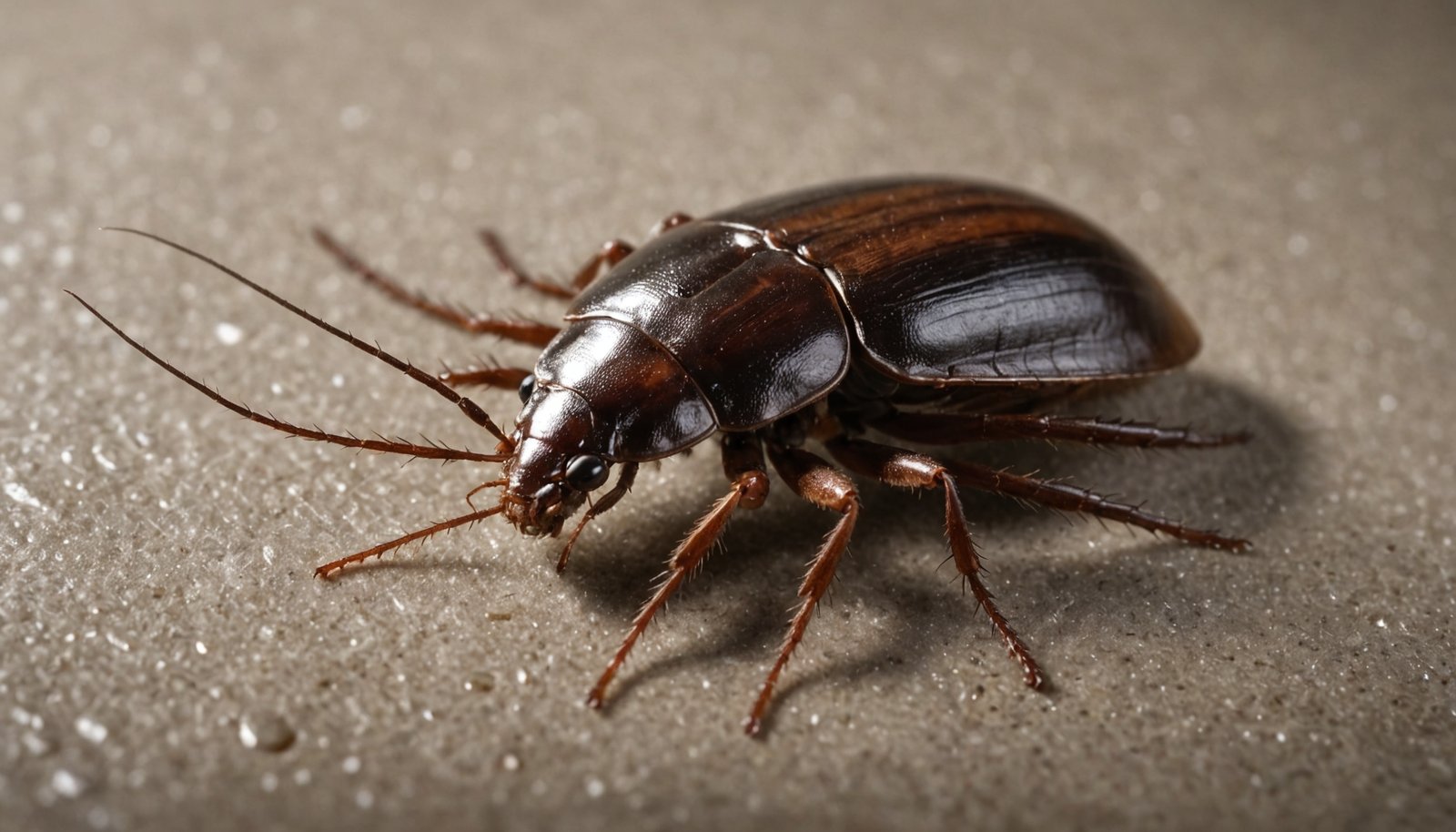
A cockroach infestation has a very specific smell: an oily, musty odor with a damp, slightly sweet edge that clings to the air and surfaces. You’ll notice a greasy quality because cockroach pheromones contain fatty acids and proteins that soak into fabrics, cardboard, and wood. With effective odor detection, that smell tells you roaches are gathering somewhere nearby. In heavy infestations, this odor can also trigger allergies and worsen asthma symptoms, especially in sensitive individuals.
Different species have slightly different signatures. German cockroaches tend to smell greasy and pungent, American cockroaches lean more earthy, and Oriental cockroaches often resemble mildew. All of them share that persistent, unpleasant, oily-musty profile.
The scent grows stronger as population density rises. When you can smell it in more than one room, you’re likely dealing with hundreds of roaches. Even after you clean, the odor returns quickly if they’re still active, reinforced by fatty acids from their feces, shed skins, and dead bodies breaking down in hidden harborages.
Why Cockroaches Smell So Strong
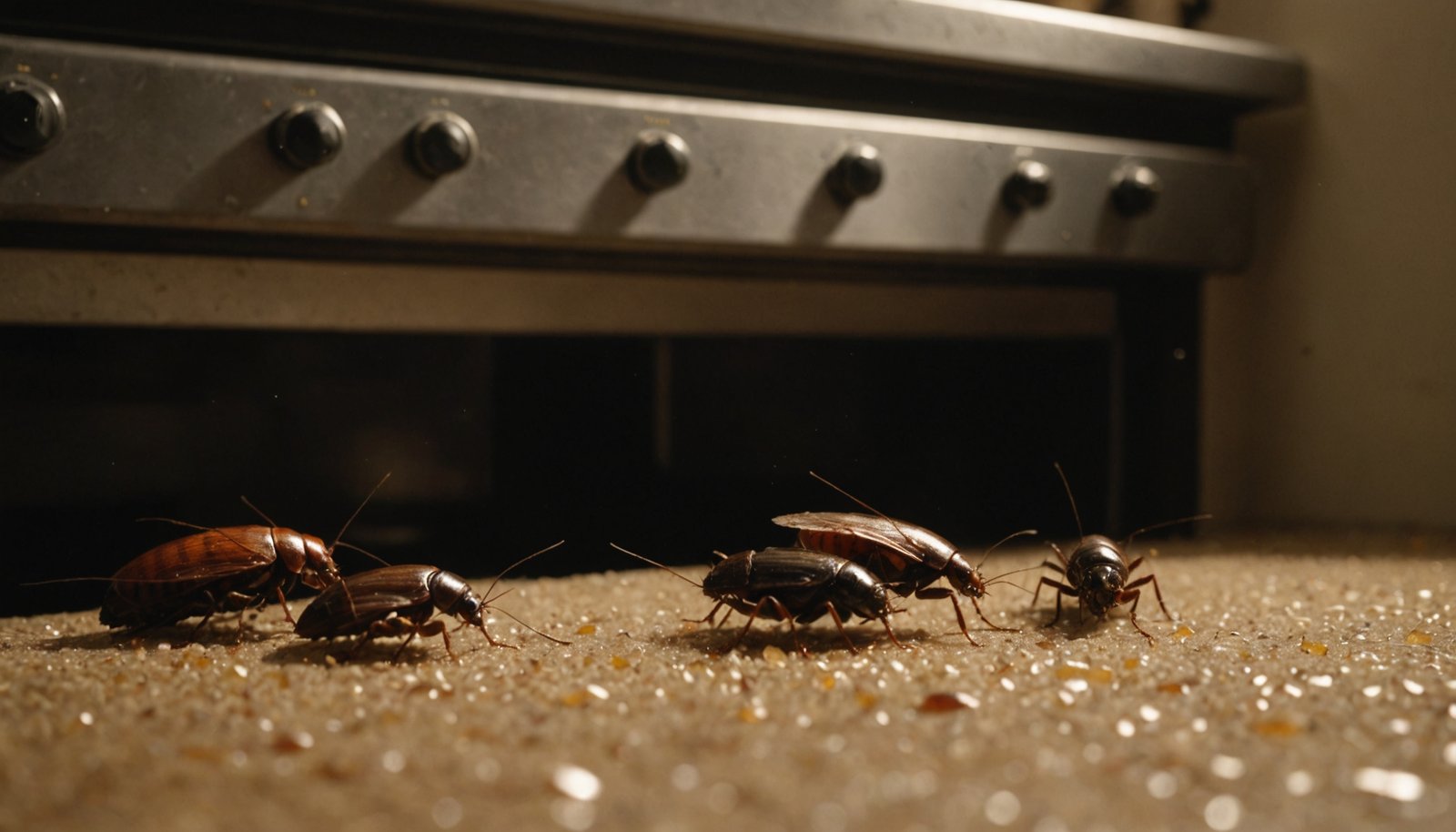
Cockroaches smell so strong because every part of their biology pumps odor into your home at once—while they’re alive and long after they die. Their bodies constantly release pheromone signals that tell other roaches where to hide, feed, and breed. As the infestation grows, those chemicals concentrate, turning a faint mustiness into a sharp, greasy stench. A strong roach smell can also signal a well‑established infestation, which often means there are enough insects present for their odours, faeces, and secretions to noticeably fill the air.
You’re not dealing with one or two odor sources; you’re smelling a whole system working together:
| Odor Source | What It Releases | How It Intensifies Smell |
|---|---|---|
| Live cockroaches | Pheromone signals, body odor | Stronger, mustier air as population increases |
| Feces and smear marks | Pheromones, moisture, mold | Musty, dirty smell that spreads along travel paths |
| Shed skins and body parts | Degrading proteins, lipids | Adds dusty, stale undertone in harborages |
| Saliva, vomit, secretions | Oily residues, active chemicals | Greasy, lingering film on surfaces and cracks |
| Dead roaches (oleic acid) | Decomposition compounds | Powerful death reek that seeps into nearby rooms |
Health Problems Tied to Cockroach Smells
Even before you see a single insect, the sour, musty odor of a cockroach infestation can quietly start working on your health. That smell often signals high levels of cockroach allergens from droppings, saliva, and body parts. When you breathe them in, they irritate your airways and cause respiratory issues like sneezing, coughing, wheezing, and sinus or ear infections. For people with asthma, these particles act as powerful asthma triggers, driving flare‑ups and making breathing harder. Because these allergens can linger in dust and air long after roaches are gone, ongoing exposure is especially dangerous for the young and elderly.]
The same odor also warns you that cockroach bacteria may be spreading across your kitchen and food. Roaches can carry Salmonella, E. coli, Shigella, and other agents that cause serious gastrointestinal diseases, including gastroenteritis, dysentery, and typhoid‑like illness. These health impacts hit vulnerable populations hardest—young children, the elderly, people with asthma, and anyone immunocompromised face greater risks of hospitalization, complications, and long‑term damage from ongoing exposure.
German vs American vs Oriental Cockroach Smells
Long before you spot the insects themselves, the specific kind of cockroach in your home quietly shapes what you smell and where you smell it. German Cockroach Odor hits you first and hardest: it’s sharp, greasy, and intensely musty, with an almost oily sweetness. You’ll notice it most in warm, tight spots like kitchens and bathrooms, where dense colonies cause pheromones to build up quickly. Because German cockroaches can trigger asthma, a strong musty odor in these areas can be both a health warning and a sign of a serious infestation.
American Cockroach Odor is milder and more spread out. It tends to smell like a damp basement—earthy rather than sharply pungent—because these roaches roam larger areas such as sewers, crawl spaces, and big basements, so their pheromones don’t concentrate as heavily.
Oriental Cockroach Odor falls in between but often feels more revolting. It’s distinctly damp and mildew-like, radiating from drains, wet crawl spaces, and other soggy areas. Effective Odor Detection Techniques hinge on matching these scent “signatures” to their typical locations.
Cockroach Smell and Infestation Size
As a cockroach population grows, you’ll notice the smell shift from barely there to a strong, persistent presence. You can often gauge infestation size by how far the odor travels, from a single cupboard to multiple rooms or even the whole home. Understanding when that musty, oily smell becomes overwhelming helps you recognize when the problem’s moved from manageable to severe. Early detection of that distinctive odor lets you act before severe infestations have time to develop.
Odor Intensity And Population
Although a single cockroach can go unnoticed, the intensity of that musty, oily “roach smell” climbs sharply as the population grows and crowds into confined spaces. As population dynamics shift from a few insects to dense clusters, pheromones, feces, shed skins, and dead roaches accumulate, pushing the odor past your personal odor threshold.
German cockroaches, which pack into kitchens and bathrooms, typically create the strongest smell—oily, slightly sweet, and damp. Oriental cockroaches add a heavy, musty “water bug” scent, especially around dark, moist harborages. American cockroaches usually smell less intense because they’re more spread out.
When the odor changes from faint and occasional to persistent and overpowering, it usually means the colony’s grown large and is spreading into new hiding spots.
Room-To-Room Smell Spread
Once roach odor grows strong in one area, it rarely stays put. As colonies expand, pheromones and other organic compounds accumulate in harborage zones, then slowly leak into connected rooms. Porous materials—drywall, fabric, cabinets, even food packaging—absorb and re-release these odor sources, helping the smell migrate from kitchens to hallways, bedrooms, or adjoining units.
For reliable smell detection, pay attention when that musty, oily, or mildew-like scent appears in more than one room. That usually means hundreds of roaches are active, with babies spreading into tiny gaps and wall voids. Odor intensity often peaks behind refrigerators, under sinks, in pantries, and around bathroom or utility plumbing—key spots to inspect when you’re tracing how the smell has spread.
When Smell Becomes Overwhelming
When roach odor stops being a faint mustiness and turns into a thick, oily stench you can’t escape, it almost always means the infestation’s exploded in size. You’re no longer smelling a few stray insects; you’re breathing in the combined pheromones, feces, and decomposition from hundreds of roaches packed into walls, cabinets, and appliances.
At this point, odor thresholds become a significant warning. A house-wide smell that lingers after cleaning is one of the clearest infestation signs of a long‑established colony. High humidity, warm rooms, and confined cracks let fatty acids and proteins soak into drywall, furniture, and clothing, so the odor clings even in “clean” areas. That overwhelming smell doesn’t just signal bugs; it signals rising allergen and asthma risks.
Common Places Cockroach Odors Linger
Cockroach odors don’t just hang in the air randomly; they collect in tight, warm, and damp spots where roaches hide and travel. You’ll notice kitchen odors first: under sinks where moisture and crumbs gather, behind refrigerators where motor heat warms spilled food, in pantries and floor-level plumbing where greasy, sour smells build. Bathroom scents often cling under sink cabinets, behind toilets, around vanities, and inside linen or medicine cabinets close to water.
Laundry smells can signal trouble too. Behind washing machines and around dryers, heat and trapped moisture intensify musty, oily odors, especially in closed utility cabinets and low plumbing connections. Storage odors show up in pantries, cupboards, basements, and cardboard boxes, where low airflow and food traces let pheromones and decomposition linger. Finally, pay attention to hidden spots like wall voids, under-sink bases, behind appliances, attics, crawl spaces, and along baseboards where greasy, musty traces persist.
Use Smell to Find Cockroach Nests
Those lingering musty, oily smells in tight, warm spots aren’t just unpleasant; they act like a roadmap to where roaches actually live. For nest identification, you’ll follow that roadmap by hunting for the strongest, most persistent version of the odor. It often smells like stale coffee grounds, wet cardboard, or rancid oil with a faint sweetness.
Start in kitchens, bathrooms, and basements, then move slowly, sniffing near cracks, gaps, and hidden voids. The closer you get to the main harborage, the more intense and “greasy” the air feels.
Use odor sources to guide a systematic search:
- Check under sinks, inside cabinets, and behind appliances where air feels warm and stale.
- Sniff along baseboards and outlets; confined voids trap VOCs from feces and shed skins.
- Revisit at night when roaches are active and smells peak.
- Place glue traps in the smelliest spots to confirm nest locations.
How to Remove Cockroach Odor After Treatment
Although the roaches are gone, their smell can cling to surfaces, fabrics, and the air until you actively strip it away. Start odor elimination with targeted cleaning techniques. Vacuum from the highest points—cabinet tops, shelves, ceiling corners—downward to pull up feces, shed skins, and debris. Run the vacuum over every stained surface, then remove and discard the bag immediately.
Next, apply an EPA‑registered, hospital‑grade disinfectant to stained areas and let it sit for 10 minutes before wiping dry. Reapply after you remove any visible feces to cut airborne particles and mold.
Apply an EPA‑registered hospital‑grade disinfectant, let it dwell 10 minutes, then wipe and reapply after removing visible feces
Handle porous materials separately. Wash exposed clothing, linens, and towels on a hot cycle. Toss contaminated cardboard, paper, and food packaging, and replace any heavily infested fabrics or papers.
For stubborn fecal spots, use a light degreaser, scrub, wipe, then disinfect again. Finally, ventilate rooms well and control moisture to keep odors from returning.
Frequently Asked Questions
Can Cockroach Odor Alone Confirm an Infestation Without Seeing Live Insects?
No, you can’t confirm it by smell alone. Cockroach pheromones help with early odor detection, but mold and dampness mimic it. You’d still need droppings, egg cases, shed skins, or a professional inspection.
Do Essential Oils or Candles Actually Hide or Neutralize Cockroach Smells?
They don’t. Essential oils effectiveness is short-term; you’d only mask some odor for a few hours. Candle scent masking just layers fragrance over pheromones, can mix with smoke, and never neutralizes embedded cockroach smells.
Can Pets Detect Cockroach Odors Better Than Humans Can?
You can assume many pets detect cockroach odors better than you do, thanks to superior noses, pet scent detection, and animal instincts, but science hasn’t directly proven it yet, so treat their reactions as helpful clues, not guarantees.
Does Washing Clothes Remove Embedded Cockroach Smell From Fabrics Completely?
It doesn’t always remove it completely. You boost fabric freshness and odor removal by using very hot water, strong detergent, a full high‑heat dry, plus vinegar or baking soda and extra rinse cycles for stubborn odors.
Are There Electronic or Smart-Home Devices That Help Detect Cockroach Odors?
You can’t currently buy consumer smart sensors that reliably provide cockroach-specific odor detection. You’ll rely on visual inspections, traps, cameras, and motion-based smart devices, then call professionals if you suspect an infestation despite limited smart-home detection options.
Conclusion
Now that you know what roaches smell like and where that musty, oily odor hides, you can trust your nose as an early warning system. When you catch that scent, act fast: track it to likely nesting spots, confirm activity, and start treatment before the colony explodes. Afterward, clean deeply, ventilate, and use odor neutralizers so your home smells fresh again—and you’ll quickly notice if roaches ever try to come back.
