
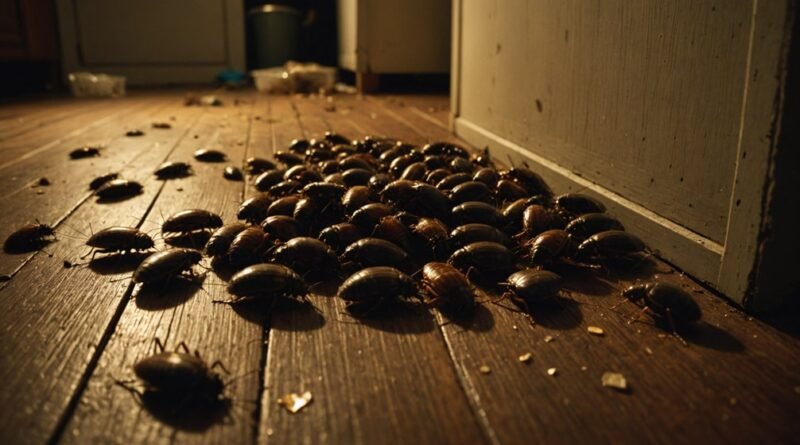
Who Is Responsible for Cockroach Infestation in a Rental Property?
You’re responsible for everyday cleanliness that helps prevent cockroaches, but your landlord must provide a safe, habitable, pest‑free home. Typically, the landlord handles roach infestations caused by structural issues or building‑wide problems and must act within a reasonable time after you report them. If poor housekeeping or ignoring early signs caused the issue, you may be liable. Laws and lease terms also affect who pays, and understanding these details can really protect you.
Key Takeaways
- Landlords are generally responsible for keeping rentals habitable and pest‑free, including addressing cockroach infestations linked to structural or building-wide issues.
- Tenants are responsible when infestations result from poor housekeeping, such as leaving food out, improper waste disposal, or unsanitary conditions.
- In multi-unit buildings, responsibility is often shared: landlords handle building-wide prevention and treatment, while tenants must maintain clean units.
- Many leases specify cost allocation; landlords usually pay for infestations from structural defects, while tenants may be billed if their negligence attracts roaches.
- Documenting cleanliness, infestation signs, and communications with the landlord is crucial for determining responsibility and resolving disputes or legal claims.
Who’s Responsible For Roach Infestations?
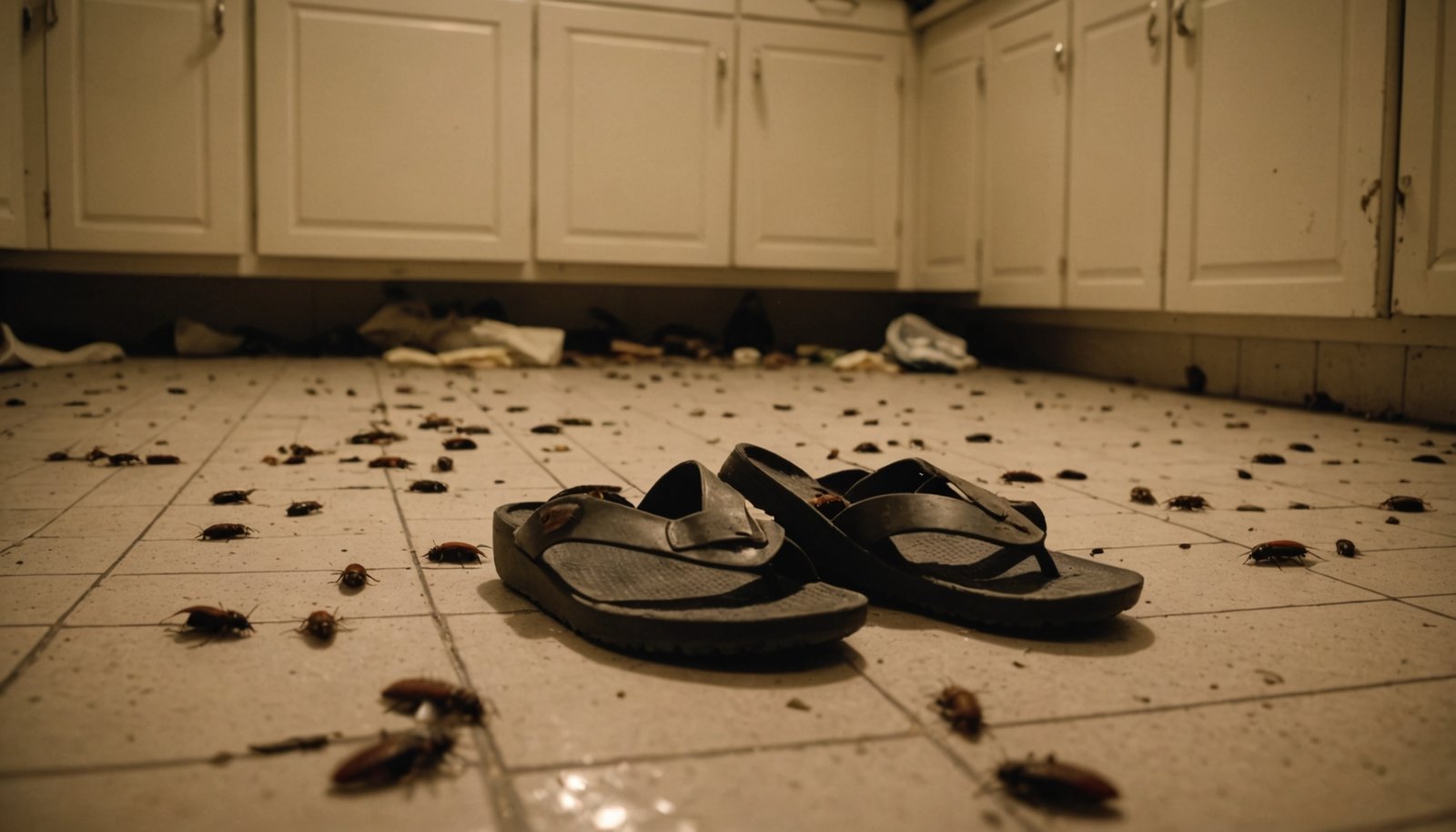
So, when cockroaches appear in your home, who actually has to deal with them—you or your landlord? In practice, it often depends on how the infestation started and what both of you did to prevent it. You’re expected to keep the property reasonably clean, store food properly, and dispose of rubbish regularly. Poor housekeeping, overflowing bins, or ignored spills can quickly undermine Cockroach prevention and make you responsible for the problem. If cockroaches are getting in because of structural defects, such as gaps in walls or broken vents, your landlord is generally responsible for fixing those issues and arranging pest control.
You also need to report early signs—droppings, egg cases, or live insects—promptly. Delays make infestations harder and more expensive to treat and can shift some responsibility back onto you. Good tenant education matters: when you understand how your everyday habits attract or deter pests, you’re better able to protect yourself and your deposit. At the same time, you mustn’t cause entry points, like broken windows, that let cockroaches in.
When Is The Landlord Responsible For Cockroaches?
When roaches invade a rental, the law usually puts the first and biggest responsibility on the landlord, not the tenant. Under the implied warranty of habitability, you’re entitled to a livable home free from health hazards like cockroaches. That means the landlord must deliver a clean, pest‑free unit at move‑in and use reasonable prevention strategies—regular inspections, sealing cracks, maintaining roofs, gutters, and plumbing, and providing vermin‑proof trash areas. In many places, landlords who fail to promptly address a documented roach problem can face legal consequences such as orders to repair, fines, or liability for tenant damages.
If roaches enter through structural defects, pre‑existing nests in walls, or gaps around foundations and utility pipes, the landlord’s on the hook to repair and treat. Once you give written notice, they generally must respond promptly—often within 14–30 days—by hiring professional pest control and documenting treatments.
Ignoring complaints carries serious legal implications: you may pursue remedies such as suing for breach of habitability, rent-related remedies, or reimbursement for extermination costs. Lease clauses waiving these rights are usually unenforceable.
When Is The Tenant Responsible For Cockroaches?
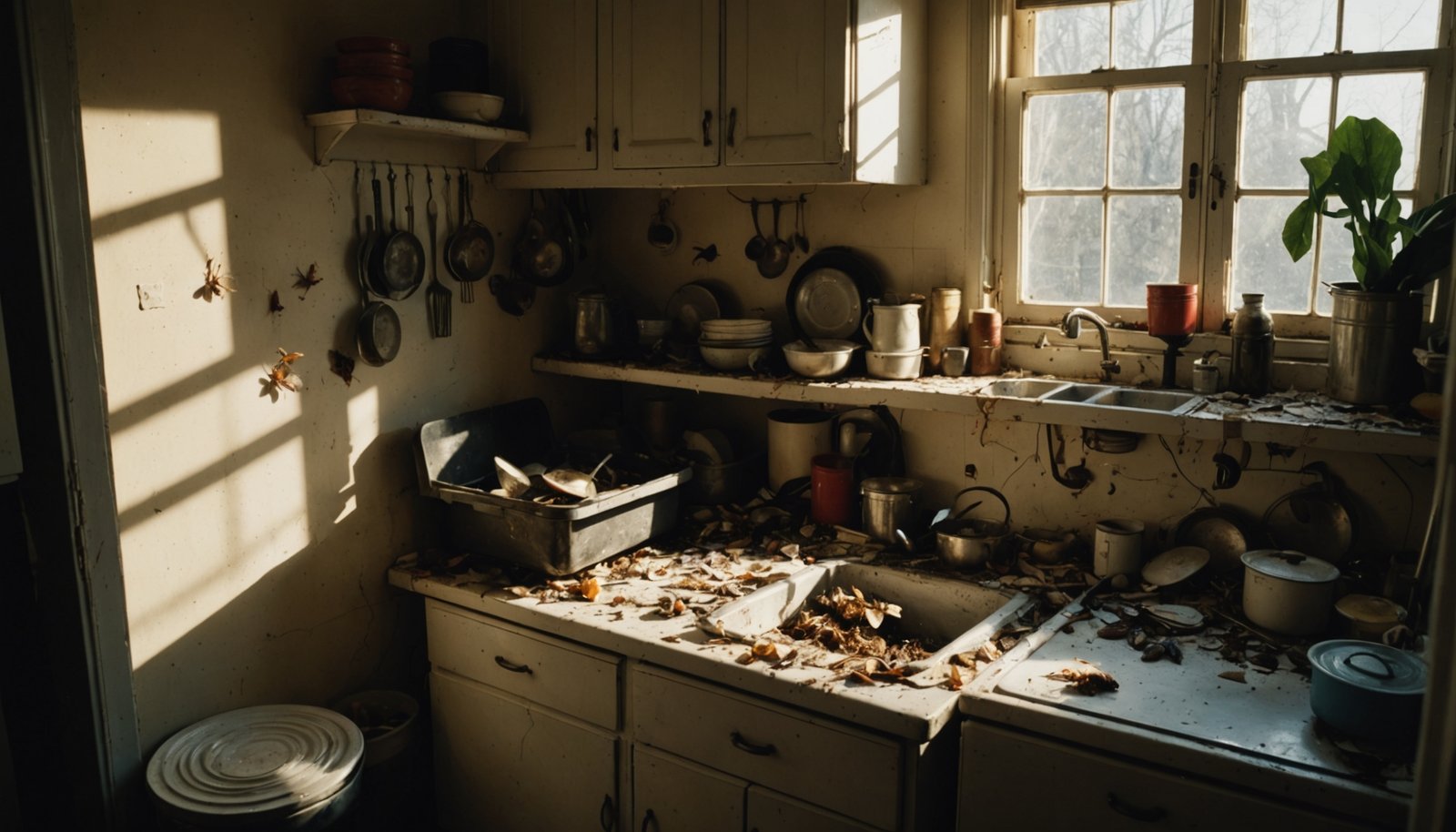
Even though landlords carry the main duty to keep a rental habitable, you can still be held responsible for a cockroach problem if your actions—or inaction—helped cause or worsen it. If you leave food out, let rubbish pile up, ignore dirty dishes, or fail to store food and dispose of waste properly, that’s tenant negligence and you’ll likely be blamed for any infestation that follows. Cockroaches can spread diseases and trigger allergies, which is why both parties must treat a pest-free environment as part of basic habitability.
You’re also responsible if you notice early cockroach activity but don’t report it. Failing to tell your landlord about small sightings or minor infestations lets the problem escalate and can shift liability to you.
Your tenancy agreement usually requires “tenant‑like conduct”: keeping the property clean, following basic hygiene rules, and using pest control properly. After treatment, you must clean as instructed, dispose of dead pests, monitor for new roaches, and promptly report any recurrence—or risk being held responsible.
Shared Responsibility For Roaches In Multi-Unit Buildings
In a multi‑unit building, responsibility for cockroach control is shared because one tenant’s problem can quickly become everyone’s problem. Roaches move through walls, ceilings, and pipes, so your shared hygiene and your neighbors’ efforts both matter. Even if you keep a spotless unit, neighboring habits like leaving food out or letting trash pile up can reintroduce pests. Landlords are legally required to maintain habitable, pest‑free conditions and to act promptly when infestations are reported.
Your landlord must start you in a pest‑free unit, schedule regular building‑wide treatments, and seal cracks, leaks, and gaps that let roaches travel. You’re responsible for daily cleanliness, proper food storage, and avoiding clutter and trash buildup that attract insects.
Reporting is also shared. You should immediately document signs of roaches with photos or videos and put complaints in writing. If several units are affected, coordinating a joint report helps show this is a building‑wide issue, pushing the landlord to arrange professional extermination for all impacted units, not just yours.
How Housing Laws Decide Cockroach Liability
When you’re sorting out who’s on the hook for a cockroach problem, housing laws start with the “implied warranty of habitability,” which usually puts the primary duty on your landlord to keep the place livable and pest-free. At the same time, you’ve got “tenant-like manner” obligations, meaning you must keep your unit reasonably clean and not create conditions that attract roaches. How these two legal ideas interact often decides whether you, your landlord, or both share liability for an infestation. In many states, including Texas, landlords must address health-affecting conditions like serious roach infestations once they’re properly notified and given a reasonable chance to fix the problem.
Implied Warranty Of Habitability
Although your lease might not mention cockroaches at all, California’s “implied warranty of habitability” still requires your landlord to keep your rental safe, livable, and free from vermin. This built‑in protection defines key tenant rights and landlord obligations, even if your contract is silent about pests.
Under Civil Code section 1941.1 and Health and Safety Code 17920.3, a unit must be free from roaches and other vermin to be legally habitable. If cockroaches are present, the law generally treats your place as uninhabitable until your landlord fixes the problem. They must act within a reasonable time after notice, typically 30 days, and take meaningful steps—like professional extermination and repairs that block entry points—to restore a safe, sanitary environment.
Tenant-Like Manner Obligations
Even with California’s strong habitability protections, housing laws don’t give tenants a free pass on cockroach problems: you’re expected to live in a “tenant‑like manner,” which mainly means keeping the place reasonably clean, storing food properly, and taking out trash before it piles up. These tenant obligations tie directly to legal cleanliness standards. If you let rubbish accumulate, ignore spills, or leave dirty dishes out, you create pest‑friendly conditions that can shift liability—and extermination costs—onto you.
You also have to act reasonably when you first notice pests. That means promptly reporting cockroach sightings in writing, especially if you suspect structural defects or issues in common areas. Delayed notice can make you partly responsible, even when your landlord handles infestations.
Landlord Duties For Cockroach Prevention And Repairs
Because cockroach infestations pose clear health and safety risks, landlords have a legal duty to keep rental units and common areas reasonably pest‑free and to act quickly once they’re notified of a problem. You must meet the implied warranty of habitability and housing code standards, which treat major pests like roaches as serious hazards when they’re not caused by tenant negligence. That means you’re responsible for reasonable preventive measures and timely pest control.
You’re expected to:
- Seal cracks, gaps, and broken seals, and repair moisture problems that let roaches in.
- Maintain clean, vermin‑proof trash areas and shared spaces so infestations don’t spread.
- Hire licensed exterminators, follow any required extermination programs, and keep records.
Once a tenant gives written notice, you must investigate quickly, schedule professional treatment if needed, and cooperate with housing or health inspectors. In multi‑unit buildings, you lead extermination efforts in all affected units and common areas.
Tenant Duties To Prevent And Report Roaches
Landlords carry the legal duty to maintain habitable, pest‑free housing, but you share responsibility for keeping roaches away and stopping small problems from spreading. Your core tenant obligations focus on sanitation and pest prevention. Store food in sealed containers, take trash out regularly, wipe up spills right away, and wash dishes promptly. Sweep and mop floors and keep garbage in secure bins so roaches can’t reach it.
You must also report roach sightings, leaks, and moisture problems to your landlord immediately. Quick notice lets management act before roaches spread to neighboring units or trigger health issues. Delaying reports turns a minor nuisance into a major infestation.
Cooperate with scheduled pest control by allowing access, following prep instructions, and using any cleanliness checklists provided. Read your lease so you understand specific sanitation rules. If poor housekeeping or deliberate damage invites pests, you can be held responsible for the infestation.
Who Pays For Pest Control, Damage And Deposits?
So who actually pays when roaches show up—the landlord or you? It usually comes down to what caused the infestation and what your lease says. If roaches were there before you moved in, came from structural defects, moisture leaks, or building-wide garbage problems, the landlord typically covers pest control costs and related repairs. In states like New Jersey, they must pay regardless of cause because of habitability rules.
You usually pay when your conduct clearly attracted pests—poor cleaning, food left out, or bringing in infested furniture. Many leases let landlords bill you directly and take extermination fees from your security deposit if they can show negligence.
Watch three key areas:
- What your lease says about routine pest control costs
- Any clauses tying pest problems to your housekeeping
- When landlords can justify deposit deductions for treatments and damage repairs
How To Prove Who Caused The Infestation
When roaches appear, you don’t just argue about blame—you prove it with evidence. You start by building infestation timelines. Dated photos from move‑in, inspections, and complaint days show whether the unit was clean before you arrived and when activity exploded. Daytime sightings in images and videos support claims of a serious infestation beyond normal levels.
Next, connect or disconnect tenant habits from the problem. Photos of dirty dishes, uncovered trash, or food left out can tie conditions to the outbreak. Lease clauses on cleanliness and reporting duties help you show who broke what rule and when.
Use this framework:
| Evidence Type | What It Proves | Who It Can Favor |
|---|---|---|
| Photos/Videos | Severity and timing | Landlord or tenant |
| Pest Control Records | Prior conditions and treatments | Usually landlord |
| Communications/Notices | Who reported, who ignored, and when | Either, depending facts |
What To Do If You Disagree About Liability
Even with clear evidence, you and the other side might still clash over who’s to blame for the roaches, so you need to shift from arguing to formally protecting your rights. Start by tightening your liability assessment. Put everything in writing: dates, detailed descriptions, and photos or videos. Send complaints by certified mail or trackable email, and copy your local housing authority. Multiple unanswered notices can later show negligence.
Document everything in writing with evidence and official notices to protect yourself and show negligence
Use dispute resolution strategically, not as a substitute for documentation. Before any hearing or mediation, review your lease and local habitability laws so you know what standards apply.
- Notify in writing and escalate to housing authorities if the landlord ignores you.
- Consult a tenant-rights attorney or legal aid to evaluate remedies and court options.
- Consider rent withholding, constructive eviction, or filing in housing or small-claims court for repairs, orders, or compensation, depending on your jurisdiction.
Frequently Asked Questions
Can I Break My Lease Early Because of a Severe Cockroach Infestation?
You can sometimes break your lease early if the severe infestation makes the place unlivable. Document everything, assert your tenant rights, request repairs in writing, then pursue constructive eviction or lease termination through local housing authorities or court.
What Evidence Should I Collect if I Suspect My Neighbor Caused the Roaches?
You should focus your evidence gathering on photos of shared walls, vents, and pipes, logs of dates/times roaches appear, landlord reports, pest-control findings, and neighbor responsibility indicators like visible trash, leaks, or untreated infestations next door.
Are Roach Infestations Treated Differently in Student Housing or HMOS?
No, roach infestations aren’t usually treated differently in student housing or HMOs. You still rely on habitability laws: landlords handle building-wide pest control, while you must keep your unit sanitary and promptly report problems.
How Do Cockroach Issues Affect Rent Increases or Renewals?
Cockroach issues can block rent hikes and derail renewals if you prove uninhabitable conditions. You’d document infestations, show poor cockroach prevention, then use local law and rental agreements to demand reductions, freezes, or negotiate repairs before renewing.
Can I Withhold Rent if the Landlord Ignores Ongoing Cockroach Problems?
You can sometimes withhold rent, but only after you assert tenant rights properly: report cockroaches in writing, document everything, keep the place clean, give notice, allow landlord pest control access, and get legal advice first.
Conclusion
In the end, you don’t have to accept living with cockroaches—or unfair blame for them. Know your local laws, your lease, and your basic duties to keep the place clean and report problems quickly. Document conditions, cooperate with pest control, and communicate in writing. When you understand how liability works, you’re in a stronger position to push for proper treatment, protect your deposit, and if needed, challenge a landlord who isn’t doing their part.
