
Cockroaches Still Active After Exterminator Visit? Here Is Why
It’s actually normal to see more roaches right after an exterminator visit. Treatments flush them from hiding, so you’ll notice disoriented roaches for a few days. Eggs are protected in hard cases, so new nymphs can still hatch for weeks. In multi-unit buildings, roaches may also wander in from untreated neighbors. You should see a clear decline within a few weeks; if you want to understand the timeline and what to watch for next, keep going.
Key Takeaways
- Treatments often flush hidden roaches from nests, so you may see more—especially in daylight—for the first 24–48 hours.
- Roach eggs are protected inside oothecae, so new nymphs can keep hatching for weeks after chemicals are applied.
- In multi-unit buildings, roaches can continuously re-enter through shared walls, plumbing lines, and small gaps from untreated, infested neighboring units.
- Some roaches survive longer due to natural resistance, strong detoxification systems, and effective hiding spots that reduce direct exposure to pesticides.
- Cleaning off residues too soon, leaving food or water available, or not fixing leaks can weaken treatment effectiveness and prolong visible activity.
Is It Normal To See Roaches After Treatment?
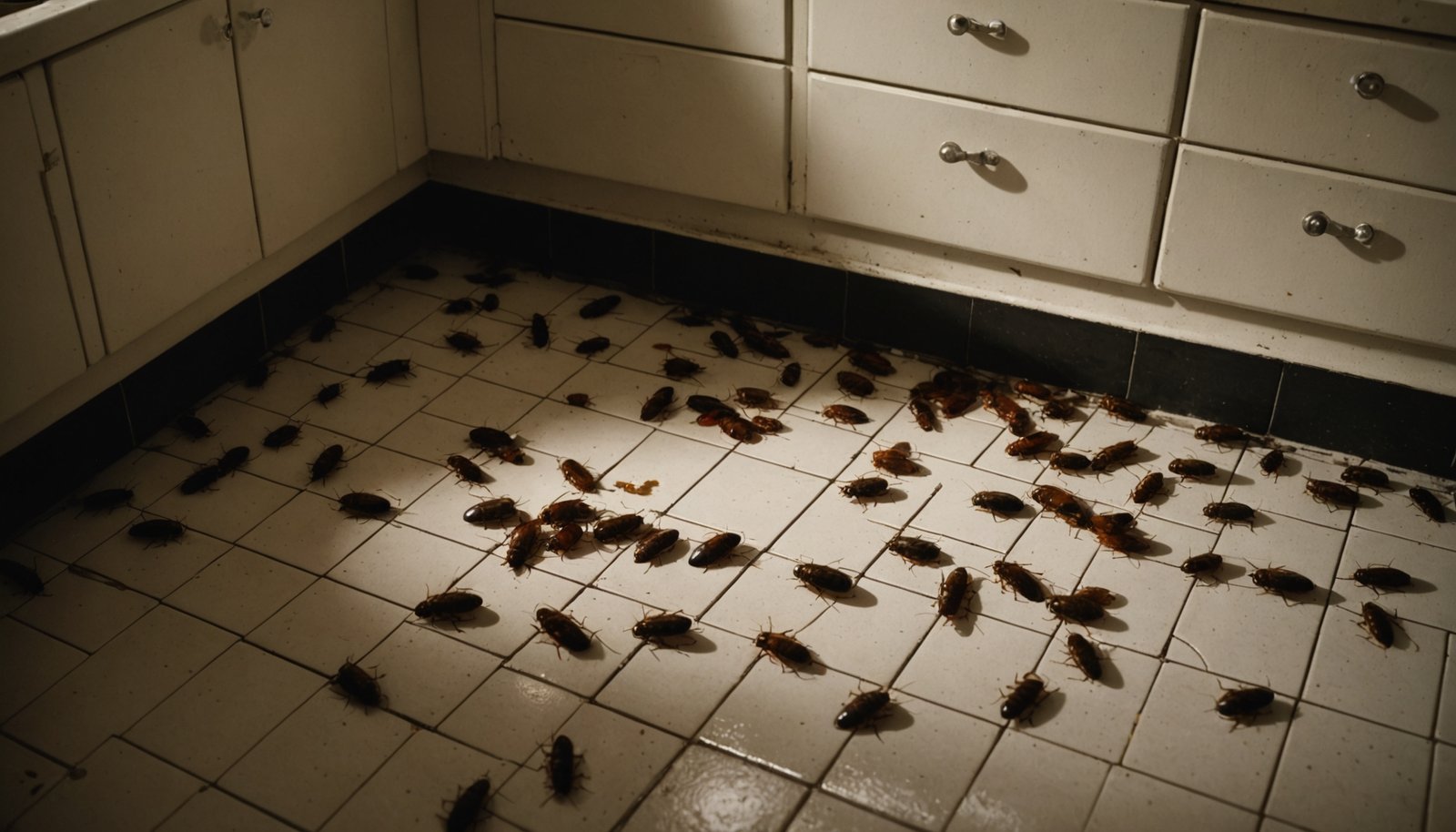
Surprisingly, yes—seeing more roaches right after an exterminator visit is usually normal and often means the treatment’s actually working. Once products go down, roach behavior changes fast. Baits and sprays flush them from nests, so you suddenly spot insects that were previously hidden. It’s common to see them wandering in the open or even during the day, which signals they’re disoriented and repelled by the chemicals. [Because roaches can travel through shared walls and plumbing, nearby units with untreated infestations can act as a continuing source of reinfestation.]
Your treatment expectations should include some short-term increased activity. Surviving roaches may move slowly or erratically as the products take effect and they carry poison back to harborage areas. You might also notice smaller roaches that recently hatched, because eggs inside their protective oothecae often survive initial pesticides and emerge later. That doesn’t mean the service failed; it means the treatment’s reaching different stages of the population. Overall, continued sightings right after service are a typical part of the control process.
How Long Roaches Stay After Treatment
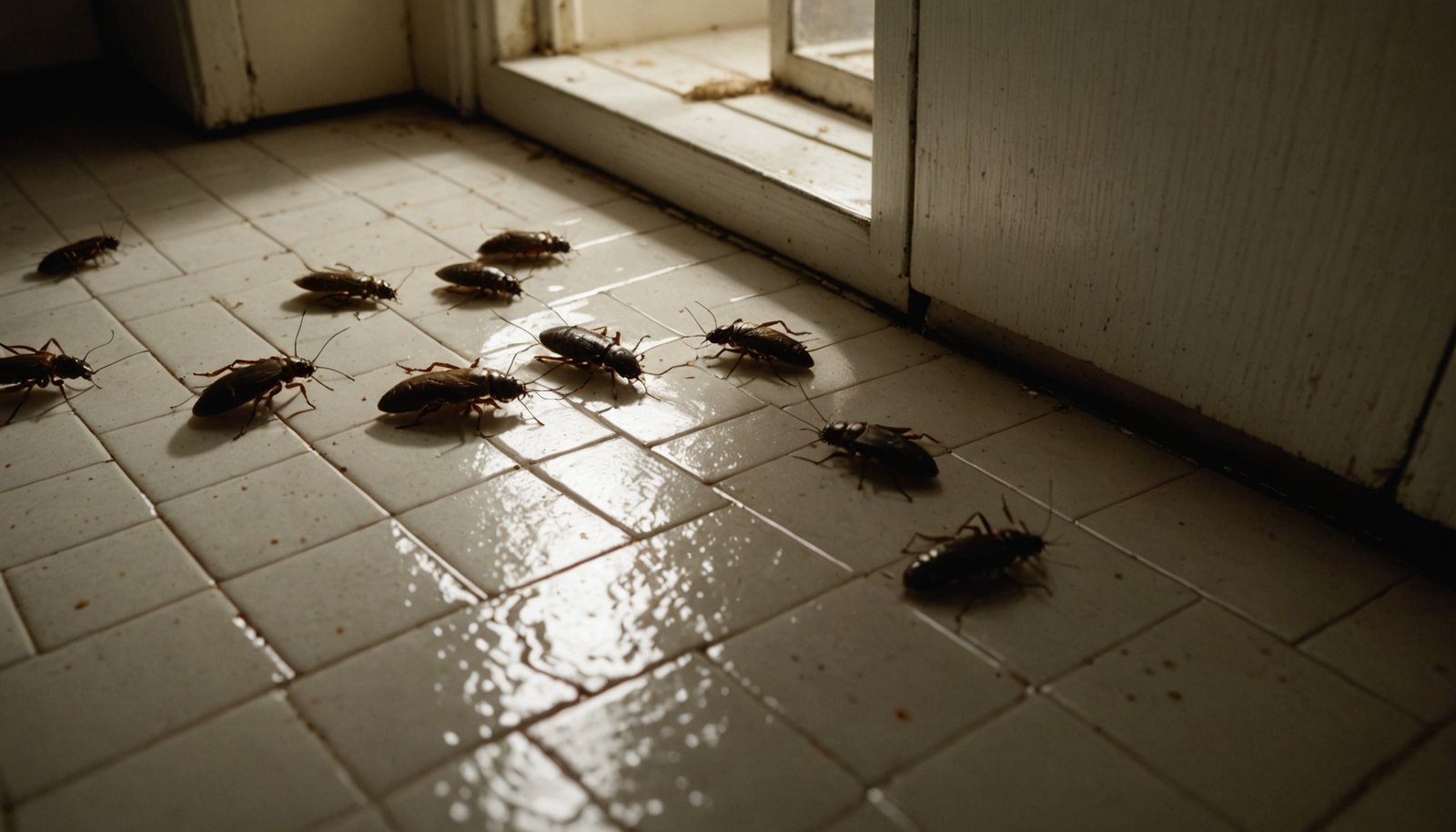
After an exterminator treats your home, roaches usually don’t disappear overnight, so you’ll notice a gradual decline over several weeks. You need to know what a normal post-treatment timeline looks like so you don’t panic too soon or ignore a real problem. Since roaches are nocturnal insects, you may still spot them mostly at night as the existing population gradually dies off and new activity slows. Next, you’ll see when ongoing roach activity crosses the line from expected to concerning.
Typical Post-Treatment Timeline
Once a professional treatment goes down, cockroaches don’t disappear overnight, and their behavior follows a fairly predictable timeline. To set realistic treatment expectations, you’ll want to understand the population dynamics behind what you’re seeing.
In the first 24–48 hours, expect a spike in visible roaches as chemicals flush them from hiding. Many move slowly, in daylight, with spasms and confusion—that’s the product working. During the first week, numbers often drop 70–80%, especially with gel baits, though you may still see nymphs and adults near bait placements. Because female roaches carry protected egg cases, complete elimination can take several weeks as newly hatched nymphs must also contact the treatment.
When Activity Becomes Concerning
Although a short-term surge in roach activity is normal, there’s a point where what you’re seeing should raise red flags. In the first 24–48 hours, increased roach behavior, even daytime sightings, usually means the insecticide is working. You’ll see disoriented roaches leaving hiding spots to seek food and water. During this time, some of this activity can also be caused by muscle spasms triggered by the insecticide.
For German cockroaches, you should see a 70–80% drop in activity within the first week and major improvement within five weeks. If you still see frequent roaches after that, especially with good sanitation, it’s time to question what’s happening.
| Timeframe | What You Should See | What’s Concerning |
|---|---|---|
| 0–48 hours | More visible roaches | None |
| 3–7 days | Clear reduction | No change in numbers |
| 2–5 weeks | Occasional roaches, mostly nymphs | Regular adult sightings |
| 6–8 weeks+ | Rare roach behavior | Ongoing infestation signs everywhere |
Roach Eggs and Post-Treatment Hatchings
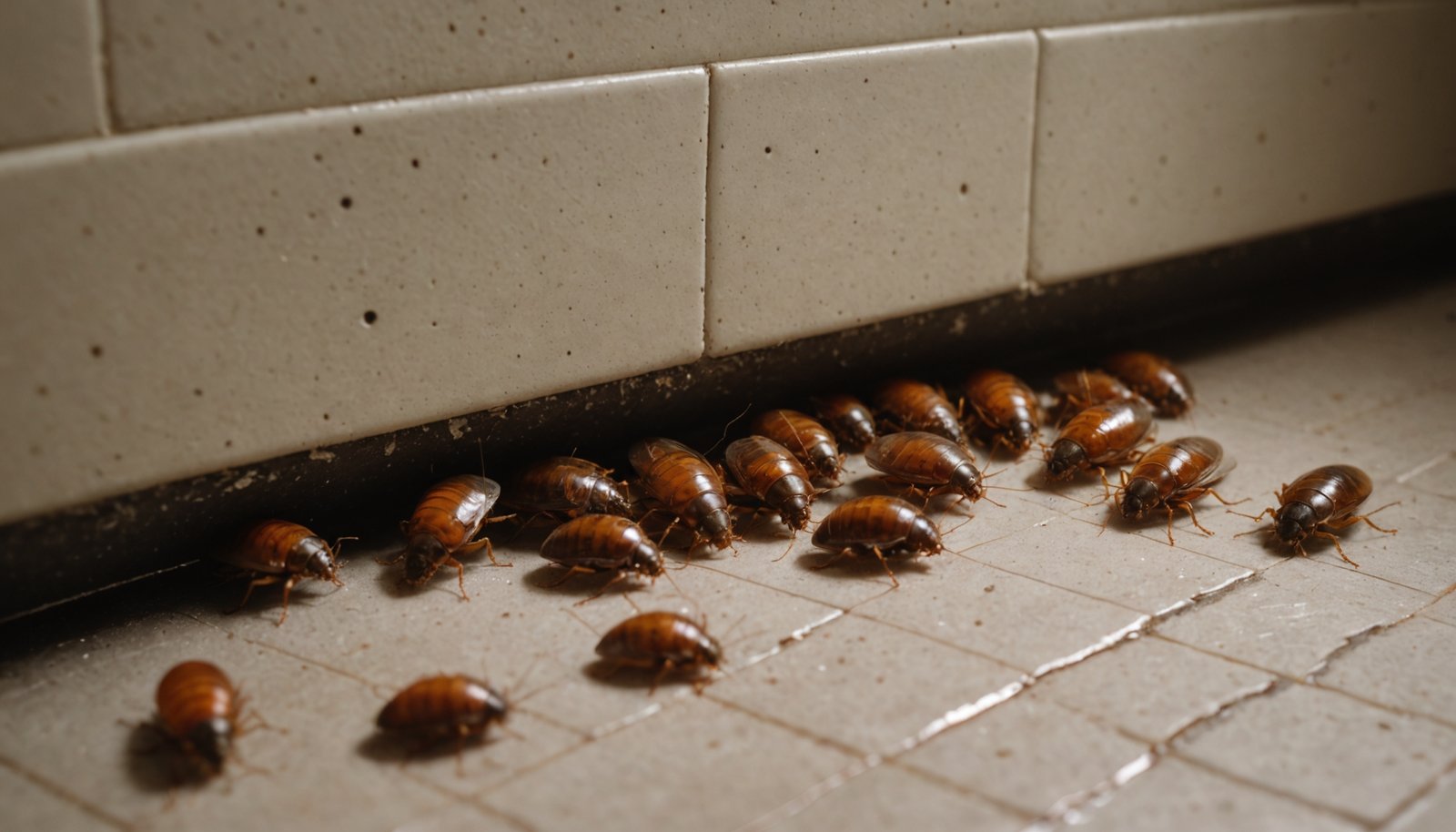
Because cockroach eggs sit protected inside tough oothecae, you can see new roaches weeks after a “successful” extermination and think the treatment failed when it actually didn’t. These capsules block most insecticides, so pesticides don’t reach the embryos. Understanding egg viability and the hatching timeline helps you interpret what you’re seeing after treatment. Maintaining cleanliness and sealing entry points helps reduce the chances that these newly hatched nymphs will find food and shelter and turn into a larger infestation.
Each German ootheca typically holds 30–48 eggs, and about 3 out of 4 can survive standard pest control. At warm indoor temperatures (around 86°F), they hatch in about 28 days; at cooler 70°F, it can take 60 days. Other species, like American roaches, need roughly 8 weeks.
You’ll often notice activity when nymphs emerge at night, then darken within hours. Fresh, plump cases usually mean hatchings are imminent, while dented capsules are likely dead. Seeing empty cases with a split seam means they’ve already released nymphs that current treatments must now target.
Roach Survival Traits That Slow Down Treatment
Even after professional treatment wipes out most of the visible roaches, the species’ built‑in survival traits can slow everything down and make it seem like nothing’s working. You’re not just dealing with insects; you’re up against a pest that’s evolved powerful survival tactics over millions of years.
Cockroaches carry detoxification genes that help them break down poisons and pesticides, so some individuals shrug off residues that would kill other bugs. Their scavenger metabolism also lets them adapt quickly to new toxins in their environment.
Physically, they’re hard to kill outright. A tough exoskeleton, the ability to survive decapitation, and leg regeneration mean many injured roaches don’t die immediately.
They also excel at hiding and dodging contact with treatments.
- Squeezing into hairline cracks beyond spray reach
- Holding their breath and surviving brief submersion
- Developing glucose aversion that makes standard baits far less attractive
Why Some Roach Treatments Don’t Work
Once you understand how tough roaches really are, it becomes clear why some treatments just don’t work the way the label suggests. German cockroaches show widespread pesticide resistance, especially to pyrethroid sprays that dominate store shelves. Field populations routinely survive five different pesticide types, even at doses far above what you can safely apply at home, so treatment efficacy drops sharply in real apartments.
Consumer sprays that claim “kills on contact” often kill less than 20% of roaches within 30 minutes, and only work well after many hours of continuous contact—something that almost never happens on real surfaces, especially porous drywall. Gel baits aren’t a magic fix either. Indoxacarb, fipronil, and clothianidin baits now fail in many infestations, with resistance doubling within a year and mortality sometimes below 30% even at triple dose. When products can’t overcome resistance, you see surviving roaches and a quickly rebounding infestation.
How Roaches Return After Treatment From Neighbors
Even if your unit’s been treated perfectly, roaches can still march in from neighbors through shared walls and plumbing lines. They use tiny cracks, gaps around pipes, and loose baseboards as hidden highways into your space. To stop this, you’ll need to understand where these entry gaps are and how to close them effectively.
Shared Walls And Plumbing
Although your apartment might look spotless after treatment, cockroaches can still slip back in through shared walls and plumbing that connect your unit to your neighbors’. In multi‑family buildings, shared walls work like hidden hallways. Roaches nest in an infested unit, then move through gaps around pipes and utility lines, reaching your kitchen or bathroom even when you’re careful and clean.
Plumbing issues make this worse. Leaky pipes, dripping faucets, and damp cabinets attract roaches and help them travel along connected lines between apartments, especially in older buildings with water damage.
- Roaches follow moisture and warmth along hot‑water lines.
- Water‑damaged walls and floors boost the odds they’ll return.
- Each untreated, infested unit becomes a constant source for neighbors.
Closing Entry Gaps
Roaches don’t just appear out of nowhere after treatment—they slip back in through small, often overlooked entry gaps that connect your home to neighboring units. They squeeze under doors, through cracks in walls and foundations, around windows, vents, and even floor drains. Without focused entry sealing, they’ll repopulate treated areas quickly.
Use targeted inspection tips: at night, check door bottoms, window frames, baseboards, vents, and plumbing lines with a flashlight. Caulk gaps around doors, windows, and vents. Pack steel wool into wall and foundation cracks. Install fine wire mesh over vents and larger openings, and seal around pipes. Add weatherstripping under doors. After treatment, keep clutter away from these spots and monitor for new droppings, exoskeletons, or 2–5 roach sightings.
What To Do Right After Roach Treatment
Once the exterminator leaves, what you do next can determine how effective the roach treatment will be. Follow their post treatment procedures closely and resist the urge to scrub everything immediately. Those products need time—often four to six weeks—to work fully. Stick to their cleaning guidelines so you don’t dilute or remove the chemicals.
Right after treatment, avoid mopping, sweeping, or wiping treated baseboards, cracks, and cupboards. Light, careful wiping on untouched surfaces is fine, but don’t disturb baits, dusts, or residues.
To boost results and make your home less attractive to surviving roaches:
- Fix leaks, mop up standing water, and dry sinks and tubs so thirsty roaches can’t recover.
- Store food in sealed containers, clean grease and crumbs, and keep trash covered.
- Inspect kitchens and bathrooms regularly, watching where roaches appear so you can report patterns at your next service.
When To Call Your Exterminator Back
So how do you know when normal post-treatment activity crosses the line into a problem that needs your exterminator back? Use time and numbers. If you’re still seeing regular roach activity beyond 2–4 weeks, especially more than just a few stragglers, it’s time for an extermination follow up. Persistent high trap counts, sightings in multiple rooms, or fresh droppings all suggest the initial pest control strategies didn’t hit the whole population.
At the 3‑month mark, you should see a clear decline. If it looks the same as week one, call. By 6 months, most units in studies see about a 75% drop; if yours doesn’t, you may need more bait or a different product. Any surge after an early 90% reduction can signal resistance or a new infestation. Also call back if neighbors report new roach problems or DIY sprays aren’t making any dent.
Frequently Asked Questions
Can Roaches Become Completely Immune to All Professional Pesticides Over Time?
No, roaches haven’t shown complete immunity yet, but you should expect rising pesticide resistance. Their rapid genetic adaptation lets them survive multiple classes, so you’ll need integrated control: sanitation, exclusion, rotation, and non-chemical methods.
Do Natural or DIY Treatments Interfere With Professional Cockroach Extermination Results?
Yes, DIY treatments and natural repellents can reduce exterminator effectiveness by scattering roaches, contaminating bait areas, and promoting resistance. If possible, stop all home remedies before service and follow your pro’s treatment timing and prep instructions closely.
Can Roach Infestations Impact Indoor Air Quality or Trigger Respiratory Issues?
Yes, roach infestations can degrade indoor air quality and trigger respiratory issues. You inhale roach allergens and endotoxins in dust, which act as potent asthma triggers, causing wheezing, inflammation, headaches, and worsening symptoms, especially in children.
How Can I Prevent Bringing Roaches Home From Work, School, or Public Places?
You prevent bringing roaches home by inspecting bags, shaking out clothes, and avoiding floor contact. Strengthen pest prevention with strict hygiene practices, sealed food storage, minimal clutter, and smart travel tips like isolating belongings and laundering items immediately after returning.
Are Certain Building Materials or Home Layouts More Prone to Cockroach Problems?
Yes. You’re more likely to get roaches in home layouts with high density and shared walls, plus damaged building materials—peeling paint, moldy or rotting wood, leaks, cracked floors, and cluttered kitchens or bathrooms.
Conclusion
Seeing roaches after treatment doesn’t mean it failed—it often means the products are working and flushing them out. Give the treatment time, follow your exterminator’s prep and cleanup instructions, and cut off food, water, and hiding spots. Watch for baby roaches and patterns of activity. If you’re still seeing regular movement after the expected window, don’t wait—call your exterminator back so you can adjust the plan and finally shut down the infestation.
