
Cockroaches Still Active After Exterminator Visit? Here Is Why
Seeing cockroaches after pest control treatment is normal and expected — 38.7% of households report seeing cockroaches within two weeks after treatment. The insects you see in the days immediately after an exterminator visit are almost always dying cockroaches driven out of harborage by the treatment, not evidence that the treatment failed. Cockroach eggs can survive up to 45 days post-treatment in untreated areas, which means a second wave of nymphs hatching from egg cases the treatment could not reach is a predictable part of the elimination process rather than a sign of failure. About 29.3% of infestations require at least three pest control visits for complete elimination, and in urban areas cockroach population rebound rates reach approximately 16.8% within one month after treatment — primarily from egg cases and neighboring unit migration rather than treatment-resistant adults. Understanding the timeline and what normal post-treatment activity looks like is the difference between following through on a treatment plan that is working and prematurely switching strategies.
Key Takeaways
- Seeing cockroaches after treatment is normal — 38.7% of households see cockroaches within two weeks post-treatment, mostly dying insects driven from harborage.
- Cockroach eggs survive up to 45 days in untreated areas, meaning a second wave of nymphs hatching weeks after treatment is expected and planned for in professional treatment programs.
- 72.4% of pest control failures are due to improper application of insecticides — not treatment-resistant cockroaches.
- About 29.3% of infestations require at least three pest control visits for complete elimination.
- The difference between normal post-treatment activity and a genuine treatment failure is timing, the type of cockroaches seen, and whether the number is increasing or decreasing week over week.
Why You Are Still Seeing Cockroaches After Pest Control
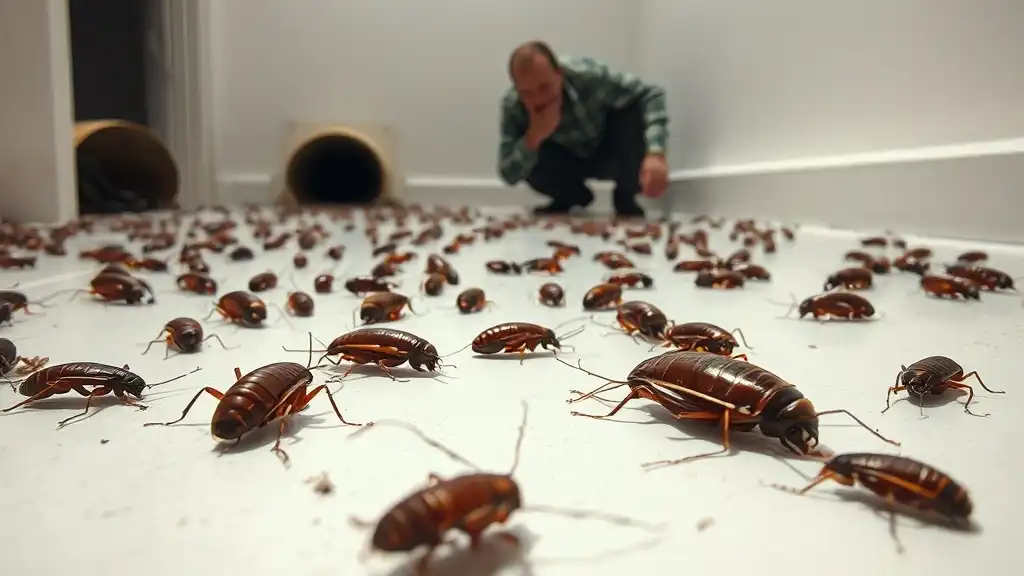
Cockroaches visible after an exterminator visit are nearly always dying insects, not thriving ones. Pest control treatments work by applying insecticides in harborage zones — behind appliances, inside wall voids, under sinks, along baseboards — where cockroaches rest during the day. When disturbed by application activity and exposed to residual insecticide, cockroaches abandon their normal nocturnal pattern and become visible in areas they typically avoid. This increased activity in the days following treatment is the treatment working, not failing.
The cockroaches you see moving slowly, erratically, or in unexpected locations like open floor space in daylight are neurologically impaired by insecticide exposure. They will die within hours to days of exposure. The critical question is not whether you see cockroaches in the days after treatment — you should expect to — but whether the number of sightings is declining week over week. A declining trend confirms the treatment is working. A flat or increasing trend after two weeks warrants a follow-up call to your pest control company. See our guide on what dead cockroaches after treatment mean for the full breakdown of what normal post-treatment evidence looks like.
What Time Frame Is Normal to See Results?
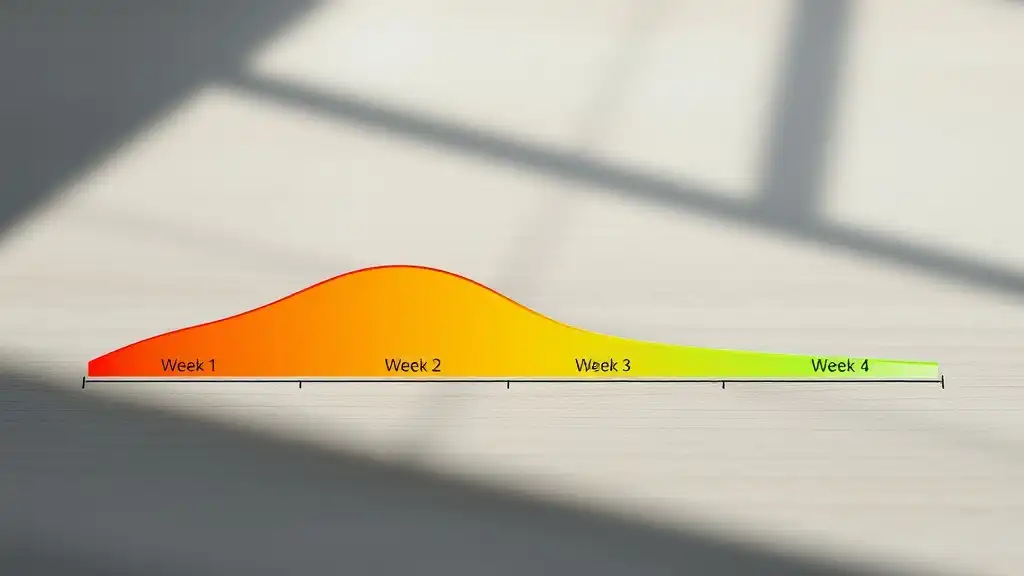
Professional cockroach treatment works on a predictable timeline that most homeowners do not know in advance, which causes unnecessary concern during the normal activity phase.
Days 1 to 3 after treatment: highest visible cockroach activity as insects are disturbed from harborage and exposed to residual insecticide. This is the peak concern period and the period most likely to make homeowners question whether the treatment is working. Cockroaches seen during this window are almost always dying.
Days 4 to 14: activity declines as the initial population exposed to insecticide dies off. You should see fewer cockroaches each day through this period. Some days may show spikes — particularly if weather or activity disturbs harborage — but the trend should be downward.
Days 14 to 45: the second wave window. Cockroach eggs survive up to 45 days post-treatment in untreated areas. Nymphs hatching from egg cases deposited before or just after treatment will appear during this window. This is normal and expected. Professional treatment programs specifically account for this by scheduling a follow-up visit at 30 days to treat the second generation before it reaches reproductive adulthood. Seeing small nymphs 3 to 6 weeks after treatment does not mean the treatment failed — it means the treatment reached the adults but missed egg cases, which is expected behavior of the treatment chemistry.
Beyond 45 days with continuing activity: this indicates either a reinfestation source (a neighboring unit, recurring entry point, or untreated building area) or an inadequate initial treatment that missed primary harborage zones. See our detailed timeline guide for week-by-week expectations after professional cockroach treatment.
Signs the Treatment Was Actually Ineffective
72.4% of pest control failures are due to improper application of insecticides rather than treatment-resistant cockroaches. Knowing what genuine failure looks like helps you distinguish it from the normal post-treatment activity period.
Signs the treatment may have been inadequate rather than still working include: cockroach activity that is not declining by the end of the second week, large healthy-looking adults (not impaired or dying) appearing in numbers equal to or greater than before treatment, daytime sightings of multiple healthy roaches which indicates the harborage zones are still at overcrowding capacity rather than being depleted by insecticide, and new egg cases appearing in locations that were inspected and treated rather than in areas the treatment could not reach.
72.4% of pest control failures trace to improper application — the insecticide was applied in the wrong locations (open surfaces rather than harborage-specific crack and crevice treatment), the wrong active ingredient was used for the species present, or the amount applied was insufficient for the population size. If you suspect the treatment was inadequate rather than still in progress, contact the pest control company and request a specific explanation of where and what was applied. A legitimate professional will be able to describe the specific harborage zones treated and the active ingredients used.
Why Some Cockroaches Survive Treatment
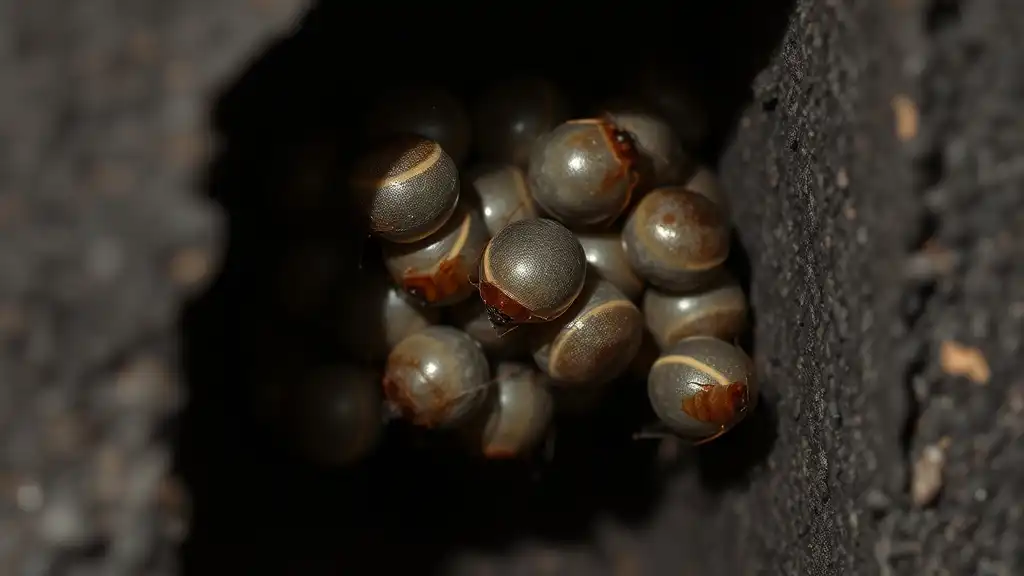
Egg Cases Hatching After Treatment
Cockroach egg cases are the most common reason homeowners see a second wave of cockroaches weeks after a treatment appeared to work. The protein exterior of the ootheca provides chemical resistance that prevents most topical insecticides from penetrating to the eggs inside. Cockroach eggs can survive up to 45 days post-treatment in untreated areas, meaning every egg case that was not physically removed before or during treatment represents a future population cohort. This is why professional treatment programs always include a scheduled follow-up visit — not because the first treatment failed, but because the biology makes a single treatment mathematically insufficient to achieve complete elimination when egg cases are present.
Inaccessible Harborage Zones
Wall voids, inside appliance motor housings, and behind permanently installed fixtures are the most common locations where cockroach populations survive treatment. Surface applications and even crack-and-crevice applications cannot always reach cockroaches sheltering deep in wall voids. Gel bait placed in accessible harborage locations works through the cascade kill mechanism — cockroaches that consume bait are consumed by other colony members through grooming and cannibalizing dead individuals — which extends treatment reach into harborage zones the applicator could not directly access. For wall void infestations that survive surface treatment, professional void injection using boric acid dust or insecticidal dust is the most effective follow-up approach.
Insecticide Resistance
German cockroach populations in areas with long histories of chemical pest control can develop insecticide resistance to specific active ingredients — particularly pyrethroids — through genetic selection over multiple treatment cycles. If you are using the same active ingredient repeatedly and seeing diminishing results with each application, resistance is a realistic possibility. Professional pest control companies manage resistance by rotating active ingredients across treatment visits — fipronil, indoxacarb, and abamectin gel bait rotations are the standard approach. If your current pest control company is using the same product on every visit without rotation, request an active ingredient change.
Environmental Factors Affecting Treatment Effectiveness
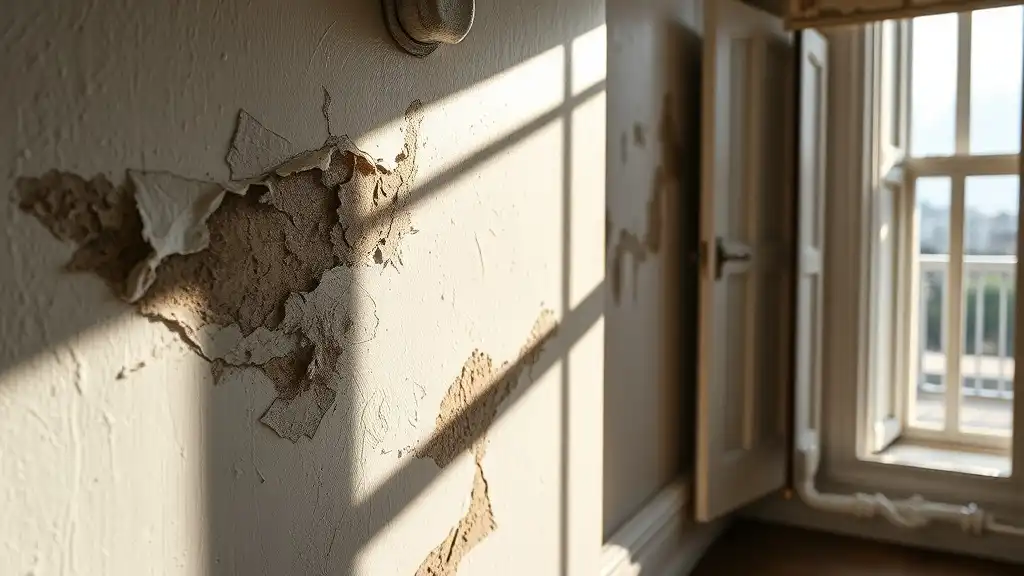
The most common environmental factor undermining treatment effectiveness is reinfestation from a source that was not addressed during treatment. In apartments and multi-unit buildings, neighboring units with active infestations continuously reintroduce cockroaches through shared plumbing, wall voids, and electrical conduits — in urban areas cockroach population rebound rates reach approximately 16.8% within one month after treatment primarily from this source. Treating a single apartment unit while adjacent units remain untreated is like bailing out a boat without finding the leak.
Moisture sources that were not addressed during treatment — leaking pipes under sinks, condensation on cold water lines, clogged drain areas — sustain the population that survived treatment and accelerate recovery. Structural entry points including foundation gaps, pipe penetrations, and door sweep gaps that allow outdoor cockroaches access to the treated area undermine any chemical treatment applied inside. Any treatment plan that does not address these environmental factors alongside chemical application is treating symptoms rather than the underlying infestation source.
What to Do If You Are Still Seeing Cockroaches
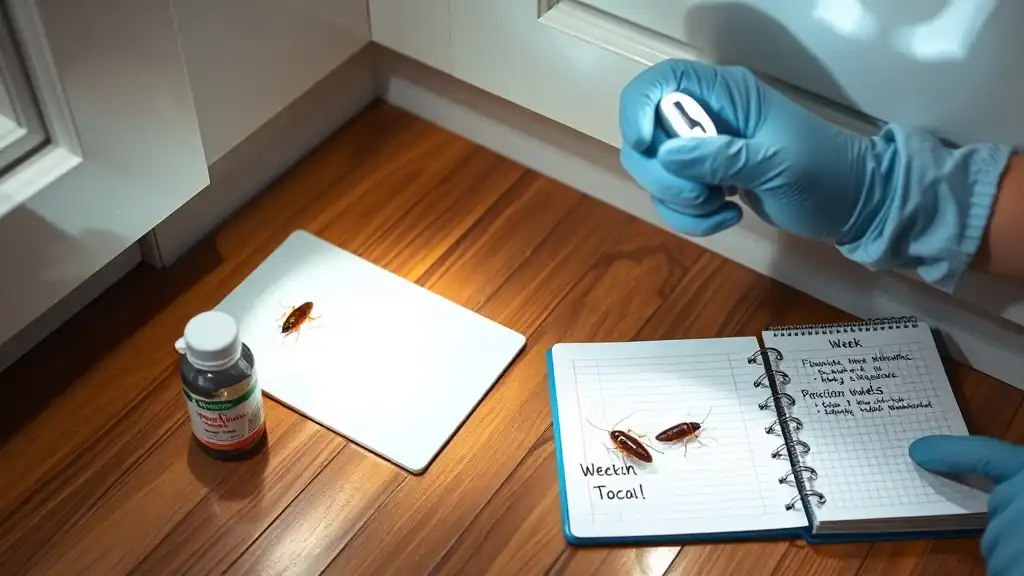
During the First Two Weeks
Do not clean harborage areas aggressively or wipe down the surfaces where insecticide was applied. Residual insecticide needs to remain on surfaces for the cockroaches still emerging from harborage to contact it. Mopping floors and wiping cabinets immediately after treatment removes the residual before it can work on the full population. Light cleaning of food preparation areas is fine — the key is not to remove the insecticide residual from the harborage areas the applicator treated. Maintain normal food storage and garbage practices throughout this period.
During Weeks Three Through Six
This is the egg case hatching window. If you see small nymphs appearing — particularly in concentrated areas rather than spread throughout the home — place sticky monitoring traps to quantify the population and identify which rooms have the highest activity. This information tells your pest control professional where to focus the follow-up treatment. Avoid applying DIY cockroach spray during this window as it can displace cockroaches away from gel bait placements, reducing the effectiveness of the cascade kill mechanism from the first treatment.
When to Call Back Your Pest Control Company
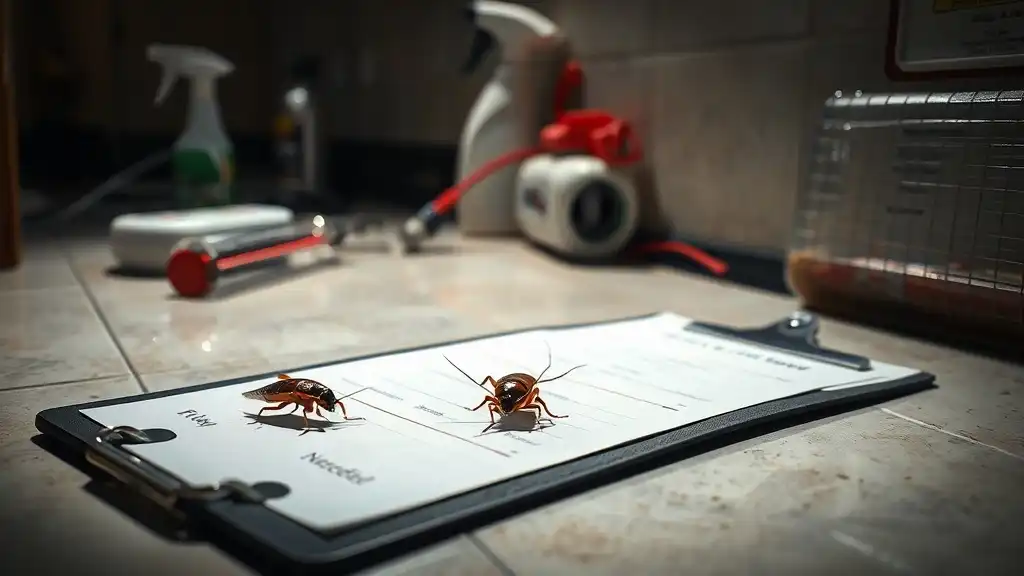
Call back your pest control company if cockroach activity has not declined noticeably by day 14, if you are seeing large healthy adults in numbers comparable to before treatment after day 7, or if you are seeing significant activity in areas that were not active before treatment which suggests displacement rather than elimination. Most professional pest control companies include at least one follow-up visit in their treatment plan — if yours does not, request one explicitly and confirm when it is scheduled.
About 29.3% of infestations require at least three pest control visits for complete elimination. This is not a sign of incompetence or a failed treatment — it is the biology of cockroach reproduction combined with the chemistry limitations of available insecticides. An honest pest control professional will explain this upfront and schedule follow-up visits accordingly rather than treating a single visit as complete service. See our full guide on what to expect after professional cockroach treatment for a complete post-treatment checklist and follow-up scheduling guide.
Safety Precautions During Follow-Up Visits
During and after follow-up pest control visits, the same precautions apply as for the initial visit. Keep people and pets out of treated areas for the time specified by the applicator — typically 2 to 4 hours for spray applications and no wait required for gel bait applications. Wash food preparation surfaces before using them after treatment. Do not allow children to play on treated floor surfaces until the recommended re-entry window has passed. Gel bait treatments require no special precautions beyond keeping pets away from bait placement locations since the bait is attractive to cockroaches specifically through species-specific attractants.
For follow-up void treatments using insecticidal dust, the wait period is typically longer — the applicator should specify the exact re-entry time based on the product used. Request the Safety Data Sheet (SDS) for any insecticide applied in your home if you have children, pregnant household members, or residents with respiratory conditions — this is your right as a property owner and a legitimate professional will provide it without hesitation.
Preventing Cockroaches from Coming Back
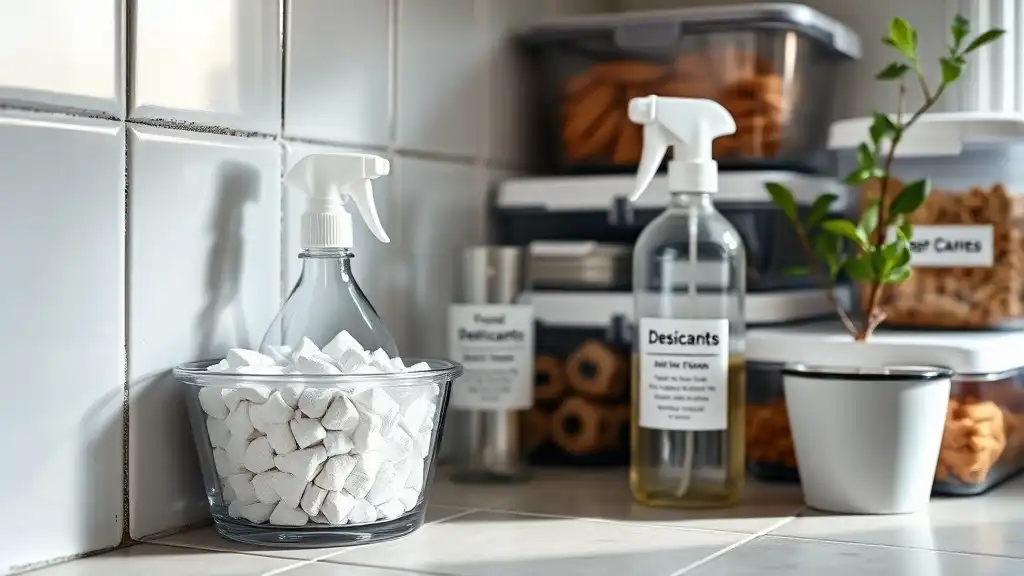
Preventing reinfestation after successful treatment requires addressing the conditions that made the property hospitable to cockroaches in the first place. Fix all plumbing leaks and eliminate moisture access points — this is the single highest-impact structural change available since German cockroaches, the most common indoor species, cannot sustain populations without consistent water access. Store all food in sealed hard-sided containers, take garbage out daily, and wipe food preparation surfaces nightly to eliminate the food signals that attract both wandering cockroaches from outside and foraging cockroaches from untreated neighboring areas.
Seal all structural gaps around pipe penetrations, baseboard edges, and appliance gaps with silicone caulk. Install door sweeps on all exterior-facing doors. In apartment settings, request coordinated building-wide treatment from your property management — individual unit treatment without neighbor cooperation will result in reinfestation within weeks from shared plumbing infrastructure. Regular monthly sticky trap monitoring catches new activity at low population levels before it builds back to infestation density, allowing targeted early intervention rather than reactive treatment of an established re-infestation.
Frequently Asked Questions
Is It Normal to See Cockroaches After Pest Control?
Yes — 38.7% of households see cockroaches within two weeks after pest control treatment. Increased cockroach activity in the first 3 to 7 days after treatment is expected and indicates the treatment is working by driving insects out of harborage and into contact with residual insecticide. The key indicator is whether activity is declining over time. A declining trend through weeks one and two confirms the treatment is working. Flat or increasing activity after two weeks warrants a follow-up call.
How Long After Pest Control Should I See Results?
Visible reduction in cockroach activity should be noticeable by day 7 to 14 after treatment. Complete elimination typically takes 30 to 90 days across multiple treatment visits depending on infestation severity. About 29.3% of infestations require at least three visits for complete elimination. Cockroach eggs surviving in untreated areas can hatch up to 45 days post-treatment, creating a predictable second activity wave that a scheduled follow-up visit addresses specifically.
Can Cockroach Eggs Survive Pest Control?
Yes. Cockroach eggs inside oothecae can survive up to 45 days post-treatment in untreated areas because the protein exterior of the egg case provides chemical resistance that prevents most topical insecticides from penetrating to the eggs inside. This is the most common reason for a second wave of cockroaches appearing weeks after treatment and is a predictable, planned-for part of any professional cockroach treatment program that includes a follow-up visit.
Can DIY Treatments Help Between Professional Visits?
Cautiously, yes. Gel bait placed in harborage locations identified by sticky trap monitoring extends the cascade kill mechanism between professional visits. Avoid aerosol sprays during the treatment period — they repel cockroaches away from gel bait placements and reduce the effectiveness of the professional treatment already in place. Desiccant dusts applied in dry harborage areas kill cockroaches physically rather than chemically and do not interfere with gel bait programs. Physical removal and destruction of any visible egg cases is always appropriate and removes future population cohorts before they hatch.
Why Do Some Infestations Need Three or More Treatments?
About 29.3% of infestations require three or more pest control visits for complete elimination because the cockroach life cycle creates multiple population cohorts that mature on different timelines. The first treatment eliminates adults and accessible nymphs. The follow-up at 30 days targets the second generation hatched from egg cases that survived the first treatment. The third visit at 60 to 90 days catches any third-generation nymphs and addresses reinfestation from external sources. In apartment settings where neighboring units remain untreated, additional visits may be required indefinitely without coordinated building-wide treatment.
{
“@context”: “https://schema.org”,
“@type”: “FAQPage”,
“mainEntity”: [
{
“@type”: “Question”,
“name”: “Is It Normal to See Cockroaches After Pest Control?”,
“acceptedAnswer”: {
“@type”: “Answer”,
“text”: “Yes — 38.7% of households see cockroaches within two weeks after pest control treatment. Increased activity in the first 3 to 7 days is expected and indicates the treatment is working. The key indicator is whether activity is declining over time. Flat or increasing activity after two weeks warrants a follow-up call.”
}
},
{
“@type”: “Question”,
“name”: “How Long After Pest Control Should I See Results?”,
“acceptedAnswer”: {
“@type”: “Answer”,
“text”: “Visible reduction should be noticeable by day 7 to 14. Complete elimination typically takes 30 to 90 days across multiple treatment visits. About 29.3% of infestations require at least three visits. Cockroach eggs surviving in untreated areas can hatch up to 45 days post-treatment, creating a predictable second activity wave.”
}
},
{
“@type”: “Question”,
“name”: “Can Cockroach Eggs Survive Pest Control?”,
“acceptedAnswer”: {
“@type”: “Answer”,
“text”: “Yes. Cockroach eggs inside oothecae can survive up to 45 days post-treatment because the protein exterior provides chemical resistance that prevents most insecticides from penetrating. This is the most common reason for a second wave of cockroaches appearing weeks after treatment and is planned for in professional programs through a follow-up visit.”
}
},
{
“@type”: “Question”,
“name”: “Can DIY Treatments Help Between Professional Visits?”,
“acceptedAnswer”: {
“@type”: “Answer”,
“text”: “Cautiously, yes. Gel bait placed in harborage locations extends the cascade kill mechanism between professional visits. Avoid aerosol sprays — they repel cockroaches away from gel bait placements. Desiccant dusts applied in dry harborage areas kill cockroaches physically without interfering with gel bait programs. Physical removal of visible egg cases is always appropriate.”
}
},
{
“@type”: “Question”,
“name”: “Why Do Some Infestations Need Three or More Treatments?”,
“acceptedAnswer”: {
“@type”: “Answer”,
“text”: “About 29.3% of infestations require three or more visits because the cockroach life cycle creates multiple population cohorts on different timelines. The first treatment eliminates adults. The 30-day follow-up targets the second generation from surviving egg cases. The third visit at 60 to 90 days catches third-generation nymphs and addresses reinfestation from external sources.”
}
}
]
}
