
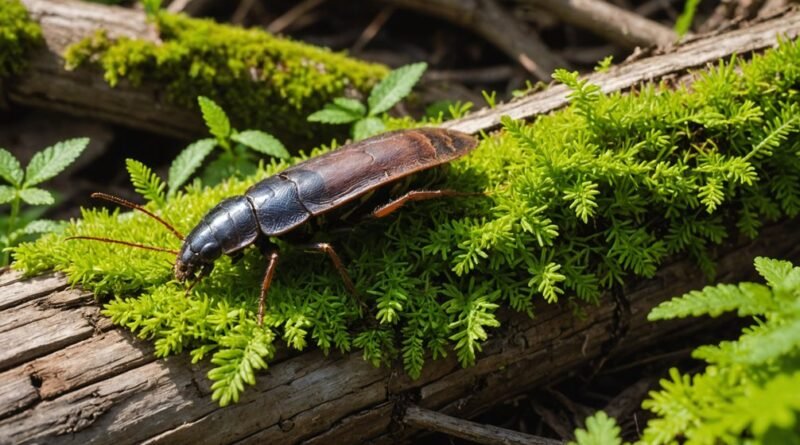
Do Cockroaches Live Outside? Outdoor Habitats and Entry Points
Most cockroaches actually live outside in damp, sheltered spots around your yard and foundation. You’ll find them in mulch, leaf litter, drains, utility boxes, and cracks in pavement or walls. Species like American, wood, field, and Turkestan roaches thrive outdoors, then slip inside through tiny gaps around pipes, doors, and foundations when weather, food, or moisture attract them. If you want to keep them out, it helps to understand exactly where they live and how they move.
Key Takeaways
- Many cockroach species naturally live outdoors in damp, sheltered spots like leaf litter, under logs, sewers, and storm drains.
- Common outdoor species include wood, American, field, and Turkestan cockroaches, while German cockroaches are mostly indoor pests.
- Mulch, yard debris, dense vegetation, and damp areas around garbage or drains provide ideal outdoor hiding and breeding sites.
- Cockroaches often enter homes through foundation cracks, gaps around pipes, doors, windows, and utility penetrations when seeking warmth or moisture.
- Reducing outdoor harborage, managing mulch, sealing entry points, and maintaining sanitation help keep outdoor cockroaches from moving indoors.
Where Do Outdoor Cockroaches Live?
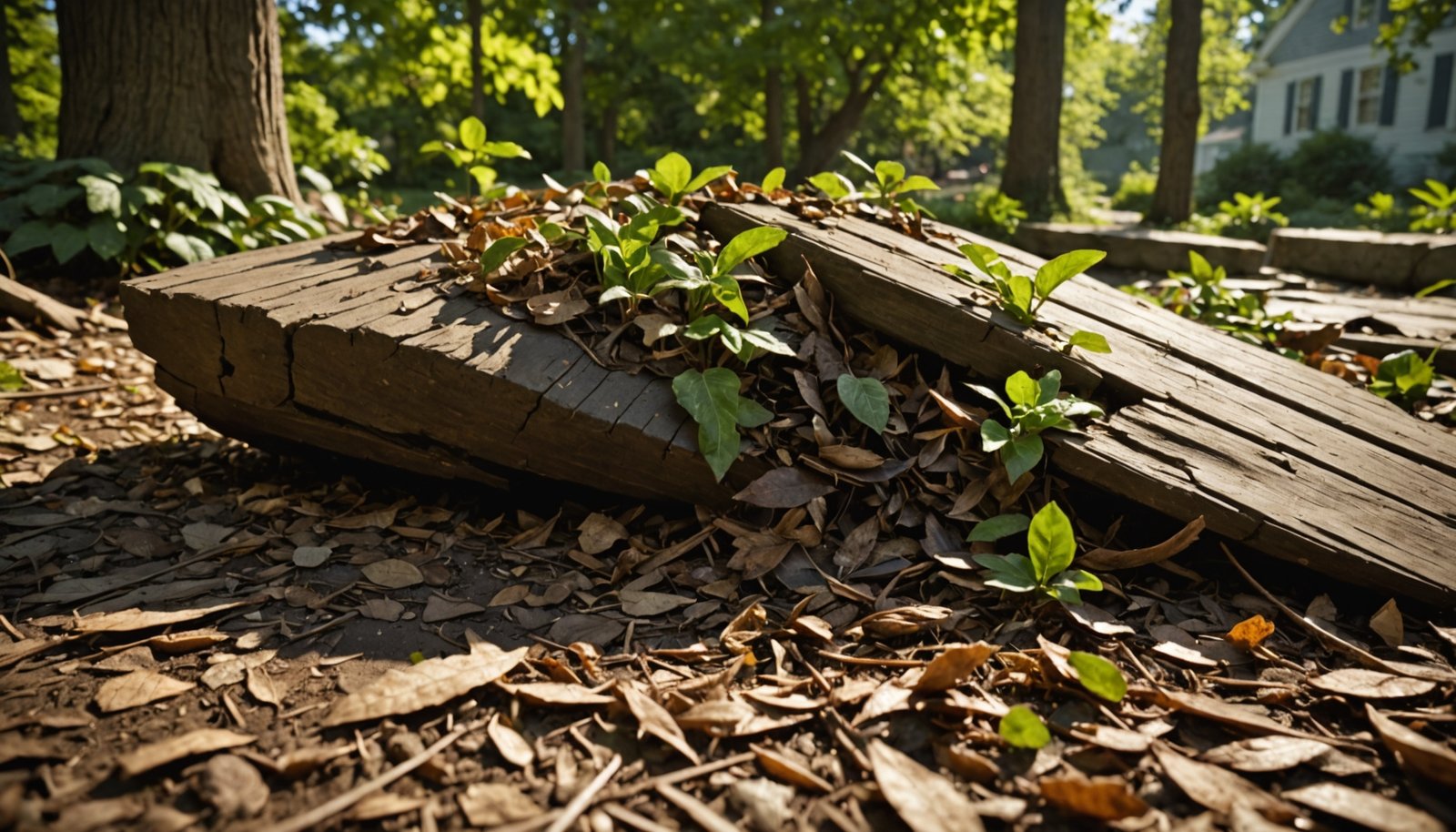
Although many people picture cockroaches hiding only in kitchens and basements, plenty of species actually live most of their lives outdoors in damp, sheltered places. When you look at their habitat preferences, you’ll see clear patterns. Wood cockroaches stay in forested areas, leaf litter, under loose bark, logs, stones, and occasionally clogged gutters. These native decomposers help break down decaying plant material in forests and other natural habitats. American cockroaches favor warm, humid spots like sewers, storm drains, steam tunnels, and animal facilities.
Field cockroaches mainly live in outdoor leaf litter and plant debris, especially in arid regions, while smokybrown cockroaches occupy decorative plantings, planter boxes, woodpiles, and even under shingles and siding. Turkestan cockroaches thrive in cracks in pavement, compost piles, and other outdoor debris, particularly in warm, dry urban landscapes.
Their seasonal behavior matters too: some species fly to lights on warm nights, others shift closer to buildings during extreme heat or drought, increasing your chances of encountering them.
Outdoor Roach Hiding Spots Near Homes
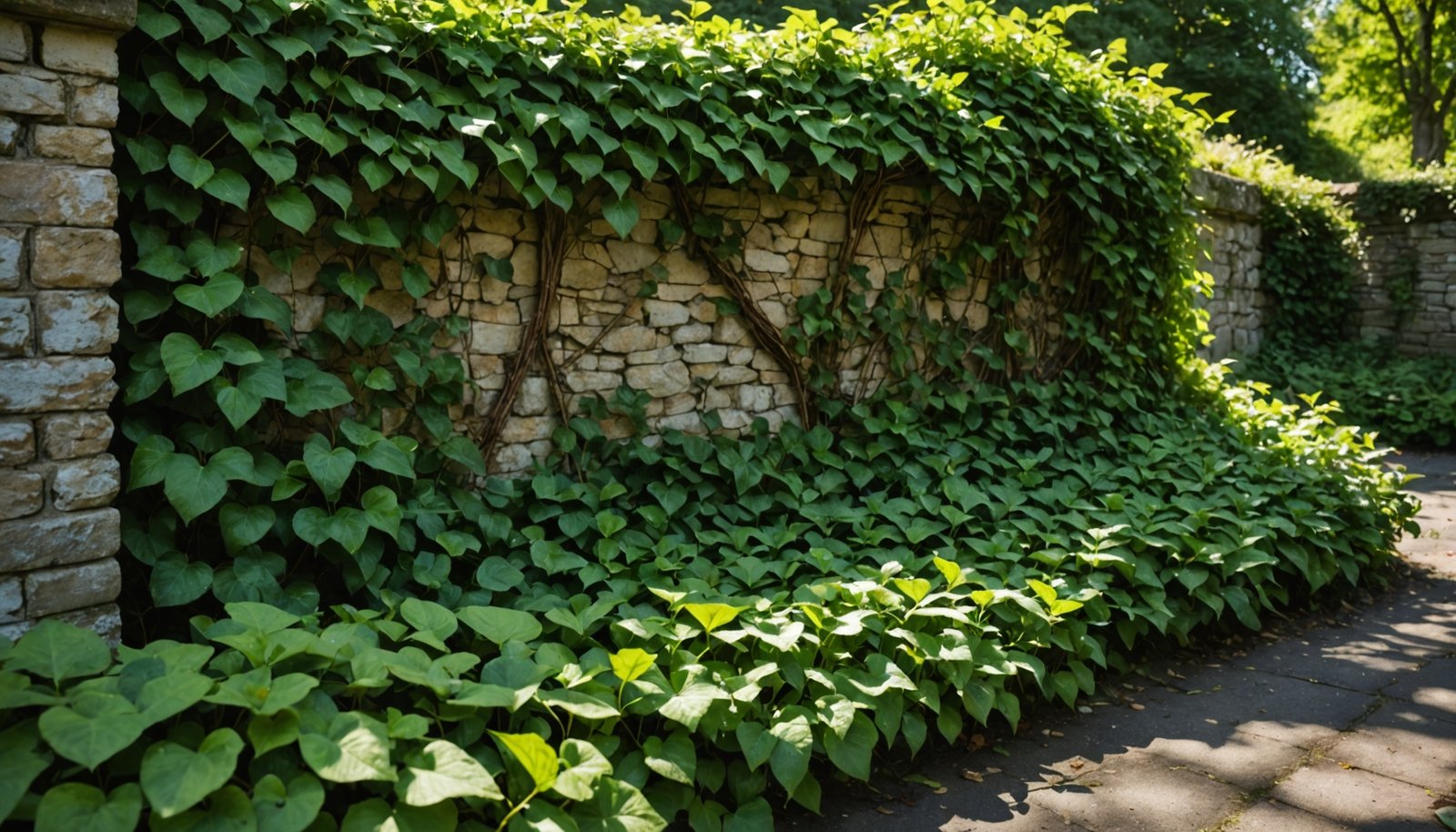
As you look beyond your walls, you’ll find that cockroaches often hide right around your home in mulch, leaf litter, and yard debris. They’re also attracted to damp, food-rich spots like outdoor drains, garbage areas, and even utility boxes. Older homes with foundation cracks, worn siding, or gaps around pipes give cockroaches easy outdoor entry points that can turn these nearby hiding spots into full-blown indoor infestations. By knowing how they use woodpiles, stones, and shaded areas, you can start to spot and reduce their favorite outdoor hiding places.
Mulch, Leaf Litter, And Debris
Even when your home looks clean and buttoned‑up, the mulch, leaf litter, and yard debris right outside can quietly turn into prime cockroach real estate. Thick beds of pine straw or oak leaves hold warmth and moisture, drawing roaches to feed on decaying material and hide in tight gaps. With smart mulch management, you cut both shelter and food. Keep mulch thin—no more than a light layer—and pull it at least 12 inches from the foundation to break direct pathways. Inorganic mulches like rubber or gravel help prevent roaches from being attracted to the area in the first place.
Choose materials that act as organic deterrents. Cypress mulch is far less attractive to roaches, while gravel or bare soil support poor reproduction. Regularly remove leaf piles and yard debris so roaches lose the dark, humid pockets they need to breed.
Drains, Garbage, And Utility Boxes
While you’re focused on keeping roaches out of your kitchen and bathroom, they’re often staging just a few feet away in drains, garbage areas, and utility boxes. Floor drains, leaky pipes, and sewer connections give American cockroaches damp, dark runways straight into your home, especially when drain maintenance gets neglected. They feed on organic buildup in bathroom and basement drains, then wander indoors. In many cities, American cockroaches thrive in sewer systems, moving through underground pipes before emerging through drains and cracks around foundations.
Outside, dumpsters, garbage cans, and lawn clippings near walls act as buffet lines. Poor garbage disposal habits let cans stay greasy, wet, and perfect for nesting.
Utility boxes and boiler or meter areas add warmth and moisture. Regular utility inspections, sealing cracks, and fixing outdoor plumbing leaks are critical pest prevention steps around these hidden roach hubs.
Woodpiles, Stones, And Shaded Spots
Beyond drains and dumpsters, some of the most active outdoor roach hideouts sit quietly right against your house in woodpiles, stones, and shaded pockets of yard clutter. Florida wood roaches love damp firewood stacks, deep leaf litter, and moist mulch pressed against foundations. With poor woodpile maintenance or dense shaded landscaping, you’re basically building them a bridge to your siding. Regularly removing decaying organic materials from around your home significantly reduces these ideal hiding and breeding spots.
- Store firewood elevated, dry, and at least 20 feet from walls.
- Rake leaf litter away from foundations and patio edges.
- Keep mulch beds 12–18 inches from the house and don’t overwater.
- Remove stone piles and check under decorative rocks for moisture.
- Clear clutter in shaded zones and cut back vegetation to boost airflow.
Common Outdoor Cockroach Species Around Homes
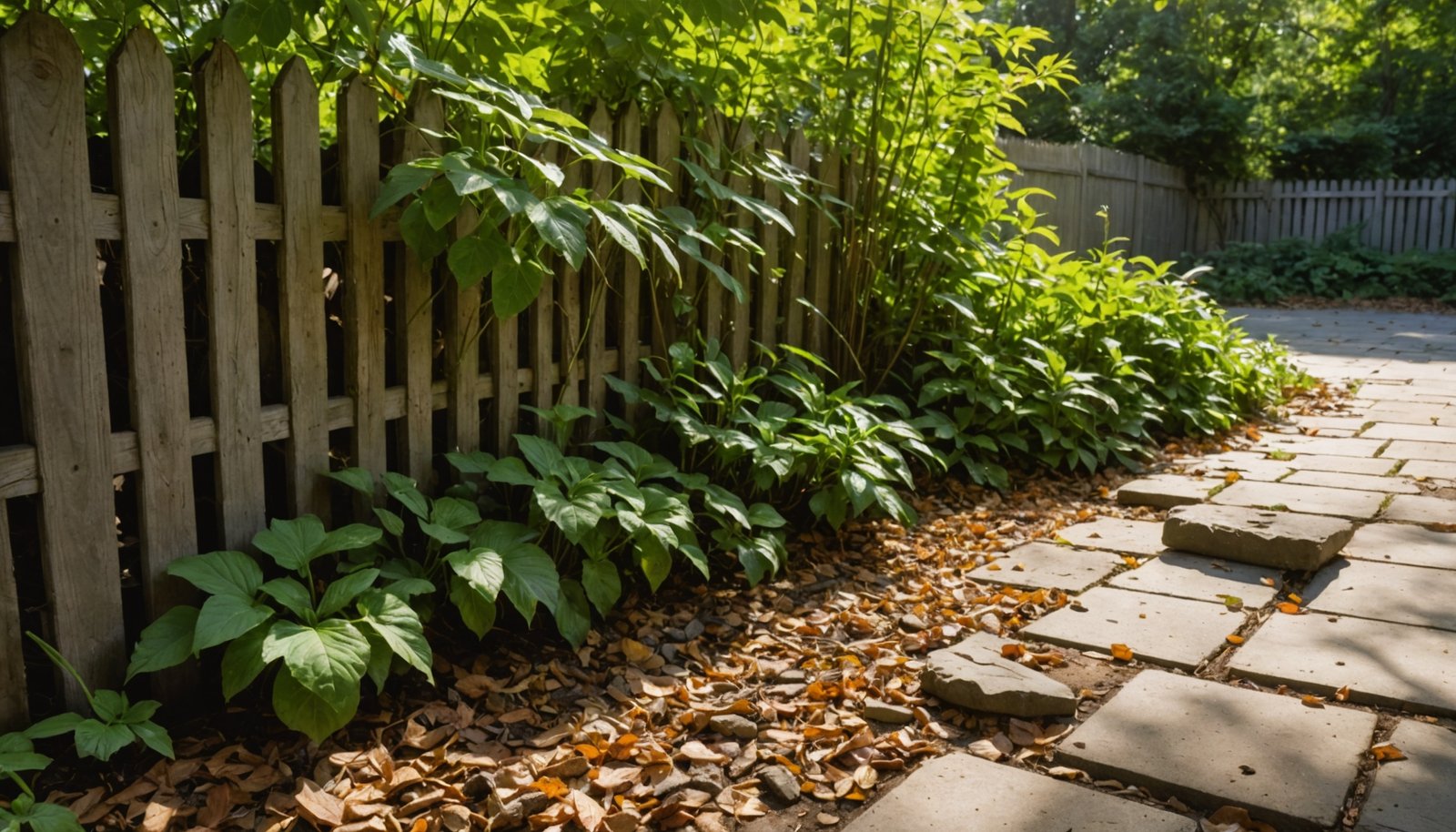
When you start spotting roaches around your yard or patio, there’s a good chance you’re seeing field roaches, American roaches, Turkestan roaches, or even German roaches wandering in from nearby harborage sites. Each of these species favors slightly different conditions outdoors, which affects where you’ll see them and how likely they are to slip inside. By understanding how to tell them apart and where they like to live, you can target your prevention efforts much more effectively.
Field And American Roaches
Although many people only think about roaches inside kitchens and bathrooms, some of the most common species around homes actually live outdoors, especially field cockroaches and American cockroaches. When you understand Field Cockroach Behavior and American Cockroach Characteristics, you can better target where they’re coming from.
- Field roaches usually stay outside in leaf litter, mulch, gardens, and around palm trees or wood piles.
- They feed on decaying plants and fallen fruit, seeking moist, well‑irrigated spots.
- During hot, dry weather they follow moisture and porch lights, slipping indoors but rarely colonizing.
- American roaches thrive in warm, humid places like sewers, storm drains, meter boxes, and steam tunnels.
- Outdoors, American roaches shelter in mulch, vegetation, rocks, patios, and may enter through damaged pipes or drains.
Turkestan And German Roaches
Two cockroach species often linked with homes—Turkestan and German roaches—behave very differently around the outside of a structure. Turkestan habitats are almost entirely outdoors: irrigation control valve boxes, water meter boxes, sewers, storm drains, compost heaps, mulch beds, and cracks in pavement or block walls. These spots give them moisture, shelter, and protection for oothecae, so populations explode in hot, dry summers. As numbers surge, they follow light at night and slip through gaps in doors and windows, foundation cracks, weep holes, utility openings, garages, and crawl spaces.
German survival outside is poor. They rarely move in from outdoors and don’t build lasting outdoor populations. Instead, they thrive indoors in consistently warm, humid kitchens, bathrooms, and utility areas.
Why Outdoor Roaches Move Indoors
They’re cold‑blooded, so chilly fall nights slow them down and push them toward warmer interiors. Sudden freezes or scorching heat accelerate that migration. At the same time, roaches can’t survive without humidity, so they follow moisture into bathrooms, basements, and laundry rooms.
Cold snaps and heat waves drive roaches indoors, seeking warmth, moisture, and safe, humid hideouts
Indoors, they find everything they need long‑term:
- Stable temperatures
- Consistent water in humid rooms
- Reliable food crumbs and grease
- Protected hiding spots in clutter and cracks
- Safe spaces for eggs to hatch and populations to explode
How Outdoor Roaches Get Into Houses
Once outdoor roaches decide your home offers better shelter, they don’t just appear by magic—they follow specific routes in. Understanding cockroach behavior helps you spot these routes and focus on entry prevention instead of just reacting to sightings.
American and Oriental cockroaches often ride in through sewer pipes, dry floor drains, or cracked lines. Keeping drain traps wet and installing devices like Trap Guards® in older drains blocks this pathway. Around your foundation, they slip through gaps where pipes, cables, vents, and weep holes aren’t sealed, then use cracks in walls, baseboards, and cabinets to spread.
Doors and windows are the most common entry points. Damaged screens, missing weather stripping, and propped-open doors let in woods, smoky brown, and Turkestan roaches, especially around porch lights. Roaches also hitchhike indoors on firewood, flowerpots, mulch-covered items, and deliveries, or follow moist plumbing lines where leaks create damp, hidden corridors.
How Outdoor Roach Habits Affect Your Home
Although outdoor cockroaches may seem like a separate problem from indoor infestations, their habits directly shape how often they show up in your home. Roach behavior outdoors responds to environmental factors like temperature, rainfall, and humidity, and those shifts drive seasonal migration into your living spaces. When summer heat and moisture speed up breeding cycles, outdoor numbers surge and spill toward your walls, doors, and vents. In fall and winter, roaches abandon cooling or flooded harbors and track warmth and moisture sources into basements, kitchens, and wall voids.
Seasonal shifts outdoors push roaches inside, trading flooded nests for your home’s warmth, moisture, and hidden gaps
These outside patterns dictate how often you’ll see roaches inside and how aggressive your pest management must be:
- Outdoor attractors near foundations pull roaches right to your structure.
- Damp mulch and debris undo your population control efforts.
- Poor drainage and leaks create indoor moisture magnets.
- Rooflines and soffits shelter tree‑dwelling roaches beside attics.
- Sewer systems feed recurring invasions into multi‑unit buildings.
Health Risks From Outdoor Roaches
Outdoor cockroaches don’t just threaten your comfort by slipping indoors; they also move germs and allergens between yards, sewers, and living spaces. As they travel over trash, pet waste, and drains, they pick up bacteria like Salmonella, Staphylococcus, and Streptococcus on their legs and bodies. When they reach your patio, outdoor toys, or food-prep areas, they can transfer those microbes, raising your risk of diarrhea, dysentery, cholera, and other intestinal diseases. These health implications matter even if roaches stay mostly outside.
Their feces, saliva, egg cases, and shed skins also release allergenic proteins. As these dry out and break into tiny particles, wind, sweeping, or yard work can send them into the air you breathe. For children, asthmatics, and anyone already allergic to dust mites, this debris can trigger serious asthma attacks. Understanding these risks helps you choose smarter prevention strategies around your yard and exterior surfaces.
How To Stop Outdoor Roaches From Coming Inside
Because roaches often breed just a few feet from your walls, the best way to keep them from slipping indoors is to treat your home’s exterior like a sealed barrier they can’t easily cross. Start by blocking every crack and gap: caulk foundations and siding, stuff copper mesh around pipes, and seal openings near outdoor faucets and utility lines.
Use smart landscaping strategies to dry out soil and remove clutter where roaches hide. Shift exterior lights away from doors and swap to yellow or sodium vapor bulbs so you don’t attract them right to your thresholds.
Outside, don’t feed them. Keep trash cans lined, closed, and away from doors, and never leave pet food or water out overnight. Pair outdoor traps and perimeter sprays with strict sanitation and moisture control for the best results.
- Seal gaps and install door sweeps
- Repair screens and weather stripping
- Fix leaks and eliminate standing water
- Clear wood piles and yard debris
- Place sticky traps at stubborn entry points
Frequently Asked Questions
Can Outdoor Cockroaches Survive Cold Winters or Snow?
They can survive only if their cold tolerance and winter behavior let them find shelter. You’ll see hardier species hide in drains, woodpiles, and basements, while others die in prolonged freezing without moisture, cover, or indoor warmth.
Do Outdoor Cockroaches Bite or Sting Humans or Pets?
Yes, they can bite but don’t sting, and it’s rare. You’ll mostly see this with extreme infestations and food on skin. Understand cockroach behavior, remove crumbs, seal entry points, and use targeted treatments for effective pest prevention.
What Attracts Outdoor Cockroaches to Specific Yards but Not Others?
You attract outdoor cockroaches when humidity levels stay high, food sources like garbage or mulch accumulate, lighting conditions draw flying roaches, and shelter types such as debris or dense vegetation combine with poor yard maintenance to create ideal harborage.
Are There Natural Predators That Help Control Outdoor Cockroach Populations?
Yes, you’ve got many natural predators helping control outdoor cockroaches: frogs, toads, lizards, geckos, salamanders, spiders, centipedes, ants, birds, rodents, plus parasitoid wasps and pathogenic fungi, all supporting ecological balance in your yard.
Can I Use Plants or Landscaping Changes to Deter Outdoor Cockroaches?
Yes, you can. You’ll deter roaches by choosing mint, rosemary, lavender, and chrysanthemums as strategic plant choices, then using landscaping design that reduces clutter, leaf litter, and damp hiding spots near foundations and entry points.
Conclusion
You can’t control every roach outside, but you *can* keep them from turning your home into theirs. When you remove food, water, and shelter, seal entry points, and maintain your yard, you make your house far less inviting. Stay alert for outdoor hiding spots and early signs of activity indoors. With consistent prevention and quick action, you’ll greatly cut the chances that outdoor cockroaches move in and start causing problems.
