
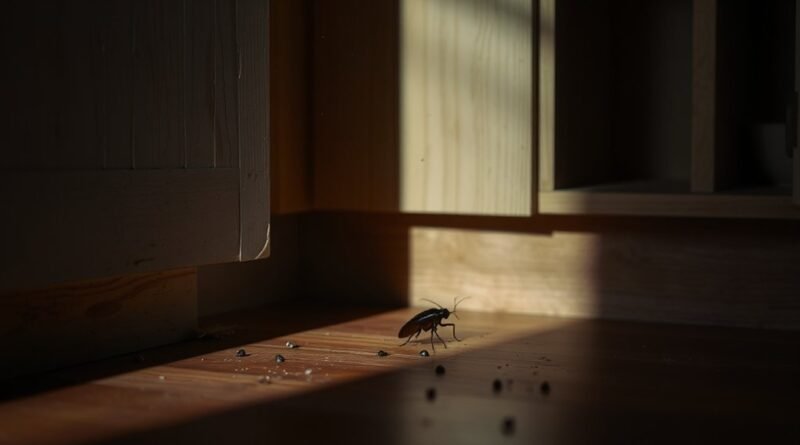
Early Signs of a Cockroach Infestation You Should Never Ignore
Spot coffee-ground specks or thicker cylindrical droppings, greasy smear marks on baseboards, and tiny oval egg capsules hidden under sinks or in cabinet cracks. Notice a musty, oily odor in humid spots. Seeing roaches by day or piles of dead parts signals overcrowding and rapid growth. 62% of infestations are first detected by spotting cockroach droppings — yet only 29% of people identify live cockroaches before other infestation signs appear, meaning knowing what to look for before you see a roach is what separates early detection from a full-blown infestation. These signs carry allergens and bacteria, trigger asthma, and in rental or commercial properties can lead to fines and complaints. Act fast with professional control to stop escalation and protect your space.
Key Takeaways
- Pepper-like droppings or cylindrical pellets along baseboards and cabinets indicate active cockroach activity — 62% of infestations are first detected this way.
- Greasy, dark smear marks on walls or near humid areas show frequent roach travel paths and confirm established colony movement patterns.
- Small, oval egg capsules (oothecae) hidden in cracks, under sinks, or inside cabinets signal active breeding — cockroach eggs are found in 43% of infested households during initial inspections.
- Daytime sightings of live roaches suggest an overcrowded, established infestation — only 29% of people identify live cockroaches before noticing other signs first.
- 75% of cockroach infestations begin in kitchens or food storage areas — making these the highest-priority inspection zones for early detection.
Droppings That Look Like Coffee Grounds or Cylinders
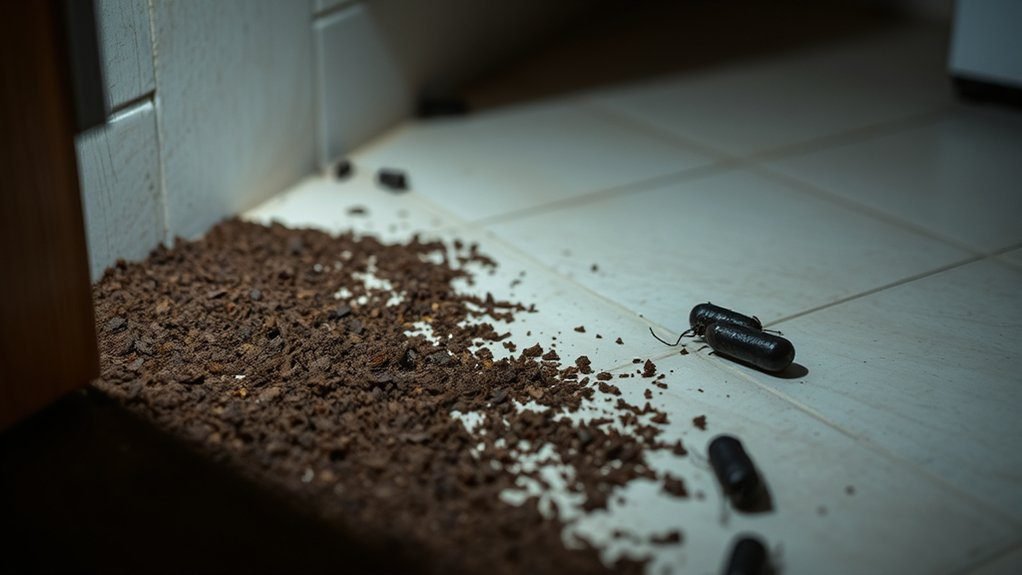
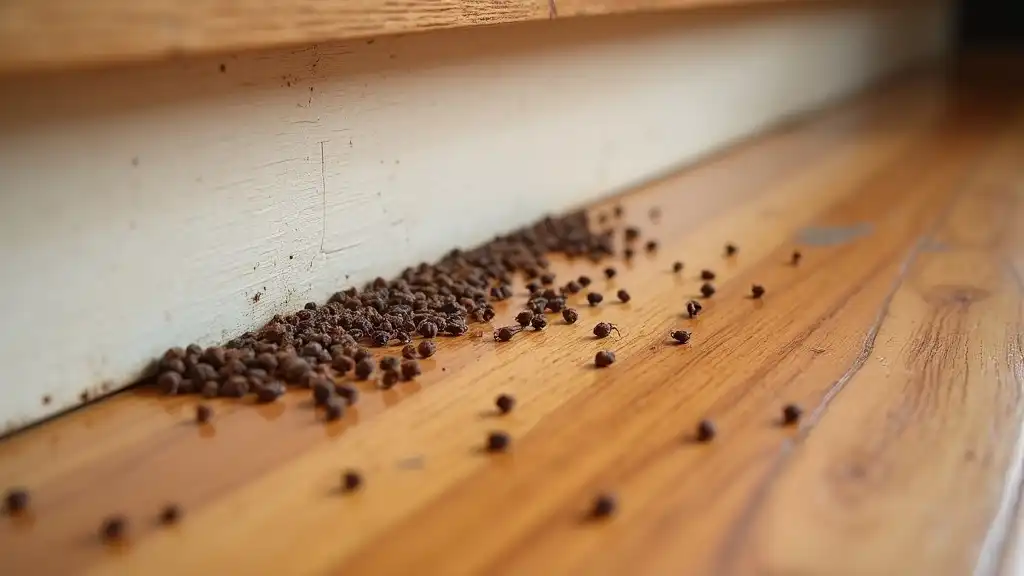
Coffee grounds on your floor might not be from the kitchen — small cockroach droppings often look like coarse coffee grounds or black pepper, while larger species leave solid, dark cylinders that can be as large as a grain of rice. 62% of infestations are first detected by spotting cockroach droppings, making them the most reliable early warning sign available to homeowners. You’ll typically see dark brown to black specks from smaller roaches, sometimes as tiny stains. German cockroach droppings are small and often moist; brown-banded droppings are tiny, dry, and pepper-like. Cockroach droppings trigger allergies and asthma, so cleaning them promptly protects sensitive household members while removing the pheromone signals that attract additional cockroaches to the same location.
Larger species — American, Oriental, and Smoky Brown cockroaches — leave thicker, cylindrical pellets, often clustered or aligned along travel paths. Check baseboards, cabinet interiors, furniture edges, kitchens near food, bathrooms around sinks, and storage areas, crawl spaces, and basements. Don’t mistake cockroach droppings for mouse pellets — mouse droppings are larger and more elongated with tapered ends, while cockroach specks are cylindrical or irregular. Clean droppings promptly to reduce allergens, bacteria, and the pheromone reinforcement that signals other cockroaches to aggregate in the same area.
Smear Marks and Other Physical Traces on Surfaces

Cockroach smear marks are greasy, dark brown to black streaks or smudges that appear where cockroaches travel and rest. You’ll spot them on walls, baseboards, floor edges, and furniture — particularly in humid areas near sinks, bathtubs, leaky pipes, and behind or under appliances. They form when liquefied droppings and body oils mix with moisture and build up along established travel routes where cockroaches repeatedly traverse the same paths during nocturnal foraging. Professionals can identify cockroach species by the pattern and location of smear marks to tailor treatment to the specific species present.
Expect smear marks inside cupboards and drawers, in basements, and in poorly ventilated rooms. Look closely for accompanying clues that confirm active infestation: shed skins and body fragments near the smear marks, clusters of droppings along the same path, chew marks on food packaging in adjacent storage areas, and the musty, oily odor that intensifies near active trails. Treat smear marks as urgent — they indicate active contamination and a growing infestation that has established regular movement patterns between harborage and food sources. See our complete guide to cockroach infestation signs and prevention for a full checklist of evidence to document during inspection.
Egg Capsules (Oothecae) Hidden in Cracks and Crevices
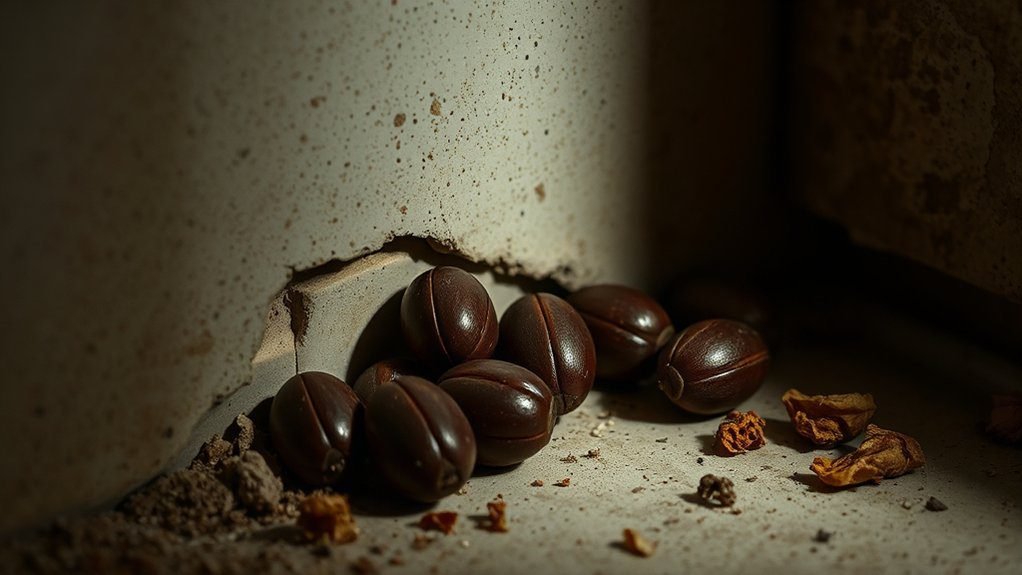
Smear marks show where cockroaches travel; egg capsules confirm where they’re actively multiplying. Spotting oothecae means the infestation has advanced beyond early establishment — active breeding is underway. Cockroach eggs are found in 43% of infested households during initial inspections, and finding them changes the treatment urgency significantly because it confirms that nymphs are being produced and population growth is actively compounding.
Look for small, oval capsules — usually smaller than a penny — measuring approximately 0.06 to 0.18 inches (up to 8mm). Colors range from tan to reddish, brown, or black depending on species and age. The shell feels hard and leathery, often with a ridge along its length. You might initially mistake oothecae for dried beans, seeds, or dark debris.
Check cracks and crevices behind baseboards, under sinks, inside cabinets, and around appliances. German cockroaches carry the egg capsule until just before hatching, then deposit it in a hidden spot — their capsules hold approximately 40 eggs and are found in kitchen and bathroom cabinet corners. American cockroach capsules are dark brown, around 8mm, and contain up to 16 eggs — they are typically found deposited in dark, sheltered locations near food and moisture sources rather than carried by the female. Find egg capsules early and treat immediately to prevent the next generation from reaching reproductive maturity.
Musty, Oily Odors That Linger in Enclosed Spaces
You notice a musty, oily smell that lingers because cockroaches release aggregation pheromones, cuticular hydrocarbons, and fatty acids that build up as populations grow. 48% of homes with cockroach problems notice a musty odor within two weeks of infestation establishment — meaning the smell often precedes visual sightings by weeks, making it one of the earliest detectable infestation indicators available. That scent signals active, often expanding infestations rather than old residue.
What the Smell Signals
Even before you spot a single cockroach, a lingering musty, oily smell in enclosed spaces signals they’re already present and communicating through chemical signals. You’re detecting aggregation pheromones — fatty, protein-laced chemicals — and volatile organic compounds from gut bacteria. Together with cuticular hydrocarbons and volatile carboxylic acids, they create that greasy, rancid-oil or burnt-hair scent characteristic of cockroach harborage zones. If the smell turns sharper or more pungent, dead cockroaches’ oleic acid may be amplifying it.
This smell is distinct from typical mildew — mold produces an earthy smell that lacks the oily, metallic, sometimes soy-sauce note of cockroach pheromones. As populations grow, the odor strengthens, preceding visual sightings by weeks in some infestations. Catching this early and treating immediately prevents the colony from expanding to the point where visual signs become unavoidable.
| Smell Cue | What It Signals | Action Required |
|---|---|---|
| Oily-musty in cabinets | Active pheromone communication and harborage | Place monitoring traps immediately |
| Sharp, pungent | Dead cockroaches present (oleic acid release) | Deep inspection of enclosed spaces |
| Persistent, spreading | Growing population density across multiple areas | Professional inspection and treatment |
Where Odors Concentrate
Cockroach odor pools where air is still and moisture lingers. You’ll notice the musty, oily smell most around sinks, dishwashers, bathrooms, basements, and crawl spaces. These humid, poorly ventilated spots trap scent and allow it to build inside cabinets, drawers, wall voids, and behind appliances. Cockroach pheromones, cuticular hydrocarbons, and volatile carboxylic acids — plus gut-bacteria volatile organic compounds — create oleic, oily notes that adhere to shelves, corners, and floors. Feces, body oils, and decomposing cockroaches reinforce the odor even after cleaning, penetrating porous materials like wood, cardboard, and fabric to create persistent odor concentrations in harborage areas. Track intensity to locate activity — kitchens and pantries typically have the strongest concentrations, followed by bathrooms and laundry rooms. Odors are stronger at night during peak cockroach activity, making a late-night kitchen odor check a reliable early detection tool.
Finding Cockroach Nests and Hiding Places
Cockroach nests are not structured like wasp or bee nests — they are aggregation zones where cockroaches congregate in large numbers due to pheromone signals and favorable environmental conditions. Identifying these harborage zones early is critical because gel bait and IGR treatments placed directly in or adjacent to nesting areas are dramatically more effective than treatments applied at general locations. 75% of cockroach infestations begin in kitchens or food storage areas — making these the highest-priority zones for nest detection even when other signs appear in different rooms.
Kitchen Nest Detection
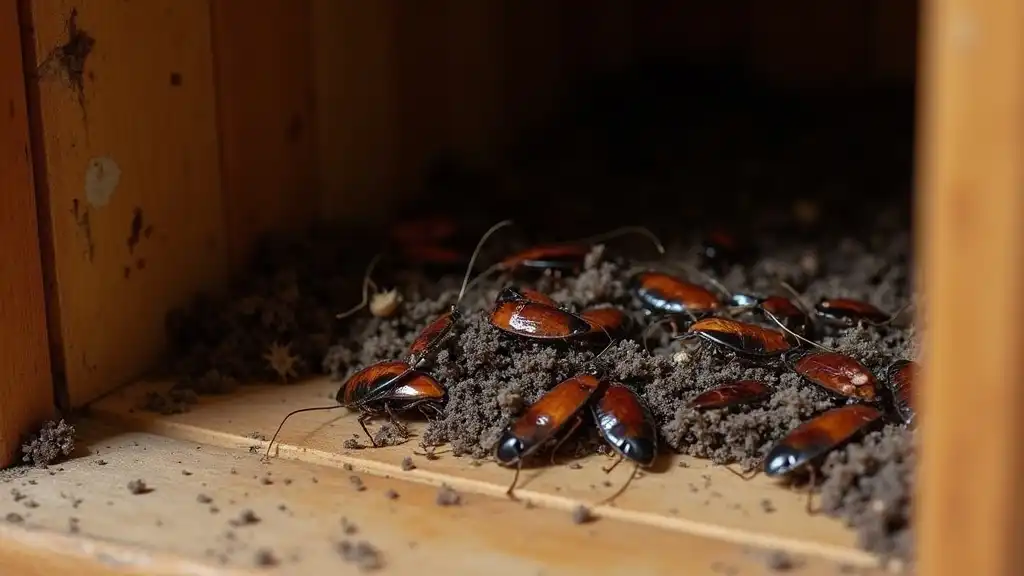
In kitchens, cockroach nests concentrate in the upper rear corners of lower and upper cabinets, inside hinge areas and door frame junctions, in the narrow gap between the refrigerator motor housing and the floor, in the wall void directly behind the sink plumbing, and along the inside back wall of the cabinet beneath the sink where plumbing creates consistent moisture. Use a flashlight and mirror during inspection to examine these locations — most productive nest sites are not visible without direct illumination of the rear of the harborage space. A concentration of droppings, shed skins, and egg cases in a tight area confirms an active nest location. Set sticky monitoring traps overnight in suspected nest zones and check them in the morning — the trap nearest to an active nest will show significantly higher capture counts than surrounding traps, pinpointing the harborage within 5 to 10 feet.
Nests in Bathrooms, Basements, and Wall Voids
Beyond kitchens, cockroach nests concentrate in bathroom vanity cabinet bases near plumbing, inside wall voids adjacent to pipe runs, in basement and crawl space perimeter walls near drainage infrastructure, and in any utility space with persistent warmth and moisture. Wall-void cockroach infestations are particularly difficult to detect because the harborage is completely hidden from visual inspection — the only early signs are the pheromone odor seeping through outlets and switch plates, droppings appearing along baseboards adjacent to wall void areas, and monitoring trap captures concentrated along the wall where the void is located. Insect Growth Regulator aerosol formulations applied into wall voids through outlet openings can reach harborage zones that surface-level gel bait cannot access.
Signs on Food Packaging and Surfaces
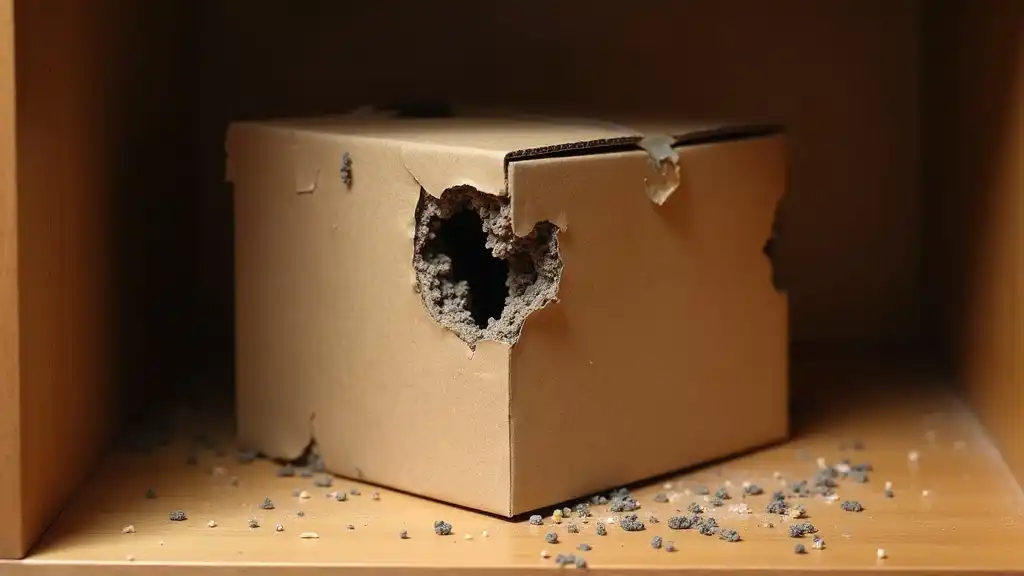
Cockroach activity on food packaging and kitchen surfaces often goes unnoticed until an infestation is well established — these signs appear in the same areas homeowners use daily but are easily dismissed as routine wear or contamination from other sources. Key food-related infestation signs to watch for include:
- Chew marks and holes in packaging: Cockroaches chew through thin plastic bags, cardboard boxes, and paper packaging to access dry goods including pasta, rice, cereal, sugar, and flour. Finding irregular holes or chew damage on stored food packaging is a reliable early infestation indicator, particularly in pantry and cabinet storage areas.
- Droppings inside dry food packaging: Tiny dark specks found inside opened food packages or on pantry shelves directly below food storage indicate cockroaches accessing stored ingredients. Discard any food in contact with cockroach droppings immediately.
- Grease smears on food container lids: Cockroach body oils transfer to food container surfaces during contact, creating faint greasy residue that may be visible on light-colored plastic lids and container sides in cabinet storage.
- Contamination of kitchen surfaces: Cockroach contact with cutting boards, countertops, and food preparation surfaces transfers bacteria including Salmonella and E. coli even when no other visible sign of infestation is present in the immediate area.
Switch all dry goods storage to sealed glass or heavy-duty plastic containers immediately upon finding any of these signs — this eliminates the primary food source that sustains the infestation while you implement treatment.
Daytime Sightings, Night Activity, and Dead Roaches

Daytime cockroach sightings are a serious red flag — these nocturnal insects shouldn’t be visible in daylight unless an overcrowded infestation is pushing them from concealed harborage zones into open spaces. Only 29% of people identify live cockroaches before noticing other signs, meaning most people already have well-established infestations by the time they see a live cockroach during normal household activity.
If you spot live cockroaches in kitchens — under the sink, behind the refrigerator, or along baseboards — assume the population is established and hiding spaces are at or near capacity. Daytime-active cockroaches often appear sluggish or disoriented due to overcrowding stress, and seeing both nymphs and adults simultaneously signals rapid breeding and severe population growth. Confirm activity after dark — use a flashlight to scan cabinets, drains, and around appliances after the house has been quiet for at least two hours. The more movement you observe during nighttime inspection, the larger the infestation. Some species scatter immediately when lights are switched on, so observe carefully for 30 to 60 seconds before any sudden movement.
Dead cockroaches matter as early signs too. Corpses, shed legs, and wings found in corners, under appliances, and along baseboards point to hotspot zones near active harborage. Remove dead cockroaches promptly to prevent the oleic acid they release from attracting secondary pest activity and amplifying the musty odor that signals harborage presence to other cockroaches.
Early Warning Through Pest Detection Devices
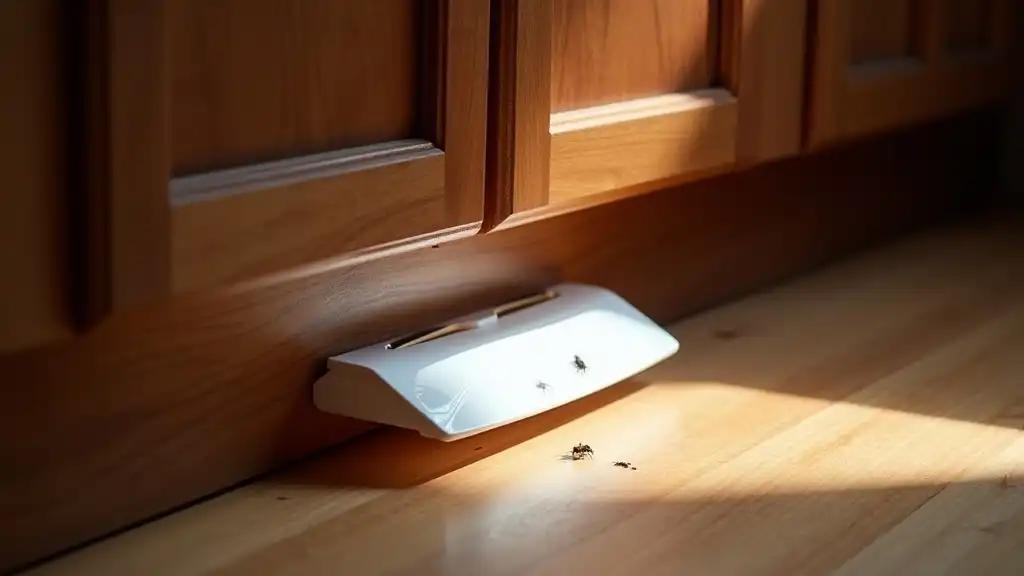
Sticky monitoring traps are the most reliable tool for early cockroach detection — they confirm infestation presence before visual signs are obvious, quantify population levels, and pinpoint harborage locations that direct treatment placement for maximum effectiveness. Place traps along walls in all high-risk areas: kitchen cabinet bases, under sinks, behind the refrigerator, inside bathroom vanity cabinets, and in any storage area with cardboard. Set them flat against the wall with the adhesive surface facing the wall-floor junction — cockroaches traveling along baseboards during nocturnal foraging contact the adhesive naturally without any bait being required.
Check traps every morning for the first two weeks after placement and record capture counts, life stages (nymph vs. adult), and species identified. Rising counts week over week confirm an active and growing infestation. Consistent zero-catch from traps placed in a suspected area after two weeks reduces but does not eliminate the possibility of cockroach activity — cockroaches in wall voids may not contact floor-level traps. Professional inspection and treatment should be sought whenever monitoring traps confirm cockroach presence, whenever any of the other early signs described above are found, or when a musty cockroach odor is detected in enclosed spaces without a clear alternative explanation. See all cockroach prevention and infestation guides for targeted articles on each type of sign and the corresponding action steps.
Property Damage and Health Risks You Can’t Overlook
Spotting cockroaches by day and at night isn’t just unsettling — it signals problems that affect your property, health, and in rental or business settings, your legal compliance. You’ll see gnaw marks on paper, cardboard, and fabrics, damaging books, files, and upholstery. Droppings and saliva stain surfaces and create persistent odors. Cockroach movement through walls, insulation, and electronics can compromise structure and utility systems, increasing energy costs and repair expenses over time.
Health risks are serious and well-documented. Cockroach debris — droppings, shed skins, saliva, and body fragments — contains potent allergens that trigger asthma attacks, particularly in children. They spread bacteria and pathogens including Salmonella and E. coli, raising the odds of gastrointestinal and respiratory illness in household members. For landlords and commercial property managers, confirmed cockroach infestations create regulatory compliance obligations, legal exposure from tenant complaints, and reputational consequences that compound the longer treatment is delayed. Act fast with professional control to meet habitability and health standards before violations occur.
Frequently Asked Questions About Early Signs of Cockroach Infestation
What are the first signs of a cockroach infestation?
The first signs of a cockroach infestation are typically dark droppings resembling coffee grounds or black pepper specks found near kitchen cabinets, baseboards, and under appliances (62% of infestations are first detected this way), followed by a musty, oily odor in enclosed spaces like cabinet interiors (48% of homes notice this within two weeks). Smear marks along baseboards, egg cases in dark corners, and shed skins near harborage zones appear as the infestation grows. Only 29% of people identify live cockroaches before noticing other signs — meaning droppings and odor are the most reliable early indicators.
How can I spot cockroach eggs?
Cockroach egg cases (oothecae) appear as small, oval capsules measuring up to 8 millimeters — roughly the size of a grain of rice or small bean. They range from tan to dark brown or black depending on species, feel hard and leathery, and often have a ridge along their length. Find them by inspecting the upper rear corners of kitchen and bathroom cabinets, under sinks, behind and beneath appliances, inside cardboard storage boxes, and along wall-floor junctions behind baseboards. Cockroach eggs are found in 43% of infested households during initial professional inspections — their presence confirms active breeding rather than simply foraging activity.
What smell indicates a cockroach infestation?
A cockroach infestation produces a musty, oily odor with an underlying sickly-sweet or chemical note — often described as similar to rancid oil, damp rags, or a faint soy sauce smell. This odor comes from aggregation pheromones, cuticular hydrocarbons, and gut-bacteria volatile organic compounds that concentrate in enclosed spaces like under-sink cabinets, bathroom vanities, and wall voids near plumbing. 48% of homes with cockroach problems detect this musty odor within two weeks of infestation establishment. The smell intensifies with population size and is stronger at night during peak foraging activity.
Can I hear sounds from a cockroach infestation?
In most cases, cockroaches are nearly silent. However, in severe infestations you may hear faint rustling, scratching, or scurrying sounds within walls, behind appliances, or inside cabinets during late-night hours when cockroaches are most active. These sounds are most audible when the house is quiet and typically originate from wall voids near kitchens and bathrooms where large colonies aggregate. Hearing these sounds combined with any other early sign warrants immediate professional inspection and treatment.
How soon should pest control be called?
Call professional pest control as soon as any of the following are confirmed: cockroach droppings found in food preparation or storage areas, egg cases discovered anywhere in the home, a musty cockroach odor detected in enclosed spaces, monitoring traps showing positive captures, or any live cockroach sighting during daylight hours. Early professional treatment when the infestation is small produces faster, more complete results and significantly lower treatment costs than waiting until visible cockroach populations are established. For German cockroach infestations specifically, professional treatment is almost always necessary — their rapid breeding cycle and resistance to consumer-grade products makes DIY control unreliable once breeding is confirmed.
What signs on food packaging indicate cockroach activity?
Signs of cockroach activity on food packaging include irregular holes or chew marks on thin plastic bags, paper packaging, and cardboard food boxes — cockroaches chew through these materials to access stored dry goods. Finding tiny dark specks (droppings) inside opened food packages or on pantry shelves directly below stored food confirms cockroach access. Faint greasy smears on food container lids may be visible on light-colored plastic. Any food in direct contact with cockroach droppings or evidence of cockroach access should be discarded immediately and all remaining dry goods transferred to sealed hard plastic or glass containers.
{
“@context”: “https://schema.org”,
“@type”: “FAQPage”,
“mainEntity”: [
{
“@type”: “Question”,
“name”: “What are the first signs of a cockroach infestation?”,
“acceptedAnswer”: {
“@type”: “Answer”,
“text”: “The first signs are typically dark droppings resembling coffee grounds near kitchen cabinets and baseboards (62% of infestations are detected this way first), followed by a musty oily odor in enclosed spaces (48% of homes notice this within two weeks). Smear marks along baseboards, egg cases in dark corners, and shed skins appear as the infestation grows. Only 29% of people identify live cockroaches before noticing other signs — droppings and odor are the most reliable early indicators.”
}
},
{
“@type”: “Question”,
“name”: “How can I spot cockroach eggs?”,
“acceptedAnswer”: {
“@type”: “Answer”,
“text”: “Cockroach egg cases (oothecae) appear as small oval capsules up to 8mm long, ranging from tan to dark brown, with a hard leathery surface and a ridge along the length. Find them in the rear corners of kitchen and bathroom cabinets, under sinks, behind appliances, inside cardboard storage, and along baseboards. Cockroach eggs are found in 43% of infested households during initial inspections — finding them confirms active breeding.”
}
},
{
“@type”: “Question”,
“name”: “What smell indicates a cockroach infestation?”,
“acceptedAnswer”: {
“@type”: “Answer”,
“text”: “A cockroach infestation produces a musty, oily odor — often described as rancid oil, damp rags, or faint soy sauce. This comes from aggregation pheromones and gut-bacteria volatile organic compounds concentrated in enclosed spaces. 48% of homes with cockroach problems detect this odor within two weeks of establishment. The smell intensifies with population size and is stronger at night during peak foraging activity.”
}
},
{
“@type”: “Question”,
“name”: “Can I hear sounds from a cockroach infestation?”,
“acceptedAnswer”: {
“@type”: “Answer”,
“text”: “In most cases cockroaches are nearly silent. In severe infestations you may hear faint rustling or scurrying sounds within walls and behind appliances during late-night hours. These sounds originate from wall voids near kitchens and bathrooms where large colonies aggregate. Hearing these sounds combined with any other early sign warrants immediate professional inspection.”
}
},
{
“@type”: “Question”,
“name”: “How soon should pest control be called?”,
“acceptedAnswer”: {
“@type”: “Answer”,
“text”: “Call professional pest control as soon as cockroach droppings are found in food preparation areas, egg cases are discovered anywhere in the home, a musty odor is detected in enclosed spaces, monitoring traps show positive captures, or any live cockroach is seen during daylight. Early treatment when the infestation is small produces faster, more complete results at significantly lower cost than waiting until visible populations are established.”
}
},
{
“@type”: “Question”,
“name”: “What signs on food packaging indicate cockroach activity?”,
“acceptedAnswer”: {
“@type”: “Answer”,
“text”: “Signs include irregular holes or chew marks on plastic bags, paper packaging, and cardboard food boxes. Finding tiny dark droppings inside opened food packages or on pantry shelves confirms cockroach access. Faint greasy smears on food container lids may also appear. Discard any food in contact with cockroach evidence immediately and transfer all dry goods to sealed hard plastic or glass containers.”
}
}
]
}
