
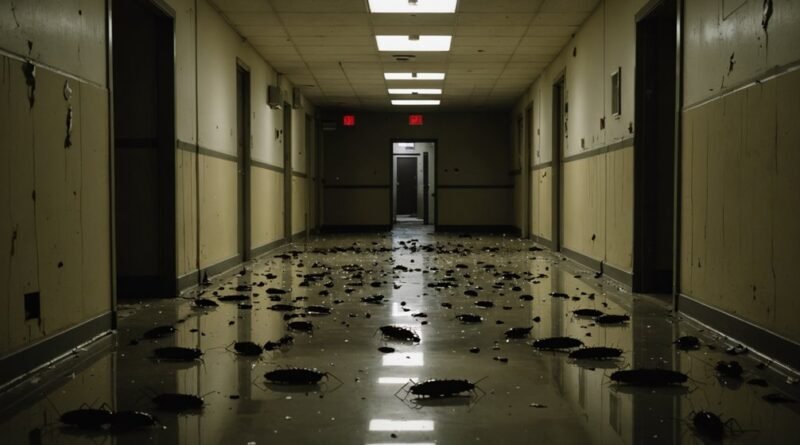
How Cockroaches Spread in Large Commercial Complexes and How to Stop It
Cockroaches spread through your complex via tiny gaps, unsealed plumbing and utility lines, loading docks, and incoming shipments or used equipment. Food residues, moisture, clutter, and weak cleaning let them thrive. They carry pathogens, trigger allergies, disrupt operations, and risk fines. Stop them by sealing cracks and door gaps, tightening sanitation, fixing leaks, and deploying discreet monitors, gel baits, and IGRs within a site-specific IPM plan. Increase inspections and rotate baits seasonally—next, see how to prioritize hotspots and schedule actions.
Key Takeaways
- Cockroaches spread via deliveries, used equipment, and tiny gaps near doors, windows, plumbing, and utility lines across connected spaces.
- Food residues, moisture leaks, clutter, and weak sanitation create harborage and accelerate colony growth in large facilities.
- Deploy discreet monitors, bait stations, and environmental sensors in high-risk zones for continuous, data-driven early detection.
- Implement IPM: targeted gel baits, insect growth regulators, traps, plus sealing cracks, installing door sweeps, and fixing leaks.
- Train staff to report signs immediately; adjust inspections and rotate baits seasonally to prevent resistance and surges.
Pathways Cockroaches Use to Enter and Move Through Complexes

Even in well-run complexes, cockroaches slip in through predictable pathways and then spread quickly through shared infrastructure. You’ll see them hitchhike in with deliveries—cardboard boxes, grocery bags, and used appliances often carry eggs or live roaches tucked inside seams and padding.
Inspect shipments for droppings or egg casings, store pallets off the floor and away from walls, and remove packing material promptly. Regularly implement integrated pest management with monitoring devices in receiving areas to catch early introductions.
They also squeeze through tiny structural openings—gaps as small as 1/16 inch around foundations, doors, and windows. Unsealed penetrations at plumbing, drains, conduits, and utility lines act like highways, especially between units linked by shared walls or ceilings.
Install door sweeps, weatherstripping, and caulk to block these routes, and audit the envelope regularly.
Doors, windows, and loading docks create frequent access when frames don’t seal or dock doors stay open. Roaches travel through sewage and drain lines, emerging at sinks and bathrooms; fit tight drain covers and maintain plumbing.
Finally, used furniture and equipment can import infestations.
Building and Environmental Conditions That Fuel Infestations

Although roaches can enter almost anywhere, it’s the conditions inside and around your complex that let them thrive.
Food and beverage zones pull them in: crumbs, grease film, and unsealed containers turn kitchens, break rooms, and dining areas into feeding stations. Overfilled or unsealed trash and slow spill cleanup extend access to food.
Crumbs, grease, and unsealed containers turn kitchens and break rooms into roach feeding stations
Moisture keeps colonies alive. Leaks, condensation around pipes and HVAC, and high humidity create reliable water points. Damp waste in bins and soggy perimeter soil from irrigation or drainage issues build moist microhabitats roaches exploit.
Cluttered storage hides growth. Cardboard on floors, paper in damp corners, and stagnant inventory provide harborage and food residues. When items aren’t elevated or rotated, infestations expand unnoticed.
Your structure can speed invasion. Cracks, unsealed conduits, and gaps at doors, windows, and docks invite entry. Dense vegetation and warm utility or equipment compartments offer refuge. Weak, mistimed cleaning schedules leave residues long enough for roaches to flourish. Professional intervention using Integrated Pest Management is often essential for established infestations in large complexes.
Health, Operational, and Regulatory Risks for Businesses

Because cockroaches contaminate spaces and signal poor control, an infestation quickly becomes a health, operational, and regulatory crisis.
You’re dealing with vectors that spread over 33 bacteria and multiple pathogens, contaminating food, utensils, and surfaces with E. coli, Salmonella, and more. Their saliva, feces, and body fragments aerosolize, triggering allergies and asthma; ongoing exposure drives chronic respiratory distress and increased asthma morbidity, confirmed by specific IgE sensitization. Clinical outcomes worsen the longer allergens persist. Staff should be trained to recognize early signs like droppings and egg casings to enable early detection and faster intervention.
Operationally, infestations force disruptive treatments, deep cleaning, and sometimes structural repairs. Customer complaints and negative reviews erode loyalty, while staff morale and productivity drop. Health authorities can mandate temporary closures, crushing daily revenue.
Regulatory stakes are high. Inspectors cite droppings, live roaches, or nesting, issuing fines or shutdowns.
Repeat violations threaten licenses and certifications after failed food safety audits. Legal exposure grows if illness links to contamination.
Add fines, service costs, renovations, potential product disposal, and lasting revenue losses.
Monitoring and Early Detection Across Large Facilities
Given the health, operational, and regulatory stakes, you can’t wait for sightings—monitoring must run continuously and at scale.
Deploy discreet monitors and bait stations in kitchens, storage, utilities, and wall voids, prioritizing hidden harborages. Use multi-station monitors to gather ongoing catch data and raise sensitivity in high-risk zones. Pair these with sanitation and maintenance checks to flag conditions that fuel movement and breeding. SMART systems can deliver time-stamped activity reports that help target responses and verify effectiveness over time.
Integrate physical traps, environmental sensors, and SMART systems that run 24/7. Digital devices detect motion, temperature shifts, and pheromone cues, then transmit real-time, time-stamped alerts to a centralized dashboard via GSM or cloud networks across all sites.
Algorithm-driven analytics forecast hotspots and trend escalation so you can act before outbreaks emerge.
Schedule inspections based on facility risk—monthly in food areas, quarterly or seasonal elsewhere. Document findings and actions in centralized software. Correlate activity with temperature and humidity, target responses, and verify effectiveness through post-treatment trend declines.
Integrated Control, Prevention Tactics, and Seasonal Strategies
While monitoring keeps you ahead of outbreaks, control hinges on a tight IPM program that blends prevention, targeted treatments, and year-round maintenance. Build a site-specific plan: use gel baits, insect growth regulators, and traps where activity is confirmed, and favor least toxic options. Expect 75–80% reductions in 6–12 months when you pair treatments with strict sanitation, exclusion, and education. Train staff to spot early signs and report promptly. Regular inspections help identify early signs of infestations, and this team collaboration between pest control teams and staff is crucial for IPM success.
Block entry and harborage. Seal cracks, wall-floor junctions, pipe penetrations, and utility chases with sealants, foam, and stainless steel mesh. Install door sweeps and vent screens.
Dry sinks nightly, fix leaks, and clear drains to remove moisture. Store food in sealed containers, remove debris, and purge clutter. Consider rosemary or citronella along perimeters to deter outdoor roaches.
Adapt seasonally. Increase inspections and bait rotations during warm, humid periods. Adjust bait quantity and placement to pressure. Tighten sanitation before peaks.
Maintain IPM through winter to prevent rebound. Use monitors to target and verify.
Frequently Asked Questions
How Do We Budget for Long-Term Cockroach Management Across Multiple Sites?
You budget by tiering sites by risk, aligning fixed and variable costs, and forecasting seasonality. Set realistic revenues, negotiate bulk materials, invest in IPM, software, and training, reserve contingencies, track KPIs, and adjust plans quarterly for multi-site efficiency.
What KPIS Measure Success of a Commercial Cockroach Control Program?
You measure success with effectiveness rate (target 85–90%+), incident and complaint reduction, CSAT, low cancellations/skips, service completion and response time, gross margin, recurring revenue ratio, revenue growth, CPL, DSO, tenant retention, and SMART goal attainment via dashboards.
How Should Pest Findings Be Communicated to Tenants and Stakeholders?
You communicate promptly via portals, email, posted notices, and automated alerts. Identify species, locations, risks, and IPM actions. Share timelines, safety instructions, and contacts. Provide 24–48 hour treatment notices, document findings, coordinate messaging, schedule updates, and train occupants for proactive reporting.
What Contracts and SLAS Should We Require From Pest Vendors?
Require detailed contracts and SLAs: define scope, frequency, payment, warranties, liabilities, and legal review. Specify response times, metrics, reporting, escalation, certifications, regulatory compliance, insurance, IPM adherence, treatment methods, QA, on-site logbooks, coordination duties, and client preparation responsibilities.
How Do We Handle Infestations During After-Hours or Holiday Closures?
Schedule after-hours treatments with vendor access, lock zones post-application, and prioritize hotspots found in pre-closure inspections. Deep-clean, remove clutter, fix leaks, and seal gaps. Deploy and monitor baits/traps. Verify shipments before reopening, document findings, and adjust IPM plans accordingly.
Conclusion
You’ve seen how cockroaches infiltrate through tiny gaps, ride supply chains, and exploit shared utilities—and how building conditions can turbocharge infestations. To protect people, operations, and compliance, stay proactive. Tighten exclusion, fix moisture issues, and set rigorous sanitation standards. Deploy monitoring devices, train staff to spot early signs, and track data by zone. Combine targeted baits, strategic treatments, and seasonal adjustments. When you act early, coordinate efforts, and verify results, you break the cycle and keep complexes cockroach-free.
