

Professional Cockroach Extermination Methods: Everything That Happens From Inspection to Prevention
Professional cockroach extermination methods include targeted gel baits, insect growth regulators (IGRs), crack-and-crevice residual sprays, desiccant dusts, and integrated pest management (IPM) programs that combine sanitation, exclusion, and monitoring to break the cockroach life cycle and prevent reinfestation.
Key Takeaways
Every effective extermination plan starts with knowing what you are dealing with. Here is what a professional approach looks like from start to finish.
- Technicians use flashlights, mirrors, and sticky traps to map cockroach species, hotspots, and entry points before any product is applied.
- Treatment plans are built around IPM: sanitation, crack sealing, and targeted chemical tools chosen by infestation severity and species behavior.
- Gel baits and IGRs go precisely into cracks, voids, and harborages; residual sprays or dusts are added for heavy or resistant infestations.
- Occupants may need to vacate during treatment; food is sealed, pets removed, and rooms ventilated before safe reentry.
- Post-treatment sticky traps monitor activity; follow-ups verify bait uptake, adjust products, and reinforce sanitation and exclusion to stop rebound.
Initial Inspection and Species Identification
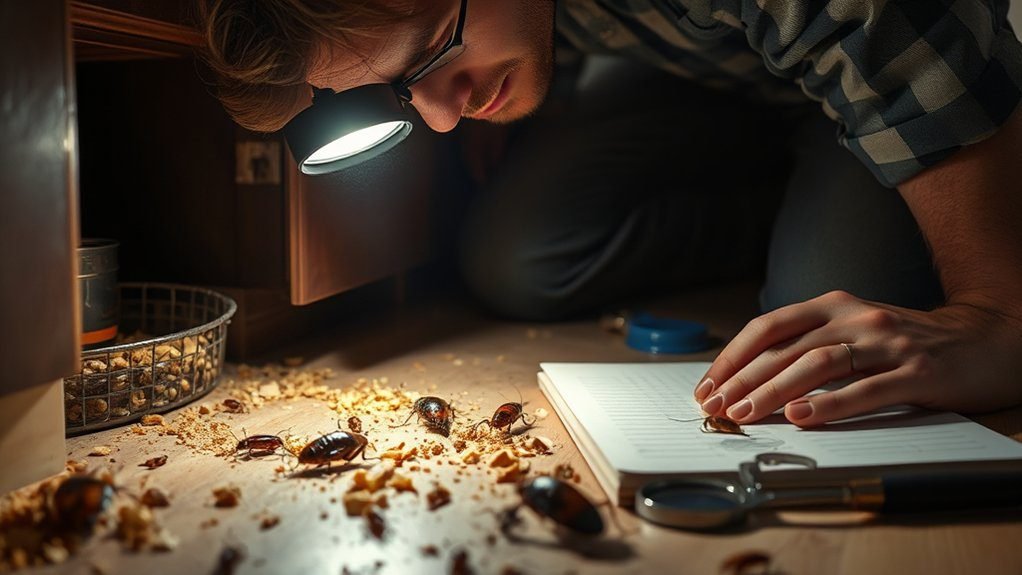
No treatment lands right without a thorough inspection first. A technician maps where cockroaches live, feed, and travel before a single product is opened.
You should expect the tech to walk every room, open every cabinet, and check behind every appliance. They use a bright flashlight and mirror to reach wall gaps, under sinks, and inside electrical voids. The goal is to collect hard evidence: live roaches, droppings, egg cases, shed skins, and smear marks. Sudden lights or night checks can reveal movement that daytime walkthroughs miss.
Using Sticky Traps to Map Activity
Sticky traps are not just for monitoring; they are a diagnostic tool that shapes the entire treatment plan. Placed near food, water, and suspected harborages, they quantify pressure and pinpoint entry points. Heavy German cockroach counts on a single trap can exceed 150 in a severe infestation.
- Position traps flush to walls and in corners where roaches travel
- Place traps indoors and outdoors to track movement patterns
- Read trap results at 24 to 48 hours to gauge severity before treatment starts
- Use trap data to focus chemical applications on active zones, not empty space
Why Species Identification Matters
Knowing the species changes everything about the treatment approach. German cockroaches are rapid breeders that favor kitchens and bathrooms. American cockroaches prefer large, damp sites like basements and sewers. Oriental cockroaches favor cooler, moisture-heavy areas. Misidentifying the species leads to wasted product and failed treatments. Professionals capture adults and nymphs from traps, confirm the species, and then design the plan around behavioral patterns that the trap data reveals.
Building the Right Treatment Plan
Armed with the inspection map and species ID, a professional matches tactics to where roaches live and how they behave. The plan severity scales with the infestation: light cases get focused baiting, monitors, and sealing; heavy activity adds residual barriers and void dusts.
IPM is the backbone of any well-built plan. Before chemicals enter the picture, sanitation comes first: remove clutter, fix leaks, clear food debris, and seal entry points. These steps cut the food, water, and harborage that keep cockroach populations alive.
Matching Tools to Infestation Level
Professionals do not apply the same solution to every job. The right combination depends on what the inspection revealed.
- Light infestations: gel baits in harborages, sticky monitors, and caulking
- Moderate infestations: gel baits plus IGRs and targeted residual applications
- Heavy or resistant infestations: residual barriers, void dusts, non-repellent formulations to prevent avoidance
- Worst-case or multi-unit situations: whole-structure options like heat or fumigation with full vacancy requirements
Once the strategy is set, scheduling matters just as much as product selection. A plan should include an initial knockdown treatment, monthly follow-ups until control is confirmed, then a shift to quarterly prevention visits. Monitors stay in place throughout and results drive every adjustment.
Professional Cockroach Extermination Methods: Chemical Options
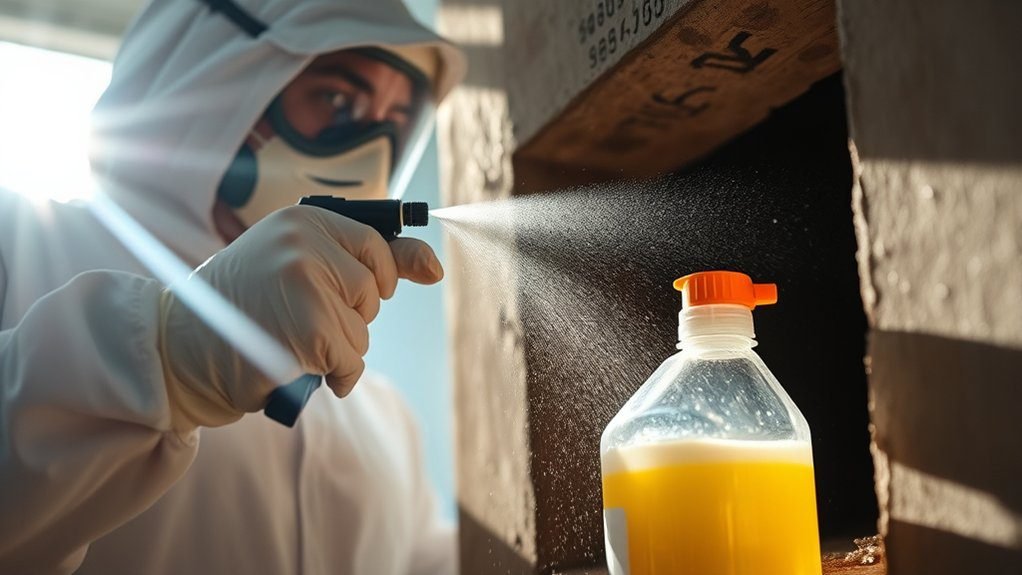
Chemical tools in professional cockroach control are not sprayed at random. Each product has a precise placement, a specific target, and a defined role within a layered strategy. The goal is transfer kill, lifecycle disruption, and long-term population collapse.
Gel Bait Strategies
Gel baits are the workhorse of modern cockroach control because they use the colony against itself. Instead of chasing roaches with a spray, you place the poison where roaches feed and let them carry it home.
Pea-sized dots go into cracks, under sinks, along baseboards, and inside cabinets wherever droppings, skins, egg cases, or live activity appear. Food-grade attractants pull cockroaches in to ingest slow-acting toxicants like indoxacarb, which lets the roach return to its harborage and share lethal residues through feces and body contact. This domino effect is what makes gel baiting so effective against dense colonies.
- Use small dots, not long lines; concentrated placement beats spread-out coverage
- Rotate bait formulations every few weeks to prevent bait shyness
- Reapply every 2 to 3 weeks as gels dry out and lose their appeal
- Keep baits away from sprays and residual insecticides, which contaminate them
- Pair gel baiting with sanitation practices to remove competing food sources
IGRs for Lifecycle Disruption
Insect growth regulators do not kill cockroaches outright. They do something more damaging to a colony: they stop it from replacing itself. IGRs mimic juvenile hormones, locking late-stage nymphs in an immature state or producing sterile, deformed adults that cannot reproduce. Some IGRs also reduce hatch rates by disrupting embryonic development inside egg cases.
Products like hydroprene and pyriproxyfen deliver residual suppression lasting weeks to up to 120 days. Hydroprene-based products such as Gentrol can translocate into cracks and wall voids from a point-source device, maintaining coverage in hidden harborages with very low mammalian toxicity. Because cockroaches reproduce so rapidly, IGRs are most powerful when paired with adulticides that knock down existing adults while IGRs prevent their replacements from maturing.
Residual Sprays, Dusts, and Placement
Three tools drive most professional knockdown in combination: residual liquid sprays for travel routes, dusts for hidden voids, and bait placements for sustained kill. Each has a defined role and they should not interfere with one another.
Liquid insecticides are applied along baseboards, cracks, crevices, and utility penetrations. Technicians often pair pyrethrins with synergists for quick knockdown and durable residue. Dusts like boric acid or diatomaceous earth go lightly into dry, undisturbed voids behind appliances and under cabinets where they stay effective indefinitely as long as they stay dry.
- Calibrate spray patterns to thin, targeted bands rather than broad surface applications
- Use bellows dusters for pinpoint void treatments through drilled access holes
- Place baits near activity hot spots, never on top of residual spray
- Reinspect and refresh bait placements as consumption occurs
- Separate spray and bait zones to prevent contamination and bait avoidance
Non-Chemical and Physical Control Techniques
Chemical tools work best when non-chemical controls remove the conditions that cockroaches depend on. Physical and behavioral controls target food, water, shelter, and access at the source.
Start by denying resources. Clean countertops daily, seal all food including pet bowls, wash dishes, take out trash consistently, fix leaks, and install drain stoppers. Reduce clutter wherever possible because it creates harborage that any chemical program will struggle to reach. Kitchens and bathrooms need the most attention because they provide moisture, warmth, and food in one place.
Exclusion and Physical Barriers
Blocking entry points and movement corridors cuts reinfestation risk dramatically, especially in multi-unit buildings where neighbors with untreated infestations drive pressure into your unit.
- Caulk cracks and crevices along baseboards, cabinets, walls, and floors
- Stopper sinks and tubs to block drain access overnight
- Install door sweeps and seal pipe penetrations with steel wool or caulk
- Place glue boards along walls to capture migrating cockroaches between units
For botanicals and non-toxic deterrents, crushed bay leaves in drawers, cedar shavings near entry points, and water-based neem oil sprays around active zones can supplement other methods. These are not standalone solutions but they reinforce a broader physical management program.
Heat, Fumigation, and Whole-Structure Options
Whole-structure treatments are reserved for the worst infestations where targeted methods have failed or where a building-wide approach is the only practical solution. Heat treatment raises the interior temperature to levels lethal to cockroaches and their eggs without leaving chemical residues. Fumigation penetrates every void, crack, and sealed space. Both require full vacancy and strict reentry protocols.
Comparing heat to chemical treatments reveals that heat works faster and leaves no residue but requires precise execution and whole-building access. Chemical programs are more flexible, easier to stage in occupied spaces, and often more cost-effective for targeted infestations. The right choice depends on infestation severity, building type, and whether occupants can vacate.
Safety Practices and Environmental Considerations
Professional cockroach extermination prioritizes safety by targeting products precisely. Baits, crack-and-crevice applications, and IGRs minimize exposure to people, pets, and non-target species compared to broadcast sprays.
Technicians establish vacate-and-reentry windows based on the products used. For most gel and dust applications, reentry after a few hours is acceptable once surfaces are dry and rooms are ventilated. Fumigation requires 2 to 3 days of vacancy including aeration time before professionals clear safe reentry.
Protecting Pets, Children, and Sensitive Individuals
Before treatment begins, all human and pet food should be sealed or removed. Dishes should be cleared, and any items on countertops or shelves should be moved away from treatment zones. After technicians complete work, wipe all food-contact surfaces before use and vacuum with a HEPA filter.
- Remove or cover pet food and water bowls before technicians arrive
- Evacuate pets during fumigation and any treatment using volatile compounds
- Open windows and run fans after treatment to flush residual volatile compounds
- Keep children and anyone with respiratory sensitivities out until pros confirm safe reentry
- Avoid touching treated surfaces before they are fully dry
Eco-Friendly Treatment Options
For households wanting lower chemical impact, eco-friendly cockroach control pairs prevention with precise, low-impact tools. The approach starts with removing food, water, and clutter, sealing cracks, and modifying outdoor habitats. Clear woodpiles, manage trash, and install gravel borders to reduce moisture near the foundation.
Boric acid and diatomaceous earth work in dry, hidden zones for long-lasting control without broad surface spread. Natural extermination methods like soap-water contact sprays and HEPA vacuuming remove insects and allergens without leaving persistent residues. Low-toxicity baits and gels in crevices reduce the need for spray applications, and rotating bait formulations prevents the population from developing avoidance behavior.
Post-Treatment Monitoring and Long-Term Prevention
A successful knockdown is only half the job. Without a structured monitoring plan, populations rebound quickly from surviving egg cases or migrating roaches.
Deploy adhesive sticky traps in storerooms, prep areas, laundry rooms, closets, and any previous hotspot. Place them tight to walls and corners along structural lines, especially between food, water, and shelter sources. Replace traps when full, wet, or dusty. Inspect monthly at first, then every two weeks after baiting begins, continuing until no eggs, nymphs, or live roaches appear on consecutive checks.
Follow-Up Visits and Bait Adjustment
Schedule a follow-up about one week after the initial treatment to verify bait uptake and check for remaining activity. If nymphs or egg cases are still present, additional visits are warranted. Technicians use flushing agents, flashlights, and mirrors to expose hidden harborages that survived the first round.
- Check for bait consumption at each placement point and reapply where depleted
- Switch bait formulations if the same product has been in place for more than 3 to 4 weeks
- Add IGR treatment during follow-up visits to suppress any surviving nymphs
- Reinforce exclusion by sealing any new cracks found during the follow-up walkthrough
Long-term prevention requires keeping monitoring traps in place indefinitely and reviewing results at each scheduled visit. Sustain sanitation, fix any new leaks promptly, keep food sealed, and clear clutter before it becomes harborage. Stopping cockroaches from coming back is an ongoing practice, not a one-time treatment.
DIY vs Professional Cockroach Extermination
Understanding when to call a professional is as important as knowing what methods they use. Light infestations caught early can sometimes be managed with quality DIY baits and thorough sanitation. But once cockroaches have established harborages in walls, voids, or multiple rooms, DIY versus professional extermination is not really a close comparison. Professionals have access to commercial-grade IGRs, non-repellent formulations, and application equipment that consumer products simply cannot match.
The cost difference is also less dramatic than most people expect when you factor in the cumulative cost of multiple failed DIY attempts. Professional cockroach extermination cost varies by infestation size and treatment type, but a single well-executed professional program typically resolves what months of DIY effort could not.
What to Expect After Professional Cockroach Treatment
Many homeowners are alarmed when they see more cockroaches in the days after treatment. This is normal and expected. Flushing agents and residual products disturb harborages, driving cockroaches out into the open where they contact treated surfaces. After a professional cockroach treatment, activity typically increases for 1 to 2 weeks before declining sharply as the colony collapses.
Dead roaches in the open are a positive sign. They indicate the treatment is working and that the domino transfer effect from gel baiting is reaching deep into the colony. Seeing dead cockroaches after treatment is confirmation, not cause for concern.
Frequently Asked Questions
How Should Tenants Prepare Before Exterminators Arrive?
Remove items from cabinets, drawers, and counters and bag or cover them. Empty clutter near baseboards and move furniture away from walls. Wash loose clothing and bedding on a hot cycle. Secure valuables, remove trash, store all food in sealed containers, and relocate pets and their food bowls before the technician arrives.
Will Treatments Affect Electronics or Appliances?
Treatments can damage electronics if misapplied. Unplug and cover devices, avoid spraying near them, and use gel baits carefully around appliance interiors. Clean debris from electronics with compressed air before treatment. Ask the technician about electronics-safe application methods before work begins.
Can I Stay Home During Heat or Fumigation Treatments?
No. Heat treatment requires the home to be vacated for several hours until technicians cool and air out the space. Fumigation requires a full 2 to 3 day evacuation including the aeration period before professionals confirm that reentry is safe.
What Happens if Neighbors Have Untreated Infestations?
Untreated neighboring units drive cockroaches into treated spaces, creating ongoing reinfestation pressure. Seal all entry points between units, reduce food and water sources, maintain sticky trap monitoring, and coordinate with building management to implement a building-wide program. Cockroaches in multi-unit buildings almost always require a coordinated response to achieve lasting control.
Are There Accommodations for Chemical Sensitivities or Asthma?
Yes. Request gel baits and boric acid dust as primary tools and evacuate during application. Inform the company about any sensitivities before treatment is scheduled. Plan to stay out for at least 4 hours and ventilate the space thoroughly before returning. Avoid diatomaceous earth dust exposure if you have respiratory sensitivities.
How Long Does Professional Cockroach Treatment Take to Work?
Cockroach treatments begin working within 24 to 72 hours for most products. Full population collapse typically takes 2 to 4 weeks depending on infestation severity and species. IGRs work more gradually, suppressing reproduction over weeks to months. Follow-up visits at 1 to 2 week intervals confirm progress and adjust the plan as needed.
Conclusion
Professional cockroach extermination methods work because they combine accurate diagnosis with layered, species-specific treatment tools and structured follow-through. From the initial inspection and species identification through targeted gel baits, IGRs, and residual applications, every step serves a defined role in breaking the cockroach lifecycle. Safety practices protect your household during and after treatment, and ongoing monitoring with sticky traps ensures that any rebound activity is caught and addressed before it becomes a reinfestation. Stay consistent with sanitation, schedule follow-up visits as recommended, and seal entry points as a long-term habit rather than a one-time task.
{
“@context”: “https://schema.org”,
“@type”: “FAQPage”,
“mainEntity”: [
{
“@type”: “Question”,
“name”: “How Should Tenants Prepare Before Exterminators Arrive?”,
“acceptedAnswer”: {
“@type”: “Answer”,
“text”: “Remove items from cabinets, drawers, and counters and bag or cover them. Empty clutter near baseboards and move furniture away from walls. Wash loose clothing and bedding on a hot cycle. Secure valuables, remove trash, store all food in sealed containers, and relocate pets and their food bowls before the technician arrives.”
}
},
{
“@type”: “Question”,
“name”: “Will Treatments Affect Electronics or Appliances?”,
“acceptedAnswer”: {
“@type”: “Answer”,
“text”: “Treatments can damage electronics if misapplied. Unplug and cover devices, avoid spraying near them, and use gel baits carefully around appliance interiors. Clean debris from electronics with compressed air before treatment. Ask the technician about electronics-safe application methods before work begins.”
}
},
{
“@type”: “Question”,
“name”: “Can I Stay Home During Heat or Fumigation Treatments?”,
“acceptedAnswer”: {
“@type”: “Answer”,
“text”: “No. Heat treatment requires the home to be vacated for several hours until technicians cool and air out the space. Fumigation requires a full 2 to 3 day evacuation including the aeration period before professionals confirm that reentry is safe.”
}
},
{
“@type”: “Question”,
“name”: “What Happens if Neighbors Have Untreated Infestations?”,
“acceptedAnswer”: {
“@type”: “Answer”,
“text”: “Untreated neighboring units drive cockroaches into treated spaces, creating ongoing reinfestation pressure. Seal all entry points between units, reduce food and water sources, maintain sticky trap monitoring, and coordinate with building management to implement a building-wide program. Cockroaches in multi-unit buildings almost always require a coordinated response to achieve lasting control.”
}
},
{
“@type”: “Question”,
“name”: “Are There Accommodations for Chemical Sensitivities or Asthma?”,
“acceptedAnswer”: {
“@type”: “Answer”,
“text”: “Yes. Request gel baits and boric acid dust as primary tools and evacuate during application. Inform the company about any sensitivities before treatment is scheduled. Plan to stay out for at least 4 hours and ventilate the space thoroughly before returning. Avoid diatomaceous earth dust exposure if you have respiratory sensitivities.”
}
},
{
“@type”: “Question”,
“name”: “How Long Does Professional Cockroach Treatment Take to Work?”,
“acceptedAnswer”: {
“@type”: “Answer”,
“text”: “Cockroach treatments begin working within 24 to 72 hours for most products. Full population collapse typically takes 2 to 4 weeks depending on infestation severity and species. IGRs work more gradually, suppressing reproduction over weeks to months. Follow-up visits at 1 to 2 week intervals confirm progress and adjust the plan as needed.”
}
}
]
}
