
How to Eliminate Cockroaches Naturally in Apartments
You can eliminate cockroaches naturally in your apartment using essential oils like lemongrass and peppermint, combined with DIY baits made from boric acid and sugar. Place cotton balls soaked in oils near entry points, and set bait stations in dark corners and under appliances. Keep your space clean, seal gaps around pipes, and fix leaks promptly. Discover proven natural solutions that target roaches’ behavior patterns for long-term control.
Understanding Cockroach Behavior in Urban Living Spaces
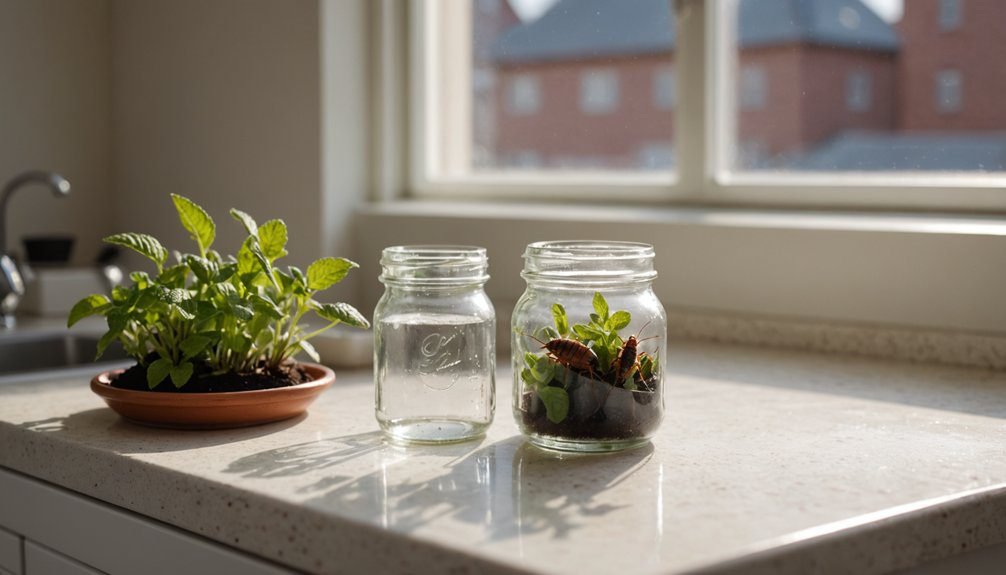
When it comes to eliminating cockroaches naturally, you’ll need to first understand how these resilient pests operate in urban environments.
Cockroaches thrive in dark, hidden spaces throughout your apartment, particularly in kitchens and bathrooms where food and moisture are abundant. They’ll make their homes in wall voids, cabinet interiors, and behind appliances, using plumbing gaps and electrical conduits to move between units.
Hidden in your walls and cabinets, cockroaches lurk near water and food sources, using pipes and wiring as highways between apartments.
You’re unlikely to spot these nocturnal insects during daylight hours unless you’re dealing with a severe infestation. These persistent creatures can survive for up to a month without food, making elimination particularly challenging.
Instead, look for signs like coffee-ground-like droppings, shed exoskeletons, and damaged food packages. Pay attention to musty odors and faint rustling sounds at night – these are telltale indicators that cockroaches have established themselves in your living space.
Natural Repellents and Essential Oil Solutions
Natural solutions offer a safer alternative to chemical pesticides for controlling cockroach infestations in your home.
Lemongrass oil stands out as one of the most effective options, delivering 100% repellency and high toxicity against American cockroaches within 24 hours.
You’ll also find strong results with citrus hystrix oil, which repels both American and German cockroaches for up to a week.
For a DIY approach, create a spray by mixing peppermint oil with water, or combine cayenne pepper, garlic powder, and onion powder to sprinkle in roach-prone areas. A mixture of borax and sugar is particularly effective, as roaches are attracted to the sugar but die after consuming the borax.
Tea tree oil mixed with water (1/4 cup to 2 cups) works well but needs regular reapplication.
For lasting protection, use rosemary oil weekly around entry points, as it’s both effective and safe for most households.
Safe and Effective DIY Bait Recipes

Creating effective DIY cockroach baits starts with simple household ingredients that prove lethal to roaches while remaining relatively safe for homes. You can mix equal parts boric acid, flour, and sugar with water to form dough balls, or combine baking soda and sugar in a 1:1 ratio for a non-toxic alternative.
Another potent recipe combines equal amounts of powdered sugar, fine yellow cornmeal, and borax. For a highly attractive bait, mix egg yolk with boric acid to create sticky balls that roaches can’t resist.
Place these baits in areas where you’ve spotted roach activity, such as under sinks and behind appliances. Remember to keep all baits, especially those containing boric acid or borax, away from children and pets.
Replace baits regularly to maintain their effectiveness against cockroach infestations. These natural baits are particularly effective when placed along edges and corners where nocturnal insects congregate during their nightly foraging.
Strategic Placement of Natural Control Methods
Strategic placement of control methods maximizes the effectiveness of your natural cockroach solutions.
Target dark, warm, and damp spots where roaches commonly hide and travel to guarantee they encounter your deterrents. Roaches can slip through tiny crevices as small as a quarter-inch wide to enter your home.
Smart pest control starts with understanding roach behavior – target their preferred pathways to ensure maximum impact of natural deterrents.
- Place peppermint oil-soaked cotton balls and citrus peels near entry points, baseboards, and inside cabinets to create a natural barrier.
- Position sticky traps behind appliances, under sinks, and in dark corners where you’ve spotted droppings or roach activity.
- Set bait stations along walls and under appliances, guaranteeing they’re easily accessible to roaches but away from children and pets.
- Introduce natural predators like cellar spiders in storage areas and basements where roaches cluster.
- Monitor and refresh all control methods regularly, especially after cleaning or when you notice reduced effectiveness.
Decluttering and Cleaning Strategies
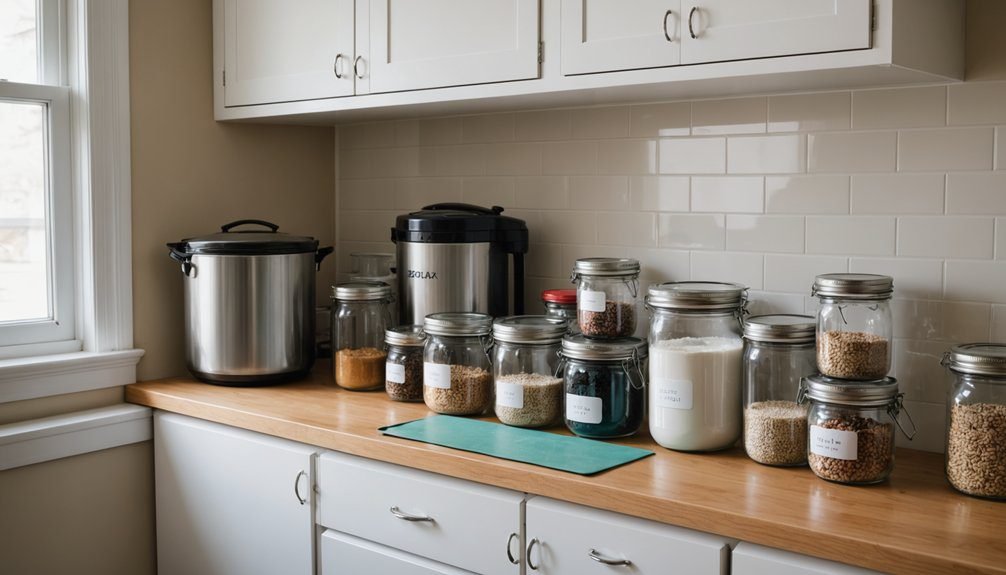
While cockroaches thrive in messy environments, a systematic approach to decluttering and cleaning can drastically reduce their presence in your home. Start by removing all unnecessary papers, boxes, and items that provide hiding spots. Keep your kitchen spotless by cleaning spills immediately and storing food in airtight containers. Using natural deterrent sprays like lemon water or peppermint oil can help repel cockroaches while cleaning.
| Area | Daily Tasks | Weekly Tasks |
|---|---|---|
| Kitchen | Wipe counters, clean dishes, sweep floors | Deep clean appliances, mop thoroughly |
| Bathroom | Clean sink, toilet, shower | Scrub drains, check for leaks |
| Storage | Empty trash, organize items | Vacuum corners, rotate stored items |
Don’t forget to maintain proper ventilation and fix any leaks promptly. You’ll want to vacuum regularly, especially in areas where food crumbs accumulate. Use sealed containers for pet food and guarantee trash bins have tight-fitting lids to eliminate potential food sources.
Sealing Entry Points and Physical Barriers
A thorough home defense against cockroaches begins with sealing their entry points. Inspect your apartment’s interior and exterior surfaces, paying close attention to foundation, walls, utility entrances, and window frames.
Once you’ve identified potential access points, use silicone caulk for small gaps and expanding foam for larger openings.
- Install tight-fitting door sweeps and replace worn weather stripping around windows and doors
- Seal gaps around plumbing pipes, electrical conduits, and ventilation shafts
- Cover chimney openings with pest-proof caps or mesh screens
- Apply caulk where walls meet floors and ceilings, including baseboards
- Repair or replace damaged window and vent screens with fine mesh
Maintain these barriers by conducting regular inspections every few months, especially after weather events or building repairs.
Promptly address any new gaps or deteriorating seals to maintain your cockroach-free environment.
Moisture Control and Environmental Management
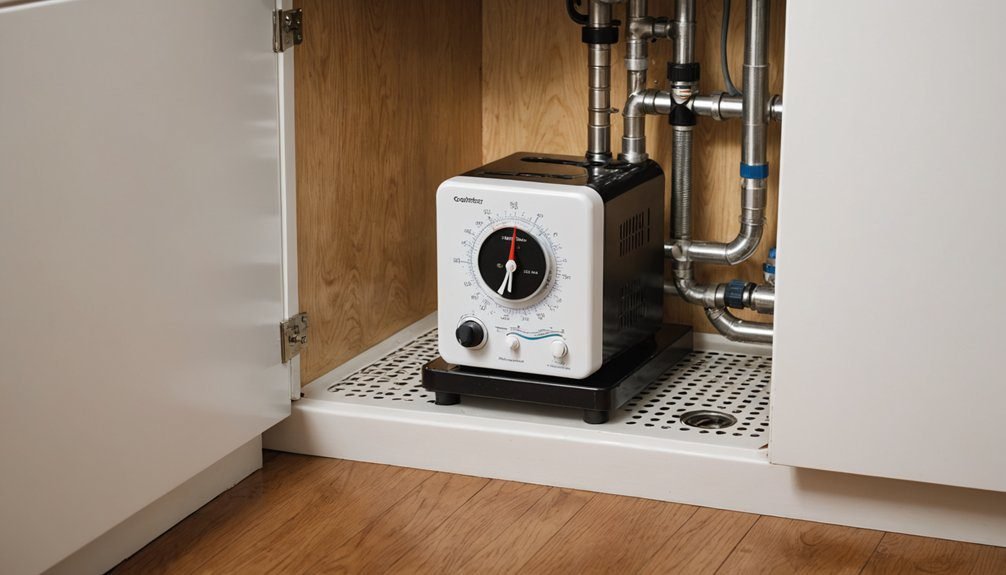
Since cockroaches need moisture to survive, controlling your home’s humidity levels is essential for deterring these pests. Fix leaky pipes promptly, ventilate bathrooms and kitchens properly, and use dehumidifiers in damp areas. Don’t leave wet cleaning items like sponges or mops inside, as they create perfect roach habitats.
| Area | What to Control | How to Control |
|---|---|---|
| Kitchen | Water Sources | Fix drips, dry sinks, seal containers |
| Bathroom | Humidity | Use exhaust fans, repair leaks |
| Storage | Clutter | Remove cardboard, organize spaces |
Keep your environment clean and dry by immediately cleaning food spills, regularly emptying trash in sealed containers, and reducing clutter. Install mesh screens over drains and seal gaps around pipes to prevent roaches from moving between units through plumbing systems.
Working With Landlords for Long-Term Solutions
Because effective pest control often requires cooperation between tenants and property owners, understanding your rights and responsibilities is essential when dealing with cockroach infestations.
Your landlord must maintain a pest-free living environment by law, and you’ll need to work together for lasting solutions.
- Document all communication with your landlord in writing, including infestation reports and treatment requests.
- Review your lease’s pest control provisions to understand maintenance responsibilities and cost arrangements.
- Keep records of pest control treatments, including dates and methods used.
- Report infestations promptly and maintain cleanliness to prevent tenant-fault claims.
- Consider contacting local housing authorities if your landlord doesn’t respond within required timeframes (typically 24-48 hours).
You can deduct pest control costs from rent if your landlord fails to act, but be sure to follow proper legal procedures and maintain thorough documentation.
Frequently Asked Questions
How Long Does It Take for Natural Cockroach Control Methods to Show Results?
You’ll start seeing initial effects within 24-48 hours, but don’t expect instant elimination.
Natural methods typically take 2-8 weeks for complete control, depending on infestation severity.
You’ll notice significant reduction around week two with consistent treatment.
For apartment settings, plan on up to 8 weeks for full eradication since you’re dealing with potential ongoing infestations from neighboring units.
Can Cockroaches Develop Resistance to Natural Repellents Over Time?
While cockroaches can develop strong resistance to chemical insecticides, there’s limited evidence they build significant resistance to natural repellents.
However, you’ll notice natural repellents lose effectiveness quickly due to their short residual action rather than true resistance.
You’ll need to reapply essential oils and other natural deterrents more frequently since they break down faster than synthetic chemicals.
This shorter persistence may actually help prevent resistance development.
Should I Continue Treatments After Roaches Disappear to Prevent Reinfestation?
Yes, you should definitely continue treatments after roaches disappear.
Even when you don’t see any roaches, hidden eggs can hatch weeks later, leading to reinfestation.
You’ll want to maintain regular treatments every 2-3 months, especially in apartment settings where roaches can migrate from neighboring units.
Keep up your prevention routine, including natural treatments, sanitation measures, and sealing entry points to guarantee long-term success.
What Time of Day Is Best to Apply Natural Cockroach Control Methods?
Apply your natural cockroach treatments in the late evening or at night when roaches are most active.
You’ll get better results since these nocturnal pests emerge from their hiding spots to forage after dark.
For maximum effectiveness, lay out your boric acid, essential oils, or other natural remedies when it’s dark and quiet.
Keep the area dry and undisturbed to guarantee the treatments remain effective overnight.
How Can I Protect My Pets From Accidentally Consuming Natural Roach Treatments?
You’ll need to place all natural roach treatments in areas your pets can’t access, like behind appliances or inside wall cracks.
Store products in locked cabinets, and use child-proof containers.
When applying treatments, keep pets out of the area until surfaces are completely dry.
Use bait stations in hidden spots, and avoid spreading powders or sprays on open floors where pets walk, play, or eat.
Conclusion
You’ll find that combining these natural control methods gives you the best results in your apartment. By staying consistent with cleaning, using natural repellents, managing moisture, and working cooperatively with your landlord, you can effectively reduce and eliminate cockroach populations. Remember, while natural solutions may take longer than chemical alternatives, they’re safer for your living space and provide sustainable, long-term results.
