
7 Best Natural Cockroach Extermination Methods That Work
The best natural cockroach extermination methods are boric acid baits, food-grade diatomaceous earth, neem oil, essential oil sprays, sticky traps, and a combination of strict sanitation and physical exclusion. Used together as a layered DIY plan, these treatments eliminate cockroaches without toxic chemical residues and prevent them from coming back.
Key Takeaways
Natural cockroach control works best as a system, not as individual products used in isolation. Here is what the most effective approach looks like.
- Boric acid baits at 0.5 to 2 percent placed in cracks and hotspots deliver reliable knockdown; higher-concentration gel baits last longer between applications.
- Food-grade diatomaceous earth applied in thin layers along travel routes kills cockroaches mechanically without creating resistance.
- Essential oils including oregano, clove, peppermint, and tea tree repel and at higher concentrations kill cockroaches; rotate oils weekly for best results.
- Neem oil disrupts cockroach growth, feeding, and egg laying over weeks as an antifeedant and developmental inhibitor.
- Sanitation, gap sealing, sticky trap monitoring, and targeted vacuuming form the non-chemical foundation that makes every other method work better.
Boric Acid Baits and Placement
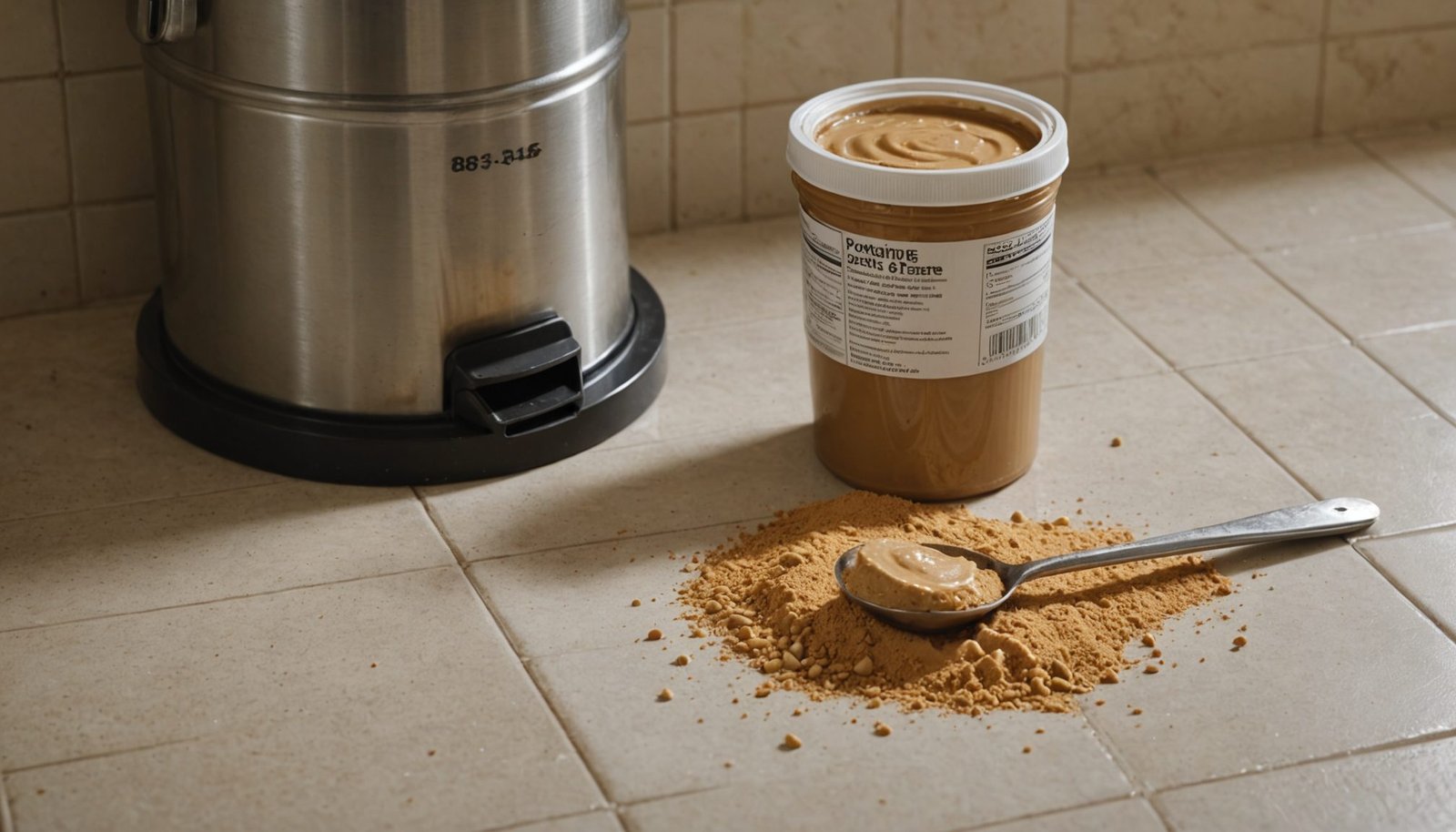
Boric acid is one of the most reliable natural tools available for knocking down cockroach populations when used correctly as a bait rather than a broadcast dust. Its key advantage is that it is non-repellent, meaning cockroaches do not detect or avoid treated areas, which makes it far more effective than many synthetic sprays that roaches learn to route around.
For fast population decline, aim for sugar-based bait formulations with 0.5 to 2 percent boric acid. Concentrations at or above 1 percent can collapse populations within a few days in active infestations. For longer residual effectiveness with fewer reapplication cycles, 10 percent gel or granular baits outperform 5 percent options in field conditions.
How Boric Acid Works as a Cockroach Killer
Boric acid kills cockroaches through ingestion rather than contact. The roach feeds on the bait, returns to its harborage, and dies there. Other colony members then contact the boric acid through feces and body contact with the dead roach, creating a secondary transfer kill that reaches the broader colony. Pairing boric acid with food attractants like sugar, peanut butter, or syrup boosts bait acceptance rates significantly and draws feeding activity from roaches that would otherwise avoid unfamiliar substances.
- Apply in pea-sized amounts or thin dust films inside cracks, behind appliances, under sinks, and around pipe penetrations
- Target kitchen cabinets, bathroom vanity bases, and wall voids near moisture sources where cockroaches harbor
- Avoid heavy crusting or piles; thin applications transfer more effectively to exoskeletons during contact
- Reapply every 2 to 3 weeks and after any cleaning that disturbs placement areas
- Follow up consistently to catch newly hatched nymphs that emerge from egg cases after the initial adult kill
Why natural cockroach extermination methods like boric acid outperform chemical sprays long-term comes down to resistance: cockroaches cannot develop genetic resistance to boric acid the way they develop resistance to synthetic pyrethroid insecticides.
Food-Grade Diatomaceous Earth for Long-Lasting Control
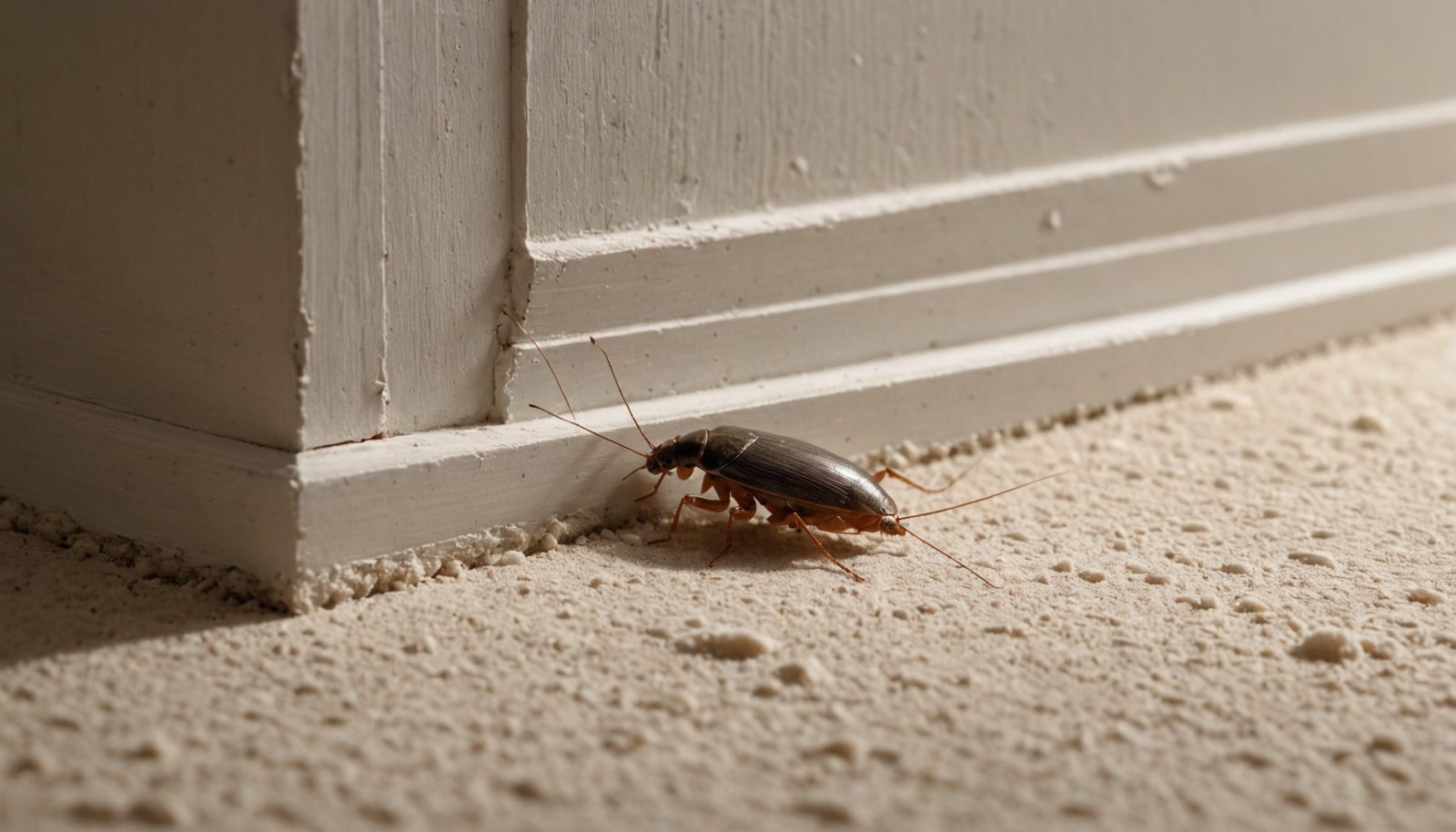
Diatomaceous earth looks like fine powder but functions as a physical killing agent rather than a poison. Fossilized diatom particles are microscopic and razor-edged, slicing through the waxy lipid layer on cockroach exoskeletons on contact. Once that protective layer is compromised, the cockroach dehydrates and dies within a few days. Adults, nymphs, and even eggs in contact with the dust are affected. Because the kill mechanism is entirely mechanical, no genetic adaptation can make cockroaches resistant to it.
How to Apply Diatomaceous Earth Correctly
Correct application is what separates effective DE use from wasted product. The most common mistake is applying too much. Heavy piles or thick layers are avoided by cockroaches because they detect the texture change. Thin, barely visible layers in travel paths and harborage zones are far more effective because cockroaches walk through without detecting them.
- Use food-grade diatomaceous earth only; pool-grade DE uses different particle sizes and is not safe for indoor use
- Apply inside cabinet bases, beneath refrigerators and dishwashers, behind baseboards, and inside wall gaps near pipe penetrations
- Focus on bathroom floors and countertops near drains where moisture attracts cockroach activity
- Reapply after cleaning, in humid areas where moisture reduces effectiveness, or whenever coverage appears disturbed
- Wear a dust mask during application to avoid inhaling fine particles; once settled, DE poses no inhalation risk
DE stays effective indefinitely in dry, undisturbed areas, making it one of the most cost-efficient natural treatments available for DIY cockroach control in kitchens, bathrooms, and utility spaces.
Essential Oils for Repelling and Killing Cockroaches
Essential oils repel cockroaches through strong scent compounds that disrupt their olfactory navigation system and, at higher concentrations, act as direct contact toxins. They are not a standalone solution for active infestations but they meaningfully reduce cockroach activity in treated areas and work well as part of a layered natural extermination plan.
The most effective oils for cockroach control are oregano, clove, peppermint, tea tree, rosemary, and eucalyptus. Peppermint’s menthol overwhelms cockroach sensory receptors and repels foraging activity along baseboards and cabinet edges. Tea tree oil disrupts chemical trails cockroaches use to navigate between harborages and food sources. Rosemary oil at concentrations of 5 to 30 percent has shown direct insecticidal activity in research, with significant mortality at higher application rates.
Top Essential Oils and How They Work
Each oil has a specific mechanism and use case that determines where and how to deploy it.
- Peppermint: menthol compounds overwhelm roach senses; blend with tea tree and rosemary for stronger combined effect
- Clove and oregano: among the strongest contact repellents with longer-lasting scent profiles than mint-based oils
- Tea tree: disrupts chemical trail navigation and sanitizes surfaces in kitchens and bathrooms simultaneously
- Eucalyptus and citronella: broad-spectrum repellents that add scent depth when blended with stronger actives
- Lavender, geranium, and fennel: secondary repellents that extend coverage without overwhelming the primary blend
How to Apply Essential Oils Safely and Effectively
Dilute essential oils to 2 to 10 percent in water or a water-vinegar solution before spraying. Apply along baseboards, cabinet edges, kitchen countertop backs, under appliances, and around entry points. Wipe surfaces first to remove grease and crumbs that interfere with adherence. Reapply every 5 to 7 days since most oil scents fade within a week in typical indoor conditions.
Place oil-soaked cotton balls inside cabinet hinges, behind appliances, and at entry gaps for slow-release coverage in tight spots where spray application is difficult. Rotate oils every few weeks to prevent cockroaches from habituating to a single scent compound. Ventilate rooms during and after application. Wear gloves when handling concentrated oils and patch-test on surfaces before broad application to check for staining.
Neem Oil and Botanical Repellents
Neem oil is derived from the seeds of Azadirachta indica and contains azadirachtin, a compound that disrupts cockroach growth, feeding behavior, and egg production. Unlike essential oils, neem does not primarily work through scent repellency. It functions as an antifeedant and developmental inhibitor that steadily reduces cockroach populations over weeks by preventing nymphs from maturing and females from laying viable eggs.
How to Use Neem Oil for Cockroach Control
Dilute neem oil according to label directions and spray cracks, crevices, baseboards, and beneath appliances. Reapply at recommended intervals, more frequently in warm and humid conditions where the active compound breaks down faster. Neem cake, the ground residue after oil extraction, releases azadirachtin compounds gradually when spread thinly along cockroach travel routes near entry points and at exterior foundations.
- Expect results over weeks rather than days; neem works through population suppression, not fast knockdown
- Most effective against nymphs and gravid females in active harborage zones
- Biodegradable, low-toxicity, and safe for use around pollinators in garden and exterior applications
- Combine neem with boric acid baits for complementary coverage: boric acid handles adults while neem suppresses reproduction
Other botanical deterrents complement neem in a natural treatment plan. Bay leaves placed in kitchen cabinets, pantry shelves, and furniture drawers deter cockroach foraging along established routes. Catnip contains nepetalactone, a natural cockroach repellent shown in research to be more effective than DEET at repelling German cockroaches. Garlic and citrus peel placed near entry points add additional deterrent layers that are safe for homes with children and pets.
Sanitation and Exclusion: The Non-Chemical Foundation

Every natural extermination method delivers better results when the environment stops supporting cockroach survival. Sanitation and exclusion are not optional additions to a natural pest control plan; they are the foundation that determines whether any treatment actually holds.
Cockroaches need three things to survive in your home: food, water, and harborage. Removing these resources does not eliminate an existing infestation on its own, but it dramatically reduces the pressure on your chemical-free treatment program and prevents new cockroaches from establishing after treatment succeeds.
Daily Sanitation Steps That Cut Cockroach Food Sources
The kitchen is the primary target for sanitation because it concentrates food debris, moisture, and warmth in one place. Cockroach activity on countertops, floors, and cabinet interiors is almost always linked to available food sources that standard cleaning routines miss.
- Wipe countertops and stovetop surfaces nightly with a vinegar-water solution to remove grease and food residues
- Wash dishes immediately rather than leaving them in the sink overnight
- Store all dry goods in sealed containers; cardboard boxes and open bags are direct harborage sources
- Empty indoor trash cans nightly and move waste to outdoor bins with tight-fitting lids
- Vacuum kitchen floors, cabinet bases, and under appliances weekly to remove crumbs and egg cases
- Fix leaking faucets and dry sinks and pet water bowls overnight to eliminate the moisture cockroaches need to survive
- Degrease stove hoods, backsplashes, and the undersides of cabinet shelves where grease accumulates invisibly
Sealing Entry Points and Gaps
Exclusion stops new cockroaches from replacing the ones your treatment program is eliminating. This step is particularly important in multi-unit homes and apartments where cockroaches move between units through shared wall voids, plumbing chases, and gaps around utility penetrations.
- Caulk cracks and gaps along baseboards, behind sinks, and around pipe penetrations in kitchens and bathrooms
- Install door sweeps on exterior-facing doors and replace worn weatherstripping to close under-door gaps
- Seal openings around cables, gas lines, and electrical conduits where they enter through walls
- Repair or replace torn window and door screens
- Cover floor drains overnight in bathrooms and laundry rooms where cockroach activity near drains has been observed
- Keep mulch and vegetation at least 6 inches from the foundation exterior to reduce moisture and harborage near entry points
Sticky Traps and Vacuuming for Immediate Population Reduction
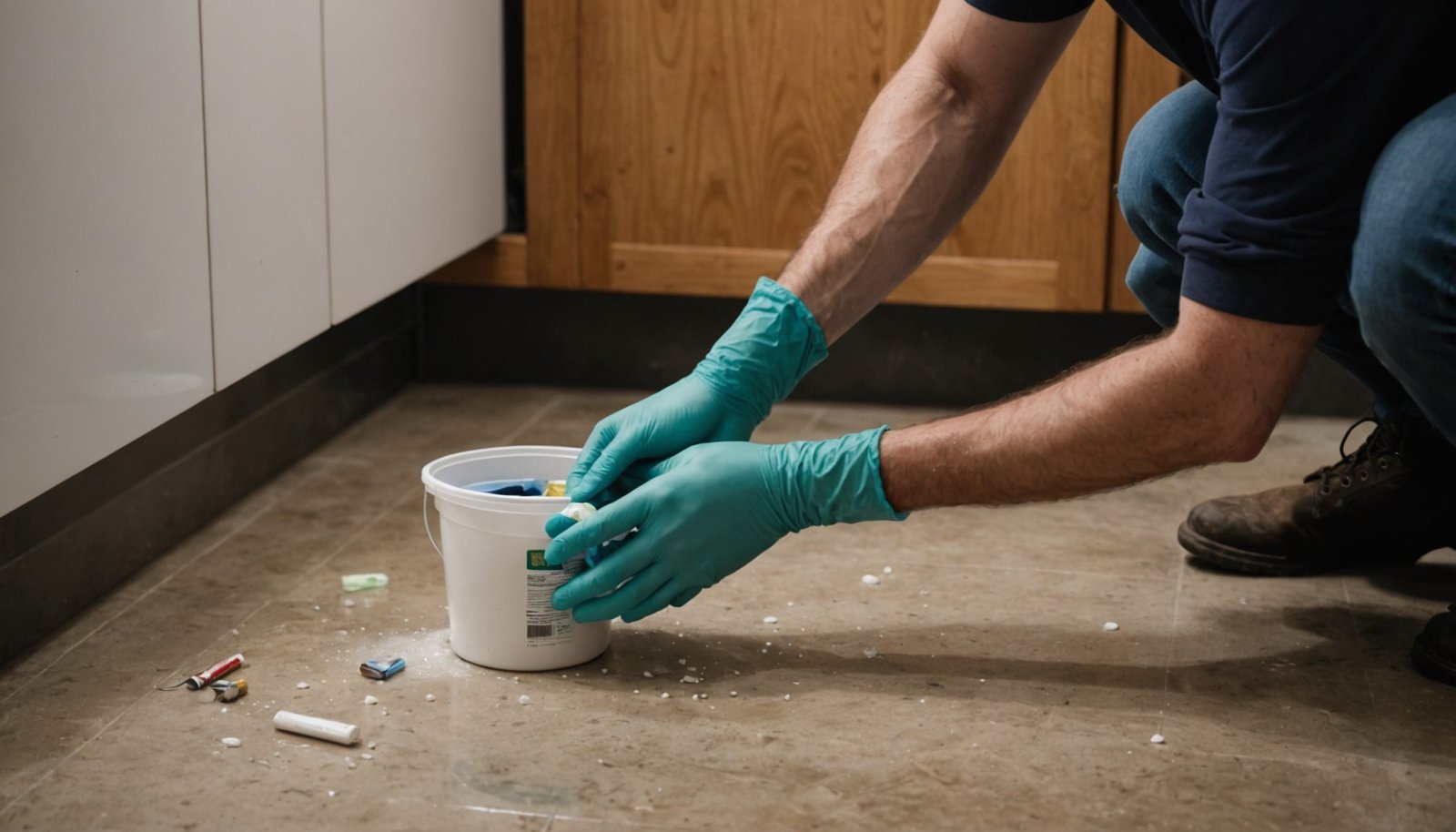
Sticky traps and targeted vacuuming provide immediate population reduction without any chemical exposure and also generate the monitoring data that makes every other treatment decision more accurate.
Place sticky traps flush to walls in corners behind refrigerators, under sinks, inside cabinet bases, and along bathroom floors where cockroach activity has been observed. Read trap counts at 24 to 48 hours to establish a severity baseline before beginning bait and dust treatments. Trap catches reveal which areas have the highest activity, how the population is distributed across rooms, and whether your treatment program is producing declining counts week over week.
Vacuuming as a Direct Control Method
A strong handheld vacuum used along cracks, inside cabinet bases, and under appliances removes live roaches, nymphs, eggs, and droppings directly without any product. This is particularly useful for reducing cockroach numbers quickly in kitchens and bathrooms before bait placements and DE applications are made.
- Vacuum active zones at night when cockroaches are foraging for the highest capture rate
- Empty the vacuum canister immediately outdoors after each use to prevent captured roaches from escaping
- Use the vacuum to remove accumulated debris from cracks and cabinet bases before applying boric acid or DE
- Log trap catches weekly to track population trends and shift bait or dust placement toward newly active zones
- Keep traps out of reach of children and pets and replace them when full or when the adhesive loses effectiveness
A DIY cockroach inspection checklist before placing traps ensures you identify all active harborage zones rather than guessing at placement locations.
Building an Integrated Natural Extermination Plan
Individual natural methods deliver partial results. The full plan combines all tools into a coordinated routine that addresses every element of what cockroaches need to survive and reproduce in your home.
Start with sticky trap deployment to map activity. Then address sanitation and exclusion: fix moisture sources, seal gaps, remove food debris, and store all food in sealed containers. Once the environment is less hospitable, begin applying boric acid baits in harborage zones and DE in dry travel routes. Add essential oil sprays along baseboards and entry points and neem oil in cracks and crevices. Continue monitoring trap counts weekly and refresh treatments based on where activity persists.
Natural Treatment Rotation Schedule
Consistent rotation keeps the program effective and prevents cockroaches from habituating to any single deterrent.
- Week 1: Deploy traps, complete sanitation audit, apply boric acid baits in all confirmed harborage zones
- Week 2: Apply food-grade DE in dry travel routes and void areas; spray essential oil blend along baseboards and entry points
- Week 3: Read trap counts and shift bait placements toward highest-activity zones; apply neem oil in crevices and under appliances
- Week 4: Rotate to a different essential oil blend; refresh boric acid placements; recheck and replace traps
- Ongoing: Maintain daily sanitation habits, inspect exclusion barriers monthly, and continue trap monitoring indefinitely
Stopping cockroaches from coming back after a natural program succeeds depends on keeping this rotation schedule active rather than stopping treatments once visible activity disappears. Egg cases that survived the initial program can hatch weeks later, producing a new infestation from a population that was never fully eliminated.
When Natural Methods Need Professional Backup
Natural extermination methods are highly effective for light to moderate cockroach infestations and for ongoing prevention after a heavier infestation has been cleared. They are the right long-term strategy for most homeowners who want to avoid chemical exposure in their living spaces.
Heavy infestations with colonies established inside walls, beneath floors, and across multiple rooms typically need professional intervention before natural methods can hold control. Comparing DIY to professional cockroach extermination shows that the approaches work best in sequence: professional treatment to achieve initial knockdown followed by a natural maintenance program to prevent reinfestation without returning to repeated chemical applications.
If trap counts are not declining after four weeks of correctly applied natural treatments combined with thorough sanitation and exclusion, call a licensed pest control service. Persistent infestation despite consistent natural treatment usually indicates either a harborage zone that has not been reached, reinfestation pressure from neighboring units, or a population large enough that boric acid and DE alone cannot outpace reproduction.
Frequently Asked Questions
How Long Do Natural Cockroach Extermination Methods Take to Work?
Boric acid baits begin killing cockroaches within 3 to 10 days of correct placement. Diatomaceous earth kills on contact but population reduction becomes visible over 2 to 3 weeks as more cockroaches contact treated areas during nightly foraging. Neem oil works more slowly as a developmental inhibitor, with meaningful population suppression building over 4 to 6 weeks. Full infestation control using a combined natural plan typically takes 4 to 8 weeks for moderate infestations.
Is Food-Grade Diatomaceous Earth Safe for Pets and Children?
Yes, food-grade diatomaceous earth is non-toxic to mammals and safe for use in homes with children and pets when applied as directed. The only precaution is avoiding inhalation during application, which can irritate respiratory passages in both humans and pets. Once settled in enclosed areas like cabinet bases and wall gaps, it poses no inhalation risk and can remain in place indefinitely.
Can Essential Oils Alone Eliminate a Cockroach Infestation?
No. Essential oils are effective repellents and can kill cockroaches through direct contact at higher concentrations, but they do not penetrate harborages or reach the full colony the way boric acid baits and diatomaceous earth do. Their scent also dissipates within days, requiring constant reapplication to maintain any deterrent effect. Use essential oils as part of a layered plan alongside boric acid, DE, and sanitation rather than as a standalone treatment.
What Natural Remedies Repel Cockroaches From Kitchen Cabinets?
Bay leaves placed inside cabinet shelves and pantry drawers deter cockroach foraging through a scent compound called eucalyptol. Catnip sachets are highly effective; nepetalactone, the active compound in catnip, has shown stronger repellent activity against German cockroaches than DEET in controlled studies. Cedar shavings, clove sachets, and citrus peel placed inside cabinets all add repellent layers. Wipe cabinet interiors with a diluted vinegar solution weekly to remove chemical trails cockroaches use to return to established feeding routes.
Does Neem Oil Kill Cockroach Eggs?
Neem oil’s azadirachtin compound disrupts embryonic development and can reduce hatch rates when egg cases are directly exposed to treated surfaces. However, neem does not penetrate the protective outer shell of the ootheca reliably enough to eliminate all eggs in a case. Its most effective role is preventing females from laying viable eggs in the first place by disrupting reproductive hormones before egg cases are produced. Pair neem with boric acid baits and DE to address both existing eggs and adult populations simultaneously.
{
“@context”: “https://schema.org”,
“@type”: “FAQPage”,
“mainEntity”: [
{
“@type”: “Question”,
“name”: “How Long Do Natural Cockroach Extermination Methods Take to Work?”,
“acceptedAnswer”: {
“@type”: “Answer”,
“text”: “Boric acid baits begin killing cockroaches within 3 to 10 days of correct placement. Diatomaceous earth kills on contact but population reduction becomes visible over 2 to 3 weeks as more cockroaches contact treated areas during nightly foraging. Neem oil works more slowly as a developmental inhibitor, with meaningful population suppression building over 4 to 6 weeks. Full infestation control using a combined natural plan typically takes 4 to 8 weeks for moderate infestations.”
}
},
{
“@type”: “Question”,
“name”: “Is Food-Grade Diatomaceous Earth Safe for Pets and Children?”,
“acceptedAnswer”: {
“@type”: “Answer”,
“text”: “Yes, food-grade diatomaceous earth is non-toxic to mammals and safe for use in homes with children and pets when applied as directed. The only precaution is avoiding inhalation during application, which can irritate respiratory passages in both humans and pets. Once settled in enclosed areas like cabinet bases and wall gaps, it poses no inhalation risk and can remain in place indefinitely.”
}
},
{
“@type”: “Question”,
“name”: “Can Essential Oils Alone Eliminate a Cockroach Infestation?”,
“acceptedAnswer”: {
“@type”: “Answer”,
“text”: “No. Essential oils are effective repellents and can kill cockroaches through direct contact at higher concentrations, but they do not penetrate harborages or reach the full colony the way boric acid baits and diatomaceous earth do. Their scent also dissipates within days, requiring constant reapplication to maintain any deterrent effect. Use essential oils as part of a layered plan alongside boric acid, DE, and sanitation rather than as a standalone treatment.”
}
},
{
“@type”: “Question”,
“name”: “What Natural Remedies Repel Cockroaches From Kitchen Cabinets?”,
“acceptedAnswer”: {
“@type”: “Answer”,
“text”: “Bay leaves placed inside cabinet shelves and pantry drawers deter cockroach foraging through a scent compound called eucalyptol. Catnip sachets are highly effective; nepetalactone, the active compound in catnip, has shown stronger repellent activity against German cockroaches than DEET in controlled studies. Cedar shavings, clove sachets, and citrus peel placed inside cabinets all add repellent layers. Wipe cabinet interiors with a diluted vinegar solution weekly to remove chemical trails cockroaches use to return to established feeding routes.”
}
},
{
“@type”: “Question”,
“name”: “Does Neem Oil Kill Cockroach Eggs?”,
“acceptedAnswer”: {
“@type”: “Answer”,
“text”: “Neem oil’s azadirachtin compound disrupts embryonic development and can reduce hatch rates when egg cases are directly exposed to treated surfaces. However, neem does not penetrate the protective outer shell of the ootheca reliably enough to eliminate all eggs in a case. Its most effective role is preventing females from laying viable eggs in the first place by disrupting reproductive hormones before egg cases are produced. Pair neem with boric acid baits and DE to address both existing eggs and adult populations simultaneously.”
}
}
]
}
