
How to Eliminate Cockroaches Naturally in Apartments
You can eliminate cockroaches naturally in an apartment by combining boric acid baits in harborage zones, food-grade diatomaceous earth along travel routes, essential oil sprays at entry points, strict daily sanitation, moisture control, and physical gap sealing. In apartment environments, these methods work best as a coordinated plan rather than isolated remedies because cockroaches can reinfest from neighboring units through shared walls and plumbing systems.
Key Takeaways
Apartment cockroach problems are more complex than single-home infestations because of shared infrastructure. Understanding this shapes every treatment decision.
- German cockroaches are the most common apartment species; they breed rapidly in kitchens and bathrooms and spread through wall voids between units.
- Boric acid baits and diatomaceous earth are the most reliable natural treatments for active apartment infestations.
- Moisture control and daily sanitation remove the resources cockroaches depend on and make every treatment method more effective.
- Sealing entry points in kitchen cabinets, under sinks, and around pipe penetrations stops reinfestation from neighboring units.
- Document all infestation evidence and treatment requests in writing; landlords have legal obligations to maintain pest-free living conditions.
Understanding Cockroach Behavior in Apartments
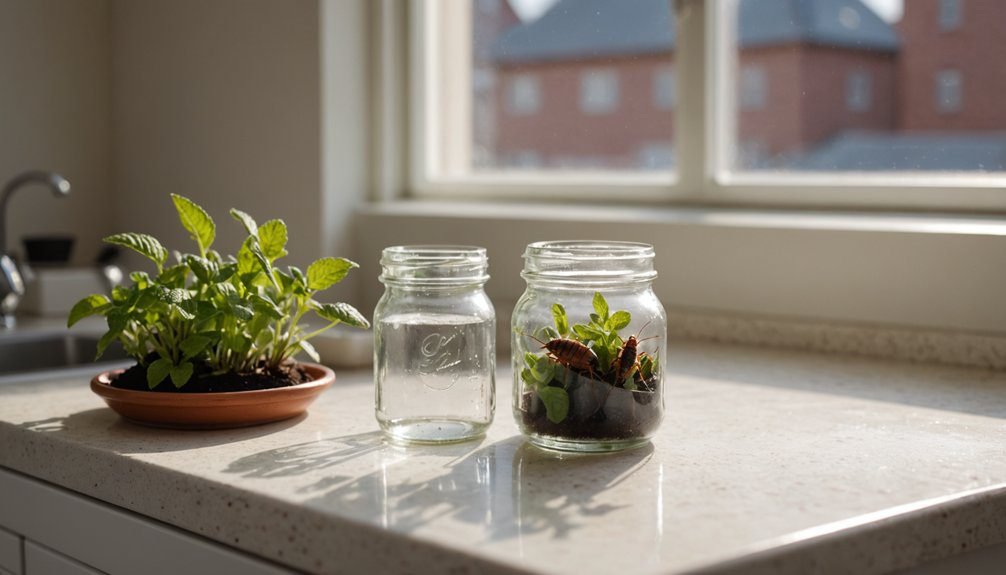
The cockroach problem in apartments is fundamentally different from the same problem in a standalone house. In a house, you control every entry point. In an apartment, you share walls, plumbing chases, electrical conduits, and floor gaps with neighbors whose pest control habits you cannot control. This structural reality means even a perfectly executed natural treatment program can face reinfestation pressure from adjacent units that remain untreated.
German cockroaches are responsible for the vast majority of apartment infestations. They are small enough to slip through gaps of a quarter inch or less, breed rapidly with a single female producing hundreds of offspring in a year, and prefer the warmth and moisture found in kitchens and bathrooms. They establish harborages inside kitchen cabinet bases, behind and beneath appliances, inside wall voids near pipe penetrations, and along baseboards in bathrooms. Because they are nocturnal, most homeowners only see them when the infestation has grown large enough that competition for harborage space forces roaches to forage during daylight hours.
Signs of Cockroach Infestation to Look For
Identifying the full scope of the infestation before beginning treatment makes every natural method more targeted and effective. Do not rely only on visual sightings, which represent a small fraction of the actual population.
- Droppings resembling coffee grounds or black pepper along cabinet bases, behind appliances, and inside drawers
- Shed exoskeletons near harborage zones indicating active nymph development
- Egg cases attached to the undersides of shelves, inside cabinet hinges, and behind appliances
- Musty or oily odor in kitchens and bathrooms caused by pheromones and body secretions from large populations
- Smear marks along baseboards and walls where cockroaches travel repeatedly along established routes
- Damage to food packaging, paper products, and cardboard boxes used for harborage
Signs of cockroach infestation in apartments are often more extensive than they first appear because the insects spend the vast majority of their time hidden inside walls, voids, and appliance interiors rather than in open areas where they are visible.
Natural Repellents and Essential Oil Solutions
Essential oils work as cockroach control tools through two mechanisms: strong scent compounds that overwhelm cockroach olfactory navigation and, at higher concentrations, direct toxicity through contact. They are most effective as perimeter repellents that discourage cockroaches from crossing treated surfaces and as entry point barriers rather than as standalone treatments for active infestations.
Lemongrass oil delivers some of the strongest documented repellency against American cockroaches, with research showing near-complete repellency within 24 hours of application at appropriate concentrations. Citrus hystrix oil repels both American and German cockroaches for up to a week per application. Peppermint and tea tree oils are the most accessible options for DIY apartment treatment, widely available and effective when applied consistently at baseboards, cabinet edges, and around pipe penetrations.
How to Apply Essential Oils in Apartments
Dilute essential oils to 2 to 10 percent in water or a water-vinegar solution before applying to surfaces. Higher concentrations cause staining on some finishes; test an inconspicuous area before broad application in rental apartments where surface damage is a tenant liability concern.
- Spray diluted oils along baseboards, kitchen cabinet edges, and bathroom surfaces where droppings indicate cockroach travel routes
- Place oil-soaked cotton balls inside cabinet hinges, beneath appliances, and at gaps around pipe penetrations for slow-release coverage
- Apply rosemary oil around entry points weekly; at concentrations above 5 percent it has demonstrated direct insecticidal activity against German cockroaches
- Rotate between peppermint, clove, oregano, and lemongrass to prevent habituation to a single scent compound
- Reapply every 5 to 7 days since most oil scents break down quickly in warm, humid apartment environments
Boric Acid Baits and DIY Bait Recipes

Boric acid is the most reliable natural killing agent for active cockroach infestations in apartments. It is non-repellent, meaning cockroaches do not detect or avoid treated areas, which gives it a significant advantage over essential oil sprays and many commercial natural products. Cockroaches ingest it during feeding or pick it up on their bodies while passing through treated areas, then carry it back to the harborage where it spreads to other colony members through grooming and body contact.
For fastest population decline, use boric acid mixed with a food attractant at 0.5 to 2 percent concentration. Mix equal parts boric acid powder, powdered sugar, and flour with enough water to form a workable dough. Roll into small balls and place them in bottle caps or container lids positioned in hotspot areas. An egg yolk mixed with boric acid powder creates a particularly attractive sticky bait that cockroaches seek out even when competing food sources are present.
Boric Acid Placement in Apartments
Placement precision matters more than the amount of product used. Boric acid bait placed in open areas where cockroaches rarely travel produces almost no results. The same amount placed precisely inside an active harborage zone can collapse the local population within a week.
- Inside kitchen cabinet bases along the back edge where cockroaches enter from wall voids
- Beneath and behind the refrigerator, dishwasher, and stove where warmth and food debris attract harborage
- Under sinks around pipe penetrations where moisture and wall access create prime harborage conditions
- Along the back of bathroom vanity bases and around toilet base gaps where cockroaches travel between units
- Inside electrical outlet backs and cabinet hinges where cockroaches harbor in tight, protected spaces
Keep all boric acid baits away from children and pets. Replace baits every 5 to 7 days or when they dry out and lose their attractant quality. For a non-toxic alternative with no handling concerns around pets, a 1:1 mixture of baking soda and sugar placed in the same locations provides a safer but somewhat slower-acting option.
Diatomaceous Earth for Apartment Cockroach Control
Food-grade diatomaceous earth complements boric acid bait by covering travel routes between harborage zones and food sources. Apply a thin, barely visible layer inside cabinet bases, beneath appliances, along baseboards, and inside wall gap openings. DE kills cockroaches mechanically by abrading their exoskeleton and causing dehydration, so cockroaches cannot develop resistance to it regardless of how many treatment cycles occur. Reapply after cleaning or in bathroom areas where humidity reduces its effectiveness by causing the particles to clump.
Strategic Placement of Natural Control Methods
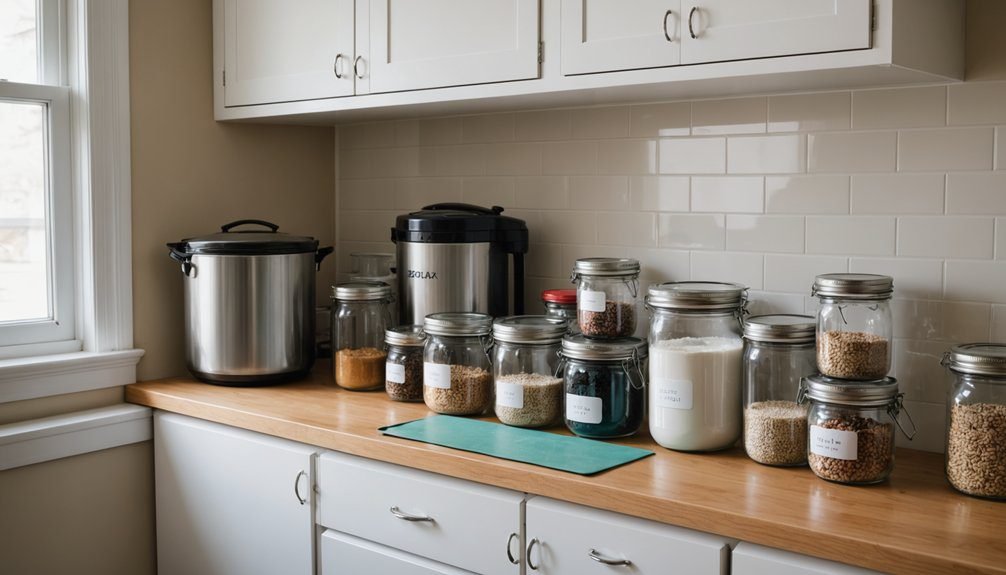
The cockroach problem in an apartment concentrates around three zones: the kitchen, the bathroom, and the shared walls that connect your unit to neighboring spaces. Natural control methods placed outside these zones produce minimal results because they are not positioned where cockroaches actually spend their time.
Map your infestation with sticky traps before placing any bait or repellent. Position traps flush to walls inside kitchen cabinet bases, beneath the refrigerator, under bathroom sinks, and along the wall connecting your unit to a neighbor. Read trap counts at 24 to 48 hours. The zones with highest trap activity are where your boric acid baits, DE applications, and essential oil treatments should be concentrated first.
Kitchen Placement Guide
The kitchen concentrates more cockroach activity than any other room in an apartment because it provides food, moisture, and warmth in one location. Treatment must reach inside furniture and appliances, not just along visible surfaces.
- Boric acid bait: inside all kitchen cabinet bases, behind the stove, beneath the refrigerator motor cover, inside dishwasher frame gaps
- Diatomaceous earth: along the back edge of cabinet shelves, behind the refrigerator, beneath the stove drawer
- Essential oils: along cabinet edges, around sink drain areas, at the base of kitchen walls where they meet the floor
- Sticky traps: inside cabinet bases and beneath the refrigerator to monitor population trends weekly
Bathroom Placement Guide
Bathrooms are the second highest-activity zone in apartment cockroach infestations because they provide consistent moisture from drains, pipes, and condensation. American cockroaches in particular use drain connections to move between apartments and building sewers.
- Apply boric acid bait inside the vanity base around pipe penetrations and along the back wall
- Dust DE lightly along bathroom floor edges and inside the cabinet base beneath the sink
- Place oil-soaked cotton balls at drain openings and at the gap where the toilet base meets the floor
- Cover floor drains overnight with a stopper or weighted cover to block cockroaches moving through sewer connections
Sanitation and Moisture Control in Apartments
Sanitation is the most underestimated element of natural cockroach control in apartments. No natural treatment maintains effectiveness when the environment continues providing unlimited food and water to the cockroach population. Removing these resources does not eliminate the infestation on its own, but it dramatically reduces how quickly cockroaches reproduce and how large a population your treatment has to overcome.
| Area | Daily Tasks | Weekly Tasks |
|---|---|---|
| Kitchen | Wipe counters, wash dishes, sweep floors | Deep clean appliances, degrease stove hood, mop thoroughly |
| Bathroom | Dry sink and tub surfaces, clean toilet | Scrub drains, check pipe connections for leaks |
| Storage | Empty trash in sealed bags, organize items | Vacuum corners and cabinet bases, remove cardboard |
Moisture Control Steps That Make a Real Difference
Cockroaches can survive for weeks without food but only days without water. Eliminating moisture sources removes a survival resource that no treatment can compensate for.
- Fix dripping faucets and leaking pipes under sinks immediately; even a slow drip provides enough daily water for a large cockroach colony
- Dry sinks, tubs, and pet water bowls overnight to eliminate standing water during peak cockroach foraging hours
- Run bathroom exhaust fans during and after showers to reduce humidity that cockroaches exploit in wall condensation
- Use a dehumidifier in storage areas and laundry rooms where moisture accumulates and cardboard boxes provide both harborage and food
- Remove wet sponges, mops, and cleaning cloths from the kitchen overnight since damp materials are a significant moisture and harborage source
What attracts cockroaches to homes comes down primarily to moisture, food, and shelter in that order. Addressing moisture is the fastest way to make an apartment less hospitable to the cockroach population your treatment is working to eliminate.
Sealing Entry Points in Apartments
Sealing gaps stops reinfestation from neighboring units and the building’s shared infrastructure. This step matters more in apartments than in standalone houses because the entry point problem is continuous rather than a one-time fix. New gaps open as buildings settle, pipes age, and maintenance work disturbs sealed areas.
Inspect every wall that borders a neighboring unit, the hallway, or a shared utility space. Look for gaps around all pipe penetrations in kitchens and bathrooms, cracks along baseboards where they meet walls and floors, gaps behind and beneath kitchen cabinet bases where they contact walls, and spaces around electrical outlets and switch plates in shared walls.
Materials and Methods for Gap Sealing
Different gap sizes and locations call for different sealing materials. Using the wrong material leads to gaps reopening within weeks, especially in areas with temperature fluctuation or pipe vibration.
- Silicone caulk for gaps up to a quarter inch along baseboards, cabinet edges, and around pipe penetrations
- Expanding foam for larger gaps around utility lines and in wall void openings, followed by a silicone caulk top coat once foam cures
- Steel wool packed into gaps before caulking in areas where rodents could also be a concern; cockroaches cannot chew through it
- Door sweeps on the apartment entry door and any interior door that borders a utility or maintenance space
- Fine mesh screen covers over floor drains and ventilation openings where cockroaches enter from building systems
Inspect sealed areas every few months and after any plumbing or maintenance work in the apartment. Cockroaches need only a gap the width of a credit card to pass through, so small openings that reappear after building movement or repairs quickly become reinfestation routes.
Working With Landlords for Long-Term Control
Landlords have a legal obligation in most jurisdictions to maintain pest-free living conditions. A cockroach infestation that persists despite your own treatment efforts, or that clearly originates from building infrastructure or neighboring units, falls within the landlord’s maintenance responsibility rather than the tenant’s.
Document everything from the moment you identify the cockroach problem. Photograph droppings, egg cases, and live cockroaches with timestamps. Send all infestation reports and treatment requests in writing by email so there is a timestamped record. Keep copies of your own treatment efforts to demonstrate that the problem persists despite reasonable tenant action.
Tenant Rights and Landlord Responsibilities
Understanding the legal framework helps you escalate effectively when a landlord does not respond promptly to a reported cockroach problem.
- Review your lease’s pest control provisions before taking any action; some leases specify tenant responsibilities for minor infestations
- Most jurisdictions require landlords to respond to pest infestation reports within 24 to 48 hours
- Contact local housing authorities if your landlord does not respond within the required timeframe
- In some states, tenants can deduct pest control costs from rent if the landlord fails to act, but follow proper legal procedures and maintain thorough documentation before doing so
- Request a building-wide treatment program rather than a single-unit treatment, since individual unit treatments in apartment buildings almost always result in reinfestation from untreated neighboring units
Cockroaches in multi-unit apartments are a building management problem as much as an individual tenant problem. The most durable long-term control comes from coordinated building-wide programs, not unit-by-unit responses.
Monitoring and Long-Term Prevention
After natural treatments begin producing visible results, maintaining the gains requires ongoing monitoring rather than stopping treatments when cockroaches disappear from sight. Egg cases that survived the initial treatment can hatch weeks later. Cockroaches migrating from neighboring units can reestablish a presence in sealed harborage zones if treatments are discontinued too early.
Keep sticky traps in kitchen cabinet bases and under bathroom sinks permanently as monitoring tools. Check them weekly during treatment and bi-weekly after activity has dropped to zero for two consecutive checks. Any uptick in trap counts signals either a reinfestation from an external source or a harborage zone that was not fully treated in the initial program.
The best natural cockroach extermination methods require consistency over 6 to 8 weeks for complete control in apartment settings. Stopping too early is the most common reason natural treatment programs fail and infestations rebound.
Frequently Asked Questions
How Long Do Natural Methods Take to Eliminate Apartment Cockroaches?
Initial effects from boric acid baits appear within 3 to 10 days. Visible population reduction typically builds over 2 to 4 weeks as bait transfer reaches deeper into the colony. Full control in apartment settings takes 6 to 8 weeks because reinfestation pressure from neighboring units requires ongoing treatment maintenance. Moderate infestations with no external reinfestation pressure sometimes resolve in 3 to 4 weeks with a consistent combined approach.
Can Cockroaches Develop Resistance to Natural Repellents?
Cockroaches do not develop true genetic resistance to physical killing agents like diatomaceous earth and boric acid the way they develop resistance to synthetic chemical insecticides. Essential oils lose effectiveness quickly due to scent dissipation rather than resistance development in the cockroach population. Rotating between different essential oils prevents habituation to a single compound and maintains repellent effectiveness over longer treatment periods.
Should I Continue Treatments After Cockroaches Disappear?
Yes. Egg cases hidden in wall voids and cabinet bases can hatch weeks after the visible population has been eliminated. In apartment settings, cockroaches from neighboring units can reinfest your space within days if treatments are discontinued and entry points reopen. Maintain boric acid baits, DE applications, and sanitation practices for at least 4 weeks after the last visible cockroach sighting, and keep sticky trap monitoring in place indefinitely.
What Time of Day Is Best to Apply Natural Cockroach Treatments?
Apply baits, dust, and sprays in the late evening before bed when cockroaches begin their active foraging period. Treatments placed at night are encountered immediately by foraging cockroaches rather than sitting undisturbed through the day when cockroaches are inactive. Essential oil sprays applied at night have longer contact time with cockroach travel surfaces before evaporation occurs during daylight hours.
How Do I Protect Pets From Natural Cockroach Treatments?
Place all boric acid baits and DE applications inside enclosed spaces like cabinet bases, behind appliances, and inside wall gaps where pets cannot reach them. Keep pets out of treated rooms during and immediately after essential oil spray applications until surfaces dry. Use bait stations with enclosed housing rather than open container lids in areas where pets have access to floors and lower cabinet areas. Food-grade DE poses no toxicity risk to pets but can irritate respiratory passages if inhaled in concentrated amounts during application.
{
“@context”: “https://schema.org”,
“@type”: “FAQPage”,
“mainEntity”: [
{
“@type”: “Question”,
“name”: “How Long Do Natural Methods Take to Eliminate Apartment Cockroaches?”,
“acceptedAnswer”: {
“@type”: “Answer”,
“text”: “Initial effects from boric acid baits appear within 3 to 10 days. Visible population reduction typically builds over 2 to 4 weeks as bait transfer reaches deeper into the colony. Full control in apartment settings takes 6 to 8 weeks because reinfestation pressure from neighboring units requires ongoing treatment maintenance. Moderate infestations with no external reinfestation pressure sometimes resolve in 3 to 4 weeks with a consistent combined approach.”
}
},
{
“@type”: “Question”,
“name”: “Can Cockroaches Develop Resistance to Natural Repellents?”,
“acceptedAnswer”: {
“@type”: “Answer”,
“text”: “Cockroaches do not develop true genetic resistance to physical killing agents like diatomaceous earth and boric acid the way they develop resistance to synthetic chemical insecticides. Essential oils lose effectiveness quickly due to scent dissipation rather than resistance development in the cockroach population. Rotating between different essential oils prevents habituation to a single compound and maintains repellent effectiveness over longer treatment periods.”
}
},
{
“@type”: “Question”,
“name”: “Should I Continue Treatments After Cockroaches Disappear?”,
“acceptedAnswer”: {
“@type”: “Answer”,
“text”: “Yes. Egg cases hidden in wall voids and cabinet bases can hatch weeks after the visible population has been eliminated. In apartment settings, cockroaches from neighboring units can reinfest your space within days if treatments are discontinued and entry points reopen. Maintain boric acid baits, DE applications, and sanitation practices for at least 4 weeks after the last visible cockroach sighting, and keep sticky trap monitoring in place indefinitely.”
}
},
{
“@type”: “Question”,
“name”: “What Time of Day Is Best to Apply Natural Cockroach Treatments?”,
“acceptedAnswer”: {
“@type”: “Answer”,
“text”: “Apply baits, dust, and sprays in the late evening before bed when cockroaches begin their active foraging period. Treatments placed at night are encountered immediately by foraging cockroaches rather than sitting undisturbed through the day when cockroaches are inactive. Essential oil sprays applied at night have longer contact time with cockroach travel surfaces before evaporation occurs during daylight hours.”
}
},
{
“@type”: “Question”,
“name”: “How Do I Protect Pets From Natural Cockroach Treatments?”,
“acceptedAnswer”: {
“@type”: “Answer”,
“text”: “Place all boric acid baits and DE applications inside enclosed spaces like cabinet bases, behind appliances, and inside wall gaps where pets cannot reach them. Keep pets out of treated rooms during and immediately after essential oil spray applications until surfaces dry. Use bait stations with enclosed housing rather than open container lids in areas where pets have access to floors and lower cabinet areas. Food-grade DE poses no toxicity risk to pets but can irritate respiratory passages if inhaled in concentrated amounts during application.”
}
}
]
}
