
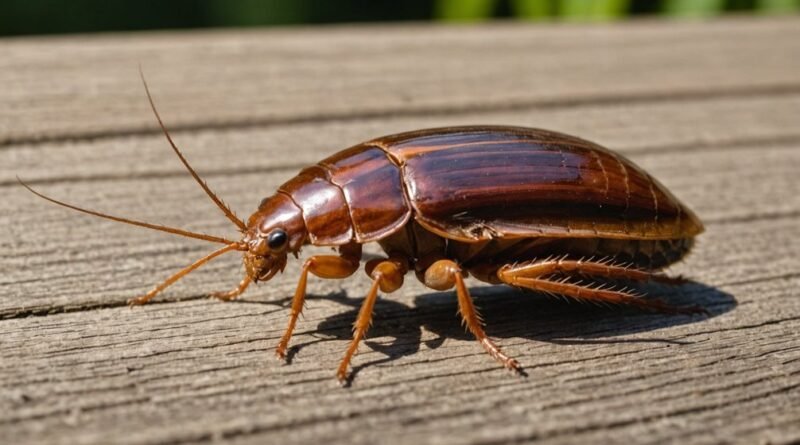
Seasonal Cockroach Activity, Why Infestations Increase in Summer and Winter
Cockroach activity follows predictable seasonal patterns driven by temperature, humidity, and the availability of outdoor food and shelter — and understanding those patterns is the most practical advantage a homeowner has for staying ahead of infestations. Cockroach activity peaks between 78 and 85 degrees Fahrenheit during spring months, cockroach sightings increase by 48.7% in households from March to June, and approximately 62.4% of cockroach infestations occur in urban areas during summer. In fall, around 37% of people report heightened cockroach presence as temperatures cool and outdoor populations migrate indoors — and winter temperatures below 55°F reduce outdoor cockroach activity by approximately 53.6%, concentrating surviving populations in heated indoor spaces. Each season creates a distinct control window that, when used correctly, prevents the next season’s infestation before it starts.
Key Takeaways
- Cockroach activity peaks between 78 and 85°F — spring and summer heat accelerates metabolism, shortens breeding cycles, and drives 48.7% higher household sighting rates from March to June.
- Summer heat and humidity speed reproduction, causing multiple overlapping generations and driving 62.4% of infestations in urban areas during peak season.
- In autumn, 37% of people report heightened cockroach presence as cooling temperatures push outdoor populations indoors through cracks, plumbing gaps, and foundation vulnerabilities.
- Winter concentrates cockroaches in warm, moist indoor refuges — kitchens, bathrooms, and appliances — sustaining infestations despite outdoor cold reducing activity by 53.6%.
- Closed winter homes trap cockroach allergens year-round, while summer population surges elevate indoor allergen levels and worsen asthma and respiratory symptoms.
How Temperature Drives Cockroach Movement and Breeding

As temperatures rise, cockroaches ramp up movement and breeding because their ectothermic bodies speed metabolism in warm, humid air. You’ll notice more foraging and nighttime activity because warmth boosts energy and pheromone-driven aggregation between colony members. Cockroach activity peaks between 78 and 85°F — in the 25 to 35°C (77 to 95°F) range, females lay significantly more eggs, generation time shrinks, and populations surge. At 30°C (86°F), some species can complete a full lifecycle in approximately 30 days, nearly doubling output compared to cooler conditions.
Heat and humidity accelerate egg and nymph development simultaneously, allowing multiple generations to stack up within a single warm season. German cockroaches complete development once they accumulate roughly 600 degree-days above 15°C (59°F), so warmer days compress timelines dramatically. Warmer weather also triggers coordinated emergence across large portions of populations becoming active together in spring, concentrating activity when temperatures first cross into the ideal breeding range. Cold slows metabolism, curbs mobility, and delays mating — pushing eggs and nymphs into extended, slow development cycles. Winter temperatures below 55°F reduce outdoor cockroach activity by approximately 53.6%, but established indoor populations in heated buildings continue breeding at full pace regardless of outdoor conditions. When conditions swing, cockroaches move toward stable, warm, dark, humid microhabitats that protect vulnerable developmental stages and keep reproduction efficient year-round.
Cockroach Species and Seasonal Behavior
Different cockroach species respond to seasonal changes in distinct ways that determine which control measures are most effective at each time of year. German cockroaches — the most common indoor species — are less affected by outdoor seasonal changes because they breed exclusively indoors, where heated building interiors maintain near-optimal breeding conditions year-round. German cockroach populations grow fastest in summer when indoor temperatures align with peak breeding range, but they remain active and reproductive through winter in any heated space. American cockroaches are most significantly affected by seasonal temperature change: they are highly active outdoors in warm months but migrate indoors in fall as outdoor temperatures drop, entering through floor drains, pipe penetrations, and foundation cracks. Oriental cockroaches prefer cool, damp environments and are most active in spring and early summer before peak summer heat drives them to deeper, moister refuge. Smokybrown cockroaches are outdoor-centric warm-season species most common in late spring through fall in southern states, largely absent from northern states in winter. Brown-banded cockroaches are indoor year-round species that prefer drier, warmer areas and show less seasonal variation than outdoor-originating species.
Spring: Increased Breeding and Nesting
Spring is the most critical season for proactive cockroach prevention — it marks the transition from winter harborage to active breeding, and the decisions made in late winter and early spring determine the scale of summer infestations. Cockroach sightings increase by 48.7% in households from March to June as rising temperatures trigger simultaneous emergence from winter harborage across large proportions of established populations.
Spring Indoor Activity and Breeding Surge
As indoor temperatures climb above 65°F in late February and March, established German cockroach populations that survived winter in heated building interiors enter their fastest breeding phase. Females that have been producing oothecae at slowed winter rates accelerate production dramatically — a single German cockroach female can produce an egg capsule every 3 to 4 weeks at 80°F versus every 5 to 6 weeks at 65°F. This acceleration, multiplied across all reproductive females in a colony, produces the spring population surge that homeowners notice as increased sighting frequency. Spring is the highest-impact window for deploying insect growth regulators (IGRs) — applied now, they disrupt nymph development through the entire spring and summer breeding season, preventing the population compound growth that makes summer infestations severe.
Spring Outdoor Emergence
Outdoor cockroach species that survived winter in leaf litter, mulch beds, crawl spaces, and building foundation areas become active as ground temperatures rise. American and Oriental cockroaches resume foraging in March and April in moderate climates and February in warm southern states. Spring rainfall creates the combined warmth and moisture conditions that maximally accelerate egg hatching and nymph development in outdoor populations. This outdoor population surge in spring creates the pressure that drives summer entry attempts — populations building through spring reach the density levels that trigger dispersal into adjacent buildings by June and July. Inspect foundation perimeters, clear winter leaf litter and mulch from building edges, and seal foundation gaps in late winter before outdoor populations reach peak spring activity.
Summer: Peak Activity and Infestation Risks
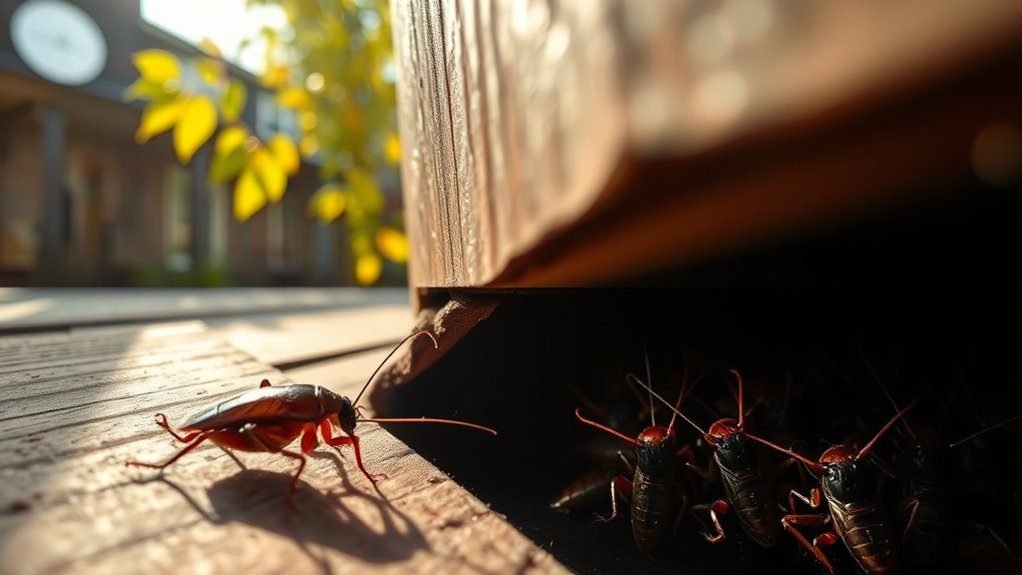
Summer represents peak cockroach activity for both indoor and outdoor species simultaneously. Approximately 62.4% of cockroach infestations occur in urban areas during summer — a figure that reflects the combination of maximum breeding rates indoors, peak outdoor population density, and the outdoor-to-indoor dispersal that occurs when summer heat drives cockroaches toward cooler, moisture-rich building interiors.
Summer Dispersal Pathways
Exploding outdoor populations roam widely to exploit food-rich zones — mulch, leaf litter, drains, gardens, and trash bins — then spill toward patios, garages, and door thresholds as populations exceed available outdoor harborage. When heat dries surface shelter, cockroaches chase cooler, moist refuges, often tracking plumbing lines and shaded foundations toward building interiors. Storms intensify indoor migration: heavy rain flushes cockroaches from burrows and sewers, pushing them toward sheltered building edges. Overnight foraging drives cross-yard and cross-building spread, especially where crumbs, pet food, and recycling accumulate near entry points. Unsealed weep holes, warped door sweeps, torn screens, foundation cracks, and utility penetrations all become active entry routes during summer dispersal pressure.
Summer Indoor Infestation Risk
Indoors, warm, humid microhabitats — kitchens and laundry rooms — become congregation hubs where summer heat, food, and moisture overlap. German cockroach colonies established indoors grow fastest in summer, with generation times at their minimum and multiple overlapping generations producing nymphs simultaneously. Summer is the season when light infestations cross the threshold into severe, building-wide infestations if early signs — droppings, smear marks, or musty odor — are not acted on promptly. Monitor kitchens, sinks, drains, and pantries intensively through summer, placing sticky monitoring traps in high-risk areas and refreshing gel bait placements as consumption increases during peak activity months.
Fall: Declining Outdoor Activity and Indoor Migration
Around 37% of people report heightened cockroach presence in fall due to cooler temperatures — a figure that reflects the most significant seasonal event for homeowners in temperate climates: the fall migration of outdoor cockroach populations into buildings as outdoor temperatures cool below the 55°F survival threshold. When cool nights begin in September and October, outdoor cockroaches pivot toward heated building interiors, following sewer lines, drains, and plumbing gaps and slipping through foundation cracks and utility penetrations.
Fall is a strategic control window: targeted baiting and crack-and-crevice treatments applied before fall migration peaks can suppress hidden colonies before population density inside the building reaches winter levels. Once inside, cockroaches consolidate in warm, humid microclimates — kitchens, boiler rooms, false ceilings, basements, and around appliances — shifting from roaming to survival behavior: clustering tightly in wall voids and under equipment. Urban heat islands create warmer fall microclimates that extend active periods and ease fall-to-winter survival, making urban apartment buildings particularly vulnerable to fall migration surges. Deploy exclusion and baiting together in September and October: seal entry points, dry moisture sources, restrict food access, and place monitoring traps to detect migration entry before colonies establish in interior harborage zones.
Winter: Indoor Shelter Seeking and Harborage Hotspots
Winter temperatures below 55°F reduce outdoor cockroach activity by 53.6% — but this figure is misleading for homeowners, because the cockroaches that survive winter are overwhelmingly the indoor populations that don’t experience outdoor temperature at all. As outdoor temperatures lock in, cockroaches abandon summer foraging routes and pack into warm, moist indoor refuges. Winter harborage concentrates in kitchens and bathrooms first: inside cabinets, under sinks, behind refrigerators and ovens, and around leaky plumbing fixtures.
Cockroaches slip into gaps behind baseboards, door trims, wallpaper edges, and cabinet slides. Warm appliances — microwaves, toasters, coffee makers, and stoves — become coveted winter harborage zones, marked by fecal speckling whose aggregation pheromones actively recruit additional colony members. Basements, crawlspaces, and attics provide undisturbed winter reservoirs where steady humidity, wall voids, and clutter create ideal survival conditions — cockroaches move vertically through structural crevices between basement harborage and first-floor kitchen and bathroom areas throughout winter months. Outdoor oriental cockroaches may persist in damp leaf litter near foundations through mild winters in temperate climates before migrating indoors during cold snaps. Cut winter harborage by repairing leaks, dehumidifying enclosed spaces, sealing all structural gaps, decluttering storage areas, using sealed containers in pantries, vacuuming furniture crevices, and inspecting outlets, appliances, and heating units during winter months.
Humidity, Rainfall, and the Moisture Factor
Even a slight uptick in seasonal moisture can flip a quiet cockroach problem into a full-blown infestation. Cockroaches can survive weeks without food but only approximately one week without water — making humidity the most critical seasonal variable after temperature. At 70 to 80% relative humidity, reproduction surges: eggs hatch faster, nymphs molt more quickly, and populations expand rapidly. High humidity boosts digestion efficiency, increases activity levels, and raises allergen output from droppings and body fragments.
Rain raises ambient moisture indoors and out, amplifying seasonal activity. After storms, leaks, condensation, and standing water become lifelines for populations that would otherwise face moisture stress. Heavy summer rains or flooding push cockroaches into buildings from outdoor harborage simultaneously. Inside, moisture hotspots represent your seasonal risk map: leaky pipes and dripping faucets, poorly ventilated kitchens and bathrooms, HVAC condensate drip pans, floor drains and supply lines, and under-insulated surfaces that sweat seasonally. Bathrooms, kitchens, basements, and crawl spaces are the primary year-round breeding zones — when humidity drops below 50%, cockroaches desiccate and retreat to the dampest available refuges, concentrating populations in these specific locations.
Signs of Cockroach Presence by Season
The physical evidence of cockroach activity shifts seasonally in ways that help pinpoint what phase of the infestation cycle you’re dealing with and which intervention is most appropriate. Recognizing these seasonal sign patterns accelerates accurate diagnosis.
In spring, the first signs of seasonal activity reactivation are fresh droppings appearing in previously clean cabinet corners and along baseboards — indicating that winter-dormant colonies are resuming active foraging. Egg cases discovered in spring typically represent the first new production of the breeding season. Finding nymphs in spring alongside winter-surviving adults indicates active hatching from eggs produced late in the previous summer or fall season.
In summer, sign density increases across all categories simultaneously — heavy dropping accumulations in multiple locations, active smear mark deposition along established travel routes, and a stronger musty pheromone odor from rapidly growing colonies. Daytime cockroach sightings in summer are a reliable indicator of severe overcrowding, as summer is the season when indoor German cockroach populations most commonly exceed available harborage capacity and push individuals into daylight activity. Egg cases and shed skins both accumulate in high-density harborage areas during summer breeding peaks.
In fall, fresh droppings appearing in new locations — particularly near exterior walls, basement perimeters, and utility entry areas — indicate incoming migration from outdoor harborage zones. Fall signs concentrated near entry points (floor drains, pipe penetrations, foundation cracks) confirm outdoor-to-indoor migration is underway rather than indoor colony expansion.
In winter, signs concentrate in the warmest areas of the building rather than dispersing broadly. Finding heavy dropping concentrations around specific appliances or plumbing fixtures in winter confirms active winter harborage and allows precise bait placement at the warmest, most productive treatment locations.
Regional and Urban Patterns That Shape Year-Round Pressure
Seasonal patterns vary significantly by region in ways that affect both the timing and intensity of cockroach control requirements. Warmer winters in places like San Antonio, Miami, and coastal southern California keep cockroaches active outdoors year-round, eliminating the seasonal pressure reduction that temperate climate homeowners experience in winter. Sudden cold snaps in typically warm cities like New Orleans or Houston drive rapid indoor migration spikes as cockroaches that have remained outdoors through mild weather seek heated shelter simultaneously. Mild, damp winters in Pacific Northwest cities like Seattle boost survival rates in outdoor populations, priming larger spring surges than drier, colder winters allow.
In Florida, drier winters push cockroaches indoors before wet spring breeding booms produce the largest annual population surge. Urban heat islands extend breeding seasons well past normal limits in dense city environments — rooftop and pavement heat retention in summer keeps urban cockroach populations active later into fall and through more of winter than surrounding suburban areas experience. High-density apartment buildings allow cockroaches to travel through shared walls, plumbing chases, and electrical conduit between units seasonally, meaning a single heavily infested unit can drive seasonal infestation surges in adjacent units regardless of those units’ own sanitation and moisture management.
Health Risks and Allergen Exposure Through Changing Seasons
Cockroach allergens — fragments of body parts, saliva, feces, and shed skins — persist indoors year-round and remain potent even after cockroaches die. These particles become airborne when dust is disturbed, entering airways where IgE antibodies to cockroach proteins Bla g 1 and Bla g 2 trigger hypersensitivity reactions. Symptoms include nasal congestion, sneezing, runny nose, itchy watery eyes, postnasal drip, coughing, skin rashes, and asthma attacks — most severely in children, in urban households, and in individuals with pre-existing sensitization.
Seasonal patterns worsen allergen exposure in predictable ways. Winter concentrations of cockroaches in heated indoor spaces combined with closed windows and reduced ventilation create peak allergen density conditions — particles that would be diluted by outdoor air exchange in summer accumulate in winter without dissipation. Summer population surges produce the largest absolute quantity of allergen-generating cockroach activity, loading surfaces, dust, and textiles with elevated allergen concentrations that persist through fall and winter even after summer populations are reduced. Early-life exposure to cockroach allergens significantly increases the risk of recurrent wheeze and allergic sensitization — making household infestation control a pediatric health priority, not merely a nuisance management issue.
Seasonal Pest Control Strategies and Preventive Measures
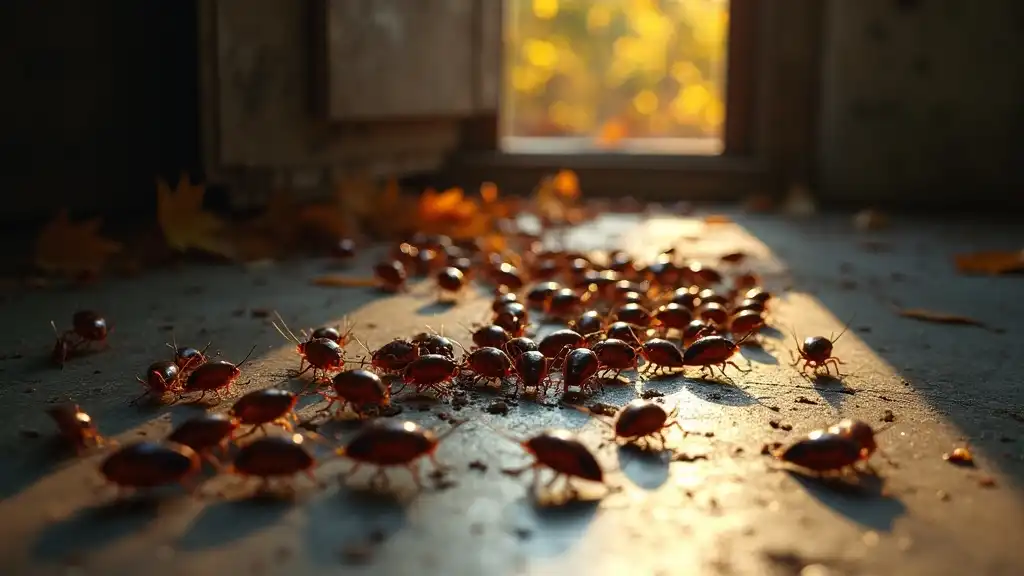
Season-smart cockroach control matches monitoring and treatment intensity to predictable activity shifts, maximizing the impact of each intervention while minimizing unnecessary chemical applications.
Spring Control Priorities (March–May)
Increase inspections in late winter and early spring as cockroaches emerge from harborage and begin producing the season’s first egg cases. Place sticky monitoring traps in kitchens, basements, and storage areas to catch early activity before populations compound. Deploy IGRs in late February or early March — applied before spring breeding acceleration, they disrupt nymph development across the entire breeding season. Seal foundation gaps and exterior entry points before outdoor populations reach peak spring activity. Clear mulch, leaf litter, and organic debris from the building foundation perimeter to eliminate early-season outdoor harborage adjacent to entry points.
Summer Control Priorities (June–August)
Intensify monitoring through summer when temperatures between 70 and 90°F accelerate reproduction — check sinks, drains, and pantries weekly and refresh monitoring trap placements monthly. Combine sanitation, exclusion, and targeted bait application: apply gel bait at night when cockroach activity peaks to maximize foraging contact with bait placements. Seal all exterior entry points before summer outdoor population dispersal peaks in late June and July. Empty garbage daily, remove pet food bowls overnight, and seal all food storage to eliminate summer food attractants that sustain indoor populations. In humid climate regions, deploy dehumidifiers in kitchens and basements to maintain indoor humidity below 50%, creating conditions that suppress egg hatching and nymph development.
Fall Control Priorities (September–November)
Inspect foundation cracks, utility penetrations, and perimeter spaces actively through September and October as outdoor cockroach populations begin fall migration. Deploy gel bait and crack-and-crevice IGR treatments while migration movement remains elevated — cockroaches actively foraging during migration contact bait placements more readily than sedentary winter colonies. Seal all identified entry points before November temperature drops drive peak migration events. Monitor basement and crawl space perimeters for fresh droppings indicating incoming migration from outdoor harborage zones.
Winter Control Priorities (December–February)
Probe warm, moist winter refuge zones — behind appliances, near water heaters, inside wall voids — for the concentrated harborage populations that survive winter in heated building interiors. Apply gel bait directly in identified winter harborage zones for maximum efficacy against sedentary winter colonies. Dehumidify enclosed spaces, repair all plumbing leaks, and seal structural gaps to reduce the winter refuge conditions that sustain indoor populations through cold months. Maintain consistent bait rotation every 90 days through winter to prevent aversion in German cockroach populations that remain fully active indoors regardless of outdoor temperature.
Impact of Climate Change on Cockroach Patterns
Shifting climate patterns are extending cockroach activity seasons and expanding the geographic range of species historically limited to warm southern regions. As average winter temperatures warm in temperate climate zones, the outdoor winter dormancy period that historically suppressed peridomestic cockroach populations in northern states is shortening — allowing American cockroaches to remain active outdoors for longer periods and to establish more persistent outdoor populations in regions where winter previously drove them to near-zero outdoor survival. Urban heat islands compound this effect by creating year-round microhabitats that support cockroach activity through conditions that would historically suppress them. Increased frequency of extreme rainfall events — a documented climate change trend — creates more frequent flooding and drainage system disruptions that drive cockroach migration from outdoor and sewer harborage into buildings in pulses that don’t follow traditional seasonal patterns. Homeowners in previously moderate-risk climates should expect cockroach pressure to increase and seasonal patterns to shift toward year-round activity as warming trends continue.
Frequently Asked Questions About Seasonal Cockroach Activity
When are cockroaches most active?
Cockroaches are most active during summer when temperatures reach 78 to 85°F — the optimal range for peak metabolism, maximum breeding rate, and highest foraging activity. Cockroach sightings increase by 48.7% in households from March to June as spring warming triggers population emergence. Approximately 62.4% of cockroach infestations occur in urban areas during summer. Indoor German cockroach populations are active year-round in heated buildings but breed fastest and grow most rapidly during summer months when indoor temperatures align with their optimal range.
Do cold winters reduce cockroach activity?
Winter temperatures below 55°F reduce outdoor cockroach activity by approximately 53.6% — but this only applies to outdoor and poorly-heated indoor environments. Established indoor German cockroach populations in heated buildings remain fully active and reproductive through winter regardless of outdoor temperature. American and Oriental cockroaches that survive winter outdoors become largely inactive below 40°F but resume activity quickly when spring temperatures rise. The practical implication is that cold winters reduce outdoor infestation pressure but do not address established indoor infestations, which require direct treatment regardless of season.
Why do more cockroaches appear in fall?
Around 37% of people report heightened cockroach presence in fall because cooling autumn temperatures drive outdoor cockroach populations — particularly American and Oriental cockroaches — indoors through foundation cracks, floor drains, and pipe penetrations before outdoor temperatures drop below their survival threshold. This seasonal migration concentrates outdoor populations that spent summer in mulch beds, leaf litter, sewers, and drainage infrastructure into building interiors, creating apparent infestation spikes in homes that had minimal visible cockroach activity through summer. Fall migration typically peaks in September and October in temperate climate regions.
How do humidity levels influence cockroach activity?
At 70 to 80% relative humidity, cockroach reproduction surges — eggs hatch faster, nymphs develop more rapidly, and populations expand significantly. Cockroaches can survive weeks without food but only approximately one week without water, making moisture the most critical survival resource they track. High seasonal humidity from summer rain and poor ventilation creates the indoor moisture conditions that sustain population growth year-round. Maintaining indoor humidity below 50% using dehumidifiers and exhaust fans is one of the most effective year-round cockroach control measures available to homeowners.
How can I prevent cockroaches in spring?
Spring prevention should focus on three priorities: deploying IGRs in late February or early March before breeding acceleration begins; sealing all foundation gaps and exterior entry points before outdoor populations reach peak spring dispersal activity in May and June; and clearing mulch, leaf litter, and organic debris from the building foundation perimeter to eliminate outdoor harborage adjacent to entry points. Place monitoring traps in kitchens and basements in March to detect early spring activity before populations compound. Cockroach sightings increase by 48.7% from March to June — early spring action prevents the summer surge that results from unchecked spring breeding.
How do I control cockroaches year-round?
Year-round cockroach control requires matching your monitoring and treatment intensity to seasonal activity shifts: IGRs and bait deployment in late winter and spring to disrupt breeding acceleration; sanitation, exclusion, and intensified monitoring in summer during peak activity; structural sealing and fall bait treatment during autumn migration; and targeted harborage-specific treatment in winter for established indoor populations. Year-round fundamentals — fixing all plumbing leaks, maintaining indoor humidity below 50%, sealing structural gaps, eliminating cardboard storage, and removing food sources — create baseline conditions that reduce infestation pressure across all seasons. Rotate gel bait active ingredients every 90 days year-round to prevent resistance development in German cockroach populations.
{
“@context”: “https://schema.org”,
“@type”: “FAQPage”,
“mainEntity”: [
{
“@type”: “Question”,
“name”: “When are cockroaches most active?”,
“acceptedAnswer”: {
“@type”: “Answer”,
“text”: “Cockroaches are most active during summer when temperatures reach 78 to 85°F. Cockroach sightings increase by 48.7% from March to June, and 62.4% of infestations occur in urban areas during summer. Indoor German cockroach populations remain active year-round in heated buildings but breed fastest during summer months.”
}
},
{
“@type”: “Question”,
“name”: “Do cold winters reduce cockroach activity?”,
“acceptedAnswer”: {
“@type”: “Answer”,
“text”: “Winter temperatures below 55°F reduce outdoor cockroach activity by approximately 53.6%, but established indoor German cockroach populations in heated buildings remain fully active and reproductive through winter regardless of outdoor temperature. Cold winters reduce outdoor infestation pressure but do not address established indoor infestations, which require direct treatment regardless of season.”
}
},
{
“@type”: “Question”,
“name”: “Why do more cockroaches appear in fall?”,
“acceptedAnswer”: {
“@type”: “Answer”,
“text”: “Around 37% of people report heightened cockroach presence in fall because cooling temperatures drive outdoor cockroach populations indoors through foundation cracks, floor drains, and pipe penetrations before outdoor temperatures drop below their survival threshold. Fall migration typically peaks in September and October in temperate climate regions.”
}
},
{
“@type”: “Question”,
“name”: “How do humidity levels influence cockroach activity?”,
“acceptedAnswer”: {
“@type”: “Answer”,
“text”: “At 70 to 80% relative humidity, cockroach reproduction surges — eggs hatch faster, nymphs develop more rapidly, and populations expand. Cockroaches can survive weeks without food but only approximately one week without water. Maintaining indoor humidity below 50% using dehumidifiers and exhaust fans is one of the most effective year-round control measures available.”
}
},
{
“@type”: “Question”,
“name”: “How can I prevent cockroaches in spring?”,
“acceptedAnswer”: {
“@type”: “Answer”,
“text”: “Spring prevention focuses on deploying IGRs in late February or early March before breeding acceleration begins, sealing foundation gaps and exterior entry points before outdoor populations peak in May and June, and clearing mulch and leaf litter from the foundation perimeter. Cockroach sightings increase by 48.7% from March to June — early spring action prevents the summer surge from unchecked spring breeding.”
}
},
{
“@type”: “Question”,
“name”: “How do I control cockroaches year-round?”,
“acceptedAnswer”: {
“@type”: “Answer”,
“text”: “Year-round control requires matching treatment to seasonal shifts: IGRs and bait in late winter and spring; intensified sanitation and monitoring in summer; structural sealing and bait during fall migration; targeted harborage treatment in winter. Year-round fundamentals include fixing plumbing leaks, maintaining humidity below 50%, sealing structural gaps, eliminating cardboard, and rotating gel bait active ingredients every 90 days.”
}
}
]
}
