
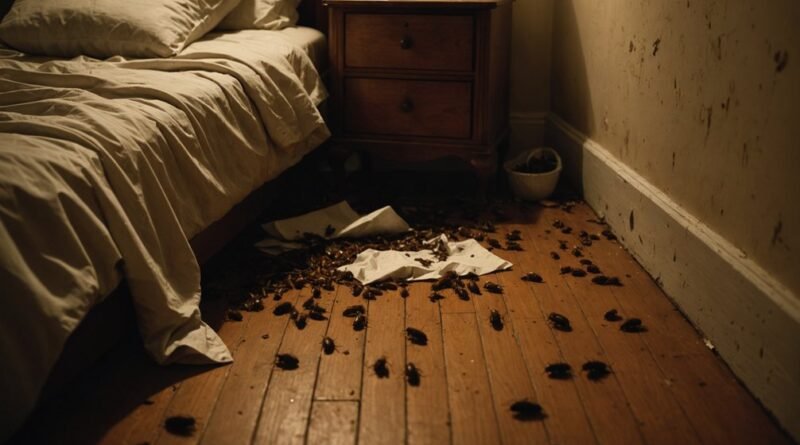
Cockroaches in the Bedroom: Causes, Signs and How to Get Rid of Them
Roaches invade bedrooms for food crumbs, moisture, warmth, and cluttered hiding spots. You’ll notice pepper-like droppings, brown smear marks, egg cases, shed skins, or a musty, oily smell, especially if you see roaches in daylight. To get rid of them fast, clean thoroughly, fix leaks, declutter, then use gel baits and boric acid in cracks, under beds, and along baseboards for several weeks. Next, you can find out how to prevent them from returning.
Key Takeaways
- Roaches are drawn to bedrooms by warmth, moisture, food crumbs, dirty laundry, clutter, and shelter in furniture or electronics.
- Signs include pepper-like droppings, brown smear marks, egg casings, shed skins, and musty, oily odors near beds and walls.
- Bedroom roach exposure can trigger asthma, allergies, respiratory issues, and spread bacteria and parasites, especially dangerous for children.
- Remove roaches quickly using gel baits, boric acid dust, strict cleaning, moisture control, and several weeks of continuous treatment.
- Prevent reinfestation by sealing cracks, fixing leaks, decluttering, storing food properly, and calling professionals if roaches appear in daylight or DIY methods fail.
How to Get Rid of Bedroom Roaches Fast

When roaches invade your bedroom, you need a fast, targeted plan that hits their hiding spots, food sources, and entry points all at once. Start with gel bait application: place pea-sized dots along baseboards, under the bed, near nightstands, and inside closets where you’ve seen activity. Run beads along walls, under sinks, and near water heaters using syringe-style products like Advion, Maxforce, Combat, Avert, or Siege. Roaches eat the bait, return to harborages, and spread the slow-acting poison through the colony. Because cockroaches reproduce rapidly, continuing treatment for several weeks helps ensure newly hatched nymphs are also eliminated.
Next, use boric acid for long-lasting control. Dust thin layers into wall voids, behind furniture, and along cracks using a hand duster. Keep it dry and away from kids, pets, and bedding. For heavier infestations, pair commercial baits with light boric acid dusting plus strict sanitation: remove crumbs, fix leaks, dry sinks at night, vacuum regularly, and seal gaps with caulk and door sweeps.
Signs You Have Roaches in Your Bedroom
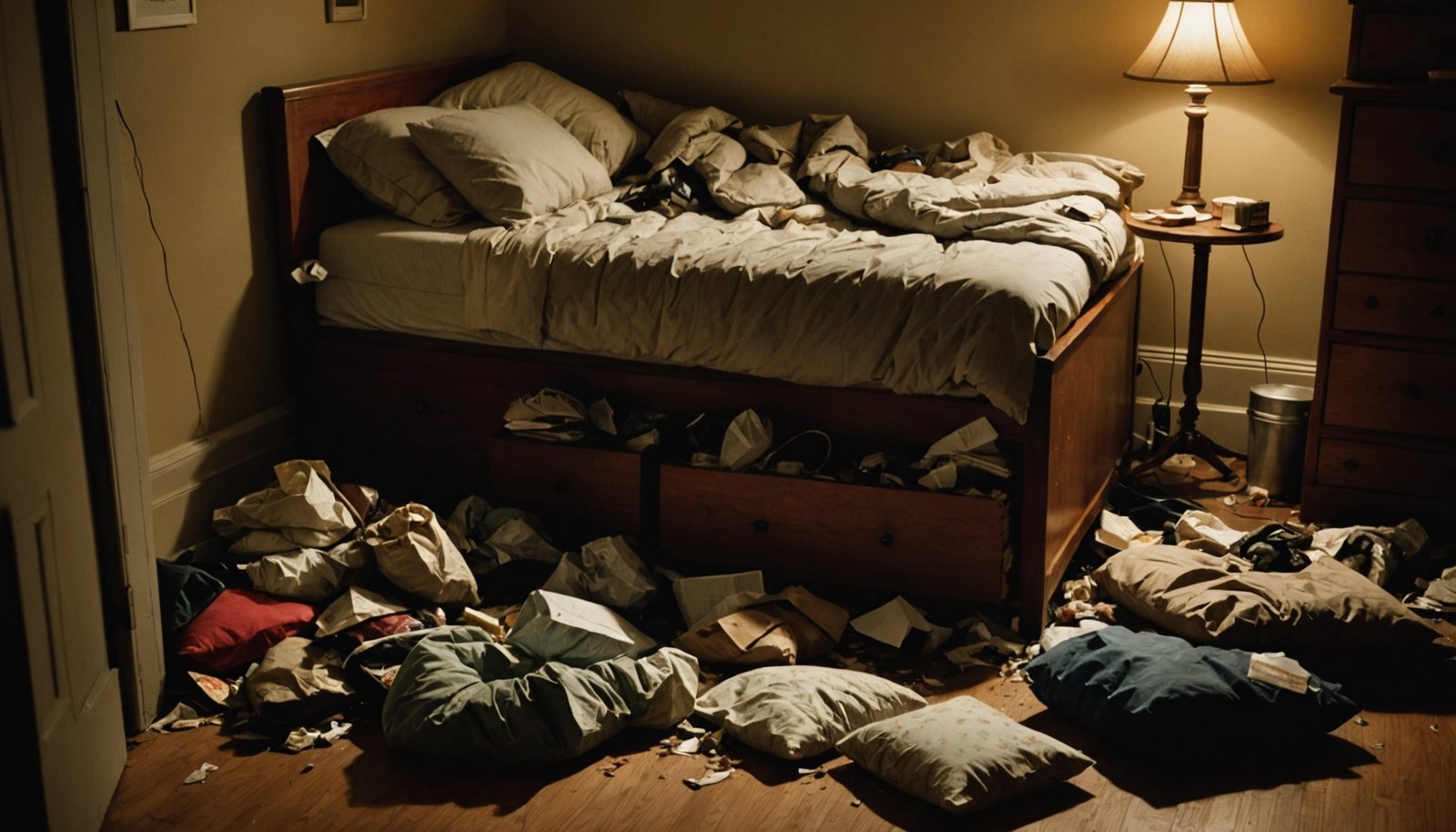
Even if you don’t see a roach crawling across your floor, your bedroom can still be quietly infested, and the evidence shows up in subtle but consistent ways. The most common sign is roaches droppings: tiny black specks that look like pepper, coffee grounds, or rice grains, often clustered along baseboards, under furniture, and in dark corners. Fresh droppings look moist and dark; older ones are dry and crumbly. Because cockroaches are nocturnal insects, you’re more likely to notice these signs than to catch them in the open during the day.
You might also notice small brown smear marks along walls or near the bed, created by roaches’ feces and body oils as they squeeze through gaps. Look for elongated brown egg casings in cracks, behind furniture, under the bed, or near cardboard and paper; these signal ongoing reproduction. Papery, translucent shed skins in closets, under rugs, or near walls confirm an active, growing population. A musty, oily, stale odor or daytime sightings in open areas indicate a heavy infestation.
Why Roaches Infest Bedrooms (Causes and Risk Factors)
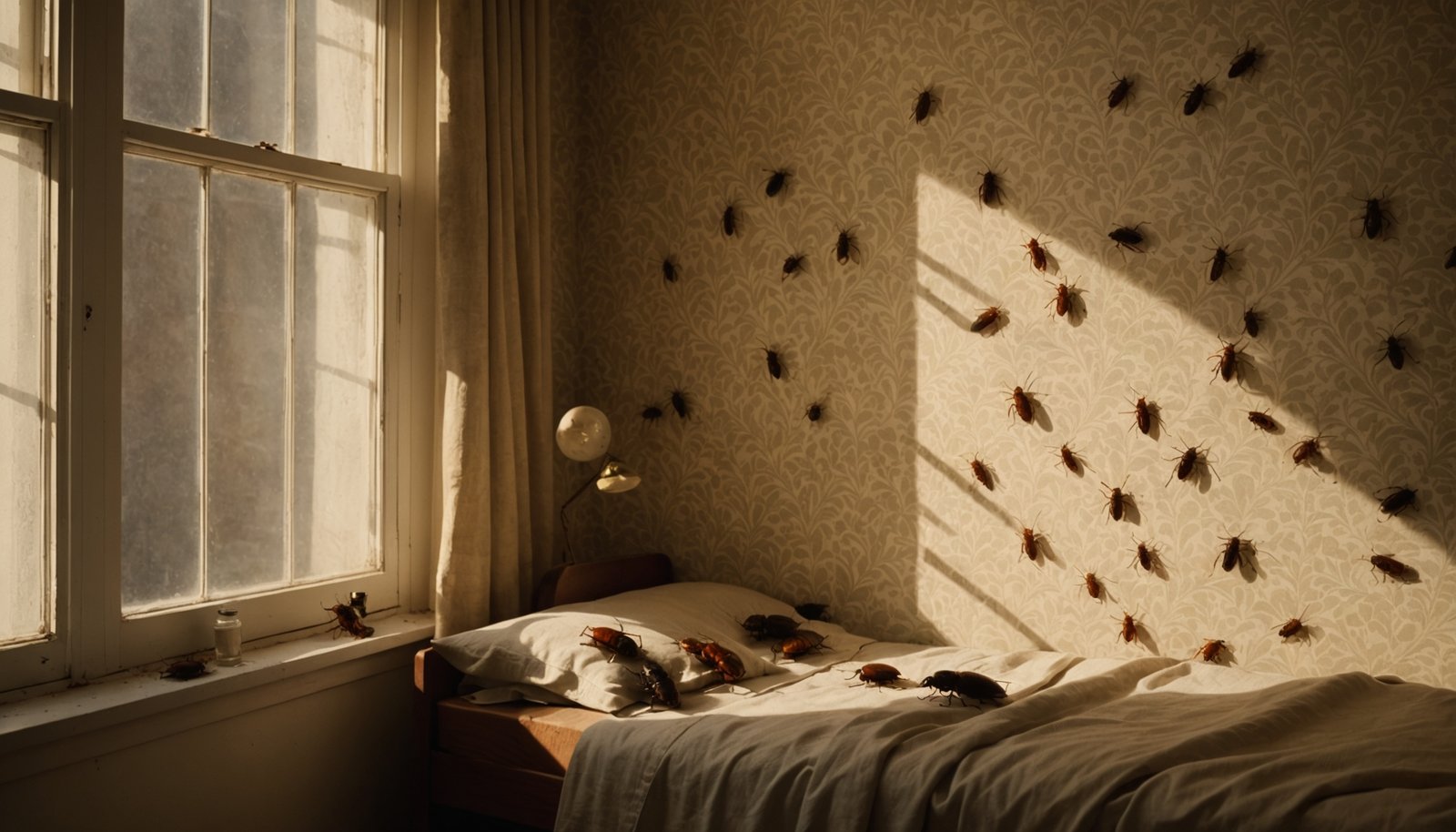
Once you know the signs of roaches in your bedroom, you need to understand why they’re there in the first place. Roaches are chasing warmth, moisture, and shelter, but they’re also drawn in by poor sanitation, clutter, and easy hiding spots. The structure and condition of your building—especially in multiunit housing or homes with disrepair—can quietly increase your risk of a full-blown bedroom infestation. Because cockroaches are a primary source of indoor endotoxins that worsen asthma and allergies, bedrooms in infested homes can quickly become unhealthy spaces to sleep and breathe.
Warmth, Moisture, And Shelter
Although you might expect roaches to stay in kitchens and bathrooms, bedrooms offer the perfect mix of warmth, moisture, and shelter that lets them thrive. Cockroaches actively seek warm environments, so your body heat, bedding, and electronics create ideal conditions, especially when indoor temperatures stay above 70°F (21°C). This pest behavior intensifies in hot, humid regions and tightly sealed apartments. In multi‑unit buildings, roach infestations can also contribute to elevated indoor endotoxins, which are linked to allergic reactions and can worsen respiratory problems over time.
Moisture sources make your bedroom even more attractive. Condensation on windows, leaky radiators, dripping A/C units, or poorly vented bathrooms nearby give roaches daily water access they can’t skip.
They then settle into hidden shelters: cracks, wall voids, under beds, and behind furniture. In multi‑unit buildings, these sheltered pathways let roaches spread from neighboring units straight into your bedroom.
Poor Sanitation And Clutter
Warm, hidden spaces only become a real roach stronghold when poor sanitation and clutter give them food and places to hide. When sanitation practices slip, crumbs, spills, and trash give cockroaches everything they need to move from the kitchen into your bedroom. Even if you’ve never seen roaches, their allergens can build up in dust, carpets, and fabrics. Apartments with poor sanitation have been shown to be several times more likely to harbor cockroaches, increasing the chances they’ll spread into sleeping areas.
Poor clutter management makes this worse. Piles of clothes, extra rugs, and upholstered furniture trap debris and create perfect hiding spots, letting roaches reproduce and leave fecal matter in bedding and pillows. Mold and general grime in sleeping areas add to the problem. If you tolerate a bit of mess, roaches can multiply unnoticed, raising both infestation risk and allergen levels where you sleep.
Multiunit Housing And Disrepair
Even if you keep a reasonably clean bedroom, the building you live in can quietly work against you and attract roaches. In multiunit buildings, apartment infestations rarely stay put. Roaches slip through cracks, pipe chases, and shared walls, spreading more easily between units than rodents. Low‑rise complexes often have structural vulnerabilities that let pests move from basements, laundry rooms, and dumpsters straight toward bedrooms.
Disrepair makes things worse. Water damage, leaks, and high moisture inside walls or sheetrock create perfect roach breeding zones. Cracked walls, broken windows, and sagging roofs open more entry and hiding spots. Nearby trash, abandoned buildings, and crowded living conditions around you all increase pressure on your unit, making coordinated building‑wide pest control essential.
Health Risks of Bedroom Cockroach Exposure
Cockroach exposure in your bedroom isn’t just unsettling; it carries measurable health risks that range from allergies to serious infections. Constant allergen exposure from cockroach body parts, saliva, and feces turns your sleeping space into a reservoir of asthma triggers. Bedroom floors actually show the highest median cockroach allergen load, and even your bed dust often contains detectable levels. When you move in bed, you stir up tiny particles that you inhale for hours each night.
If you’re sensitized, these particles can cause sneezing, itchy eyes, rashes, and full-blown asthma attacks. Children are especially vulnerable: those exposed to high bedroom allergen levels face over three times the risk of asthma hospitalization. Beyond allergies, cockroaches spread dozens of bacteria and parasites, including Salmonella, E. coli, and organisms linked to UTIs, sepsis, and diarrheal disease. Infants, the elderly, asthmatics, and anyone immunocompromised face the greatest danger from ongoing bedroom exposure.
What Attracts Roaches to Your Bed and Furniture
Knowing how hazardous bedroom roaches can be naturally leads to one key question: why they’re targeting your bed and furniture in the first place. Roaches don’t care about comfort; they’re chasing food, water, warmth, and dark gaps where they can hide.
Your bed, couch, and nightstands often check all those boxes. Bedtime snacks leave grease, sticky spots, and hidden crumbs in sheets, mattress seams, and upholstery cracks. When you eat on the bed or sofa, particles fall into tight spaces you rarely clean, turning them into long‑term feeding sites.
Moisture matters too. Damp towels tossed on furniture, wet clothes on the bed, or humidity from an attached bathroom make your bedroom feel like a roach oasis. Add clutter and warm electronics, and you’re giving them ideal shelter.
- Bedtime snacks and nightstand food
- Hidden crumbs under and in furniture
- Food-stained laundry piles
- Damp fabrics and nearby bathroom moisture
- Warm electronics near beds and couches
Long-Term Prevention: Keep Bedroom Roaches Out
Once you’ve dealt with the immediate infestation, long-term roach control in the bedroom depends on making the space hard to enter, hard to hide in, and impossible to live off. Start with preventive measures that block access: seal cracks with caulk, add weatherstripping to doors and windows, and plug gaps around pipes with steel wool or copper mesh. Replace torn window and vent screens.
Next, remove food and water. Clean crumbs and spills right away, store all food and pet food in sealed containers, and empty trash regularly. Wipe surfaces nightly, wash or submerge dishes in soapy water, fix leaks and drips, and dry sinks, tubs, and pet bowls before bed.
Use proactive strategies to reduce clutter and hiding spots. Swap cardboard for sealed plastic bins and keep floors and closets clear. For long-term treatments, combine light boric acid dusting, gel baits, and sticky traps, revitalizing them every week or two if needed.
When to Call a Professional for Bedroom Roaches
How do you know when bedroom roaches have crossed the line from annoying to a serious problem that needs a pro? You watch for clear infestation indicators that show the colony’s larger than DIY methods can handle and that you need professional treatments.
Call an exterminator if you notice:
Call an exterminator if you spot roaches in daylight, bedrooms, or persisting despite DIY treatments
- Daytime activity – roaches regularly walking around in daylight, especially German roaches, means overcrowded nests and a heavy infestation.
- Spread beyond the kitchen – roaches showing up in bedrooms, closets, or basements reveal multiple nesting sites.
- Persistent activity after DIY – sprays, gels, and traps don’t stop sightings, or roaches return days or weeks later.
- Strong, musty odors – an oily, stale smell on bedding, clothing, or furniture points to large roach populations.
- Breeding evidence – frequent droppings, shed skins, and egg casings in cracks or along baseboards signal rapid reproduction.
At this stage, only targeted, integrated professional treatments fully eliminate roaches and their eggs.
Frequently Asked Questions
Can Cockroaches Spread Between Apartments Through Shared Walls and Building Structures?
Yes, they can. You’re connected by shared pathways in walls, plumbing, and gaps, so roaches easily move between units. As pest migration continues, you must coordinate building-wide sealing, sanitation, and professional treatments to stop them.
Do Cockroaches Indicate My Apartment Building Violates Health or Housing Codes?
They often do, especially if infestations affect safety or habitability. You should document roaches, request prompt pest control in writing, and contact local housing authorities for health inspections to confirm code violations and enforce landlord responsibility.
Are Certain People or Age Groups More Medically Vulnerable to Cockroach Allergens?
Yes, young children, inner‑city residents, African-American kids, and people with asthma or low socioeconomic status are vulnerable populations. You’ll see worse allergy symptoms, more wheezing, and higher hospitalization risks when they’re exposed and sensitized.
How Do Neighborhood Trash and Exterior Conditions Affect Bedroom Cockroach Problems?
Neighborhood trash and poor exterior cleanliness push cockroaches indoors, so your bedroom gets invaded as they follow food, moisture, and shelter. Improve trash management, seal cracks, and eliminate outdoor clutter to cut roach pressure on indoor spaces.
Can Education and Tenant–Landlord Cooperation Really Reduce Roach Infestations Long-Term?
Yes, if you commit. When tenant education shows you how roaches live and you cooperate on cleanliness, access, and reporting, and your landlord delivers consistent pest control and repairs, infestations drop sharply and stay low long-term.
Conclusion
Now that you know the signs, causes, and risks, you can tackle bedroom roaches quickly and confidently. Focus on fast removal first, then cut off food, water, and hiding spots so they don’t come back. Seal cracks, declutter, and keep your room clean to make it less inviting. If roaches keep showing up or you spot a large infestation, don’t wait—call a professional to protect your health and your home.
