
How to Clean Your Home After a Cockroach Extermination
After a cockroach extermination, expect more visible roaches for a week or two as they die off. Use pet-safe cleaners, gloves, and a HEPA vacuum to remove droppings, egg cases, and dead bugs. Disinfect counters, cabinets, and bathrooms, but avoid scrubbing treated baseboards so the pesticide keeps working. Declutter, seal cracks, store food in airtight containers, and fix leaks to cut off shelter, food, and water. Next, you’ll see exactly how to tackle each area step-by-step.
Key Takeaways
- Wait several hours after treatment, then ventilate rooms well before starting any cleaning, especially in kitchens and bathrooms.
- Disinfect high-touch surfaces first using warm soapy water followed by a safe disinfectant, avoiding direct scrubbing of treated baseboards and perimeters.
- Vacuum roach droppings, egg cases, and debris with a HEPA-filter vacuum, then seal and dispose of the vacuum bag or canister contents outdoors.
- Use pet-safe cleaners and, where appropriate, food-grade diatomaceous earth in cracks and crevices, keeping baits and treated areas undisturbed.
- Declutter, seal cracks and gaps around pipes and doors, and maintain a strict cleaning routine to prevent reinfestation after extermination.
Check for Roach Activity After Treatment
After your home’s been treated for roaches, you’ll need to closely watch what happens next to make sure the extermination is working. During your post treatment observations, expect a surge in visible roach behavior over the first 2–10 days. Chemicals and baits flush roaches from cracks, walls, and behind appliances, so you’ll likely see more live and dead insects at first. An increase in dead roaches around your home during this time is a strong sign that the treatment is effectively killing the infestation.
Check daily under sinks, around baseboards, in closets, and behind kitchen and bathroom appliances. Look for dead roaches, sluggish movement, and agitated roaches wandering in search of food or water. That activity, plus gradually fewer sightings over 1–2 weeks, usually means the treatment’s working.
Some roaches may hatch from existing egg cases, so seeing an occasional bug doesn’t mean failure. However, if you’re still seeing high numbers after 10 days, or heavy activity continues beyond 3–4 weeks, contact your exterminator for a follow-up visit.
Gather Pet-Safe Cleaning Supplies and Gear
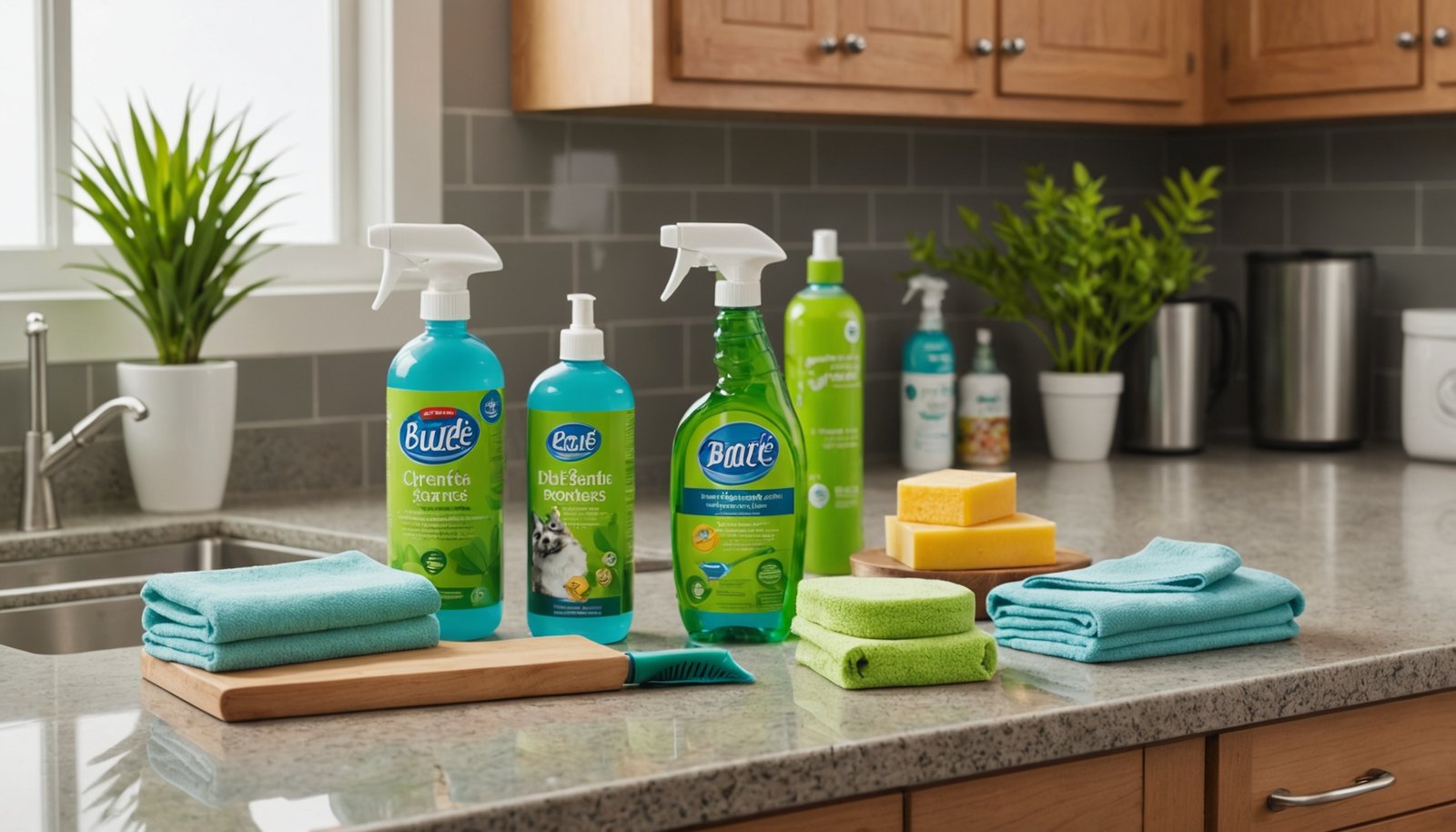
Now that you’ve checked for lingering roach activity, you’ll need to gather cleaning products that won’t harm your pets or undo the extermination work. You’ll focus on pet-safe essentials like natural soaps, baking soda and vinegar, plant-based cleaners, and careful use of diatomaceous earth and carpet odor products. You’ll also grab basic protective gear—like gloves, masks, and safe applicators—so you can clean thoroughly while keeping both you and your animals protected. When selecting products, prioritize options that are labeled or verified as pet-safe to avoid ingredients that could irritate or harm your dogs or cats.
Essential Pet-Safe Cleaners
Before you start scrubbing, gather a small kit of pet-safe cleaners and tools so you’re not reaching for harsh chemicals mid-job. Focus on pet safe options and eco friendly products that still help control lingering roach activity while you clean.
Use food-grade diatomaceous earth, such as Safer Brand Safer Home granules, in cracks and along baseboards; it dehydrates roaches but stays non-toxic to pets when applied correctly. Keep plant-based sprays like Wondercide or EcoSmart on hand for spot treatments; their essential oils (geraniol, lemongrass) are powerful against roaches yet family-friendly. Wondercide’s plant-based formula is made with essential oils like geraniol and lemongrass and is lab tested to be as effective as conventional ant and roach products while staying safe for use around kids and pets. Pair these with Safer Brand or ZEVO indoor sprays where labels allow.
Round out your kit with glue traps and a strong vacuum to remove surviving insects without extra chemicals.
Protective Gear For Cleanup
Protective gear turns a messy roach cleanup into a controlled, pet-safe job. Before you start any cleanup procedures, ventilate the area for 30 minutes with doors or windows open and an exhaust fan running. Then put on rubber or plastic gloves, long sleeves, and pants. Use chemical-resistant gloves when you’re mixing or wiping pesticide residues, and wash reusable gloves in disinfectant and soap before removing them. Avoid dry sweeping of roach droppings or debris before mopping or wiping, since this can stir particles into the air and increase the chance of inhalation.
For your lungs, wear a dust mask when handling boric acid and a NIOSH-approved N95 or half-face respirator with a HEPA filter in closed or heavily treated spaces. Skip facial hair so the respirator seals properly. Add protective goggles, disposable Tyvek coveralls, and rubber boots or shoe covers to keep roach waste and chemicals off your skin and clothes.
Vacuum Roach Droppings and Loose Debris
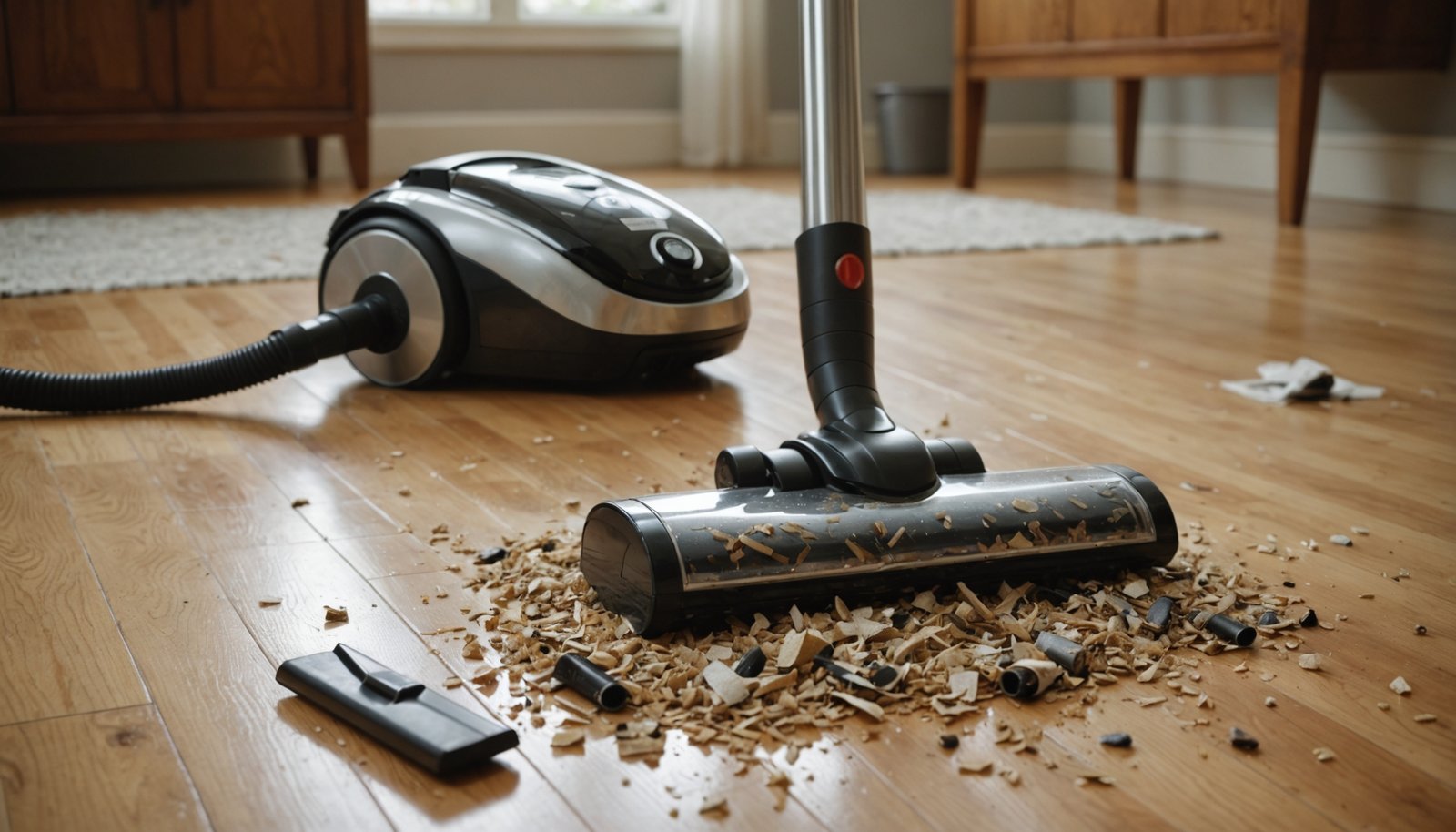
Start by vacuuming roach droppings and loose debris so you can remove contaminated material without touching it directly. Use safe vacuum techniques by working from high to low: run the hose attachment over refrigerator tops, cabinet tops, shelves, and along wall edges. Focus on corners, cupboard interiors, and tight crevices where feces and shed skins collect. Wear long pants and a long-sleeved shirt while you clean to keep cockroach feces and bacteria off your skin. This approach makes droppings removal efficient and limits what becomes airborne.
Use a vacuum with a HEPA filter so fine particles, allergens, and bacteria don’t blow back into the room. Wear your mask and gloves while you vacuum, and move furniture enough to reach under and behind it, especially along baseboards where droppings accumulate.
When you’re done, step outside to empty the canister or remove the bag. Seal the contents in a plastic bag, double-bag if possible, and place it in your outdoor trash. Finally, wipe down the vacuum exterior and attachments.
Declutter and Seal Roach Entry Points
Once you’ve cleared away droppings and loose debris, turn your attention to decluttering and closing off the gaps roaches use to move in and out. Start with simple decluttering strategies: pull items away from walls, thin out cardboard boxes, and clear under sinks so you can see every corner and pipe cutout.
Next, focus on entry point sealing. Around utilities, fill openings for electrical conduits, gas lines, and cables with foam, grommets, or mesh screens. Seal gaps around pipes and wires with durable caulk or expandable foam. Install door sweeps, replace worn weather stripping, and recaulk window frames; repair torn screens and clean tracks.
Check foundation and wall cracks, even hairline ones, and fill them with hydraulic cement, caulk, or foam, using steel wool or copper mesh for larger holes. Finally, seal around plumbing and appliances, attach fine mesh to vents, and confirm dryer vents and roof vents have tight covers.
Disinfect Surfaces After Roach Treatment
Now that you’ve sealed entry points, you’ll need to disinfect carefully without undoing the roach treatment. You’ll choose disinfectants that kill bacteria but won’t strip away pesticide barriers, then focus on high-touch areas like counters, handles, and bathroom surfaces. In the kitchen, you’ll disinfect safely around food, dishes, and cooking zones while still respecting the treated perimeters.
Choose Effective Disinfectants
Choosing effective disinfectants after a cockroach extermination lets you remove germs while targeting any lingering pests. Start with a bleach and warm water solution for strong surface disinfection; its bleach effectiveness depends on full coverage, so use it mainly on hard, non-porous areas. For soft furnishings and mixed surfaces, consider Sterifab advantages: it works as both disinfectant and insecticide, kills microbes on contact, and doesn’t leave residue.
For longer-term control, use boric acid in shallow containers near cabinets and sinks, where roaches walk and feed. It clings to their bodies and disrupts digestion. Diatomaceous earth offers a non-toxic option; dust a thin, dry layer behind appliances and along baseboards so it can dehydrate roaches over time.
Clean High-Touch Areas
Although the roaches are gone, their germs and residues stay behind on the surfaces you touch most, so you’ll need to disinfect those first. Set clear surface priorities: start with countertops, tables, shelves, and pantry shelves, then move to light switches, door handles, and cabinet knobs. Use simple cleaning techniques—warm soapy water to remove grime, followed by a disinfectant wipe or diluted bleach solution.
Wait until treated areas are fully dry and follow the pest professional’s timing before you begin general surface wiping. You can clean inside cabinets and cupboards sooner so dishes don’t sit near residue. Work from top to bottom so dirty liquid doesn’t drip onto cleaned areas. Wear gloves, a mask, and ventilate rooms while you disinfect.
Safely Disinfect Kitchens
Once high-touch spots are wiped down, focus on safely disinfecting the kitchen without undoing the roach treatment. Wait 2–4 hours after pest control before re-entering, then ventilate with open windows and fans. For kitchen sanitization, lightly clean non-treated areas first. Clear, clean, and dry countertops and sinks before service; afterward, only do light wiping where chemicals weren’t applied.
Mix 1 tablespoon of bleach per gallon of water for general sanitizing on hard surfaces, slightly stronger where roaches were active. Spray disinfectant on countertops, let it sit briefly, then wipe with rags or paper towels, repeating as needed. Mop floors with bleach water or use a steam mop, but avoid mopping treatment perimeters for several weeks to preserve bait effectiveness.
Deep Clean the Kitchen After Extermination
After extermination, you need to deep clean the kitchen in a way that removes cockroach contaminants without undoing the treatments that are still working. Start by mapping out a cleaning schedule so you don’t accidentally scrub treated areas too soon. Focus first on safe zones: wipe countertops and tables with non-toxic cleaners, then disinfect them, avoiding baseboards and any visible bait or gel.
Thoroughly clean kitchen appliances like the microwave, oven, and refrigerator, paying attention to seals, drip pans, and underneath units where roaches hide. Use vinegar or baking soda for odor removal and light disinfection.
Use a high-powered HEPA vacuum to remove droppings and egg cases from floors, corners, and under appliances, but don’t vacuum directly along treated edges.
- Clean food storage zones and discard anything possibly contaminated
- Replace dishes lip-side up in cupboards without wiping treated surfaces
- Flush drains and P-traps, then treat with enzyme-based drain cleaners
Sanitize Bathrooms and Other Roach Hotspots
Even if the kitchen took most of your focus, you can’t consider the job done until you’ve sanitized the bathrooms and other roach hotspots where moisture and darkness let infestations thrive. Start bathroom cleaning at the sinks: scrape away limescale, then vacuum crevices with a HEPA vacuum to remove droppings and egg cases. Disinfect with a bleach solution (1 tablespoon per gallon of water), wiping behind faucets and drains.
Check under sinks for nests, removing debris with gloved hands into sealed bags. Around toilets, vacuum first, including behind and at the base, then disinfect thoroughly; sanitize porcelain with the same bleach mix. Avoid mopping right against treated walls so you don’t wash away residual insecticide.
Vacuum floors, corners, grout lines, and cabinet interiors, then disinfect all hard surfaces and storage areas. Fix leaks, seal cracks, and keep re-sanitizing hidden spots as part of ongoing roach prevention.
Wash Fabrics, Carpets, and Upholstery
Two major reservoirs of roach debris and pesticide residue are your soft surfaces: fabrics, carpets, and upholstery. Start with a thorough vacuum to support fabric maintenance and upholstery protection. Vacuum all floors, carpets, and rugs, then use the hose under and behind furniture, along baseboards, and on mattresses and sofas. Shift furniture so you don’t miss edges and corners, and empty the vacuum bag or canister outside immediately.
Next, wash anything removable. Use a hot cycle for:
- Bedding, sheets, and pillowcases
- Curtains and couch or cushion covers
- Any washable throws or slipcovers
Dry everything completely before putting it back.
For fixed upholstery and fabric surfaces, wipe with soapy water two or three times. Lightly moisten a cloth for fabric-covered walls or window treatments, and use a water–vinegar mix along seams and creases. For deep decontamination, consider professional steam cleaning after you vacuum.
Set Up a Simple Roach-Prevention Routine
Although the extermination removed the immediate infestation, roaches can return quickly unless you change the conditions that attracted them. Put simple preventive measures on a schedule so they become automatic. Each night, wipe countertops, sweep or vacuum kitchen floors, clean spills immediately, and avoid leaving dirty dishes in the sink. Store food in airtight containers and empty sealed trash bins daily.
Add weekly routine maintenance: clean under and behind appliances, and clear cluttered areas where roaches hide. Store items in lidded plastic bins instead of cardboard, and recycle unused boxes and papers.
Cut off water sources by repairing leaks, drying sinks and tubs at night, and removing damp sponges or dishrags. Empty and dry pet water dishes overnight.
Finally, once a month, walk your home’s interior and exterior: seal cracks, check weather stripping, repair screens, trim vegetation, clean gutters, and inspect outdoor garbage cans for tight lids.
Frequently Asked Questions
How Long After Extermination Is It Safe for Children to Play on Floors?
Wait at least 2–4 hours after routine spraying, and 24–48 hours after fogging, before kids play on floors. Check everything’s dry, ventilate well, clean toys, then allow safe playtime to protect children’s health.
Can I Stay in My Home During and Immediately After Cockroach Treatment?
You can usually stay home, but follow safety precautions: avoid treated rooms, leave during spraying, return once surfaces dry and it’s ventilated. Discuss health concerns with your exterminator, especially for children, babies, elderly family, or pets.
Are Natural or DIY Cleaners Effective Enough After Professional Roach Extermination?
Yes, you can rely on natural cleaners and DIY solutions for post-treatment cleanup; their effectiveness comparison favors safety and residue removal, while chemical alternatives aren’t usually necessary once professionals have eliminated roaches and applied long-lasting controls.
What Should I Do if I Find Dead or Dying Roaches Weeks After Treatment?
You should treat them as normal; they show the treatment’s still working. For dead roach disposal, sweep or vacuum and bag them. If sightings persist or increase, call your exterminator and review ongoing pest prevention steps.
Is It Normal to Still See a Few Live Roaches After Successful Extermination?
Yes, you can still see a few live roaches after successful treatment. You’re observing normal roach behavior, not failure. Don’t fall for extermination myths; monitor activity, keep cleaning, and coordinate follow‑up visits if sightings persist.
Conclusion
You’ve already done the hard part by getting rid of the roaches—now your cleaning finishes the job. By vacuuming, disinfecting, and sealing entry points, you’ll clear away droppings, allergens, and any lingering bacteria. Keep focusing on the kitchen, bathrooms, and soft surfaces, then stick to a simple prevention routine. With a bit of consistency, you’ll protect your home, support the exterminator’s work, and make your space cleaner, healthier, and far less inviting to roaches.
