

How to Prevent Cockroaches in Kitchens, Bathrooms and Basements
Keep cockroaches out of your kitchen by cleaning daily, controlling moisture, sealing entry points, and using targeted treatments. Keeping a clean kitchen reduces cockroach presence by 72.4%, and fixing water leaks lowers cockroach infestations by 48.7% — meaning sanitation and moisture control together address the two primary conditions that make any kitchen attractive to cockroaches. Sealing food containers decreases cockroach sightings by 61.3%, and regularly taking out the trash cuts cockroach activity by 54.8%. Combine these four fundamentals with structural exclusion, clutter removal, and targeted chemical control, and you eliminate the conditions cockroaches need to establish and grow colonies in your kitchen.
Key Takeaways
- Clean daily: wipe surfaces, wash dishes, vacuum crumbs, and degrease appliances — keeping a clean kitchen reduces cockroach presence by 72.4%.
- Control moisture: fix leaks, run exhaust fans, use dehumidifiers, and keep indoor humidity below 50% — fixing water leaks lowers kitchen cockroach infestations by 48.7%.
- Seal entry points: caulk cracks, install door sweeps, screen vents, and close gaps around pipes and appliances with silicone or expanding foam.
- Reduce clutter and food access: store food in airtight containers (cutting sightings by 61.3%), empty lidded trash regularly (reducing activity by 54.8%), and eliminate cardboard and paper stacks.
- Monitor and control: place sticky traps, deploy gel baits and IGRs in hotspots, and rotate bait products every 90 days to prevent aversion and resistance.
Common Cockroach Attractants in the Kitchen
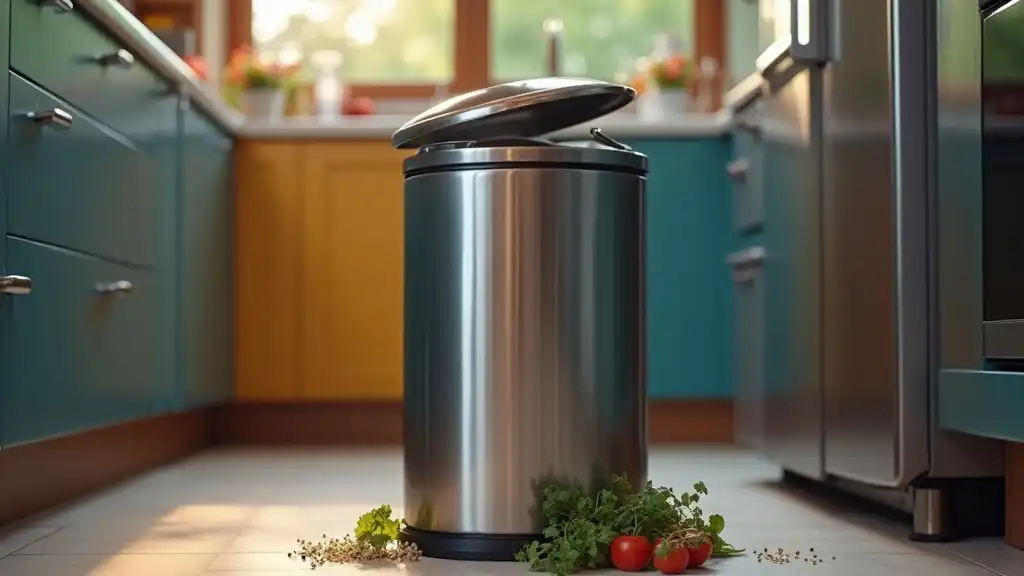
Understanding what specifically draws cockroaches into your kitchen is the foundation of effective prevention. Cockroaches are not random in their choice of harborage — they follow consistent environmental cues that lead them toward the three resources they need to survive: food, water, and shelter. Cockroach attractants in the home are well-documented, and the kitchen concentrates more of them per square foot than any other room.
The primary food attractants in kitchens are uncovered crumbs and food debris on counters, floors, and inside cabinets; grease residue on stovetop surfaces, oven interiors, and range hoods; food particles in the gap between the stove and countertop; dirty dishes left in the sink overnight; pet food left in bowls after feeding; sugar, pasta, rice, and other dry goods stored in original thin packaging; and food residue in trash cans without tight-fitting lids. The primary water attractants are leaky pipes under the kitchen sink, condensation on cold water pipes, standing water in dish drying racks, wet dish sponges and cloths left near the sink, and moisture accumulation under the refrigerator and dishwasher. Shelter attractants include stacked cardboard boxes in pantry or cabinet areas, dark gaps behind and beneath appliances, cluttered storage spaces under the sink, and the narrow gap between refrigerators and adjacent cabinetry. Addressing all three categories simultaneously — not just one or two — is what separates effective cockroach prevention from programs that see temporary improvement followed by reinfestation.
Sanitation and Daily Cleaning Routines

How do you keep cockroaches from finding a free meal and a damp hideout in your kitchen? Start with strict daily cleaning. Wipe counters, tables, sinks, backsplashes, and cabinet faces to remove crumbs, grease, and sticky residues — use a disinfectant or vinegar-water solution to eliminate both the food residue and the bacteria that cockroaches feed on. Keeping a clean kitchen reduces cockroach presence by 72.4%, making daily sanitation the single highest-impact prevention action available to homeowners.
Wash dishes promptly — never leave them in the sink overnight. Vacuum floors and corners, especially under cabinets and along edges, to pick up the hidden debris that accumulates in out-of-sight zones. Tackle appliances on a regular deep-clean schedule: pull out the refrigerator, stove, and dishwasher to remove the dust, crumbs, and grease buildup that collects in these undisturbed spaces. Mop and scrub floors beneath appliances, clean around trash bins, and apply caulk to seal small gaps along appliance edges where debris and insects accumulate between cleanings. Don’t leave pet food out overnight — remove and wash pet bowls every night and store pet food in sealed hard plastic or metal containers.
Finish each day with waste and clutter control. Empty trash frequently, use bins with tight-fitting lids, disinfect cans weekly to remove the grease and food residue that builds up on interior surfaces, and reduce cardboard and paper stacks in the pantry and storage areas — these materials serve as both harborage and food sources for cockroach colonies.
Proper Food Storage Techniques
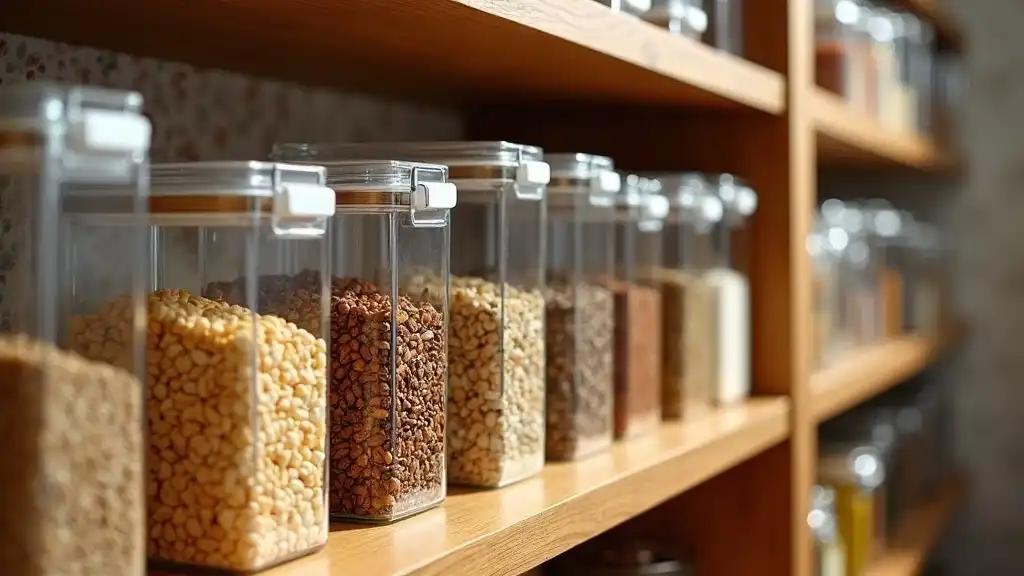
Sealing food containers decreases cockroach sightings by 61.3% — making food storage the second most impactful prevention measure after daily cleaning. The reason most pantry areas attract cockroaches despite regular surface cleaning is that dry goods remain in their original packaging: thin plastic bags, cardboard boxes, and paper bags that cockroaches chew through in minutes to access the contents inside.
Transfer all dry goods to sealed hard plastic or glass containers with airtight lids immediately after purchase. This applies to sugar, flour, pasta, rice, cereal, coffee, pet food, and any other dry ingredient that would typically be stored in original packaging. Wipe pantry shelves when restocking to remove the fine food dust that accumulates on shelf surfaces and attracts cockroaches even when containers appear intact. Toss expired items during each restocking session — decaying food generates stronger odors that attract cockroaches from greater distances than fresh stored goods. Reorganize pantry shelves so items are not stacked in deep rows that create dark, inaccessible harborage spaces behind them. Clean cabinet interiors monthly to remove accumulated crumbs and food particles from the corners and bases of shelves where routine wiping does not reach.
Refrigerate all leftovers promptly rather than leaving them on countertops overnight. Cover any food left on counters with sealed containers, not plastic wrap or foil — cockroaches can access loosely covered food by crawling under raised edges. Store fruit in the refrigerator rather than in open bowl displays during seasons when cockroach pressure is highest.
Regular Garbage Disposal Practices
Regularly taking out the trash cuts kitchen cockroach activity by 54.8% — a figure that reflects how powerfully organic waste odors attract cockroaches to the kitchen even when all other prevention measures are in place. Use trash cans with tight-fitting lids in all kitchen waste areas, never open-top containers. Empty kitchen garbage at minimum once per day during warm seasons and every two days during cooler months, always in sealed bags. The accumulation of organic waste overnight is one of the most reliable cockroach attractants in residential kitchens.
Disinfect the interior and exterior of trash cans weekly to remove the grease, food residue, and organic matter that builds up on bin surfaces between bag changes — cockroaches feed on this residue directly. Rinse glass and metal recyclables before placing them in recycling bins to eliminate the food residue that makes recycling areas as attractive as garbage storage. Keep outdoor garbage receptacles sealed and positioned away from the building’s exterior walls and entry points to reduce the outdoor cockroach population pressure that drives indoor migration through structural gaps.
Moisture Control and Fixing Leaks
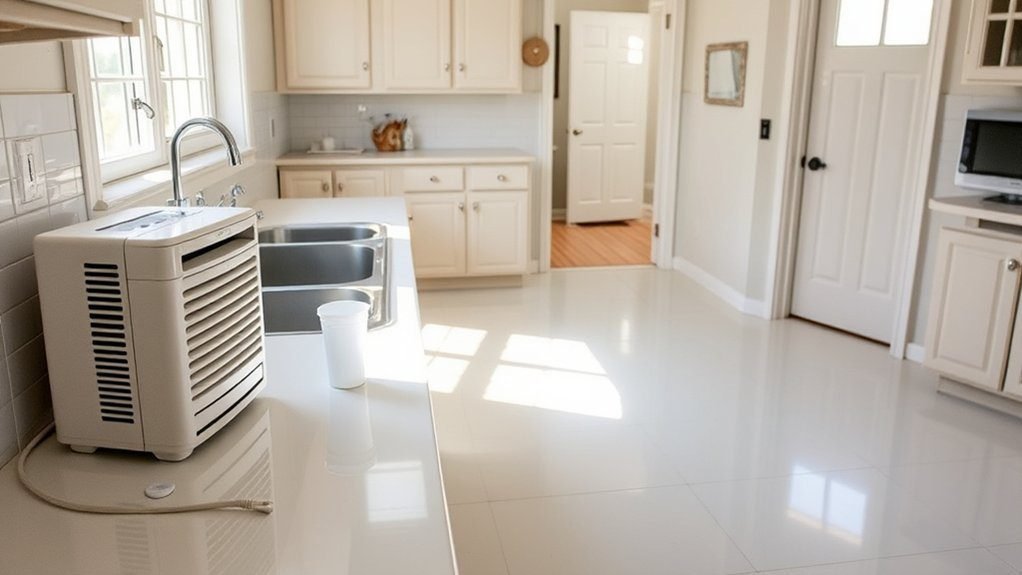
Fixing water leaks in kitchens lowers cockroach infestations by 48.7%. Cut off this critical resource by addressing all plumbing leaks immediately — sinks, pipes, toilets, and appliances should never drip. Use a hygrometer and keep indoor humidity below 50 to 60% with exhaust fans and dehumidifiers, especially in kitchens, bathrooms, and basements where cockroaches concentrate their activity.
Fix Plumbing Leaks
Stop moisture at its source by inspecting supply lines and drain pipes under the kitchen sink for damp spots, corrosion, and damage. Tighten or replace worn fittings, traps, seals, washers, and valves to stop drips. Track your water bill — unexplained spikes often signal hidden leaks behind walls or beneath the floor that are creating moisture zones you cannot see during routine inspection. Use smart leak detectors and water shut-off sensors near high-risk kitchen fixtures for instant alerts. Install shut-off valves and high-sensitivity sensors near dishwasher connections, refrigerator ice maker lines, and under-sink plumbing, which are the three most common sources of hidden kitchen water leaks that sustain cockroach populations without being detected during routine cleaning.
Reduce Indoor Humidity
Even when leaks are repaired, excess indoor humidity still attracts cockroaches by maintaining the surface moisture they need for water intake and the humid air conditions that accelerate egg hatching and nymph development. Aim for 50% relative humidity or lower. Place dehumidifiers in kitchens during humid summer months, and run exhaust fans during and after cooking and dishwashing to vent cooking steam outdoors rather than allowing it to condense on surfaces and inside cabinet interiors. Insulate cold water pipes to prevent condensation on pipe surfaces — an often-overlooked moisture source inside under-sink cabinet spaces. Dry dish sponges, drying racks, and kitchen cloths after each use; standing moisture on these items creates localized water sources directly on the kitchen counter that cockroaches access during nighttime foraging.
Using Natural Deterrents

Using natural repellents leads to a 39.6% drop in cockroach visits within two months — meaningful as a complementary layer of prevention alongside sanitation, moisture control, and exclusion, though not effective as a standalone treatment for established infestations. Natural deterrents work by creating environmental conditions cockroaches prefer to avoid rather than killing them on contact.
Bay leaves placed inside cabinet shelves, pantry areas, and near appliance gaps create an aromatic deterrent that cockroaches consistently avoid — replace them every four to six weeks as the volatile oils that produce the deterrent effect dissipate over time. Food-grade diatomaceous earth applied as a thin dust in cracks and crevices, behind appliances, and along baseboards damages the waxy cuticle of cockroaches that crawl through it, causing dehydration — apply precisely with a bulb duster and keep treated areas dry since moisture deactivates the desiccant action. Boric acid dust applied in very thin layers in inaccessible harborage zones including wall voids, under appliance bases, and inside electrical outlets provides passive control without surface exposure, but must be applied at near-invisible concentrations to remain effective — heavy applications are avoided by cockroaches. Essential oil-based sprays including peppermint, eucalyptus, and tea tree oil applied along entry routes and harborage perimeters create short-term repellent effects requiring reapplication every one to two weeks. Catnip contains nepetalactone, a compound cockroaches actively avoid — sachets placed inside cabinet areas and along known travel routes provide supplemental deterrence in low-infestation situations.
Sealing Entry Points and Structural Gaps
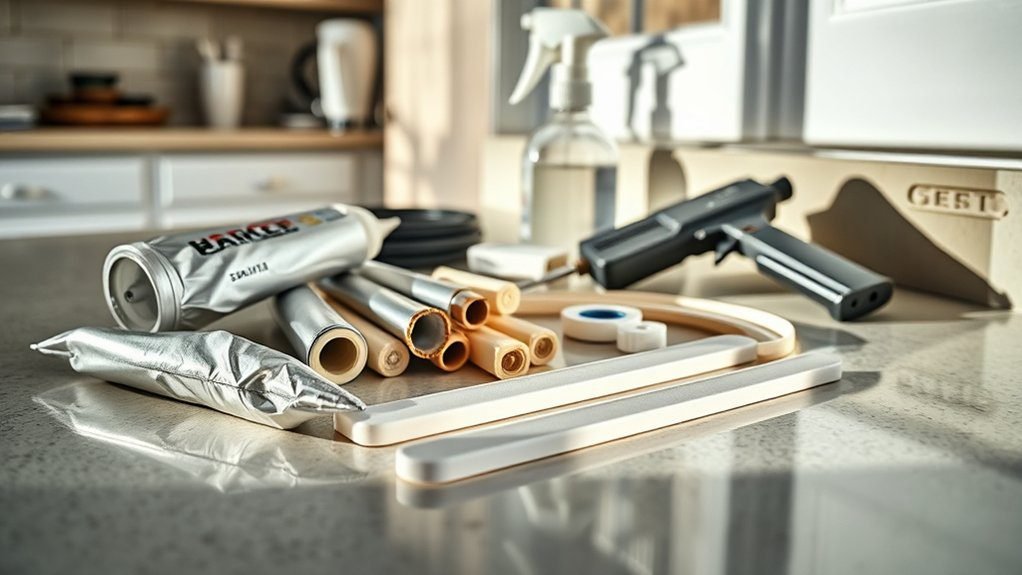
You’ll stop cockroach entry faster when you first identify common entry points around doors, windows, foundations, and utility lines. Check for threshold gaps, missing weatherstripping or screens, and holes around pipes and conduits throughout the kitchen perimeter. Then seal cracks and gaps with silicone or foam and install door sweeps and fine-mesh screens to block their routes.
Identify Common Kitchen Entry Points
Cockroaches exploit multiple pathways into kitchens: plumbing penetrations and floor drains, unsealed vents and ductwork, loose door sweeps and torn window screens, and gaps around utility lines in foundations. In kitchens, bathrooms, and basements, cockroaches follow moisture and warmth — slipping through pipe cutouts, floor drains, and HVAC chases. The kitchen sink drain area is particularly vulnerable because American cockroaches enter through sewer-connected floor drains and pipe penetrations directly from building drainage infrastructure. Inspect plumbing, drains, and leak-prone fixtures first, then check vents, chimneys, and HVAC penetrations, then examine doors, windows, and foundation utility penetrations.
Seal Gaps and Cracks
Use silicone caulk on small to medium gaps around windows, baseboards, and door frames — silicone is preferable to acrylic caulk for kitchen areas because it resists moisture and maintains flexibility with temperature cycling. Fill larger voids — foundation cracks and spaces around pipes — with expanding polyurethane foam. Add weatherstripping to exterior-facing kitchen doors and windows, and install door sweeps to close the threshold gap that cockroaches use for ground-level entry. Cover kitchen vents and exhaust openings with wire mesh screens that block cockroach entry without restricting airflow. Target high-risk zones specifically: seal around all plumbing under sinks, utility penetrations for cables and wiring, and cracks in walls, floors, and baseboards behind appliances and in corners. Maintain seals over time — replace worn weatherstripping, damaged sweeps, and cracked caulk annually at minimum, as cockroaches exploit even small seal failures within weeks of their appearance.
Reducing Clutter and Modifying Habitats
Small changes to clutter and harborage conditions can eliminate the shelter cockroaches need to establish colonies in your kitchen, even when food and moisture are present. Strip away harborage first: toss cardboard boxes, paper stacks, and grocery bags from pantry and cabinet areas; organize shelves so there are no deep dark gaps behind stored items; and clean behind appliances, under sinks, and inside cabinet bases. Cockroaches use cardboard as both harborage and food — eliminating cardboard storage from kitchen areas removes an entire category of infestation risk.
Keep recycling bins dry and emptied regularly, and move firewood, lumber, and unused outdoor gear away from the building exterior to reduce the outdoor cockroach population pressure driving indoor entry. Modify the kitchen structure and surroundings to make survival harder: seal gaps around doors, windows, pipes, and baseboards; add door sweeps and weatherstripping; screen vent pipes; and maintain a 6 to 12 inch gravel or bare-soil border around the building foundation rather than organic mulch, which provides outdoor cockroach harborage immediately adjacent to entry points.
Monitoring With Traps and Baits

After tightening sanitation, moisture control, and exclusion, use monitoring to confirm your changes are working and identify any residual activity hotspots requiring targeted treatment. Use sticky or adhesive monitoring traps to detect activity — flat sticky designs catch more cockroaches than triangular tent-style traps. Boost detection rates with attractants: synthetic pheromone lure tablets, food-based attractants including bacon extract or botanical blends, or commercially available roach lure tablets that significantly outperform unbaited adhesive traps. See our complete infestation signs guide for a full checklist of what to look for alongside monitoring trap placement.
Place multiple traps and baits behind the refrigerator, under the sink, inside cabinet bases, along baseboards in corners, and near any floor drain openings. Check traps every 72 hours for the first two weeks after placement and weekly thereafter. Rising capture counts indicate an active and growing infestation requiring escalated treatment; declining counts week-over-week confirm prevention measures are working.
Deploy gel baits where monitoring traps confirm activity. Cockroaches feed on gel bait, return to the harborage, and share the slow-acting active ingredient with nest members through contact and frass consumption, spreading it through the colony. First results typically appear within 24 to 48 hours, with noticeable control within one week; many gel bait products achieve over 80% population mortality within 14 days when applied correctly in confirmed harborage locations. Heavier bait consumption signals severe activity — refresh placements promptly when gel bait is consumed or dried out.
Safe Chemical Control and Preventive Treatments
Two safe, targeted approaches — gel baits and low-toxicity dusts — deliver meaningful cockroach control without the surface residue, exposure risks, and bait-repelling effects of broadcast spray applications in kitchen environments.
Place gel baits containing fipronil, indoxacarb, or hydramethylnon in cracks, hinges, and dark seams where cockroaches travel and rest. Rotate bait brands and active ingredients every 90 days to prevent bait aversion and resistance development in established populations — this is the single most common reason kitchen cockroach control programs plateau rather than achieving elimination. Use tamper-resistant bait stations in kitchens, bathrooms, and basements to protect bait from displacement and contamination during cleaning. Augment gel baits with thin, precisely applied layers of boric acid or food-grade diatomaceous earth in crevices and behind appliances — keep treated areas dry since moisture deactivates both products. Apply with a bulb duster to achieve the near-invisible dust layer that cockroaches will crawl through; heavy, visible applications are avoided by cockroaches. Add insect growth regulators (IGRs) to break the breeding cycle — products containing hydroprene or pyriproxyfen don’t kill on contact but prevent nymph molting and disrupt reproduction, steadily shrinking population size over 60 to 90 day cycles without creating selection pressure for resistance. See our complete guide to cockroach treatment and control options for product-by-product comparisons and application guidance.
When to Call Professional Pest Control
Professional pest control services are appropriate when kitchen cockroach activity is detected in more than one area of the home, when monitoring traps show rising capture counts after two weeks of sanitation and exclusion improvements, when egg cases or shed skins are found confirming active breeding, when gel bait applications are not reducing activity within 14 days, or when daytime sightings of live cockroaches occur. These indicators suggest an established population requiring professional-grade products, precision equipment for treating wall voids and structural harborage, and the inspection expertise to identify infestation sources that DIY programs miss.
When selecting a pest control provider for kitchen cockroach prevention or control, request a provider using IPM-based protocols who conducts a full inspection before applying any treatment. The best kitchen pest control programs combine professional monitoring trap placement and analysis, targeted gel bait applications in confirmed harborage locations, IGR deployment in wall voids and structural spaces, structural exclusion recommendations, and a documented follow-up schedule that verifies population reduction between service visits. Providers who default to scheduled broadcast spray applications without conducting harborage-specific treatment are less effective for kitchen cockroach control and create the surface residue that contaminates food preparation areas and interferes with gel bait efficacy.
Frequently Asked Questions About Preventing Cockroaches in the Kitchen
How do cockroaches enter the kitchen?
Cockroaches enter kitchens through plumbing penetrations including pipe gaps under sinks, floor drains connected to sewer infrastructure, gaps around utility lines and HVAC penetrations, deteriorating weatherstripping and door sweeps, torn window screens, and cracks in walls and baseboards. They also enter by hitchhiking on grocery bags, cardboard delivery boxes, and secondhand appliances. American cockroaches specifically enter through floor drains and sewer connections in the kitchen floor — sealing drain openings with fine-mesh covers blocks this primary entry route for large cockroach species.
How often should I clean my kitchen to prevent roaches?
Daily surface cleaning — wiping counters, washing dishes, vacuuming crumbs — is the minimum frequency required for effective cockroach prevention in kitchens. Keeping a clean kitchen reduces cockroach presence by 72.4%, but this result requires consistent daily practice rather than occasional deep cleaning. Deep cleaning behind and beneath appliances should occur monthly. Pantry and cabinet interior cleaning, including shelf wiping and expired item removal, should occur every four to six weeks. Trash cans should be disinfected weekly. The daily habit of removing all food from counters, washing dishes, and wiping surfaces is more impactful than infrequent deep cleaning sessions.
Are natural repellents effective against cockroaches?
Natural repellents including bay leaves, diatomaceous earth, boric acid dust, essential oils, and catnip produce a 39.6% drop in cockroach visits within two months when used consistently — meaningful as a supplemental prevention layer but insufficient as a standalone treatment for established infestations. They work best when combined with the primary prevention measures: daily sanitation, sealed food storage, moisture control, and structural exclusion. For active infestations where cockroach populations are already established and breeding, professional-grade gel baits and IGRs are necessary alongside natural deterrent measures.
Which foods attract cockroaches most in the kitchen?
Cockroaches are most strongly attracted to sugary and starchy foods including spilled sugar, soda, syrup, pasta, rice, bread, and cereal. Greasy cooking residue on stovetop surfaces and range hoods is a powerful attractant that persists through routine wiping unless degreasing cleaners are used. Meat and cheese residues on unwashed dishes, pet food left overnight, and overripe fruit left on counters are also significant attractants. Sealing food containers decreases cockroach sightings by 61.3% — transferring all dry goods to hard-sided airtight containers is the most impactful food storage change available.
When should I call a pest control professional?
Call a professional when cockroach activity is found in more than one kitchen location, when monitoring traps show cockroach captures after two weeks of prevention measures, when egg cases or shed skins confirm active breeding, when live cockroach sightings occur during daylight hours, or when gel bait applications show no reduction in activity within 14 days. Early professional treatment when the infestation is small produces faster, more complete results at significantly lower cost than waiting until the population is established across multiple rooms. For German cockroach infestations specifically, professional treatment is almost always necessary because their rapid breeding cycle makes DIY control unreliable once colony breeding is confirmed.
How do seasonal changes affect kitchen cockroach activity?
Summer drives faster German cockroach reproduction indoors — warm temperatures accelerate breeding cycles, meaning established kitchen colonies grow most rapidly during the warmest months. Fall drives peridomestic species including American and Oriental cockroaches from outdoor harborage into kitchens and basements as temperatures cool below their survival threshold. Winter slows movement in cockroaches without indoor harborage but concentrates established indoor populations near heat sources including appliance motors and heating vents. Spring temperature fluctuations and increased humidity push cockroaches toward stable, damp kitchen environments. Prevention measures should be intensified in late summer before fall migration and maintained consistently through winter when indoor German cockroach populations continue breeding regardless of outdoor temperature.
{
“@context”: “https://schema.org”,
“@type”: “FAQPage”,
“mainEntity”: [
{
“@type”: “Question”,
“name”: “How do cockroaches enter the kitchen?”,
“acceptedAnswer”: {
“@type”: “Answer”,
“text”: “Cockroaches enter kitchens through plumbing penetrations, pipe gaps under sinks, floor drains connected to sewer infrastructure, utility line gaps, deteriorating weatherstripping, door sweep gaps, torn window screens, and cracks in walls and baseboards. They also hitchhike on grocery bags, cardboard boxes, and secondhand appliances. American cockroaches specifically enter through floor drains — sealing drain openings with fine-mesh covers blocks this primary entry route.”
}
},
{
“@type”: “Question”,
“name”: “How often should I clean my kitchen to prevent roaches?”,
“acceptedAnswer”: {
“@type”: “Answer”,
“text”: “Daily surface cleaning — wiping counters, washing dishes, vacuuming crumbs — is the minimum required. Keeping a clean kitchen reduces cockroach presence by 72.4%, but this requires consistent daily practice. Deep cleaning behind appliances should occur monthly. Pantry and cabinet cleaning every 4 to 6 weeks. Trash cans disinfected weekly. Daily dish washing and surface wiping is more impactful than infrequent deep cleaning sessions.”
}
},
{
“@type”: “Question”,
“name”: “Are natural repellents effective against cockroaches?”,
“acceptedAnswer”: {
“@type”: “Answer”,
“text”: “Natural repellents including bay leaves, diatomaceous earth, boric acid, essential oils, and catnip produce a 39.6% drop in cockroach visits within two months when used consistently — effective as a supplemental prevention layer but insufficient as a standalone treatment for established infestations. They work best combined with daily sanitation, sealed food storage, moisture control, and structural exclusion.”
}
},
{
“@type”: “Question”,
“name”: “Which foods attract cockroaches most in the kitchen?”,
“acceptedAnswer”: {
“@type”: “Answer”,
“text”: “Cockroaches are most attracted to sugary and starchy foods including sugar, soda, pasta, rice, bread, and cereal. Greasy cooking residue on stovetop surfaces is a powerful persistent attractant. Meat and cheese on unwashed dishes, pet food left overnight, and overripe fruit on counters are also significant attractants. Sealing food containers decreases cockroach sightings by 61.3%.”
}
},
{
“@type”: “Question”,
“name”: “When should I call a pest control professional?”,
“acceptedAnswer”: {
“@type”: “Answer”,
“text”: “Call a professional when cockroach activity is found in more than one kitchen location, when monitoring traps show captures after two weeks of prevention measures, when egg cases or shed skins confirm active breeding, when live cockroach sightings occur during daylight, or when gel bait shows no reduction in 14 days. Early professional treatment when the infestation is small produces faster results at significantly lower cost.”
}
},
{
“@type”: “Question”,
“name”: “How do seasonal changes affect kitchen cockroach activity?”,
“acceptedAnswer”: {
“@type”: “Answer”,
“text”: “Summer accelerates German cockroach breeding indoors. Fall drives peridomestic species including American cockroaches from outdoor harborage into kitchens as temperatures cool. Winter concentrates indoor populations near heat sources. Spring humidity pushes cockroaches toward stable damp kitchen environments. Prevention measures should be intensified in late summer before fall migration and maintained consistently through winter.”
}
}
]
}
