
What Cockroach Droppings Look Like and How to Identify Them
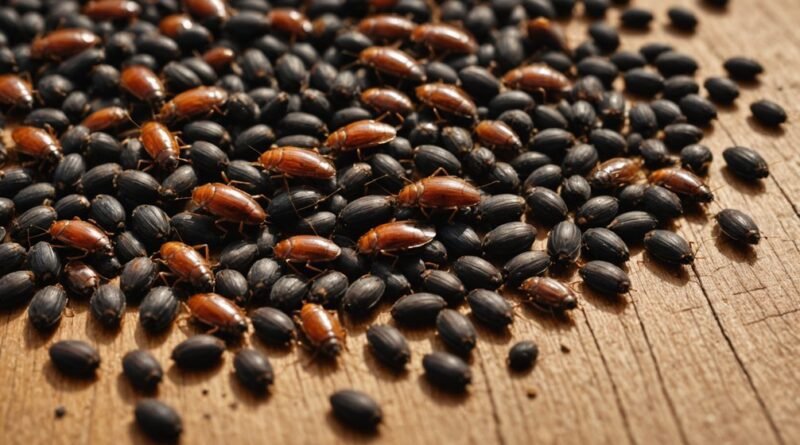
Cockroach droppings look like tiny dark specks with blunt ends and fine ridges — similar to black pepper flakes, coffee grounds, or small rice grains depending on the species. Finding them is almost always the first confirmed sign of a cockroach infestation, appearing well before most people ever spot a live roach.
Knowing exactly what you are looking at matters more than most homeowners realize. Accurate identification of roach droppings tells you which species is present, how active the infestation is, and where to focus treatment. Getting that identification wrong means treating the wrong areas with the wrong products and losing weeks to an infestation that keeps growing. This guide covers everything you need to identify, locate, clean, and respond to cockroach droppings correctly.
Key Takeaways
Here is a quick summary of the most important points before diving deeper:
- Cockroach droppings are dark brown to black, cylindrical, with blunt rounded ends and fine lengthwise ridges — never tapered or smooth like mouse droppings.
- Size varies by species: German and brown-banded roaches leave pepper-like specks; American and Oriental roaches leave rice-sized pellets up to 4mm long.
- Fresh roach droppings are dark and can smear when dampened; older ones dry out, lighten slightly, and crumble rather than smear.
- Droppings cluster near food, moisture, and harborage — check kitchen cabinets, under sinks, behind appliances, pantries, and basements.
- Cockroach droppings carry bacteria including Salmonella and E. coli, trigger asthma and allergies, and release pheromones that attract more roaches to the same spots.
- Clean droppings using a HEPA filter vacuum and disinfectant — never dry sweep, as this aerosolizes allergen particles throughout the home.
What Cockroach Droppings Look Like
The physical appearance of roach droppings is distinctive enough that once you know what to look for, misidentification becomes unlikely. The shape is the most reliable identifier: cylindrical with blunt, rounded ends and fine longitudinal ridges running along the surface, similar in texture to a tiny fennel seed or capsule.
Color stays consistently dark across all species. Fresh cockroach poop is black to very dark brown with a slight moisture sheen that allows smearing when touched with a damp cloth. As droppings age in dry conditions, they desiccate and shift from matte black to a dusty dark brown, losing the ability to smear and instead crumbling when disturbed. In humid environments like under-sink cabinets and bathroom vanities, droppings may remain dark and moist for weeks, making freshness harder to judge by color alone. The ridged surface texture is the single most reliable physical characteristic separating cockroach feces from dirt, debris, and other pest waste.
Size Differences Across Species
Roach droppings range from 1.2 to 3.9 millimeters in length depending on the species producing them. That range places them between the size of a poppy seed and a small rice grain, which is why species identification from dropping size alone is a useful starting point.
- German cockroach droppings are the smallest and most commonly found in residential kitchens — approximately 1 to 2mm, appearing as tiny black specks or inky smear trails along heavily used travel routes. In humid harborage areas, their high moisture content means German roach frass often smears rather than forming discrete pellets.
- Brown-banded cockroach droppings are similar in size to German roach specks but typically drier and more pepper-like, scattered more broadly across elevated surfaces like shelves, cabinet tops, and wall areas rather than concentrated near moisture sources.
- American cockroach droppings are significantly larger at 3 to 4mm, clearly cylindrical with visible blunt ends and fine ridges that feel firm between gloved fingertips. These are the roach poop most people picture when imagining a rice-grain-sized pellet.
- Oriental cockroach droppings closely resemble American roach droppings in size and shape but are found almost exclusively in consistently damp areas near floor drains, basement walls, and crawl spaces.
Nymph droppings look identical to adult droppings in shape but are proportionally smaller — easy to mistake for common dust or debris during a quick inspection. A strong musty, oily, acrid odor accompanying the droppings is a reliable confirming signal that cockroaches, not another pest, are responsible. If you want a full visual comparison across species, the cockroach poop pictures and identification guide provides photos of each species’ droppings side by side.
Roach Droppings vs Mouse Droppings vs Other Pests
Two quick checks separate cockroach droppings from other pest feces: shape and smearing behavior. Both tests take seconds and eliminate the most common sources of misidentification before you commit to a treatment plan.
Mouse droppings are smooth, rod-shaped, 3 to 6mm long, and pointed at both ends — more like dark grains of rice — with no ridges and no smearing when dampened. Mouse pellets also tend to leave more linear trails along enclosed wall routes, while roach droppings cluster densely near food and harborage zones rather than tracing linear paths. Termite frass is wood-colored, not dark brown or black, with a hexagonal cross-section and appears near exit holes in wood rather than near food or water sources. Rodent droppings are typically larger and more uniformly distributed along wall lines, without the dense clustering near food and moisture that characterizes cockroach waste.
Companion Signs That Confirm Cockroach Activity
Several secondary signs appear alongside roach droppings but not alongside mouse or termite activity. Confirming more than one of these alongside droppings closes the identification loop:
- A musty, oily odor concentrated directly around the dropping cluster
- Shed exoskeleton skins with visible leg and antenna segments near the same area
- Oothecae, the elongated brown egg cases, tucked into adjacent crevices or gaps
- Brown smear marks along baseboards and walls at the same travel route
- Dead cockroach body parts including wings and legs in corners near the concentration
None of these companion signs appear alongside mouse or termite activity. Confirming cockroach identification alongside dropping identification gives you the complete picture needed for targeted treatment. For a detailed look at what cockroach poop looks like across environments and lighting conditions, including how it differs from dried food residue and common debris, that guide covers the visual edge cases that this article summarizes.
Where Cockroach Droppings Are Found
Roach droppings concentrate wherever cockroaches eat, drink, and hide. The inspection pattern follows moisture, warmth, food residue, and dark enclosed spaces in that priority order.
Start in the kitchen, where the majority of residential cockroach activity occurs. Open every cabinet and check corners, shelf edges, and the inside of drawers for pepper-like specks or inky smears. Pull out the refrigerator, oven, and dishwasher and check the floor beneath them as well as the sides and backs of the appliances themselves. Scan countertops, sink rims, and inside containers and packaged foods if contamination is suspected. Roach poop found inside food packaging confirms direct contact contamination requiring immediate disposal and surface disinfection.
Room-by-Room Inspection Checklist
Cockroach droppings appear in predictable locations tied to species behavior and building layout. Work through each area systematically:
- Kitchen: Inside cabinets, pantry shelves, behind and beneath appliances, inside drawers, along sink edges, near drains, and behind the refrigerator.
- Bathrooms: Under bathroom sinks, around pipe penetrations, in cabinet corners, along baseboard edges, and inside vanity drawers.
- Basements and crawl spaces: Along foundation walls, near drainage points, behind stored cardboard, and around water heater bases. American and Oriental cockroach droppings accumulate heavily in these zones.
- Bedroom and living areas: Behind furniture, along baseboards, inside closets, under rugs at wall edges, and near electronics that generate warmth.
- Laundry rooms: Around plumbing connections, behind washing machines, and near drains where moisture accumulates.
- Outdoor-adjacent entry points: Near gaps under doors, around windows, and along exterior walls where peridomestic species deposit droppings before entering the structure.
Trails along cracks, crevices, floors, and walls show established travel routes with regular use. Heavy accumulation in multiple rooms points to a widespread population. If you are finding droppings in locations that are hard to inspect visually, the full breakdown in the cockroach poop location and meaning guide maps the most overlooked inspection zones room by room.
What Droppings Reveal About Infestation Severity
The amount, location, and freshness of roach droppings together reveal how serious an infestation is and where to concentrate treatment. Reading this evidence correctly is what separates a targeted response from a wasted one.
A few isolated specks in one tight spot often indicate early-stage activity, possibly a single cockroach or a very new introduction, where DIY gel bait and sanitation can achieve elimination before a breeding colony establishes. Dense clusters near appliances and under sinks mark the core harborage and breeding sites where treatment placement will be most effective. Droppings in multiple rooms combined with a persistent musty odor indicate a severe, established infestation with populations moving freely across the home, which almost always requires professional pest control.
Quick Reference: What the Evidence Means
Use this breakdown to match what you find to the appropriate response:
- Fresh moist droppings in one location only: Early-stage infestation with high chance of successful DIY treatment using gel baits and targeted sanitation.
- Dense clusters near appliances or under sinks: Core breeding sites confirmed — place gel bait here first before treating other areas.
- Droppings alongside shed skins and egg cases: Actively growing population with recent hatching — multiple treatment cycles will be required.
- Droppings in many rooms combined with musty odor: Severe, spread infestation requiring professional extermination and IPM-based treatment across the whole property.
- Dry, faded specks with no fresh deposits nearby: May be historical activity — inspect adjacent wall voids and crawl spaces before concluding the infestation has ended.
Health Risks of Cockroach Droppings
Cockroach droppings are not just unpleasant to find. They are a documented health hazard that affects the entire household, particularly children, elderly individuals, and anyone with asthma or pre-existing allergies.
Roach droppings and body residues carry potent allergen proteins that trigger sneezing, itchy or watery eyes, skin rashes, and asthma attacks. Over 78% of cockroach allergens found in homes come from droppings rather than body parts, and bedroom floors consistently show some of the highest allergen loads in infested homes. Children with cockroach allergen sensitization face significantly elevated risks of asthma hospitalization compared to those in allergen-free environments. New sensitization can also develop in household members who had no prior cockroach allergy history, making ongoing exposure a growing medical risk even for people who feel unaffected initially.
Bacteria and Pathogens Spread by Cockroach Feces
Beyond allergens, cockroach droppings spread bacteria and pathogens that contaminate food preparation surfaces and pose direct infection risks. Cockroach droppings can carry over 35 different types of bacteria, with the most medically significant including:
- Salmonella, linked to food poisoning, fever, and gastrointestinal illness
- E. coli, associated with diarrheal disease, UTIs, and in severe cases, sepsis
- Staphylococcus and Streptococcus, which contaminate food contact surfaces and open wounds
- Parasitic organisms found in some cockroach species that can transfer to humans through contaminated food or surfaces
High concentrations near kitchens and bathrooms create the greatest hygiene risk because food preparation and personal care activities occur in direct proximity to contaminated surfaces. Infants spending time on bedroom and kitchen floors face prolonged direct contact with allergen-heavy surfaces that adults rarely notice. Anyone immunocompromised, elderly, or with existing respiratory conditions faces elevated danger from ongoing exposure.
How to Clean Cockroach Droppings Safely
Cleaning roach droppings incorrectly makes the health risk worse, not better. Dry sweeping or using a standard vacuum aerosolizes allergen particles through the home’s air and disperses them across surfaces that were previously clean. Always follow the correct cleanup sequence.
Wear disposable gloves and an N95 mask before starting. Lightly mist the dropping area with a disinfectant or water spray to dampen particles and prevent dispersal during removal. Wipe with damp paper towels in a single direction rather than scrubbing back and forth. Place all soiled paper towels directly into a sealed bag before disposal. After removal, disinfect the cleaned surface with a bleach solution at a 1:10 ratio or a quaternary ammonium disinfectant. Rinse food-contact areas thoroughly, then disinfect again. Remove gloves without touching the outer surface, bag them, and wash hands thoroughly.
Using a HEPA Filter Vacuum Correctly
A HEPA filter vacuum is the correct tool for cleaning roach droppings in areas too large or textured for paper towel wiping, such as along baseboards, carpet edges, and inside cabinet corners. Standard vacuums push fine allergen particles through their filters and back into the room air, which is worse than not vacuuming at all. After HEPA vacuuming, follow up with damp wiping and disinfection of the surface. Dispose of the vacuum bag immediately in a sealed outdoor trash container. Wash any reusable tools with hot water and disinfectant before putting them away.
Natural Remedies and Chemical Treatments for Cockroach Control
Finding roach droppings confirms an active infestation that requires both cleanup and active treatment. Cleaning the droppings without treating the source simply removes the evidence while the population continues to grow.
For early-stage infestations where droppings are isolated to one area, gel baits placed at confirmed harborage sites are the most effective first response. Products like Advion and Maxforce work by attracting cockroaches with a slow-acting poison they carry back to the colony. Place pea-sized dots directly at the locations where you found the heaviest dropping concentrations. Do not apply sprays near gel bait stations, as the repellent compounds in sprays cause roaches to avoid bait entirely.
Natural Options That Support Treatment
Several natural remedies provide meaningful supplementary control when used alongside gel baits, particularly in areas where chemical treatments are not preferred:
- Boric acid dust applied in thin layers inside wall voids, behind furniture, and along the interior of baseboards provides residual control that continues working between bait replacements. Thick applications are counterproductive because roaches avoid heavy powder buildup.
- Diatomaceous earth along baseboards and under appliances damages the cockroach’s exoskeleton on contact and works without chemical toxicity, making it safe for households with pets and children when applied as directed.
- Sticky traps placed at the dropping concentration points confirm treatment progress and monitor for continued activity over time.
- Baking soda mixed with sugar provides a low-cost supplementary bait in areas where commercial products are not being used, though results are slower than professional-grade gel baits.
Preventing Future Cockroach Droppings and Infestations
After clearing an active infestation, keeping cockroaches out requires making the home consistently inhospitable to the three things they need most: food, water, and shelter. Prevention is simpler to maintain than active treatment, but it requires building habits that stick.
Food sanitation is the highest priority. Clean crumbs and spills immediately, store all food and pet food in sealed airtight containers, empty trash daily, and avoid leaving dishes in the sink overnight. Wipe counters and stovetops nightly to remove grease residue that cockroaches feed on even in trace amounts. Fix all plumbing leaks and dripping pipes, as roaches can survive on very small amounts of moisture. Dry sinks, tubs, and pet water bowls before going to bed.
Sealing and Structural Prevention
Physical exclusion stops cockroaches from entering even when populations exist in neighboring units or outdoor areas nearby:
- Seal cracks along baseboards, around door frames, and where walls meet floors using caulk or expanding foam.
- Pack steel wool or copper mesh around pipe penetrations before caulking over them — cockroaches can chew through foam alone.
- Add door sweeps to exterior doors and any connecting interior doors to eliminate the gap at the bottom.
- Replace torn window and vent screens, and check for gaps around electrical outlets on exterior walls that connect to wall voids.
- Replace cardboard storage boxes with sealed plastic bins and reduce clutter in basements, laundry rooms, and storage areas to eliminate nesting sites.
Regular inspection is the most reliable way to catch a new infestation before it produces visible dropping evidence. Check the highest-risk areas — under sinks, behind appliances, and inside pantry cabinets — monthly. Sticky traps placed in these zones provide ongoing monitoring that tells you whether cockroach activity is present before it becomes a visible infestation requiring active treatment.
When to Call a Pest Control Professional
DIY treatment works well for early-stage infestations where droppings are isolated to a single location with no accompanying egg cases, shed skins, or musty odor. Specific situations indicate the infestation has progressed beyond what consumer products can reliably handle.
Contact a licensed pest control professional if droppings are found in more than one room, if egg cases or shed skins appear alongside droppings confirming active breeding, if droppings recur within one to two weeks of thorough cleaning, or if droppings appear in food preparation areas requiring commercial-grade treatment and documentation. For apartment buildings and multi-unit housing, coordinated building-wide extermination is almost always necessary because roaches spread through shared wall voids and plumbing chases that individual unit treatments cannot reach.
When selecting a provider, request one who uses IPM-based protocols: inspecting all identified dropping locations before applying any treatment, and placing gel baits at confirmed harborage sites rather than applying broadcast spray. The dropping location, density, and freshness data you collect during your own inspection is valuable information for the technician’s treatment planning — share your photographs and observations to enable more precise initial bait placement.
Frequently Asked Questions
What do cockroach droppings look like?
Cockroach droppings are dark brown to black, cylindrical with blunt rounded ends and fine longitudinal ridges, measuring 1.2 to 3.9 millimeters in length depending on species. Large species like American and Oriental cockroaches produce rice-sized firm pellets. Small species like German and brown-banded cockroaches produce tiny pepper-like specks or inky smears. Fresh roach poop is darker and may smear; older droppings dry out and become powdery. The ridged surface texture and clustering pattern near food and moisture are the most reliable identification characteristics.
How do cockroach droppings differ from mouse droppings?
Cockroach droppings have blunt, rounded ends and fine ridges along their length, and they smear when dampened. Mouse droppings are smooth, pointed at both ends, and do not smear. Mouse pellets are typically 3 to 6mm and more uniform in size. Cockroach droppings cluster near food and harborage zones; mouse droppings leave more linear trails along wall edges. Companion clues confirm cockroaches: musty oily odor, shed exoskeleton skins, oothecae, and smear marks along surfaces, none of which accompany mouse activity.
Are cockroach droppings harmful?
Yes. Cockroach droppings are a significant health hazard. They contain allergen proteins that trigger asthma attacks and allergic reactions, particularly in children and individuals already sensitized to cockroach allergens. They spread bacteria including Salmonella, E. coli, Staphylococcus, and Streptococcus, which contaminate food preparation surfaces and increase the risk of foodborne illness and gastrointestinal infection. Aerosolized dropping particles from dry sweeping or standard vacuuming worsen respiratory exposure significantly. Always use gloves, a mask, and a HEPA filter vacuum when cleaning cockroach droppings.
Can cockroach droppings attract more roaches?
Yes. Cockroach droppings release aggregation pheromones from gut bacteria that signal safe harborage to other cockroaches, drawing additional individuals to the same location. This pheromone effect is why populations concentrate so densely in specific zones and why cleaning droppings promptly, combined with treating the source infestation, is important for preventing the population from amplifying. Leaving droppings in place while treating only visible adult roaches allows the pheromone signal to keep recruiting new individuals to the same harborage areas.
How do I clean cockroach droppings safely?
Wear disposable gloves and an N95 mask. Mist the dropping area lightly with disinfectant or water to dampen particles before removal. Wipe with damp paper towels in one direction and seal all soiled materials in a bag before disposal. Use a HEPA filter vacuum for large areas rather than a standard vacuum, which aerosolizes allergen particles. Disinfect the cleaned surface with a 1:10 bleach solution or quaternary ammonium disinfectant, rinse food-contact areas, then disinfect again. Remove and bag gloves without touching the outer surface, then wash hands thoroughly.
Can cockroach droppings indicate infestation size?
Yes. Dropping density, distribution, and freshness together indicate infestation severity. Isolated specks in one location suggest early-stage activity with a good chance of DIY elimination. Dense accumulations in multiple rooms combined with a musty odor indicate a severe, widespread infestation with established breeding requiring professional extermination. Fresh moist droppings confirm current activity within the past 24 to 48 hours. Dry, desiccated specks may indicate historical activity, but do not rule out an active colony in nearby wall voids or crawl spaces without a follow-up inspection.
Will UV light help me find cockroach droppings?
Yes, for certain species. Approximately 18.3% of cockroach species produce droppings that fluoresce blue-green or yellow-green under ultraviolet light in darkened rooms. UV inspection is particularly useful for finding fresh deposits in dark harborage areas like wall voids, cabinet rears, and crawl spaces where a standard flashlight misses thin smears and small speck concentrations. Wear UV-protective eyewear, darken the room completely, and confirm positive UV finds with a physical smear test, as some cleaning product residues and organic materials also fluoresce and can produce false positives.
