

Seeing Dead Cockroaches After Treatment? Here Is What It Means
Seeing more dead cockroaches after treatment usually means the products are working, not that the problem’s getting worse. The pesticides and gel baits push hidden roaches out, poison colonies, and disrupt their growth, so you’ll often vacuum up multiple dead bugs daily for the first week or two. Keep cleaning, don’t spray over professional baits, and track any live sightings—especially in kitchens and bathrooms—because what happens next tells you what to do.
Key Takeaways
- A spike in dead roaches after treatment usually means the pesticides are working, flushing hidden roaches out and killing them.
- Gel baits cause roaches to ingest toxins, spread them through feces and carcasses, and die in visible areas near harborages.
- Piles of dead roaches often indicate former or nearby nesting areas, but live roach sightings still signal an active infestation.
- Ongoing signs like egg casings, droppings, shed skins, or daytime roach activity mean reproduction continues and more treatment is needed.
- Professional roach control typically requires multiple services over 4–6 weeks, with continued monitoring for 30–60 days after treatment.
Are Dead Roaches After Treatment Normal?
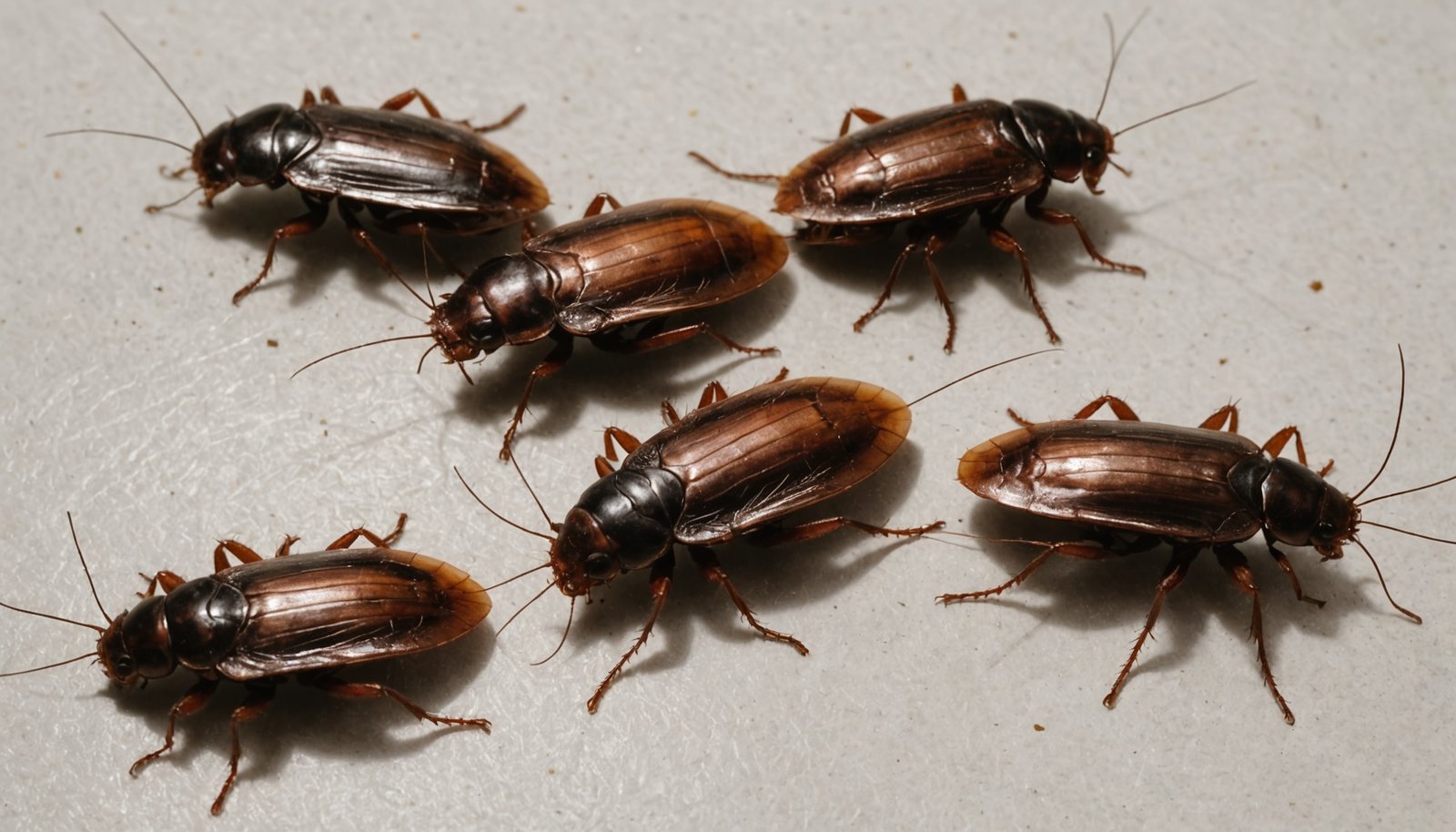
Wondering if seeing more dead roaches after treatment means something’s wrong? It’s actually a strong sign of treatment effectiveness. After a professional service, dead roach behavior changes because pesticides push roaches out of hiding and disrupt their normal patterns. You’ll often see more dead roaches in the first one to two weeks, and that’s expected. It’s especially important during this time to avoid sprays or other do-it-yourself insecticides so you don’t interfere with the professional treatment already in place.
It’s normal to vacuum multiple dead roaches daily during this period. You may also notice tiny bodies—those are nymphs, which means the product is reaching the younger stages too. Roaches don’t all die instantly; many pick up non-repellent insecticides on their feet, carry them back to nests, and die over two to three weeks.
Seeing dead roaches for several weeks is part of the process, not a failure. As the population collapses, sightings should drop to minimal or none, provided you continue monitoring and follow your exterminator’s guidance.
Why You See More Dead And Dying Roaches
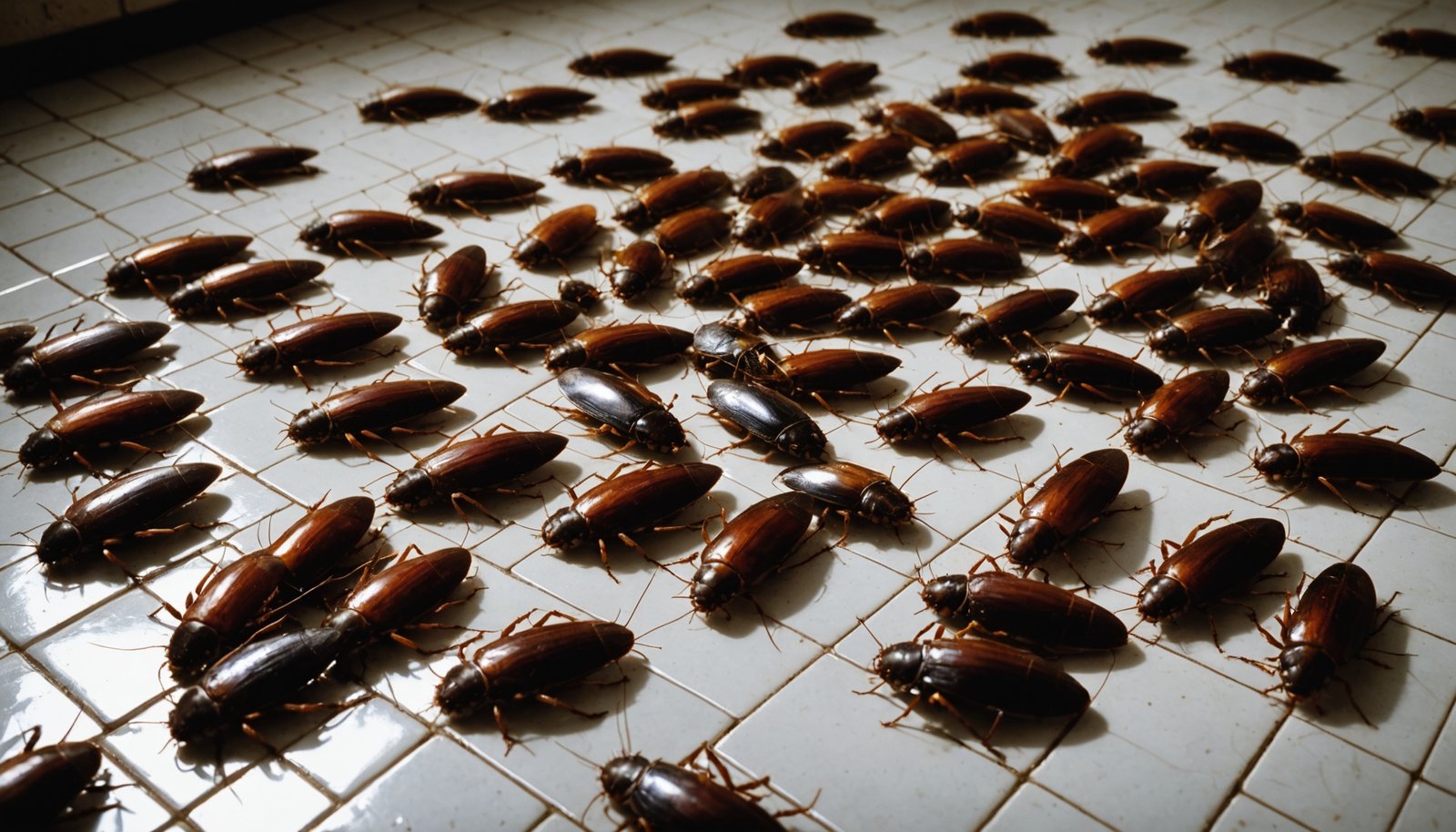
Although it can feel alarming, seeing more dead and dying roaches right after treatment usually means the products are doing exactly what they’re designed to do. Gel baits work like a roach “food trap.” Roaches leave their hiding spots to feed, then carry the bait back on their bodies and in their guts. Other roaches eat contaminated feces and carcasses, spreading the active ingredients through the colony much like bacterial infections move through a crowded population. As part of an Integrated Pest Management plan, professionals also monitor activity over time to confirm that the visible die-off is leading to a true decline in the overall infestation.
You’ll see bodies because roaches often die in the open after feeding. As sanitation improves and competing food sources disappear, more insects choose the bait, so visible deaths spike. Insect growth regulators also add to what you’re seeing: nymphs try to molt, develop deformities, and die over weeks, so casualties keep appearing. Targeted applications in cracks, crevices, and harborages concentrate this effect, making dead and dying roaches much more noticeable in treated areas.
What Dead Roaches After Treatment Say About Your Infestation
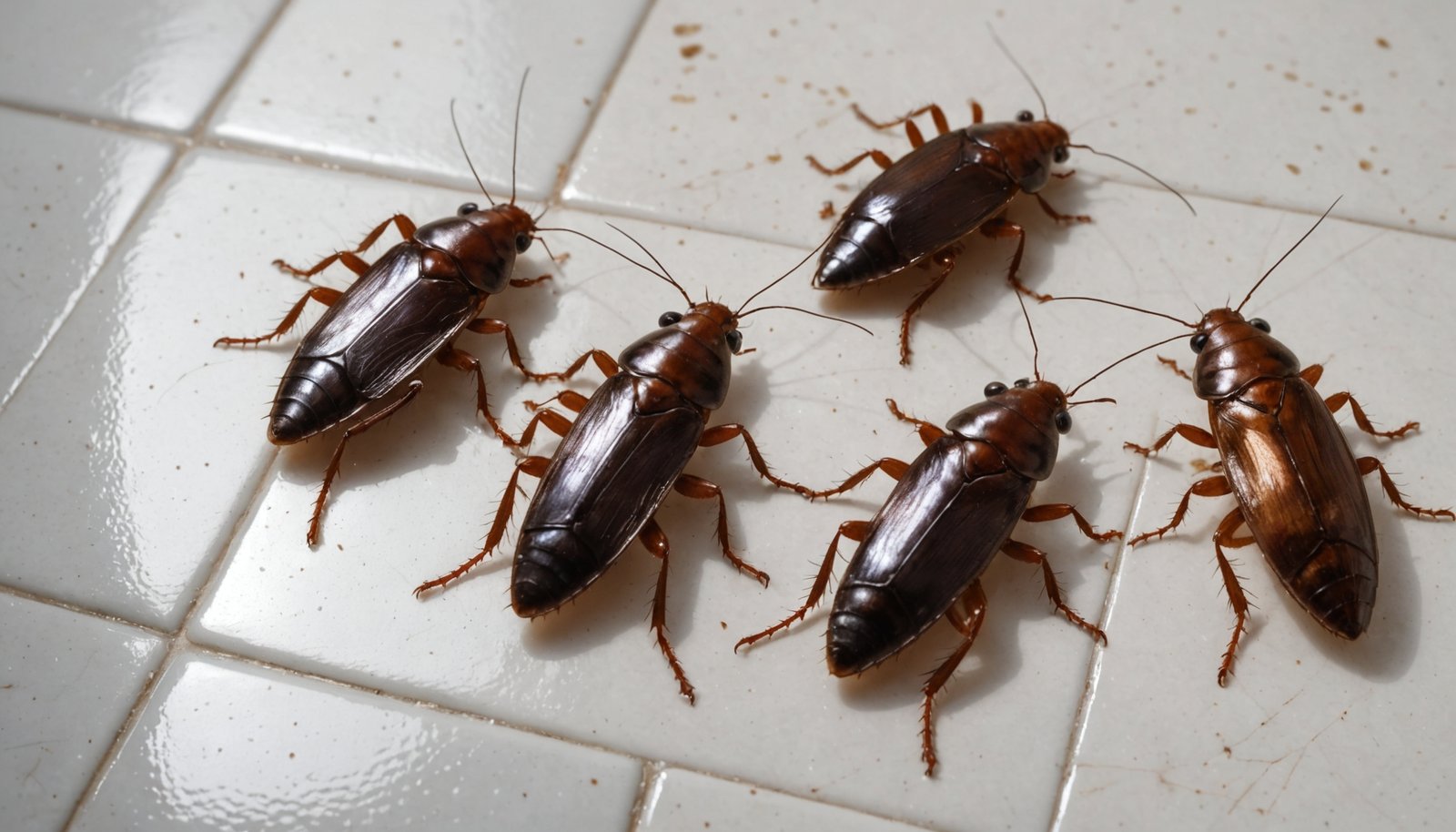
When you start seeing dead roaches after treatment, their numbers give you important clues about how big your infestation really is. A pile of bodies in certain rooms, mixed with droppings or egg casings, often means there are still hidden pockets of activity nearby. By paying attention to where and how many dead roaches you find, you can gauge whether the problem’s shrinking, holding steady, or still more serious than it looks. When dead roaches are concentrated near food scraps, pet bowls, or overflowing bins, it often means access to food is still attracting survivors and needs to be eliminated to stop new infestations.
Interpreting Dead Roach Numbers
Suddenly seeing dead cockroaches everywhere after treatment can feel alarming, but those numbers actually tell you a lot about what’s happening behind the walls. When you understand roach behavior, those bodies become data points. A few dead roaches at first, followed by a surge over the next weeks, signals strong treatment effectiveness, not failure. Because roaches can carry diseases through their droppings and body parts, clearing away the dead ones quickly also helps reduce the chance of contaminating food or surfaces.
Each dead roach likely represents many more you never saw. Large numbers, especially in quiet spaces like basements, usually mean a heavy infestation finally surfacing and dying off. Clusters of dead roaches often mark areas close to former nesting sites. Slow-moving or daytime roaches that later die confirm they’ve contacted the chemicals. Track counts over time—rising numbers, then steady decline, show the population collapsing.
Hidden Infestation Clues
Even after the initial shock wears off, those dead roaches you keep finding are more than just disgusting—they’re clues to what’s still happening inside your walls. Each body points to hidden signs of where roaches nested, traveled, and fed before treatment. Because modern products exploit pest behavior, roaches often die later, near water, food, or cracks that shelter colonies. This is why ongoing preventative treatments are so important, since they help stop new roaches from moving in even after the initial infestation is knocked down.
Use what you see:
- Location patterns – Clusters under sinks or behind appliances highlight moisture and entry points that still support survival.
- Timing of deaths – Weeks or months of dead roaches suggest the treatment is still working on a larger, previously hidden population.
- Increased activity – A short-term surge of visible, dying roaches reveals a flushing effect, exposing hiding spots you should seal and clean.
How Long Roaches Keep Appearing After Treatment
Initially after treatment, you’ll often see more roaches, not fewer, and that can be unsettling. In the normal post treatment timeline, chemical and bait applications flush hidden roaches into the open, so you may notice increased daytime activity and more insects near bait stations during days 0–7. This surge actually signals treatment effectiveness, not failure.
Within 1–2 weeks, you should see a clear drop in live roaches. Light infestations can decline 70–80% in the first week, especially with gel baits, while sprays and dusts usually show strong results within several days to a week.
Full control, though, isn’t instant. For established or heavy infestations, roaches may keep appearing for 3–8 weeks as hidden individuals and newly hatched nymphs contact residues or baits. German cockroaches often take up to 5 weeks, and severe cases can require multiple professional visits over several weeks.
What To Do With Dead Roaches And Ongoing Activity
After treatment starts working, you’ll often find dead roaches in cabinets, along baseboards, or near bait stations—and what you do next matters for both hygiene and long‑term control. Proper dead roach disposal prevents pest attraction, disease risk, and secondary infestations.
1. Remove and clean
Pick up every dead roach right away with a paper towel or vacuum and seal them in a trash bag outdoors. Then wipe the area with a vinegar solution or disinfectant to remove germs and chemical scent trails.
2. Don’t interfere with treatment
Avoid spraying Raid or other repellent aerosols on dead or dying roaches. You’ll scatter survivors away from baits and non‑repellent insecticides that are designed to spread through cannibalism.
3. Monitor for ongoing activity
Keep checking for new dead roaches, pepper‑like droppings, egg cases, smear marks, and musty odors. Clusters of bodies or signs in the same spots show where roaches are still harboring and where you should focus cleaning and observation.
When Roach Sightings Mean You Need Another Treatment
When roaches keep showing up despite treatment, those sightings become your best warning sign that you need another round of control. If you’re still seeing live roaches after a couple of weeks, especially in kitchens or bathrooms, surviving populations are hiding in untreated areas. Daytime sightings or roaches pouring out when you move appliances signal a severe infestation that your first visit didn’t fully reach.
Use clear reassessment strategies, not guesswork. Track sightings by room and time of day; if they don’t drop by at least one or two levels, the plan’s failing. Egg casings, smear marks, shed skins, and pepper‑like droppings show active reproduction that demands another visit.
Professional treatment frequency often involves several services spaced 1–2 weeks apart over 4–6 weeks. Keep monitoring for 30–60 days; if traps stay busy or odors linger, schedule follow‑up treatment before the population rebounds.
Frequently Asked Questions
Can Dead Roaches After Treatment Attract Other Pests Like Ants or Beetles?
Yes, they can. You’ll see pest attraction because decomposing roaches act as easy food sources. If you don’t clean them quickly, ants, beetles, and other scavengers follow scent trails, increasing overall pest activity indoors.
Is It Safe for Pets and Children to Be Around Treated Areas With Dead Roaches?
It’s not fully safe until residues dry, you ventilate, and clean. For pet safety and child precautions, keep kids and pets away 2–4 hours, then mop floors, wipe surfaces, wash toys, and monitor for symptoms.
Do Different Cockroach Species Die and Appear Differently After Treatment?
Yes, different cockroach species die and appear differently after treatment. You’ll notice varied sizes, colors, and activity patterns, so careful species identification helps you judge treatment effectiveness, re‑entry risks, and whether follow‑up services are needed.
Can I Get Sick From Touching or Cleaning up Dead Cockroaches?
Yes, you can. Dead cockroaches carry bacteria and allergy triggers that cause asthma, rashes, and stomach illness through germs transmission. Wear gloves, avoid touching your face, bag them, then disinfect surfaces and wash your hands thoroughly.
How Should I Clean Floors and Surfaces After Removing Many Dead Roaches?
You should vacuum dead roaches, seal and discard the bag, then mop central floors with soapy water, keeping inches from baseboards. Use disinfectant wipes on high‑touch surfaces, choose safe cleaning supplies, and follow proper disposal methods for contaminated waste.
Conclusion
Seeing dead cockroaches after treatment means the products are working and the infestation’s being pushed out of hiding. Keep cleaning up the bodies, reducing food and water sources, and monitoring activity so you don’t give survivors a chance to rebound. If you’re still seeing regular roach activity after the expected timeframe, call your pest professional for a follow-up. With consistency and patience, you’ll break the cycle and keep your home roach-free.
