
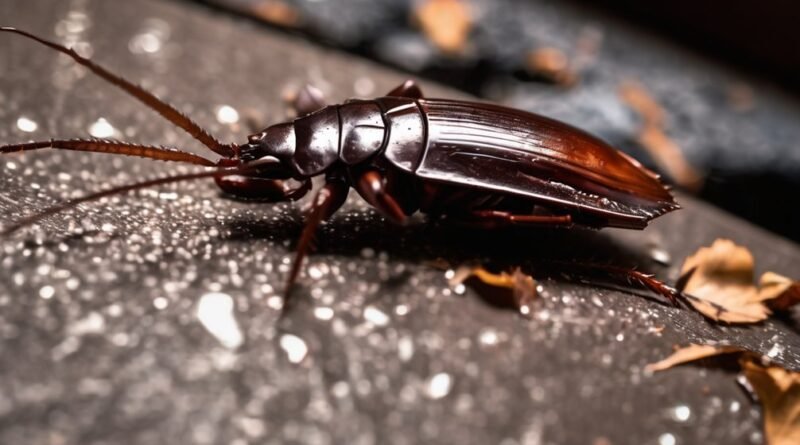
Smokybrown Cockroaches: The Southern Pest
If you’ve spotted a large, mahogany-colored cockroach zooming through your home, you’re likely dealing with a smokybrown. These impressive flyers have become a fixture in Southern households, from Texas to Florida, where they’ll sneak through the tiniest cracks in search of water and shelter. While they’re not the most common roach species, their adaptability and survival skills make them one of the toughest to eliminate.
Key Takeaways
- Smokybrown cockroaches are large, mahogany-colored pests measuring up to 1.5 inches, commonly found throughout the southeastern United States.
- These pests thrive in warm, humid environments and require more moisture than other cockroach species to survive.
- They frequently enter homes through gaps near windows, doors, and roof vents, establishing colonies in damp areas like attics and basements.
- Signs of infestation include dark egg cases, black droppings, brownish smear marks, and a distinctive musty odor.
- Control methods include moisture reduction, yard maintenance, sealing entry points, and applying targeted insecticides and bait stations.
Identifying the Smokybrown Menace
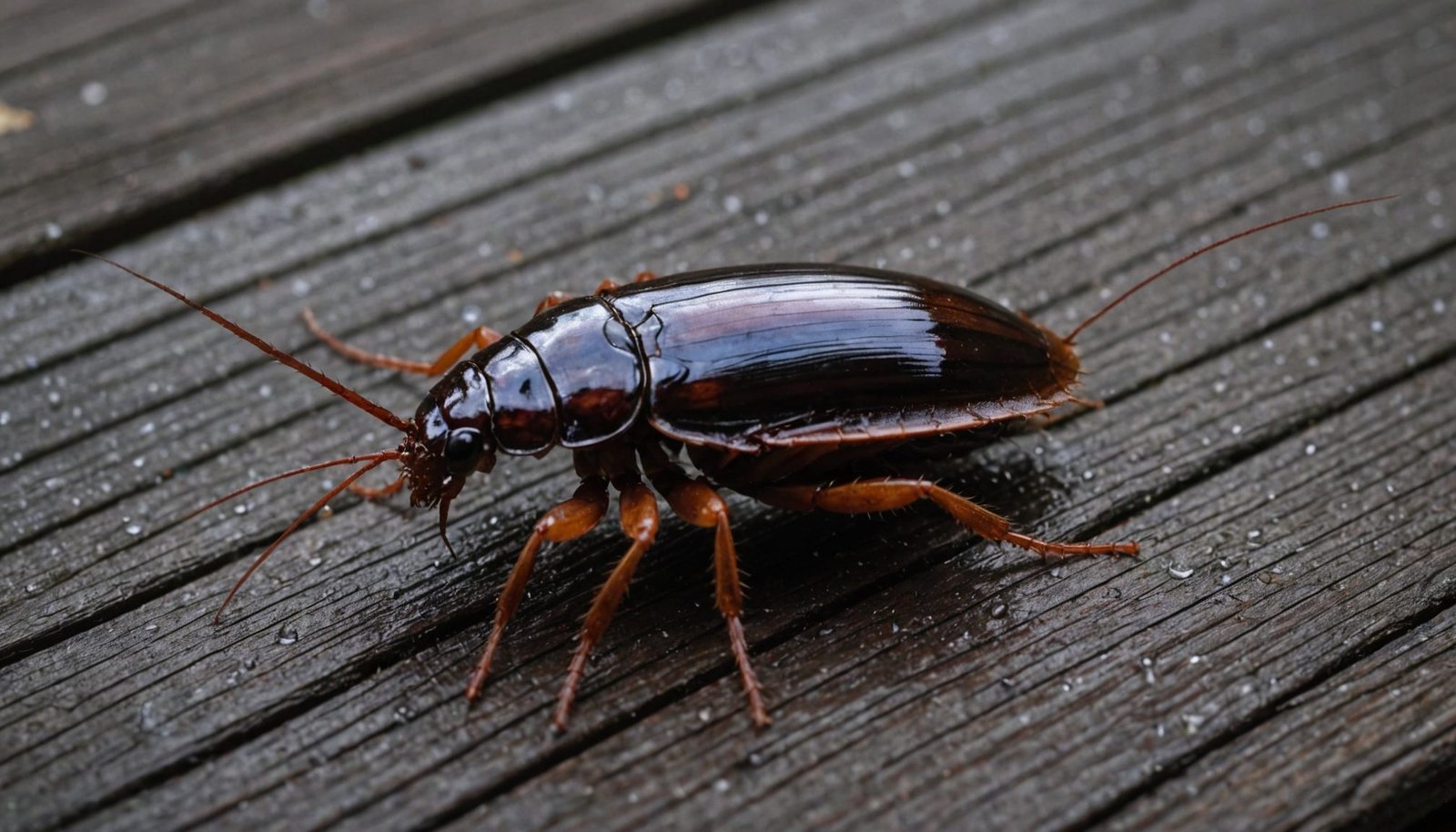
Five key features make smokybrown cockroaches instantly recognizable: their large size of up to 1.5 inches, uniformly dark mahogany coloring without markings, glossy oval bodies, fully developed wings that extend past their abdomen, and excellent flying ability.
These large, mahogany-colored pests are easily spotted by their glossy bodies, long wings and impressive aerial skills.
You’ll spot these pests most easily at night when they’re drawn to your porch lights and illuminated windows. Unlike American cockroaches, they don’t have the yellow figure-8 pattern on their backs. These insects actively search for warm, humid conditions year-round in suitable climates.
You can also identify them by their quick flight response when disturbed, as they’ll rapidly seek dark hiding spots. Their nymphs are distinctive too, appearing black with two white horizontal bands across their backs.
When searching for these invaders, check moisture-rich areas around your home’s exterior, especially near trees, shrubs, and woodpiles.
Where These Pests Call Home
You’ll find smokybrown cockroaches thriving in warm, humid regions across the southeastern United States, from Texas to Florida, with some populations extending into Southern California.
These moisture-loving pests often sneak into your home through gaps around doors, vents, and utility entry points, settling into attics and crawl spaces where warmth and humidity create ideal conditions.
They’ll take shelter during daylight hours in tree holes, mulch beds, and leaf litter outdoors, making their way inside structures when temperatures drop or conditions become unfavorable. The shiny black or mahogany insects are easy to spot when they emerge from their hiding places.
Warm Climate Survival Areas
While smokybrown cockroaches can survive in various regions, they primarily thrive in the southeastern United States, from central Texas through Florida and along the Gulf Coast states.
You’ll also find them in Southern California and tropical areas of Japan, Australia, and South America.
These pests prefer warm, humid environments where temperatures stay above 68°F.
They’ll seek out protected spaces like tree holes, woodpiles, and mulch beds outdoors, while indoors they gravitate to attics, crawl spaces, and basements.
You’re likely to spot them near moisture sources such as leaking pipes or in gutters where organic debris collects.
Since they lose moisture quickly, they depend on consistently damp conditions to survive.
During breeding seasons, females often enter homes to lay eggs in warm, sheltered areas. Females can produce up to 10 oothecae during favorable environmental conditions.
Hidden Building Entry Points
Smokybrown cockroaches can infiltrate buildings through numerous hidden entry points that often go unnoticed by homeowners.
You’ll find these pests squeezing through gaps around window frames, door frames, and utility penetrations. They’re particularly drawn to openings near garages, crawl spaces, and roof vents where screens are damaged or missing.
Once inside, they’ll establish themselves in moisture-rich areas like attics, basements, and wall voids near exterior entry points. These insects are especially active during warm humid evenings when searching for ways inside.
They’re attracted to kitchens and bathrooms where plumbing leaks create ideal conditions. Your home’s structural vulnerabilities, such as poorly fitting doors and deteriorating exterior walls, make their invasion easier.
Mulch beds, leaf piles, and dense vegetation near your foundation provide staging areas for these roaches to access entry points.
Living Habits and Survival Skills
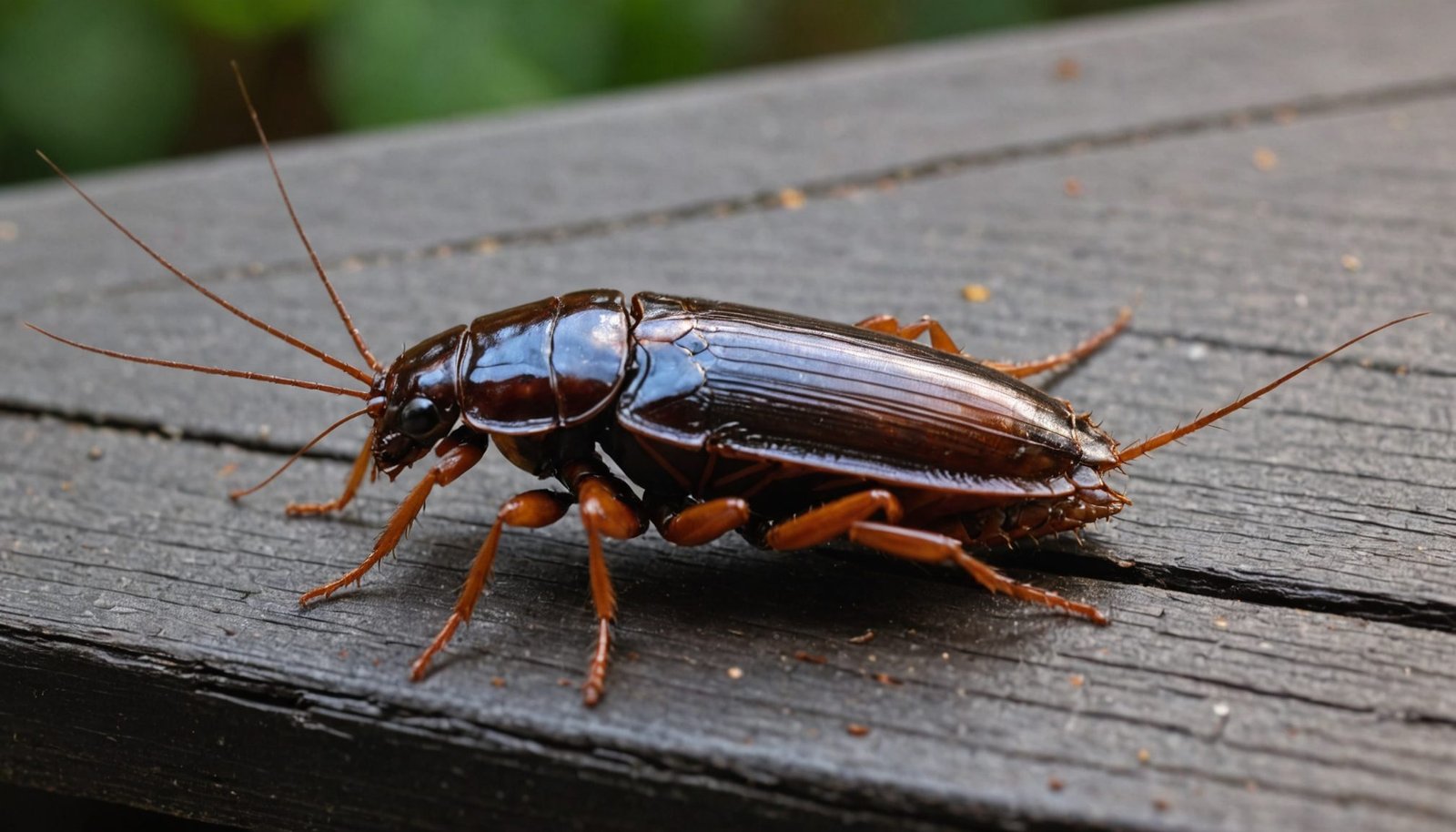
During daylight hours, you’ll find smokybrown cockroaches hiding in moist, dark spaces like mulch piles, tree cavities, and woodpiles to avoid drying out.
As night falls and humidity rises, these pests emerge from their shelters to search for food and new habitats, becoming most active when temperatures exceed 68°F. Being highly capable flyers, these pests can easily move through neighborhoods by taking to wing in warm, humid conditions.
You’ll notice they’re drawn to areas with consistent moisture sources, both outdoors and inside buildings, as they require twice as much humidity as other cockroach species to survive.
Hidden Daytime Resting Places
Three key behaviors define where smokybrown cockroaches spend their daylight hours – they seek darkness, moisture, and tight spaces.
You’ll find these pests hiding in protected spots both indoors and outdoors, where they can avoid sunlight and maintain their needed humidity levels.
Common daytime resting places include:
- Tree cavities and bark crevices offering natural shelter
- Mulch beds and leaf piles that retain moisture
- Wall voids, cracks, and spaces behind baseboards
- Cabinets and areas under sinks where plumbing creates dampness
- Roof gutters and eaves that collect water and organic debris
When you discover droppings, shed skins, or egg cases in these locations, it’s a clear sign you’ve found their preferred resting spots.
They’ll quickly scatter when disturbed, using their flying ability to reach new hiding places.
Moisture-Seeking Night Raiders
Like water-seeking missiles in the night, these moisture-dependent raiders emerge from their daytime hideouts to begin their nightly hunt for sustenance.
You’ll find them most active during late dusk, when they’re desperately searching for water sources they need every 2-3 days to survive.
While they’re capable fliers, you’ll often spot them scurrying along surfaces as they forage for food ranging from decaying plant matter to your kitchen scraps.
They’re drawn to your home’s moisture-rich areas – particularly around sinks, leaky pipes, and damp cabinets.
If you’ve got plumbing issues or high humidity, you’re practically rolling out the red carpet for these nocturnal invaders.
They’ll take advantage of any water source they can find, as their poor moisture retention makes regular hydration critical for survival.
Signs of a Smokybrown Problem
Identifying a smokybrown cockroach infestation starts with recognizing their distinctive physical signs and behavioral patterns. You’ll spot these large, dark brown to black pests measuring up to 2 inches long, but they’re most active at night. If you’re seeing them during daylight hours, you likely have a serious infestation.
Look for these telltale signs in your home:
- Dark brown, curved egg cases (8-10mm long) in hidden areas
- Black pepper-like droppings clustered in corners and along walls
- Brownish smear marks in damp areas from their oily bodies
- A musty, oily odor that intensifies with larger infestations
- Shed skins and dead roaches, especially in attics, basements, and near water sources
Natural Prevention Methods
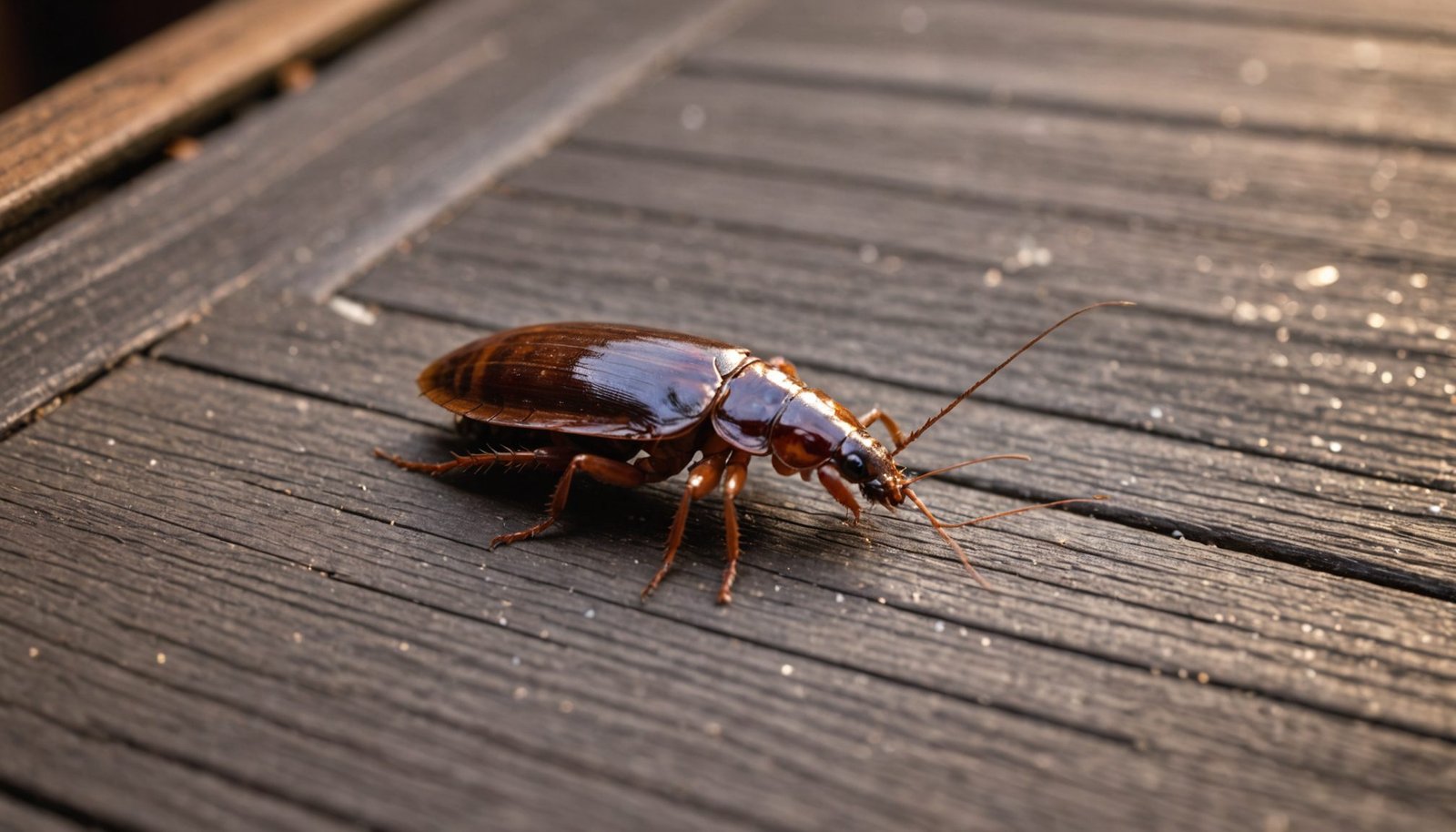
Preventing smokybrown cockroach infestations naturally requires a thorough approach focused on making your home less appealing to these persistent pests.
A natural defense against smokybrown roaches starts with making your home an unwelcome environment for these unwanted visitors.
Start by controlling moisture – fix leaky pipes, use dehumidifiers, and guarantee proper ventilation in crawl spaces and attics.
You’ll need to maintain your yard by trimming dense vegetation, removing palm debris, and relocating woodpiles away from your house.
Keep your home clean by storing food in sealed containers and eliminating clutter that provides hiding spots.
Don’t forget to seal potential entry points around your home’s exterior.
Caulk cracks in walls, repair window screens, and install mesh covers over vents and drains.
Maintain a debris-free zone around your foundation, and establish regular cleaning routines both inside and outside to disrupt potential nesting sites.
Taking Control: Management Strategies
When smokybrown cockroaches invade your home, an integrated management strategy combining chemical treatments with physical barriers proves most effective.
You’ll need to implement a thorough approach that targets both indoor and outdoor areas while monitoring progress through sticky traps.
- Apply bifenthrin-based insecticides around your property’s perimeter for long-lasting barrier protection.
- Install bait stations containing products like Ficam or Apex gel in areas where you’ve spotted roach activity.
- Seal all exterior cracks, crevices, and entry points with caulk or expanding foam.
- Remove vegetation and debris near your home’s foundation to eliminate outdoor hiding spots.
- Fix water leaks and maintain proper drainage to create an inhospitable environment.
Remember to regularly replenish baits and combine these controls with proper sanitation for the best results.
Conclusion
While you can’t completely eliminate smokybrown cockroaches from your region, you can keep them out of your home. Start by sealing entry points, reducing moisture, and maintaining cleanliness. If you spot these pests, don’t wait – implement both natural deterrents and targeted control methods. With consistent prevention and quick action against infestations, you’ll successfully manage these persistent southern invaders.
