
What Cockroach Droppings Look Like and How to Identify Them
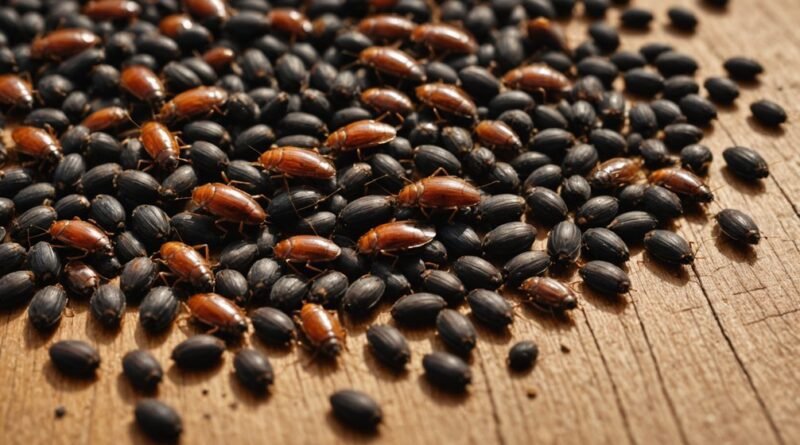
Cockroach droppings look like dark, cylindrical specks with blunt ends and fine ridges — think pepper flakes, tiny rice grains, or inky smears. Fresh ones are black to very dark brown and can smear. Over 72.4% of pest control reports cite droppings as the first sign of cockroach infestation, and approximately 64.7% of homes with cockroach problems detect black, cylinder-shaped droppings during initial inspection. Identifying droppings correctly reduces infestation treatment time by about 27.6% — meaning accurate identification is not just useful, it directly determines how fast you can eliminate the problem. You’ll find them in kitchen cabinets, pantries, under sinks, behind appliances, and near clutter or trash. Spotting patterns and knowing exactly what you’re looking at helps you gauge activity level and know precisely what to do next.
Key Takeaways
- Cockroach droppings are dark brown to black, cylindrical, with blunt ends and fine ridges — small species leave pepper-like specks, large species leave rice-sized pellets measuring 1.2 to 3.9 millimeters on average.
- Fresh droppings are dark and can smear; older ones dry out and appear slightly faded — freshness is the primary indicator of current vs. historical infestation activity.
- Nymph droppings look like miniature adult droppings and often accompany a musty, oily, acrid odor that intensifies with population density.
- Common locations include kitchen cabinets, pantry shelves, under sinks, behind appliances, and cluttered areas near trash, cardboard, and crawl spaces.
- Differentiate from mice and termites: mouse pellets are smooth and pointed; termite frass is wood-colored; cockroach droppings cluster near food and harborages and smell distinctly musty.
Appearance and Physical Characteristics
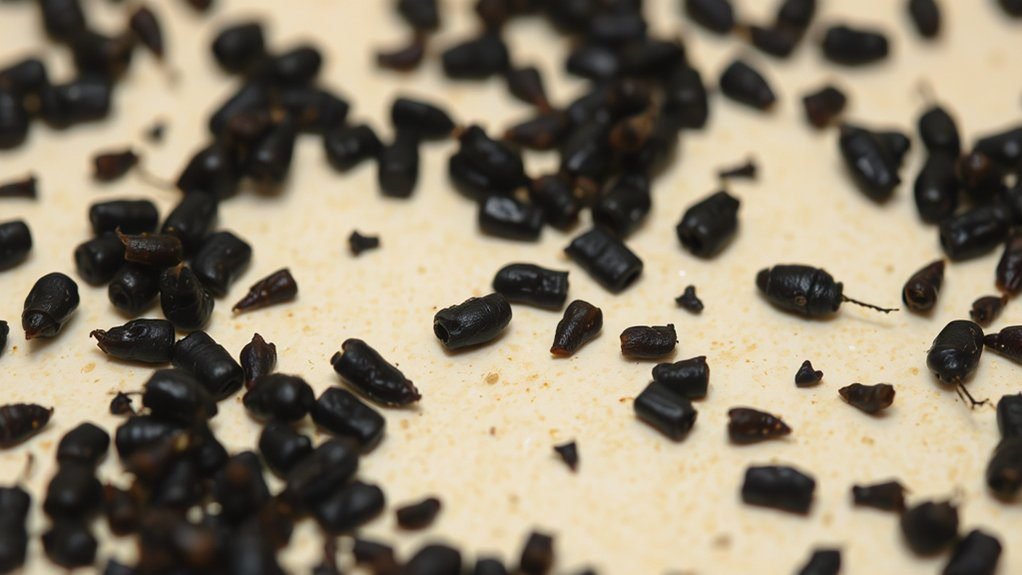
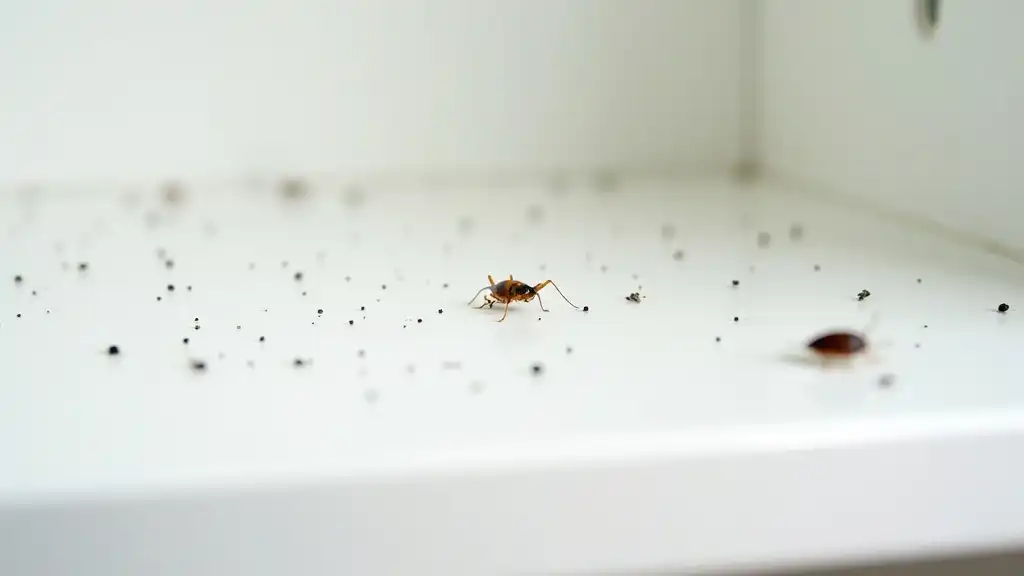
Think rice grains, black pepper flakes, and inky smears. That’s how cockroach droppings look across species. You’ll see blunt, rounded ends — never tapered — and surfaces that appear ridged or grooved, like tiny fennel seeds. Cockroach droppings measure between 1.2 and 3.9 millimeters in length on average, which places them between the size of a poppy seed and a small rice grain depending on the species producing them.
Large species, such as American or Oriental cockroaches, leave solid, cylindrical pellets up to rice-sized or slightly longer — they can reach 3 to 4mm and feel firm between gloved fingertips. Smaller species, like German or brown-banded cockroaches, produce tiny black specks or pellets that resemble ground black pepper, coffee grounds, or dark inky stains. Color stays consistent: fresh droppings are black to very dark brown and remain dark as they age, though they dry and become powdery rather than moist. German cockroach frass often appears moist or smeared, particularly in damp spots, and can create raised, inky stains along surfaces where cockroaches crawl regularly. Nymphs leave the same shapes in miniature — tiny round specks or pellets that are easily mistaken for common dust or debris. The odor accompanying fresh droppings is a reliable giveaway: droppings release an acrid, musty, oily smell that intensifies with population size and concentration.
Differences Between Species’ Droppings
While all cockroach droppings share the characteristic blunt-ended cylindrical shape, species identification from droppings provides useful guidance for tailoring treatment to the specific pest present. The primary distinguishing characteristics are size, moisture content, and clustering pattern.
Size and Shape Variations by Species
German cockroach droppings are the smallest and most commonly found in residential kitchens — approximately 1 to 2 millimeters, black or very dark brown, appearing as tiny specks or inky stains that smear when wiped across damp surfaces. Their high moisture content in humid harborage areas means German cockroach frass often leaves dark smear trails rather than discrete pellets along heavily used travel routes. Brown-banded cockroach droppings are similarly small but typically drier and more pepper-like in appearance, scattered more broadly across higher surfaces like shelves, cabinet tops, and wall areas rather than concentrated near moisture sources. American cockroach droppings are significantly larger — 3 to 4mm — and more clearly cylindrical with visible blunt ends and fine longitudinal ridges. Oriental cockroach droppings closely resemble American cockroach droppings in size and shape but are typically found in consistently damp areas near floor drains, basement walls, and crawl spaces. Around 18.3% of cockroach species produce droppings that fluoresce under UV light, which is useful for locating fresh deposits in dark harborage areas inaccessible to visual inspection. See our full cockroach species identification and control guide for visual comparison of droppings alongside live specimen identification.
Color and Texture Indicators
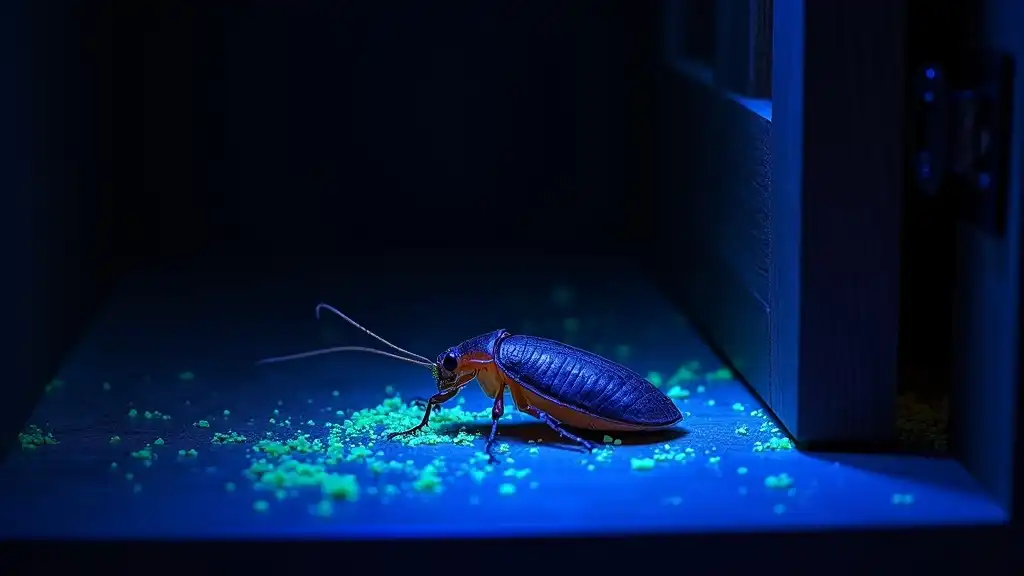
Color and texture together indicate both the producing species and the age of the deposit — critical for distinguishing active from historical infestation evidence. Fresh cockroach droppings from all species are dark brown to black and retain a slight moisture sheen that allows smearing when touched with a damp cloth. As droppings age in dry conditions, they desiccate and become slightly lighter — shifting from matte black to a dusty dark brown — and lose the ability to smear, instead crumbling when disturbed. In consistently humid environments like under-sink cabinets and bathroom vanities, droppings may remain dark and moist for weeks, making freshness harder to determine by color alone. The ridged surface texture present on all cockroach pellets (except the very smallest German cockroach specks, which may appear as simple dark dots) is the single most reliable characteristic for distinguishing cockroach poop from dirt, debris, and other pest feces. When in doubt, use a UV blacklight in a darkened room — fresh cockroach droppings from fluorescing species glow blue-green, while dirt and common debris do not.
Where Cockroach Droppings Are Commonly Found
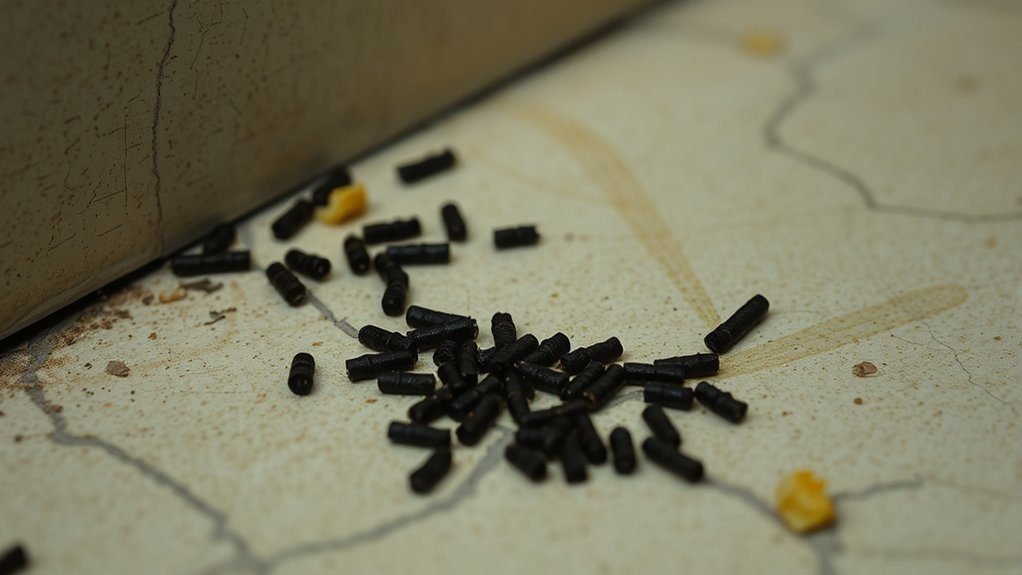
Look where cockroaches eat, drink, and hide. Check kitchen cabinets, pantry shelves, and drawers where crumbs and spills linger. Scan countertops, sink rims, and the spaces behind or under refrigerators, ovens, and dishwashers where warmth and food residues accumulate. Peek inside containers and packaged foods if contamination is possible — cockroach poop found inside food packaging confirms direct contact contamination. Early detection matters: 72.4% of pest control reports cite droppings as the first confirmed sign of cockroach infestation, meaning finding droppings before you see a live cockroach is the normal detection sequence.
Moisture draws cockroaches to specific harborage locations, so open the cabinet under sinks and trace along pipes and plumbing fixtures. You’ll often spot droppings on damp cabinet floors, around leaking water lines, bathroom sinks, and utility wash areas. Droppings also trail along edges and tight travel routes — inspect baseboards, molding seams, wall cracks, and corners, plus behind loose wallpaper or wall panels where cockroaches move through concealed pathways. Don’t skip clutter: cockroaches feed and hide near trash, recycling bins, cardboard stacks, garage storage, and basement areas. Crawl spaces are a frequently overlooked inspection zone where American and Oriental cockroach droppings accumulate along foundation walls and near drainage points.
- Look beneath appliances, furniture, shelves, and laundry machines where droppings concentrate in undisturbed areas
- Search gaps, crevices, door frames, and window sills along known cockroach travel corridors
- Check dumpsters, compost areas, and outdoor-adjacent entry points where peridomestic species deposit droppings before entering the structure
- Inspect crawl spaces and basement perimeter walls for large cylindrical pellets indicating American or Oriental cockroach activity
How to Tell Roach Droppings From Other Pests
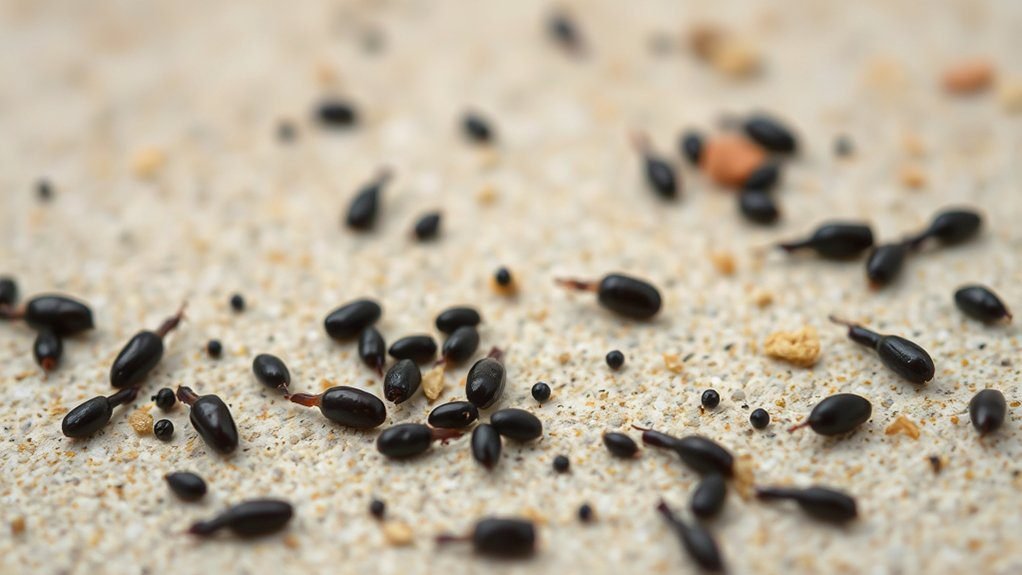
Two quick checks separate cockroach droppings from other pests: shape and texture. Cockroach feces are cylindrical with blunt ends and fine lengthwise ridges, like tiny fennel seeds or capsules. Small cockroaches leave pepper-like specks or inky dots that smear. Fresh droppings are darker, while older ones are lighter and drier — this freshness distinction helps you determine whether an infestation is currently active or historical.
Mouse droppings are smooth, rod-shaped, 3 to 6mm long, and pointed at both ends — more like dark grains of rice — and they don’t show ridges or smear when dampened. Mouse droppings also tend to leave more linear trails along walls and enclosed travel routes, while cockroach droppings cluster densely near food and harborage zones rather than tracing linear paths. Termite frass is tiny, wood-colored pellets — not dark brown or black — with a hexagonal cross-section and are found near exit holes in wood, not near food sources. A rodent infestation produces droppings that are typically larger, smoother, and more uniformly distributed along wall lines, without the clustered concentration pattern near food and moisture that characterizes cockroach droppings. Dirt and debris lack the consistent cylindrical shape, fine ridges, and smearing behavior of cockroach feces.
Look for bonus clues that confirm cockroach vs. other pest activity: musty oily odor concentrated near the droppings; shed exoskeleton skins with visible leg and antenna segments; egg cases (oothecae) tucked into adjacent crevices; smear marks along the same travel route; and dead cockroach body parts including wings and legs in corners near the dropping concentration. These are evidence signals that rodents and termites will not produce alongside their droppings. Confirming cockroach identification alongside dropping identification gives you the complete picture needed for targeted treatment.
What Droppings Reveal About Infestation Levels
Although a single speck can be a false alarm, the amount, placement, and freshness of cockroach droppings quickly reveal how entrenched an infestation is. A few isolated specks in one tight spot often indicate a small, early-stage problem — possibly a single cockroach or a very new introduction. Heavy deposits in multiple rooms point to a widespread population moving freely across the home. As time passes, accumulated droppings signal a long-standing issue where breeding has been underway for multiple generations.
Check where droppings cluster. Piles near food, water, and warm dark zones — like under sinks or behind appliances — mark active harborage centers where cockroaches spend their resting hours. Trails along cracks, crevices, walls, floors, and even ceilings show intense activity and established travel routes with regular use. Freshness matters most: moist, dark droppings indicate current activity within the past 24 to 48 hours; dry, faded specks may be older but don’t rule out hidden colonies in nearby wall voids or crawl spaces. Identifying droppings correctly reduces infestation treatment time by about 27.6% — accurate interpretation of dropping patterns directly determines how precisely treatment can be targeted to active harborage zones versus areas of historical activity.
- Droppings in many rooms combined with musty odor = severe spread requiring professional treatment
- Dense clusters near appliances = core breeding sites for gel bait placement
- Droppings alongside shed skins and egg cases = actively growing population with recent hatching
- Fresh moist droppings only in one location = early-stage infestation, high chance of successful DIY treatment
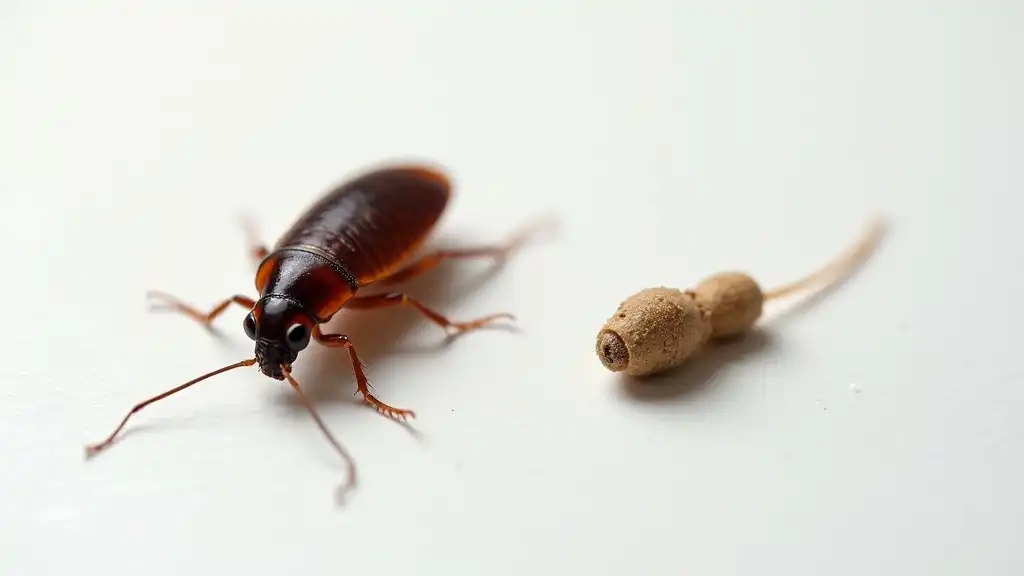
Methods for Collecting Samples
Collecting a dropping sample for professional inspection or species confirmation is occasionally useful when the infestation source is unclear, multiple pest types may be present, or you need to confirm species identity before selecting treatment products. Proper sample collection technique prevents cross-contamination and preserves the physical characteristics needed for identification.
To collect cockroach droppings for inspection, wear disposable gloves throughout the process. Avoid touching the samples with bare skin — cockroach feces carry bacteria, allergens, and pathogens that absorb through skin contact and contaminate clothing. Use clean, dry forceps or the corner of a sealed plastic bag turned inside-out to collect a small number of representative droppings from the highest-concentration area. Place the sample in a sealed clear plastic bag or small airtight container labeled with the date, location in the home, and approximate quantity found. Take a photograph of the dropping location and surrounding area before disturbing the sample — the spatial pattern of the deposit provides valuable infestation evidence that is lost once the droppings are cleaned.
A HEPA filter vacuum is the correct tool for cleaning cockroach droppings rather than dry sweeping or standard vacuuming — standard vacuums aerosolize the allergen particles in cockroach feces, dispersing them through the home’s air and worsening respiratory exposure. After HEPA vacuuming, dampen the remaining residue and wipe with disposable paper towels, then disinfect the surface with a quaternary ammonium disinfectant or diluted bleach solution. Bag and seal all soiled materials before disposal. Wash gloves and any reusable tools with hot water and disinfectant before and after sample handling.
Health Risks and Safe Cleanup Steps
Spotting where and how droppings accumulate doesn’t just map cockroach activity — it also identifies health hazards that require immediate attention. Cockroach feces and body residues carry potent allergens that trigger sneezing, itchy or watery eyes, skin rashes, and asthma attacks — especially in children with pre-existing cockroach allergy sensitization. These reactions can compound existing respiratory conditions and create new sensitization in household members who had no previous cockroach allergy history. Cockroach droppings also spread bacteria and pathogens including E. coli, Salmonella, Staphylococcus, and Streptococcus, raising risks of food poisoning, diarrhea, typhoid, urinary tract infections, and in severe cases, sepsis. Some cockroaches harbor parasitic worms, and the antibiotic-resistant bacteria increasingly found on cockroach surfaces make potential infections harder to treat once they establish. High concentrations of droppings near kitchens and bathrooms create the greatest hygiene risk because food preparation and personal care activities occur in direct proximity to the contaminated surfaces.
Clean up safely. Don’t dry sweep or standard vacuum — you’ll aerosolize allergen particles throughout the home. Wear disposable gloves and an N95 mask. Lightly mist droppings with a disinfectant or water spray to prevent particle dispersal, then wipe with damp paper towels in a single direction. Bag and seal all soiled materials before disposal. Disinfect the cleaned surface with a bleach solution (1:10 ratio) or quaternary ammonium disinfectant. Rinse food-contact areas, then disinfect again. Wash hands thoroughly after removing gloves. Prevent re-exposure through IPM: remove food and water sources, reduce clutter and cardboard storage, seal all cracks and entry points, and fix plumbing leaks. Store all food in airtight containers, empty trash daily, and clean regularly. Pair sanitation with targeted professional pest control for any infestation that has produced visible evidence of breeding or spread beyond a single room.
When to Call a Pest Control Professional
Most homeowners should call a licensed pest control professional when droppings are found in more than one room, when egg cases or shed skins are found alongside droppings (confirming active breeding), when droppings recur within one to two weeks of thorough cleaning (confirming an ongoing active infestation rather than historical evidence), or when droppings are found in food preparation areas requiring commercial-grade treatment and documentation for regulatory compliance. DIY treatment is most appropriate when droppings are isolated to a single location with no accompanying egg cases, skins, or musty odor — indicating a very early-stage infestation where gel bait and targeted sanitation can achieve elimination before a breeding colony establishes.
When selecting a pest control provider for cockroach infestation confirmed by dropping evidence, request a provider who uses IPM-based protocols — conducting a thorough inspection of all identified dropping locations before applying any treatment, and placing gel baits at confirmed harborage sites rather than applying broadcast spray treatments. The dropping location and density data you’ve collected during your own inspection provides valuable input for the professional technician’s treatment planning — share your inspection findings, photographs, and sample observations to enable more precise initial treatment placement.
Frequently Asked Questions About Cockroach Droppings Identification
What do cockroach droppings look like?
Cockroach droppings are dark brown to black, cylindrical with blunt rounded ends and fine longitudinal ridges, measuring 1.2 to 3.9 millimeters in length depending on species. Large species like American and Oriental cockroaches produce rice-sized firm pellets. Small species like German and brown-banded cockroaches produce tiny pepper-like specks or inky smears. Fresh droppings are darker and may smear; older droppings dry out and become powdery. The ridged surface texture and clustering pattern near food and moisture sources are the most reliable identification characteristics. Approximately 64.7% of homes with cockroach problems detect black, cylinder-shaped droppings as their primary evidence.
What distinguishes cockroach droppings from mouse droppings?
The key differences are shape, texture, and smearing behavior. Cockroach droppings have blunt, rounded ends and fine ridges along their length — mouse droppings are smooth, pointed at both ends, and don’t smear when dampened. Mouse pellets are typically 3 to 6mm and more uniform in size; cockroach specks range from tiny pepper-like dots to rice-sized cylinders depending on species. Cockroach droppings cluster densely near food and harborage; mouse droppings leave more linear trails along wall edges. Companion clues confirm cockroaches: musty oily odor, shed exoskeleton skins, egg cases, and smear marks along surfaces — none of which accompany mouse activity.
Are cockroach droppings harmful?
Yes — cockroach droppings are a significant health hazard. They contain potent allergens that trigger asthma attacks and allergic reactions, particularly in children and individuals with cockroach allergy sensitization. They spread bacteria including E. coli, Salmonella, Staphylococcus, and Streptococcus, which contaminate food preparation surfaces and increase the risk of foodborne illness, diarrhea, and gastrointestinal infection. Aerosolized dropping particles from dry sweeping or standard vacuuming worsen respiratory exposure. Always use gloves, a mask, and a HEPA filter vacuum when cleaning cockroach droppings.
Can cockroach droppings attract more roaches?
Yes. Cockroach droppings release aggregation pheromones from gut bacteria that signal safe harborage to other cockroaches, attracting additional individuals to the same location. This pheromone effect is why cockroach populations concentrate so densely in specific harborage zones and why cleaning droppings promptly — combined with treating the source infestation — is important for preventing population growth feedback. Decaying feces can also opportunistically attract scavenger insects, though cockroach droppings are not a primary attractant for rodents or other pest types.
Will UV lights help locate cockroach droppings?
Yes — approximately 18.3% of cockroach species produce droppings that fluoresce under ultraviolet light, appearing blue-green or yellow-green in darkened rooms. UV inspection is particularly useful for finding fresh deposits in dark harborage areas like wall voids, cabinet rears, and crawl spaces where a standard flashlight inspection would miss thin smears and small speck concentrations. Wear UV-protective eyewear, darken the room completely, and confirm positive UV finds with a physical smear test — some cleaning product residues and organic materials also fluoresce and can produce false positives.
Can cockroach droppings indicate infestation size?
Yes — dropping density, distribution, and freshness together indicate infestation severity. Isolated specks in one location suggest early-stage activity. Dense accumulations in multiple rooms combined with a musty odor indicate a severe, widespread infestation with established breeding. Dropping concentrations near appliances identify core harborage and breeding sites. Fresh moist droppings confirm current activity; dry desiccated specks may indicate historical activity, though wall-void colonies nearby may still be active. Identifying droppings correctly reduces infestation treatment time by about 27.6% — precise interpretation of dropping evidence guides treatment placement and timing decisions directly.
{
“@context”: “https://schema.org”,
“@type”: “FAQPage”,
“mainEntity”: [
{
“@type”: “Question”,
“name”: “What do cockroach droppings look like?”,
“acceptedAnswer”: {
“@type”: “Answer”,
“text”: “Cockroach droppings are dark brown to black, cylindrical with blunt rounded ends and fine ridges, measuring 1.2 to 3.9 millimeters. Large species leave rice-sized firm pellets; small species leave pepper-like specks or inky smears. Fresh droppings are darker and may smear; older ones dry and become powdery. Approximately 64.7% of homes with cockroach problems detect black, cylinder-shaped droppings as their primary evidence.”
}
},
{
“@type”: “Question”,
“name”: “What distinguishes cockroach droppings from mouse droppings?”,
“acceptedAnswer”: {
“@type”: “Answer”,
“text”: “Cockroach droppings have blunt rounded ends and fine ridges and smear when dampened. Mouse droppings are smooth, pointed at both ends, and don’t smear. Cockroach droppings cluster near food and harborage; mouse droppings leave linear trails along walls. Cockroach activity also produces accompanying clues mice don’t leave: musty oily odor, shed exoskeleton skins, egg cases, and smear marks.”
}
},
{
“@type”: “Question”,
“name”: “Are cockroach droppings harmful?”,
“acceptedAnswer”: {
“@type”: “Answer”,
“text”: “Yes. Cockroach droppings contain allergens that trigger asthma attacks and allergic reactions, particularly in children. They spread bacteria including E. coli, Salmonella, and Staphylococcus, increasing foodborne illness risk. Aerosolized particles from dry sweeping worsen respiratory exposure. Always use gloves, a mask, and a HEPA filter vacuum when cleaning cockroach droppings.”
}
},
{
“@type”: “Question”,
“name”: “Can cockroach droppings attract more roaches?”,
“acceptedAnswer”: {
“@type”: “Answer”,
“text”: “Yes. Cockroach droppings release aggregation pheromones from gut bacteria that signal safe harborage to other cockroaches, attracting additional individuals to the same location. This is why cockroach populations concentrate so densely in specific zones. Cleaning droppings promptly combined with treating the source infestation prevents this feedback loop from amplifying the population.”
}
},
{
“@type”: “Question”,
“name”: “Will UV lights help locate cockroach droppings?”,
“acceptedAnswer”: {
“@type”: “Answer”,
“text”: “Yes. Approximately 18.3% of cockroach species produce droppings that fluoresce blue-green or yellow-green under UV light in darkened rooms. UV inspection is particularly useful for finding fresh deposits in dark harborage areas like wall voids and cabinet rears. Wear UV-protective eyewear, darken the room completely, and confirm UV finds with a physical smear test to rule out false positives from cleaning residues.”
}
},
{
“@type”: “Question”,
“name”: “Can cockroach droppings indicate infestation size?”,
“acceptedAnswer”: {
“@type”: “Answer”,
“text”: “Yes. Isolated specks in one location suggest early-stage activity. Dense accumulations in multiple rooms combined with musty odor indicate a severe, widespread infestation. Fresh moist droppings confirm current activity; dry desiccated specks indicate historical activity but don’t rule out active wall-void colonies nearby. Identifying droppings correctly reduces infestation treatment time by about 27.6%.”
}
}
]
}
