
American Cockroach Vs Palmetto Bug: How to Tell the Difference
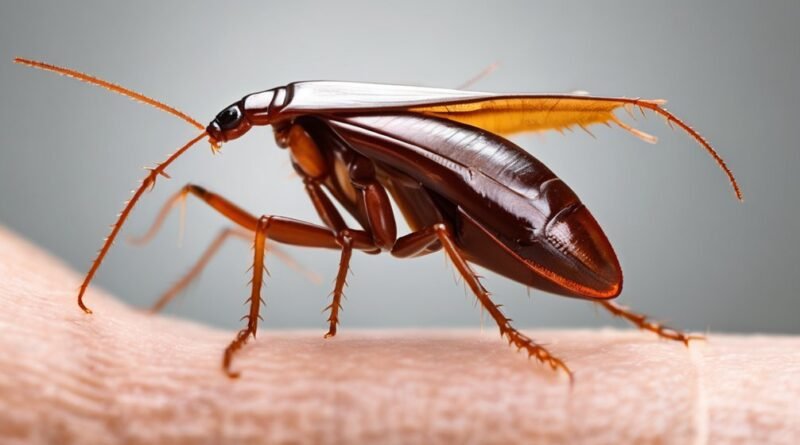
You won’t find any real difference between American cockroaches and palmetto bugs because they’re the same insect known by different names in various regions. Both measure 1.5 to 3 inches long with reddish-brown coloring and a distinctive yellow band near their head. They share identical behaviors, habitats, and health risks. Understanding their true nature will help you better protect your home and family from these unwanted pests.
The Common Misconception: Same Insect, Different Names
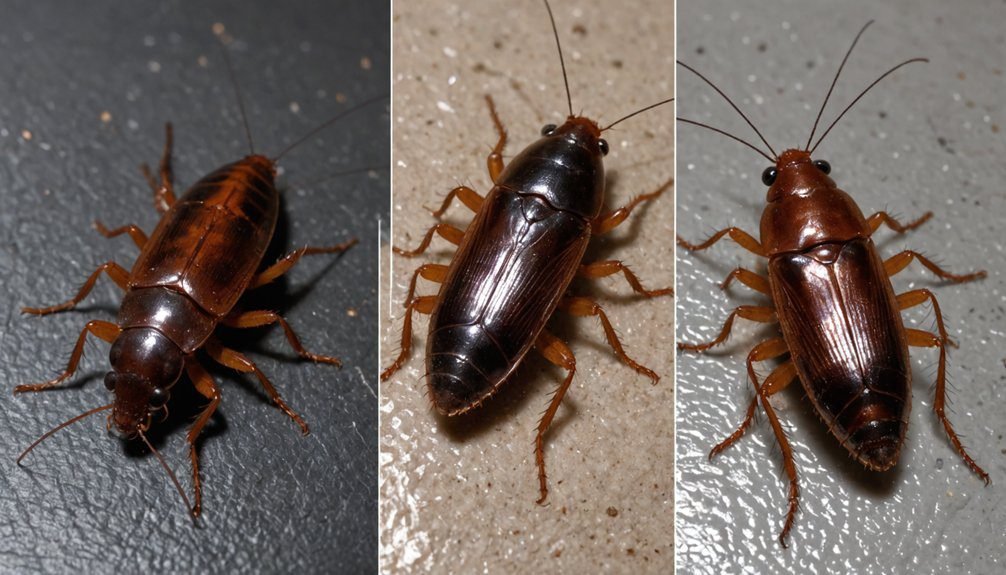
When you hear someone mention a palmetto bug in the southern United States, they’re likely talking about a cockroach, specifically the American cockroach or one of its close relatives.
The term “palmetto bug” isn’t a distinct species but rather a regional nickname used primarily in Florida and Georgia for large cockroaches, especially those found near palmetto trees. These pests can reach sizes of up to 2 inches in length, making them quite intimidating to encounter.
Many people believe palmetto bugs are different from cockroaches, but this isn’t true. The nickname often leads people to think they’re dealing with a cleaner or less problematic insect than a cockroach.
This misconception can affect how seriously you take an infestation. Whether you call it a palmetto bug or an American cockroach, you’re looking at the same pest that requires proper identification for effective control.
Physical Characteristics and Size Comparison
Three key physical traits help distinguish American cockroaches and palmetto bugs from other roach species: their impressive size, distinctive coloring, and wing characteristics.
While other roach species vary, American cockroaches and palmetto bugs stand out through their size, color patterns, and distinctive wings.
You’ll notice these insects are considerably larger than common household roaches, measuring 1.5 to 3 inches in length compared to the German cockroach’s mere 0.5 inch. Their coloring is typically reddish-brown with a glossy sheen, and you’ll often spot a light yellow band between the head and thorax.
American cockroaches display a unique “figure-eight” pattern behind their heads. Both species commonly inhabit palmetto bushes outdoors.
Both species have fully developed wings that extend past their abdomens, though they rarely fly and prefer to glide short distances. Their bodies are oval-shaped with smooth, shiny exoskeletons and prominent spined legs.
Preferred Habitats and Living Patterns
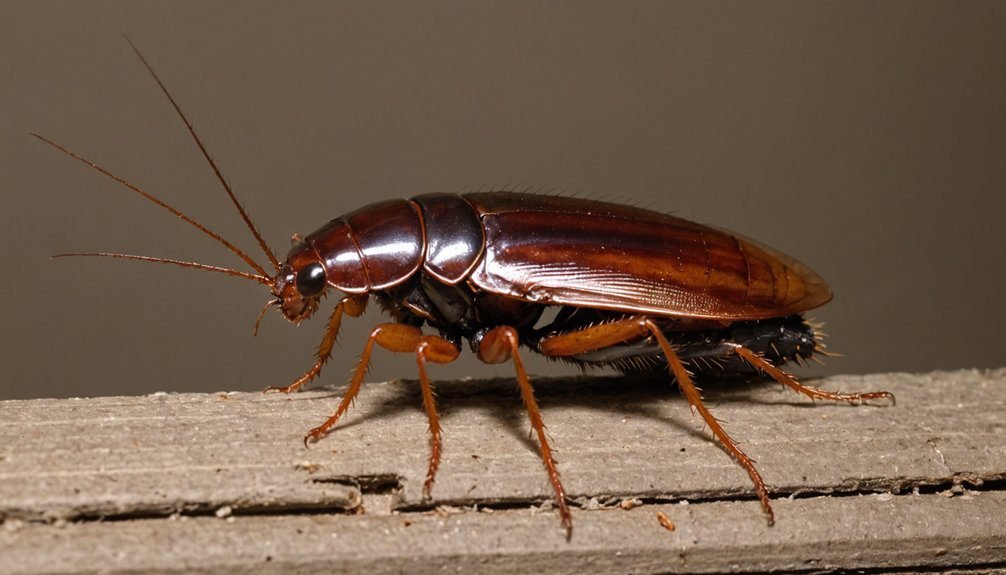
Although commonly known as outdoor insects, both American cockroaches and palmetto bugs will readily invade homes when seeking warmth and moisture. They thrive in warm, humid environments with temperatures between 82-91°F and prefer dark, damp locations around your property.
Common habitats include:
- Mulch beds, woodpiles, tree holes, and palm crowns outdoors
- Basements, crawl spaces, and areas near water sources indoors
- Steam tunnels and boiler rooms during cold weather
- Cluttered spaces with cardboard, laundry piles, or pet food
You’ll typically find these pests entering through foundation cracks, plumbing connections, and tiny gaps around windows and doors, especially after heavy rain or when temperatures drop.
They’re particularly attracted to older homes with more crevices and moisture issues, where they can establish large colonies if conditions are suitable. These large pests measuring 1½ inches long can become quite a nuisance when they establish themselves in residential areas.
Behavior and Flight Capabilities
Despite their intimidating appearance, both American cockroaches and palmetto bugs primarily use their wings for short gliding flights rather than sustained aerial journeys.
Don’t let their scary looks fool you – these roaches are gliders at heart, not marathon flyers through the air.
You’ll typically see them take flight when they’re disturbed or need to escape threats, often moving from higher to lower surfaces in a controlled glide.
These nocturnal insects become more active at night, and they’re particularly attracted to light sources.
While American cockroaches are more likely to fly indoors, smokybrown palmetto bugs prefer outdoor flight, especially in tree canopies.
You might notice their erratic movements when they fly, making them difficult to catch.
They’ll complement their flying ability with quick crawling, easily scaling walls and ceilings before launching into the air.
Their flight activity increases during warmer seasons and is often linked to mate-seeking behavior.
Both species are commonly found near damp areas and sewers, which provide ideal conditions for their survival.
Health Risks and Property Damage
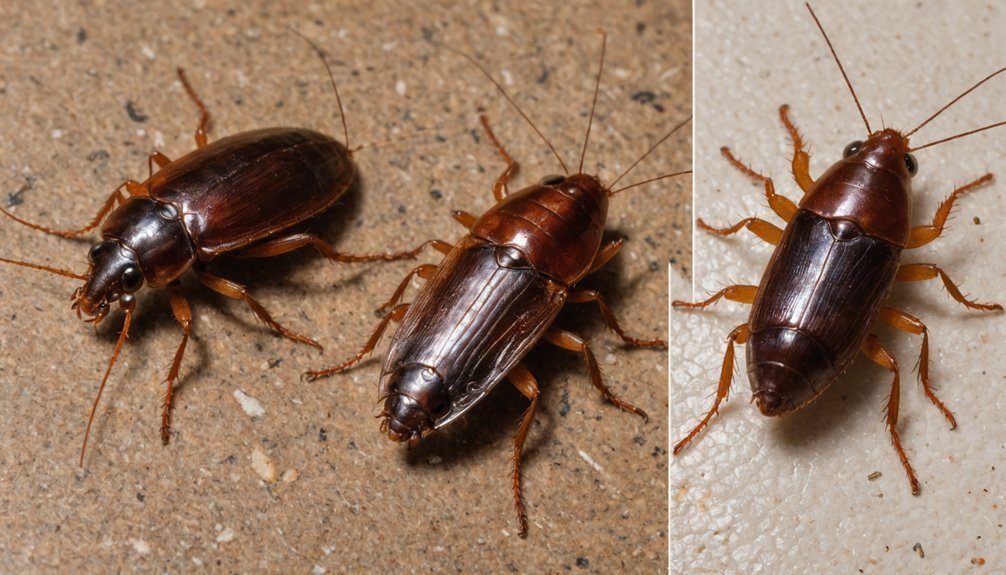
While these insects display impressive flight capabilities, their presence in your home poses significant health and property risks.
Both American cockroaches and palmetto bugs carry dangerous pathogens that can contaminate your food and surfaces, potentially causing serious illnesses.
You’ll need to watch out for these major threats:
- Their droppings, saliva, and shed skins trigger allergies and asthma attacks, causing symptoms like sneezing and breathing difficulties.
- They can damage your home by chewing on books, fabrics, and wallpaper, leading to costly repairs.
- Their oily secretions create a strong musky odor that permeates living spaces and spoils food.
- They often emerge from sewers and septic tanks, bringing bacteria and pathogens directly into your living environment.
Spotting these pests during daylight hours typically indicates a significant infestation requiring immediate professional attention.
Prevention and Control Methods
Since effective pest management requires a multi-faceted approach, you’ll need to implement several prevention and control strategies to keep both American cockroaches and palmetto bugs at bay.
Start by removing food sources, sealing entry points, and fixing water leaks. Store food in airtight containers and maintain proper sanitation by regular vacuuming and prompt cleanup.
You can create barriers using natural deterrents like diatomaceous earth and essential oils, or set up bait stations and sticky traps.
Don’t forget to maintain your home’s exterior by trimming vegetation and removing debris from the foundation.
For serious infestations, consider professional pest control services – they’ll provide specialized treatments and expert advice to prevent future problems.
Regular inspections and maintenance are key to long-term success.
Frequently Asked Questions
Do Palmetto Bugs and American Cockroaches Have Different Breeding Cycles?
While palmetto bugs and American cockroaches share similar breeding patterns, you’ll notice some key differences.
Palmetto bugs can produce monthly oothecae totaling up to 150 eggs in their lifetime, while American cockroaches lay only 9-10 egg cases.
Palmetto bugs also mature faster, reaching adulthood in about 150 days with fewer molts, compared to American cockroaches’ 400-600 day maturation period with 9-14 molts.
Can Palmetto Bugs Survive in Northern States During Summer Months?
Yes, palmetto bugs can survive in northern states during summer months.
You’ll find them seeking warm, humid spaces inside your home, especially in basements, bathrooms, and kitchens.
While they won’t typically establish permanent outdoor populations due to cooler climates, they can temporarily thrive indoors when conditions are right.
You’re most likely to spot them during warm weather when they’ve found their way inside through cracks and crevices.
Which Species Is More Resistant to Common Household Pesticides?
Palmetto bugs generally show higher resistance to common household pesticides due to their thicker exoskeleton and larger size.
You’ll find they’re harder to eliminate with over-the-counter sprays and baits compared to American cockroaches.
While both species can develop resistance through repeated exposure, you’ll need stronger professional-grade treatments to effectively control palmetto bugs, as they’re less susceptible to typical store-bought insecticides.
Do Palmetto Bugs and American Cockroaches Have Different Natural Predators?
You’ll find that palmetto bugs and American cockroaches share nearly identical natural predators.
They’re both hunted by amphibians like toads and frogs, small mammals including mice and opossums, various reptiles such as geckos and lizards, and predatory insects like wasps and beetles.
Even their indoor predators are the same, with spiders, house cats, and parasitic wasps targeting both species equally in human environments.
What Temperature Changes Trigger Indoor Migration for Each Species?
You’ll find both American cockroaches and palmetto bugs begin their indoor migration when temperatures drop below 70°F (21°C).
Since palmetto bugs are actually a regional name for American cockroaches, they share identical temperature triggers.
They’ll move indoors to escape cold weather, especially when outdoor temperatures approach freezing.
Their activity slows considerably in cooler conditions, prompting them to seek warmer, humid indoor spaces.
Conclusion
You’ll find that while American cockroaches and palmetto bugs are technically the same species, knowing their distinct behaviors and habitats helps you combat them effectively. By understanding their preferences for moisture, flight patterns, and living spaces, you can better protect your home. Remember to seal entry points, reduce humidity, and maintain cleanliness to keep these persistent pests at bay.
