
Flying Cockroaches: Fact or Myth?
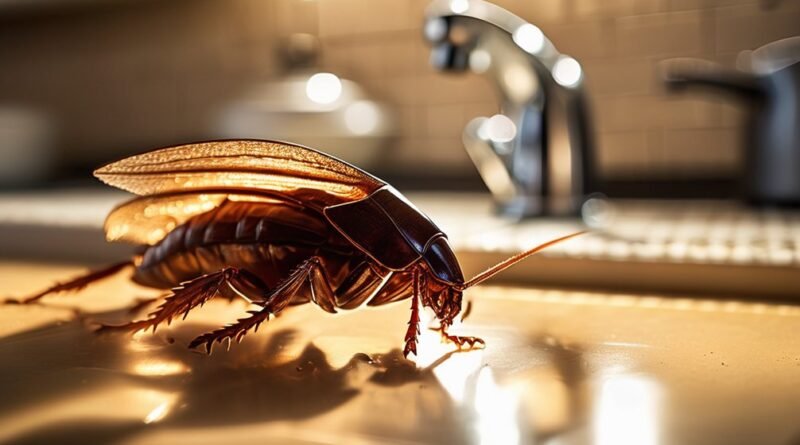
Flying cockroaches are real. Several common cockroach species have fully developed wings and can fly, though most prefer running and only take flight under specific conditions including temperatures above 85 degrees Fahrenheit, high humidity, and threat or disturbance. Smokybrown cockroaches and Asian cockroaches are the most active fliers. German cockroaches have wings but rarely fly. American cockroaches fly occasionally in hot, humid conditions.
Key Takeaways
Most cockroach species have wings, but whether and how often they use them varies significantly by species, temperature, and conditions.
- Smokybrown, Asian, and wood cockroaches are the most active flying species; German cockroaches almost never fly despite having wings.
- Flight is triggered primarily by temperatures above 85 degrees Fahrenheit combined with humidity above 60 percent, making summer evenings the highest-risk period.
- Male cockroaches fly more readily than females, particularly during mating season and when searching for food or water sources.
- Flying cockroaches disperse allergens and bacteria through indoor air, adding a health dimension beyond simple physical contact contamination.
- Reducing exterior lighting, controlling moisture, and sealing entry points including doors, windows, and roof vents reduces flying cockroach entry into homes.
Which Cockroach Species Can Fly
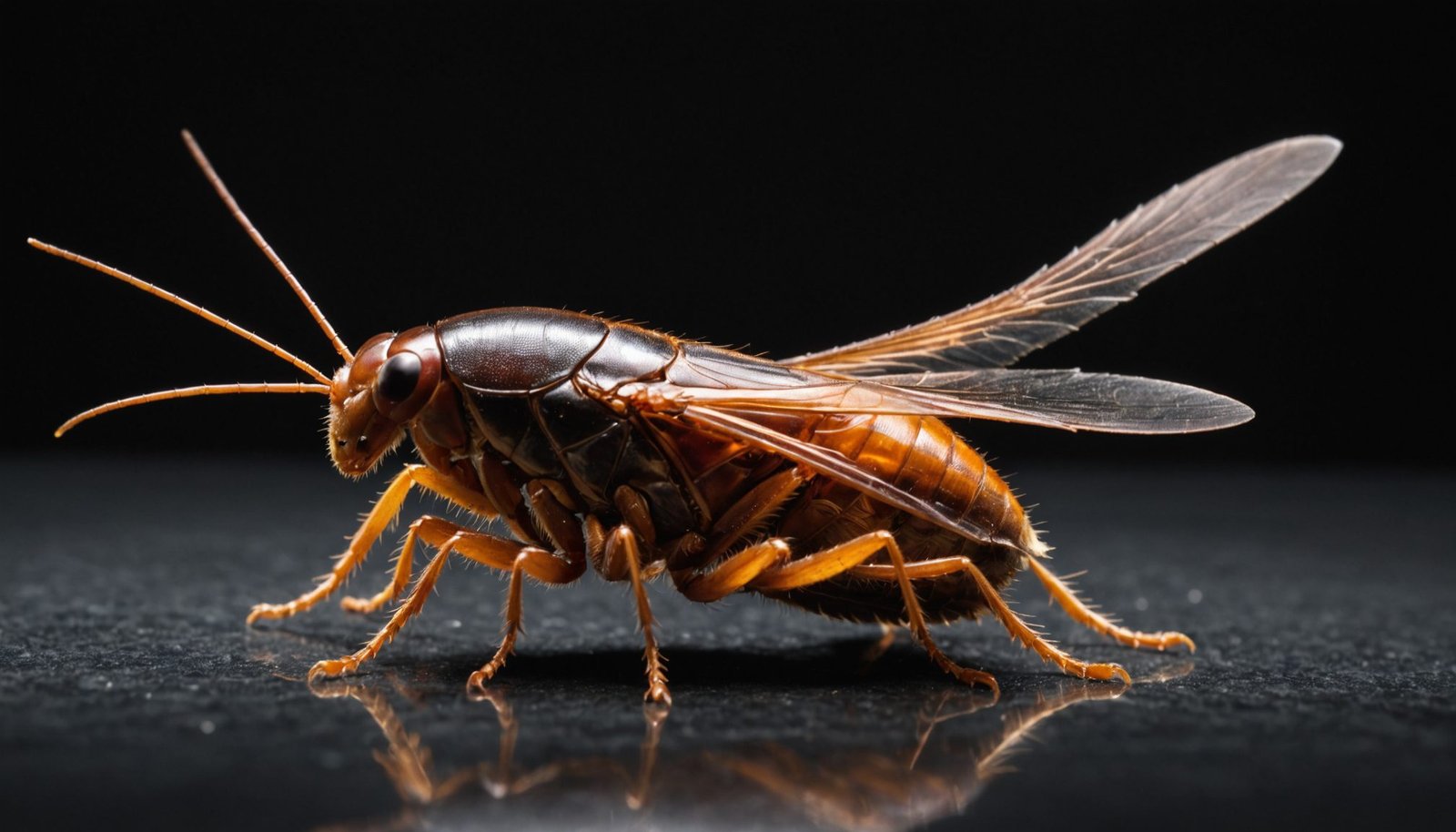
Not all cockroach species use their wings equally. Wing development and flight behavior differ substantially across the common species homeowners encounter in the United States.
German cockroaches have fully developed wings on both males and females but almost never fly in residential environments. Their wing use is so rare that many people are surprised to learn they have wings at all. German cockroaches rely entirely on running for movement and only rarely glide short distances when falling from heights. Their infestation pattern is driven by walking movement through wall voids, pipes, plumbing connections, and electrical conduits rather than flying entry.
American cockroaches have functional wings and do occasionally fly, but flight is infrequent and typically triggered by high temperatures. In warm southern states including Florida and Texas, American cockroaches fly more regularly during summer months when nighttime temperatures stay above 85 degrees. They are generally better described as occasional gliders than sustained fliers, using their wings primarily for brief assisted descents or short lateral movements rather than directed flight over distances.
Cockroach Species That Fly Most Actively
Some species fly as a routine part of their foraging and dispersal behavior rather than as an occasional response to disturbance.
Smokybrown cockroaches are the most capable and most frequent fliers among common U.S. species. They live primarily in outdoor tree canopy and mulch environments and use flight readily during warm humid evenings to move between harborage sites and toward light sources. Their strong phototaxis, the attraction to light, combined with their regular flight behavior is what causes them to appear at illuminated windows and porch lights on summer nights.
Asian cockroaches closely resemble German cockroaches in appearance but are strong fliers that are attracted to light, making them much more likely to enter homes through open doors and windows than the German cockroach. They are established in Florida and parts of the Gulf Coast. Wood cockroaches, common in wooded areas across eastern North America, fly readily and are often found entering homes near forested properties during late spring and summer. Male wood cockroaches are significantly more active fliers than females.
Species That Rarely or Never Fly
- German cockroach: fully winged but almost never flies; infestation spreads through walking movement
- Oriental cockroach: females are completely wingless; males have short wings that do not cover the abdomen and are non-functional for flight
- Brown-banded cockroach: males can fly short distances; females have shorter wings and do not fly
- Australian cockroach: capable of flight but flies less frequently than smokybrown cockroaches despite similar appearance
When and Why Cockroaches Take Flight
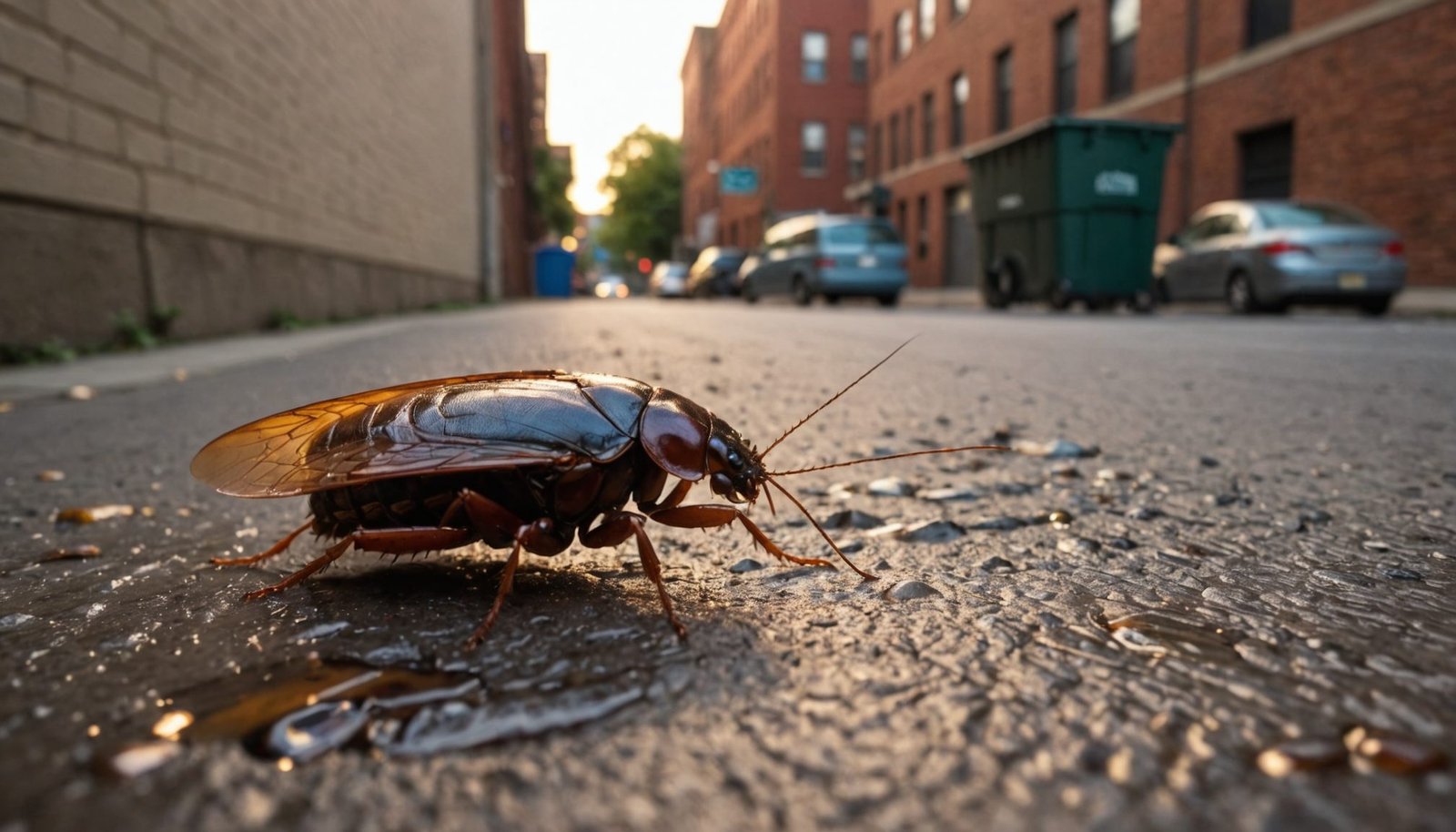
Cockroaches are ectothermic, meaning their body temperature is determined by their environment rather than internal metabolism. This directly controls when they have enough energy to fly. At temperatures below 68 degrees Fahrenheit, flight is essentially impossible for most species. As temperatures rise toward 85 degrees and above, flight becomes increasingly common in capable species.
High humidity above 60 percent works alongside temperature to trigger flight activity. Most flying cockroach species are highly moisture-dependent, and humid conditions signal that the environment is favorable for activity and movement. This combination of heat and humidity explains why flying cockroaches are most commonly encountered on late summer evenings in warm, humid climates rather than during the day or in cooler seasons.
Specific Triggers for Cockroach Flight
Beyond baseline temperature and humidity thresholds, several specific conditions trigger increased flying activity.
- Approaching storms and barometric pressure drops trigger mass movement as cockroaches seek sheltered harborage before rain
- Artificial lighting at night draws phototactic species including smokybrown and Asian cockroaches toward homes through open doors and windows
- Threat or disturbance causes immediate flight escape responses; cockroaches can detect air pressure changes from approaching threats via mechanoreceptive hairs on their cerci and deploy wings within milliseconds
- Mating season drives male cockroaches of flying species to search for females over larger distances than walking allows
- Depleted food or water sources in established harborage zones prompt dispersal flights to locate new resources
- Competition within a large cockroach colony can push individuals to relocate to new harborage areas via short flights
Geographic Patterns of Flying Cockroach Activity
Flying cockroach encounters are far more common in warm, humid climates than in cooler or drier regions. The southeastern United States, particularly Florida, Louisiana, Texas, and coastal states along the Gulf and Atlantic coasts, see the highest frequency of flying cockroach encounters. These regions maintain the temperature and humidity conditions that support active flight throughout much of the year.
In northern states, flying cockroach encounters are rare because temperatures rarely sustain the 85-degree threshold that triggers sustained flight activity. In arid western regions, low humidity further reduces flight activity even when temperatures are high enough. Urban heat island effects in cities can create microclimates warm enough for increased flying activity even in regions with generally moderate climates.
The Science Behind Cockroach Flight
Cockroaches possess sophisticated physical and neural adaptations that enable flight despite their reputation as ground-dwelling insects. Their wings include two pairs: the outer pair of leathery tegmina that protect the body and the inner membranous hindwings used for actual flight. During flight the tegmina open and the hindwings deploy and beat rapidly to generate lift.
Their exoskeletons are remarkably resilient, withstanding forces up to 900 times their body weight during flight-related impacts and landing. This resilience comes from a combination of hard chitin plates and soft compliant membranes between segments that allow flexibility during rapid maneuvers. When threatened during flight, cockroaches execute controlled aerial descents including body righting and wing adjustment to ensure they land on their feet rather than their backs.
Neural Mechanisms That Trigger Flight
The escape response that initiates cockroach flight is one of the fastest defensive reflexes documented in any animal. Mechanoreceptive hairs on the cerci at the rear of the abdomen detect air pressure changes caused by approaching predators or threats. These signals travel through large-diameter axons to flight muscles and trigger wing deployment within milliseconds of detection. This speed means a cockroach can be airborne before a human hand reaches it, which is why attempts to swat flying cockroaches so often fail.
Health Risks From Flying Cockroaches

Flying cockroaches disperse allergens and bacteria through indoor air in ways that walking cockroaches do not. When cockroaches fly, body parts, shed skin fragments, and dried droppings they carry become airborne, distributing allergen particles throughout the room rather than depositing them in localized surface zones.
Airborne cockroach allergens trigger asthma attacks and respiratory symptoms in sensitized individuals at lower direct-contact exposure levels than surface allergens require. Kitchens have the highest allergen concentrations because cooking activities regularly resuspend settled particles, but living rooms where people spend extended time carry the most cumulative allergen exposure due to time spent in contact with contaminated soft furnishings and carpeting.
Bacteria Spread by Flying Cockroaches
Flying cockroaches carry pathogenic bacteria including Salmonella, Staphylococcus, Acinetobacter, Streptococcus, and Pseudomonas that they deposit on indoor surfaces and food through body contact, droppings, and regurgitation. Acinetobacter in particular has been documented at high prevalence rates in cockroach specimens collected in residential and healthcare environments. Flying individuals distribute bacteria across wider surface areas than walking cockroaches because they contact walls, ceilings, and upper-level surfaces that walking cockroaches rarely reach.
Indoor Allergen Distribution Patterns
- Kitchen floors carry the highest cockroach allergen concentrations; approximately 13 percent of infested homes exceed clinical sensitization thresholds in this zone
- Bedrooms in urban, low-income homes show elevated allergen concentrations in approximately 50 percent of cases, compared to around 30 percent in suburban homes
- Living room dust and soft furnishings accumulate significant allergen loads because of extended occupant time in those spaces
- Ventilation quality, cleaning frequency, and infestation severity all directly influence how allergens distribute through indoor air and settled dust
Preventing Flying Cockroaches From Entering Your Home
Prevention of flying cockroach entry requires addressing the specific routes and triggers that bring them to and through building surfaces, which differ from the ground-level exclusion focus needed for German and Oriental cockroaches.
Exterior lighting is the most important trigger to address. Switching porch lights, landscape lights, and floodlights to yellow or sodium vapor bulbs significantly reduces the phototactic attraction that pulls smokybrown and Asian cockroaches toward entry points at night. Keeping interior lights near windows dimmed in the evening reduces the light signal visible from outdoors. Window screens should be tight-fitting with no gaps or tears; flying cockroaches enter through the same screen gaps that admit other flying insects.
Entry Point Sealing for Flying Species
Flying cockroach entry focuses on upper-building access points that walking cockroaches rarely use.
- Install fine-mesh screens over attic vents, roof vents, and soffit openings with mesh openings no larger than 1/16 inch
- Seal gaps around window frames and door frames, particularly on upper floors where flying cockroaches approach from tree canopy level
- Keep doors and windows closed during peak activity hours on warm, humid summer evenings when flying cockroach activity is highest
- Address gaps around pipes, electrical conduit, and utility penetrations in exterior walls where cockroaches can enter after landing on the building surface
- Trim tree branches and dense shrubs that contact the roofline, removing the approach paths that flying cockroaches use to reach building surfaces
Moisture control in crawl spaces, attics, and gutters reduces the outdoor harborage conditions that sustain flying cockroach populations near the building. Removing mulch, woodpiles, and leaf litter from the immediate foundation area eliminates the outdoor harborage zones that outdoor-breeding flying species like smokybrown cockroaches depend on.
Professional pest control is most effective for flying cockroach problems because perimeter treatment timing, product selection for outdoor versus indoor environments, and attic or roof-line treatment require professional equipment and expertise. Gel baits and monitoring traps provide ongoing control for any individuals that successfully enter despite prevention measures.
Frequently Asked Questions
Do German Cockroaches Fly?
German cockroaches have fully developed wings on both males and females, but they almost never fly in practical terms. Their wing use is extraordinarily rare in residential environments. German cockroach infestations spread entirely through walking movement along surfaces, through pipes and wall voids, and via human transport in bags, boxes, and secondhand appliances. If you see a cockroach flying in your home, it is almost certainly not a German cockroach. Smokybrown, Asian, or wood cockroaches are far more likely candidates for indoor flying sightings.
Why Do Cockroaches Fly Toward People?
Cockroaches do not intentionally fly toward people. When a cockroach is disturbed and deploys its wings in an escape response, its flight direction is influenced by light sources and air currents rather than deliberate navigation. Since people often move toward cockroaches when attempting to deal with them, the cockroach’s escape flight can appear directed at the person when it is actually aimed toward a nearby light source or away from the perceived threat. The millisecond-speed escape response means the cockroach is reacting to air pressure changes before conscious human movement has fully developed.
Are Flying Cockroaches Harder to Exterminate Than Non-Flying Species?
Flying cockroach species like smokybrown and Asian cockroaches present different extermination challenges than indoor-breeding species, but they are not inherently harder to eliminate. Because they breed outdoors and enter buildings rather than establishing indoor colonies, reducing the outdoor harborage population through perimeter treatment and habitat modification is often more effective than indoor treatment alone. Gel bait programs that work effectively for German cockroaches are less central to flying species control. Perimeter residual insecticide applications, combined with exterior habitat modification and entry point sealing, typically produce more durable results for outdoor-breeding flying species.
What Should I Do if a Cockroach Flies at Me?
Stay calm and do not swat at it while it is airborne. Swatting a flying cockroach disperses body fragments and potential allergens into the air you are breathing. If it lands, cover it with a container and slide cardboard underneath to capture it, then dispose of it outdoors. Note where it came from or where it landed for placement of monitoring traps. If you are experiencing multiple flying cockroach encounters indoors, deploy sticky traps along the walls and in attic spaces to assess the scale of the infestation and identify the primary entry zones before deciding on treatment approach.
Do Cockroaches Swarm and Fly in Groups?
True swarming flight behavior is not characteristic of common U.S. cockroach species. What appears to be a swarm is usually multiple individuals responding simultaneously to the same environmental trigger, most often a sudden change in weather conditions or a mass response to exterior lighting. Before storms, barometric pressure drops can cause multiple cockroaches to take flight simultaneously from outdoor harborage zones, which can produce the impression of swarming activity around building perimeters and lights. This behavior is most common with smokybrown cockroaches in the southeastern United States during the pre-storm conditions of late summer.
