
What Are Cockroaches?
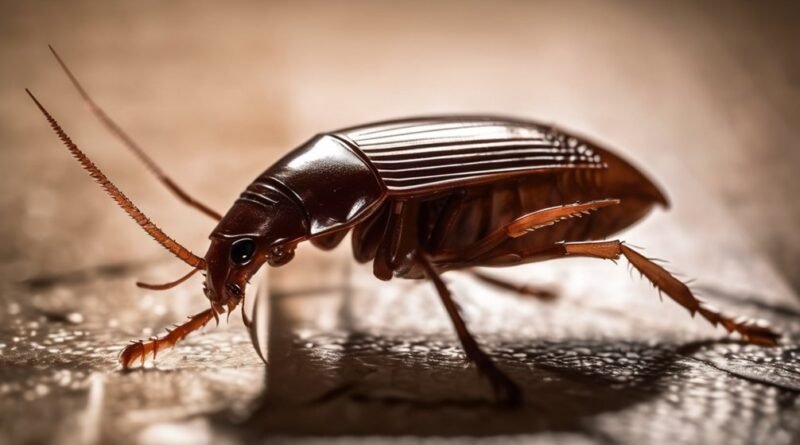
Cockroaches are ancient insects belonging to the order Blattodea that have existed for approximately 320 million years, making them among the oldest surviving insect groups on Earth. There are approximately 4,600 cockroach species worldwide, of which fewer than 40 are considered pests. The pest species are characterized by their association with human structures, scavenging behavior in kitchens and food storage areas, rapid reproduction, and ability to carry and spread bacteria and allergens that affect human health.
Key Takeaways
Understanding what cockroaches are, how they are classified, and what distinguishes pest species from the thousands of harmless wild species provides the foundation for effective identification and control.
- Cockroaches are ancient insects with a fossil record dating back 320 million years; their basic body design has remained largely unchanged for over 150 million years.
- Approximately 4,600 species exist worldwide, but only 30 to 40 are classified as pest species that infest homes and commercial buildings.
- The four most common pest species in the United States are the German cockroach, American cockroach, Oriental cockroach, and brown-banded cockroach.
- Cockroaches are nocturnal omnivorous scavengers that thrive in warm, humid environments near food and water sources.
- Their health risks include bacterial contamination of food and surfaces, allergen production that triggers asthma, and mechanical transmission of pathogens including Salmonella.
What Are Cockroaches: Classification and Biology
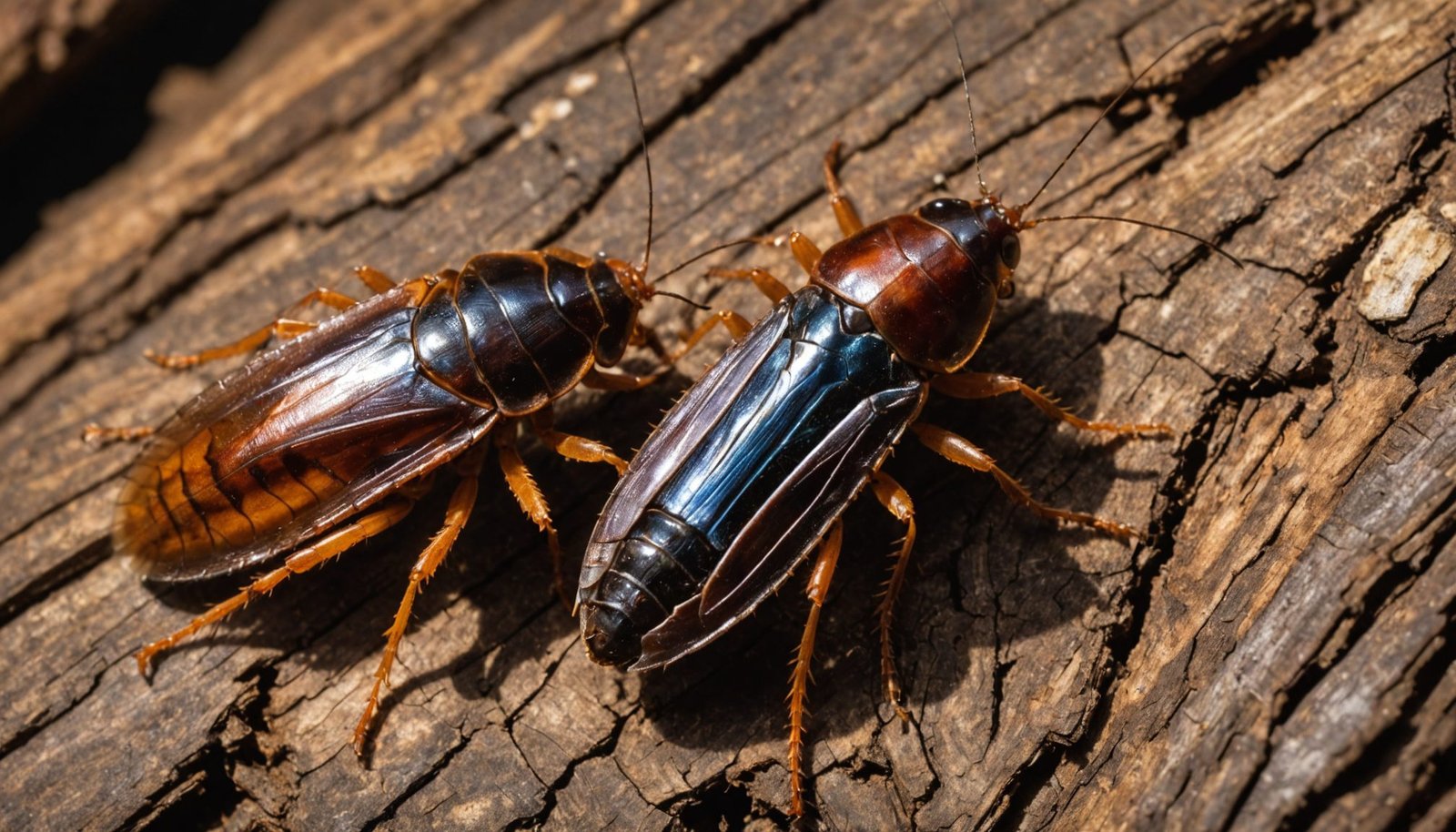
Cockroaches are insects in the order Blattodea, which also includes termites. Both groups evolved from a common ancestor, and molecular research has confirmed that termites are essentially highly social cockroaches that developed eusocial behavior independently. The Blattodea order is divided into several families, with the most commonly encountered pest species belonging to the family Blattidae (American, Oriental) and Ectobiidae (German, brown-banded).
The modern cockroach body plan emerged during the Jurassic period approximately 160 to 170 million years ago and has remained remarkably stable since then. Their success as a group comes not from any single adaptation but from the combination of behavioral flexibility, dietary generalism, reproductive efficiency, and sensory capabilities that allow them to exploit almost any available resource in their environment.
Cockroach Anatomy and Physical Characteristics
Cockroaches have three distinct body segments: head, thorax, and abdomen. The head is small and partly shielded by the pronotum of the thorax, equipped with long antennae used for chemical sensing and navigation, compound eyes that provide wide-angle motion detection, and powerful chewing mouthparts oriented downward and backward. The antennae are often as long as or longer than the body and continuously sample chemical gradients in the environment.
The thorax bears six spiny legs equipped with adhesive pads called arolia that allow them to walk on smooth vertical surfaces including glass. Most species have two pairs of wings: leathery protective forewings and membranous hindwings used for flight. However, whether and how often cockroaches use their wings varies significantly by species. German cockroaches almost never fly; smokybrown cockroaches fly readily and are attracted to light.
The abdomen contains 10 segments and houses the reproductive organs. The cerci, paired appendages at the rear of the abdomen, contain mechanoreceptive hairs that detect air pressure changes and trigger the rapid escape responses that make cockroaches so difficult to catch. Their hard waxy exoskeleton resists moisture loss, physical damage, and slow dermal penetration of many insecticides.
Common Cockroach Species in the United States
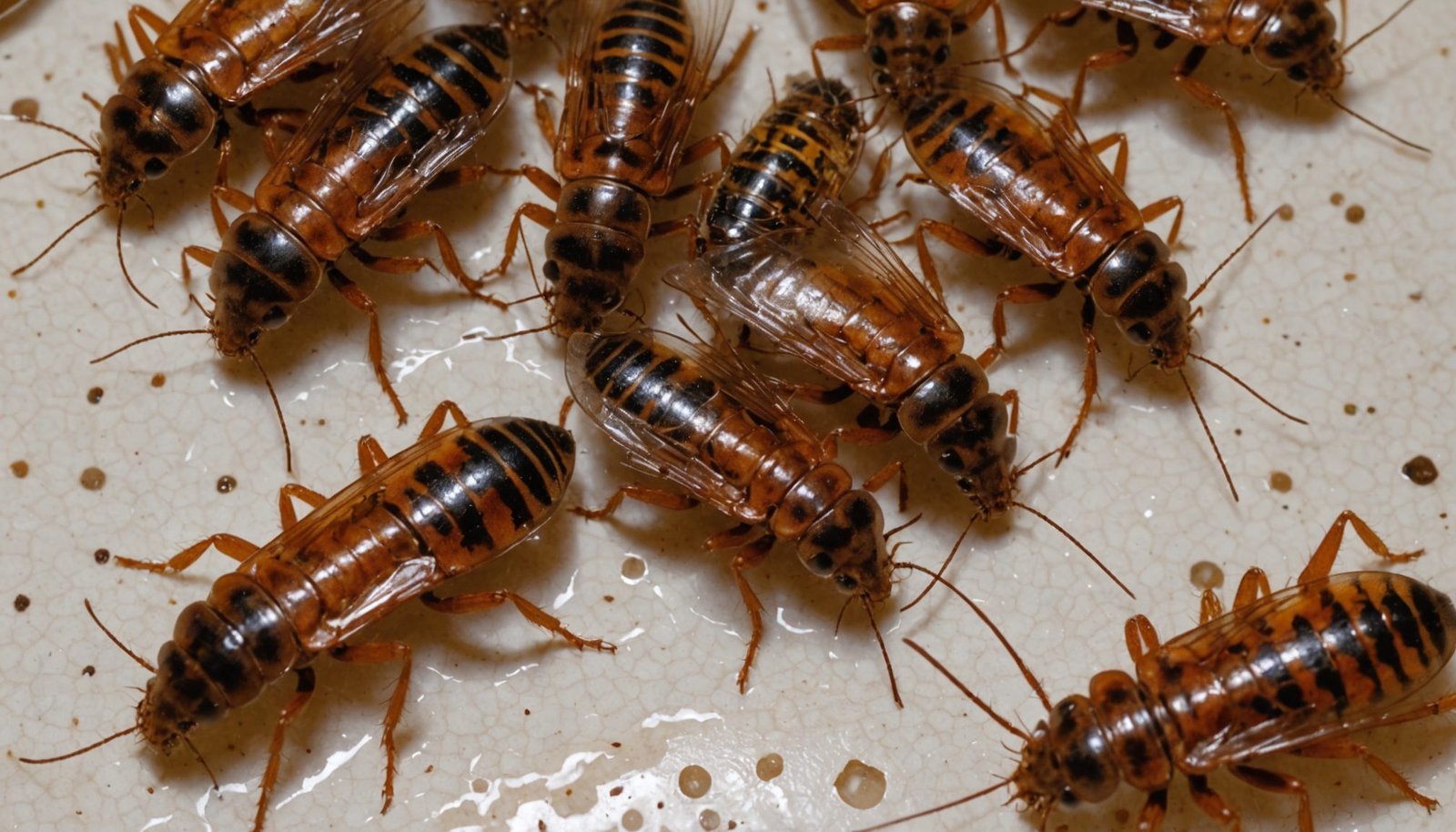
The four primary pest cockroach species encountered in U.S. homes and commercial buildings each have distinct identification features, habitat preferences, and behaviors that determine the most effective control approach.
German Cockroach (Blattella germanica)
The German cockroach is the most widespread and problematic indoor pest species in the United States and globally. Adults measure approximately 0.5 to 0.6 inches and are light brown with two dark parallel stripes running the length of the pronotum. Despite having wings, German cockroaches almost never fly. They prefer kitchens and bathrooms, establishing harborage inside cabinet bases, behind appliances, under sinks, and in wall voids near warm pipes.
German cockroaches are the fastest-reproducing common pest species. Females carry oothecae containing 30 to 50 eggs until just before hatching, producing 4 to 8 egg cases during their lifetime. Development from egg to reproductive adult takes as little as 50 to 60 days under warm conditions. This reproductive rate means a small infestation can become a large one within months if no effective treatment is applied.
American Cockroach (Periplaneta americana)
The American cockroach is the largest commonly encountered pest cockroach species in the United States, reaching 1.5 to 3 inches in length. Despite the name, this species originated in Africa and was introduced to North America through trade in the 1600s. Adults are reddish-brown with a characteristic yellow figure-8 pattern on the pronotum. Both males and females have fully developed wings and can fly, though flight is infrequent.
American cockroaches prefer warm, humid environments and are strongly associated with sewer systems, basement drains, boiler rooms, and sub-floor spaces. Their sewer habitat makes them particularly significant disease vectors because they regularly move between fecal contamination sources and food preparation areas. Populations in sewer systems can reach 5,000 individuals in a single manhole in warm urban environments.
Oriental Cockroach (Blatta orientalis)
The Oriental cockroach prefers cool, damp environments including basements, crawl spaces, floor drains, and areas beneath porches and decks. Adults are dark brown to nearly black and 1 to 1.25 inches long. Females are completely wingless; males have short wings that do not enable flight. Their strong preference for cool, moist conditions distinguishes them from German and American cockroaches and concentrates their activity in basement and utility areas rather than kitchens.
Brown-Banded Cockroach (Supella longipalpa)
The brown-banded cockroach is smaller than the other primary pest species, reaching only about 0.5 inch in length. Adults have two characteristic pale horizontal bands across the wings and abdomen that give the species its common name. Unlike other indoor pest cockroaches, brown-banded cockroaches prefer warm, dry conditions and are found in elevated indoor locations including the undersides of furniture, inside electronics, behind wall decorations, and in bedrooms rather than kitchens and bathrooms. Males can fly short distances; females do not fly.
Cockroach Lifecycle and Reproduction
Cockroaches develop through incomplete metamorphosis, progressing through three life stages: egg inside the ootheca, nymph through multiple molting instars, and winged adult. This developmental pattern means cockroaches resemble small adults throughout their development rather than going through a larval stage as beetles and flies do.
Females produce oothecae, the hardened protein egg cases that protect developing eggs. The shape, size, color, and number of eggs per case differ by species. German cockroach females carry their ootheca attached to the abdomen until just before hatching. American and Oriental cockroach females deposit their oothecae in protected locations and leave them. Brown-banded cockroach females glue their oothecae to surfaces in elevated indoor locations.
Development Stages and Timeline
Nymphs hatch from egg cases and develop through successive molts, shedding their exoskeleton to grow larger with each instar. Freshly molted nymphs are white and soft, hardening to species coloration within hours. The number of molting cycles ranges from 5 to 14 depending on species. Adults emerge after the final molt with fully developed wings and reproductive organs.
- German cockroach: egg to adult in 50 to 60 days; produces 4 to 8 oothecae with 30 to 50 eggs each
- American cockroach: egg to adult in 6 to 12 months; produces 9 to 10 oothecae with 14 to 16 eggs each
- Oriental cockroach: egg to adult in 1 to 2 years; produces 1 to 18 oothecae with approximately 16 eggs each
- Brown-banded cockroach: egg to adult in approximately 3 to 6 months; produces up to 20 oothecae with 10 to 18 eggs each
Where Cockroaches Live and What They Eat
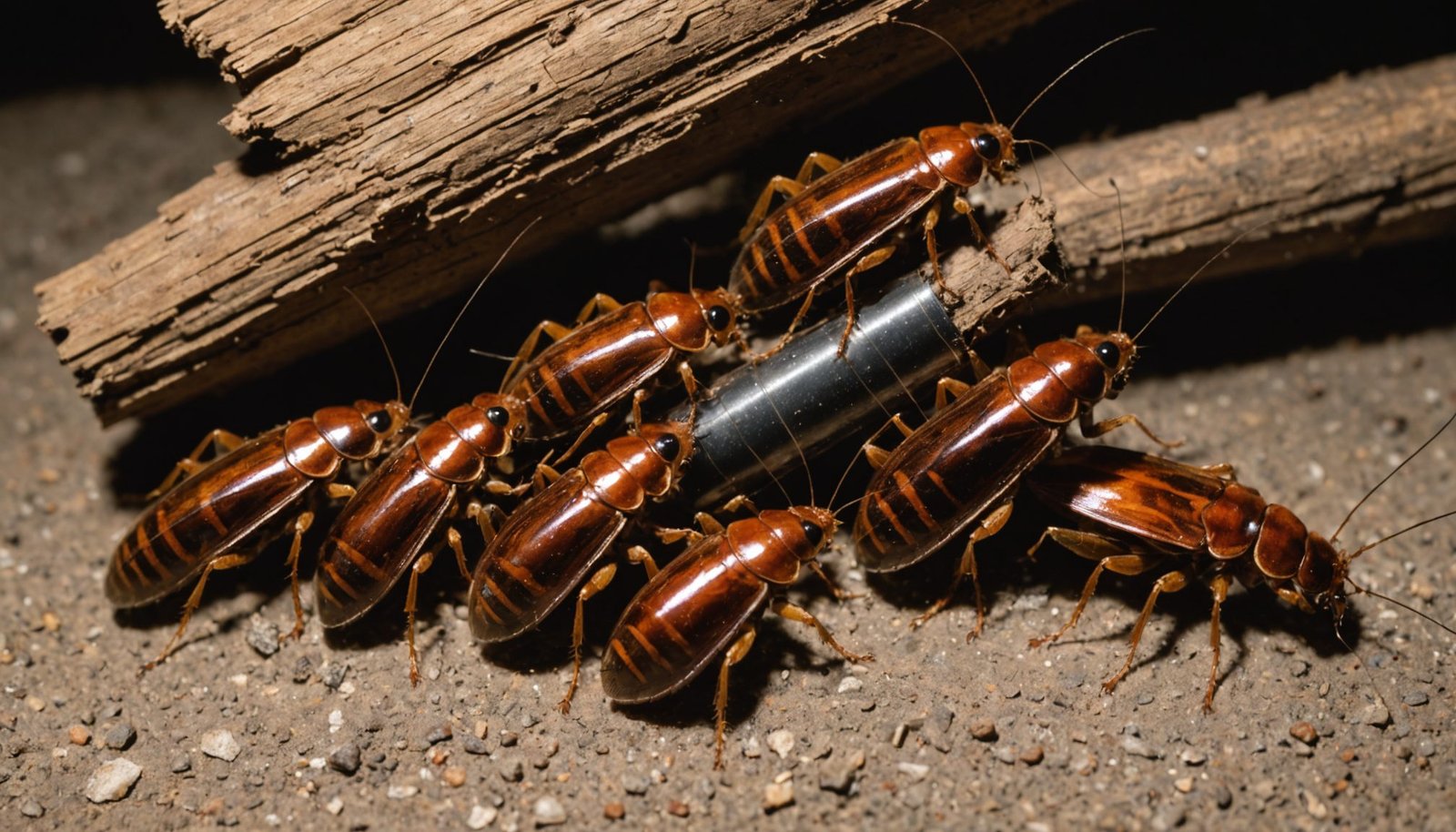
Most cockroach species are wild insects that live in forest floors, leaf litter, under logs and bark, in hollow trees, and in soil. Only the approximately 40 pest species have adapted to human structures and thrive in the conditions found in homes, restaurants, and commercial buildings. Pest species concentrate in areas providing warmth, humidity, darkness, proximity to food, and access to harborage in tight spaces.
Indoor pest cockroaches congregate near water sources including leaking pipes, condensation on cold water lines, standing water in drains, and consistently damp areas under sinks and in bathrooms. They forage for food at night along regular routes marked by aggregation pheromones deposited in feces. Food sources include virtually any organic material: human food, pet food, grease deposits on stoves and counters, soap, paper, glue, and other household organic materials.
Outdoor Habitats and Seasonal Entry
Outdoor cockroach species and the outdoor populations of pest species inhabit leaf litter, mulch beds, woodpiles, firewood stacks, hollow trees, compost areas, and garbage storage areas. These outdoor populations create pressure on building perimeters during hot weather when they seek moisture, during heavy rain when outdoor harborage floods, and in fall when cooling temperatures drive them toward heated structures.
American cockroaches move from outdoor harborage and sewer systems into basements and kitchens through floor drains, sewer connections, and foundation cracks. Smokybrown cockroaches enter through roof vents, attic gaps, and upper-floor openings from tree canopy harborage. German cockroaches rarely enter from outdoors; they are almost always introduced through infested goods, secondhand furniture, groceries, or deliveries.
Health Risks Cockroaches Pose to Humans
Cockroaches create health risks through two distinct mechanisms: mechanical transmission of bacteria and pathogens through body contact and fecal deposition, and allergen production from droppings, shed skins, and body parts that trigger asthma and allergic reactions.
As mechanical vectors, cockroaches carry bacteria including Salmonella, E. coli, Staphylococcus aureus, and Listeria on their exoskeletons and internally in their guts. They deposit these bacteria on food preparation surfaces, dishes, utensils, and stored food during overnight foraging. The bacterial load cockroaches carry is particularly high for American cockroaches that regularly move through sewer systems before entering kitchens. Cockroach contamination is associated with food poisoning, gastroenteritis, and diarrheal illness in households and food service environments.
Cockroach Allergens and Asthma
Cockroach allergens from droppings, shed exoskeletons, saliva, and body fragments trigger asthma attacks and allergic reactions in sensitized individuals. These allergen proteins become embedded in household dust and remain airborne during cleaning, vacuuming, and normal movement through infested rooms. The health impact is significant: sensitized children living in high-cockroach-allergen homes face asthma hospitalization rates approximately three times higher than non-sensitized children. Inner-city apartments with German cockroach infestations are among the most significant sources of childhood asthma triggers in the United States.
How to Identify a Cockroach Infestation
Recognizing the signs of a cockroach infestation early allows treatment before populations grow large enough to be difficult to control. Visual sightings of cockroaches during daylight hours in kitchens or bathrooms are a reliable indicator that the infestation has grown beyond early stages, since cockroaches are nocturnal and normally remain hidden during the day.
Signs of infestation to look for during inspection:
- Droppings: small dark brown or black specks resembling coffee grounds or black pepper along cabinet bases, behind appliances, under sinks, and along wall edges
- Egg cases: dark brown oothecae approximately 5 to 10 mm long depending on species, found in cabinet hinges, under shelves, and behind appliances
- Shed skins: translucent exoskeletons left behind after each nymph molt, found in harborage zones near droppings
- Odor: a musty, oily smell detectable in cabinet interiors and under-sink areas when populations are large
- Smear marks: brown oily streaks along baseboards and wall edges in consistently damp areas where cockroaches travel repeatedly
Cockroach Control and Prevention Basics
Effective cockroach control addresses the conditions that attract and sustain infestations rather than responding only to visible individuals. The three foundations of effective control are sanitation to remove food and moisture resources, exclusion to seal entry points, and targeted pest control treatments applied to harborage zones.
Sanitation removes competing food sources that reduce gel bait effectiveness and eliminates the resources that sustain population growth between treatments. Store all food in sealed containers, fix water leaks promptly, clean grease from appliance surfaces and cabinet interiors, and remove cardboard clutter that provides both food and harborage.
Treatment Approaches for Different Species
- German cockroaches: gel bait placed inside cabinet bases, behind appliances, and in wall void gaps; insect growth regulators to disrupt nymph development; sticky monitoring traps to track population decline
- American cockroaches: perimeter insecticide treatment around building foundation; drain cap maintenance to block sewer entry; gel bait in basement and utility room harborage zones
- Oriental cockroaches: moisture reduction in basements and crawl spaces; basement perimeter gel bait placement; exclusion of drain connections
- Brown-banded cockroaches: targeted treatment of elevated harborage including furniture, electronics, and bedroom areas rather than kitchen-focused application
Choosing the right baits, gels, and traps for the specific cockroach species present improves treatment effectiveness significantly. Professional pest control methods that combine species identification, inspection-driven bait placement, and scheduled follow-ups achieve more consistent results than general-purpose spray applications.
Frequently Asked Questions
How Many Cockroach Species Are There?
Approximately 4,600 cockroach species are currently classified worldwide, though new species continue to be described as researchers survey under-studied tropical habitats. Of these, fewer than 40 species are classified as pest species that infest human structures. The vast majority of cockroach species are wild insects that play ecologically important roles in decomposition and nutrient cycling in forest and grassland ecosystems. The pest species that most people associate with cockroaches represent a very small fraction of the total diversity of the group.
What Do Cockroaches Eat?
Cockroaches are generalist omnivorous scavengers that consume virtually any organic material. They strongly prefer starchy and sugary foods, grease, and fermenting organic matter. When preferred food is unavailable, they consume paper, cardboard, book bindings, soap, leather, dead insects, shed skins, and other organic household materials. This dietary flexibility makes it impossible to eliminate cockroaches solely by removing food; gel bait programs that provide an attractive alternative food source produce better results than relying on food removal alone.
How Long Do Cockroaches Live?
Adult cockroach lifespan varies by species and conditions. German cockroaches typically live 3 to 12 months as adults. American cockroaches can live 1 to 2 years under favorable conditions and sometimes longer. Oriental cockroaches have adult lifespans of approximately 1 to 6 months. The entire lifecycle including egg, nymph, and adult stages ranges from about 3 months for German cockroaches to over 2 years for American cockroaches. Females continue producing egg cases throughout their adult lives, which is why adult lifespan directly affects how many offspring each female produces during her lifetime.
Can Cockroaches Survive Without Their Heads?
Yes, cockroaches can survive for several days to weeks after decapitation. Their respiratory system uses spiracles along the body sides that do not require neural control from the brain, allowing breathing to continue independently. Their open circulatory system does not require head-connected neural regulation. The decapitated cockroach eventually dies from dehydration because the mouth is no longer present to regulate water intake and the spiracles continue releasing moisture. This biological fact illustrates the decentralized, redundant nature of cockroach physiology rather than representing a practical concern for pest control.
What Attracts Cockroaches to Homes?
Cockroaches are attracted to homes by food availability, moisture, warmth, and shelter. Food debris including crumbs, grease, pet food residue, and open garbage provides the nutrition they require. Moisture from leaking pipes, condensation, open drains, and humid basements provides the water supply they need to survive. Warmth from heating systems and appliances supports year-round activity. Tight dark spaces in cabinets, under appliances, and in wall voids provide the harborage conditions they require. Reducing all four attractants simultaneously, rather than addressing only one, produces the most durable prevention results.
{
“@context”: “https://schema.org”,
“@type”: “FAQPage”,
“mainEntity”: [
{
“@type”: “Question”,
“name”: “How Many Cockroach Species Are There?”,
“acceptedAnswer”: {
“@type”: “Answer”,
“text”: “Approximately 4,600 cockroach species are currently classified worldwide, though new species continue to be described as researchers survey under-studied tropical habitats. Of these, fewer than 40 species are classified as pest species that infest human structures. The vast majority of cockroach species are wild insects that play ecologically important roles in decomposition and nutrient cycling in forest and grassland ecosystems.”
}
},
{
“@type”: “Question”,
“name”: “What Do Cockroaches Eat?”,
“acceptedAnswer”: {
“@type”: “Answer”,
“text”: “Cockroaches are generalist omnivorous scavengers that consume virtually any organic material. They strongly prefer starchy and sugary foods, grease, and fermenting organic matter. When preferred food is unavailable, they consume paper, cardboard, book bindings, soap, leather, dead insects, and other organic household materials. This dietary flexibility makes it impossible to eliminate cockroaches solely by removing food; gel bait programs that provide an attractive alternative food source produce better results than relying on food removal alone.”
}
},
{
“@type”: “Question”,
“name”: “How Long Do Cockroaches Live?”,
“acceptedAnswer”: {
“@type”: “Answer”,
“text”: “Adult cockroach lifespan varies by species. German cockroaches typically live 3 to 12 months as adults. American cockroaches can live 1 to 2 years under favorable conditions. Oriental cockroaches have adult lifespans of approximately 1 to 6 months. The entire lifecycle including egg, nymph, and adult stages ranges from about 3 months for German cockroaches to over 2 years for American cockroaches. Females continue producing egg cases throughout their adult lives.”
}
},
{
“@type”: “Question”,
“name”: “Can Cockroaches Survive Without Their Heads?”,
“acceptedAnswer”: {
“@type”: “Answer”,
“text”: “Yes, cockroaches can survive for several days to weeks after decapitation. Their respiratory system uses spiracles along the body sides that do not require neural control from the brain, allowing breathing to continue independently. Their open circulatory system does not require head-connected neural regulation. The decapitated cockroach eventually dies from dehydration because the mouth is no longer present to regulate water intake and the spiracles continue releasing moisture.”
}
},
{
“@type”: “Question”,
“name”: “What Attracts Cockroaches to Homes?”,
“acceptedAnswer”: {
“@type”: “Answer”,
“text”: “Cockroaches are attracted to homes by food availability, moisture, warmth, and shelter. Food debris including crumbs, grease, pet food residue, and open garbage provides the nutrition they require. Moisture from leaking pipes, condensation, and humid basements provides their water supply. Warmth from heating systems supports year-round activity. Tight dark spaces in cabinets, under appliances, and in wall voids provide the harborage conditions they require. Reducing all four attractants simultaneously produces the most durable prevention results.”
}
}
]
}
