
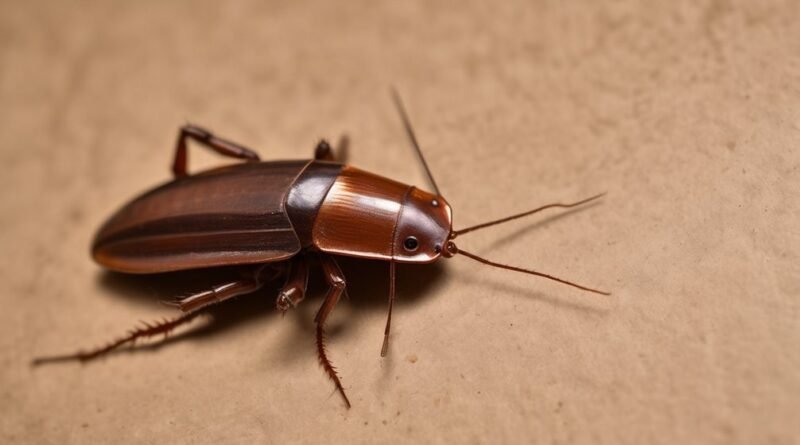
Brown-Banded Cockroaches: The Hidden Threat
You’ve probably walked past dozens of brown-banded cockroaches without noticing them. These secretive pests don’t scurry across your floor like their larger cousins – instead, they’re hiding in your electronics, picture frames, and even book bindings. While their small size might make them seem harmless, they’re silently damaging your belongings and potentially compromising your family’s health. What makes these tiny invaders so dangerous? Let’s find out.
Key Takeaways
- Brown-banded cockroaches can silently multiply with females producing up to 600 offspring annually, leading to severe hidden infestations.
- These pests carry over 30 types of harmful bacteria and trigger respiratory issues through their droppings and secretions.
- One visible cockroach typically indicates approximately 200 more hiding in walls, furniture, and electronics.
- They cause extensive damage to books, electronics, and personal items while staying hidden in warm, dry, elevated locations.
- Brown-banded cockroaches prefer cluttered environments and can thrive without traditional food sources, making detection challenging.
Spotting These Elusive Household Invaders
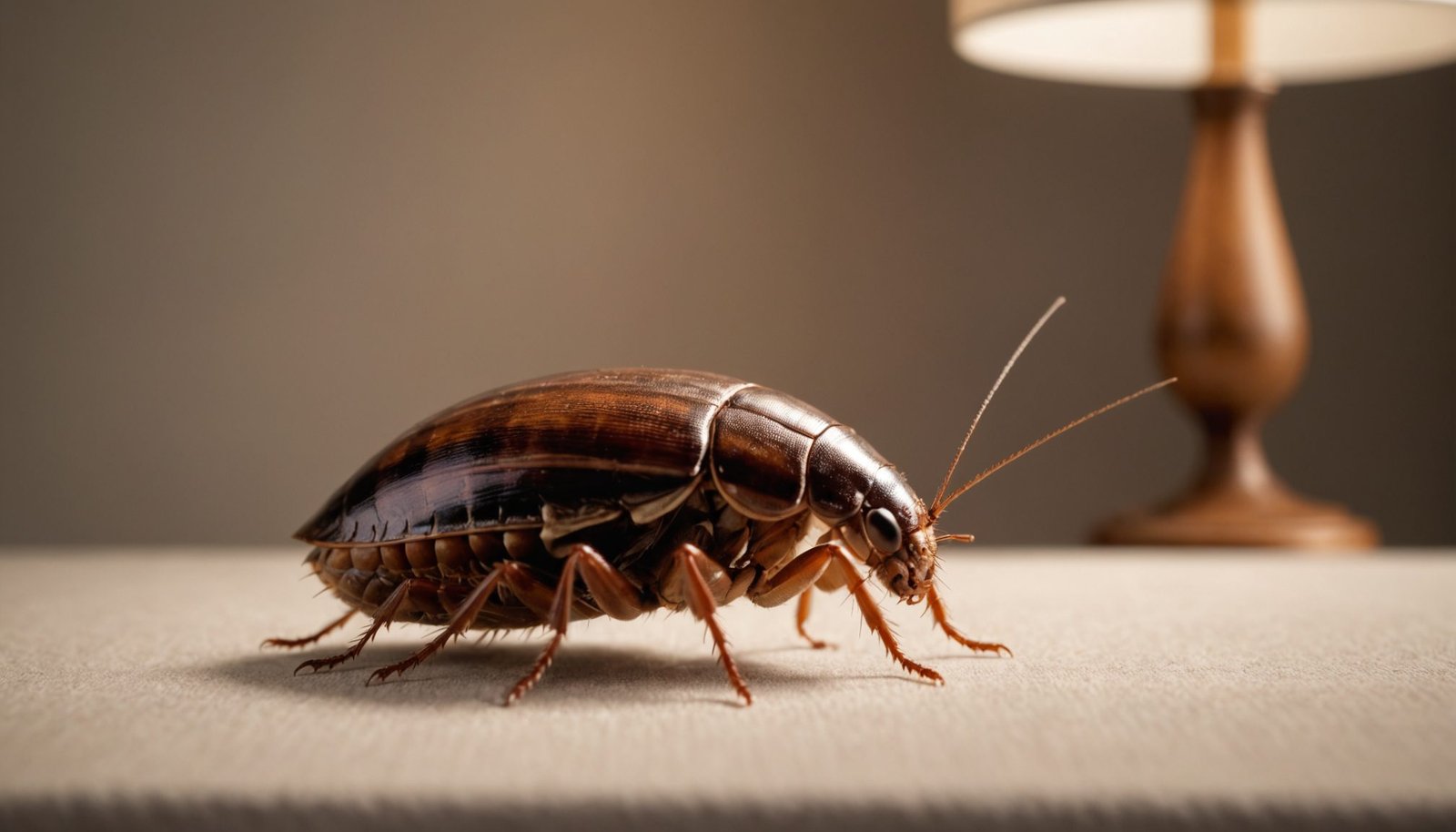
Wondering how to spot these secretive pests in your home? These small cockroaches, measuring just 10-14.5mm, stand out with their distinctive light brown to dark brown coloring and two yellowish bands across their wings and abdomen.
You’ll notice males are slender with full wings and can fly, while females are broader with shorter wings.
Unlike their German cousins, brown-banded cockroaches prefer warm, dry areas away from moisture. You’ll find them hiding behind picture frames, inside electronics, or under furniture – often near ceiling level rather than floors. Regular thorough inspection of these hiding spots is essential for effective control.
Look for shed skins, droppings, and egg cases glued to surfaces in these locations. They’re mainly active at night, but during heavy infestations, you might catch them wandering during daylight hours.
Why Your Home Makes the Perfect Hiding Place
Your home’s warm spots, especially areas near electronics and upper rooms hovering around 80°F, create an irresistible environment for brown-banded cockroaches to thrive.
These pests don’t need the moisture that other roach species crave, making your dry, elevated spaces like closets and cabinets prime real estate.
When you’ve got cluttered areas and undisturbed spaces behind picture frames or inside electronics, you’re unknowingly providing these insects with perfect hiding spots and nesting sites. Remember that spotting just one visible roach means approximately 200 more are hiding within your home.
Warm Zones Attract Pests
While most pests seek shelter in dark, damp spaces, brown-banded cockroaches prefer the warm, dry zones within your home.
They’re particularly drawn to temperatures around 80°F, making areas near your electronics and appliances their ideal habitat. Originally introduced through shipments from Cuba, these resilient pests have now spread across both northern and southern states. You’ll often find them clustering around heat-generating items like water heaters, refrigerator motors, and entertainment systems.
Your air-conditioned home creates the perfect environment for these pests, especially if you live in the southern states.
They’ll avoid your humid bathrooms and kitchens, instead choosing to nest in drier locations like bedrooms and living rooms.
Watch for them in elevated spots – they’re fond of upper cabinets, picture frames, and furniture.
The males can fly, allowing them to reach these higher spaces where they’ll establish colonies in warm, protected areas.
Clutter Creates Perfect Shelter
Beyond seeking warm spots, brown-banded cockroaches thrive in cluttered homes that offer endless hiding opportunities. Your piles of boxes, old newspapers, and stored items create ideal shelters where these pests can breed undisturbed.
They’ll nest in dark, secluded spaces behind furniture and inside electrical devices, especially in high locations away from moisture. When disturbed, they quickly scurry into corners to escape detection.
Your clutter provides more than just shelter – it’s a food source too. These roaches feed on the starches in paper, glue, and wallpaper while taking advantage of hidden food debris.
They’ll lay their tiny egg capsules in the countless crevices formed by stacked items, where they remain protected until hatching.
What’s worse, your cluttered spaces make it difficult to spot infestations early or effectively treat them with pest control measures.
The Surprising Diet of Brown-Banded Cockroaches
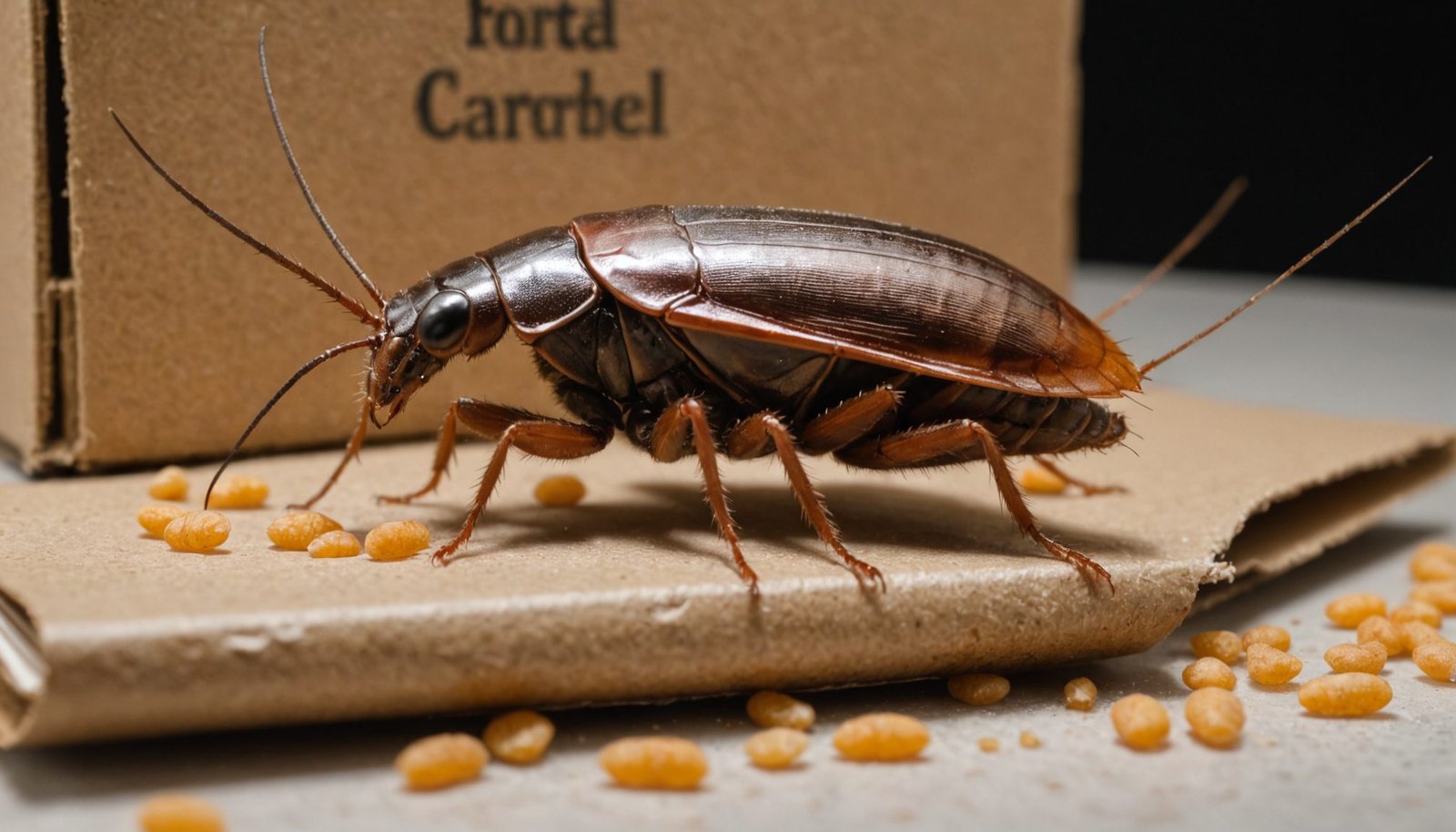
While you might think cockroaches only raid your kitchen for food, brown-banded cockroaches have a surprisingly varied diet that includes non-food items like wallpaper paste, book bindings, and even nylon stockings.
You’ll often find these pests feeding in unexpected places throughout your home, from upper cabinets to attics, where they seek out dry, starchy materials. These insects particularly favor starchy foods and can often be found infesting areas where processed foods are stored.
Their unusual eating habits can lead to extensive damage beyond your kitchen, as they chew through everything from stored papers to clothing items that contain traces of body oils and skin flakes.
Diverse Food Source Selection
Brown-banded cockroaches display remarkable versatility in their dietary choices, consuming everything from traditional pantry staples to unexpected items like book bindings and wallpaper paste. You’ll find these adaptable pests feeding on dry goods in your pantry while also targeting non-traditional food sources throughout your home.
| Food Category | Common Sources | Location |
|---|---|---|
| Starchy Items | Cereals, Bread | Pantry |
| Adhesives | Glue, Paste | Furniture, Walls |
| Paper Products | Books, Boxes | Storage Areas |
| Organic Matter | Dead Insects | Dark Spaces |
| Residues | Body Oils, Spills | Fabrics, Floors |
Their ability to survive on such diverse materials makes them particularly challenging to control, as they’ll thrive even in areas without traditional food sources. They don’t need moisture-rich environments like other cockroach species, allowing them to inhabit drier spaces while feeding on everything from leather to synthetic materials.
Hidden Feeding Locations
Three surprising locations make up the primary hidden feeding spots of these persistent pests.
You’ll find brown-banded cockroaches thriving in unexpected places, far from typical food sources, as they’ve adapted to survive on minimal sustenance.
- Electronic equipment and appliance motors, where they feed on accumulated grease, dust, and wiring insulation while enjoying the warmth these devices provide.
- Upper cabinets and storage areas containing paper products, where they consume adhesives, book bindings, and wallpaper paste rich in starches.
- Dry, warm closets and shelves, where they survive on minimal organic debris like dead skin cells and fabric residues.
These hidden locations allow them to avoid detection while spreading bacteria and parasites throughout your home, making them particularly challenging to control.
Damage Beyond The Kitchen
Your kitchen isn’t the only space at risk from these persistent pests. Brown-banded cockroaches can wreak havoc throughout your home by consuming items you’d never expect.
You’ll find damage to your wallpaper as they feed on the adhesive paste underneath, while your books may show signs of deterioration from their appetite for binding glues. They’ll even target your personal care products, including toothpaste and soap.
These resourceful insects don’t stop there. They’ll feast on cardboard boxes, important documents, and family photos.
Your furniture, drapes, and postal items aren’t safe either, as these pests are drawn to any material containing starch-based adhesives.
What’s worse, you mightn’t notice the damage immediately, allowing infestations to grow while they silently destroy your belongings.
Breaking Down Their Life Cycle and Breeding Habits
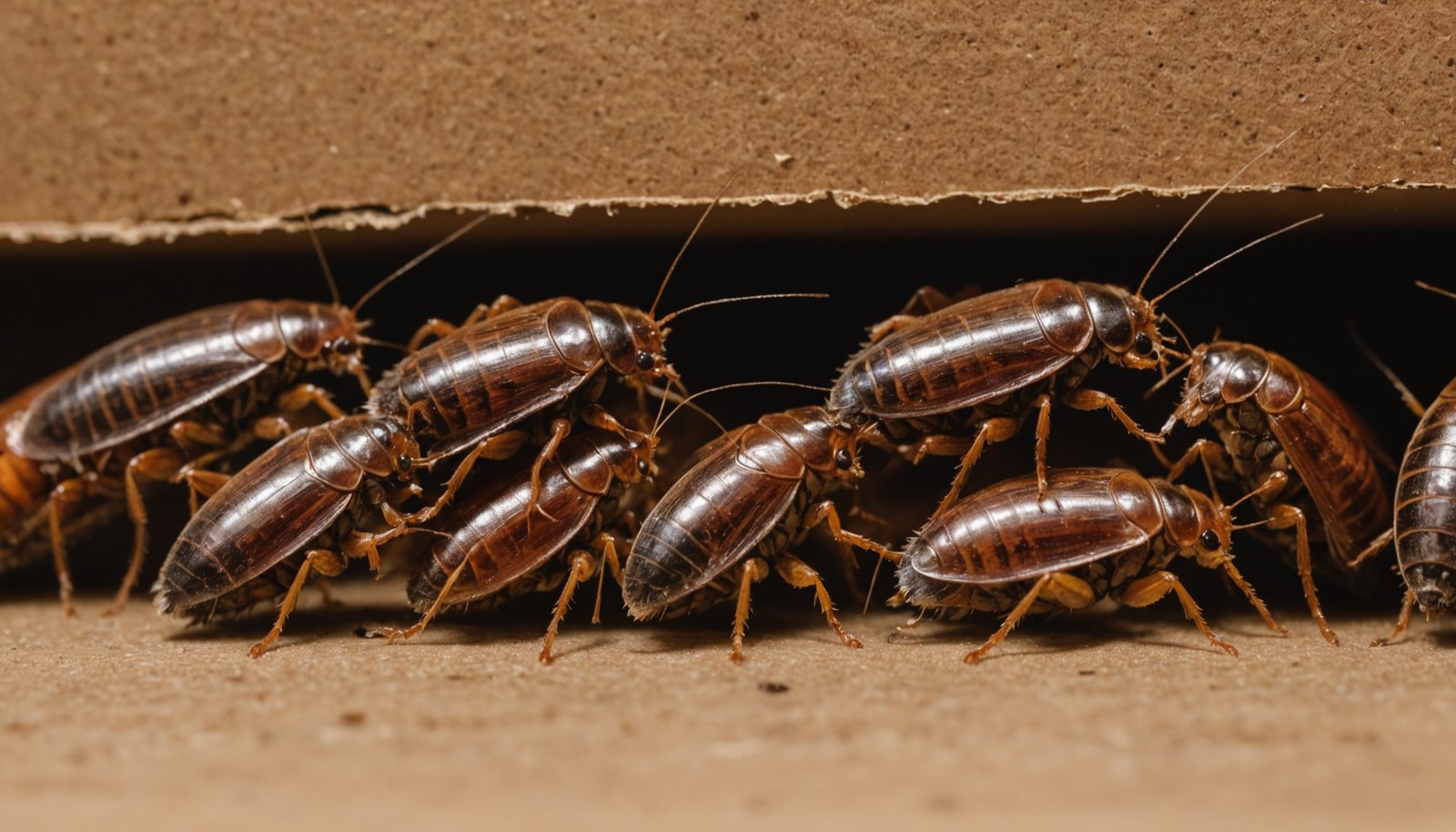
Understanding the life cycle of brown-banded cockroaches reveals why they’re such successful household pests. A single female can produce up to 600 offspring annually through multiple egg cases called oothecae, which she strategically attaches to furniture and ceilings using a natural adhesive.
These persistent pests develop through three key stages:
- Egg Stage: Each ootheca contains 14-18 eggs that incubate for 30-103 days, with up to 85% hatching successfully.
- Nymph Stage: Young roaches undergo 6-8 molts over 40-300 days, depending on temperature and food availability.
- Adult Stage: Mature roaches live 60-200 days, with females immediately beginning reproduction and males developing wings for flight.
You’ll find them thriving in warm, dry locations, particularly in elevated areas away from moisture.
Health Concerns for Your Family and Pets
While brown-banded cockroaches don’t typically bite humans, they pose serious health risks through disease transmission and allergen production. They carry over 30 types of harmful bacteria, including E. coli and Salmonella, which can cause severe illnesses like gastroenteritis and typhoid fever.
Your family’s health is particularly at risk when these pests contaminate food surfaces and kitchen items. Their droppings, shed skins, and secretions contain potent allergens that can trigger asthma attacks and respiratory issues, especially in children and elderly family members.
Even your pets aren’t safe – though brown-banded cockroaches won’t bite them, they can contaminate pet food and living areas with bacteria. This contamination may lead to gastrointestinal problems in both pets and humans, making immediate pest control essential for your household’s wellbeing.
Essential Steps to Protect Your Living Space
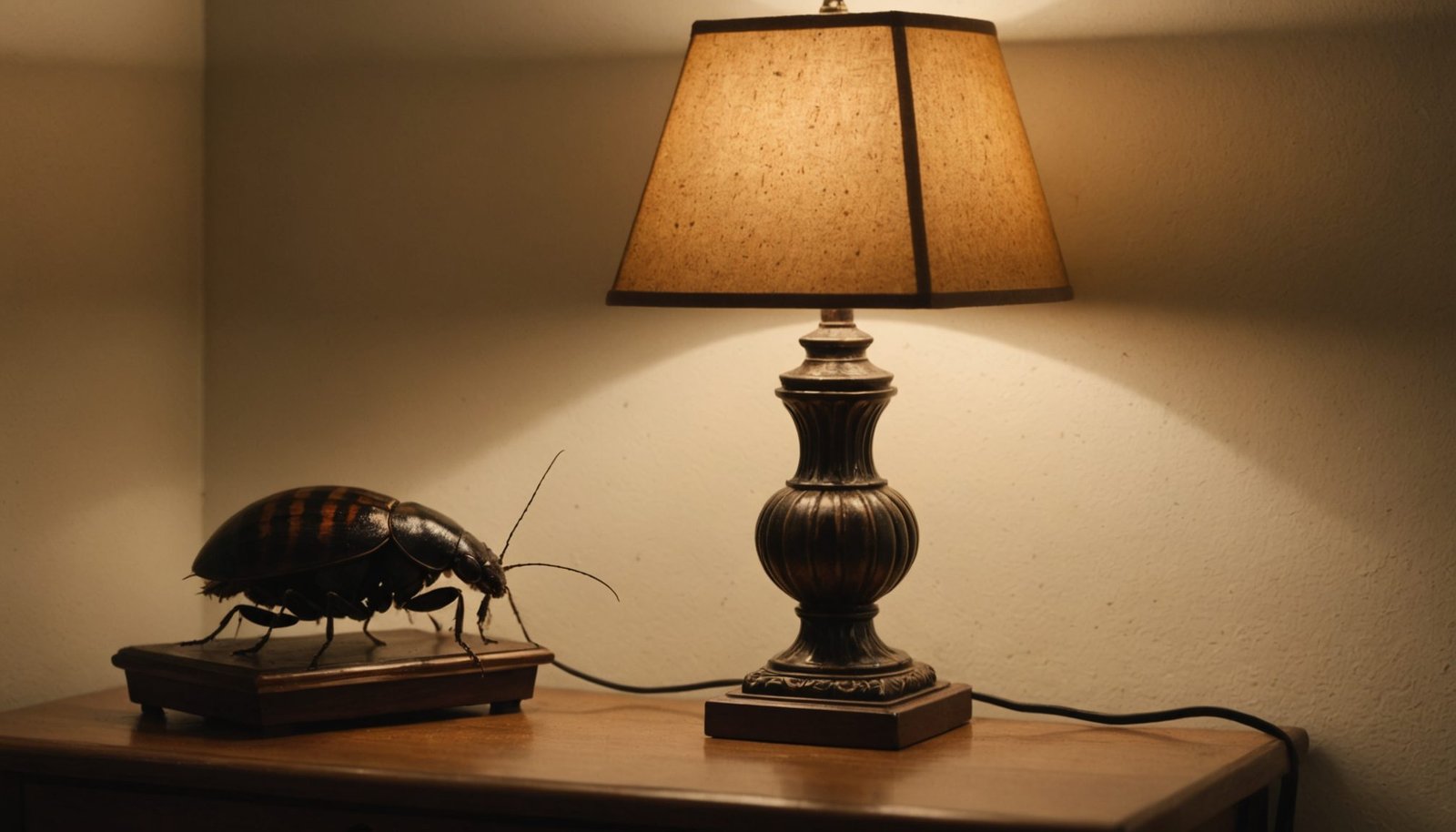
Protecting your living space from brown-banded cockroaches requires an all-encompassing defense strategy that targets their survival needs.
You’ll need to focus on eliminating potential harborages, managing food sources, and implementing effective monitoring systems.
1. Start by destroying egg cases, removing clutter, and sealing all cracks and crevices where these pests might hide, especially in upper areas where they prefer to nest.
2. Keep your kitchen spotless by storing food in airtight containers, cleaning surfaces daily, and disposing of garbage promptly.
Don’t forget to inspect beneath appliances and furniture for crumbs.
3. Deploy sticky traps near walls and shelves, map their locations, and conduct regular inspections with a flashlight.
Consider using a combination of baits, growth regulators, and dust formulations for thorough control.
Conclusion
Don’t let these small but destructive pests take over your home. You’ll need to stay vigilant and act quickly at the first signs of brown-banded cockroaches. By understanding their habits, implementing proper prevention methods, and maintaining a clean, decluttered environment, you’re taking vital steps to protect your family and property. Remember, it’s always easier to prevent an infestation than to eliminate one.
