
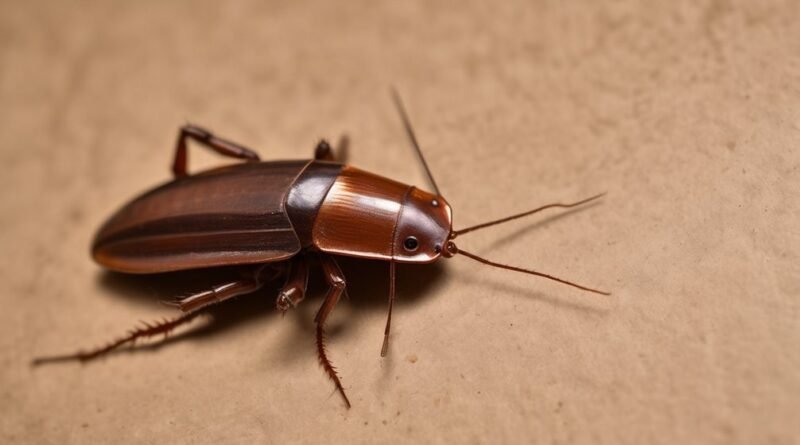
Brown-Banded Cockroach: Identification, Where They Hide, and How to Get Rid of Them
Brown-banded cockroaches are small indoor cockroaches that hide in warm, dry elevated locations — furniture, electronics, picture frames, and upper cabinet shelves — rather than the kitchens and drains where most cockroach species concentrate. They comprise about 22.7% of indoor cockroach infestations in urban homes, average 11.4 millimeters in length, and can reproduce every 42 days under optimal conditions. Approximately 65% of brown-banded cockroach sightings occur indoors in kitchens and living rooms, and they prefer temperatures between 24.6°C and 29.3°C. Their habit of gluing egg cases to furniture and walls at elevated locations makes them harder to find and eliminate than German cockroaches, and their non-moisture-dependent behavior means they spread throughout an entire home rather than concentrating near water sources.
Key Takeaways
- Brown-banded cockroaches (Supella longipalpa) are 11.4mm tan to light brown cockroaches with two distinctive pale yellowish bands across the abdomen — the feature that gives them their name.
- Unlike most cockroach species, they do not need moisture and prefer warm, dry elevated locations including furniture, electronics, picture frames, and upper cabinet shelves.
- They comprise about 22.7% of urban indoor cockroach infestations and can reproduce every 42 days, with approximately 65% of sightings occurring in kitchens and living rooms.
- Females glue egg cases to furniture undersides, walls, and ceilings rather than floor-level locations, making inspection and treatment more challenging than for German cockroaches.
- Control requires treating elevated hiding spots throughout all rooms — not just kitchen and bathroom areas — and using insect growth regulators alongside gel bait.
What Do Brown-Banded Cockroaches Look Like?
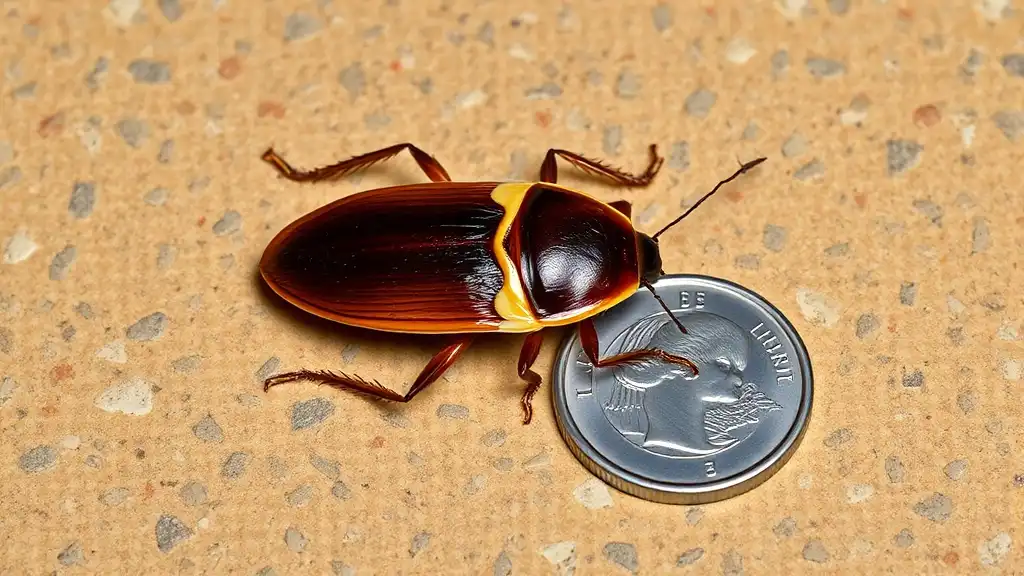
Brown-banded cockroaches (Supella longipalpa) are one of the smaller indoor cockroach species, with adults averaging 11.4 millimeters — roughly half the size of a German cockroach. Their most reliable identification feature is two pale yellowish or tan bands running across the base of the wings and abdomen, visible from above on both sexes. Body color ranges from tan to medium brown with the banding creating a contrasting striped appearance.
Males are slightly smaller and lighter in color than females, with fully developed wings that extend past the abdomen and allow short-distance flight. Females have shorter wings that do not cover the full abdomen and cannot fly. Nymphs show the same banding pattern as adults from early instars, making species identification possible even at small sizes. The banding and elevated dry-location habitat together distinguish brown-banded cockroaches from German cockroaches, which have two dark parallel stripes on the pronotum rather than bands across the abdomen. See our light brown cockroach identification guide for how brown-banded cockroaches compare to other tan and light-colored species.
Where Brown-Banded Cockroaches Hide and How They Behave
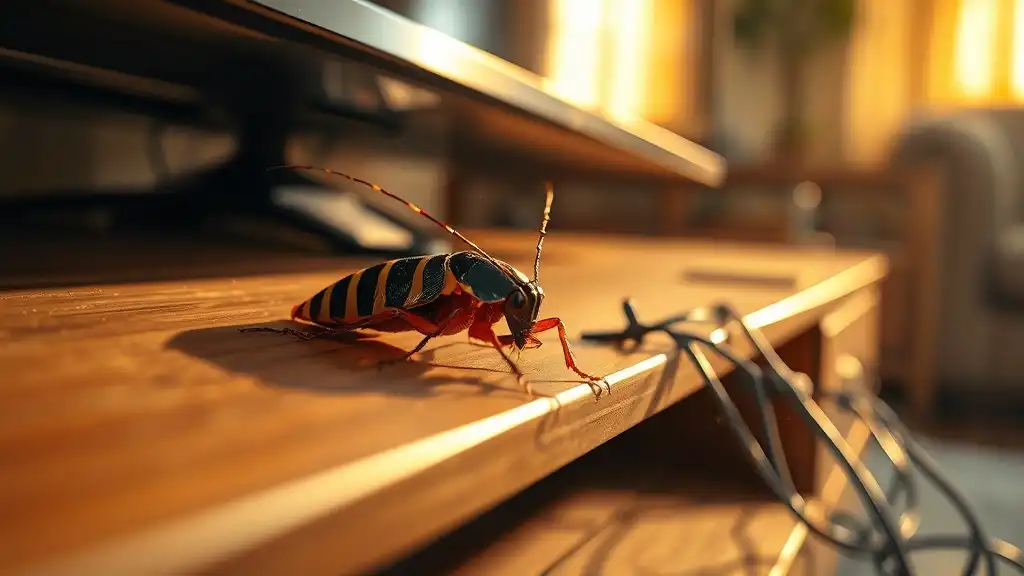
Brown-banded cockroaches behave differently from every other common household cockroach species in one critical way: they do not need moisture. While German, American, and Oriental cockroaches all concentrate near water sources, brown-banded cockroaches actively prefer warm, dry environments and spread throughout an entire home including bedrooms, living rooms, and dining areas. This is why they are sometimes called furniture roaches or television roaches — they consistently shelter in electronics, appliance motor housings, furniture crevices, behind picture frames, inside books, and along the upper edges of walls and ceilings.
They prefer temperatures between 24.6°C and 29.3°C and gravitate to the warmest areas of any room, which explains their concentration around refrigerator motor housings, televisions, and other electronics that generate heat. The elevated hiding preference separates them from floor-level cockroach species — brown-banded cockroaches are routinely found behind wall clocks, inside kitchen cabinet upper shelves, and inside small appliances. Originally native to Africa and now established throughout the United States including Florida and other warm states, they arrived through the Caribbean and have spread via infested furniture and cardboard boxes transported between buildings. Approximately 65% of sightings occur indoors in kitchens and living rooms, with the remaining 35% spread across bedrooms and other dry interior spaces where other cockroach species rarely venture.
Life Cycle and Reproduction
Brown-banded cockroaches reproduce every 42 days under optimal temperature conditions of 24.6°C to 29.3°C — a reproduction rate that explains how small infestations grow rapidly without being noticed in furniture and electronics. Females produce light brown egg capsules (oothecae) approximately 5mm long containing 10 to 18 eggs each, depositing them in protected elevated locations by gluing them to furniture undersides, the underside of drawers, inside cabinet shelving, behind picture frames, and on walls and ceilings near the upper corners of rooms. This elevated egg deposition location is the single most important behavioral difference from German cockroaches and the primary reason brown-banded infestations are missed during standard inspections — inspectors looking at floor-level and under-sink locations will not find the egg cases.
Nymphs develop through 6 to 8 molts over approximately 8 to 31 weeks depending on temperature, with warmer environments producing faster development. Adults live 3 to 11 months. A single female can produce up to 14 egg capsules during her lifetime, each containing 10 to 18 eggs. The combination of 42-day reproduction cycles, elevated egg case placement, and whole-home distribution makes brown-banded cockroach infestations significantly harder to detect early than German cockroach infestations. See our complete brown-banded cockroach identification and habits guide for detailed visual identification by life stage.
Signs of Infestation and Health Risks
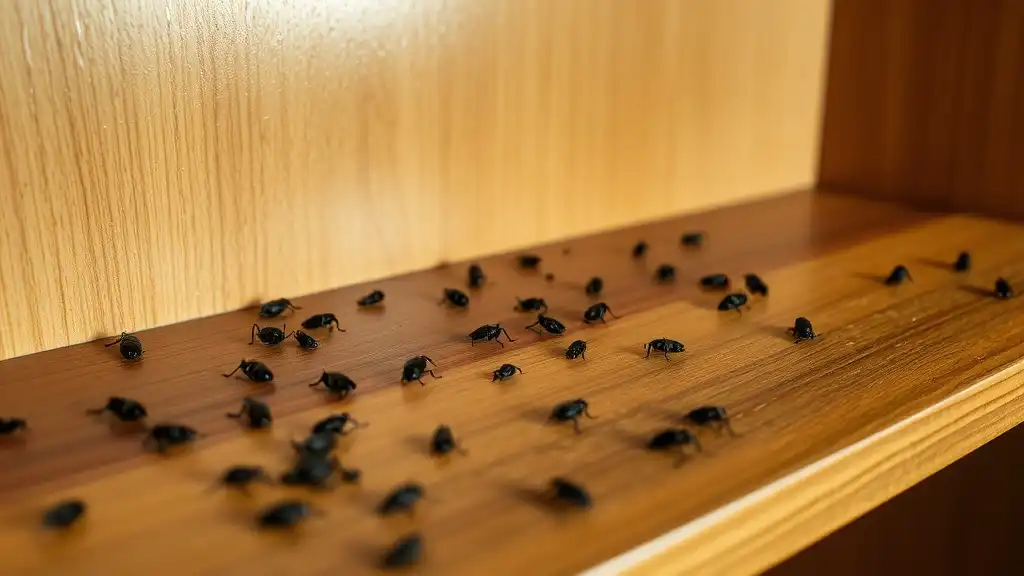
Brown-banded cockroach evidence appears in different locations than evidence from moisture-dependent species. The clearest signs of an established infestation are dark brown or black specks (droppings) concentrated at elevated locations — along the upper edges of cabinet shelves, on the undersides of furniture, and behind picture frames or wall decorations rather than along baseboards and under sinks. Egg cases glued to furniture undersides, drawer interiors, and upper wall surfaces confirm active breeding. Shed skins in furniture crevices and electronics indicate nymphs are developing through instars in those specific locations. Adult sightings in living rooms and bedrooms at night, especially near electronics, are a strong indicator given that 65% of sightings occur in kitchens and living rooms and the species’ non-moisture-dependent habitat puts them in rooms other species avoid.
Their health risks are comparable to other cockroach species. Brown-banded cockroaches contaminate food, food preparation surfaces, and food storage containers through fecal deposits and body contact. They spread bacteria including Salmonella and E. coli and carry allergens in their droppings, shed skins, and body fragments that trigger allergies and asthma in sensitive individuals. Children and people with existing respiratory conditions face the highest risk from cockroach allergen exposure. The whole-home distribution pattern of brown-banded cockroaches — including bedrooms and living rooms where people spend time sleeping and relaxing — means allergen exposure extends beyond kitchen and bathroom areas where other species concentrate.
How to Get Rid of Brown-Banded Cockroaches
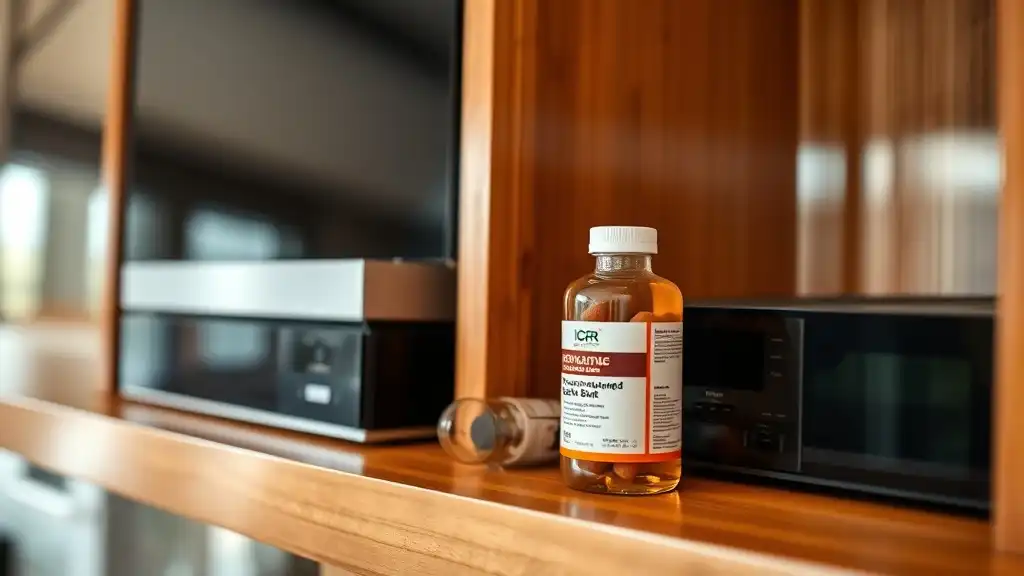
Inspect Elevated Locations First
Effective brown-banded cockroach control starts with a thorough inspection of elevated and furniture-level hiding spots rather than the floor-level and under-sink locations where German cockroach treatment focuses. Check furniture undersides, inside electronics and appliance motor housings, behind picture frames and wall decorations, inside books and stacked cardboard boxes, upper cabinet shelving, and the upper corners of rooms along wall-ceiling junctions. Finding egg cases in these elevated locations confirms the species and directs treatment placement.
Treatment Approach
Gel bait applied in elevated locations — inside cabinet shelves, along the upper edges of furniture, near electronics, and in crevices at height rather than at floor level — is the primary treatment tool. Insect growth regulators (IGRs) disrupt the 42-day reproduction cycle by preventing nymphs from completing development to adulthood, which is especially important for a species that reproduces at this rate in hard-to-access furniture locations. Residual spray applied to upper wall surfaces, inside cabinet shelves, and furniture joints covers areas gel bait cannot reach. Sticky monitoring traps placed at height along walls and near electronics quantify the population and confirm which rooms are most active.
Reduce temperatures in infested rooms where possible, since brown-banded cockroaches slow activity and reproduction significantly below 24°C. Vacuum furniture, electronics, and upper shelving areas thoroughly to remove egg cases, droppings, and shed skins before applying any treatment — mechanical removal reduces allergen load and removes eggs that insecticides cannot penetrate. For established whole-home infestations, professional treatment with harborage-specific inspection is more effective than DIY approaches because the elevated distribution pattern makes complete coverage difficult without professional-grade inspection equipment. See our brown-banded cockroach treatment guide for specific product recommendations and placement protocols.
Prevention Measures
Preventing reinfestation requires sealing cracks and crevices in furniture joints, walls, and around electronics to eliminate elevated harborage. Store cardboard boxes, books, and papers in sealed containers rather than open shelving where brown-banded cockroaches consistently shelter. Inspect secondhand furniture and electronics before bringing them inside — brown-banded cockroaches are routinely transported between buildings in infested furniture and appliances. Maintain lower indoor temperatures in storage and living areas to slow activity. Regular inspection of furniture undersides and upper wall surfaces every 30 to 60 days catches reinfestation early before populations grow enough to spread throughout multiple rooms.
Frequently Asked Questions
Are Brown-Banded Cockroaches Dangerous?
Brown-banded cockroaches pose the same indirect health risks as other cockroach species. They contaminate food and surfaces with bacteria including Salmonella and E. coli, and their droppings, shed skins, and body fragments produce allergens that trigger allergies and asthma. Their whole-home distribution pattern — including bedrooms and living areas — creates allergen exposure in rooms where people sleep and spend significant time, making them a meaningful health concern beyond the typical kitchen-centered cockroach risk profile.
Where Do Brown-Banded Cockroaches Hide in a House?
Brown-banded cockroaches hide in warm, dry, elevated locations throughout an entire home. They concentrate in electronics and appliance motor housings (refrigerators, televisions, microwaves), furniture crevices and undersides, inside cabinet upper shelving, behind picture frames and wall decorations, inside books and stacked cardboard, and along upper wall-ceiling junctions. This elevated distribution pattern distinguishes them immediately from German cockroaches, which concentrate at floor level near water sources.
How Long Does It Take to Eliminate a Brown-Banded Cockroach Infestation?
Complete elimination typically takes 4 to 8 weeks with consistent treatment. The 42-day reproduction cycle means a second treatment round after the first is critical to catch newly hatched nymphs from egg cases that survived the initial treatment. IGRs are particularly valuable for this reason — they interrupt the reproduction cycle during the weeks between bait treatments and prevent surviving nymphs from reaching reproductive adulthood. Whole-home infestations covering multiple rooms take longer to eliminate than localized kitchen infestations because treatment must be applied thoroughly across all affected elevated locations.
Can Brown-Banded Cockroaches Fly?
Males can fly short distances — their wings extend past the abdomen and are functional. Females cannot fly because their wings are shorter and do not cover the full abdomen. Male flight is most common when the cockroach is disturbed or moving between locations in a warm room. Brown-banded cockroaches prefer temperatures between 24.6°C and 29.3°C, and male flight activity increases at higher temperatures within this range.
How Do Brown-Banded Cockroaches Differ From German Cockroaches?
Three differences matter most for identification and treatment. First, banding pattern: brown-banded cockroaches have two pale bands across the abdomen, while German cockroaches have two dark parallel stripes on the pronotum behind the head. Second, moisture dependence: German cockroaches concentrate near water sources in kitchens and bathrooms, while brown-banded cockroaches prefer dry elevated locations throughout the whole home. Third, egg case placement: German cockroach females carry egg cases until hatching and deposit them at floor level, while brown-banded females glue egg cases to furniture and walls at elevated locations. These differences require completely different inspection and treatment approaches.
