
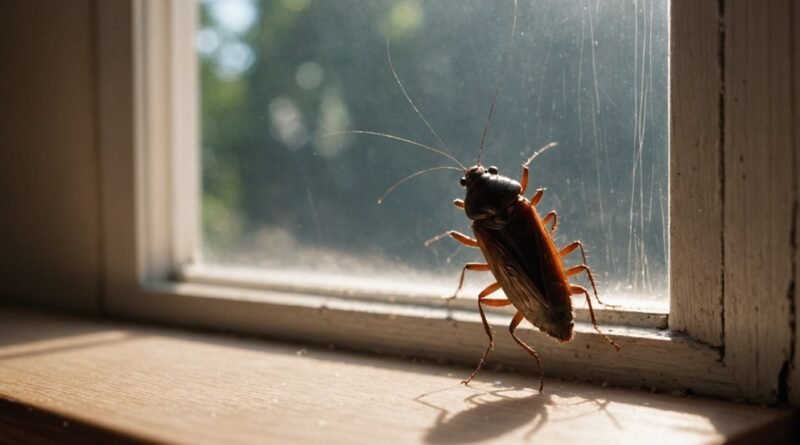
Cockroach Allergies, Symptoms, Triggers and How to Reduce Exposure
Cockroach allergies are among the most common indoor allergens in the United States, strongly linked to asthma and nasal symptoms — especially in children, inner-city residents, and people in warm-climate regions. Approximately 17.6% of urban asthma patients show sensitivity to cockroach allergens, and in affected households, allergen levels exceed safe thresholds in 68.4% of cases. Cockroach allergy symptoms include coughing, wheezing, chest tightness, nasal congestion, sneezing, watery eyes, and skin rashes — triggered by proteins found in cockroach feces, shed skins, saliva, and body parts that settle into dust throughout your home. This guide covers who is most at risk, which allergens cause reactions, how symptoms present across respiratory and skin systems, how cockroach allergies are diagnosed, available medications and treatments, and how to reduce exposure through environmental control and IPM.
Key Takeaways
- Cockroach allergens are present in 63% of U.S. homes and strongly linked to asthma, particularly in children and warm-climate inner-city settings.
- Symptoms include coughing, wheezing, chest tightness, shortness of breath, nasal congestion, sneezing, runny nose, watery eyes, and skin rashes — chronic exposure worsens asthma control significantly.
- Major allergens come from cockroach feces, saliva, shed skins, and body parts; they accumulate in household dust on bedding, carpets, and kitchen and bathroom surfaces.
- 82.3% of individuals allergic to cockroaches experience nasal congestion as a primary symptom — making it the most commonly reported cockroach allergy symptom.
- Around 24.9% of children with allergies have elevated IgE antibodies specific to cockroach proteins, with sensitized children up to three times more likely to be hospitalized for asthma.
- Reduce exposure through IPM: seal cracks, fix leaks, declutter, use gel baits, HEPA vacuuming, damp-dusting, hot-water washing of bedding, dehumidifiers, and HEPA air purifiers.
Prevalence and Who Is Most at Risk

Cockroach allergens are present throughout the United States, but the health burden is concentrated in specific populations. Sensitization ranges from 17% to 41% among patients seen in hospital allergy clinics, and approximately 26% of the general population reacts to German cockroach allergen on skin testing. The 63% of U.S. homes that contain detectable cockroach allergen levels include many homes without visible cockroach infestations — proteins persist in dust long after pest activity has been controlled. Cockroaches pose serious health risks beyond the immediate allergy response, including contamination of food and surfaces with bacteria and pathogens.
Children, Inner-City Residents, and High-Risk Groups
Inner-city housing is the highest-risk environment for cockroach allergen exposure — allergens are detected in approximately 85% of inner-city residences, and 60 to 80% of children with asthma living in these areas are sensitized to cockroach proteins. Sensitized children facing high bedroom allergen loads are approximately three times more likely to be hospitalized for asthma compared to sensitized children with lower exposure levels. Children bear the greatest burden of cockroach allergy-related morbidity — they are studied more extensively than adults and show greater respiratory impact from equivalent exposure levels.
Adults in allergy clinics show sensitization rates of 17 to 41%, but inner-city adults with asthma may show sensitization approaching levels seen in children. Warm climate and tropical regions amplify overall risk — subtropical regions report markedly higher cockroach allergen prevalence, sometimes approaching near-universal sensitization in high-exposure groups. Within cities, neighborhood differences, housing quality, crowding, income level, and proximity to food service establishments can drive two to threefold variation in cockroach allergen exposure and sensitization risk between comparable populations.
Key Cockroach Allergens and Sensitization

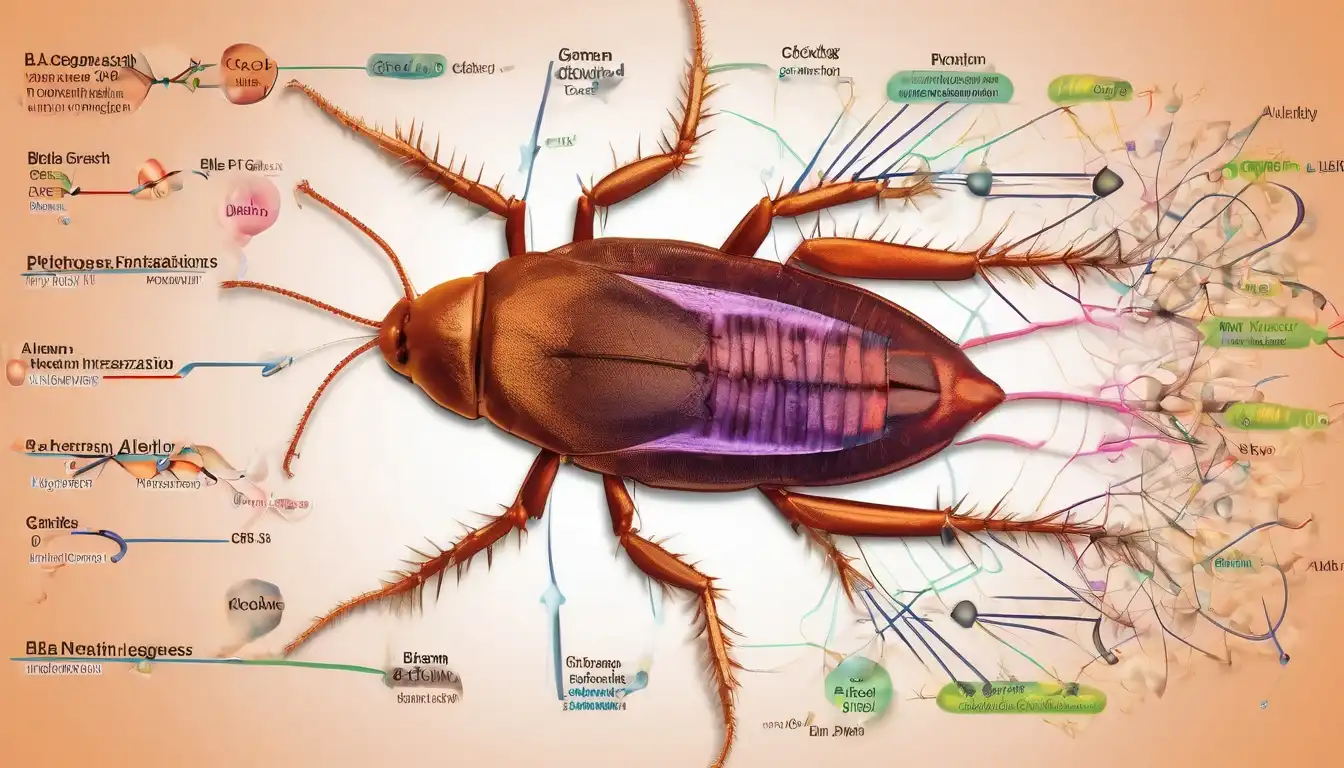
Understanding which cockroach proteins drive sensitization helps explain why allergen exposure can cause severe reactions even when no live cockroaches are present in the home. German cockroach allergens Bla g 1, Bla g 2, Bla g 4, and Bla g 5 accumulate in feces, saliva, eggs, and shed skins — with feces being the primary source of airborne allergen exposure in indoor environments. Bla g 2 is particularly potent: approximately 60 to 80% of cockroach-allergic patients produce IgE antibodies against it, and skin prick tests turn positive at concentrations as low as 10 ng/mL. American cockroach allergens include Per a 1, Per a 2, Per a 3 (hemocyanin), Per a 9 (arginine kinase), and Per a 12 (chitinase).
Group 1 allergens — Bla g 1 and Per a 1 — resemble microvilli proteins and are particularly effective at promoting immune system sensitization. Enzyme-based allergens including serine protease, alpha-amylase, and chitinase concentrate in cockroach feces and enhance airborne spread. When inhaled, these proteins trigger the airway epithelium to release pro-inflammatory cytokines including IL-8, IL-25, IL-33, and GM-CSF. Bla g 2 specifically engages the mannose receptor CD206, enhancing immune uptake and sensitization. Exposure to Bla g 1 and Bla g 2 correlates with infant wheeze, indicating that sensitization can begin in the first year of life in high-exposure environments. Genetic factors modulate individual immune responses, which is why not everyone in a high-exposure environment develops clinical allergy symptoms.
Common Symptoms of Cockroach Allergies

Even brief exposure to cockroach allergens can trigger rapid-onset allergy symptoms that extend well beyond nasal irritation. 82.3% of individuals allergic to cockroaches experience nasal congestion as a primary symptom. Cockroach allergy symptoms affect multiple body systems simultaneously — respiratory, nasal, ocular, and skin reactions can all occur from a single allergen exposure event.
Respiratory Reactions and Asthma
Respiratory symptoms are the most medically serious manifestation of cockroach allergies. Airborne cockroach allergen particles irritate airways on inhalation, triggering coughing, wheezing, chest tightness, and shortness of breath. In sensitized individuals with asthma, cockroach allergen exposure can precipitate acute asthma attacks, increase daily rescue inhaler use, and drive escalating medication needs over time. Exposure to cockroach allergens increases asthma exacerbations by 12.7% in affected individuals compared to equivalent periods of lower exposure. Chronic cockroach allergen exposure in children causes measurable drops in lung function that compound over years of ongoing sensitization, contributing to 12.8 million missed school days annually across the United States attributable to cockroach allergen-related asthma.

Allergic Rhinitis and Sinus Issues
Nasal symptoms from cockroach allergies closely resemble hay fever: persistent congestion, frequent sneezing, runny nose, postnasal drip, and itchiness of the nose, throat, and mouth. Unlike seasonal hay fever driven by outdoor pollen, cockroach allergen exposure is year-round — meaning cockroach-triggered allergic rhinitis causes chronic, persistent symptoms rather than the seasonal pattern most people associate with environmental allergies. With ongoing exposure and inflammation, cockroach allergen-driven rhinitis can progress to sinus infections, nasal polyps, and chronic rhinitis that persists year-round regardless of season or outdoor allergen levels. Cockroach allergy may be misidentified as perennial allergic rhinitis from dust mites or mold when cockroach allergen is the actual driver — specific testing is needed to distinguish between these closely overlapping conditions.
Eye Symptoms and Watery Eyes
Airborne cockroach allergen particles that settle on eye surfaces trigger allergic conjunctivitis — characterized by red, itchy, watery eyes, and swelling of the conjunctiva. Eye symptoms often accompany nasal symptoms in cockroach-allergic individuals and may be mistaken for eye infections or viral conjunctivitis. Rubbing the eyes in response to itching spreads allergen contact and worsens the inflammatory response. Antihistamine eye drops used alongside oral antihistamines provide faster ocular symptom relief than oral medications alone.
Skin Reactions and Irritations
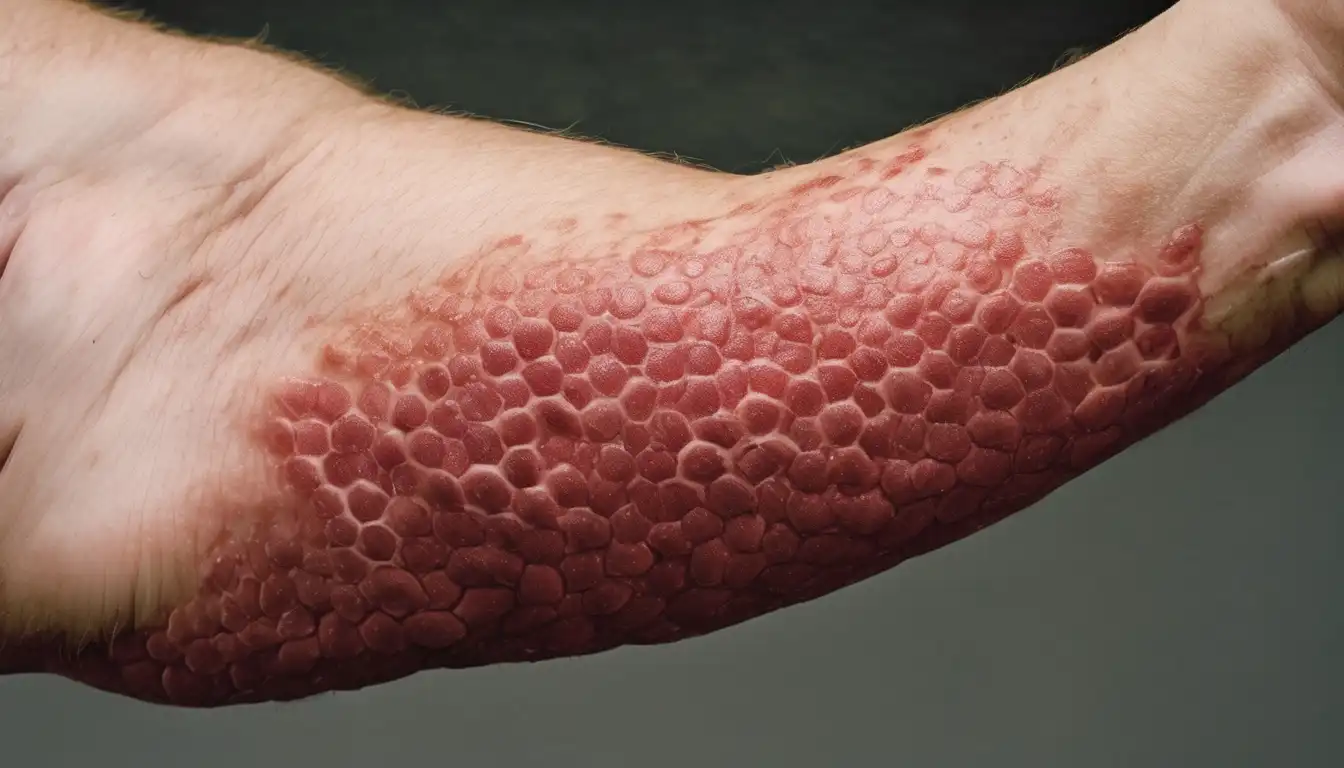
Skin reactions can arise from both direct contact with cockroach allergens and from airborne allergen exposure landing on skin surfaces. Cockroach allergy skin symptoms include redness, swelling, itchy rashes, hives (urticaria), and contact dermatitis at points of direct allergen contact. Skin prick testing for cockroach allergy produces localized wheals at the test site in sensitized individuals. Some people also experience oral allergy syndrome due to cross-reactivity between cockroach tropomyosin and shellfish tropomyosin — a structural protein shared between cockroaches and crustaceans — causing mouth itching, tingling, or swelling after eating shrimp, crab, or lobster. This cross-reactivity can produce false-positive shellfish allergy tests in cockroach-sensitized individuals.
Severity Levels of Cockroach Allergy Symptoms
Cockroach allergy symptoms range from mild intermittent nasal irritation to severe persistent asthma requiring daily controller medications and repeated hospitalizations. Mild symptoms may include occasional sneezing and mild congestion that responds readily to over-the-counter antihistamines. Moderate symptoms include more frequent nasal congestion, regular wheezing, and sleep disruption from nighttime symptoms. Severe cockroach allergy manifests as poorly controlled asthma despite medication, frequent emergency department visits, chronic sinus infections, and measurable impairment in daily activities and quality of life. Severity correlates with allergen load — households with higher bedroom allergen concentrations consistently produce more severe symptoms in sensitized occupants. Reducing home allergen levels through environmental control measures produces clinically meaningful symptom improvement even without changes to medication regimens.
Common Triggers and Home Sources
Knowing what sets off cockroach allergy symptoms helps you reduce exposure at the specific locations where allergen concentrations are highest. Cockroach allergens settle into household dust and accumulate in pillows, bedding, carpets, upholstery, and mattresses over months and years. Cockroaches in bedrooms create the highest-risk allergen exposure scenario because you breathe against pillows and mattresses for 7 to 9 hours every night. Mice allergens from skin, urine, and saliva can co-occur with cockroach allergens in inner-city housing, compounding the total allergen burden in dust throughout the home.
| Hotspot | Why It’s High Risk | What Stirs Allergens |
|---|---|---|
| Kitchen | Food and moisture attract cockroaches; highest allergen deposit rates | Cleaning, cooking activity, opening cabinets |
| Bathroom | High humidity creates ideal cockroach habitat | Shower steam, ventilation disturbance |
| Bedroom | Fabric reservoirs hold allergen near face during sleep | Nighttime breathing, pillow contact, mattress movement |
| Living room | Carpet and upholstered furniture trap and hold allergen particles | Vacuuming, sitting on furniture, foot traffic |
Activities that stir settled dust spike allergen inhalation exposure. Vacuuming or dry dusting with standard equipment launches settled cockroach allergen particles into breathing zones at concentrations significantly higher than undisturbed dust levels. Higher household occupancy adds moisture and food debris that sustain cockroach populations. Indoor plants and leaking plumbing raise humidity above the threshold where cockroach populations thrive. Small cracks in walls, floors, and around plumbing allow cockroaches to move between rooms and between units in multi-unit buildings — meaning allergen exposure can be driven by neighboring unit infestations even when your own unit is well-maintained. Cockroach allergens also hitchhike indoors on grocery boxes, used furniture, and pet food bags. Proteins can persist in household dust and remain at sensitizing levels for months after cockroaches have been eliminated, making ongoing dust management essential even after successful pest control.
Diagnosing Cockroach Allergies
Accurate diagnosis of cockroach allergy is essential for directing the right treatment and environmental control measures. Many people with cockroach allergy are misdiagnosed with dust mite allergy, mold allergy, or perennial allergic rhinitis because symptoms overlap and cockroach allergen is not always included in standard allergy testing panels without specific request.
Skin Prick Testing and Blood Tests
The primary diagnostic tools for cockroach allergy are skin prick testing and specific IgE blood testing. Skin prick testing involves applying a small amount of cockroach allergen extract to the forearm or back, pricking the skin through the extract, and measuring the resulting wheal size after 15 minutes — a wheal of 3mm or larger than the negative control indicates sensitization. Specific IgE blood testing (ImmunoCAP or RAST testing) measures the level of IgE antibodies against specific cockroach allergen proteins including Bla g 2 and Per a 9 in a blood sample drawn from a vein. Around 24.9% of children with allergies have elevated IgE antibodies specific to cockroach proteins on blood testing. Component-resolved diagnostics — testing for specific individual allergen proteins rather than whole cockroach extract — can identify which allergen components are driving sensitization, which helps predict clinical severity and cross-reactivity patterns more accurately than standard testing.
Distinguishing Cockroach Allergy from Dust Mite and Mold Allergy

Cockroach allergy and dust mite allergy produce nearly identical symptom patterns — both cause year-round allergic rhinitis, asthma, and eye symptoms that worsen with indoor exposure and improve when the person is away from home for extended periods. The critical distinction is through specific IgE testing — dust mite allergy produces elevated IgE to Der f 1 and Der p 1 allergens, while cockroach allergy produces elevated IgE to Bla g 1, Bla g 2, and related cockroach proteins. Mold allergy typically produces more seasonal variation in outdoor environments and can be identified through specific IgE testing to Alternaria, Aspergillus, and Cladosporium species. Many inner-city patients with poorly controlled asthma are sensitized to multiple indoor allergens simultaneously — cockroach, dust mites, mold, and pet dander — making comprehensive allergen panel testing essential for guiding environmental intervention priorities.
Managing Cockroach Allergy Symptoms: Medications and Treatment
Cockroach allergy treatment involves two parallel approaches: medical management of symptoms and allergen avoidance through environmental control. Medical management does not replace environmental control — reducing cockroach allergen exposure in the home produces symptom improvements that medications alone cannot fully replicate.
Over-the-Counter and Prescription Medications
Over-the-counter antihistamines including cetirizine, loratadine, and fexofenadine reduce sneezing, runny nose, itching, and watery eyes by blocking histamine receptors. Second-generation antihistamines cause significantly less sedation than first-generation options and can be taken daily for ongoing symptom control. Decongestants including pseudoephedrine reduce nasal congestion but should not be used for more than a few days without medical supervision due to rebound congestion risk. Intranasal corticosteroid sprays — including fluticasone, budesonide, and mometasone — are the most effective medications for ongoing allergic rhinitis management, reducing nasal inflammation with regular daily use. Prescription leukotriene receptor antagonists including montelukast can supplement antihistamines for patients whose symptoms are not fully controlled with standard antihistamine therapy. Allergy shots (subcutaneous immunotherapy) using cockroach allergen extracts are available through allergists and have demonstrated immune modulation including increased IgG4 levels — discuss the current evidence, availability, and individualized benefit-risk assessment with your allergist before pursuing immunotherapy specifically for cockroach allergy.
Asthma Medications for Cockroach-Triggered Asthma
Cockroach-triggered asthma requires both allergen reduction and appropriate asthma medications tailored to the individual’s severity level. Inhaled corticosteroids are the cornerstone of asthma controller therapy for persistent cockroach allergen-triggered asthma — they reduce airway inflammation, decrease exacerbation frequency, and lower hospitalization rates with regular daily use. Short-acting beta-agonist rescue inhalers provide rapid symptom relief during acute asthma episodes triggered by allergen exposure. For patients with moderate to severe cockroach allergen-triggered asthma that is not adequately controlled with standard inhaled therapies, biologics targeting IgE (omalizumab) or IL-4 and IL-13 (dupilumab) may be appropriate — discuss eligibility and current evidence with your healthcare provider or pulmonologist. Never reduce or discontinue prescribed asthma medications to manage cockroach allergen exposure without consulting your healthcare provider first.
When to See a Doctor
See an allergist or your healthcare provider when cockroach allergy symptoms are not adequately controlled by over-the-counter antihistamines, when asthma symptoms occur more than twice per week or interrupt sleep, when you or your child has been to the emergency department for asthma, when symptoms significantly impair daily activities or school attendance, when nasal symptoms have persisted year-round for more than a few months without a clear identified allergen cause, or when you suspect cross-reactivity with shellfish is causing reactions. Children in inner-city housing with poorly controlled asthma should be specifically tested for cockroach allergen sensitization — 17.6% of urban asthma patients show sensitivity to cockroach allergens, and targeted cockroach allergen reduction in the home produces measurable improvements in asthma outcomes in sensitized children. Seek emergency medical care immediately if you experience difficulty breathing, severe wheezing, throat swelling, or signs of anaphylaxis following allergen exposure.
Strategies to Reduce Exposure and Control Allergens
Environmental control targeting cockroach allergens requires a simultaneous approach — cleaning to remove existing allergen deposits, pest control to eliminate the source of ongoing allergen production, and structural modifications to reduce re-entry and allergen accumulation. No single intervention alone produces the allergen reduction needed for meaningful symptom improvement; the combination of measures below produces results that individual steps cannot achieve independently.
Cleaning, HEPA Vacuuming, and Bedding Management
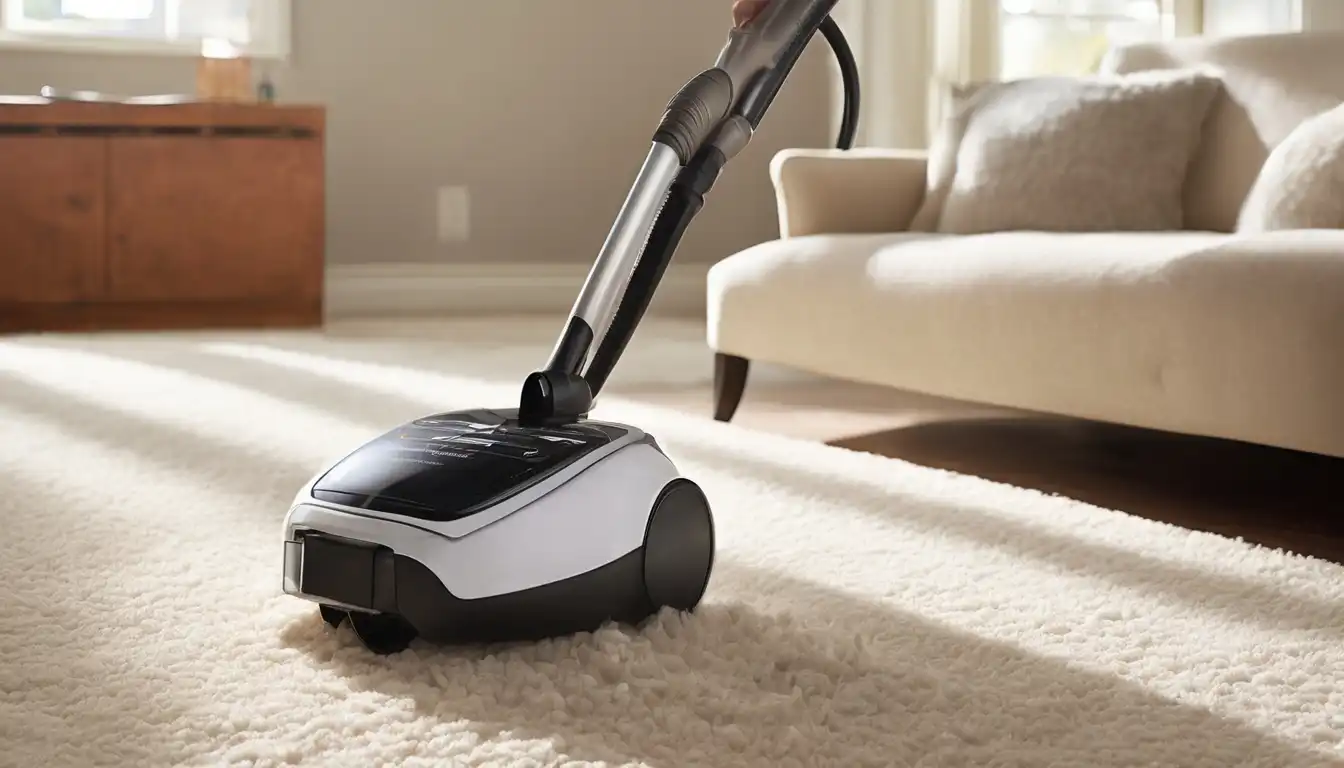
Vacuum all carpets, rugs, and upholstered furniture weekly using a HEPA-filter vacuum — standard vacuums without HEPA filtration redistribute fine cockroach allergen particles into the breathing zone rather than capturing them. Follow vacuuming with damp-dusting and damp-mopping to capture and remove settled particles rather than aerosolizing them. Wash all bedding, curtains, and washable soft furnishings weekly in hot water at 130°F (54.4°C) — this temperature kills cockroach allergen proteins and dust mites simultaneously. Use allergen-proof mattress covers, pillow covers, and box spring covers on all bedroom sleeping surfaces to create a physical barrier between allergen-laden dust and the breathing zone during sleep. Consider replacing bedroom carpet with hard flooring — non-carpeted surfaces harbor cockroach allergens at measurable levels but are significantly easier to effectively clean than carpet fibers.
Moisture Control, Structural Exclusion, and IPM
Fix all plumbing leaks immediately — cockroaches die within 48 to 72 hours without water access, making moisture elimination one of the most effective long-term allergen reduction strategies available. Use dehumidifiers or air conditioning to keep indoor humidity below 50% — this level inhibits both cockroach survival and dust mite population growth, reducing dual allergen exposure. Seal cracks around windows, doors, floors, and walls with silicone caulk; fill pipe penetrations with steel wool and caulk; install door sweeps on exterior doors. These structural exclusion measures reduce cockroach entry and are among the most durable allergen reduction investments a household can make. Cockroach diseases and allergen spread are closely connected — eliminating the pest source is the only way to stop ongoing allergen production.
Use IPM for cockroach control: place gel baits and boric acid in targeted hotspots rather than using broad spray insecticides — spray treatments scatter cockroaches into new areas, disturb allergen-laden dust, and produce chemical residues that create additional respiratory irritants in the home. Engage a licensed exterminator for professional inspection and treatment when cockroach activity is confirmed. Clear all clutter that provides harborage, store food in sealed airtight containers, empty trash cans daily with lids, and store pet food in sealed containers. Finish environmental control with HEPA air purifiers in bedrooms and main living areas — models with adequate Clean Air Delivery Rate (CADR) for the room size capture most airborne cockroach allergen particles and produce measurable indoor air quality improvement when used alongside cleaning and pest control measures. Wash hands after contact with any surface where cockroach allergen may be present.
Frequently Asked Questions About Cockroach Allergy Symptoms

What are the common symptoms of cockroach allergies?
Common cockroach allergy symptoms include nasal congestion, sneezing, runny nose, postnasal drip, coughing, wheezing, chest tightness, shortness of breath, watery and itchy eyes, skin rashes, and hives. 82.3% of cockroach-allergic individuals experience nasal congestion as a primary symptom. In sensitized individuals with asthma, cockroach allergen exposure can trigger acute asthma attacks and increase emergency department visits. Symptoms are typically year-round rather than seasonal because cockroach allergen persists in household dust continuously.
How soon do symptoms appear after cockroach allergen exposure?
Cockroach allergy symptoms can appear within minutes of significant allergen exposure in highly sensitized individuals — particularly respiratory symptoms including sneezing, congestion, and wheezing. Skin reactions including redness and itching typically develop within 15 to 60 minutes of direct allergen contact. In individuals with asthma, bronchospasm from inhaled allergen can occur rapidly. Chronic low-level exposure causes gradual worsening of ongoing symptoms rather than acute dramatic reactions, which is why many people do not connect their persistent congestion and asthma to cockroach allergen until specific testing is done.
Can cockroach allergies cause asthma?

Yes — cockroach allergen exposure is a major trigger for asthma attacks in sensitized individuals, and in children it is one of the most significant contributors to poorly controlled asthma. Approximately 17.6% of urban asthma patients show sensitivity to cockroach allergens, and exposure increases asthma exacerbations by 12.7% in affected individuals. Sensitized children with high bedroom allergen loads are approximately three times more likely to be hospitalized for asthma. Reducing cockroach allergen levels in the home through cleaning, pest control, and structural exclusion produces measurable improvements in asthma control and reduces medication requirements in sensitized children.
Are skin rashes a symptom of cockroach allergy?
Yes — skin rashes, hives, redness, and itching can develop from cockroach allergy through both direct contact with allergen-contaminated surfaces and airborne allergen landing on exposed skin. Contact dermatitis and urticaria (hives) are the most common skin manifestations. Some individuals also experience oral allergy syndrome from cross-reactivity between cockroach tropomyosin and shellfish proteins, causing mouth itching or swelling after eating shrimp or crab. Skin prick testing in an allergist’s office will produce a localized wheal response at the test site in sensitized individuals — this is a diagnostic tool, not a symptom itself.
How do I differentiate cockroach allergy from dust mite allergy?
Cockroach allergy and dust mite allergy produce nearly identical symptom patterns — both cause year-round nasal congestion, sneezing, wheezing, and eye symptoms that worsen indoors. The only reliable way to differentiate them is through specific IgE blood testing or skin prick testing that measures reactivity to the individual allergen proteins of each. Your allergist can test for cockroach-specific IgE (Bla g 1, Bla g 2) alongside dust mite-specific IgE (Der f 1, Der p 1) in the same blood sample. The distinction matters for directing environmental control efforts — cockroach allergen reduction and dust mite allergen reduction require different interventions, though some measures such as HEPA vacuuming and hot-water washing of bedding help with both.
When should I see a doctor for cockroach allergy symptoms?
See a doctor or allergist if your symptoms are not controlled by over-the-counter antihistamines after two weeks of use, if asthma symptoms occur more than twice per week or interrupt sleep, if you or your child has visited an emergency department for asthma, if symptoms significantly affect school attendance or daily activities, or if you have persistent year-round nasal symptoms without a confirmed allergen cause. Children in inner-city environments with poorly controlled asthma should be specifically evaluated for cockroach allergen sensitization — this is a commonly missed diagnosis that, when identified and addressed through targeted allergen reduction, can significantly improve asthma outcomes. Seek emergency care immediately for severe breathing difficulty, throat swelling, or signs of anaphylaxis.
Do air purifiers with HEPA filters help with cockroach allergies?
Yes — HEPA air purifiers capture most airborne cockroach allergen particles and produce meaningful improvements in indoor air quality when used alongside cleaning and pest control. Choose a model with a CADR rating appropriate for the room size — undersized units do not achieve the air exchange rate needed for meaningful allergen reduction. Place the purifier in the bedroom first, as this is where allergen exposure during sleep has the most direct impact on asthma control and sleep quality. HEPA purifiers should not be used as a standalone intervention — they reduce airborne allergen but do not address the settled allergen reservoir in dust, bedding, and carpets that accounts for the majority of ongoing exposure. Combine purifier use with HEPA vacuuming, hot-water washing of bedding, and active cockroach control for maximum allergen reduction.
Is immunotherapy available for cockroach allergy?
Subcutaneous immunotherapy (allergy shots) using cockroach allergen extracts is available through select allergists. Research has demonstrated that cockroach immunotherapy produces immune system changes including increased specific IgG4 antibodies — evidence of immune tolerance development. However, consistent clinical symptom relief from cockroach immunotherapy has not been as robustly demonstrated in controlled trials as it has for pollens and dust mites. Non-standardized cockroach extract formulations and variability in treatment protocols contribute to this uncertainty. Discuss your specific situation, available extract options, treatment schedule requirements, and the current evidence with your allergist to determine whether immunotherapy is appropriate for your cockroach allergy management.
