
Diseases Linked to Cockroaches and How They Spread in Homes
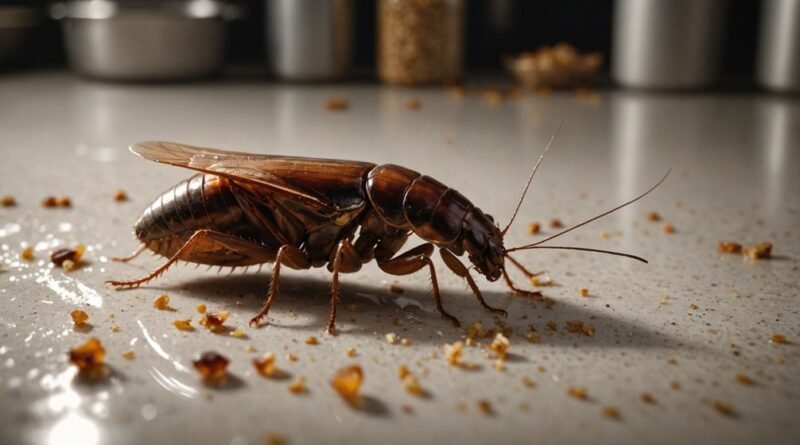
Cockroaches are linked to a wide range of diseases in humans, including Salmonella food poisoning, typhoid fever, gastroenteritis, hepatitis A, dysentery, and cholera through bacterial and viral contamination of food and surfaces. They also trigger asthma and allergies through shed skins, droppings, and saliva that become airborne in infested homes. German cockroaches are the most common indoor species responsible for pathogen transmission in the United States, with American, Oriental, and brown-banded cockroaches playing secondary roles.
Key Takeaways
Understanding which diseases cockroaches transmit and how they spread them shapes the most effective response for protecting your household.
- Cockroaches carry Salmonella, E. coli, Staphylococcus aureus, Streptococcus, and dozens of other bacteria internally and on their bodies, depositing them on food and surfaces during overnight foraging.
- Common illnesses from cockroach contamination include gastroenteritis and food poisoning, with symptoms appearing within 12 to 72 hours of ingesting contaminated food.
- Cockroach allergens from droppings, saliva, and shed skins trigger asthma attacks, wheezing, and chronic respiratory inflammation, particularly in children living in high-exposure homes.
- German cockroaches are the dominant indoor species in the United States; their rapid reproduction and preference for kitchens and bathrooms make them the most significant disease transmission risk.
- Reducing cockroach infestations through sanitation, exclusion, and targeted IPM pest control directly reduces both infection risk and allergen burden in the home.
Diseases Carried and Spread by Cockroaches
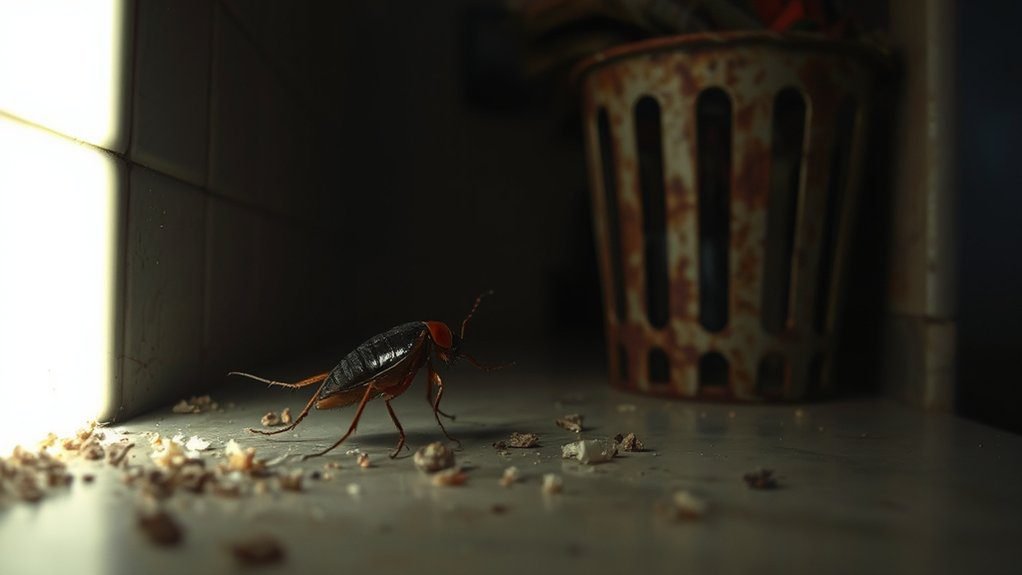
Cockroaches do not inject toxins or bite in a way that directly transmits disease. They are mechanical vectors, meaning they carry pathogens on their bodies and in their digestive systems and deposit them onto food, preparation surfaces, utensils, and storage areas during foraging. The range of microorganisms cockroaches have been documented to carry in studies across multiple countries is substantial, spanning bacteria, viruses, parasitic worms, and protozoa.
Bacterial pathogens represent the most documented disease risk. Salmonella species cause salmonellosis, producing diarrhea, fever, and abdominal cramps within 12 to 72 hours of ingesting contaminated food. Some Escherichia coli strains produce toxins that cause severe gastrointestinal illness, including bloody diarrhea in vulnerable individuals. Staphylococcus aureus is particularly dangerous because its heat-stable toxins survive cooking temperatures, meaning food contaminated by cockroaches before cooking can still cause food poisoning after being heated. Salmonella Typhi, the bacterium responsible for typhoid fever, has been isolated from cockroach specimens in multiple studies, representing a life-threatening systemic infection risk.
Full List of Diseases Linked to Cockroaches
Research has documented cockroach association with a broader range of diseases than most people recognize. The following conditions have been linked to cockroach mechanical transmission through field studies and laboratory evidence.
- Salmonellosis: caused by Salmonella species carried internally in cockroach guts and deposited in feces
- Typhoid fever: linked to Salmonella Typhi isolated from cockroach specimens in urban environments
- Gastroenteritis and food poisoning: caused by E. coli, Staphylococcus, and multiple Enterobacteriaceae species
- Dysentery: associated with cockroach carriage of Shigella species in high-infestation environments
- Cholera: Vibrio cholerae has been detected in cockroaches in endemic regions
- Hepatitis A: virus detected in cockroach populations with documented decline in outbreak rates following cockroach eradication programs
- Gastroenteritis from norovirus and rotavirus: both detected in cockroach specimens in residential and food service environments
- Intestinal parasites: multiple helminth species and protozoa including Cryptosporidium and Giardia transmitted mechanically via cockroach body contact and fecal deposit
Viral and Parasitic Diseases Linked to Cockroaches
Beyond bacterial contamination, cockroaches carry viruses and parasites that produce distinct disease presentations. Sapovirus has been detected at high prevalence in German cockroach populations, and poliovirus has been identified in cockroach specimens from endemic areas. Hepatitis A virus transmission through cockroach mechanical spread is supported by epidemiological evidence showing outbreak declines following targeted cockroach control programs.
Parasitic transmission occurs through both body surface carriage and gut passage survival. Cockroach exoskeletons carry parasite eggs and cysts that adhere during movement through contaminated areas. Some parasitic organisms survive gut passage and are shed in viable form in feces, contaminating kitchen surfaces and food storage areas. Cryptosporidium and Blastocystis hominis have both been isolated from cockroach specimens, though the strength of the link to human illness cases varies by study population and geographic location.
How Cockroaches Spread Pathogens Indoors
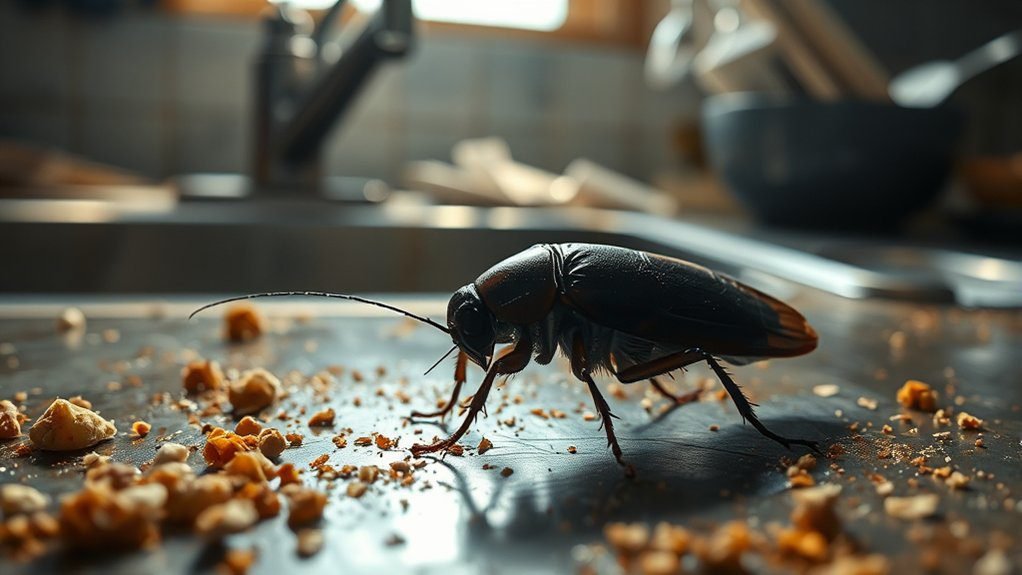
The disease transmission pathway begins in the contaminated environments cockroaches inhabit between foraging cycles: sewers, drains, garbage areas, crawl spaces, and wall voids where feces, organic debris, and pathogens accumulate. As cockroaches move from these areas into kitchens and food storage zones, their legs, antennae, and body surfaces mechanically transfer bacteria, viruses, and parasites onto every surface they contact.
German cockroaches are particularly effective at indoor pathogen spread because of their preference for kitchens and bathrooms where food and moisture are concentrated. They slip through cracks and crevices too small to notice, travel electrical conduits and plumbing pipes between rooms and apartments, and colonize quickly once a harborage is established. Their droppings, shed skins, and body secretions contaminate floors, countertops, cabinet interiors, and food containers during nightly foraging, with contamination persisting on surfaces for days after deposition.
Antibiotic-Resistant Strains in Cockroach Populations
A growing body of research identifies cockroaches as carriers of antibiotic-resistant bacteria, raising the disease risk profile beyond straightforward foodborne illness. Studies have isolated multi-drug resistant Staphylococcus aureus, Enterococcus faecalis, Klebsiella pneumoniae, Salmonella species, and E. coli from cockroach specimens collected in residential homes, hospitals, and restaurants. Strains resistant to five or more antibiotics have been documented, with hospital-dwelling cockroach populations carrying the highest resistance gene concentrations due to selection pressure from clinical antibiotic use.
- Multi-drug resistant E. coli strains resistant to up to seven antibiotics isolated from cockroach gut samples
- Methicillin-resistant Staphylococcus aureus detected in cockroach specimens from hospital environments
- Antibiotic resistance genes transfer between bacterial species within the cockroach gut through conjugative plasmids and transposons
- Cockroach populations exposed to sublethal bait concentrations show increased susceptibility to certain Salmonella strains, potentially amplifying gut transmission dynamics
Common Illnesses and Symptoms From Cockroach Exposure
The illnesses produced by cockroach-contaminated food and surfaces present with recognizable symptoms that vary by pathogen. Gastroenteritis is the most common presentation, producing vomiting, diarrhea, stomach cramps, nausea, and dehydration. Onset typically occurs within hours to days of ingesting contaminated food depending on the causative organism and the bacterial load.
Salmonellosis specifically produces diarrhea, fever, and abdominal cramps within 12 to 72 hours of exposure. Most healthy adults recover within a week without treatment, but immunocompromised individuals, young children, elderly people, and pregnant women face risk of systemic infection and hospitalization. Staphylococcal food poisoning caused by heat-stable toxins deposited on food before cooking produces rapid-onset nausea and vomiting within 30 minutes to 8 hours, often without fever. Hepatitis A infection from cockroach-contaminated food or surfaces produces fatigue, jaundice, abdominal pain, and loss of appetite, with symptoms appearing 2 to 6 weeks after exposure.
| Illness | Causative Pathogen | Hallmark Symptoms | Onset |
|---|---|---|---|
| Salmonellosis | Salmonella species | Diarrhea, fever, abdominal cramps | 12 to 72 hours |
| Food poisoning | Staphylococcus aureus toxins | Nausea, vomiting, cramps | 30 minutes to 8 hours |
| Typhoid fever | Salmonella Typhi | Sustained fever, weakness, rash | 1 to 3 weeks |
| Hepatitis A | Hepatitis A virus | Fatigue, jaundice, abdominal pain | 2 to 6 weeks |
| Gastroenteritis | E. coli, norovirus, rotavirus | Diarrhea, vomiting, dehydration | Hours to days |
| Asthma attack | Cockroach allergens | Wheezing, chest tightness, coughing | Minutes after exposure |
Cockroach Species Most Often Implicated in Disease Transmission
Four species account for the majority of cockroach-linked disease transmission in homes and commercial buildings in the United States and globally. Understanding the biology and habitat preferences of each species clarifies why they present different levels of health risk.
German cockroach (Blattella germanica) is the most significant indoor pest species from a public health perspective. Its preference for kitchens and bathrooms means it consistently forages in food preparation and storage zones. Small size allows deep penetration into cracks, cabinet hinges, and appliance interiors. Rapid reproduction creates large populations quickly. German cockroaches have been linked to Salmonella, Staphylococcus, Streptococcus, hepatitis viruses, typhoid agents, and dysentery organisms including drug-resistant strains in studies across multiple countries.
American Cockroach Disease Risks
American cockroach (Periplaneta americana) is the largest common indoor pest species and favors warm, humid environments including sewers, drains, crawl spaces, and utility rooms. Its regular movement through sewer systems and drain connections creates direct pathways for Salmonella, E. coli, and Staphylococcus transfer from fecal contamination sources into food preparation areas. American cockroaches are significant vectors in restaurant kitchens, institutional food service buildings, and anywhere with accessible sewer connections.
Oriental Cockroach Disease Risks
Oriental cockroach (Blatta orientalis) inhabits damp, unsanitary sites and is strongly associated with fecal matter from sewers and decaying organic material. Its disease risk profile reflects this habitat: gastrointestinal bacteria including antibiotic-resistant strains are commonly isolated from specimens, and the species’ frequent contact with fecal sources makes it a plausible mechanical vector for hepatitis A virus. Oriental cockroaches are less common indoors than German or American species but are found in basements, crawl spaces, and drain systems of older buildings.
Brown-Banded Cockroach and Other Species
Brown-banded cockroach (Supella longipalpa) lives entirely indoors and distributes itself throughout the home rather than concentrating in kitchens and bathrooms. While it does carry pathogens, its disease transmission role is smaller than German or American species because of its distribution pattern and lower association with fecal contamination sources. Turkestan cockroaches are increasingly common in the southern United States and can carry microbes into structures, though documentation of specific disease links remains more limited than for the four primary species.
Health Impacts Beyond Infections: Allergies and Asthma
The most widespread health impact of cockroach infestations in developed countries is not direct infection but allergen sensitization that triggers and worsens asthma and allergic disease. Cockroach allergen proteins from droppings, saliva, shed skins, and body parts become incorporated into household dust and remain airborne during cleaning and daily movement through infested spaces.
Sensitized individuals, particularly children, develop chronic airway inflammation and hyperresponsiveness that produces wheezing, coughing, chest tightness, shortness of breath, nasal congestion, skin rashes, and recurrent sinus and ear infections. Children with positive cockroach allergy skin tests living in high-exposure homes face 3.4 times higher asthma hospitalization rates, 78 percent more unplanned hospital visits, more frequent nighttime wheezing, and significantly higher rates of school absence than non-sensitized children in the same communities.
How Cockroach Allergy Sensitization Develops
Cockroach allergen proteins and proteases penetrate the airway epithelial barrier, activate immune signaling through PAR-2 receptors, and trigger the release of cytokines including TSLP, IL-25, and IL-33. These signals activate innate lymphoid cells and dendritic cells that drive the body toward T-helper 2 immune responses, producing allergen-specific IgE antibodies. Once IgE is established, subsequent cockroach allergen exposures trigger rapid mast cell degranulation and the immediate bronchospasm and airway inflammation of an allergic asthma attack.
Respiratory Health Burden From Cockroach Allergens
- Cockroach allergen levels exceeding approximately 8 units per gram in bedroom dust are associated with significantly more severe asthma symptoms and hospitalizations in sensitized children
- Allergens embedded in carpeting, upholstered furniture, and bedding continue releasing particles into breathing air long after an infestation is eliminated, requiring active remediation
- Co-exposure to mold, dust mites, tobacco smoke, and combustion pollutants amplifies cockroach allergen effects, producing worse asthma outcomes than any single exposure alone
- Black and Latino children in urban housing face disproportionate cockroach allergen burdens linked to housing quality disparities, contributing to persistent asthma health inequities
Cockroach Diseases by Transmission Route
Organizing diseases by how cockroaches transmit them clarifies which hygiene and control measures address each risk most effectively.
Direct food contamination occurs when cockroaches walk across food, food preparation surfaces, or utensils, depositing bacteria and viruses from their bodies and feces. This is the primary transmission route for most foodborne illness linked to cockroach infestations including salmonellosis, gastroenteritis, and staphylococcal food poisoning. Storing all food in sealed airtight containers and disinfecting food preparation surfaces daily directly addresses this route.
Surface contact transmission occurs when people touch contaminated surfaces and then touch their mouths or food without washing hands. This route is particularly significant for virus transmission including norovirus and hepatitis A. Frequently disinfecting high-contact surfaces including countertops, cabinet handles, and kitchen fixtures reduces this transmission pathway.
Airborne allergen transmission occurs when cockroach allergen particles from droppings and shed skins become resuspended during cleaning, movement, or air circulation. HEPA filtration and HEPA vacuum cleaning reduce airborne allergen concentrations. This route is responsible for asthma attacks and allergic reactions rather than direct infectious disease.
Practical Steps to Prevent and Control Cockroach Infestations
Reducing disease risk from cockroaches requires addressing both the active infestation and the environmental conditions that sustain it. Cleaning surfaces removes deposited pathogens, but it does not stop the cockroach population from producing new contamination every night. Effective disease risk reduction combines food source elimination, moisture control, physical exclusion, and targeted pest control into a coordinated ongoing routine.
Eliminate Food and Water Sources
Store all food including pet food in tightly sealed airtight containers. Wipe counters, floors, and appliances daily and clean under appliances where food debris and grease accumulate invisibly. Wash dishes after every meal rather than leaving them overnight. Empty indoor trash into sealed outdoor bins nightly. Fix all water leaks promptly and dry sinks, tubs, and kitchen countertops before bed to eliminate the moisture cockroaches depend on for survival. Remove cardboard boxes and paper clutter from kitchens and pantries that serve as cockroach harborage.
Seal Entry Points Against Cockroaches
Inspect baseboards, pipe penetrations under sinks, gaps behind appliances, and any crack in walls and floors along shared building walls. Use silicone caulk for gaps up to half an inch and expanding foam followed by caulk for larger openings around plumbing and utility penetrations. Install door sweeps on exterior doors and repair damaged window screens. Screen exterior vents with fine mesh. Seal gaps around electrical outlets and switch plates on walls shared with neighboring units.
Targeted Pest Control to Reduce Disease Risk
Gel baits and bait stations placed inside cabinet bases, beneath appliances, and around pipe penetrations provide the most effective colony-level population reduction for kitchen cockroach infestations. They confine active ingredients to enclosed harborage zones rather than spraying them onto food preparation surfaces. Deploy sticky monitoring traps to track population trends and guide where bait placements need to be increased or shifted. Add insect growth regulators to harborage zones to suppress reproduction across multiple generations. Professional pest control is warranted when home IPM programs do not produce consistent population decline within four weeks, when the infestation involves wall voids and multiple rooms, or when the building requires coordinated treatment across multiple units.
When to See a Doctor After Cockroach Exposure
Most healthy adults who experience mild gastroenteritis from cockroach-contaminated food recover without medical treatment through rest and hydration. Medical attention is warranted in several situations: diarrhea persisting beyond three days, high fever above 102 degrees Fahrenheit, signs of severe dehydration including decreased urination and dizziness, bloody diarrhea which may indicate E. coli O157:H7 or Salmonella infection, or any severe symptoms in young children, elderly individuals, pregnant women, or immunocompromised people.
Hepatitis A infection requires medical evaluation as liver function monitoring is important during the acute phase. Typhoid fever always requires prompt medical treatment with appropriate antibiotics. For asthma attacks triggered by cockroach allergen exposure, follow your child’s written asthma action plan and seek emergency care if rescue inhaler use does not improve symptoms within 20 minutes.
Frequently Asked Questions
Are Cockroach-Borne Diseases Covered by Renters or Homeowners Insurance?
Standard renters and homeowners insurance policies do not cover cockroach-borne disease treatment, pest control costs, or infestation cleanup. Insurers classify cockroach infestations as maintenance issues rather than covered perils, meaning extermination, remediation, and any associated medical costs are the homeowner’s or tenant’s responsibility. Some policies offer add-on pest protection riders; read exclusions carefully before purchasing. In rare cases where an infestation results from a covered sudden peril such as flooding that creates conditions for rapid pest entry, limited coverage may apply depending on the specific policy language.
Can Pets Transmit Cockroach Pathogens to Humans After Contact?
Yes. Pets that contact cockroaches or cockroach-contaminated surfaces can mechanically transfer bacteria, parasites, and allergens to humans through fur, paws, and saliva. Dogs and cats that consume cockroaches may ingest viable pathogens that are subsequently shed in their feces. Wash hands after handling pets in infested homes, disinfect pet food and water bowl areas regularly, and maintain consistent cockroach control to reduce the transmission pathway through animal contact. Regular veterinary checkups monitor for any gastrointestinal parasites that could indicate shared pathogen exposure between pets and household cockroaches.
Do Air Purifiers Reduce Cockroach Disease Risk Effectively?
HEPA air purifiers reduce airborne cockroach allergen particle concentrations meaningfully, with documented reductions of 25 to 50 percent in indoor airborne particle levels under continuous operation conditions. For asthma and allergy management this provides real benefit. However, air purifiers do not address the primary disease transmission routes from cockroaches: direct food contamination and surface contact with deposited feces and body secretions. Combine HEPA purifier use with consistent surface disinfection, food storage in sealed containers, and active pest population control for comprehensive disease risk reduction.
How Long Do Cockroach Pathogens Survive on Household Surfaces?
Survival time varies significantly by pathogen type and surface conditions. Bacterial pathogens deposited in cockroach feces can survive from several hours to several months depending on surface type, temperature, and humidity. Salmonella persists in cockroach droppings for 3 to 20 days under typical indoor conditions. E. coli survives in feces for up to 8 days. Viruses generally survive from hours to days on dry surfaces with extended survival on moist or porous materials. Hard, cool, moist surfaces extend pathogen survival while warm, dry conditions shorten it. Use EPA-approved disinfectants or 70 percent or higher alcohol to eliminate surface-deposited pathogens during cleaning.
Are There Legal Requirements to Disclose Cockroach Infestations to Tenants or Buyers?
Real estate disclosure requirements for cockroach infestations vary by state and municipality. In many jurisdictions, sellers must disclose known active pest infestations as material defects; failure to disclose can expose sellers to rescission claims or damages after sale. As a landlord, the legal obligation is generally to provide habitable housing including pest-free conditions and to remediate infestations promptly after receiving notice from tenants. Prior infestations that were remediated before a tenancy began typically do not require disclosure unless local ordinances specify otherwise. Consult local housing law or a tenant rights attorney for jurisdiction-specific requirements before making decisions based on general guidance.
{
“@context”: “https://schema.org”,
“@type”: “FAQPage”,
“mainEntity”: [
{
“@type”: “Question”,
“name”: “Are Cockroach-Borne Diseases Covered by Renters or Homeowners Insurance?”,
“acceptedAnswer”: {
“@type”: “Answer”,
“text”: “Standard renters and homeowners insurance policies do not cover cockroach-borne disease treatment, pest control costs, or infestation cleanup. Insurers classify cockroach infestations as maintenance issues rather than covered perils, meaning extermination, remediation, and any associated medical costs are the homeowner’s or tenant’s responsibility. Some policies offer add-on pest protection riders; read exclusions carefully before purchasing. In rare cases where an infestation results from a covered sudden peril, limited coverage may apply depending on the specific policy language.”
}
},
{
“@type”: “Question”,
“name”: “Can Pets Transmit Cockroach Pathogens to Humans After Contact?”,
“acceptedAnswer”: {
“@type”: “Answer”,
“text”: “Yes. Pets that contact cockroaches or cockroach-contaminated surfaces can mechanically transfer bacteria, parasites, and allergens to humans through fur, paws, and saliva. Dogs and cats that consume cockroaches may ingest viable pathogens subsequently shed in their feces. Wash hands after handling pets in infested homes, disinfect pet food and water bowl areas regularly, and maintain consistent cockroach control to reduce the transmission pathway through animal contact.”
}
},
{
“@type”: “Question”,
“name”: “Do Air Purifiers Reduce Cockroach Disease Risk Effectively?”,
“acceptedAnswer”: {
“@type”: “Answer”,
“text”: “HEPA air purifiers reduce airborne cockroach allergen particle concentrations meaningfully, with documented reductions of 25 to 50 percent in indoor airborne particle levels under continuous operation. For asthma and allergy management this provides real benefit. However, air purifiers do not address the primary disease transmission routes: direct food contamination and surface contact with deposited feces and body secretions. Combine HEPA purifier use with consistent surface disinfection, food storage in sealed containers, and active pest population control for comprehensive disease risk reduction.”
}
},
{
“@type”: “Question”,
“name”: “How Long Do Cockroach Pathogens Survive on Household Surfaces?”,
“acceptedAnswer”: {
“@type”: “Answer”,
“text”: “Survival time varies significantly by pathogen type and surface conditions. Salmonella persists in cockroach droppings for 3 to 20 days under typical indoor conditions. E. coli survives in feces for up to 8 days. Viruses generally survive from hours to days on dry surfaces with extended survival on moist or porous materials. Hard, cool, moist surfaces extend pathogen survival while warm, dry conditions shorten it. Use EPA-approved disinfectants or 70 percent or higher alcohol to eliminate surface-deposited pathogens during cleaning.”
}
},
{
“@type”: “Question”,
“name”: “Are There Legal Requirements to Disclose Cockroach Infestations to Tenants or Buyers?”,
“acceptedAnswer”: {
“@type”: “Answer”,
“text”: “Real estate disclosure requirements for cockroach infestations vary by state and municipality. In many jurisdictions, sellers must disclose known active pest infestations as material defects. As a landlord, the legal obligation is generally to provide habitable housing including pest-free conditions and to remediate infestations promptly after receiving notice from tenants. Prior infestations that were remediated before a tenancy began typically do not require disclosure unless local ordinances specify otherwise. Consult local housing law or a tenant rights attorney for jurisdiction-specific requirements.”
}
}
]
}
