
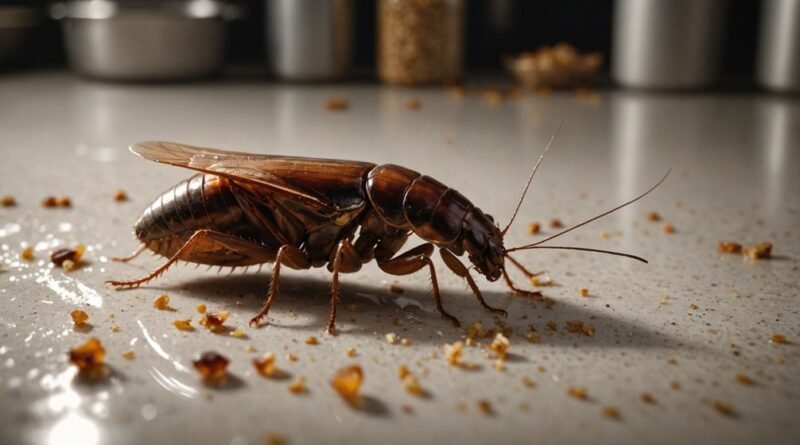
Diseases Linked to Cockroaches and How They Spread in Homes
Cockroaches carry harmful microbes like Salmonella, E. coli, and Staphylococcus, and their droppings trigger asthma and allergies. They crawl from sewers and trash into kitchens and bedrooms, contaminating food, counters, and air with feces, shed skins, and saliva. You can get gastroenteritis, food poisoning, or even hepatitis A, with vomiting, diarrhea, cramps, fatigue, or jaundice. German cockroaches are common indoors and spread fast. Seal entry points, store food tightly, fix leaks, and clean regularly to cut risks—there’s more that helps.
Key Takeaways
- Cockroaches carry pathogens like Salmonella, E. coli, Staphylococcus, enteroviruses, and parasites on their bodies and in their gut.
- They spread microbes by moving from sewers and trash to kitchens, contaminating food, surfaces, and utensils with feces, saliva, and body parts.
- Common illnesses include gastroenteritis and food poisoning, with symptoms like vomiting, diarrhea, cramps, nausea, and dehydration.
- Cockroach allergens trigger or worsen asthma and allergies, causing wheezing, coughing, congestion, rashes, and severe asthma attacks, especially in children.
- German and American cockroaches are key indoor culprits; prevention includes sealing entry points, removing food/water sources, and thorough, regular cleaning.
Diseases Carried by Cockroaches
Although cockroaches don’t bite or inject toxins, they can carry and spread a wide range of disease-causing microbes on their bodies and in their gut. You face risks from bacterial agents like Salmonella species that cause salmonellosis—typically diarrhea, fever, and cramps within 12–72 hours. Some Escherichia coli strains trigger gastrointestinal illness, while Staphylococcus bacteria can produce heat-stable toxins that aren’t destroyed by cooking. Cockroaches can also worsen allergies and asthma because they carry allergens on their bodies and in their droppings.
Cockroaches spread microbes like Salmonella, E. coli, and heat‑stable Staphylococcus toxins, causing rapid gastrointestinal illness.
More severe infections include typhoid fever from Salmonella Typhi, a life-threatening bloodstream disease. Researchers also detect Vibrio parahaemolyticus, Plesiomonas shigelloides, and Yersinia enterocolitica in cockroach intestines.
You’re also exposed to parasites and viruses linked to these insects. Evidence includes mechanical carriage of several parasitic worms, enteroviruses such as highly prevalent sapovirus in German cockroaches, and poliovirus.
Cockroaches harbor Cryptosporidium and Blastocystis hominis, though human illness links vary. Beyond infections, allergens from debris, body parts, and feces can provoke asthma, wheezing, rashes, and chronic respiratory symptoms, especially in children.
How Cockroaches Spread Pathogens Indoors
Despite their small size, cockroaches move efficiently through your home’s tightest spaces—cracks, wall voids, pipes, and behind appliances—picking up microbes in filth and depositing them where you cook, sleep, and eat.
German cockroaches slip through tiny crevices, ride electrical conduits, and migrate between rooms and apartments, spreading contamination across kitchens, bathrooms, and bedrooms. They often arrive in grocery bags, secondhand furniture, or through vents and utility gaps, then colonize quickly. Even clean homes can develop infestations because cockroaches enter through small openings and exploit available moisture and shelter.
As they travel from sewers, trash areas, and drains to food prep zones, their bodies and spiny legs mechanically transfer bacteria, viruses, fungi, and parasites onto food, utensils, and frequently touched surfaces.
They can carry antibiotic‑resistant strains like Staphylococcus aureus, Enterococcus, Klebsiella pneumoniae, Salmonella, and E. coli.
Their feces, shed body parts, and saliva contaminate floors, counters, bedding, and cupboards.
These particles become airborne during cleaning and daily activity, then resettle in fabrics and dust, sustaining poor indoor air quality and ongoing surface persistence.
Common Illnesses and Symptoms From Exposure
Cockroaches don’t just move microbes around your home—they’re linked to real illnesses with recognizable symptoms. When you ingest or touch contaminated food or surfaces, you can develop gastroenteritis with vomiting, diarrhea, stomach pain, and cramping. Food poisoning from Salmonella, E. coli, and Staphylococcus may bring nausea and dehydration; some Staph toxins survive cooking. Salmonellosis typically causes diarrhea, fever, and abdominal cramps within 12–72 hours and can be severe if you’re immunocompromised. Typhoid fever, from Salmonella Typhi, is life‑threatening when bacteria enter the bloodstream. Cockroaches are also strong indoor allergens, and children’s asthma often worsens in infested homes due to roach-triggered inflammation.
Viruses spread by roaches—including rotavirus, norovirus, and hepatitis A—lead to acute diarrhea or liver inflammation, especially dangerous for children and other vulnerable people. Protozoa like Cryptosporidium and Giardia can trigger prolonged watery diarrhea.
Allergic reactions are also common. You might notice wheezing, coughing, nasal congestion, skin rashes, or ear and sinus infections; roach allergens are potent asthma triggers.
| Illness/Reaction | Hallmark symptoms |
|---|---|
| Salmonellosis | Diarrhea, fever, cramps (12–72h onset) |
| E. coli infection | Diarrhea, dehydration risk |
| Hepatitis A | Fatigue, jaundice, abdominal pain |
| Allergy/Asthma | Wheeze, cough, congestion, rashes |
Species Most Often Implicated in Transmission
Four species account for most disease concerns in homes and public spaces: the German, American, Oriental, and, to a lesser extent, brown-banded cockroach.
You’ll encounter German cockroaches most often indoors; they thrive in kitchens and bathrooms, contaminating food and utensils with feces, vomit, and body contact. They’re linked to Salmonella, Staphylococcus, Streptococcus, hepatitis viruses, typhoid, and dysentery agents, including drug‑resistant strains. Their small size lets them hide deep in cracks, aiding spread.
American cockroaches favor warm, humid zones—sewers, drains, and utility rooms—then track Salmonella, E. coli, and Staphylococcus onto food‑prep surfaces.
Oriental cockroaches inhabit damp, unsanitary sites and frequently carry gastrointestinal bacteria, including resistant strains; their association with fecal matter makes mechanical movement of hepatitis A virus plausible.
Brown-banded cockroaches live indoors but play a smaller role in pathogen transmission compared with German and American species.
Turkestan cockroaches can invade structures and carry microbes, though documentation remains limited. Maintaining cleanliness is a key control strategy to reduce roach-borne disease risks.
Health Impacts Beyond Infections
You face more than germs when cockroaches are around—your body can become sensitized to their allergens over time.
These proteins trigger and worsen asthma, wheezing, and congestion, raising your respiratory health burden, especially for kids and those already sensitive.
Reducing infestations and allergen exposure can cut attacks and hospital visits, improving day-to-day breathing. Cockroach allergens from saliva, feces, and shed parts are a significant asthma trigger, especially in urban homes.
Allergy Sensitization Risks
Although infections grab attention, the bigger day‑to‑day risk from cockroach exposure is allergy sensitization that primes your airways for chronic inflammation.
Proteases in cockroach debris activate PAR‑2 on airway epithelium, loosen tight junctions, and let more allergen in. Damaged cells release TSLP, IL‑25, and IL‑33, which stimulate ILC2 to secrete IL‑5 and IL‑13, driving IgE class‑switching and type‑2 inflammation.
Dendritic cells, triggered via TLRs and C‑type lectin receptors, further skew responses toward Th2. Evidence shows PAR‑2 deficiency blunts this cascade, underscoring its central role.
Your genes matter. Variants in TLRs, CLRs, CD14, and HLA‑DRB1*0101/*0102 raise sensitization risk and tilt the Th1/Th2 balance toward allergy.
Both IgE‑ and non‑IgE pathways operate, and cross‑reactive IgE can link cockroach sensitivity with shrimp or dust mite.
Respiratory Health Burden
Even without overt infection, cockroach exposure burdens your lungs by driving persistent airway inflammation and bronchoconstriction. Proteins from droppings, saliva, and body parts trigger wheezing, coughing, chest tightness, and shortness of breath—classic asthma symptoms.
These airborne allergens settle on carpets and furniture, extending your exposure long after the insects hide. If you’re sensitized, even small doses can provoke severe attacks.
Children face the highest risk. Positive skin tests plus high home exposure link to 3.4 times higher asthma hospitalizations, 78% more hospital visits, more wheezing, and more missed school.
Cockroach debris also damages airway epithelium, priming allergic inflammation that other indoor allergens—dust mites, mold, pets—can amplify. Bacterial contamination further raises risks of upper respiratory infections.
Reducing indoor allergen levels through targeted home interventions meaningfully lowers morbidity and improves daily breathing.
Practical Steps to Prevent and Control Infestations
To cut your risk from roach-borne diseases, start by eliminating food and water: store meals in airtight containers, wipe spills, fix leaks, and empty sealed trash bins regularly.
Seal entry points with pest-block sealant, door sweeps, and tight screens, paying special attention to gaps around pipes and wires.
Clean and declutter routinely, including under appliances and inside cabinets, so roaches lose hiding spots and harborages.
Eliminate Food and Water
While cockroaches spread disease, you can shut them down by cutting off what keeps them alive: food and water.
Store all food, including pet food, in tightly sealed containers. Clean counters, floors, and appliances daily; sweep crumbs and wipe grease. Wash dishes after meals—don’t leave them overnight. Empty indoor trash often, use bins with tight lids, and rinse recyclables. Keep compost tidy and away from doors.
Fix leaks on faucets and pipes, and dry sinks, tubs, and countertops. Don’t overwater plants. Empty buckets, trays, and any container that holds stagnant water.
Improve bathroom and utility room ventilation and wipe moisture-prone surfaces. Clean under and behind stoves and refrigerators. Declutter cardboard and paper bags. Inspect drains and remove organic buildup.
Use glue traps along walls and inside cabinets to monitor activity.
Seal Entry Points
Small gaps invite big problems, so start by turning your home into a tight, continuous barrier. Inspect doors, windows, baseboards, under sinks, inside cabinets, and behind appliances. Seal any crack you can see through; cockroaches can squeeze in.
Use silicone caulk for small cracks because it flexes with building movement. Fix plumbing leaks quickly and seal the openings they create.
Add weatherstripping around doors and windows, and install door sweeps to close floor gaps. Replace worn seals and check garage doors for tight ground and side contact.
Secure windows with intact, snug screens; repair or replace damaged ones. Fill larger gaps around pipes, cables, and foundations with expandable foam, then finish edges with caulk.
Screen exterior vents with fine mesh. Seal around outlets, light fixtures, and pet doors.
Clean and Declutter Regularly
A sealed home only works if you keep it uninviting inside, so make cleaning and decluttering a habit. Wipe kitchen counters and sweep floors daily, and clean under appliances, sinks, and cabinets. Don’t leave dishes or pet bowls dirty overnight.
Promptly sweep crumbs, dry spills, and take out trash in tightly sealed containers. Store all food and snacks in airtight, pest-proof containers, and clean pantry shelves to remove residues.
Reduce hiding spots: clear stacks of paper, cardboard, and clutter from pantries, cupboards, and garages; keep yard debris away from the foundation.
Fix leaks, dry damp areas, ventilate cabinets, and use dehumidifiers as needed. Vacuum and steam to remove roaches and sanitize, scrub crevices with brushes, and wipe corners with disinfectant.
After cleaning, place baits and gels; maintain a consistent schedule.
Frequently Asked Questions
Are Cockroach-Borne Diseases Covered by Renters or Homeowners Insurance?
No. Your renters and homeowners policies typically exclude cockroach-borne diseases and infestations as maintenance issues. You’ll cover extermination, cleanup, and medical costs. Rarely, a specific endorsement or a peril-caused infestation might provide limited, situation-dependent coverage.
Can Pets Transmit Cockroach Pathogens to Humans After Contact?
Yes, pets can mechanically transfer cockroach pathogens to humans. You might encounter bacteria, parasites, or allergens on fur, paws, or feces. Clean surfaces, wash hands after handling pets, manage litter, and implement consistent pest control and vet checkups.
Do Air Purifiers Reduce Airborne Cockroach Allergens Effectively?
Yes. You’ll reduce airborne cockroach allergens effectively with continuous True HEPA filtration, which captures >99% of particles. Pair it with HEPA vacuuming, surface cleaning, and pest control. Consider multi-stage or PCO units for added VOC and microbial reduction.
How Long Do Pathogens Survive on Household Surfaces After Contamination?
They persist from minutes to months, depending on type and surface. You’ll see viruses last hours to days; bacteria range hours to months. Hard, cool, moist surfaces extend survival. Disinfect with EPA-approved products or 70%+ alcohol to reduce risk.
Are There Legal Requirements to Disclose Infestations to Tenants or Buyers?
Yes. When selling, you usually must disclose known cockroach infestations; nondisclosure can trigger rescission or damages. As a landlord, you must deliver habitable, pest‑free housing and promptly exterminate after notice, though prior infestations often needn’t be disclosed. Consult local law.
Conclusion
You’ve seen how roaches carry and spread pathogens, trigger allergies, and worsen asthma, especially in kids and sensitive adults. Recognize the high-risk species, spot early signs, and act fast. Reduce moisture, seal entry points, clean food residues, and use traps or baits. Don’t hesitate to call a professional for persistent infestations. By staying vigilant and proactive, you’ll cut disease risks, protect indoor air quality, and keep your home healthier, safer, and far less inviting to cockroaches.
