
DIY Vs Professional Cockroach Extermination: What’s Better?
Choose professional cockroach extermination if you want faster, deeper, longer-lasting control. DIY gels, traps, and sprays can cut numbers, but they rarely suppress eggs and hidden nests. Pros use targeted actives (dinotefuran, fipronil, indoxacarb), staggered applications, and species-specific tactics for German, American, Oriental, and brown-banded roaches. While DIY may cost $40–$200 upfront, pro visits (~$200) often include inspections, follow-ups, and better long-term value with fewer re-treatments. You’ll also reduce health risks and effort. Here’s how to choose smartly.
Key Takeaways
- DIY methods reduce visible roaches short-term, but lack lasting suppression and require frequent reapplication.
- Professionals use pro-grade gel baits (dinotefuran, fipronil, indoxacarb) and staggered treatments for deeper, sustained control.
- Upfront costs: DIY $40–$200 vs. professional visits $150–$350; pros often deliver better long-term value with fewer repeat treatments.
- Correct species identification is crucial; pros tailor IPM to German, American, Oriental, or Brown-banded roaches for best results.
- DIY chemicals carry health and environmental risks if misused; professionals minimize exposure with targeted, integrated approaches and follow-ups.
Comparing Effectiveness: DIY Methods Vs Professional Treatments
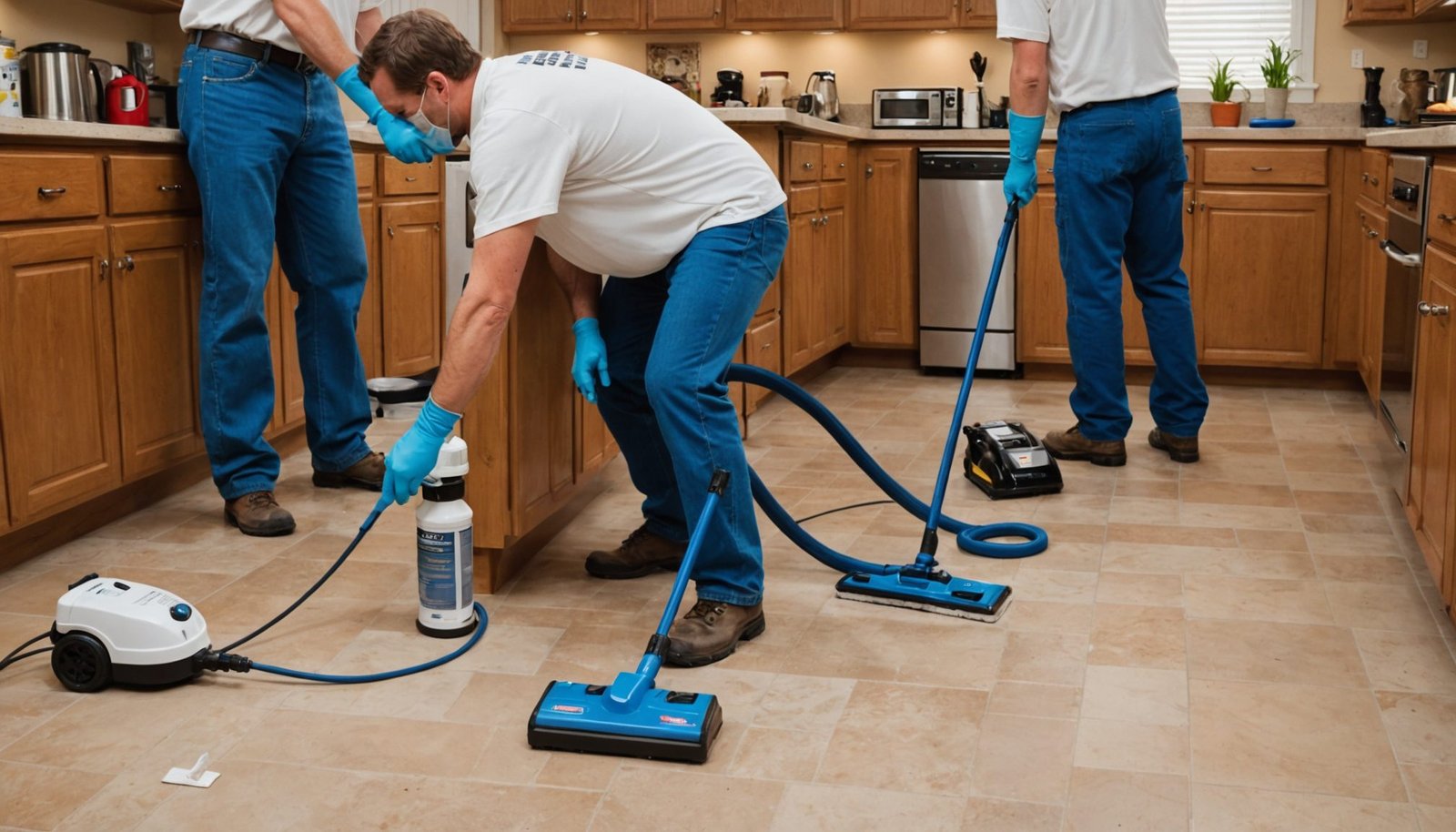
While DIY cockroach control can knock down a few visible bugs, professional treatments consistently deliver deeper, longer-lasting population suppression.
You’ll see this in real homes: pro-grade gel baits cut populations more sharply and keep them down, unlike most store products that fade after initial hits. In labs, both can hit 80% mortality in 14 days, but field results separate them—pros maintain control.
Professionals stagger applications, ensuring continuous pressure as eggs hatch, and they tailor strategies to species and severity.
Targeted actives like dinotefuran, fipronil, and indoxacarb deliver superior kill and transfer.
DIY sprays, traps, and light baits often chase symptoms. Misapplication, weak formulations, and missed harborages let infestations rebound.
You also shoulder constant monitoring and reapplication—with no reliable path to eradication. For larger or persistent infestations, professional help is recommended because experts provide comprehensive solutions and safer handling of targeted products.
Cost Breakdown and Long-Term Value
Even before you pick a product or call a pro, the math matters: DIY cockroach control looks cheap up front ($40–$200 for baits, sprays, dusts, and basic gear), but repeated reapplications and your time can push costs higher over months. OTC sprays run $10–$50, traps $5–$20, and tools $20–$100. If you’re reapplying, cumulative spend can rival professional visits that average about $200 and often include inspection and follow-ups. For context, a one-time visit from a professional typically costs $150–$350, with monthly plans starting at $100–$400 for the initial treatment and $50–$100 for follow-ups.
Professionals charge $100–$650 per treatment for common methods; severe infestations drive costs into the thousands for heat ($800–$1,500), fumigation ($1,000–$3,000), or tenting (up to $7,500). Higher upfront? Yes—but fewer repeats and guarantees often mean better long-term value, fewer secondary losses, and saved labor.
| Option | Typical Cost/Outcome |
|---|---|
| DIY setup | $40–$200; frequent reapps |
| Pro visit | ~$200; bundled follow-ups |
| Heat | $800–$1,500; larger jobs |
| Fumigation/Tenting | $1,000–$7,500; severe cases |
Species Matters: Matching Tactics to Cockroach Types
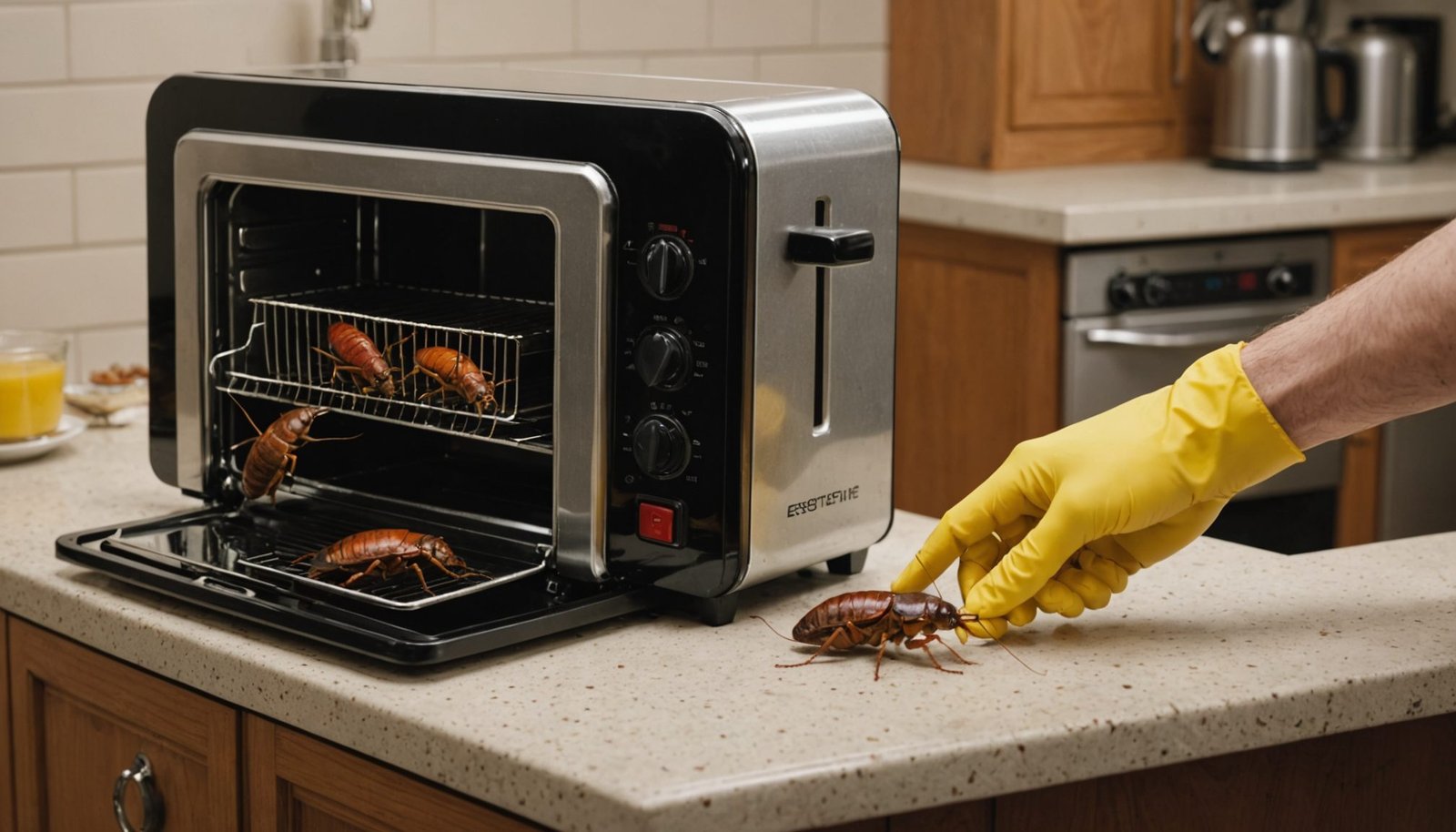
Costs only tell part of the story; what you’re fighting matters just as much. Identify the species first. German cockroaches are light brown with two dark stripes, commonly found in kitchens and bathrooms.
German cockroaches are small, tan, and explode in numbers indoors; you’ll win with IPM: deep cleaning, vacuuming, gel baits plus IGRs, and boric acid. Rotate bait formulations to avoid aversion.
American cockroaches are big, reddish-brown, and thrive in warm, damp zones—basements, sewers, crawl spaces. Target perimeter and harborage with residuals and seal access points.
Oriental cockroaches are shiny black and cooler-climate moisture lovers. Reduce water, fix leaks, block entry, and use residual sprays along ground-level routes.
Brown-banded cockroaches hide higher—walls, ceilings, furniture. Place gel baits in tiny crevices and modify habitats.
Skip ultrasonic/electromagnetic gadgets; they don’t work.
Heat can knock down Germans but isn’t practical for whole homes.
Health, Safety, and Environmental Considerations
Before you reach for a can of spray, weigh the health, safety, and environmental trade-offs of DIY cockroach control.
Over-the-counter sprays and baits can trigger nausea, dizziness, throat irritation, and lingering fumes that irritate lungs. Misuse risks chemical inhalation, food and water contamination, and residues on floors and counters—especially dangerous for kids and pets.
Even “natural” options like essential oils or diatomaceous earth can cause skin or respiratory issues if applied improperly.
DIY handling often skips ventilation, safe zones, and protective gear, increasing accidental exposure and poisoning. DIY products often serve as short-term solutions and may not eliminate nests or eggs, allowing populations to persist.]
Overuse or poor disposal can harm beneficial insects, pets, and local ecosystems. Incomplete treatments push roaches deeper, require repeats, and worsen contamination—and may drive resistance.
Professionals use targeted applications and integrated pest management, minimizing risks and collateral environmental impact.
Time, Effort, and Convenience Factors
While DIY roach control can feel flexible, it quickly becomes a time sink: you’ll research products, apply them repeatedly, and monitor and clean daily to keep activity down.
You also have to identify species, track entry points, and reach hidden nests—tasks that often involve trial and error and multiple reapplications. Many homeowners end up spending more over time due to repeated applications and escalating product purchases.
Hiring a pro streamlines everything. Most inspections and treatments wrap in about an hour, with minimal disruption.
Technicians bring targeted tools, identify the species, customize treatments, and often resolve infestations in one or a few visits.
You avoid buying and handling chemicals, rearranging your schedule, or guessing what works.
Pros usually include follow-ups and guarantees, extending results beyond the days or weeks DIY provides.
You save substantial time and effort, and refocus on other priorities.
Conclusion
Bottom line: you’ve got options. DIY works for small, early infestations if you’re diligent—clean, seal, bait, monitor, repeat. But when roaches are widespread, species are hard to identify, or health risks loom, you’ll save time and stress by hiring a pro. Professionals bring targeted products, integrated strategies, and follow-ups that deliver long-term value. Weigh costs against your tolerance for effort, safety concerns, and speed. Choose the path that gets you—and keeps you—roach-free.
