
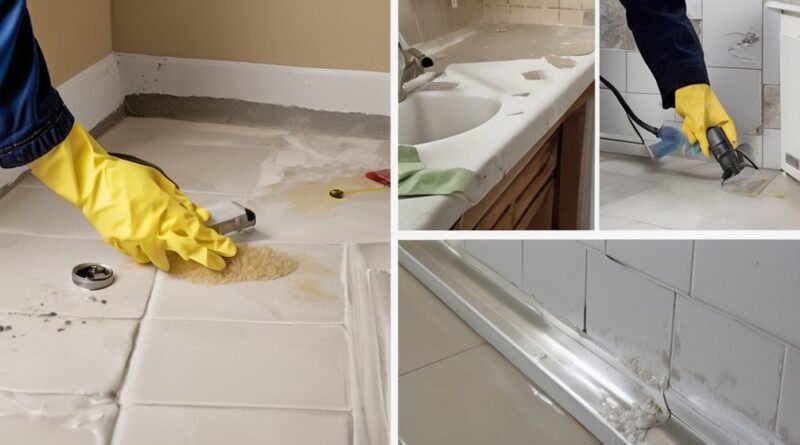
DIY vs Professional Cockroach Extermination: Which Method Works Best?”
Choose professional cockroach extermination if you want faster, deeper, and longer-lasting control. DIY gels, traps, and sprays can reduce visible roach numbers, but they rarely suppress eggs and hidden colonies. Pros use targeted active ingredients, staggered applications, and species-specific tactics built around integrated pest management. DIY upfront costs run $40 to $200, while professional visits average around $200 and typically include inspections, follow-up treatments, and guarantees that deliver better long-term value with fewer re-treatments.
That said, the right choice depends on the size of the infestation, the cockroach species involved, your budget, and how much time and effort you are willing to invest. This guide breaks down both options so you can make an informed decision rather than guessing.
Key Takeaways
Here is a quick summary of what this comparison covers:
- DIY methods reduce visible roaches short-term but lack lasting suppression of eggs and hidden harborage and require frequent reapplication.
- Professionals use pro-grade gel baits containing dinotefuran, fipronil, and indoxacarb with staggered treatments for deeper, sustained colony control.
- Upfront costs are $40 to $200 for DIY vs $150 to $350 for professional visits. Professional treatments often deliver better long-term value with fewer repeats and guaranteed results.
- Correct species identification is essential. Pros tailor treatment to German, American, Oriental, and brown-banded roaches using species-specific techniques and equipment.
- DIY chemicals carry health and environmental risks when misused. Professionals minimize exposure with targeted, integrated approaches and structured follow-ups.
Signs of Infestation and When to Act
Before choosing between DIY and professional extermination, confirming the scale of the problem determines which path makes sense. A light infestation caught early is a very different situation from a colony that has spread through multiple rooms and wall voids.
The clearest signs of an active cockroach infestation include pepper-like droppings clustered near baseboards, cabinets, and appliances; shed exoskeleton skins near walls and floors; brown egg cases in crevices and gaps; dark smear marks along surfaces at floor level; and a persistent musty odor in enclosed spaces. Spotting roaches during daylight hours is a strong signal that the colony has grown large enough to push insects out of harborage during off-peak hours, which typically indicates a serious infestation requiring professional pest control services rather than DIY methods alone. 62.7% of homeowners attempt DIY extermination before calling professionals, but the infestation scale at the time they call typically determines how long and costly the resolution ends up being.
Cockroach Species and Why They Matter
Species identification is one of the most important steps before applying any treatment. Different types of cockroaches respond to different techniques and products, and misidentifying the pest leads to wasted effort and persistent re-infestation.
- German cockroaches are small, tan, with two dark stripes, and almost exclusively indoor insects. They concentrate in kitchens and bathrooms and breed rapidly, making them the most common and difficult house infestation to eliminate without professional-grade products and staggered applications.
- American cockroaches are large, reddish-brown, and prefer warm, damp environments including basements, crawl spaces, and drains. Treatment focuses on perimeter residuals, sealing entry points, and moisture reduction rather than indoor bait placement.
- Oriental cockroaches are shiny black, moisture-dependent, and common in cooler, damp areas near floors and drains. Fixing leaks, blocking entry, and applying residual sprays along ground-level routes are the primary control methods.
- Brown-banded cockroaches hide in higher locations including walls, ceilings, and furniture, unlike moisture-seeking species. Gel baits placed in tiny crevices at elevated positions and habitat modification produce the best results for this type.
Comparing Effectiveness: DIY Methods vs Professional Treatments
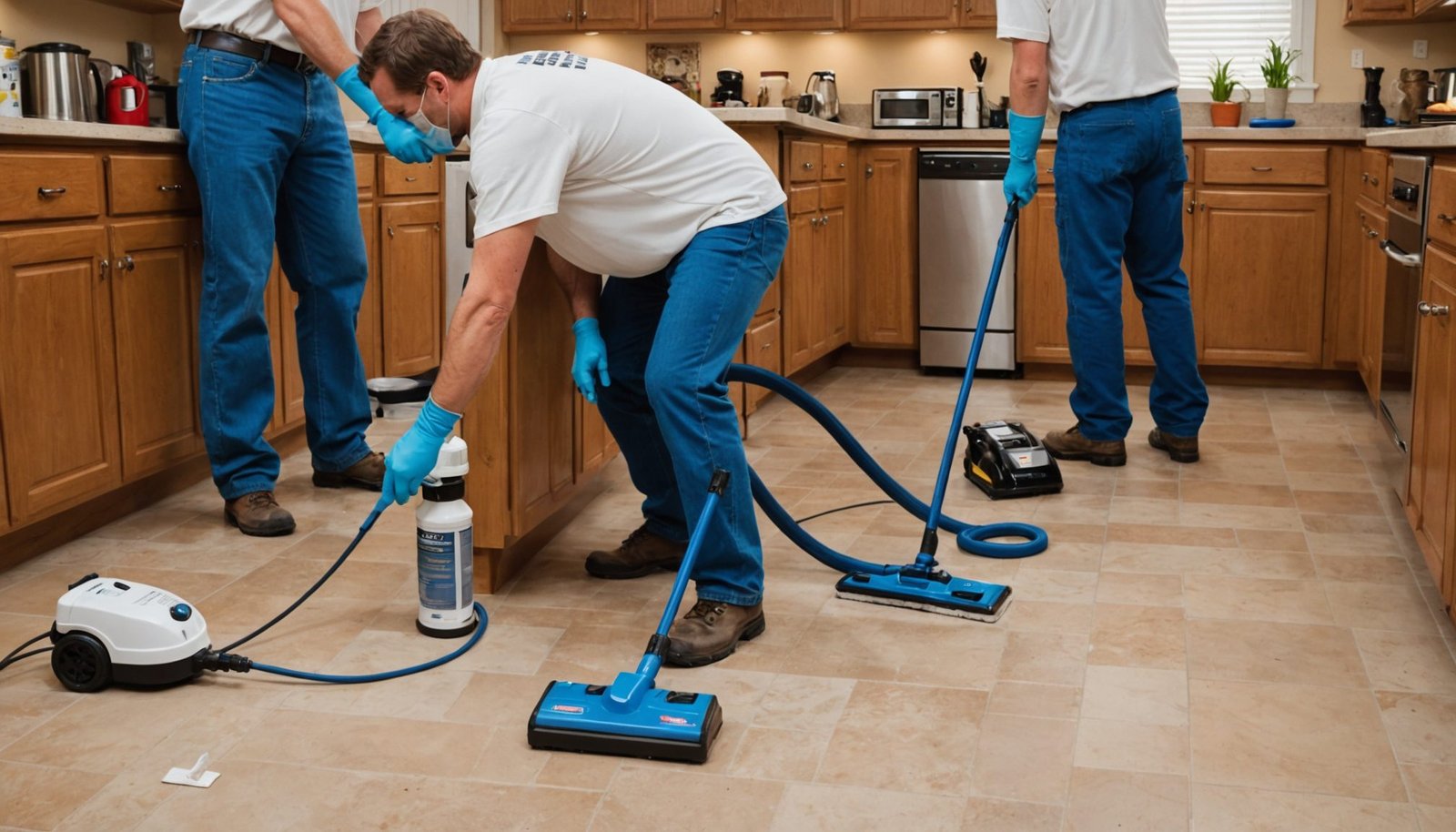
DIY cockroach control can knock down visible bugs but professional treatments consistently deliver deeper, longer-lasting population suppression. In controlled lab conditions, both approaches can reach 80% mortality within 14 days. In real homes, the results diverge significantly.
Professional pest control services stagger applications to maintain continuous pressure as eggs hatch through multiple cycles. They use targeted active ingredients such as dinotefuran, fipronil, and indoxacarb that deliver superior kill rates and secondary transfer through the colony. DIY cockroach sprays typically contain around 18% less effective active ingredient concentration than professional-grade products, which limits penetration into wall voids, crevices, and deep harborage zones where populations actually live. Professional extermination services achieve a 93.4% success rate after the first treatment, while DIY methods require an average of 4.8 treatments to achieve comparable results.
Where DIY Falls Short
DIY gels, traps, and sprays work best for early-stage infestations in a single room or contained area. The problems emerge with established infestations where the colony extends through wall voids, plumbing chases, and multiple rooms simultaneously.
Misapplication of products, weak over-the-counter formulations, and missed harborage spots allow populations to rebound quickly. Homeowners also face the ongoing burden of monitoring, reapplication, and product rotation to prevent roaches from developing aversion to a single bait type. Without professional guidance and equipment, there is no reliable path to full eradication for a serious infestation, and the time and money invested in repeated DIY attempts often exceeds the cost of a single professional visit.
Cost Breakdown and Long-Term Value
The upfront cost of DIY cockroach control looks attractive: $10 to $50 for sprays, $5 to $20 for traps, $20 to $100 for tools and application equipment, with a total setup cost of $40 to $200. But the math changes when you account for repeated reapplications over weeks or months. Cumulative DIY spending on products, plus the value of your own time, frequently approaches or exceeds the cost of a professional visit.
A one-time professional treatment typically costs $150 to $350 and usually includes inspection, targeted application, and at least one follow-up visit. Monthly service plans start at $100 to $400 for the initial treatment with $50 to $100 for ongoing follow-ups. For severe infestations requiring specialist techniques, costs rise significantly: heat treatment runs $800 to $1,500, fumigation $1,000 to $3,000, and tenting up to $7,500 for the largest jobs. The long-term value calculation favors professional services when the infestation is established, multi-room, or persistent, because fewer total treatments and guaranteed results reduce secondary costs including food replacement, surface disinfection, and lost time. For a detailed breakdown of what American cockroach extermination specifically costs across different treatment types, the American cockroach extermination cost guide covers pricing by method and infestation size.
| Option | Typical Cost and Outcome |
|---|---|
| DIY setup | $40 to $200 with frequent reapplications needed |
| Professional visit | Around $200 with bundled follow-ups and guarantee |
| Heat treatment | $800 to $1,500 for larger or severe infestations |
| Fumigation or tenting | $1,000 to $7,500 for the most severe cases |
Species Matters: Matching Tactics to Cockroach Types
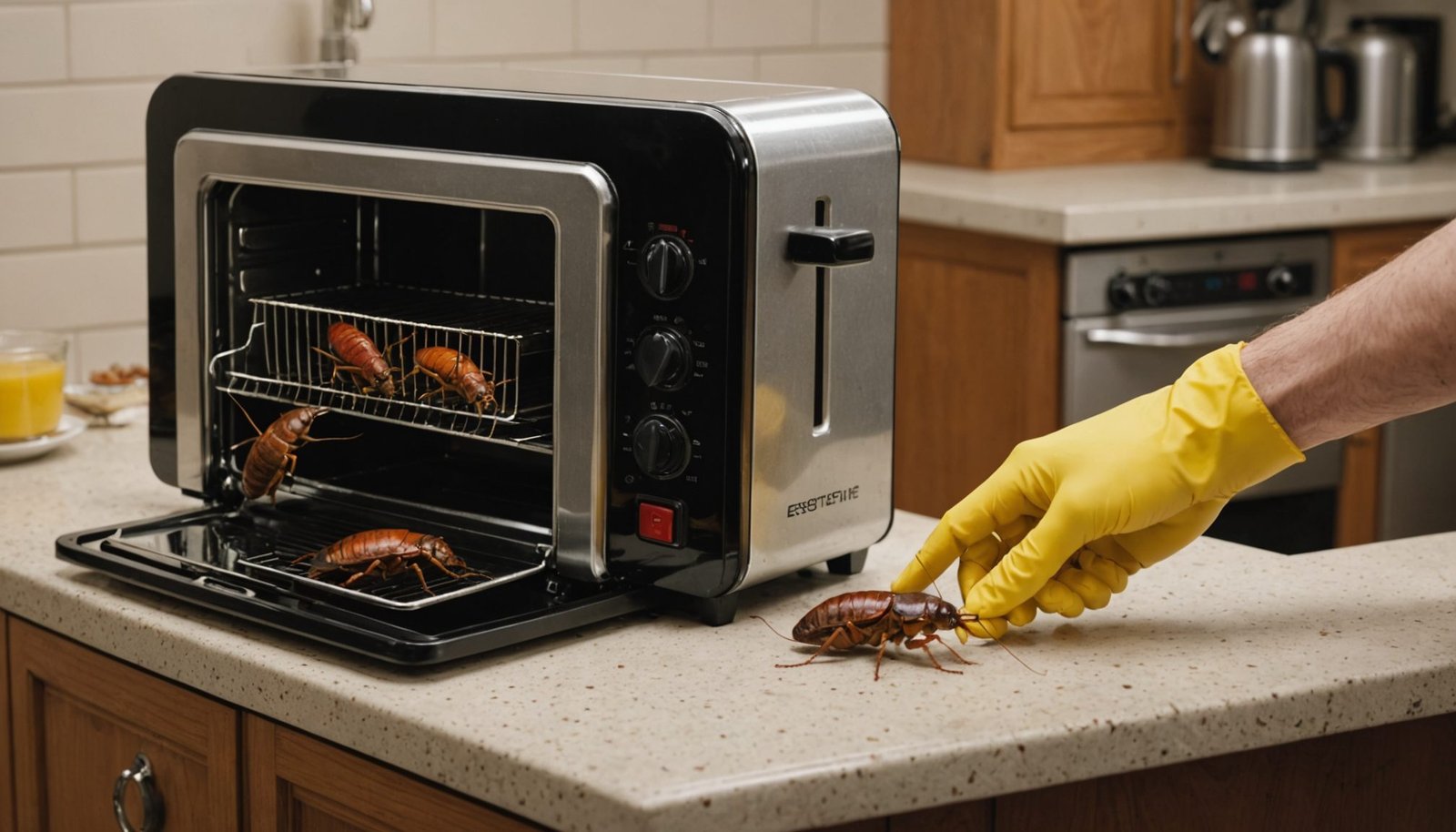
Cost and effectiveness comparisons only tell part of the story. What you are fighting shapes which treatment approach is appropriate, and this is where professional experience creates the clearest advantage over DIY methods.
Professionals identify the species during the initial inspection and tailor the entire treatment plan around that identification. They know which active ingredients each species responds to, which harborage types to prioritize, and how to rotate bait formulations to prevent aversion. DIY homeowners often apply the same products regardless of species, which produces inconsistent results and allows resilient populations to rebuild between treatment attempts. Skipping ultrasonic or electromagnetic devices entirely is recommended since these products produce no meaningful, lasting reduction in cockroach activity regardless of species or infestation type.
Professional Techniques DIY Cannot Replicate
Beyond product strength, professional exterminators have access to application equipment, techniques, and treatment strategies that are not available to homeowners. These include crack-and-crevice injection equipment that places active ingredients directly into wall voids; commercial-grade insect growth regulators that stop nymph development across the colony; monitoring programs that track population trends across multiple visits; and the ability to coordinate building-wide treatment in multi-unit housing where shared walls and plumbing allow cockroaches to migrate between units regardless of individual treatments. For a comprehensive look at what professional treatment options involve and what each delivers, the best professional cockroach treatment options guide covers each method in detail.
Health, Safety, and Environmental Considerations
Health and safety trade-offs between DIY and professional treatment are often overlooked until something goes wrong. Over-the-counter sprays and baits can trigger nausea, dizziness, throat irritation, and lingering fumes that irritate lungs and airways. Misuse risks chemical inhalation, food and water contamination, and residues on floors and surfaces where children and pets have direct contact.
Even natural options like essential oils or diatomaceous earth cause skin and respiratory irritation when applied without protective gear or proper ventilation. DIY handling frequently skips safety precautions that professional technicians follow as standard practice. Overuse of consumer insecticides also drives resistance in cockroach populations, making future treatments less effective and pushing insects deeper into harborage rather than eliminating the colony. Incomplete treatments that suppress but do not eradicate populations allow infestations to persist and worsen over time.
How Professionals Reduce Risk
Professional pest control services use integrated pest management (IPM) protocols that minimize chemical volume by targeting applications precisely at confirmed harborage sites rather than broadcasting products across open surfaces. Technicians use personal protective equipment, follow re-entry intervals, and apply products in concentrations calibrated to kill insects with minimal collateral environmental impact. Follow-up inspections confirm treatment effectiveness and allow for adjustment before the population rebounds, which DIY approaches rarely include systematically.
Time, Effort, and Convenience Factors
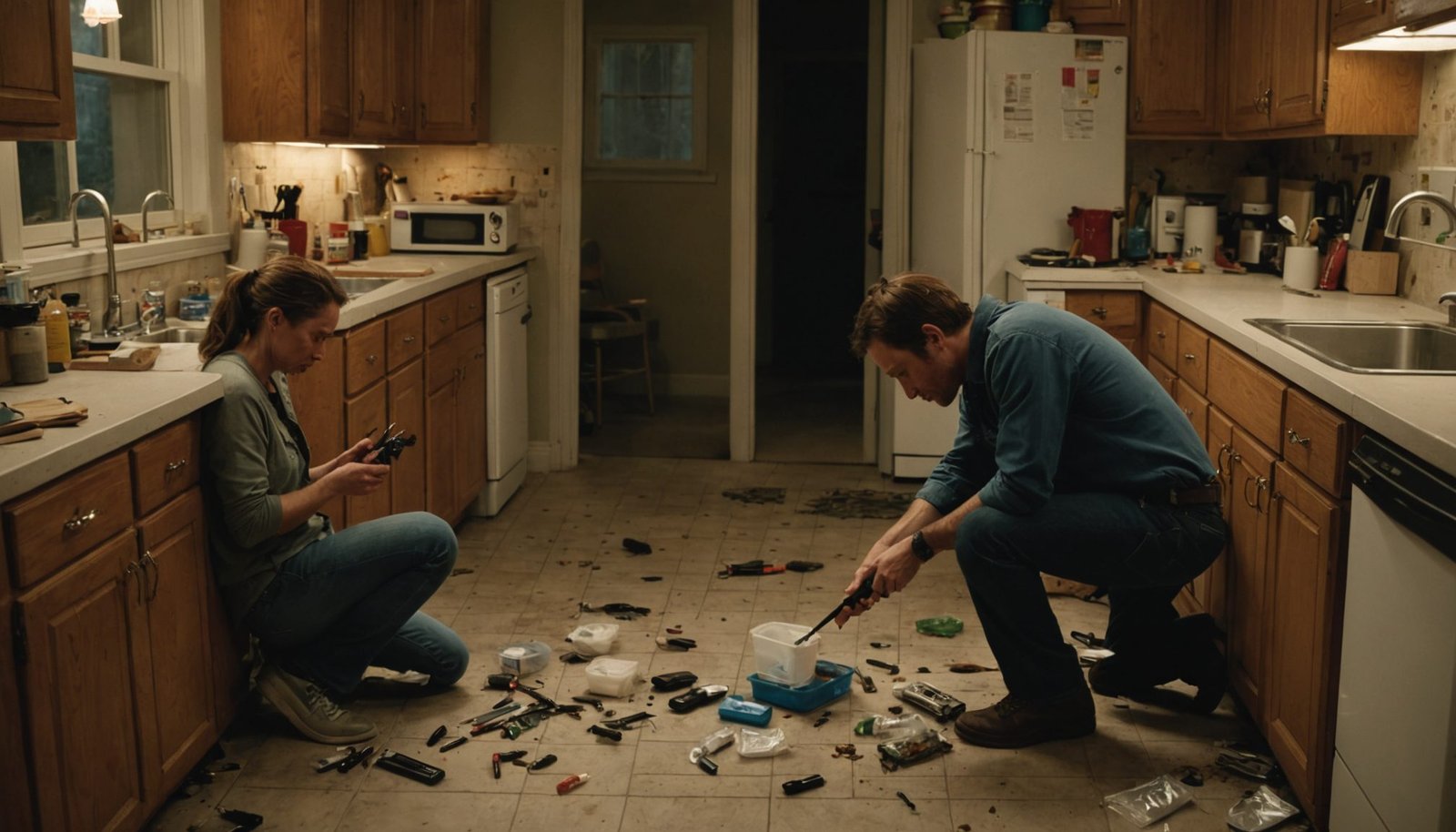
DIY cockroach control demands a sustained personal commitment that many homeowners underestimate at the outset. Researching products, purchasing equipment, identifying the species, mapping entry points, applying treatments, monitoring results, and reapplying every one to three weeks adds up to significant ongoing effort. The situation becomes more demanding with established infestations where trial and error and multiple product rotations are necessary before finding a combination that works.
Professional extermination is considerably more efficient in time terms. Most initial inspections and treatments are completed within one to two hours with minimal disruption to the household. Technicians bring the right tools and products for the species identified, apply treatments with precision, and provide follow-up services and guarantees that extend results well beyond what DIY methods reliably deliver. 78.9% of professional pest control customers report long-term satisfaction with results, compared to far lower rates for DIY-only approaches where re-infestation is common without professional-grade colony suppression.
Long-Term Prevention After Extermination
Whether you choose DIY or professional extermination, prevention determines whether the infestation returns. Eliminating the current population without addressing the conditions that attracted cockroaches produces a temporary result regardless of how thorough the treatment was.
The most impactful prevention steps are fixing all plumbing leaks and moisture sources since cockroaches can survive weeks without food but only days without water; sealing cracks along baseboards, around pipe penetrations, and at door and window frames to block entry points; storing all food including pet food in sealed airtight containers; cleaning counters, appliance surfaces, and floors nightly to remove grease and crumbs; decluttering areas where roaches harborage including cardboard storage, garage shelving, and basement corners; and replacing torn window and vent screens to close exterior access routes. For a complete breakdown of DIY options that can sustain prevention after professional treatment ends, the cockroach treatment and control guide covering both approaches provides practical step-by-step guidance for ongoing maintenance.
Frequently Asked Questions
Is DIY cockroach extermination effective?
DIY cockroach extermination is effective for early-stage or mild infestations where the colony is contained to a single area and has not established deep harborage in wall voids. Gel baits, boric acid, and sticky traps produce meaningful results when applied consistently and combined with thorough sanitation. For established infestations across multiple rooms, or for German cockroaches with high reproduction rates, professional treatment achieves significantly more reliable colony suppression than consumer-grade products alone.
How much does professional cockroach extermination cost?
A single professional cockroach treatment typically costs $150 to $350 and usually includes an inspection and at least one follow-up visit. Monthly service plans range from $100 to $400 for the initial treatment with $50 to $100 for subsequent visits. Severe infestations requiring heat treatment, fumigation, or tenting can cost $800 to $7,500 depending on the property size and infestation extent. Most professionals offer guarantees that make repeat treatments part of the service rather than an additional cost.
Can I combine DIY and professional cockroach treatments?
Yes, and this is often the most practical approach for moderate infestations. A professional treatment addresses the established colony and deep harborage zones that DIY products cannot reach, while ongoing DIY sanitation, sealing, and monitoring prevents re-infestation between professional visits. Many pest control services actively recommend this combination and provide homeowners with guidance on what DIY maintenance steps support rather than undermine professional treatments.
What chemicals do professional exterminators use for cockroaches?
Professional exterminators commonly use gel baits containing indoxacarb, fipronil, or dinotefuran for colony-level control through secondary transfer. They also use insect growth regulators such as pyriproxyfen and hydroprene to disrupt nymph development and prevent reproduction. Residual sprays with longer-lasting active ingredients are applied to perimeter zones and entry points. The specific products and formulations vary based on the cockroach species identified, the infestation severity, and the environment being treated.
How long does professional cockroach extermination take to work?
Initial results from professional treatment are typically visible within three to seven days. Full colony suppression, including the elimination of hatching eggs and late-stage nymphs, usually takes two to six weeks across one or two follow-up visits. German cockroach infestations, which breed the fastest, may require the full six-week timeline plus a confirmation visit. Most professional services include follow-ups within this window as part of the standard treatment guarantee.
When should I stop DIY treatment and hire a professional?
Stop DIY treatment and hire a professional if roaches appear during daylight hours in open areas, which signals a severely overcrowded colony; if droppings and egg cases appear in multiple rooms simultaneously; if four weeks of consistent DIY treatment produces no visible reduction in roach activity; or if the infestation is in a multi-unit building where cockroaches are entering through shared walls and plumbing that individual unit treatment cannot seal. The longer a serious infestation continues without professional intervention, the larger and more expensive the eventual treatment becomes.
{
“@context”: “https://schema.org”,
“@type”: “FAQPage”,
“mainEntity”: [
{
“@type”: “Question”,
“name”: “Is DIY cockroach extermination effective?”,
“acceptedAnswer”: {
“@type”: “Answer”,
“text”: “DIY cockroach extermination is effective for early-stage or mild infestations where the colony is contained to a single area and has not established deep harborage in wall voids. Gel baits, boric acid, and sticky traps produce meaningful results when applied consistently and combined with thorough sanitation. For established infestations across multiple rooms, or for German cockroaches with high reproduction rates, professional treatment achieves significantly more reliable colony suppression than consumer-grade products alone.”
}
},
{
“@type”: “Question”,
“name”: “How much does professional cockroach extermination cost?”,
“acceptedAnswer”: {
“@type”: “Answer”,
“text”: “A single professional cockroach treatment typically costs $150 to $350 and usually includes an inspection and at least one follow-up visit. Monthly service plans range from $100 to $400 for the initial treatment with $50 to $100 for subsequent visits. Severe infestations requiring heat treatment, fumigation, or tenting can cost $800 to $7,500 depending on the property size and infestation extent. Most professionals offer guarantees that make repeat treatments part of the service rather than an additional cost.”
}
},
{
“@type”: “Question”,
“name”: “Can I combine DIY and professional cockroach treatments?”,
“acceptedAnswer”: {
“@type”: “Answer”,
“text”: “Yes, and this is often the most practical approach for moderate infestations. A professional treatment addresses the established colony and deep harborage zones that DIY products cannot reach, while ongoing DIY sanitation, sealing, and monitoring prevents re-infestation between professional visits. Many pest control services actively recommend this combination and provide homeowners with guidance on what DIY maintenance steps support rather than undermine professional treatments.”
}
},
{
“@type”: “Question”,
“name”: “What chemicals do professional exterminators use for cockroaches?”,
“acceptedAnswer”: {
“@type”: “Answer”,
“text”: “Professional exterminators commonly use gel baits containing indoxacarb, fipronil, or dinotefuran for colony-level control through secondary transfer. They also use insect growth regulators such as pyriproxyfen and hydroprene to disrupt nymph development and prevent reproduction. Residual sprays with longer-lasting active ingredients are applied to perimeter zones and entry points. The specific products and formulations vary based on the cockroach species identified, the infestation severity, and the environment being treated.”
}
},
{
“@type”: “Question”,
“name”: “How long does professional cockroach extermination take to work?”,
“acceptedAnswer”: {
“@type”: “Answer”,
“text”: “Initial results from professional treatment are typically visible within three to seven days. Full colony suppression, including the elimination of hatching eggs and late-stage nymphs, usually takes two to six weeks across one or two follow-up visits. German cockroach infestations, which breed the fastest, may require the full six-week timeline plus a confirmation visit. Most professional services include follow-ups within this window as part of the standard treatment guarantee.”
}
},
{
“@type”: “Question”,
“name”: “When should I stop DIY treatment and hire a professional?”,
“acceptedAnswer”: {
“@type”: “Answer”,
“text”: “Stop DIY treatment and hire a professional if roaches appear during daylight hours in open areas, which signals a severely overcrowded colony; if droppings and egg cases appear in multiple rooms simultaneously; if four weeks of consistent DIY treatment produces no visible reduction in roach activity; or if the infestation is in a multi-unit building where cockroaches are entering through shared walls and plumbing that individual unit treatment cannot seal. The longer a serious infestation continues without professional intervention, the larger and more expensive the eventual treatment becomes.”
}
}
]
}
