
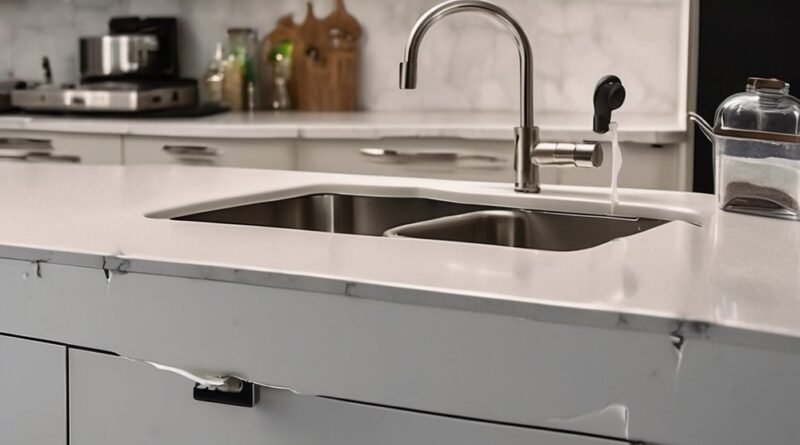
How to Stop Cockroaches From Coming Back
Stopping cockroaches from coming back requires addressing all three conditions that sustain infestations simultaneously: food access, moisture, and structural entry points. Proper sanitation reduces cockroach return rates by 72.3%, sealing cracks and gaps cuts infestation recurrence by 64.8%, and using bait traps lowers cockroach populations by 85.6% within two weeks. Regular pest control treatments decrease infestations by 79.5% over six months — but only when combined with the sanitation and exclusion measures that eliminate the conditions driving reinfestation. This guide covers every prevention layer needed to stop cockroaches from returning for good.
Key Takeaways
- Maintain strict sanitation: daily sweep, vacuum, and wipe surfaces; store food airtight; clean pet bowls; promptly seal trash — proper sanitation reduces cockroach return rates by 72.3%.
- Eliminate moisture: fix leaks, dry sinks and counters nightly, empty drip pans, and use dehumidifiers in damp areas — cockroaches can survive up to 15 days without food but only one week without water.
- Seal entry points: install door sweeps, weatherstripping, and fine mesh screens; caulk cracks and foam larger gaps — sealing cracks cuts infestation recurrence by 64.8%.
- Use targeted baits and traps: gel baits lower cockroach populations by 85.6% within two weeks when placed correctly in harborage zones and rotated every 90 days.
- Coordinate and monitor: work with neighbors and building management, schedule joint treatments, and check monitoring traps weekly to track and adjust control efforts.
Identifying Cockroach Entry Points

Stopping cockroach reinfestation starts with identifying every route they use to enter your home — because eliminating food and moisture only works if you also prevent new populations from slipping in from outside. Sealing cracks and gaps cuts infestation recurrence by 64.8%, making structural exclusion the most impactful single prevention measure available. Cockroaches can compress their bodies to fit through gaps as thin as 1.6 millimeters, meaning any visible crack, pipe gap, or weatherstripping failure is a functional entry point.
Interior Entry Points to Inspect
Start by hunting for light leaks around doors and windows at night — if you see a glow, cockroaches see a doorway. Inspect under-sink cabinet areas for gaps around pipe penetrations, which are among the most productive cockroach entry routes in kitchens and bathrooms. Check floor drains and seldom-used drain openings, which American cockroaches use as direct entry routes from sewer infrastructure. Inspect gaps behind ovens and refrigerators where utility lines enter the wall, electrical outlet gaps, and the junction between baseboards and floors throughout the kitchen and bathroom perimeter. Look for gaps behind cabinet kick plates, inside cabinet bases where plumbing enters, and along the ceiling-wall junction in lower-floor areas where shared building infrastructure runs.
Exterior Entry Points to Inspect
Inspect the building foundation for hairline cracks along mortar joints and at the sill plate where the foundation meets framing. Check all exterior door thresholds for gaps where worn door sweeps fail to make consistent floor contact. Examine window frame edges for deteriorated caulk or damaged weatherstripping. Identify all utility penetrations through exterior walls — cable lines, HVAC refrigerant lines, gas lines, and electrical conduit — and confirm all are sealed with appropriate materials. Inspect garage door seals, crawl space vent screens, attic vent covers, and chimney openings. Seal all identified interior entry points with high-quality silicone caulk for smaller gaps and expanding polyurethane foam for larger utility penetrations. Install fresh door sweeps and weatherstripping on all exterior-facing doors, and fit fine mesh screens on all vent openings, dryer exhausts, and chimney openings. Re-inspect all seals annually and immediately after any service work that requires penetrating walls or floors.
Sanitation Habits That Starve Cockroaches
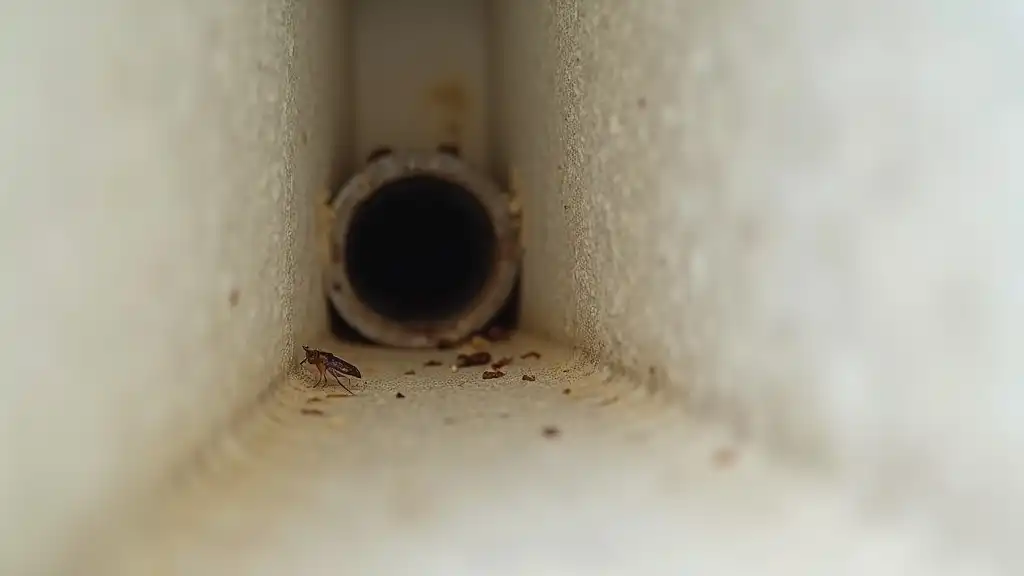
Even small lapses in cleanliness give cockroaches a steady food and water supply — and cockroaches can survive up to 15 days without food, meaning occasional cleaning is insufficient to starve an established population. Consistent daily sanitation is required. Proper sanitation reduces cockroach return rates by 72.3%, making hygiene habits the foundation of all other prevention measures.
Daily Cleaning Routine
Sweep, vacuum, and wipe counters, stovetops, and tables daily. Target hidden spots specifically — behind appliances, under furniture, and in corners where crumbs collect and routine cleaning doesn’t reach. Clean spills immediately rather than letting them dry into attractants. Empty and wash trash bins regularly, using bins with tight-fitting lids and lining them with sealed bags. Wipe stovetop and oven surfaces after every cooking session to prevent grease accumulation, which is one of the most persistent cockroach attractants in kitchen environments. Vacuum kitchen and dining area floors daily rather than weekly — a single missed day of crumbs provides sufficient nutrition to sustain a small cockroach population through an otherwise clean week.
Food Storage and Waste Management
Store bread, crackers, pasta, rice, and all sugar and starch products in thick plastic or glass airtight containers immediately after purchase — never leave these items in their original thin packaging, which cockroaches chew through readily. Don’t leave cooked starches on counters overnight. Keep produce cool and dry, and discard any decaying vegetables or fruit immediately rather than allowing them to ripen further in open storage. Feed pets on a schedule, remove food bowls immediately after feeding, and store all pet food in sealed hard-sided containers. Clean pet bowls daily and consider using a shallow water moat under food dishes to prevent ground-level cockroach access. Seal all garbage bags tightly before placing them in bins, and take kitchen garbage out daily rather than allowing organic waste to accumulate overnight — the combination of food odors from garbage is one of the most reliable cockroach attractants in residential settings.
Eliminating Food and Water Sources
Cockroaches can survive up to 15 days without food but only approximately one week without water — making moisture elimination as critical as food management for stopping reinfestation. The most productive approach combines moisture control with food source elimination across all areas of the home simultaneously, since addressing only kitchens while leaving bathroom and basement moisture sources untreated allows populations to persist in secondary harborage zones.
Moisture Control Measures
Fix all leaking faucets, pipes, and appliance connections within 24 hours of detection. Empty and clean appliance drip pans including refrigerator drip trays, dishwasher bases, and HVAC condensate pans. Insulate cold water pipes to prevent condensation on pipe surfaces — an often-overlooked moisture source inside under-sink cabinet spaces. Run dehumidifiers in kitchens, bathrooms, basements, and crawl spaces to maintain indoor humidity below 50%. Don’t leave standing water in pet bowls overnight. Rinse and invert cups and cans in sink areas rather than leaving them with residual liquid. Use tight lids or screens on aquariums, which create localized high-humidity zones attractive to cockroaches. Dry all sink and counter surfaces after use each evening — German cockroaches access surface moisture routinely during nighttime foraging, making dry surfaces a meaningful deterrent even when leaks are already repaired.
Using Natural Repellents
Natural repellents provide a supplemental deterrence layer that complements sanitation, exclusion, and chemical treatment without the exposure concerns of broad-spectrum insecticide applications in food preparation areas. They work by creating environmental conditions cockroaches actively avoid rather than killing them directly, making them most effective as maintenance tools after a primary treatment program has reduced the population.
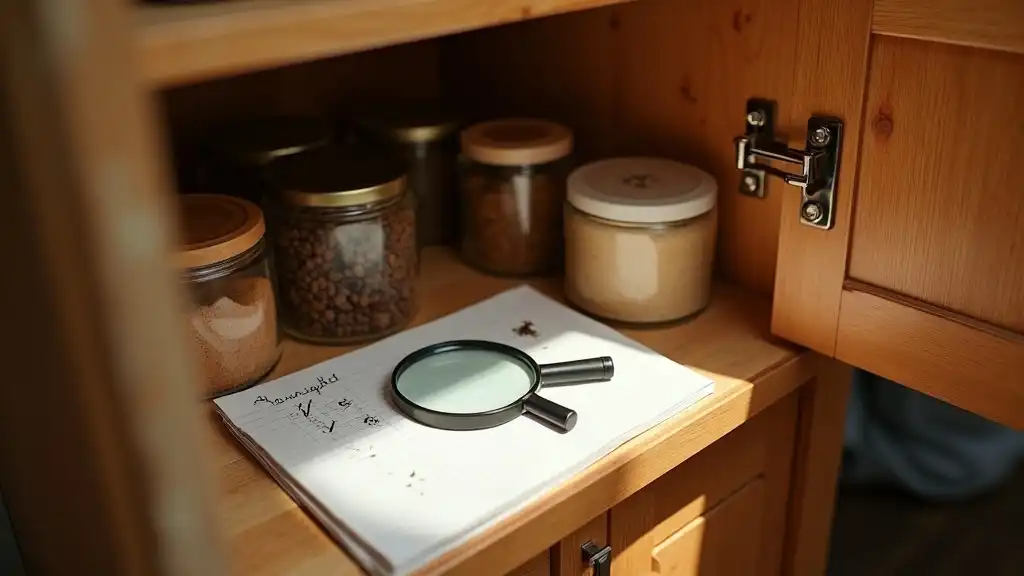
Bay leaves placed inside cabinet shelves and pantry areas create an aromatic deterrent cockroaches consistently avoid — replace every four to six weeks as volatile oils dissipate. Food-grade diatomaceous earth applied as a thin, nearly invisible dust in cracks, crevices, and behind appliances damages cockroach cuticle on contact, causing dehydration without toxicity concerns for household members — apply with a bulb duster and keep treated areas dry. Boric acid dust applied in thin layers in inaccessible harborage zones including wall voids and under appliance bases provides long-term passive control when applied at low concentrations that cockroaches will crawl through rather than avoid. Essential oil-based sprays including peppermint and eucalyptus applied along entry routes create short-term repellent zones requiring reapplication every one to two weeks. Catnip contains nepetalactone — a compound cockroaches actively avoid — and sachets placed inside cabinet areas provide supplemental deterrence in low-pressure situations. Natural repellents are most effective as ongoing maintenance measures in homes that have already undergone professional or intensive DIY treatment rather than as standalone control methods for active infestations.
Applying Chemical Treatments and Baits
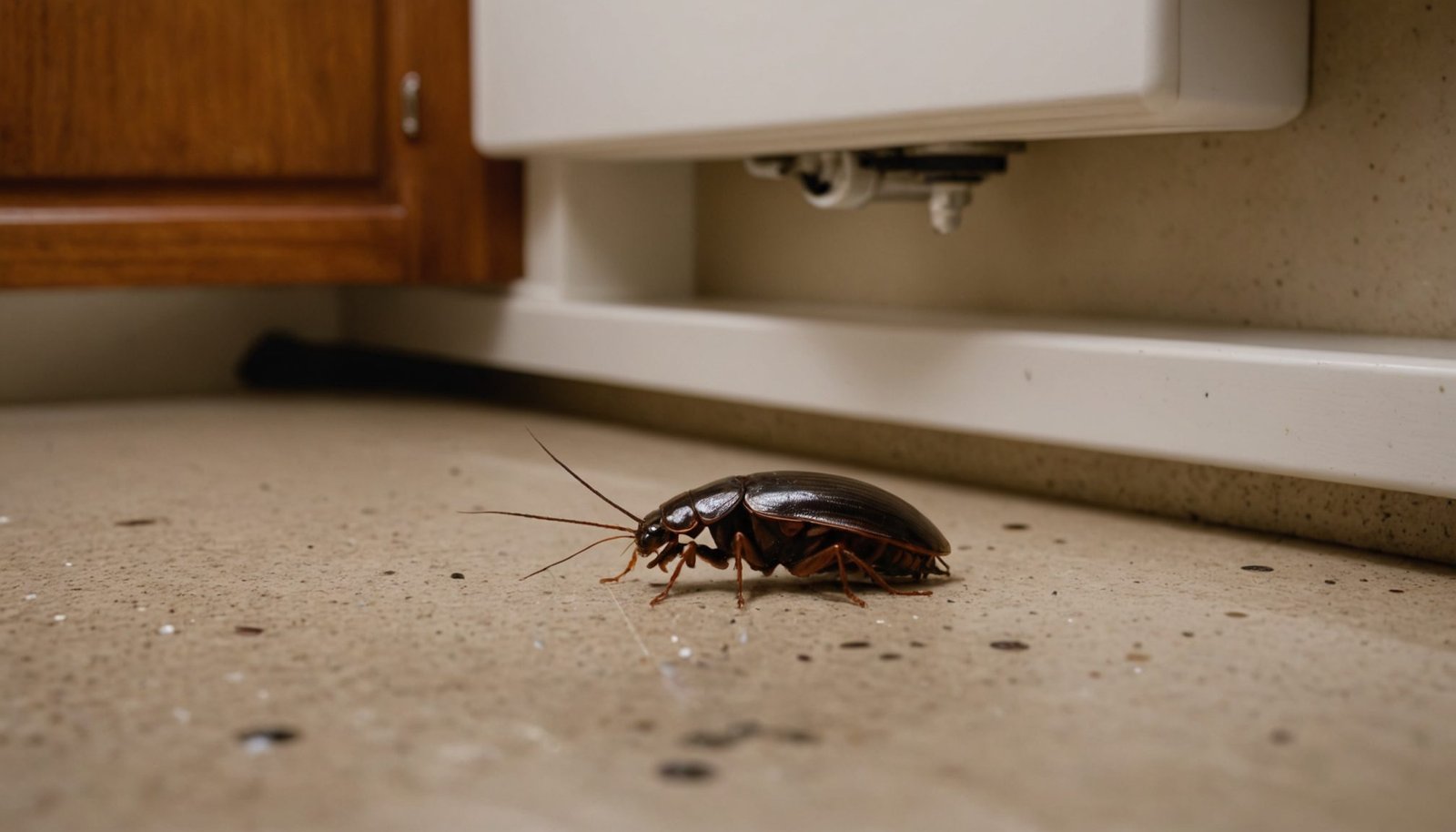
Using bait traps lowers cockroach populations by 85.6% within two weeks when deployed correctly — a result that depends entirely on placement precision, bait freshness, and avoidance of the common mistake of applying residual sprays near bait placements. Choose gel baits with active ingredients including fipronil, abamectin, hydramethylnon, or indoxacarb approved for residential use. Fipronil gel baits attract strongly and can achieve over 90% kill within several weeks. Abamectin formulations including Avert and hydramethylnon formulations including Maxforce drive strong feeding response in established German cockroach populations. See our complete cockroach treatment and control guide for detailed product comparisons.
Bait Placement Strategy
Deploy pea-sized gel bait dots in cracks, inside cabinet bases, under appliances, and along known travel routes identified by monitoring trap capture patterns. Distribute bait across a wide area of confirmed activity rather than concentrating it in a single location — cockroaches must encounter bait during normal foraging behavior for the cascade kill mechanism to work. Refresh aging or dried bait weekly during initial treatment and monthly for maintenance. Rotate active ingredients every 90 days to prevent bait aversion and resistance development. Never apply residual spray in the same locations as gel bait — spray residues repel cockroaches from bait stations, negating the primary treatment tool. Boric acid dust applied in inaccessible wall voids and under appliance bases provides complementary control in zones where gel bait cannot be physically placed.
Trap Placement and Monitoring
Use sticky or flat adhesive monitoring traps to map activity hotspots and track treatment progress over time. Bait traps with peanut butter, bread with beer, or commercial pheromone lures to improve capture rates significantly over unbaited traps. Place multiple traps in kitchens, bathrooms, storage areas, and along exterior entry zones. Check weekly during active treatment phases and bi-weekly for ongoing maintenance monitoring. Rising capture counts indicate active reinfestation or treatment failure; declining counts week over week confirm the program is working. The traps with the highest capture counts are within 5 to 10 feet of active harborage — use capture location data to direct bait placement precisely.
Regular Home Inspections
Consistent inspection routines catch reinfestation evidence before populations reestablish at treatment-resistant levels. Monthly inspections of all high-risk areas — kitchen cabinet interiors, under-sink spaces, bathroom vanities, basement perimeters, and any storage areas with cardboard — provide early detection that keeps treatment requirements minimal and costs low. Regular pest control treatments decrease infestations by 79.5% over six months, and scheduled professional inspection visits are the most reliable way to maintain this outcome for homeowners without the experience to identify subtle early reinfestation signs.
During each inspection, look specifically for fresh droppings (coffee-ground-like specks in new locations), smear marks along baseboards in previously clean areas, egg cases in cabinet corners or behind appliances, musty oily odor in enclosed spaces, and any sticky monitoring trap captures in locations that had previously gone zero. Finding any of these signs during a routine inspection warrants immediate bait replenishment and a review of any sanitation or moisture management lapses that may have created the reinfestation opportunity. See our guide to killing cockroaches for targeted response protocols when inspection confirms active reinfestation.
Managing Outdoor Areas to Deter Cockroaches
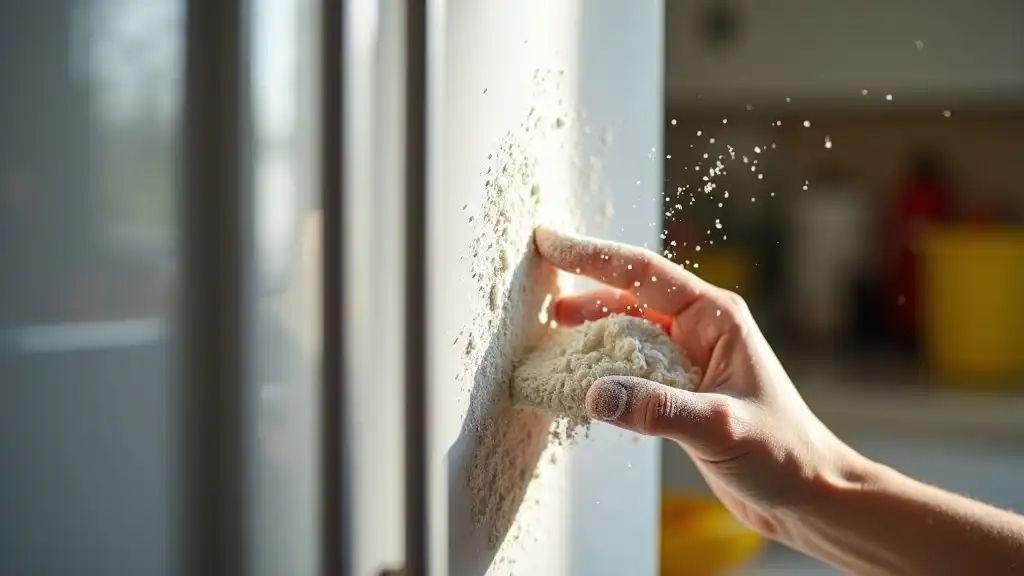
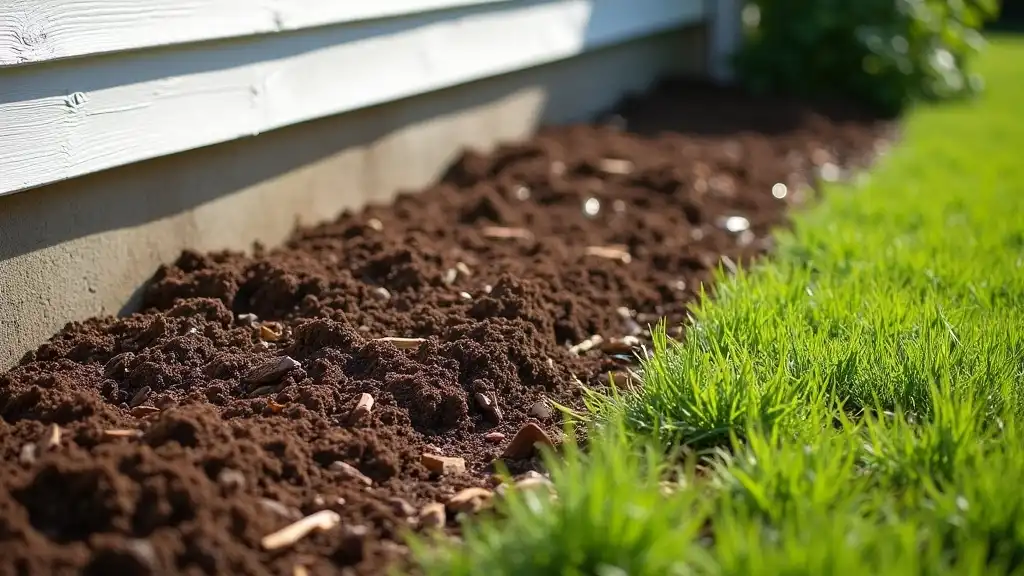
Outdoor harborage zones adjacent to the building sustain the population pressure driving indoor reinfestation — eliminating them removes the source population that repeatedly introduces cockroaches through structural entry points regardless of interior prevention measures. Clear mulch beds and leaf litter away from the building foundation, maintaining a 6 to 12 inch gravel or bare-soil clearance zone. Relocate woodpiles, lumber stacks, and yard debris away from the building perimeter. Keep outdoor garbage and recycling bins sealed and positioned away from entry points. Trim dense ground cover plants and shrubs away from the building exterior. Clean up outdoor food sources including fallen fruit, bird feeders near the foundation, and pet food left outside. Inspect and seal crawl space vent screens, utility meter boxes, and irrigation control enclosures, all of which serve as protected outdoor cockroach harborage adjacent to building foundations. Address outdoor garbage and compost areas by using sealed bins and positioning compost away from the building — organic waste odors attract cockroaches from considerable distances and sustain outdoor populations near entry points.
Sealing Cracks and Gaps Throughout the Home
Structural sealing is the highest-impact single prevention measure for stopping cockroach reinfestation, cutting recurrence by 64.8%. Beyond the initial exclusion work described in the entry points section, ongoing seal maintenance is required to address the natural deterioration of caulk, weatherstripping, and door sweeps that occurs through temperature cycling, humidity changes, and mechanical wear. Annually recheck all caulked entry points and reseal any locations showing cracking, shrinkage, or separation from adjacent materials. Inspect and replace weatherstripping and door sweeps every two to three years — worn seals that appear functional from the outside often have gaps at floor level that serve as primary cockroach entry routes. Check and reseal all areas disturbed by plumbing or electrical service work, which frequently leaves pipe and conduit penetrations unsealed after maintenance. Seal behind newly installed appliances, cabinets, and fixtures before they are pushed back into position — the gap between appliances and walls is consistently left unsealed after service visits and becomes an immediate cockroach travel corridor.
Coordinate With Neighbors and Keep Monitoring
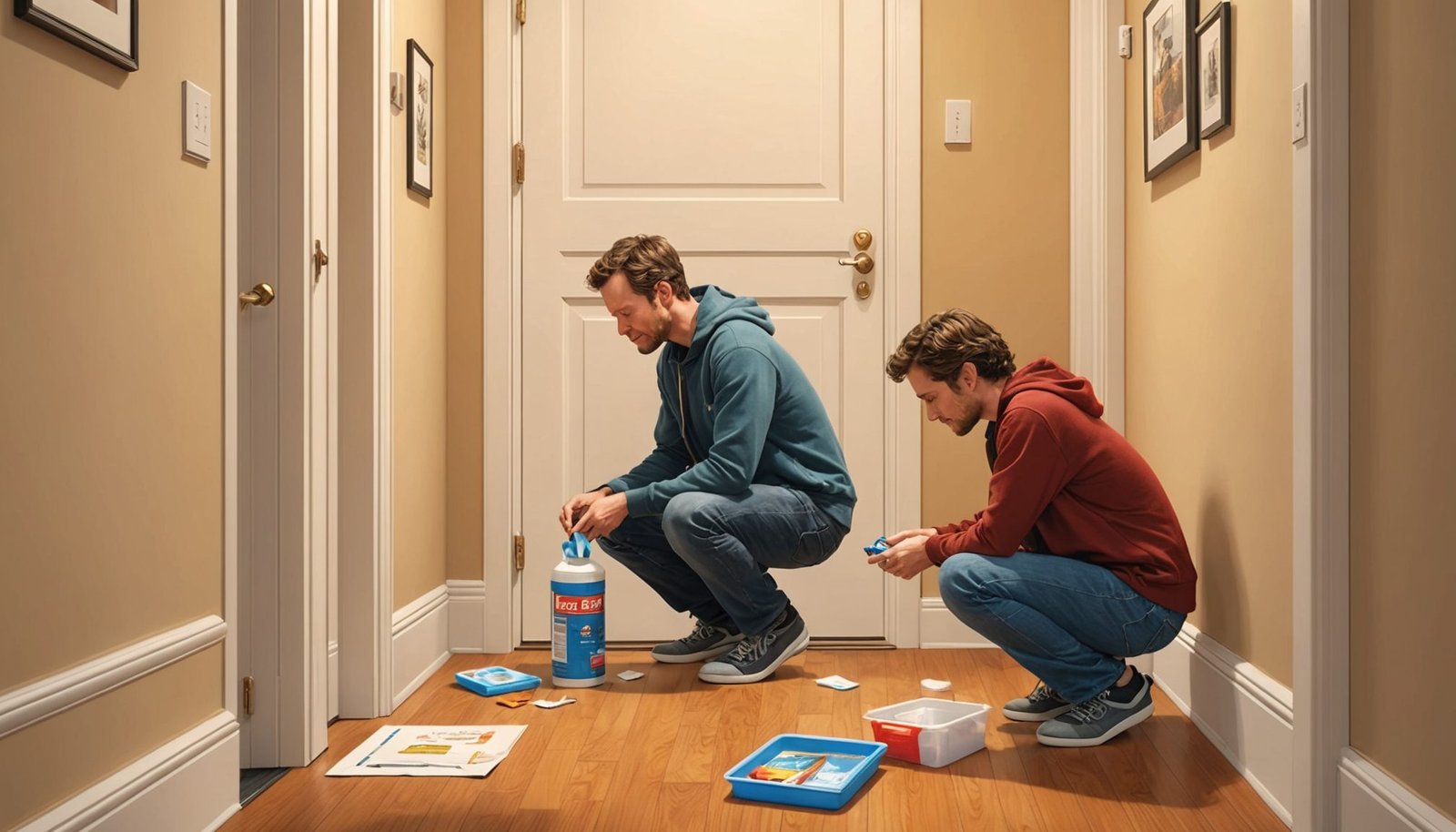
Even with perfect sanitation, exclusion, and treatment in your own unit, cockroaches will rebound repeatedly if adjacent units remain infested — they travel through shared walls, plumbing chases, electrical conduit, and HVAC ductwork between units in multi-family buildings. Prolonged exposure to cockroach allergens from adjacent infested units can trigger allergies and asthma in your household even without a visible infestation in your own space. Coordinate with neighbors, building management, and a licensed pest control company to implement building-wide treatment programs rather than unit-by-unit approaches.
| Coordination Action | Why It Works | Who Is Responsible |
|---|---|---|
| Building-wide treatment scheduling | Eliminates reinfestation from untreated adjacent units | Management and pest control provider |
| Shared monitoring data | Identifies problem units driving building-wide infestation | Pest control provider and management |
| Unified prep instructions | Ensures all units are in treatment-ready condition simultaneously | Management communication |
| Shared wall and utility sealing | Blocks the primary travel routes between units | Management maintenance |
When to Call Pest Control Professionals
Professional pest control services are appropriate when cockroach monitoring trap captures remain positive after two weeks of sanitation and exclusion improvements, when egg cases or shed skins confirm active breeding, when gel bait applications are not reducing activity within 14 days, when infestation evidence is found in more than one room, or when any daytime cockroach sighting occurs. Regular pest control treatments decrease infestations by 79.5% over six months — a result that professional-grade products, precision application equipment, and inspection expertise consistently achieve where DIY programs plateau. Bathroom cockroach infestations specifically often require professional treatment to access the sewer-connected harborage zones where American and Oriental cockroaches establish. When calling a professional, request an IPM-based provider who conducts harborage-specific inspection before applying treatment — providers who default to scheduled broadcast spray applications without investigation are less effective for long-term reinfestation prevention.
Frequently Asked Questions About Stopping Cockroaches From Coming Back
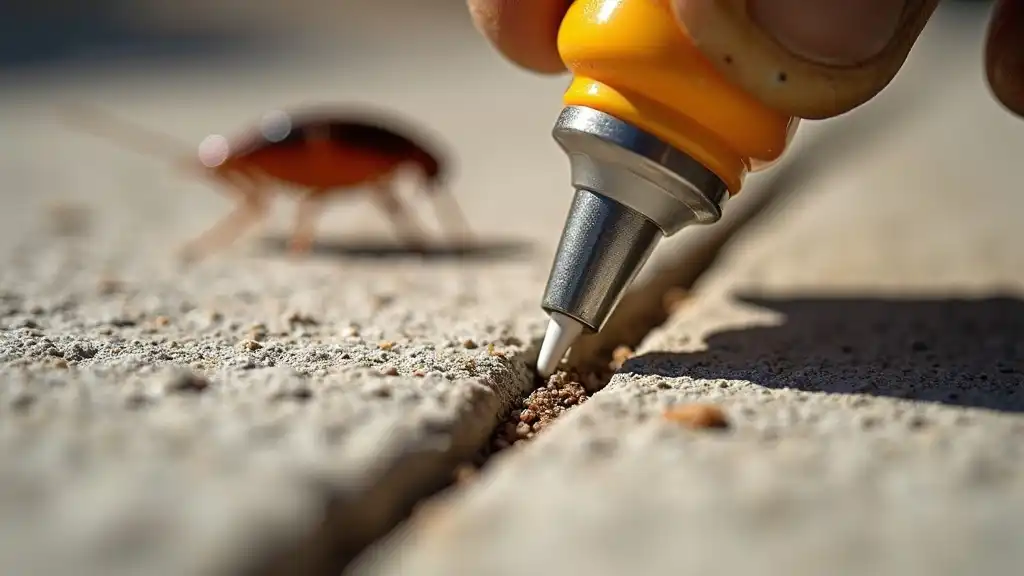
How do I stop cockroaches from coming back?
Stopping cockroaches from coming back requires three simultaneous actions: eliminating food and moisture sources, sealing all structural entry points, and maintaining targeted bait placement in harborage zones. Proper sanitation reduces return rates by 72.3%, sealing cracks cuts recurrence by 64.8%, and gel baits lower populations by 85.6% within two weeks when deployed correctly. The most common reason cockroaches return after treatment is that one of these three pillars is maintained inconsistently — food management without exclusion, exclusion without bait treatment, or bait treatment without sanitation all produce temporary improvement followed by reinfestation.
Which repellents work best against cockroaches?
For supplemental deterrence alongside primary treatment, food-grade diatomaceous earth applied as a thin dust in cracks and crevices provides the most reliable passive control — it damages cockroach cuticle on contact without toxicity concerns. Boric acid dust in wall voids and under appliances provides similar long-term control at very low application rates. Bay leaves, peppermint oil sprays, and catnip sachets create short-term repellent zones that require regular replacement. Natural repellents are most effective as maintenance tools after a primary treatment program has reduced the population, not as standalone solutions for active infestations.
How does boric acid work against cockroaches?
Boric acid works through two mechanisms: as a stomach poison when ingested during grooming, and as a physical desiccant that damages the waxy cuticle layer when cockroaches walk through it. Cockroaches that contact boric acid dust carry it back to harborage zones on their bodies, where other colony members ingest it during social grooming behavior, creating a secondary kill effect that extends boric acid’s reach beyond the application site. The critical application principle is concentration — heavy, visible applications are avoided by cockroaches. Correct application uses a bulb duster to create an almost-invisible dust layer that cockroaches walk through without detecting. Keep treated areas dry, as moisture deactivates the desiccant action and reduces effectiveness.
How often should I treat my home for cockroaches?
Gel bait should be refreshed monthly during active treatment phases and quarterly for maintenance once captures have dropped to near-zero. Rotate bait active ingredients every 90 days to prevent resistance development. Sticky monitoring trap checks should occur weekly during active treatment and bi-weekly for ongoing maintenance. Professional service visits during active infestation typically occur every 2 to 4 weeks for the first 60 to 90 days, then transition to quarterly maintenance. Regular professional treatments decrease infestations by 79.5% over six months — consistency of treatment timing is as important as product selection for achieving this outcome.
What areas need regular inspection for cockroach signs?
The highest-priority inspection zones are kitchen cabinet interiors (particularly upper rear corners, hinge areas, and cabinet bases), under all kitchen and bathroom sinks, behind and beneath all major appliances, along all bathroom and kitchen baseboards, inside any cardboard storage in basements and closets, and around all floor drain openings. Check these areas monthly for fresh droppings, smear marks, egg cases, shed skins, and musty oily odor. Monitoring traps placed in these zones overnight provide quantitative data that visual inspection alone cannot — a trap catching cockroaches in an area that looks clean confirms active harborage that requires treatment.
