
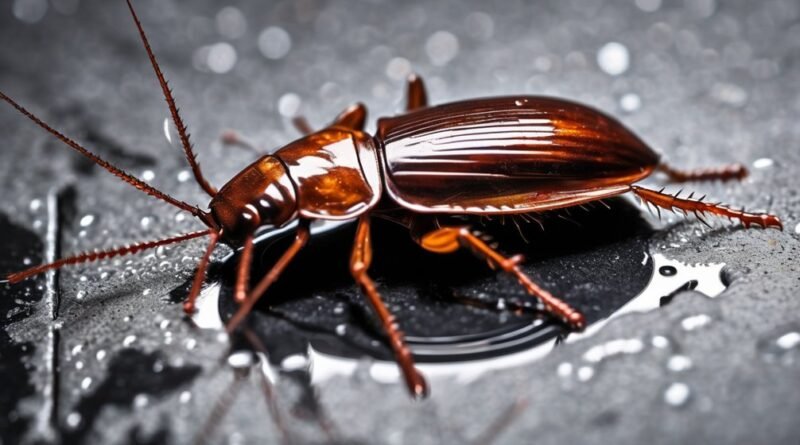
Oriental Cockroaches: The Water Bug Problem
You’ve probably heard someone call those dark, scurrying pests “water bugs,” but that’s not what they really are. These unwelcome visitors are Oriental cockroaches, and they’re causing problems in homes across America. While they do prefer damp spaces like their aquatic namesakes, these insects pose unique challenges and health risks that true water bugs don’t. Understanding the difference isn’t just about names – it’s about protecting your home and family.
Key Takeaways
- Oriental cockroaches are often mistakenly called water bugs, but they belong to a different order of insects entirely.
- Unlike true water bugs, oriental cockroaches are non-aquatic pests that prefer dark, damp environments around homes.
- True water bugs are predatory insects with specialized hunting legs, while oriental cockroaches are scavengers with chewing mouthparts.
- Oriental cockroaches are significantly smaller than water bugs, measuring only about 1 inch compared to water bugs’ 4 inches.
- Both pests favor moist environments, but oriental cockroaches specifically seek out basements, crawl spaces, and areas near plumbing.
Why Oriental Cockroaches Are Not True Water Bugs
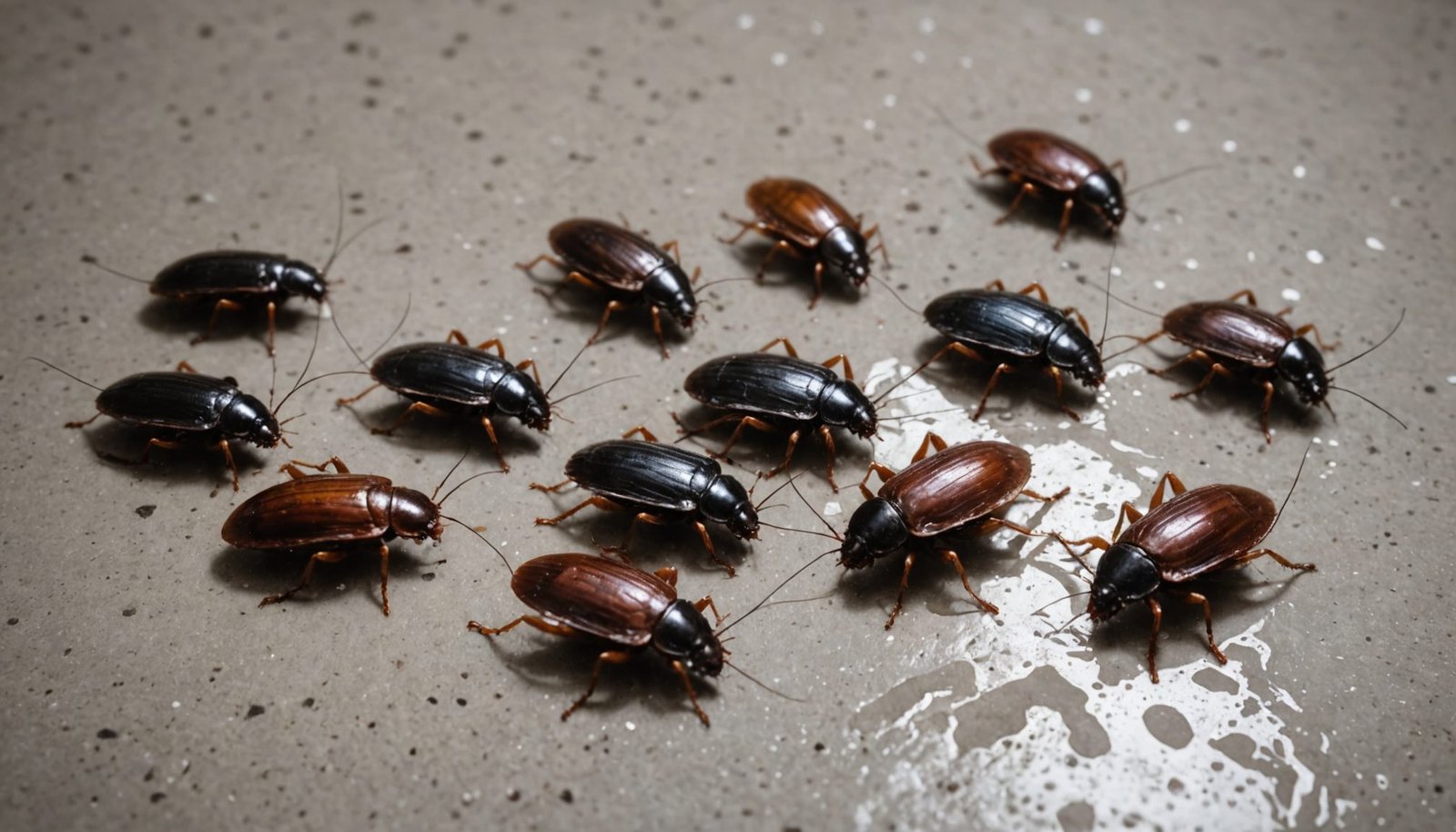
Although oriental cockroaches are commonly called “water bugs,” this nickname is scientifically inaccurate and misleading.
Despite their common nickname, oriental cockroaches have no relation to true water bugs and shouldn’t be confused with aquatic insects.
You’ll find these pests belong to entirely different orders – oriental cockroaches are in Blattodea, while true water bugs fall under Hemiptera.
You can spot the differences in their basic traits: True water bugs are aquatic predators with specialized front legs for catching prey, while oriental cockroaches are terrestrial scavengers that can’t swim.
Water bugs have beak-like mouthparts for hunting and injecting enzymes, whereas cockroaches possess chewing mouthparts for consuming decaying matter.
True water bugs are also larger, reaching up to 4 inches, compared to the 1-inch oriental cockroach. The oriental cockroach’s slower movement pattern distinguishes it from other cockroach species.
Most significantly, you’ll see water bugs thriving in aquatic environments, while oriental cockroaches stick to damp, dark spaces on land.
Physical Characteristics and Identification Tips
Identifying oriental cockroaches starts with recognizing their distinct physical traits.
You’ll notice their dark brown to black coloration with a glossy, sometimes greasy-looking surface. Adult females are larger, measuring about 1¼ inches with a broad abdomen, while males are slightly smaller at 1 inch with a slimmer build.
You can tell males and females apart by their wings – males have wings covering most of their abdomen, though they can’t fly, while females appear nearly wingless with only small wing pads.
Both sexes have bilateral symmetry, strong legs with spines, and long antennae. Look for their smooth, shiny exoskeleton and clearly defined body segments. Their long segmented antennae help distinguish them from similar-looking beetles.
The nymphs share similar features but lack the adult’s glossy sheen.
Preferred Habitats and Behavior Patterns
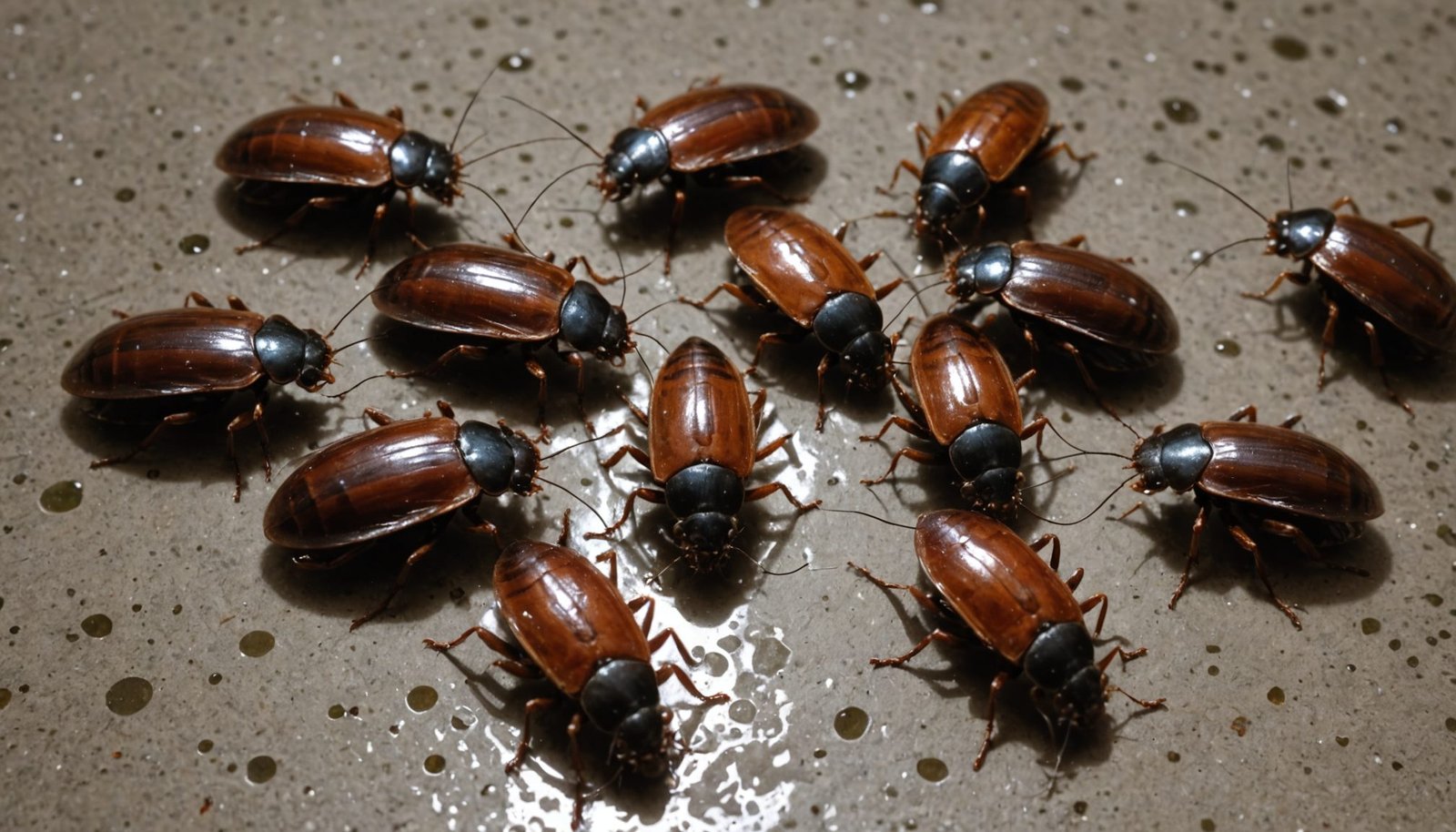
While oriental cockroaches can survive in various environments, they strongly prefer dark, damp locations both indoors and outdoors.
You’ll typically find them in basements, crawl spaces, and near plumbing fixtures where moisture levels remain high. These nocturnal pests thrive in temperatures between 68° to 84°F and emit a distinctive odor for communication. They are known to climb water pipes to move between floors of buildings.
Key factors that influence their habitat selection:
Oriental cockroaches carefully choose their living spaces based on specific environmental conditions that match their survival needs.
- Moisture availability – they seek consistent water sources like leaky pipes and floor drains
- Light exposure – they avoid well-lit areas, staying hidden during daylight hours
- Temperature range – they’re most active during warm months but prefer cooler spots than other roach species
- Access points – they enter through foundation cracks, sewers, and gaps around doors, especially during seasonal changes
Health Risks and Signs of Infestation
Despite their small size, oriental cockroaches pose serious health risks to humans through their ability to spread numerous pathogens and allergens. These pests can transmit over 33 types of bacteria, including E. coli and Salmonella, leading to serious gastrointestinal illnesses like food poisoning and diarrhea.
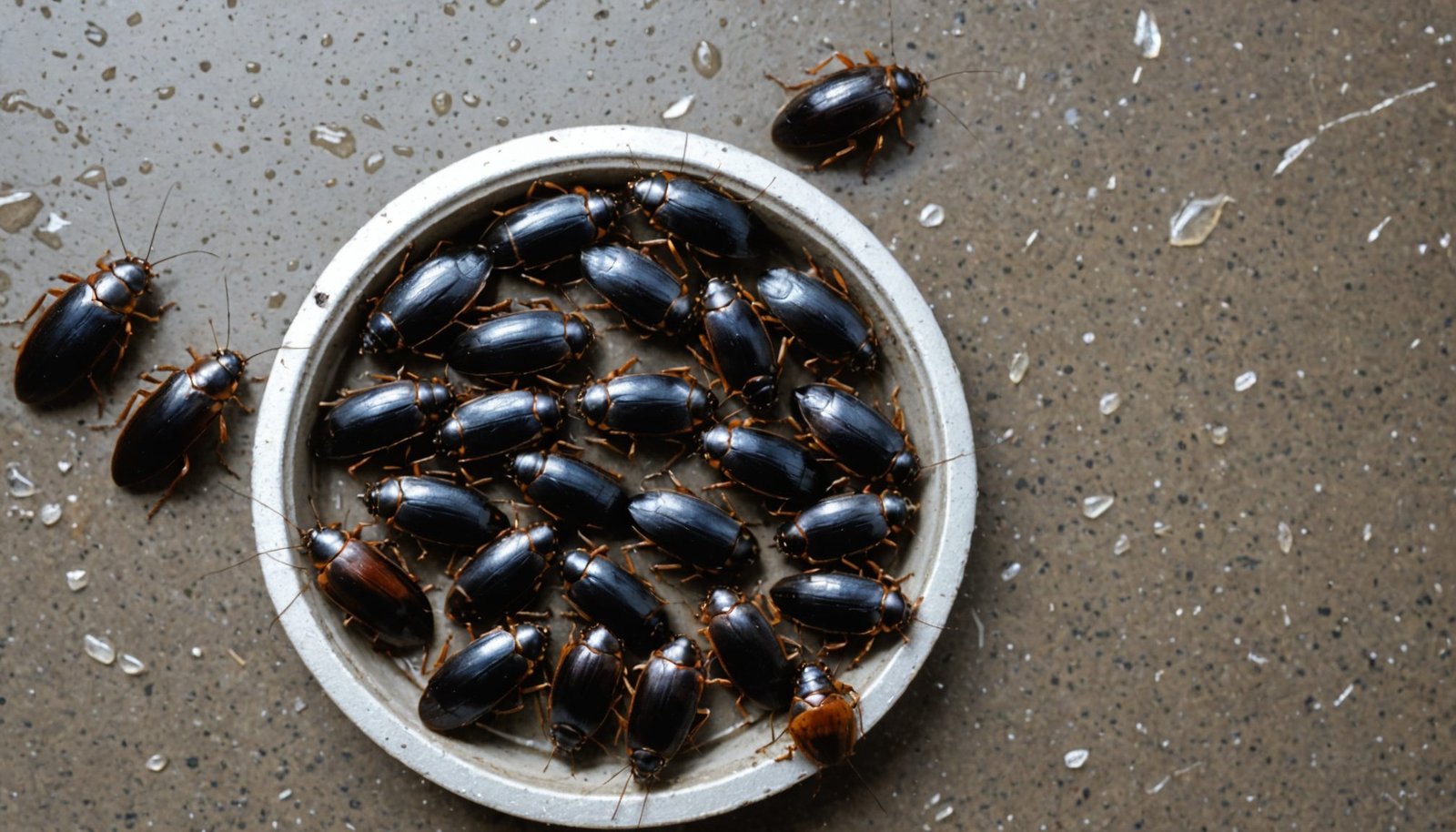
You’ll know you have an infestation if you spot dark, oval-shaped roaches about an inch long, especially at night near damp areas. Look for their feces, which appear as dark specks, and shed skins around your home. You might also notice a distinct musty odor.
The health impact extends beyond bacterial transmission. Their presence can trigger allergies and worsen asthma symptoms, particularly in children. Quarterly treatments are recommended by pest control professionals to maintain ongoing protection against these persistent pests.
If you’re living in urban areas, you’re at higher risk of exposure to these dangerous pests.
Essential Prevention and Control Strategies
To effectively control oriental cockroaches, you’ll need a thorough strategy that combines multiple prevention methods. The key is to make your home less appealing and accessible to these pests through targeted actions.
- Seal all entry points around your home’s foundation, windows, and doors, paying special attention to areas near plumbing and utility penetrations.
- Control moisture by fixing leaks promptly, improving ventilation, and using dehumidifiers in damp areas like basements and crawl spaces. These pests are attracted to damp locations and frequently inhabit floor drains that lead outside.
- Maintain strict sanitation by cleaning spills immediately, storing food in sealed containers, and keeping garbage tightly covered.
- Monitor for infestations using sticky traps along walls and corners, while implementing targeted bait stations containing slow-acting insecticides for long-term control.
Consider professional pest control services for severe infestations requiring specialized treatment plans.
Conclusion
You’ll need to act quickly when dealing with oriental cockroaches in your home. Don’t let their “water bug” nickname fool you – these pests require immediate attention. By sealing entry points, reducing moisture, and maintaining cleanliness, you’re taking essential steps to protect your space. Remember, professional pest control services can provide targeted solutions when infestations become severe. Your health and safety depend on proper management.
