

What to Expect After Professional Cockroach Treatment
After professional cockroach treatment, you’ll often see more roaches in the first 24–48 hours as they’re flushed from hiding, which means the products are working. Within 1–2 weeks, you should notice fewer roaches, less droppings, and reduced activity. Light to moderate infestations typically clear in 2–4 weeks, heavier ones in 4–8 weeks with follow-ups. Avoid cleaning treated areas too soon and track activity so you know what’s normal and what signals a problem.
Key Takeaways
- Expect a temporary spike in visible roaches during the first 24–48 hours as they’re flushed from hiding; this usually means the treatment is working.
- Noticeable reduction in roach activity typically starts within 1–2 weeks, with full control often taking 2–8 weeks depending on infestation severity.
- Seeing some young roaches in weeks 2–4 is normal, as eggs present before treatment hatch and then succumb to residual products.
- Avoid cleaning treated areas or using additional sprays initially, and follow your technician’s instructions to avoid weakening the treatment.
- Monitor with sticky traps, note live roaches or fresh droppings, and report persistent or increased activity after about a month to your exterminator.
Full Cockroach Elimination Timeline: When Roaches Should Be Gone

After a professional cockroach treatment, you should see a clear timeline of decline, starting with a big drop in visible roaches within the first two weeks and typically ending in full elimination within about 2–8 weeks. By the two-week mark, you’ll usually notice a significant reduction in activity as many adult roaches die and the pesticide moves through the population, disrupting the cockroach lifecycle and reducing breeding. Professional inspection and identification at the start of service help ensure that the correct products and methods are used for the specific cockroach species in your home, which improves how smoothly this timeline progresses.
In light to moderate infestations, you may see a 70–80% reduction in German roaches within the first week and a clear population decline by day 14. Heavier German roach problems often need 4–8 weeks and 2–3 visits for full control, as egg cases hatch and nymphs encounter residual products, gel baits, and insect growth regulators.
Your cooperation strongly affects treatment effectiveness. Good sanitation, reducing clutter, and following your provider’s instructions help guarantee roaches are fully gone within the expected timeline.
First 24–48 Hours After Cockroach Treatment: What to Expect

During the first 24–48 hours after treatment, you’ll usually see more roaches, not fewer. The chemicals disturb their hiding spots, push them into the open, and can make them seem frantic or disoriented. This initial surge in activity is a normal sign that the treatment’s working, not that it’s failing. Because cockroach programs typically show a noticeable decline within 7–10 days, this early spike in activity is expected before populations begin to drop.
Initial Roach Activity Surge
Even though you’ve just had a professional cockroach treatment, you should expect to see more roaches, not fewer, in the first 24–48 hours. This spike in activity is normal roach behavior and a strong sign of treatment effectiveness, not failure. As baits, non‑repellent insecticides, and flushing agents take effect, roaches get agitated, leave nests, and move through treated areas. During this period, it’s also common for follow‑up visits to be scheduled so professionals can fully address newly hatched roaches from egg cases that survived the initial service.
You’ll often see roaches in the daytime or in open spaces where they normally hide. Many will appear disoriented, sluggish, or dying as toxicants disrupt their nervous systems and growth. Dead and moribund roaches may collect near baseboards, cracks, and bait placements. This surge typically peaks within the first two days, then begins to decline as the hidden population collapses.
Normal Signs Of Treatment
You’ll likely notice roaches wandering in the open, moving slowly or erratically, and dying near baseboards, cabinets, or bait placements. Some may flip onto their backs and twitch before dying. Over the next few days, you’ll start seeing more dead roaches as the products circulate. During this period, avoid deep cleaning or mopping treated zones so residual materials can keep working. You may continue to see immature cockroaches during this time, but they will be affected by the treatment and will not survive to reproduce.
Week 1 After Cockroach Treatment: Normal Vs Worrying Signs
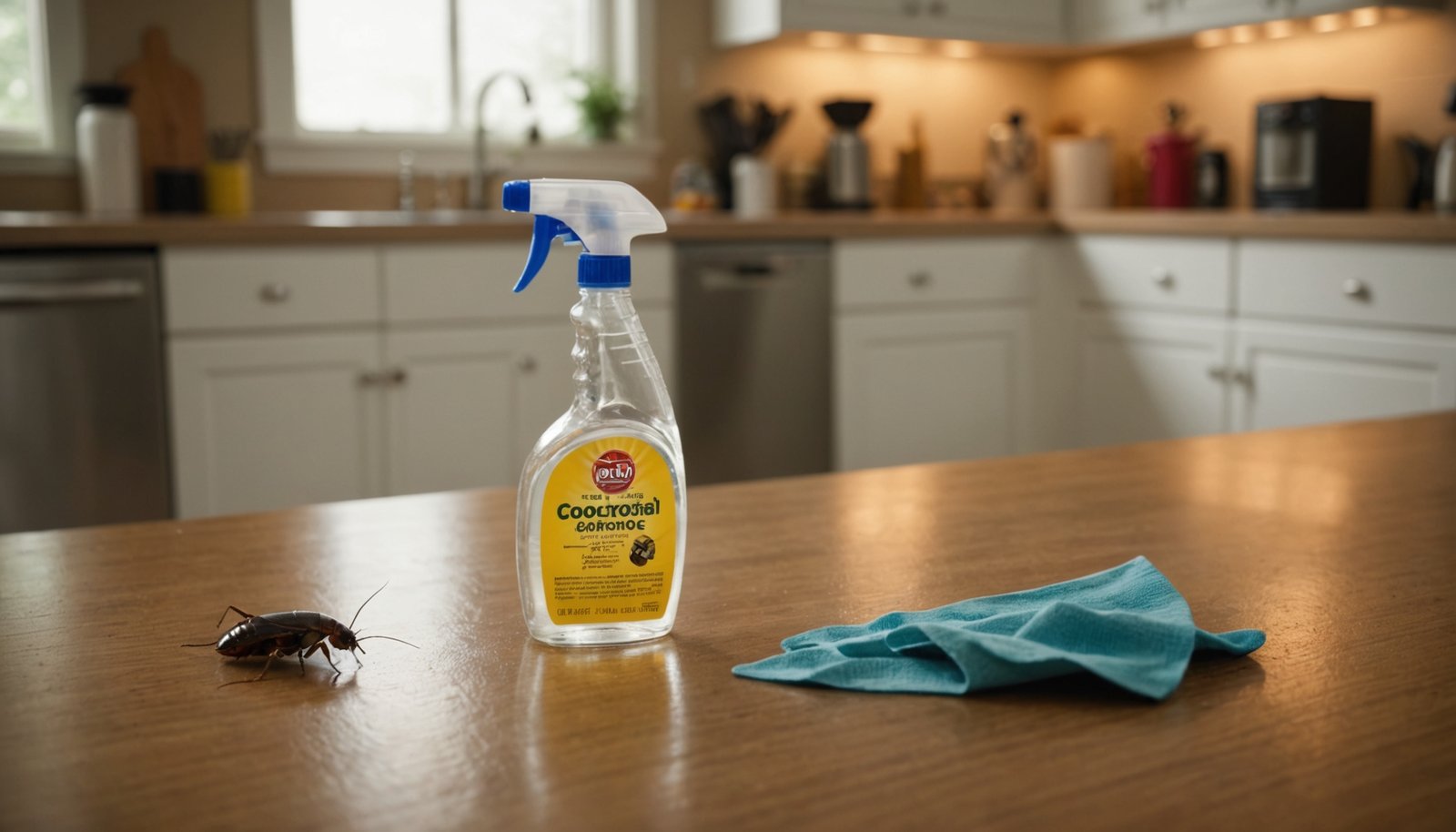
Watch for worrying signs: constant high activity with no decline by the end of week one, no visible reduction in droppings, or large numbers of baby roaches. Those patterns suggest the infestation may need a professional reassessment. In many cases, increased activity in the first week can still be normal as the treatment flushes cockroaches out of their hiding places before the population begins to drop.
Weeks 2–4 After Treatment: Why You’re Seeing Fewer Roaches
By weeks 2–4, you’ll usually notice a clear drop in roach activity compared to those first few days after treatment. You may still see young, smaller roaches, but their numbers should steadily decline as the products continue to work. Here’s what that mix of fewer adults and occasional juveniles really tells you about how effective your treatment is.
Noticeable Population Drop
As you move into weeks 2–4 after treatment, seeing fewer cockroaches is a strong sign the products are doing their job and the population is collapsing. You’re watching roach population dynamics shift as professional treatment methods disrupt feeding, breeding, and sheltering patterns. By about day 14, you should notice a clear drop compared to the starting point.
The first week often brings a 70–80% reduction for German roaches, and gel-bait programs in light infestations show obvious change within 7–10 days. As sprays, growth regulators, and baits keep working, roaches are pushed from harborages, exposed to residues, and die off. Between weeks 2 and 4, breeding cycles begin breaking, and sightings usually fall sharply, especially around former hot spots.
Young Roaches Still Visible
Even though you’re seeing far fewer roaches by weeks 2–4, small, pale “baby” roaches may still show up around treated areas. These nymphs aren’t a new infestation; they’re mostly the result of egg case survival from before treatment. German cockroach females hide egg cases in protected cracks, where their leathery shells shield developing young from sprays.
When these egg cases hatch, nymph behavior brings them out onto treated surfaces and toward gel baits, where they pick up lethal doses.
| What you see | Why it’s happening | What it means |
|---|---|---|
| Tiny pale roaches | Egg cases hatching | Old infestation finishing off |
| More activity at night | Normal nymph behavior | Nymphs contacting residues/baits |
| Fewer adults overall | Adults mostly eliminated | Treatment working as intended |
| Gradual decline in babies | Residual insecticide + bait kill | Population dropping week by week |
How Long Cockroach Treatment Stays Effective in Your Home
While every home and infestation is different, most professional cockroach treatments stay active anywhere from about a week to several weeks, with full control usually taking 3–8 weeks to achieve. Treatment longevity depends heavily on infestation factors like how many roaches you have, which species are present, and your home’s conditions. Small infestations may seem under control in days, while larger or German cockroach infestations can take weeks to a couple of months.
You’ll usually see increased roach activity within 48 hours as they emerge from hiding and encounter baits and sprays. Within 1–2 weeks, sightings should drop as growth regulators interrupt breeding cycles and remaining adults die off. Different products last different lengths of time: aerosols often work up to a week, boric acid 1–2 weeks, and insect growth regulators around 3–4 weeks, while baits can keep killing for 1–8 weeks, especially when sanitation helps extend their effectiveness.
When to Call Your Exterminator (and What to Do Between Visits)
Knowing that cockroach treatments keep working for weeks helps you set realistic expectations, but you still need a plan for what to do next and when to get more help. In the first 2–4 weeks, you’ll likely see more roaches as they’re flushed from hiding. That alone doesn’t justify a call. Focus on exterminator communication if you’re still seeing live roaches, fresh droppings, or strong odors after a month, or if activity suddenly spikes again.
Use sticky traps to track numbers; rising counts signal it’s time for a treatment follow up. Between visits, follow the technician’s instructions: don’t scrub treated zones, avoid DIY sprays and harsh cleaners, and wait several days before any deeper cleaning. Vacuum dead roaches daily, seal cracks, dry out damp areas, and keep food sealed. Keep checking monitors and problem spots so you can report accurate, specific info at your next visit.
Frequently Asked Questions
Can Cockroach Treatments Harm My Pets, Aquarium Fish, or Houseplants?
They usually don’t when professionals use IPM, but you must follow prep and re‑entry directions. You’ll protect pet safety, aquarium fish, and houseplants while maintaining treatment effectiveness by covering tanks, removing bowls, and avoiding treated surfaces.
Is It Safe for Children to Play on Treated Floors and Carpets?
It’s only safe once the treatment duration and drying time pass, the area’s well‑ventilated, and you’ve vacuumed or mopped. For child safety, use barriers, keep babies off freshly treated carpets, and confirm instructions with your provider.
Will Professional Cockroach Treatment Leave Strong or Lingering Chemical Odors?
You usually won’t notice strong or lingering smells; pros use gels, dusts, and low-odor sprays designed to reduce chemical exposure and odor persistence. You might smell a light scent briefly, but it typically dissipates with ventilation.
Can I Clean My Kitchen and Mop Floors After Treatment Without Removing the Pesticides?
You can clean, but watch cleaning timing to avoid removing pesticides. Wait 24–48 hours, then lightly wipe counters and central floors. Don’t mop edges, skirting, or baseboards for weeks to protect residue and minimize residue concerns.
Will I Still Need Preventive Treatments if I Only Had a Small Infestation?
You’ll still need some preventive treatments, even after a small infestation. Focus on post treatment maintenance: light bait or dust reapplications, monitoring, and sanitation for long term prevention so hidden survivors or egg capsules don’t restart problems.
Conclusion
After a professional cockroach treatment, you’ll still see a few roaches—but you’ll know what’s normal, what’s not, and when to call your exterminator. Keep up with cleaning, reduce moisture, and follow any prep or follow‑up steps they recommend so the treatment stays effective as long as possible. If you suddenly see more activity, smell something strong, or notice new droppings, don’t wait—reach out and schedule a follow‑up visit.
