
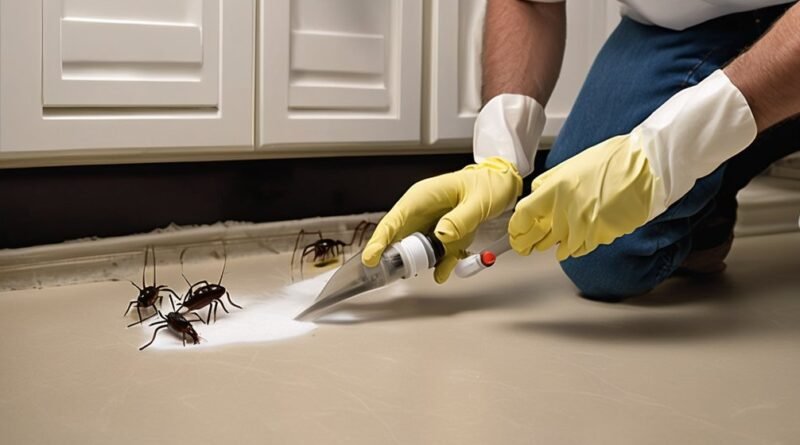
Best Professional Cockroach Treatment Options (Costs & Effectiveness)
You’ll get the best results with an IPM plan: pro gel baits ($20–$30/tube) for fast knockdown, residual sprays ($30–$80/quart) for barriers, and dusts (boric acid, silica, DE) in tight, dry voids. Add IGRs to stop breeding, and schedule follow-ups every 2–4 weeks, then taper to 30–60 days. Avoid spraying over baits, fix leaks, seal cracks, and use sticky traps to monitor. This approach can make up to 80% of units roach-free within a year. Understanding all your cockroach treatment options — from natural remedies and DIY methods to professional extermination — helps you choose the right solution for your specific infestation level, budget, and environment.
How Pros Assess Species and Infestation Severity
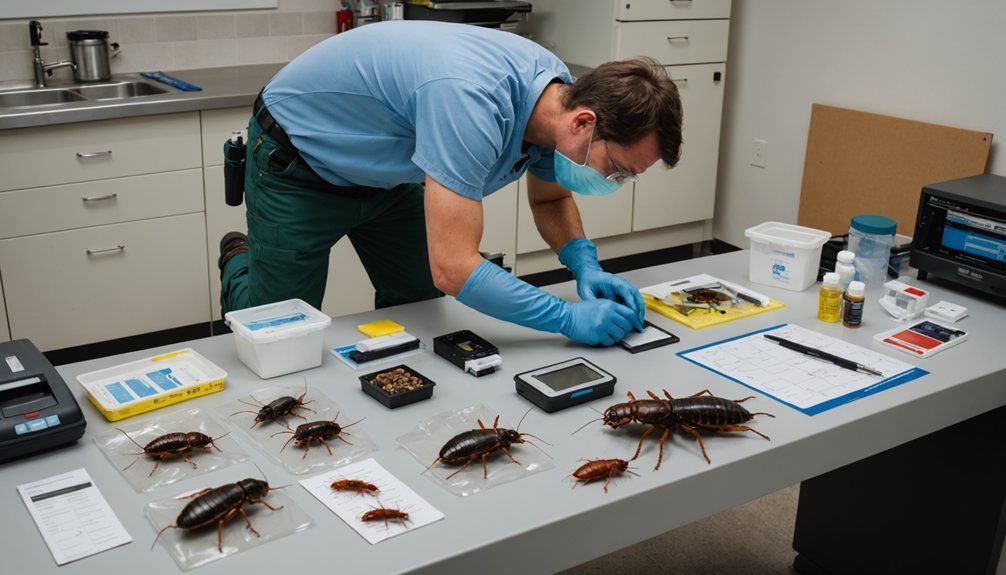
Although every infestation is unique, pros start by confirming which cockroach you’re dealing with and how entrenched it is — because the right treatment method depends entirely on accurate identification. They inspect kitchens and bathrooms for German cockroaches — 13–16 mm, golden to dark brown with twin stripes — then check basements, crawl spaces, and drains for larger, darker American or glossy black Oriental roaches. In dry rooms like bedrooms and offices, they look for smaller brown-banded roaches with pale bands; males may fly using their wings.
You’ll see them use a flashlight to document fecal spots like coffee grounds, cast skins, oothecae, egg cases, and dead bodies in cracks, behind appliances, and under sinks. These are the primary signs that guide treatment intensity. Daytime German sightings or a strong musty odor — especially from Oriental roaches — signal severity. Pros collect samples and high-quality photos and may consult cooperative extension experts for precise identification. Early detection is emphasized because rapid reproduction can quickly turn a small problem into a widespread cockroach infestation.
Signs of a Cockroach Infestation: What to Look For
Before choosing your cockroach treatment options, knowing the signs of an active infestation in your house is critical. Many people underestimate the size of their problem because cockroaches are nocturnal insects that stay hidden during daylight hours.
Use a flashlight to check these high-risk places for signs:
- Kitchen cabinets, under the sink, and behind the stove — look for pepper-like droppings, egg cases, and shed skins
- Gaps and holes around pipes, doors, and baseboards — entry points roaches use to move between rooms
- Counters and countertops — grease smears and droppings near food prep areas
- Drains, sinks, and damp spaces — particularly for American and Oriental cockroach species
- A musty, oily odor emanating from cabinets, walls, or floor voids
The presence of eggs, egg cases, or shed skins confirms active reproduction — meaning the cockroach infestation is already in multiple life stages. At this point, a single method rarely suffices; an integrated process using multiple treatment options is needed. Health risks from a cockroach infestation include exposure to bacteria, worsening asthma, and triggering allergies — particularly for people with respiratory conditions and animals in the house.
Gel Bait Insecticides: Targeted Knockdown and Costs
Once pros confirm the species and hotspots, they turn to gel bait insecticides for a targeted knockdown. You’ll see small dabs or lines placed in cracks, crevices, under appliances, and near moisture and food. The slow-acting poison attracts roaches, then spreads through contact, feces, and regurgitation — creating a domino effect that reaches hidden insects. Correct placement drives success; poor placement means fewer discoveries and weaker results.
Gel baits are discreet, odorless, and ideal indoors, with several commercial formulas still highly effective against German cockroaches. Reapply as bait dries or is consumed, and avoid spraying near baits to prevent repellency. Rotate active ingredients and monitor performance to mitigate physiological and behavioral resistance. Expect $20–$30 per tube, with brand and concentration affecting cost. Pros often include gel bait within broader service packages. Choose reputable providers that use advanced anti-roach gel, which ensures long-lasting cockroach control without mess or odor.
Residual Sprays: Barrier Protection and Pricing
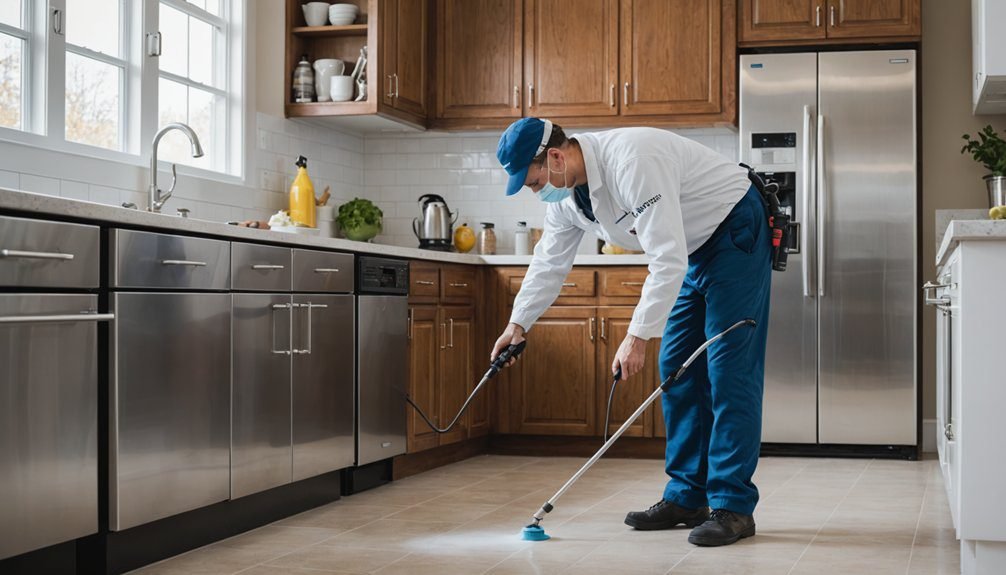
Even with precise baiting, you’ll typically add residual sprays to build a protective barrier along cockroach travel routes. These sprays leave a thin residue that roaches pick up during nocturnal foraging and track back to harborages, indirectly affecting others. Expect slow action: adult mortality can take 8–24 hours (sometimes days), and juveniles and eggs largely escape, so combine an IGR to disrupt development and reproduction. Because cockroaches have developed pyrethroid resistance, many consumer-grade sprays kill less than 20% within 30 minutes and often require hours to days for mortality.
Apply in cracks, crevices, and perimeters on non-porous surfaces (tile, metal) for better contact; porous drywall absorbs product and shortens the 2–4 week efficacy window. Moisture and grime also cut performance. Pyrethroid resistance is common in German cockroaches, and many consumer products don’t meet 90% residual efficacy standards. Pricing: pro-grade concentrates run roughly $30–$80 per quart; coverage costs about $10–$40 per unit.
Natural Remedies and DIY Cockroach Treatment Options
For people dealing with a minor infestation or who prefer lower-toxicity solutions, several natural remedies and DIY cockroach treatment options can be effective as part of an integrated process.
Natural and Low-Toxicity Options
Essential oils like peppermint, clove, and oregano act as natural repellents — spraying diluted solutions along baseboards, around pipes, and in gaps near doors can deter cockroaches from entering. While not a standalone solution for established infestations, they’re a useful preventive step alongside other methods.
Catnip contains nepetalactone, a natural repellent that affects cockroaches without being toxic to humans or animals. Place sachets or spray a catnip tea solution in kitchen cabinets, under sinks, and around counters — though keep in mind this approach is best suited to prevention rather than active extermination.
Baking soda mixed with sugar is a simple DIY poison: the sugar attracts roaches, and the baking soda causes lethal gas buildup when ingested. Place small dishes near harborage areas and replenish regularly. This method is slow but chemical-free, making it a safe option for homes with pets and children.
Cedar and bay leaves are among the oldest natural cockroach deterrents — placing them in kitchen cabinets, under appliances, and in storage spaces exploits cockroaches‘ aversion to certain plant compounds. These are preventive remedies, not treatments for active infestations.
Dust Insecticides (Boric Acid, DE): Where They Shine and Spend
When you need long-lasting control in tight, dry spaces, dust insecticides shine by reaching places where sprays and baits struggle. You’ll get non-repellent coverage in cracks, crevices, and voids, keeping roaches moving through lethal zones. These are among the most cost-effective cockroach treatment options for long-term suppression — particularly valuable in the habitat areas where cockroaches shelter and breed.
Silica gel (CimeXa) scrapes away the waxy cuticle, dehydrating roaches and lasting up to a decade if undisturbed. Boric acid (BorActin) clings to bodies and kills when groomed and ingested. Diatomaceous earth abrades exoskeletons, offering a low-tox, non-chemical option. Synthetic dusts (Delta/D-Fender) deliver fast pyrethroid knockdown, with some waterproof formulas. Rockwell Labs’ CimeXa Insecticide Dust can remain effective for up to 10 years when undisturbed in dry voids.
Apply lightly in wall voids, attics, crawl spaces, behind/under appliances, baseboards, and cabinets using a hand duster. Avoid active appliance motors to prevent dispersal. Inspect and reapply every 3–12 months. A variety of dust formulations means you can match the material to the environment — moisture-tolerant dusts for damp spaces, longer-lasting silica gels for dry voids. Upfront costs are modest; residuals cut repeat treatments.
Insect Growth Regulators (IGRs): Long-Term Control and Value

Although they don’t deliver instant kill, insect growth regulators (IGRs) are your long-game advantage against cockroaches, stalling their life cycle so populations collapse over time. Juvenile hormone analogs suppress growth and sterilize females, while chitin synthesis inhibitors block molting, killing nymphs and embryos. Because IGRs don’t knock down adults, pair them with baits or sprays for complete control.
You’ll see results in 4–6 months as immature stages age out. Residual activity lasts weeks to months, catching missed roaches and preventing rebound, so you reapply less often. That durability boosts value despite higher upfront cost. They are essential in integrated pest management strategies, enhancing long-term suppression when combined with sanitation and exclusion.
IGRs also slow resistance. Their distinct mode of action curbs reproduction in roaches resistant to neurotoxicants and delays resistance when combined with products like indoxacarb. Apply in cracks, crevices, and harborage using sprays, aerosols, or IGR-infused gel baits.
Fumigation for Severe Infestations: When It’s Worth It
Ready for a hard reset? Fumigation seals your space and floods it with a gaseous insecticide to wipe out entrenched cockroaches — even eggs and egg cases. You’ll need to vacate, prep thoroughly, and let pros manage dosage, exposure time, and sealing. It’s a last-resort choice when baits, sprays, and IGRs haven’t contained widespread, hard-to-reach populations in wall voids, under floors, and through shared pipes. Expect rapid, near-complete knockdown, but little residual — plan strict post-treatment prevention to avoid reinfestation.
| When it’s worth it | Costs | Key limits |
|---|---|---|
| Severe, building-wide infestations | Hundreds to thousands+ | High toxicity — pro only |
| Rapid extermination needed (e.g., commercial kitchens) | Prep, displacement add cost | No residual protection |
| Hidden voids, inaccessible areas | Bundles may add follow-ups | Not ideal for multi-unit buildings |
| You can vacate and prep | May reduce repeated visits | Regulatory restrictions apply |
| Follow with sanitation/exclusion | House size/complexity raise price | Recolonization risk persists |
Integrated Pest Management (IPM): Effectiveness vs. Expense
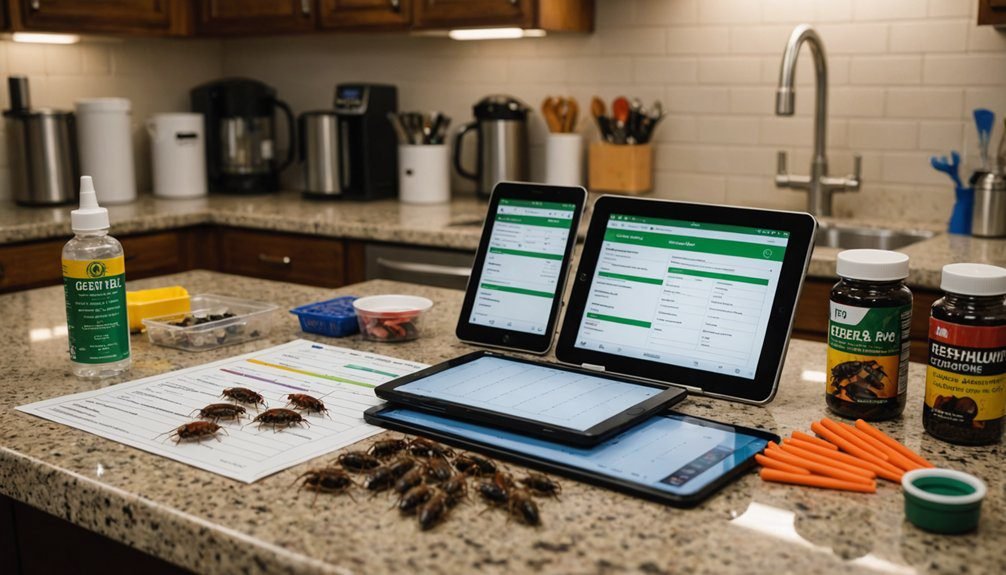
Even if you’re focused on quick results, IPM often outperforms spray-and-pray approaches and pays off over time. Studies show up to 80% cockroach-free units after a year with IPM versus 6% using traditional methods. By vacuuming first, placing baits and IGRs, and guiding selective treatments with trap data, you cut populations fast and keep them down — mean trap counts dropped from 20.5 to 3.9. Community-wide programs also lower allergens — reducing asthma triggers and allergies for people in affected homes — and lower infestation rates.
You’ll pay more upfront — about $25.70 per unit annually versus $10.43 — but monthly costs drop to roughly 60% less than traditional services as maintenance replaces repeat knockdowns. Scale matters: building-wide IPM prevents reinfestation and reduces resistance risks.
- Vacuum, then bait with IGRs
- Monitor with sticky traps
- Educate residents on sanitation
Scheduling and Follow-Ups: Treatment Frequency and Budgeting
Because cockroach populations rebound fast, you need a schedule that moves from intensive knockdown to steady prevention while staying on budget. Start with a professional inspection, then expect an initial treatment followed by a 2–4 week follow-up to hit newly hatched roaches. For severe activity, plan multiple visits every 2–4 weeks until counts drop, then shift to preventive intervals of 30–60 days.
Most homes do well with quarterly service; low-risk, well-maintained homes may stretch to bi-annual visits. High-risk settings — near restaurants, multi-unit buildings, or in warm, humid climates — often require monthly or bimonthly service. Balance costs and risk: quarterly plans typically cost less than monthly programs yet prevent expensive rebounds. Budget for treatment fees plus indirect costs like cleaning, damage, and health impacts from ongoing allergen exposure. Regular inspections guide frequency adjustments.
Prevention and Exclusion Tactics That Cut Future Costs
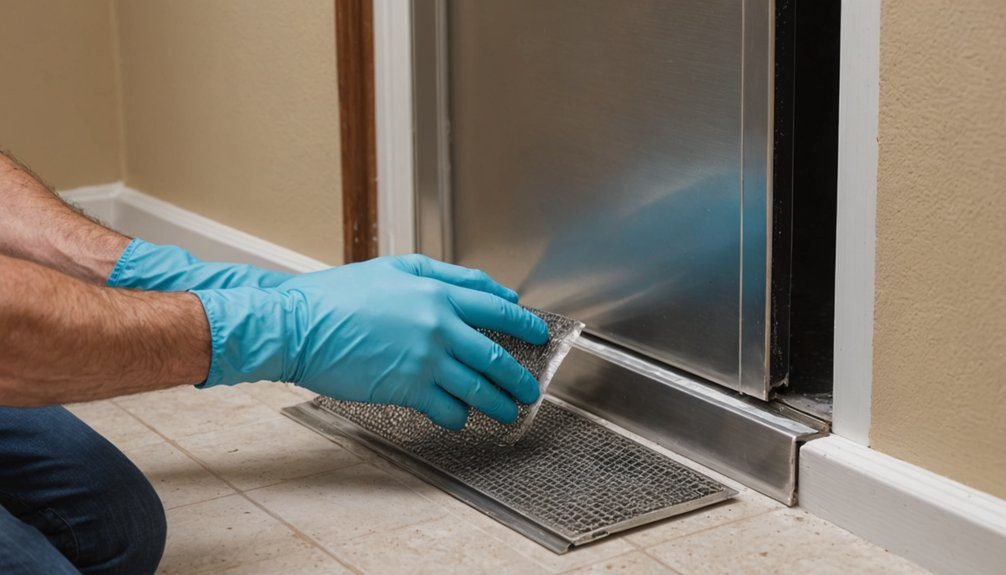
While treatments knock down active roaches, prevention and exclusion keep them from coming back — and save you money long term. These steps are especially important because even the most effective cockroach treatment options fail when food, moisture, and habitat conditions remain unchanged.
Start with sanitation: wipe grease off counters and countertops, sweep crumbs, wash dishes promptly, and store food in sealed containers. Fix leaks, dry basements and crawl spaces, and empty trash regularly away from the building. Steam clean and vacuum to remove eggs and nymphs so any targeted products work better.
- Seal entry points: caulk cracks and holes, add door sweeps and weather stripping, and cover vents and utility openings around pipes and doors with fine mesh. Even small gaps are enough for cockroaches to use as entry points into your house.
- Trim vegetation, move mulch, firewood, compost, and trash cans away from foundations, and clear debris to eliminate habitat harborages outside your house.
- Place sticky traps and bait stations in kitchens, bathrooms, and utility areas; inspect, replace, and reposition routinely to track the presence of any new activity.
Educate occupants on these tips, set cleaning schedules, and remove pet food and dishes overnight. For people with pets or animals, use pet-safe products and baits specifically designed for homes with animals — many standard insecticides require special precautions around aquariums, bird cages, and reptile spaces. Keep in mind that even the best methods require consistent process and follow-through; a single missed step in sanitation can allow a new cockroach infestation to take hold.
Emerging Tools and Formulations to Combat Resistance
Prevention cuts reinfestations, but resistant roaches still demand smarter tools. You’ll see new chemistries and smarter baits designed to bypass resistance and shorten knockdown times. PLINAZOLIN (isocycloseram), expected in 2025, brings a novel IRAC Group 30 mode of action — distinct from pyrethroids and neonicotinoids — to break cross-resistance. It reflects decade-long R&D and $300M+ investment aimed at German and American roaches.
You’ll get better results with professional baits using dinotefuran, fipronil, or indoxacarb. Pros rotate multi-bait programs over months, staggering label-rate gel placements (about 500 mg per spot) for palatability, transfer, and sustained residual. Containerized stations can help, but pro formulations outperform in homes. Bio-based options — plant-powered actives, microbial agents, and nematodes — add safer, lower-toxicity tools that align with natural remedies people increasingly prefer. They complement, not replace, chemicals, especially in heavy or resistant infestations.
Frequently Asked Questions
Are Professional Treatments Safe for Pets and Children During and After Service?
Yes — when applied correctly, professional treatments are generally safe for pets and children. You should keep them away during service and until treated surfaces dry, typically 1–3 hours. Technicians use low-toxicity, targeted products, place baits in cracks or stations, and avoid high-contact areas. Remove toys, bedding, and food bowls beforehand. Tell the provider about birds, fish, or reptiles for extra precautions. After drying, residues are minimal-risk, and re-entry is safe. For animals that are particularly sensitive — fish, reptiles, birds — ask specifically about the products and formulations being used, as some insecticides require additional steps before these animals can safely return.
How Quickly Should I See a Noticeable Reduction in Roaches?
You should see a noticeable reduction within 1–2 weeks. Don’t worry if activity spikes in the first 24–48 hours — that means roaches are leaving hiding spots and dying. Quick-kill sprays can show results in days, while baits may take up to two weeks. Expect roughly 70–80% fewer roaches in the first week for many infestations. Full control often takes 2–8 weeks, with follow-up visits, good sanitation, and removing food and water speeding results.
Will Treatments Void Home Warranties or Rental Agreements?
No — professional treatments rarely void home warranties or rental agreements. Most warranties treat pest control as an optional add-on; treatment itself isn’t “damage.” Check policy exclusions and notify the provider if required. In rentals, you’re usually responsible unless the building causes the infestation. Don’t use prohibited chemicals or hire services without landlord action. Coordinate access, follow prep and hygiene instructions, and keep documentation.
What Guarantees or Warranties Do Exterminators Typically Offer?
Exterminators typically offer service-satisfaction guarantees with free re-treatments for 30–60 days if pests return. Some include extended warranties with multiple free visits and even 360° guarantees: more free service, switching providers, or full refunds. You must report recurrences promptly, document evidence, and cooperate, since neglect, excluded pests, or geographic limits can void claims. Keep in mind that guarantees typically require your cooperation on sanitation and exclusion — providers care about long-term results, not just individual treatments.
How Should I Prepare My Home Before Professionals Arrive?
Start by deep-cleaning kitchens and baths: empty and wash cabinets, drawers, and counters; pull out and clean behind appliances; vacuum floors and carpets. Remove items from countertops and store on covered surfaces. Seal food in airtight containers, run utensils and dishes through the dishwasher, and toss infested goods. Declutter and move furniture for access. Cover cribs, toys, pet dishes, and fish tanks; turn off pumps and smoke alarms if directed. Report leaks, and plan to vacate 2–4 hours. The more thorough your preparation, the better the results — pros can place baits, dust voids, and reach harborage areas far more effectively in a clean, decluttered space.
Conclusion
You’ve got options, and they work best when you match them to your roach species and infestation level. Lean on gel baits and residual sprays for quick results, dusts for voids, and IGRs for long-term suppression. Natural remedies and DIY methods work well as prevention and can complement professional treatments. Bundle everything with IPM, tight scheduling, and follow-ups to stretch your dollars. Seal entry points — every crack, hole, and gap — cut off food and water, and monitor with traps. If resistance pops up, ask about new formulations. Act fast, stay consistent, and you’ll reclaim your space.
