
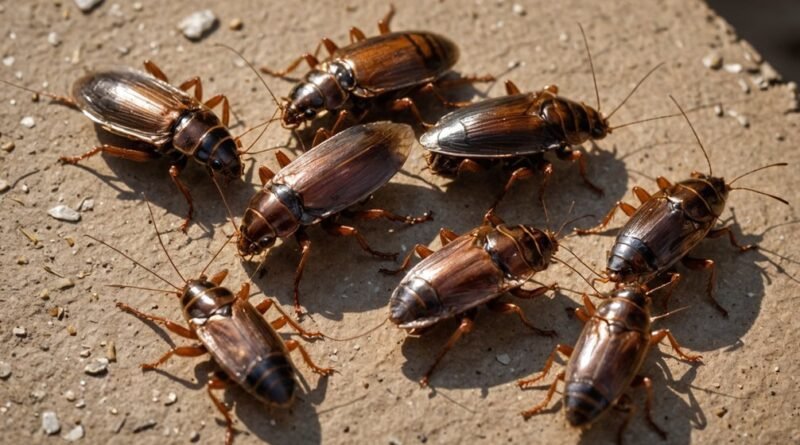
Brown Banded Cockroaches, Signs, Behavior and Treatment Options
Brown banded cockroaches are small nocturnal insects that hide in warm, dry, elevated spots including upper cabinets, furniture, picture frames, and electronics rather than the kitchens and bathrooms where other cockroach species are typically found. Recognizing their specific signs, understanding their behavior, and applying the right treatment methods to the right locations is what separates successful elimination from repeated failed attempts.
Key Takeaways
Here is a quick summary before going into each topic in detail:
- Brown banded cockroaches are 10 to 14mm, light to medium brown with two broad bands across their wings and abdomen. Males fly; females do not.
- They prefer warm, dry, elevated areas including upper cabinets, furniture, electronics, picture frames, closets, and bedrooms rather than moist floor-level spaces.
- Signs include pepper-like droppings, glued oothecae on furniture undersides and ceilings, shed skins, small nymphs, and a musty odor in enclosed spaces.
- They carry over 30 types of bacteria including E. coli and Salmonella, and their allergens trigger asthma attacks in children and sensitive adults.
- Effective control uses gel baits placed at elevated harborage sites, insect growth regulators, boric acid or silica aerogel in dry voids, and consistent sanitation.
Identification and Physical Characteristics
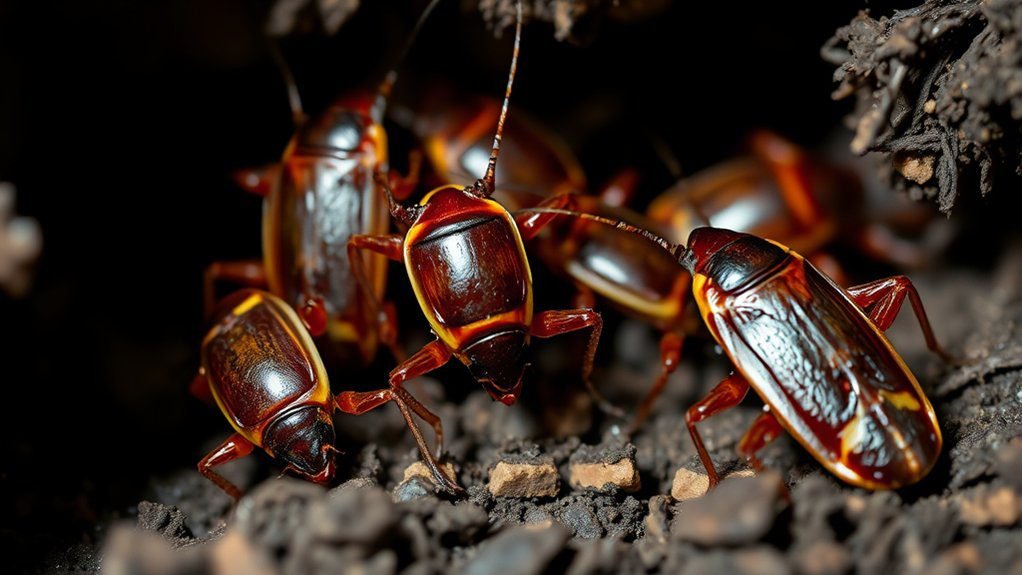
Brown banded cockroaches, known scientifically as Supella longipalpa, are one of the smaller household cockroach species commonly found in homes across the United States. Adults measure approximately 10 to 14mm in length, with light to medium brown coloring and two broad reddish-brown bands that run across the wings and mid-abdomen. The pronotum, the shield-like plate behind the head, often shows a darker bell-shaped mark that helps distinguish the species from German cockroaches, which have lengthwise dark stripes rather than crossbands.
Males are slender with fully developed wings that cover the abdomen and allow short glides when disturbed. Females are shorter and broader with wings that do not reach the tip of the abdomen, so they do not fly. Nymphs display the same banding pattern in miniature and are wingless. Both adults and nymphs have long, slender antennae and well-developed mouthparts with five-segmented maxillary palps that help them detect food sources and mates. The size difference between males and females, combined with the presence or absence of functional wings, is the fastest way to confirm species identification in the field.
Brown Banded vs German Cockroach: Key Differences
The most common identification mistake is confusing brown banded cockroaches with German cockroaches because both species are small and found indoors. The differences in color pattern, habitat preference, and body shape are consistent enough to distinguish them reliably. German cockroaches show two dark parallel stripes running lengthwise behind the head and strongly prefer moist environments near kitchen sinks, drains, and appliances. Brown banded cockroaches have crossbands on the wings and abdomen rather than stripes, prefer dry warm areas well away from moisture, and nest at elevated positions rather than floor level. Finding small roaches in bedrooms, living rooms, closets, or near electronics rather than near sinks and drains points strongly to brown banded cockroaches over other species. For a detailed visual comparison across light brown cockroach species including identification photos, the light brown cockroach species identification guide covers each species side by side.
Common Signs of Infestation
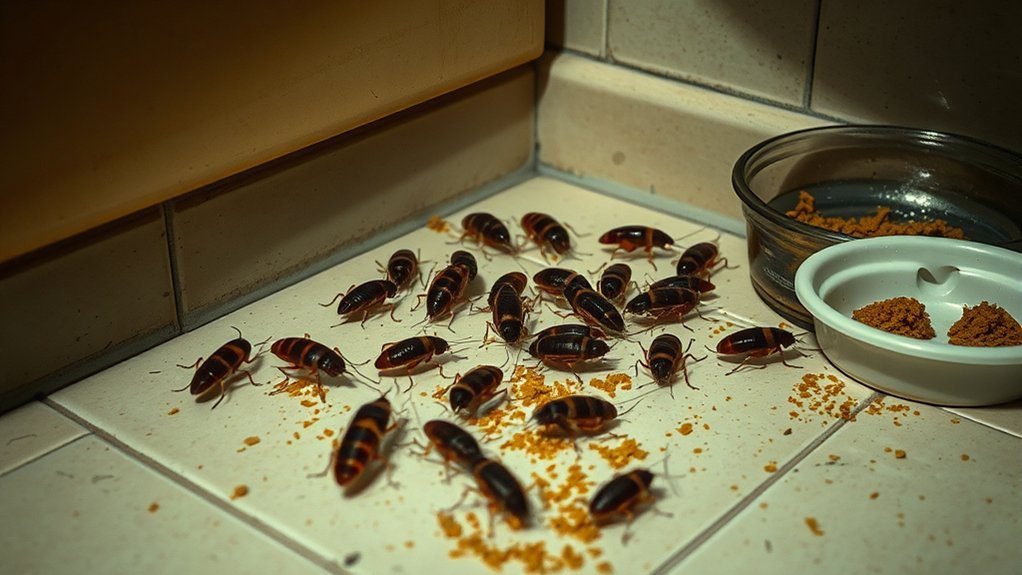
Four reliable signs confirm a brown banded cockroach infestation: pepper-like droppings, glued egg capsules, shed skins alongside small nymphs, and a persistent musty odor. Because these pests are nocturnal and avoid light, the physical evidence they leave behind matters more than catching one in the open during daylight hours.
Droppings appear as dark specks similar in size and appearance to black pepper, clustering near travel routes and nesting areas rather than scattered randomly. Fresh droppings are dark and slightly moist. Older droppings dry out and lighten. Finding both fresh and aged droppings in the same location confirms ongoing activity. Oothecae, the egg cases, are reddish-brown to yellowish, under 5mm long, and glued beneath furniture, inside cabinetry, behind picture frames, and along ceiling surfaces rather than on the ground. Each case holds 14 to 18 eggs. Shed nymph skins in crevices and the presence of small wingless juveniles moving along walls confirm the population has been actively breeding and is in multiple life stages simultaneously. A musty odor from secretions, droppings, and carcasses accumulating in confined spaces confirms a well-established infestation.
Where to Inspect for Evidence
Brown banded cockroach evidence concentrates in specific locations that standard floor-level inspections miss entirely. Check these areas carefully:
- Upper corners of kitchen and bedroom cabinets, inside hinge areas and along shelf edges
- The underside of furniture including sofas, chairs, bed frames, and dresser drawers
- Behind and inside electronics including televisions, gaming consoles, alarm clocks, and computer towers
- Behind picture frames and wall decorations, particularly on upper walls near ceilings
- Inside closets near stored clothing, boxes, and paper items
- Along crown molding, ceiling corners, and surfaces above eye level throughout living rooms and bedrooms
Use sticky traps placed in out-of-the-way areas at elevated positions to verify activity. A single roach captured typically indicates many more are present in nearby harborage areas. Run at least ten trap locations for one week before concluding which areas are most active.
Behavior and Habitat Preferences
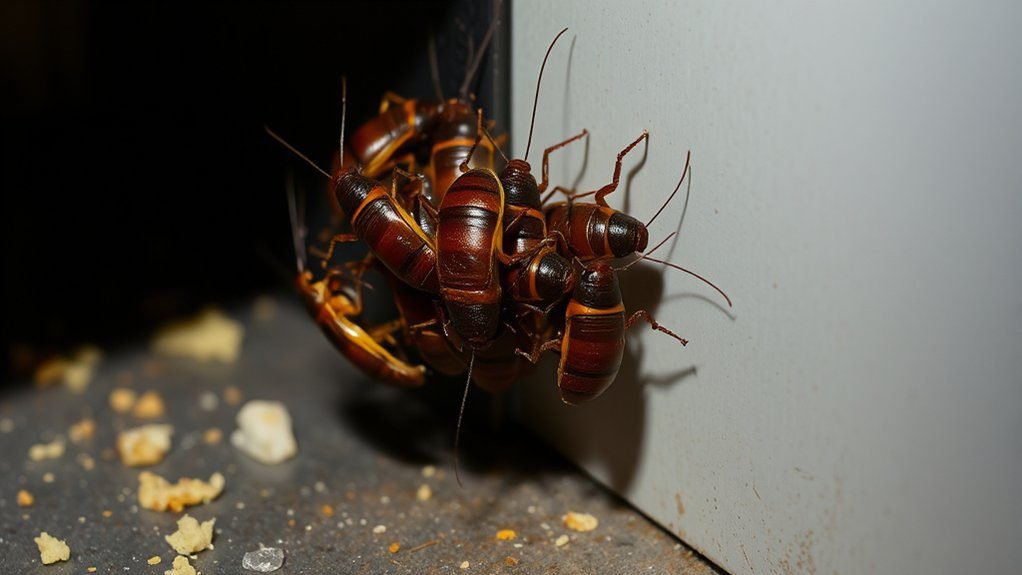
Brown banded cockroaches are consistently found in warm, dry, elevated locations across all rooms of the house rather than concentrating near food and moisture as other cockroach species do. Their preferred indoor temperature is around 26°C, which draws them toward heat-generating appliances, electronics, and warm spaces including bedrooms, living rooms, and closets that other cockroach species typically avoid. This wide room distribution across buildings is one of the reasons infestations go undetected for longer than German cockroach problems, which cluster near visible kitchen activity.
Their diet is unusually flexible. Beyond standard food crumbs and pantry items, brown banded cockroaches consume starches in wallpaper paste, book binding glue, dyes in fabric and clothing, leather, and the adhesives in stored paper products and stamps. This ability to survive on non-food organic materials means they maintain populations in bedrooms, offices, and storage spaces with no direct kitchen food access, making sanitation alone less effective against this species than against moisture-dependent cockroaches.
Nocturnal Activity and Egg-Laying Behavior
Brown banded cockroaches are strongly nocturnal and shun light, remaining hidden through most daylight hours even in heavily infested buildings. Adult males glide short distances when disturbed, allowing them to reach new elevated hiding places quickly and spread across multiple rooms within the same property. Females actively seek warm, dark, secure sites for egg capsule attachment, prioritizing elevated surfaces on ceilings, furniture undersides, and cabinet interiors over floor-level locations. This egg placement behavior is the primary reason the species is harder to find and treat than other household cockroaches, since standard floor-level inspection and treatment placement misses the majority of active breeding sites.
Health Risks and Allergen Concerns
Brown banded cockroaches carry more than 30 types of disease-causing bacteria including E. coli, Salmonella, Streptococcus, and Staphylococcus. Pathogens cling to their legs and bodies after contact with sewage, organic waste, and decomposing material, then transfer onto kitchen surfaces, pantries, utensils, and food preparation areas through feces, shed skins, and secretions. Documented illnesses linked to cockroach contamination include gastroenteritis, diarrhea, typhoid fever, cholera, dysentery, and food poisoning.
Their allergens, found in saliva, feces, shed skins, and body debris, become airborne particles in rooms where populations are established. Chronic exposure triggers itchy eyes, sneezing, skin rashes, wheezing, and asthma attacks. The health risk is highest for children, people with existing asthma, elderly individuals, and immunocompromised household members. Fecal specks accumulating in warm, dry areas degrade indoor air quality and enable cross-contamination across multiple surfaces in living spaces and bedrooms where people spend extended time breathing the same air.
Treatment and Control Strategies
Effective treatment for brown banded cockroaches requires targeting their actual harborage locations at elevated positions rather than concentrating applications at floor level near sinks and drains. The most common reason DIY treatments fail against this species is placing baits and dusts in the wrong locations based on habits of other cockroach species.
Start with a thorough inspection using sticky traps across at least ten elevated locations for one week to map hotspot areas before applying any product. Remove clutter from closets, shelves, and storage areas to reduce harborage and alternative food sources. Seal cracks and gaps around doors, windows, plumbing penetrations, outlets, and baseboards using silicone caulk. Tighten sanitation throughout all rooms, not just the kitchen: vacuum and wipe away crumbs, grease residue, and organic debris in bedrooms, living rooms, and storage areas. Store food in sealed airtight containers and bag garbage in sealed containers.
Chemical Treatment Methods and Product Selection
For chemical treatments, use the following approach matched to the species’ harborage habits:
- Gel baits containing indoxacarb, fipronil, hydramethylnon, or abamectin placed in small dots inside cabinet hinges, along upper shelf edges, behind electronics, inside furniture joints, and near ceiling corners where sticky traps confirmed activity. Rotate bait active ingredients every two to three cycles to prevent aversion.
- Insect growth regulators such as hydroprene applied separately along upper baseboards, inside closets, and behind appliances to disrupt nymph development across the population’s lifecycle and prevent hatching juveniles from reaching reproductive adulthood.
- Boric acid or silica aerogel dust applied in very thin layers inside dry wall voids, behind fixtures, inside electronics where accessible, and along upper cabinet interiors to provide residual contact killing in harborage zones where gel bait placement is impractical.
- Residual sprays applied to baseboards, door and window frames, and furniture along travel routes as a supplementary measure. Do not apply residual sprays near gel bait stations.
Monitoring Progress and Long-Term Prevention
Refresh gel bait every two to three weeks and reapply dust treatments after any cleaning or moisture exposure. Continue treatment for four to six weeks after visible roach activity stops to catch newly hatched nymphs from egg cases deposited before treatment began. Monitor with sticky traps throughout the treatment period and track weekly capture counts to confirm the population is declining rather than plateauing.
Long-term prevention requires keeping warm, dry harborage spots in living rooms, bedrooms, and closets unfavorable for re-colonization. Replace cardboard storage boxes with sealed plastic bins, keep shelving clear of unnecessary clutter, regularly clean behind picture frames and electronics, and inspect incoming furniture and packages before bringing them into the home. For a complete identification and treatment guide covering all stages of brown banded cockroach infestations from initial detection through eradication confirmation, the brown banded cockroach identification and habits guide covers room-by-room inspection and control approaches in detail.
Frequently Asked Questions
What are the first signs of a brown banded cockroach infestation?
The first signs are typically pepper-like droppings clustering in upper cabinet corners, on shelving edges, and behind electronics; a faint musty odor in enclosed spaces including closets and bedroom wardrobes; and small reddish-brown egg cases glued to the underside of furniture, ceilings, or cabinet interiors. Finding shed nymph skins in crevices near upper wall surfaces confirms the population has been present long enough to complete multiple molting stages, indicating an established infestation rather than a recent introduction.
Why are brown banded cockroaches found in bedrooms and living rooms rather than kitchens?
Brown banded cockroaches prefer warm, dry environments at temperatures around 26°C and actively avoid the humidity found in kitchens and bathrooms where other cockroach species concentrate. They nest near heat-generating electronics, warm wall spaces, and elevated furniture that provides the dry warmth they require. Their flexible diet, which includes starches in wallpaper paste, book bindings, fabric dyes, and clothing residues, allows them to sustain colonies in rooms with no kitchen food access, making them unique among common household cockroach species in their room distribution patterns.
How do I stop brown banded cockroaches from returning after treatment?
Preventing re-infestation requires maintaining the conditions that make living spaces unfavorable for this species. Replace cardboard storage with sealed plastic bins, keep bedroom and closet floors clear of clutter, regularly inspect and clean behind electronics and picture frames, and seal all gaps and cracks around outlets, baseboards, and pipe penetrations. Inspect all incoming furniture and packages before bringing them inside since this species commonly spreads through infested items transported between homes and apartments. Continue monitoring with sticky traps at elevated positions for at least six weeks after treatment ends to catch any surviving juveniles before they reach breeding age.
Can brown banded cockroaches spread between apartment units?
Yes. In apartment buildings, brown banded cockroaches spread through shared wall voids, electrical conduits, plumbing chases, and gaps around pipes and outlets connecting adjacent units. They move more readily between units than moisture-dependent species because they do not need to follow water or food trails and can establish new colonies in dry harborage spaces anywhere along their travel route. Coordinating treatment across multiple units with building management is necessary for lasting control in multi-unit buildings because treating a single apartment leaves the surrounding units as a continuous reinfestation source.
Do professional pest control services work better than DIY for brown banded cockroaches?
Professional extermination provides meaningful advantages for established or multi-room infestations. Professionals have access to commercial-grade crack-and-crevice injection equipment that places active ingredients directly into wall voids and furniture interiors that consumer products cannot effectively penetrate. They also use structured inspection protocols that identify every active harborage zone rather than relying on visible signs alone. For infestations limited to a single room with a recent introduction, consistent DIY treatment using gel baits and insect growth regulators at the correct elevated locations produces reliable results when maintained for the full four to six week elimination cycle.
{
“@context”: “https://schema.org”,
“@type”: “FAQPage”,
“mainEntity”: [
{
“@type”: “Question”,
“name”: “What are the first signs of a brown banded cockroach infestation?”,
“acceptedAnswer”: {
“@type”: “Answer”,
“text”: “The first signs are pepper-like droppings clustering in upper cabinet corners and behind electronics; a faint musty odor in enclosed spaces including closets and bedroom wardrobes; and small reddish-brown egg cases glued to the underside of furniture, ceilings, or cabinet interiors. Finding shed nymph skins in crevices near upper wall surfaces confirms an established infestation rather than a recent introduction.”
}
},
{
“@type”: “Question”,
“name”: “Why are brown banded cockroaches found in bedrooms and living rooms rather than kitchens?”,
“acceptedAnswer”: {
“@type”: “Answer”,
“text”: “Brown banded cockroaches prefer warm, dry environments around 26°C and avoid the humidity found in kitchens and bathrooms. They nest near heat-generating electronics and elevated furniture. Their flexible diet includes starches in wallpaper paste, book bindings, fabric dyes, and clothing residues, allowing them to sustain colonies in rooms with no kitchen food access, making them unique among common household cockroach species in their room distribution patterns.”
}
},
{
“@type”: “Question”,
“name”: “How do I stop brown banded cockroaches from returning after treatment?”,
“acceptedAnswer”: {
“@type”: “Answer”,
“text”: “Replace cardboard storage with sealed plastic bins, keep bedroom and closet floors clear of clutter, regularly inspect and clean behind electronics and picture frames, and seal all gaps around outlets, baseboards, and pipe penetrations. Inspect all incoming furniture and packages before bringing them inside. Continue monitoring with sticky traps at elevated positions for at least six weeks after treatment ends to catch surviving juveniles before they reach breeding age.”
}
},
{
“@type”: “Question”,
“name”: “Can brown banded cockroaches spread between apartment units?”,
“acceptedAnswer”: {
“@type”: “Answer”,
“text”: “Yes. In apartment buildings, brown banded cockroaches spread through shared wall voids, electrical conduits, plumbing chases, and gaps around pipes and outlets. They move more readily between units than moisture-dependent species because they can establish new colonies in dry harborage spaces anywhere along their travel route. Coordinating treatment across multiple units is necessary for lasting control in multi-unit buildings.”
}
},
{
“@type”: “Question”,
“name”: “Do professional pest control services work better than DIY for brown banded cockroaches?”,
“acceptedAnswer”: {
“@type”: “Answer”,
“text”: “Professional extermination provides meaningful advantages for established or multi-room infestations. Professionals use commercial-grade crack-and-crevice injection equipment that places active ingredients directly into wall voids and furniture interiors that consumer products cannot penetrate. For infestations limited to a single room with a recent introduction, consistent DIY treatment using gel baits and insect growth regulators at the correct elevated locations produces reliable results when maintained for the full four to six week elimination cycle.”
}
}
]
}
